Active Space
Astroscale
Astroscale inspects, services and removes debris in orbit: ELSA-d, ADRAS-J's 2024 close-up of an H-IIA upper stage, and ADRAS-J2, targeted for fiscal 2027.
A two-way relationship between Earth and Space. Project R is named for Rawane — because the best projects start with someone you love.
Earth's orbit has become a junkyard, and real teams are now cleaning it up.
More than 1.5 million pieces of debris bigger than a centimeter circle Earth (ESA), and some reach 18,000 miles per hour, almost seven times faster than a bullet (NASA).
That junk threatens the satellites behind weather forecasts, GPS and the missions that watch forests, oceans and ice, so a cleaner orbit protects people and nature alike.
See the fixes below: debris removal, asteroid defense, solar storm warnings and voyages outward
Inspired by Errol Scales' work on orbital debris removal.
Six space agencies and the companies already doing the work. NASA, ESA, JAXA, ISRO, NOAA and CSA fly alongside Astroscale, Northrop Grumman and Starfish Space.
Source: JAXA, CRD2 Phase II
Real fixes for space, all on one page. One aims to grab an 11-meter, 3-ton dead rocket stage and bring it down: Astroscale's ADRAS-J2 (company figures).
Happening now, updated daily. Next up: Hera reaches its asteroid in November 2026, and Apophis passes about 20,000 miles from Earth on April 13, 2029.
Source: ESA, Hera
Source: NASA, Asteroid Apophis
From low Earth orbit to Jupiter's moons. NASA's Europa Clipper will make 49 close flybys of Europa from 2030.
Space and Earth are one system. NASA's IMAP can give about half an hour's warning of incoming solar radiation, and every voyage outward shows how precious home is.
Active Space
Astroscale inspects, services and removes debris in orbit: ELSA-d, ADRAS-J's 2024 close-up of an H-IIA upper stage, and ADRAS-J2, targeted for fiscal 2027.
Active Space
ClearSpace leads Europe's first active debris removal mission and provides in-orbit servicing.
Active Project Rawane
LeoLabs runs a global network of ground radars tracking satellites and debris in low Earth orbit, turning the data into collision warnings (company figures).
Active Project Rawane
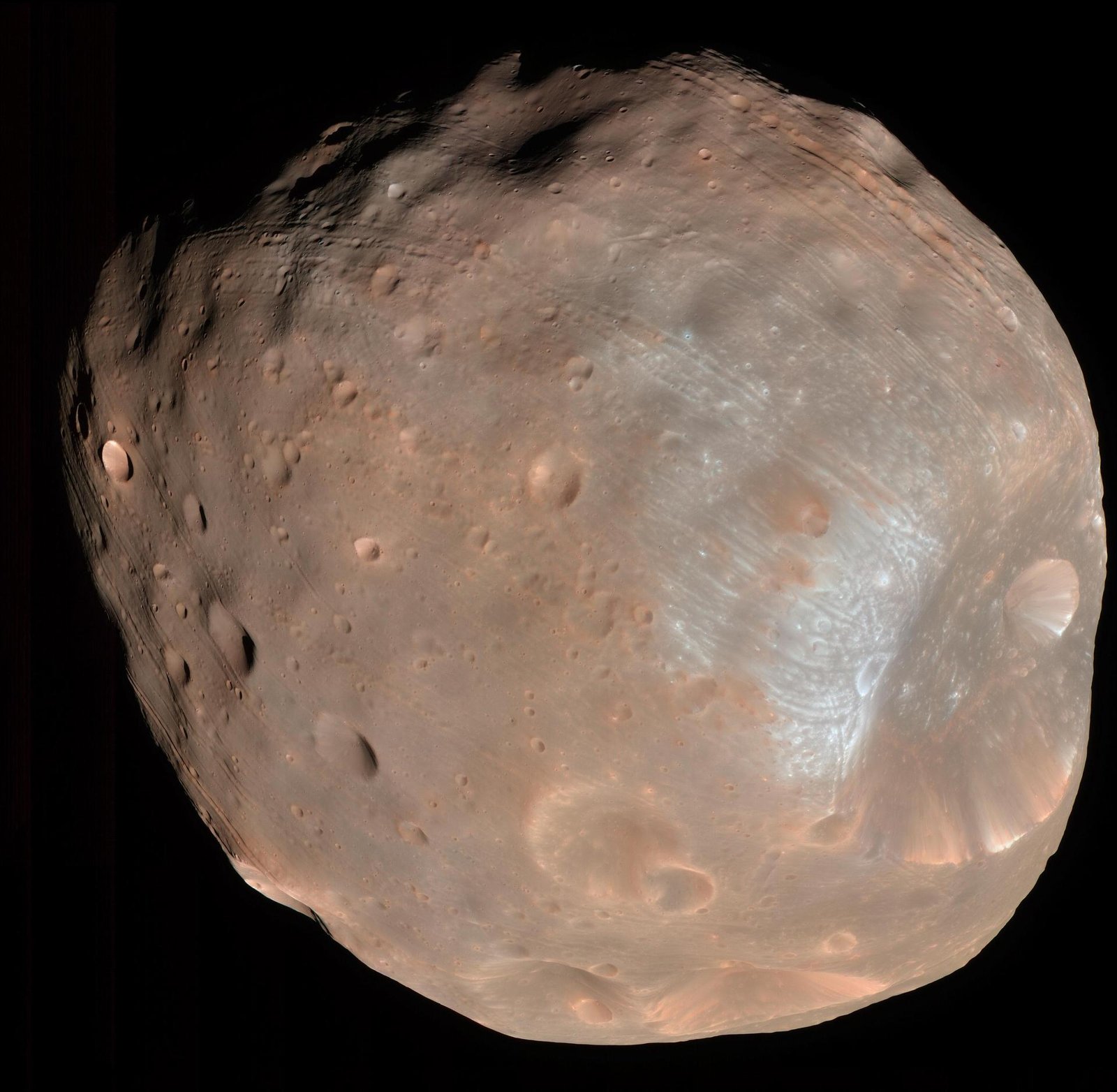
JAXA's MMX launches October 2026 to land on Mars's moon Phobos and return at least 10 grams of it to Earth in 2031, a first for the Mars system.
On the horizon Space
PRELUDE is a ClearSpace and ESA mission planned for June 2027 to validate close-proximity rendezvous technology. A potential solution on the horizon.
Active Project Rawane
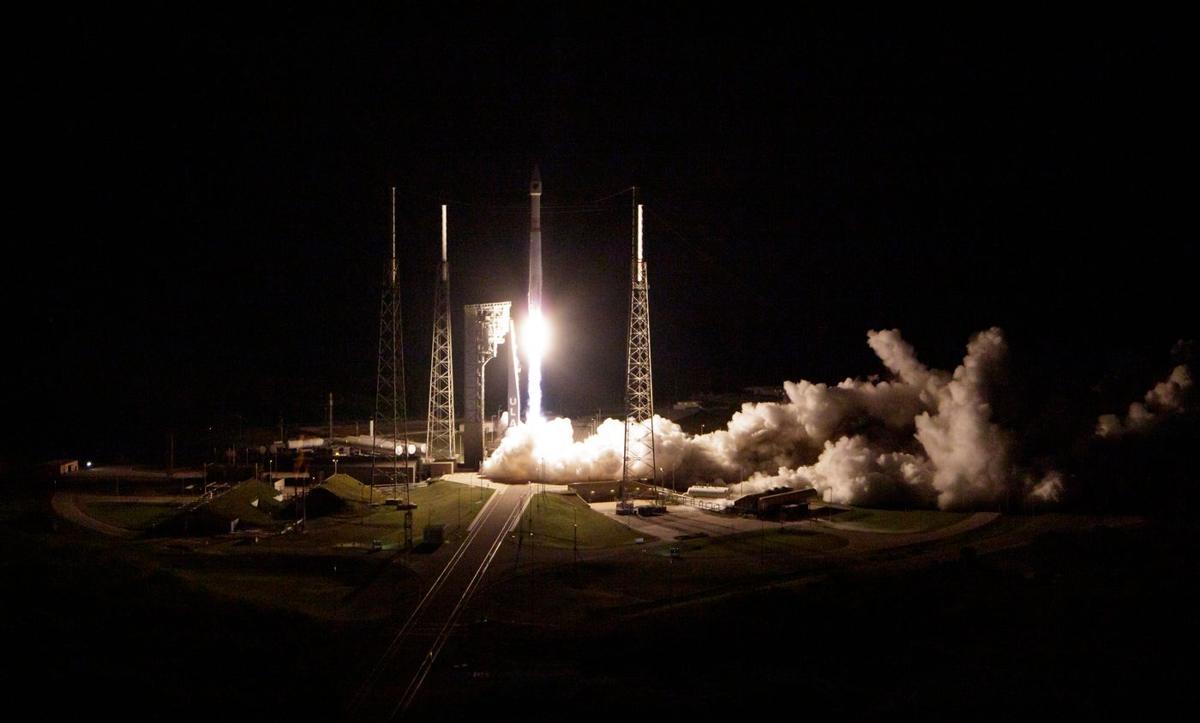
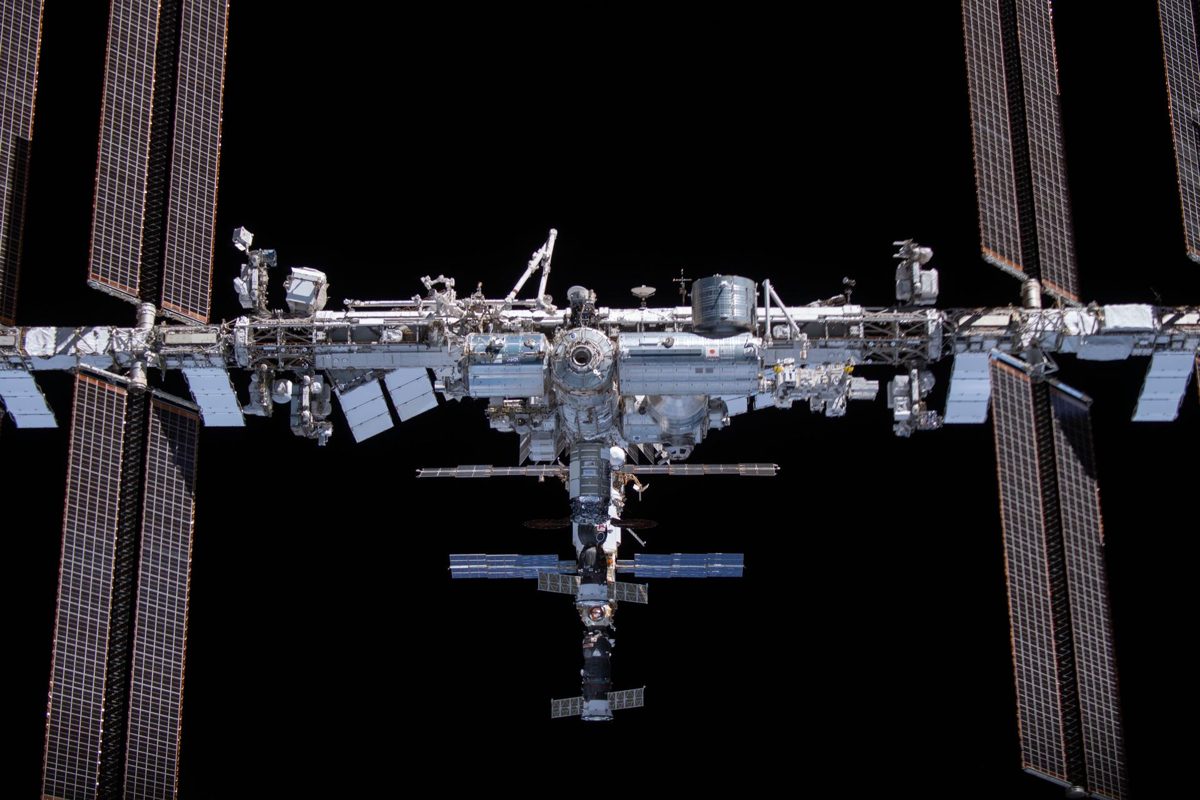
NASA selected SpaceX to build the U.S. Deorbit Vehicle that will guide the International Space Station safely out of orbit after 2030.
Active Project Rawane
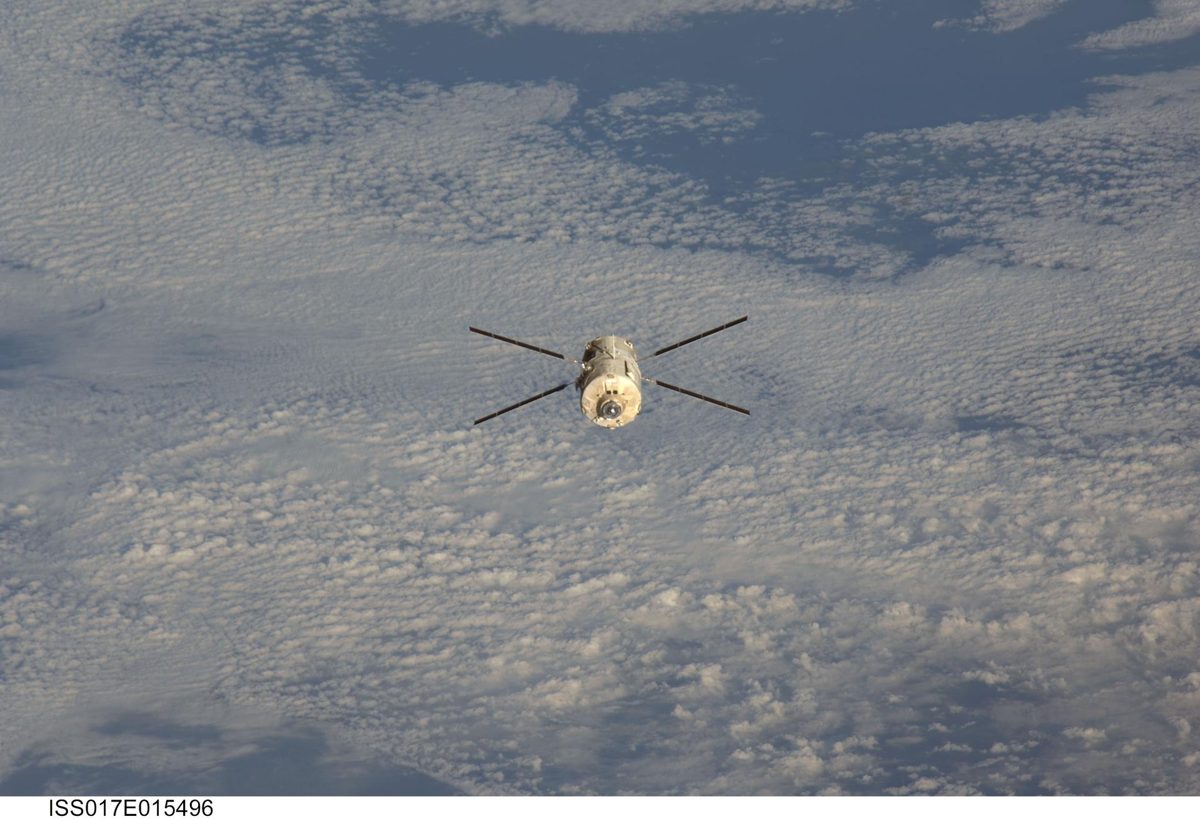
ESA guided its retired Aeolus wind satellite down in the first assisted reentry of its kind, cutting the already low debris risk by a factor of 150.
On the horizon Project Rawane
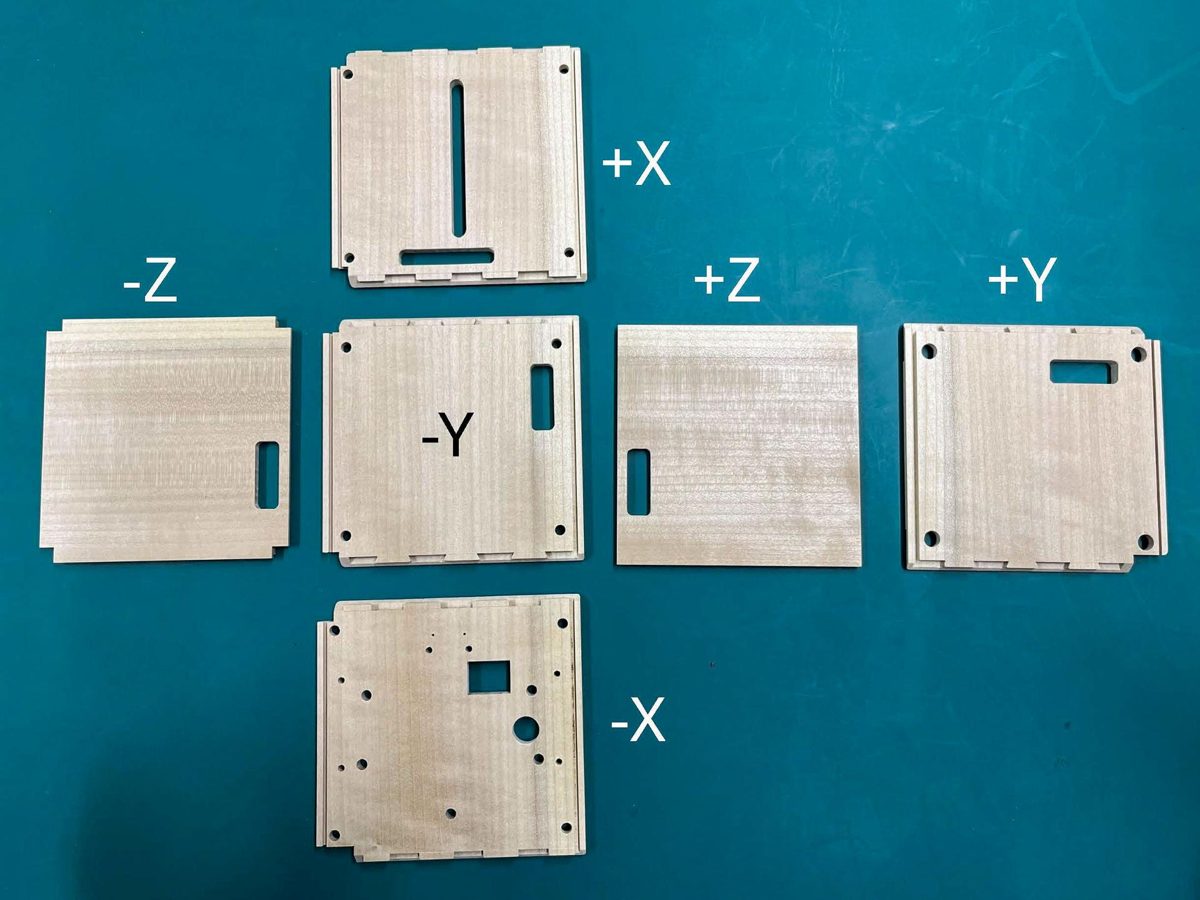
LignoSat, the world's first wooden satellite, proved wood can survive in orbit; a follow-on is a potential solution on the horizon.

Active Project Rawane
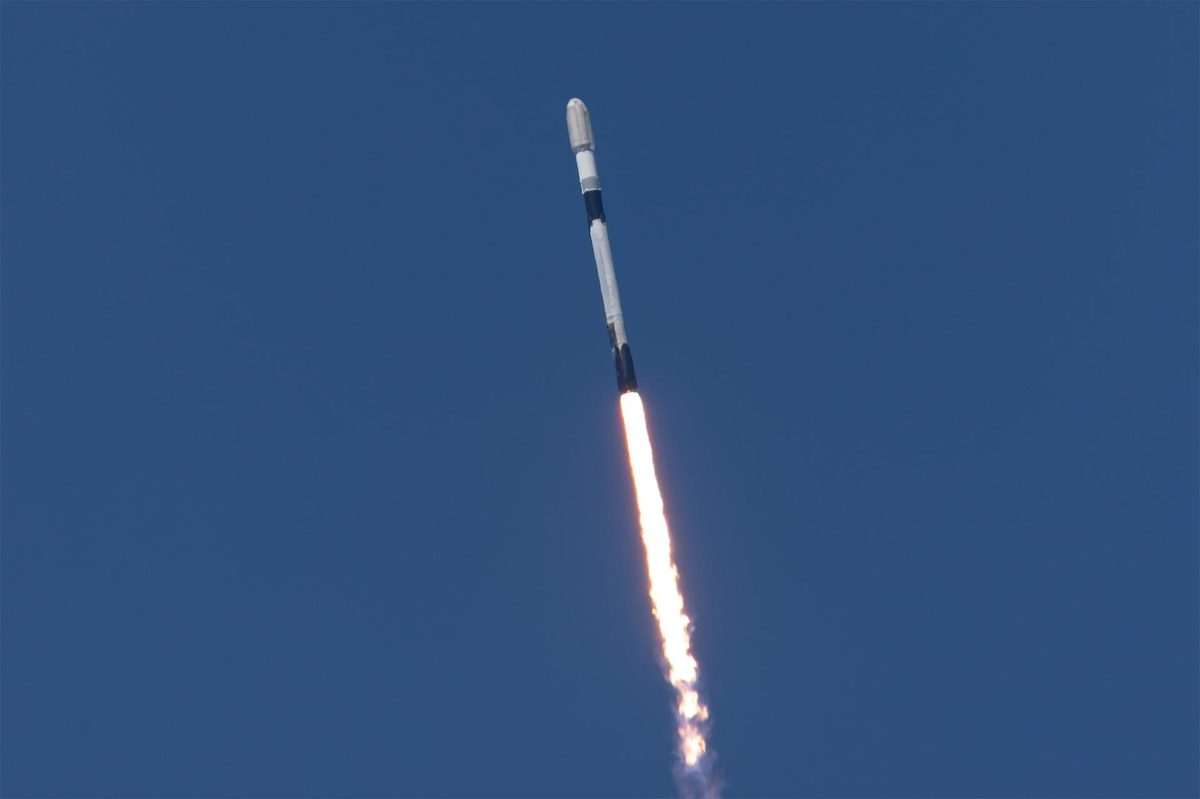
Life extension in GEO: two MEVs have docked with three satellites, and the Mission Robotic Vehicle and three pods launched July 21, 2026 (company figures).
Active Project Rawane
The first Otter launched October 1, 2026 for NASA's SSPICY mission, inspecting up to four dead satellites and rocket bodies from 2027.
Active Project Rawane
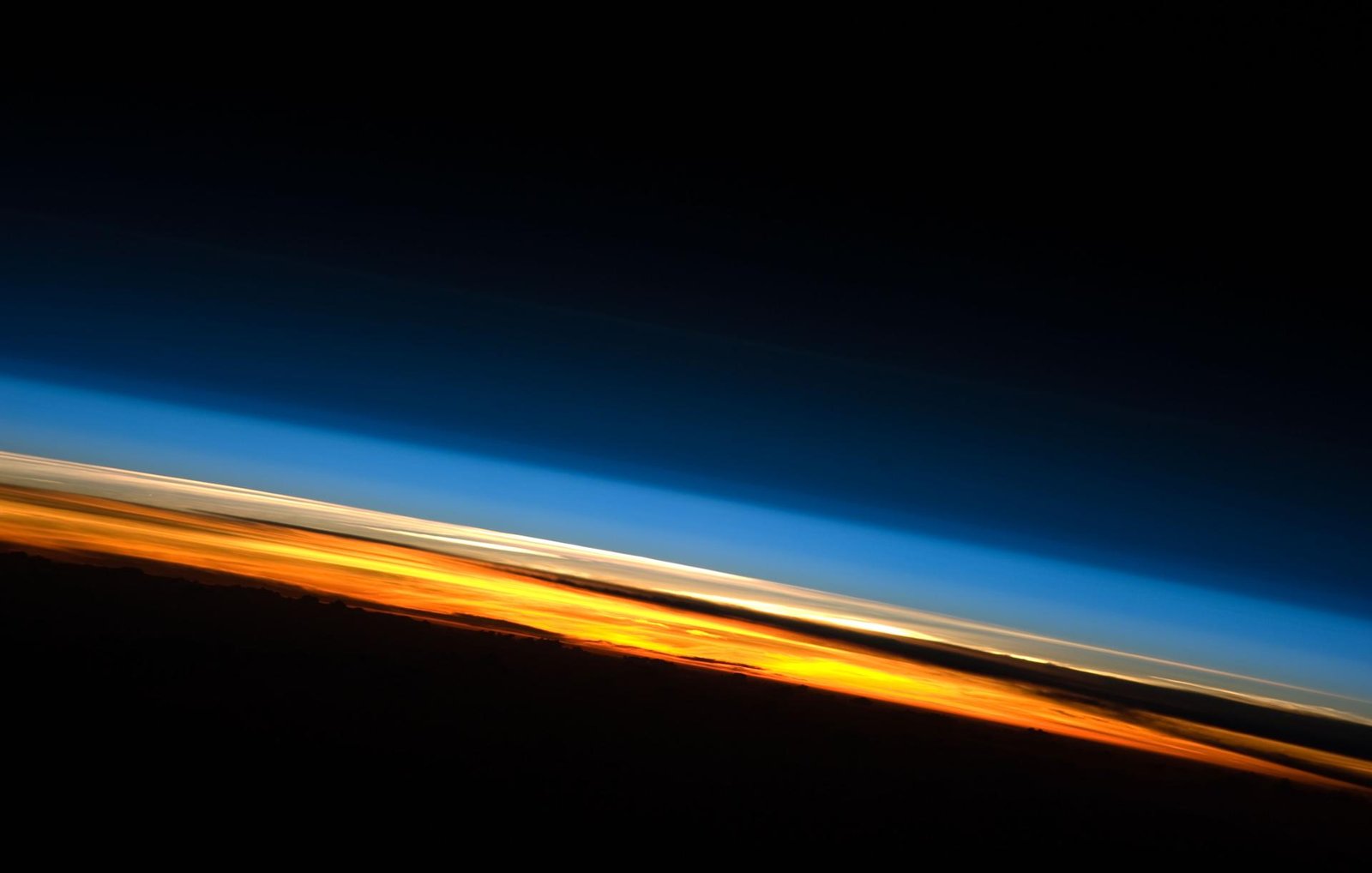
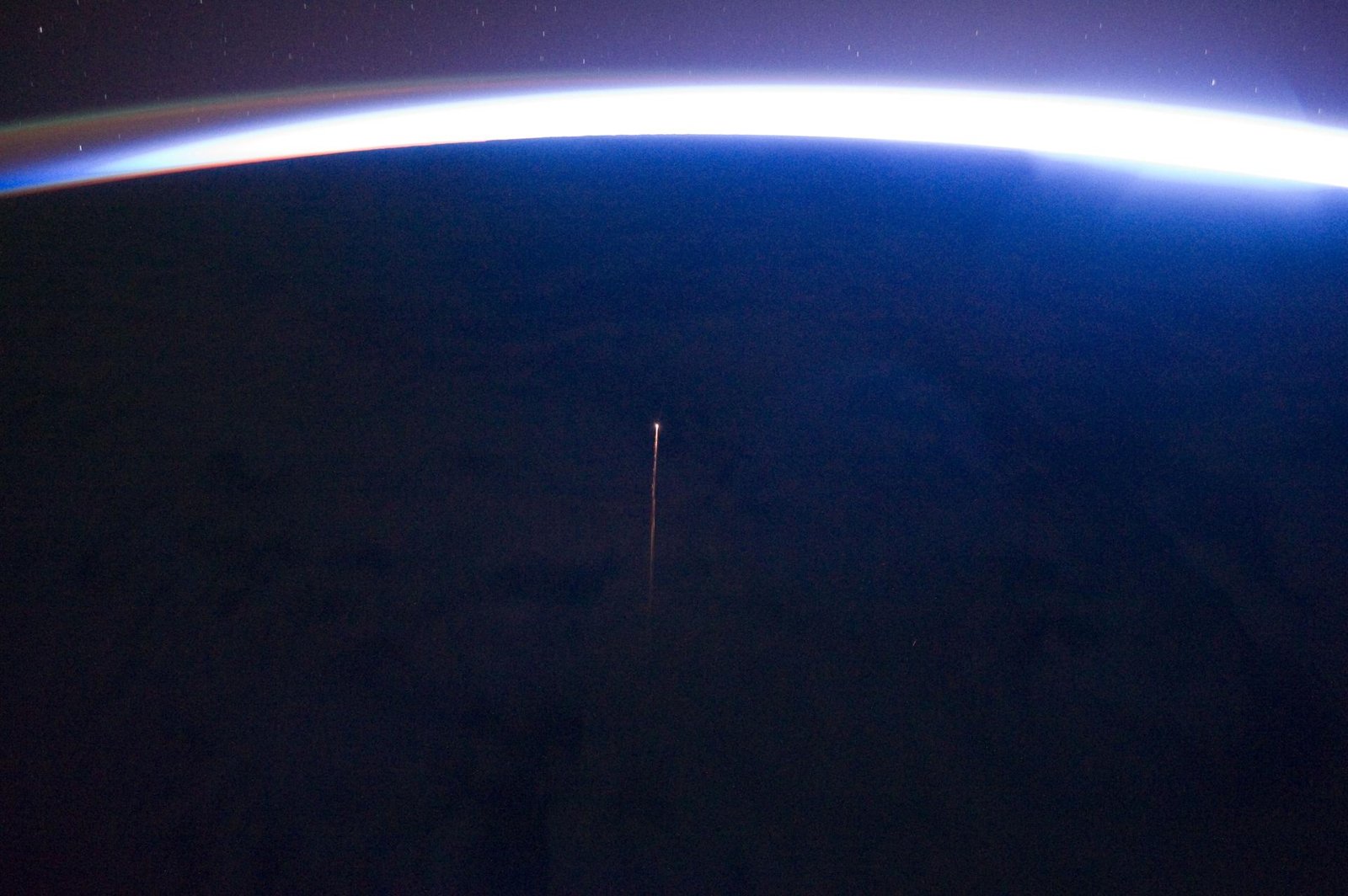
Atmospheric drag is a natural space debris removal system: it pulls low-orbit junk down to burn up, faster when the Sun is active, but barely works high up.
Active Space
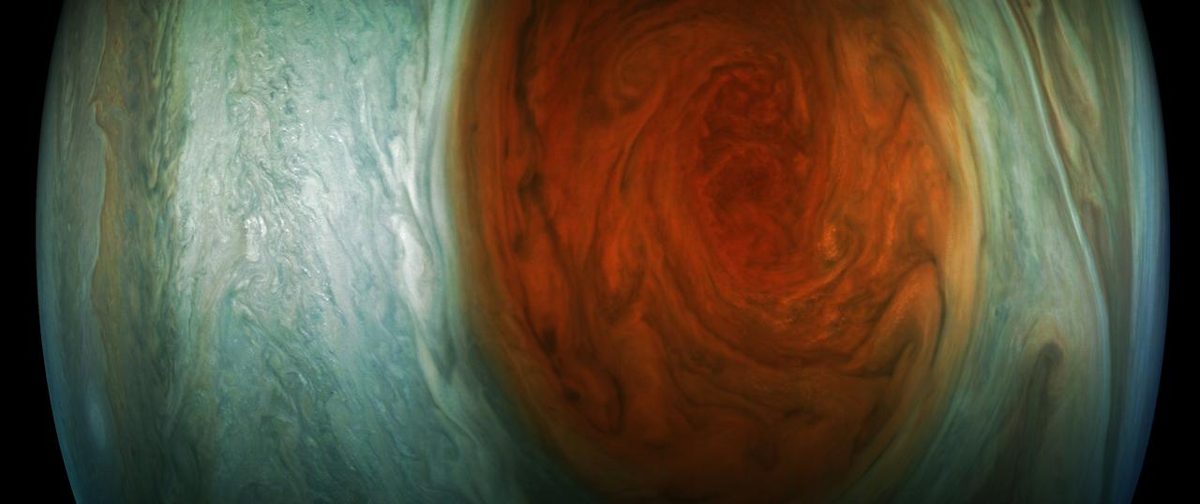
Jupiter's gravity captures or flings away comets and asteroids, a natural debris-removal system on a scale no human mission can match.
Active Planetary Defense
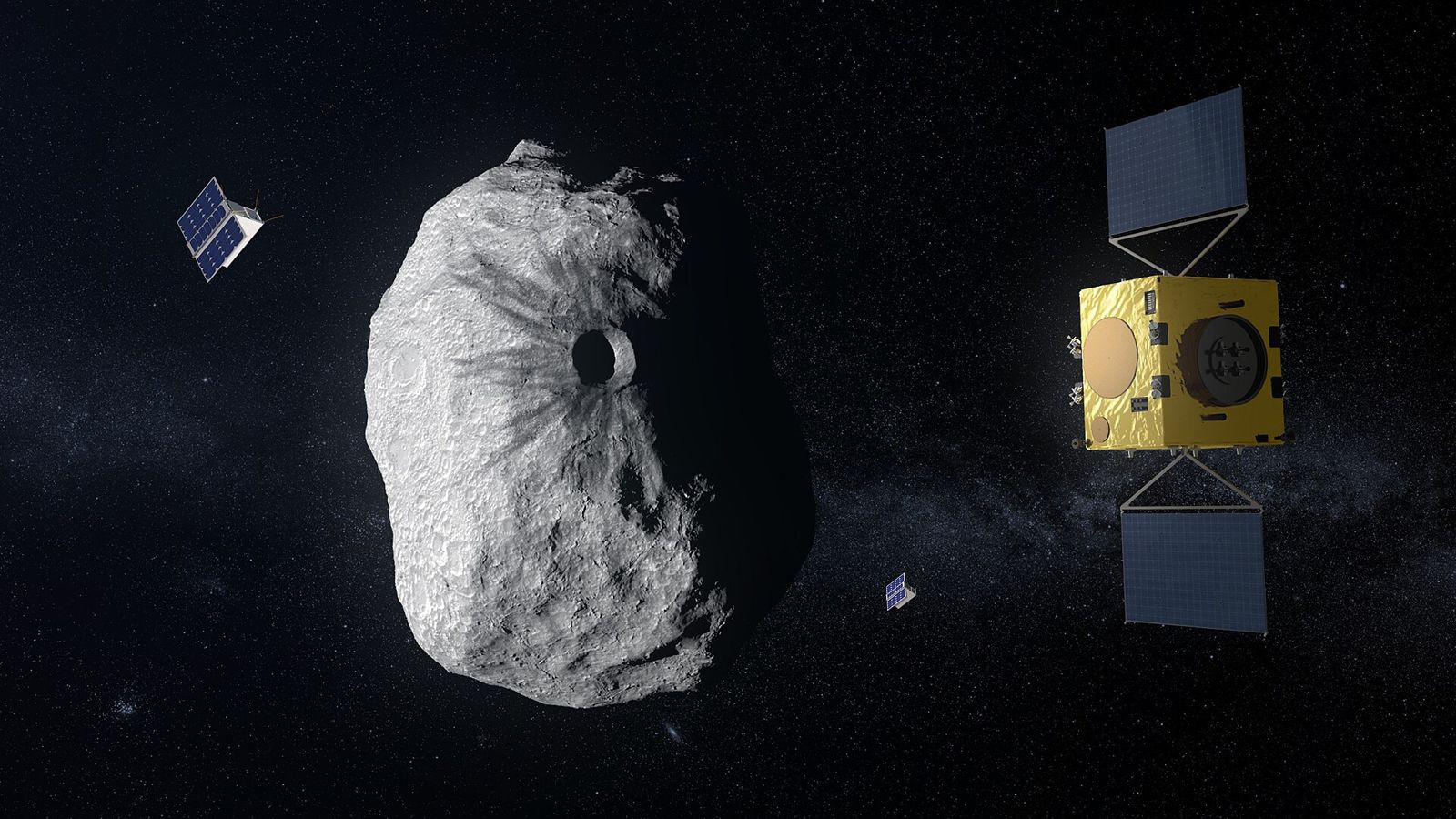
ESA's Hera has arrived at the Didymos asteroids to measure what NASA's DART impact did to Dimorphos, turning deflection into a repeatable defense.
Active Planetary Defense
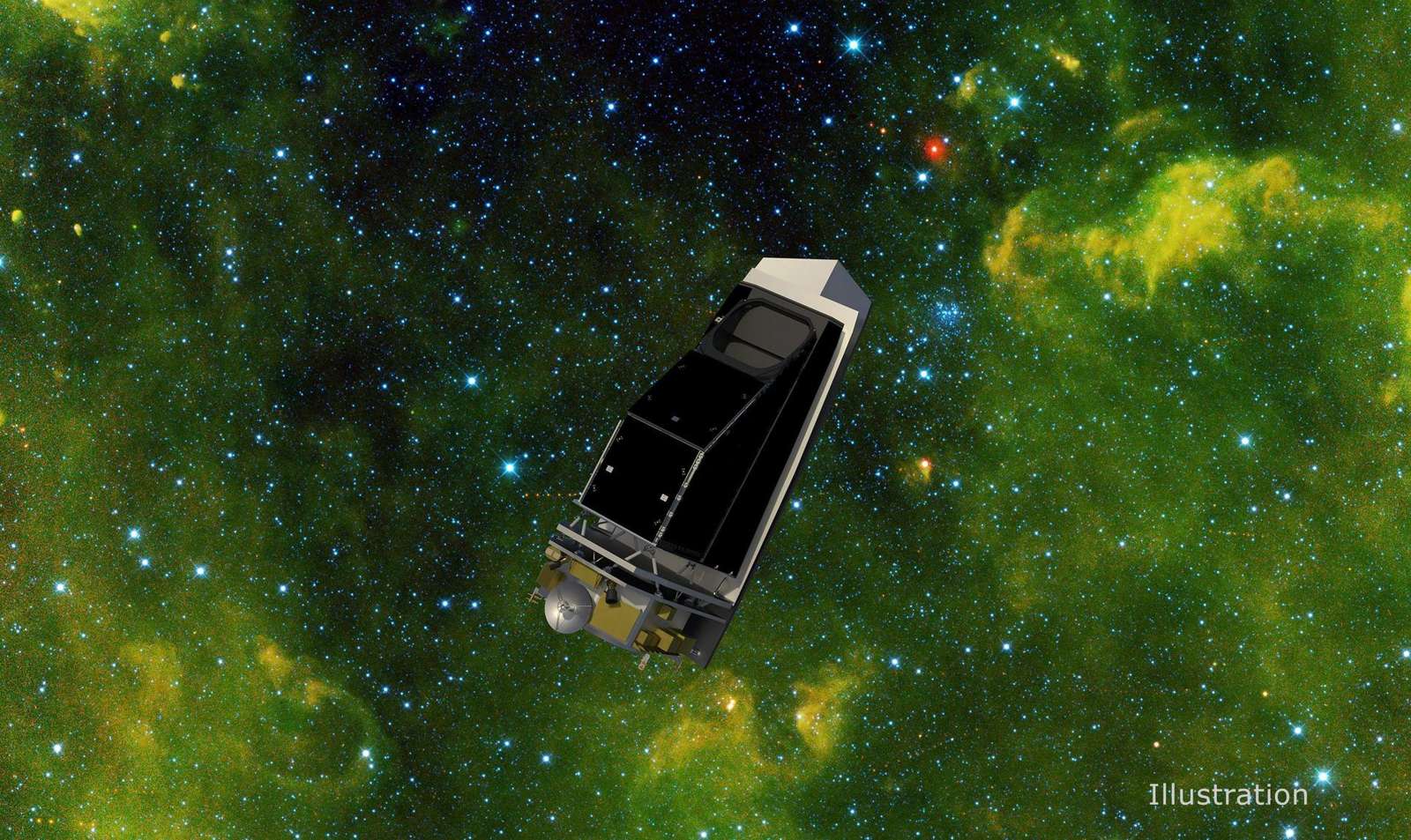
NASA NEO Surveyor is the first space telescope built to find hazardous asteroids, including dark ones hidden in the Sun's glare. Launch NET September 2027.
Active Planetary Defense
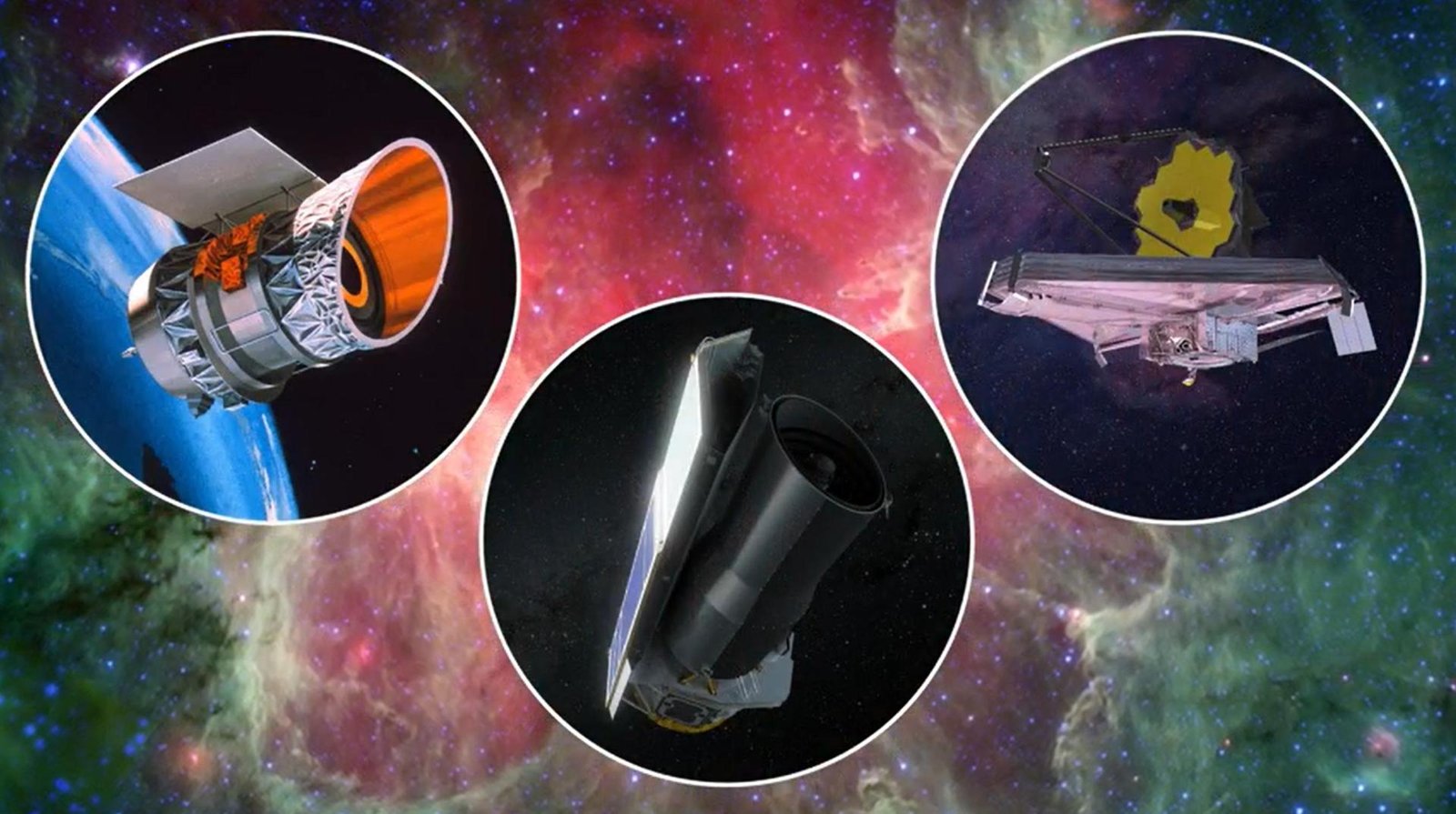
How the James Webb Space Telescope tracked asteroid 2024 YR4 in February 2026 and ruled out a 2032 Moon impact, two years before ground telescopes could.
Active Planetary Defense
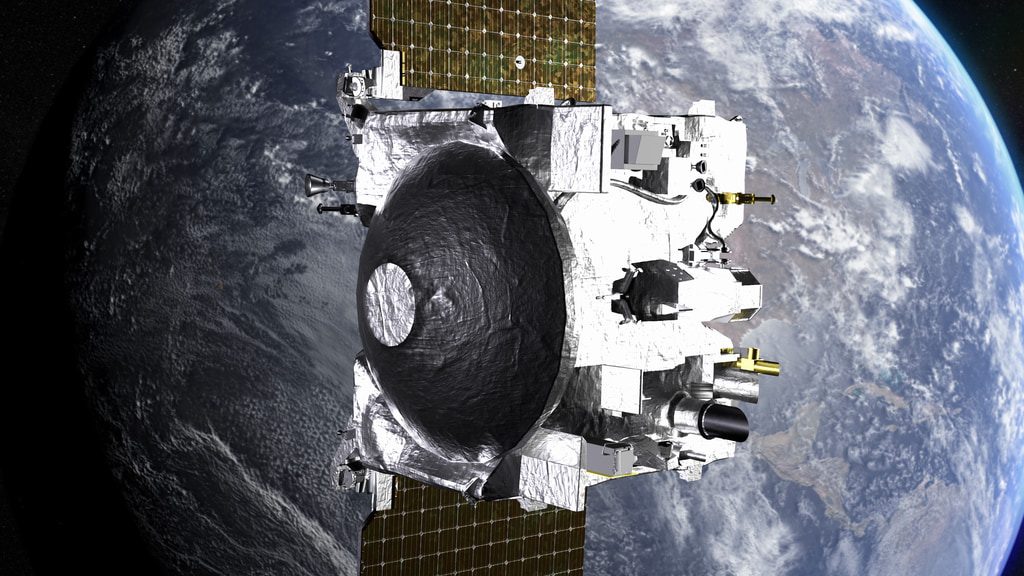
On April 13, 2029, asteroid Apophis passes about 20,000 miles from Earth. NASA's OSIRIS-APEX meets it in June 2029 to see how that close pass changes it.
Active Planetary Defense
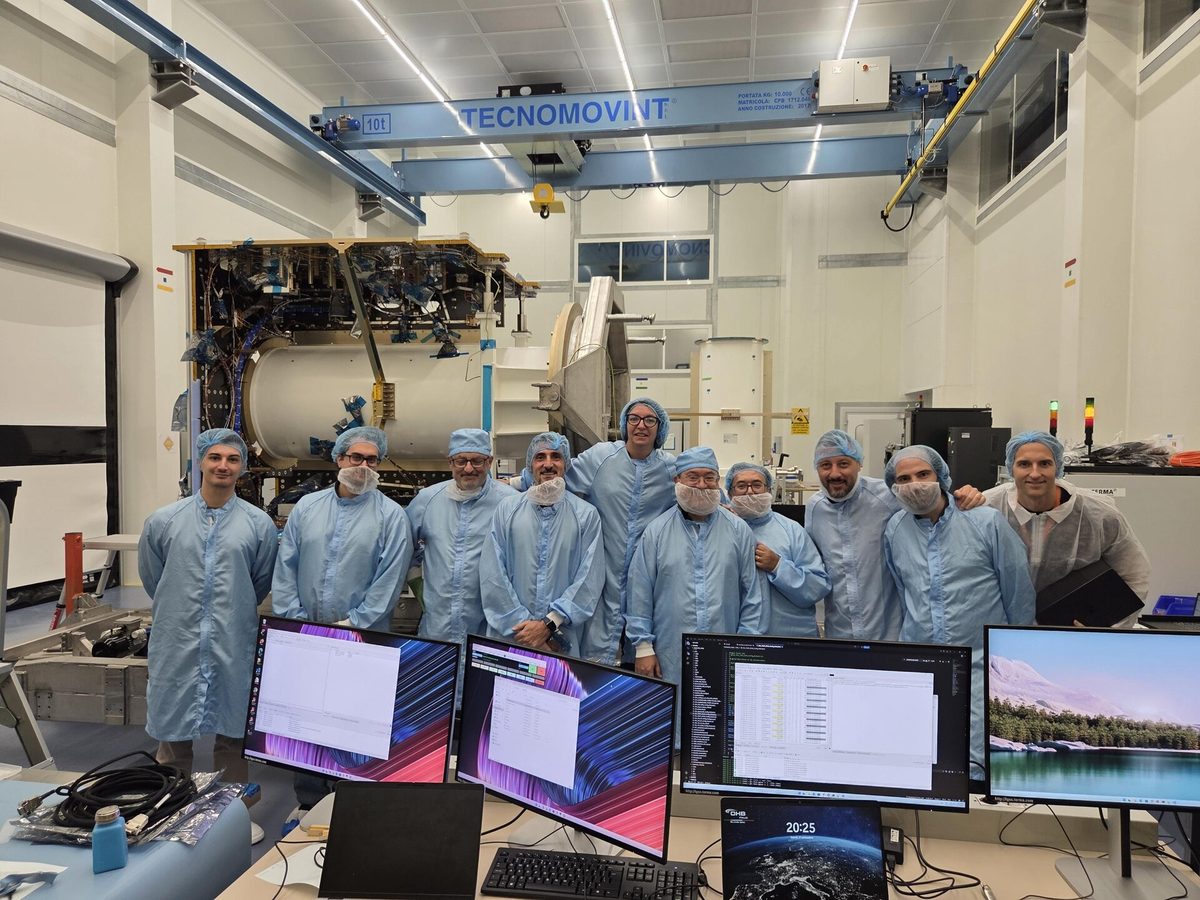
ESA and JAXA's Ramses must launch by spring 2028 to meet Apophis before its 2029 Earth pass. Its €81.2 million build contract was signed in February 2026.
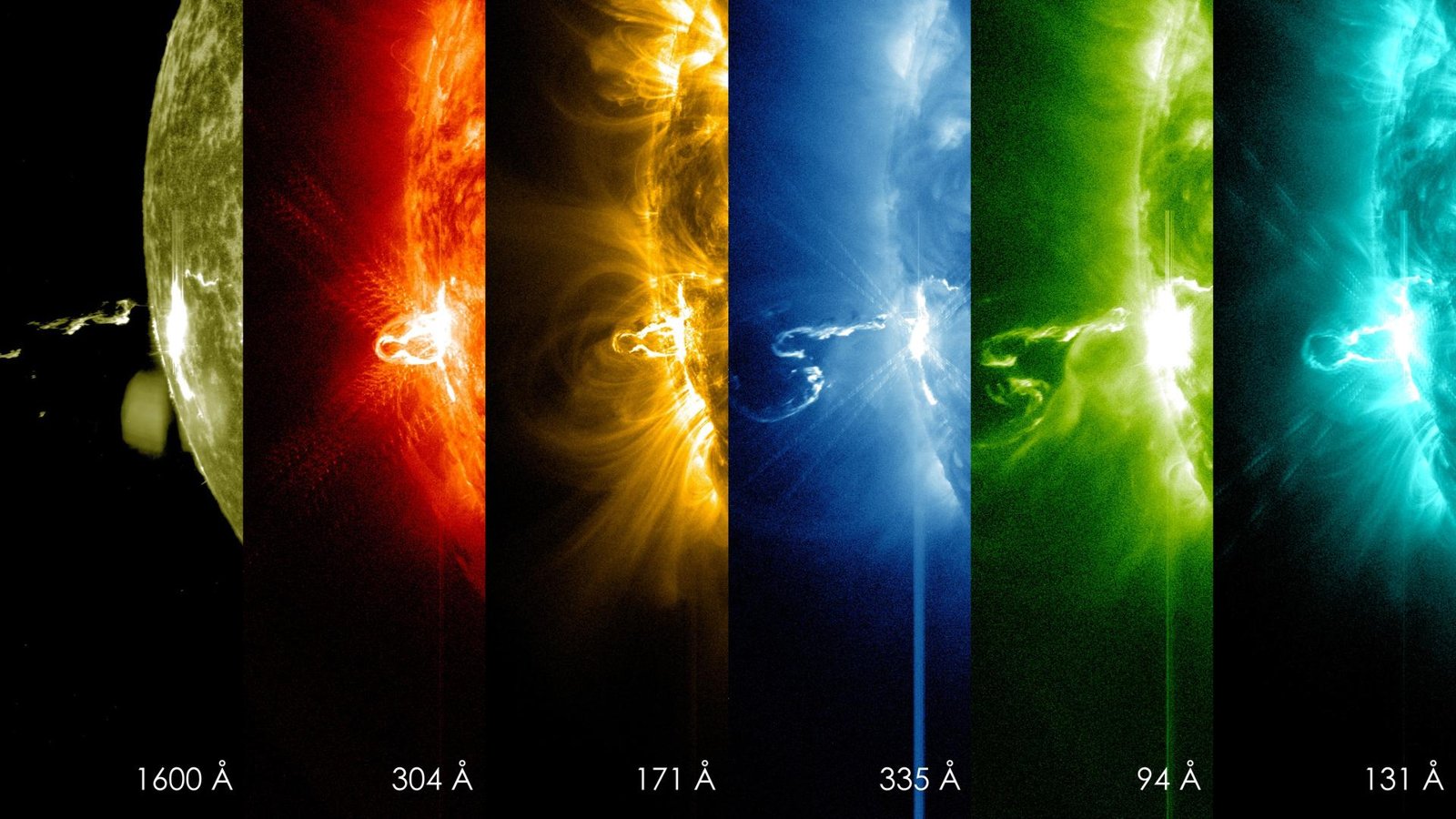
Active Space Weather
Aditya-L1 is ISRO's first space-based solar observatory, studying the Sun from a halo orbit around L1, about 1.5 million km from Earth.
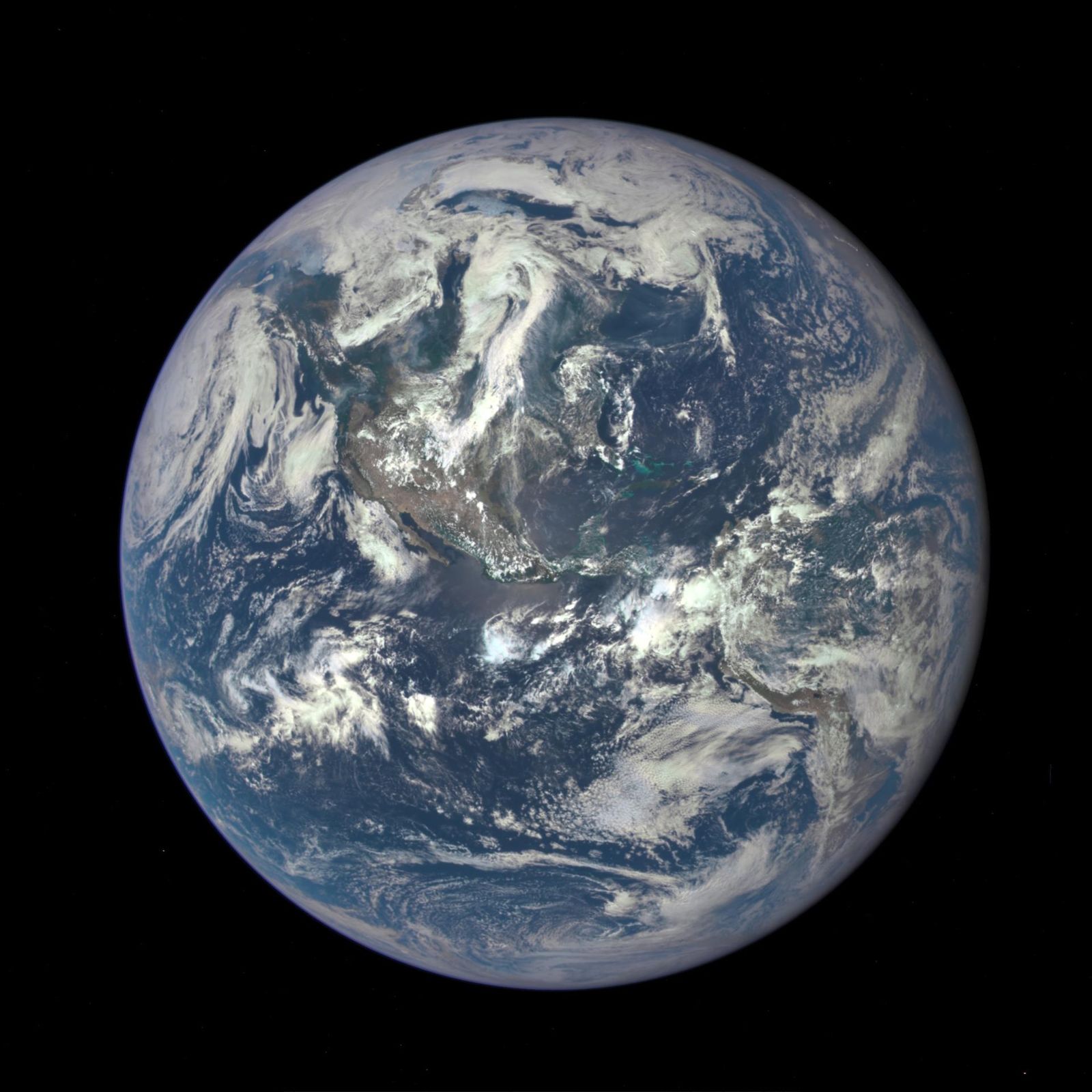
Active Space Weather
NOAA's SOLAR-1 (formerly SWFO-L1) watches the Sun from L1, about one million miles from Earth, streaming space weather data to forecasters in real time.
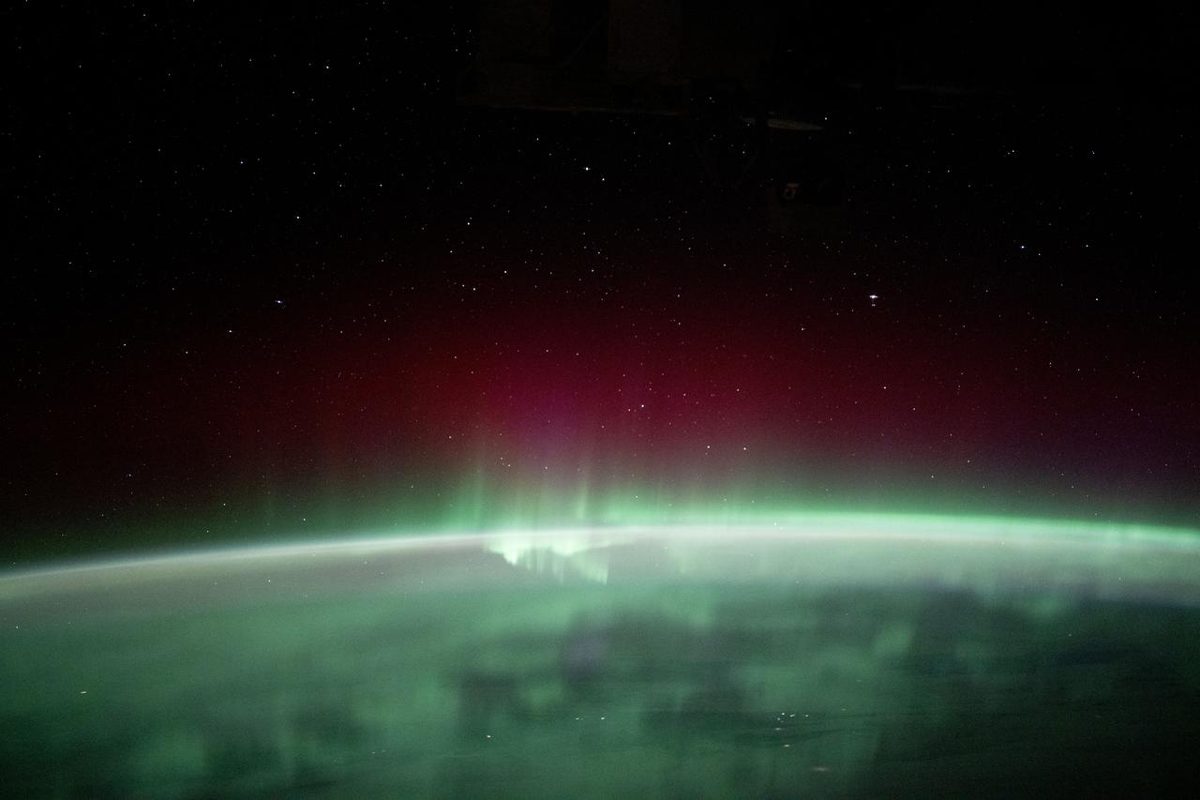
Active Space Weather
Three natural shields protect Earth: the heliosphere, the magnetosphere, and the atmosphere and ozone layer.
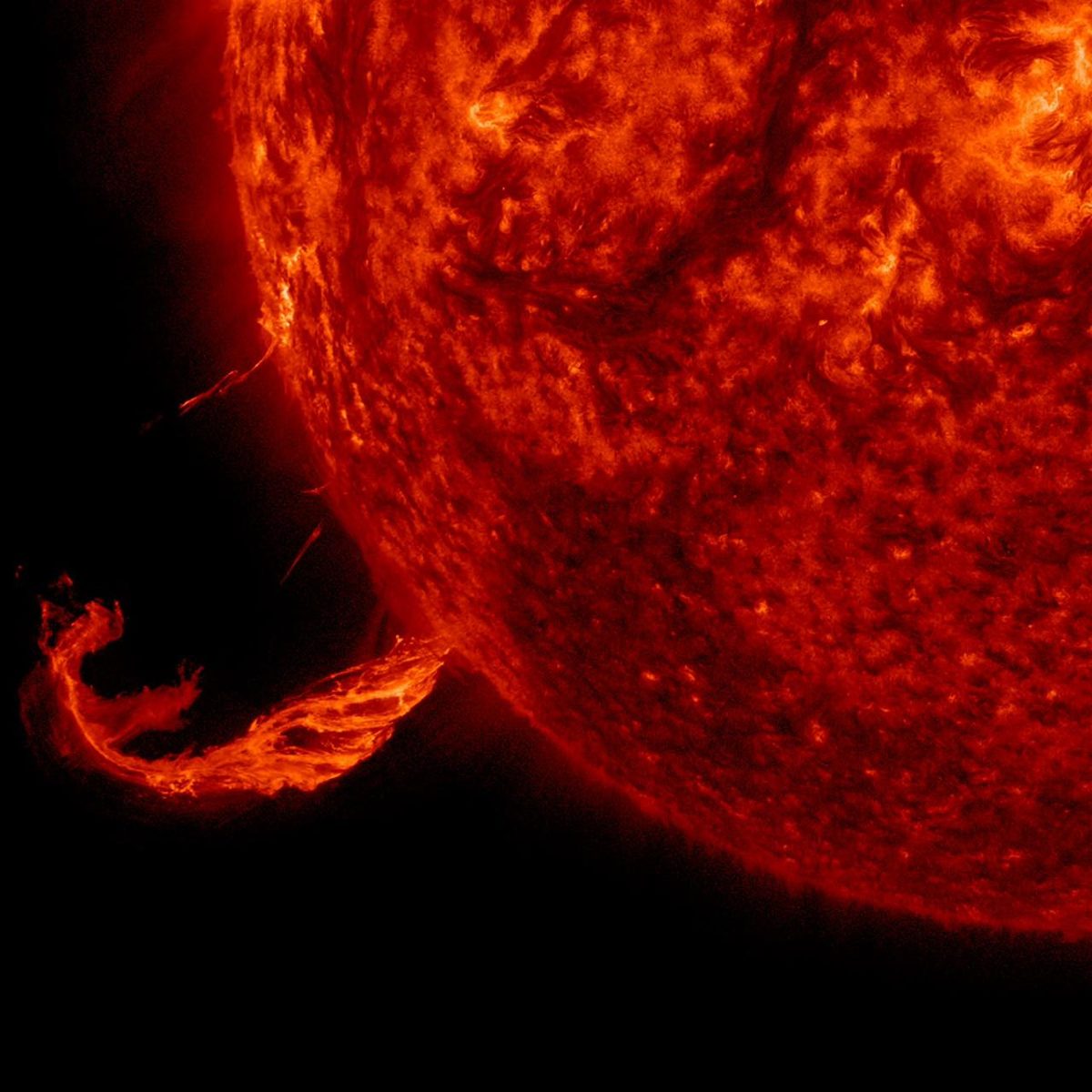
Active Space Weather
ESA's Vigil will watch the Sun from L5, giving up to four to five days' notice of certain space weather effects. Launch is planned for 2031.
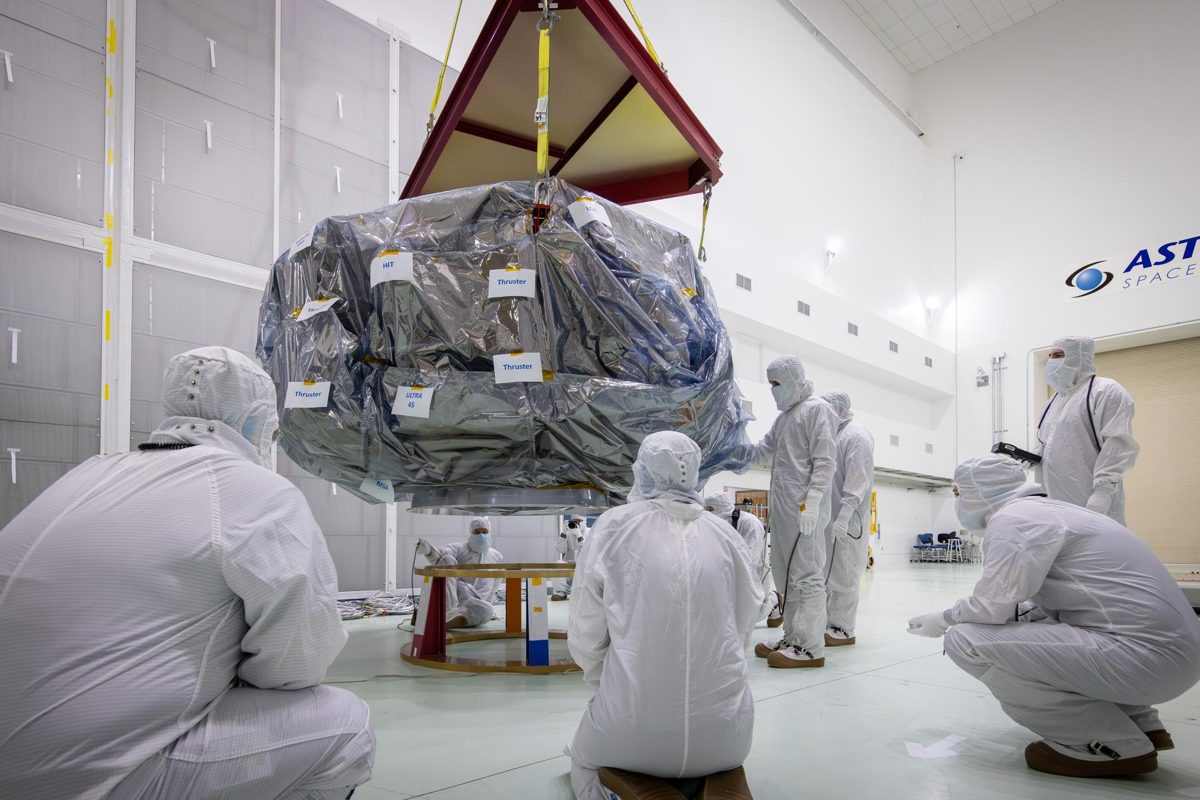
Active Space Weather
NASA's IMAP watches the Sun from about a million miles sunward and can give about a half hour's warning of incoming radiation.
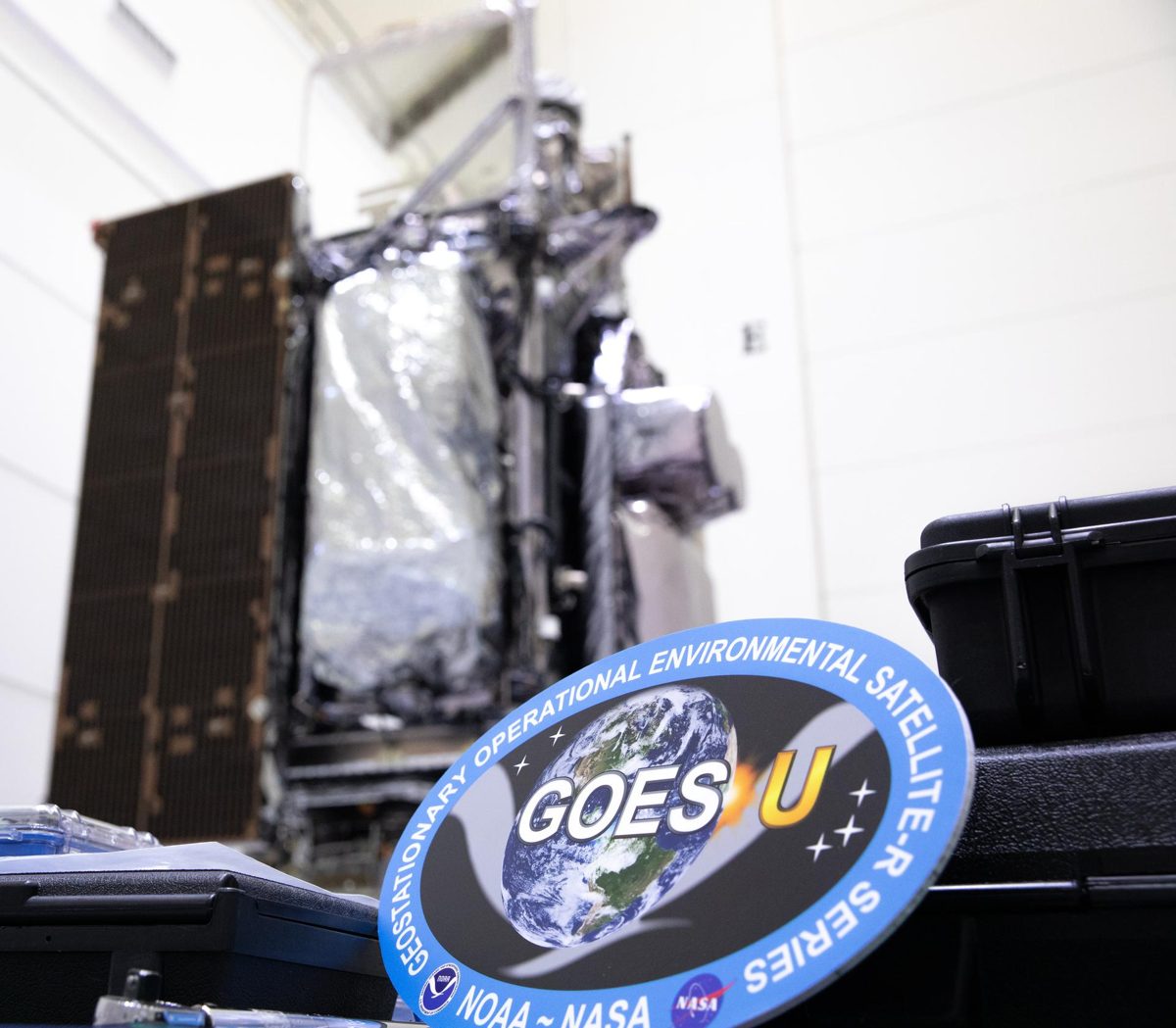
Active Space Weather
NOAA's GOES-19 carries CCOR-1, the world's first operational space-based coronagraph, imaging the Sun's corona every 15 minutes.
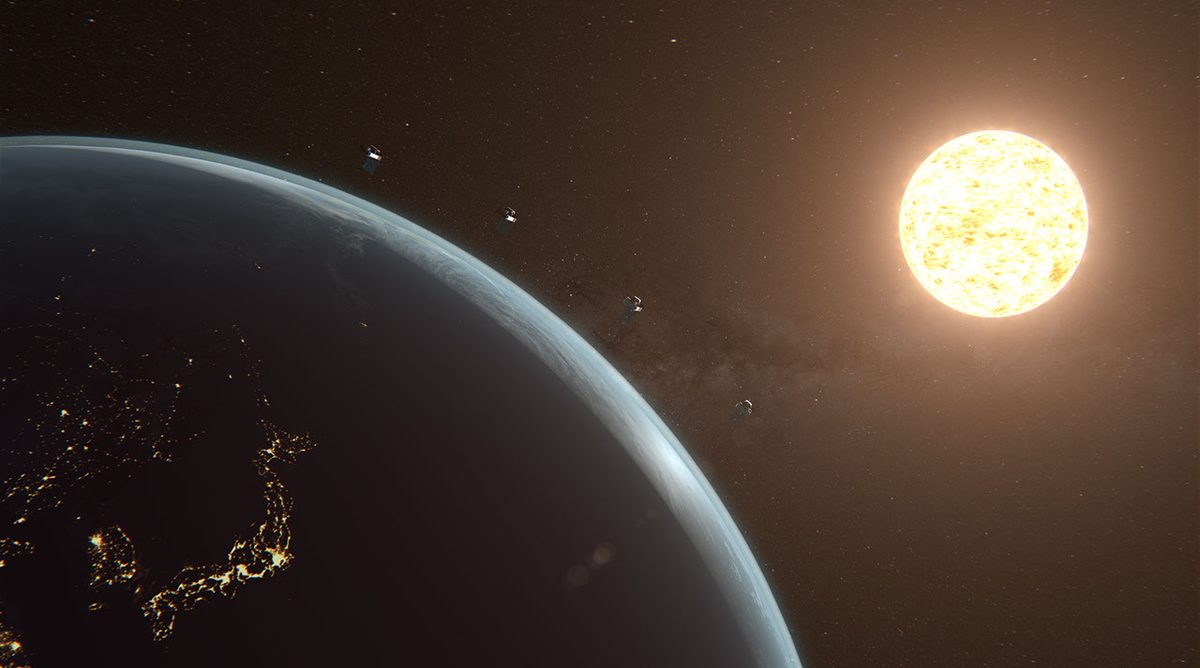
Active Space Weather
Four suitcase-sized NASA satellites image the Sun's corona and solar wind together, in 3D, since March 2025.
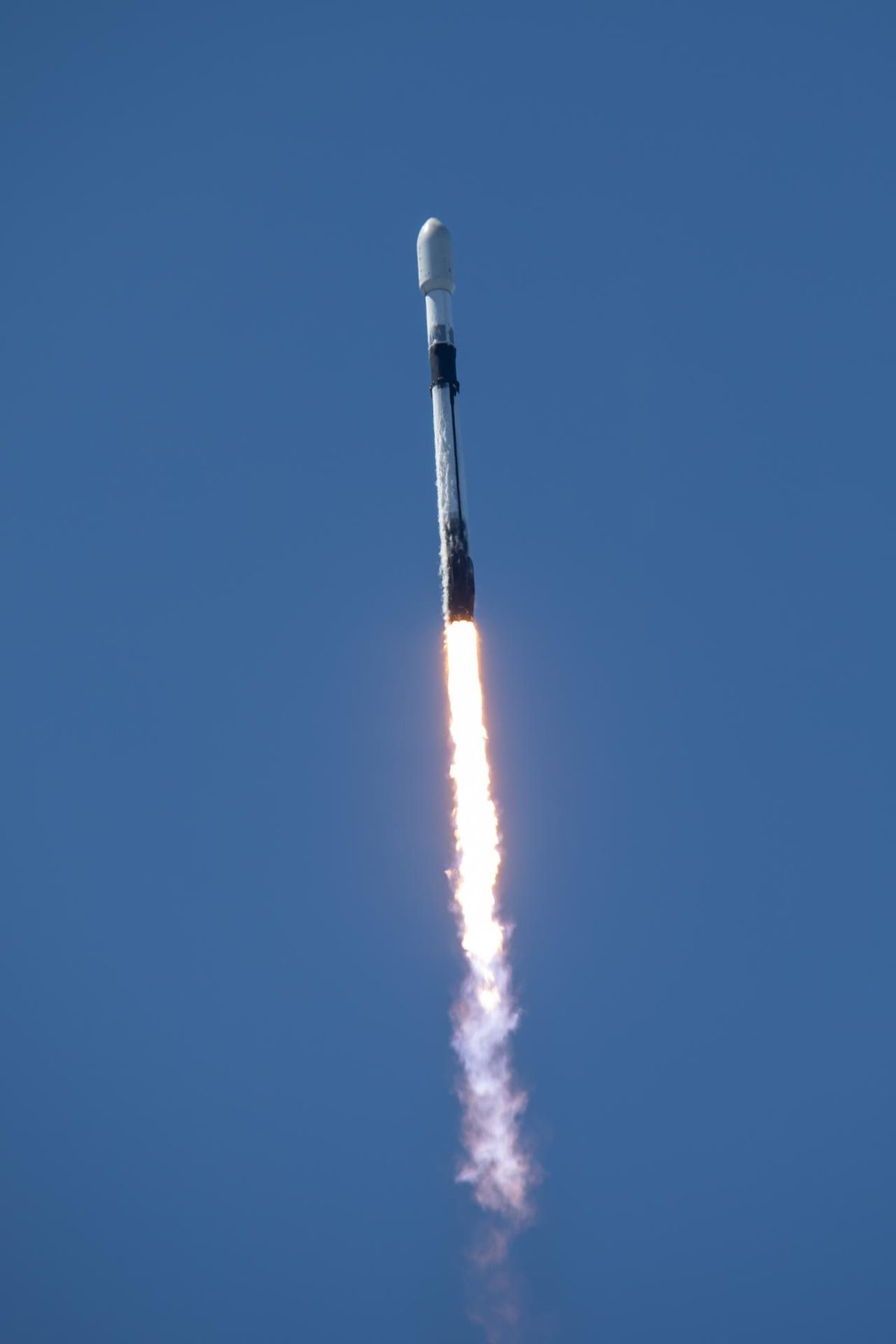
Active Space Weather
NASA's twin TRACERS satellites fly through Earth's polar cusps to study magnetic reconnection, a key driver of space weather. Linked to the magnetic shield on Three Shields.
Active Space Weather
The first mission dedicated to Earth's exosphere, Carruthers watches our planet's ultraviolet halo from about a million miles sunward.
Active Space Weather
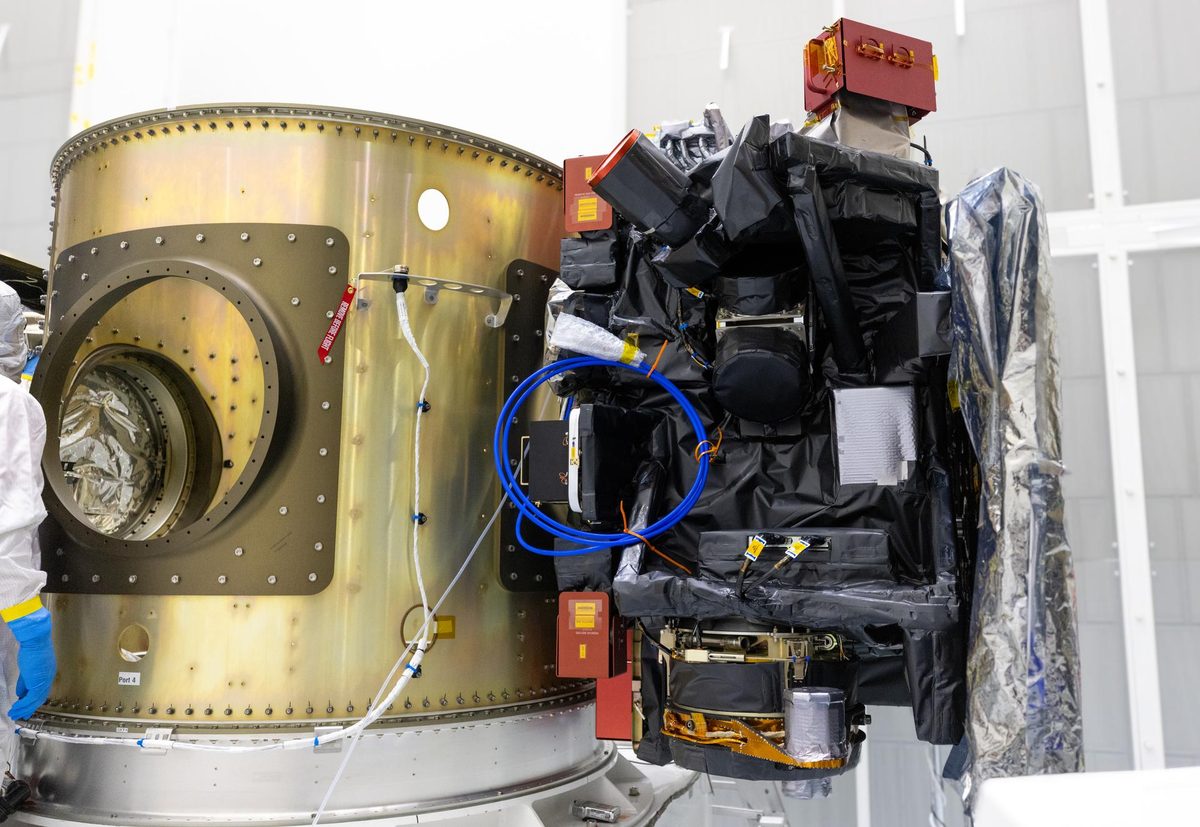
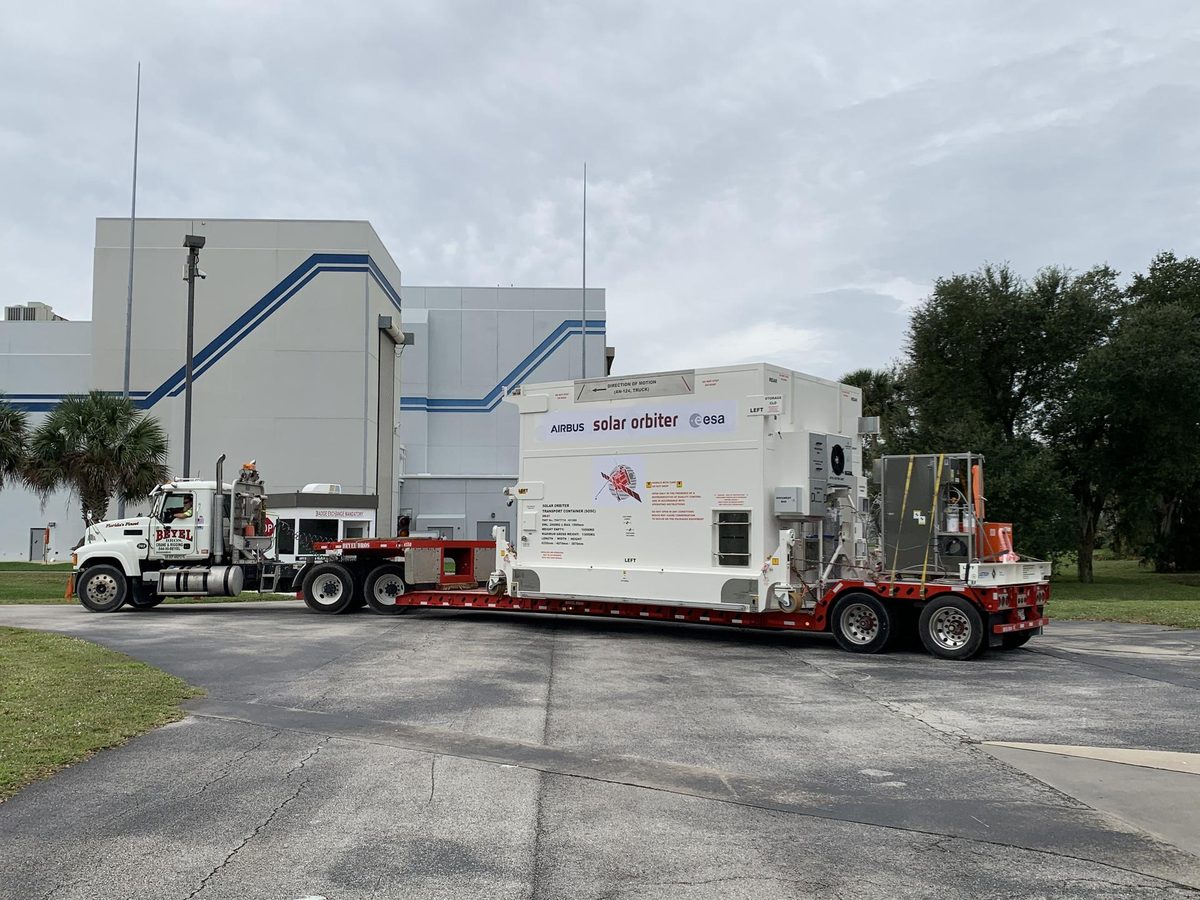
ESA and NASA's Solar Orbiter took the first close-up images of the Sun's poles, coming within 42 million km of the Sun.
Active Project Rawane
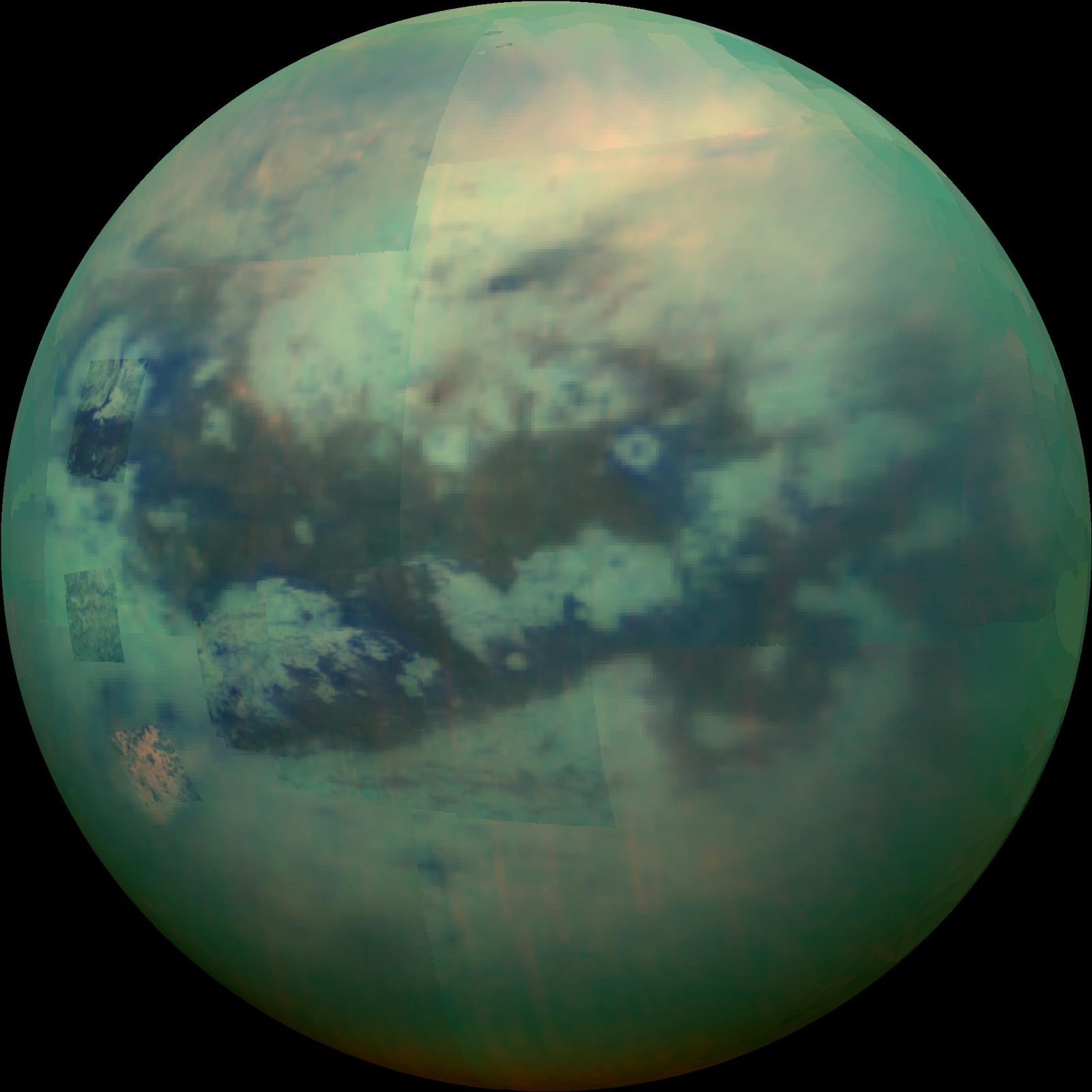
A drone-like rotorcraft that will explore Saturn's moon Titan; launch targeted for July 2028, arrival in 2034 (NASA).
Active Project Rawane
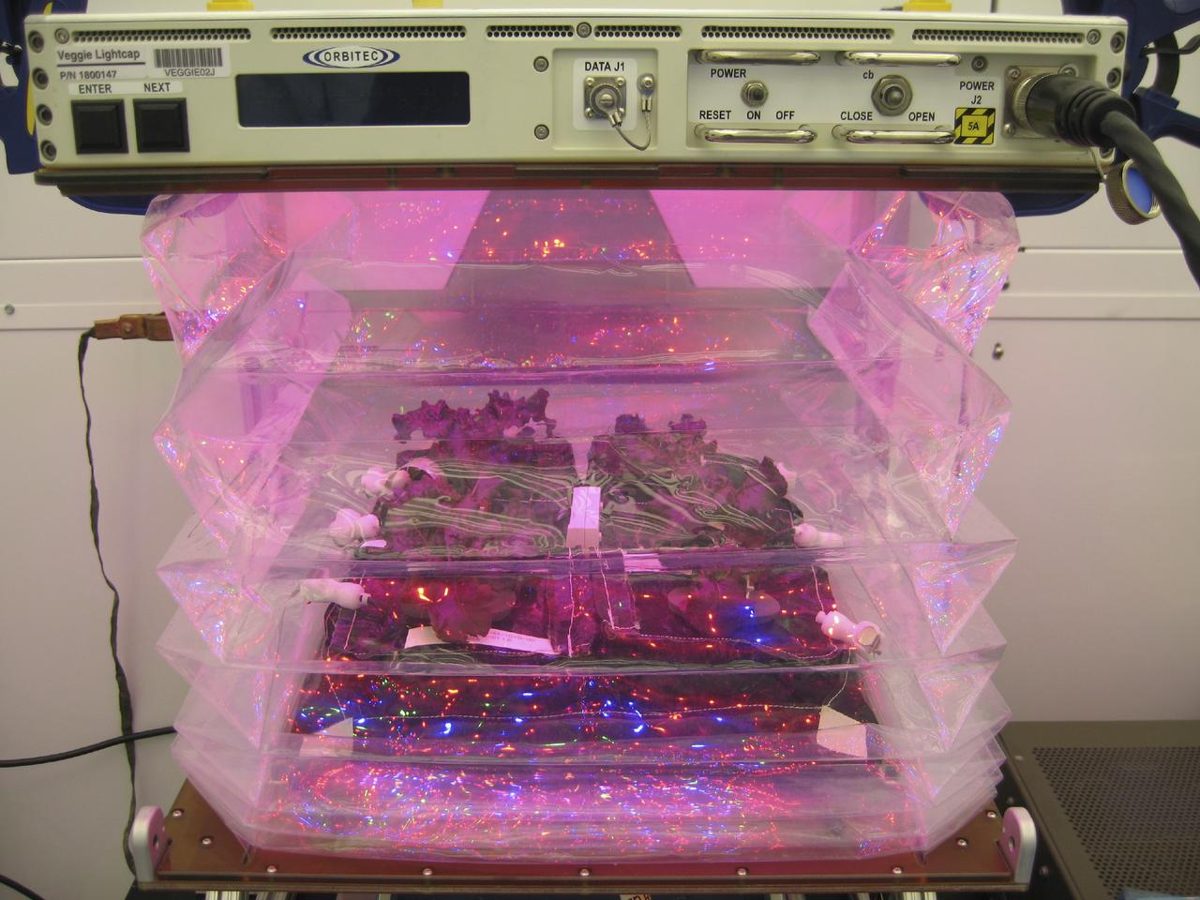
NASA's Veggie garden grows fresh food on the International Space Station; in 2015 astronauts ate the first lettuce grown in it (NASA).
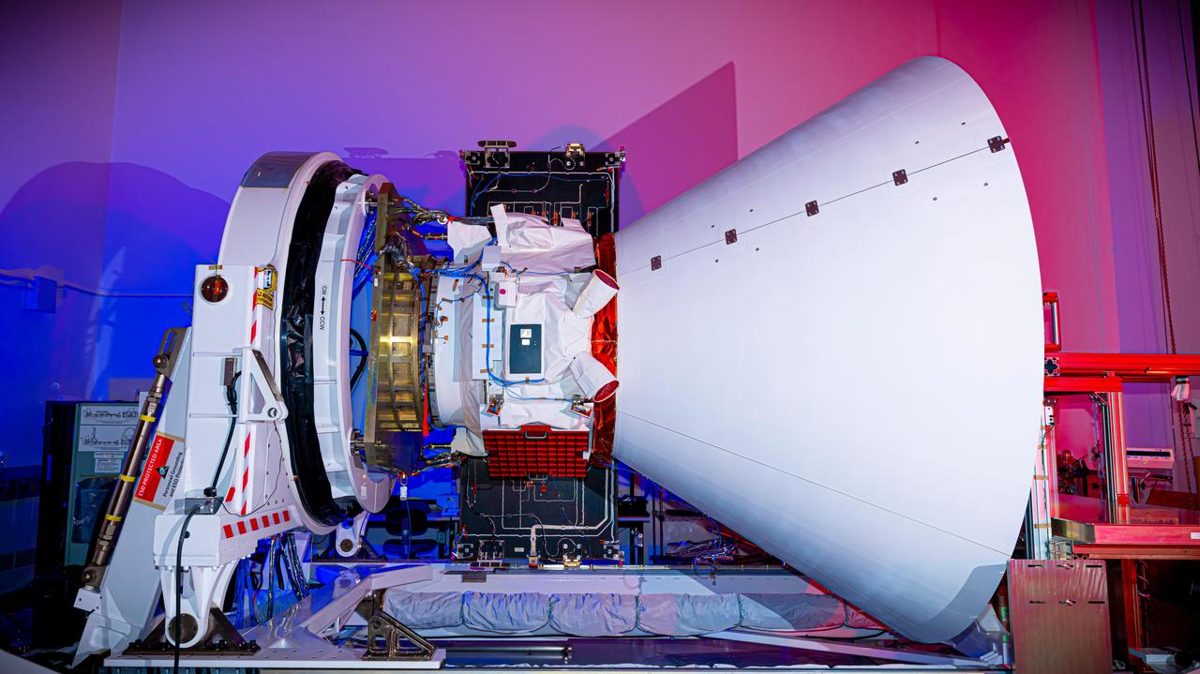
Active Project Rawane
Launched 11 March 2025, NASA's SPHEREx maps the whole sky in 102 infrared colors and finished its first all-sky map in 2025 (NASA JPL).
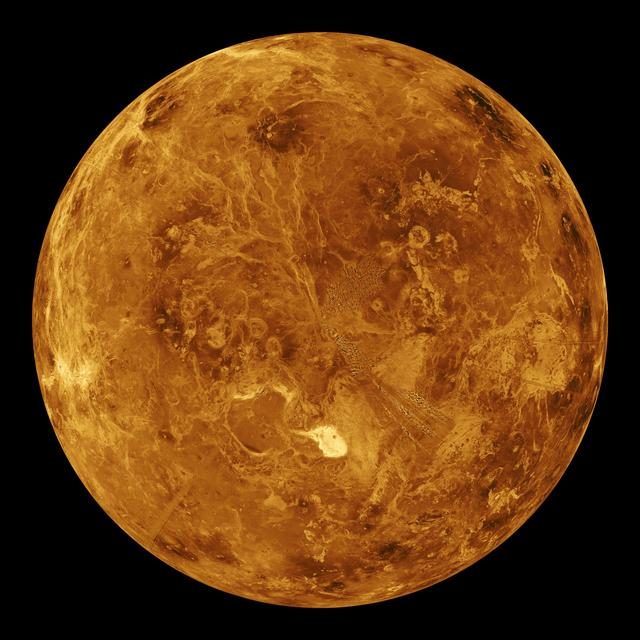
Active Project Rawane
ESA's EnVision will study Venus from its inner core to its upper atmosphere; launch is planned for November 2031 (ESA).
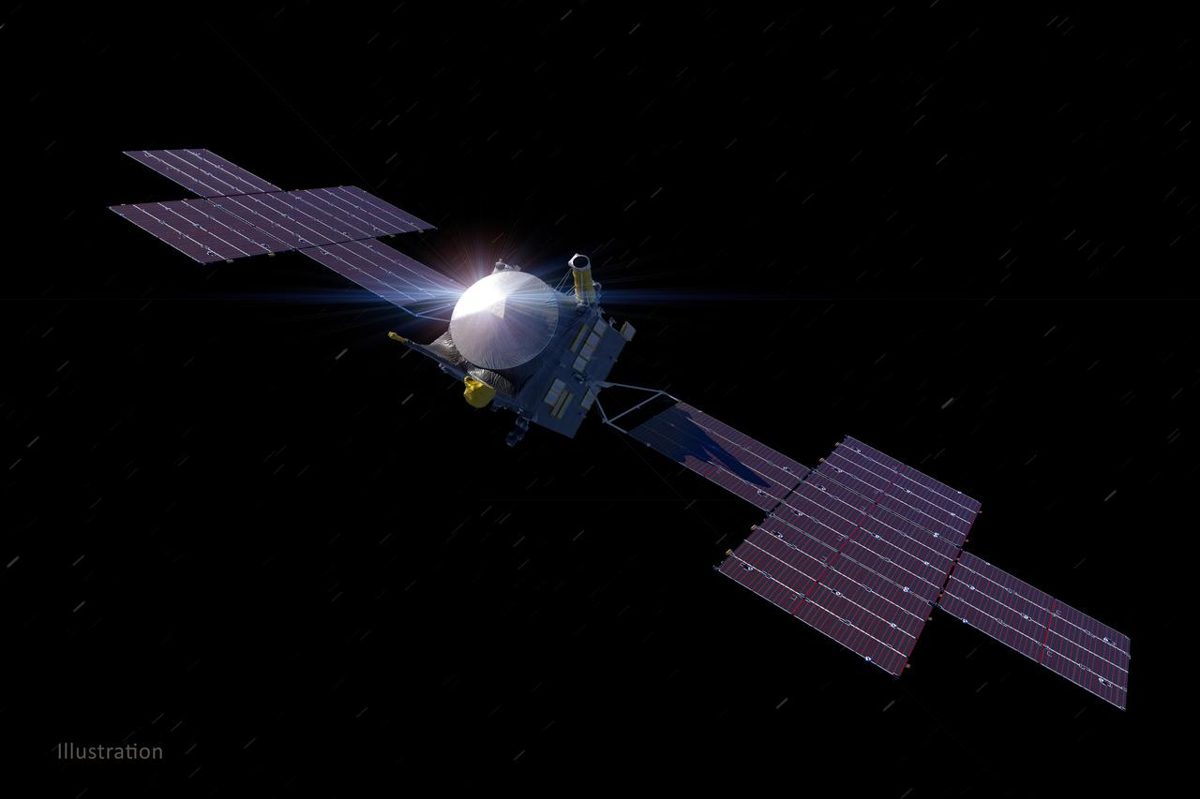
Active Project Rawane
NASA's Psyche used a Mars flyby on 15 May 2026 to head for a metal-rich asteroid it will orbit from August 2029 (NASA).
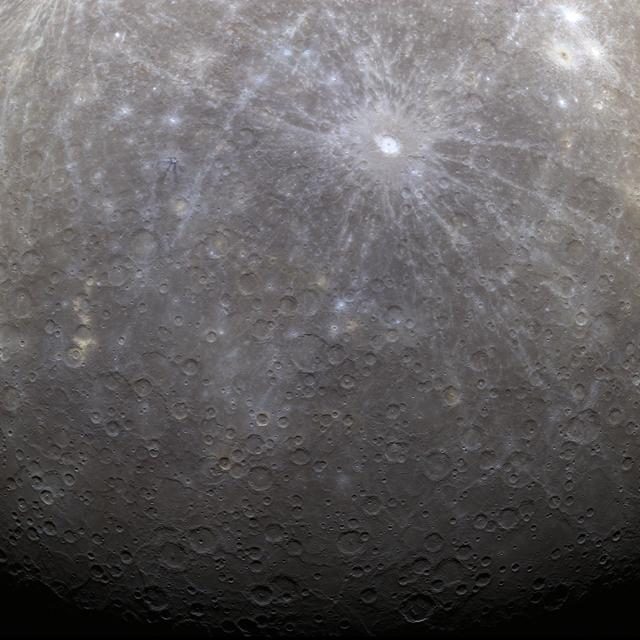
Active Project Rawane
After eight years in space, BepiColombo enters orbit around Mercury on 21 November 2026, the first mission to put two spacecraft there (ESA).
Active Project Rawane
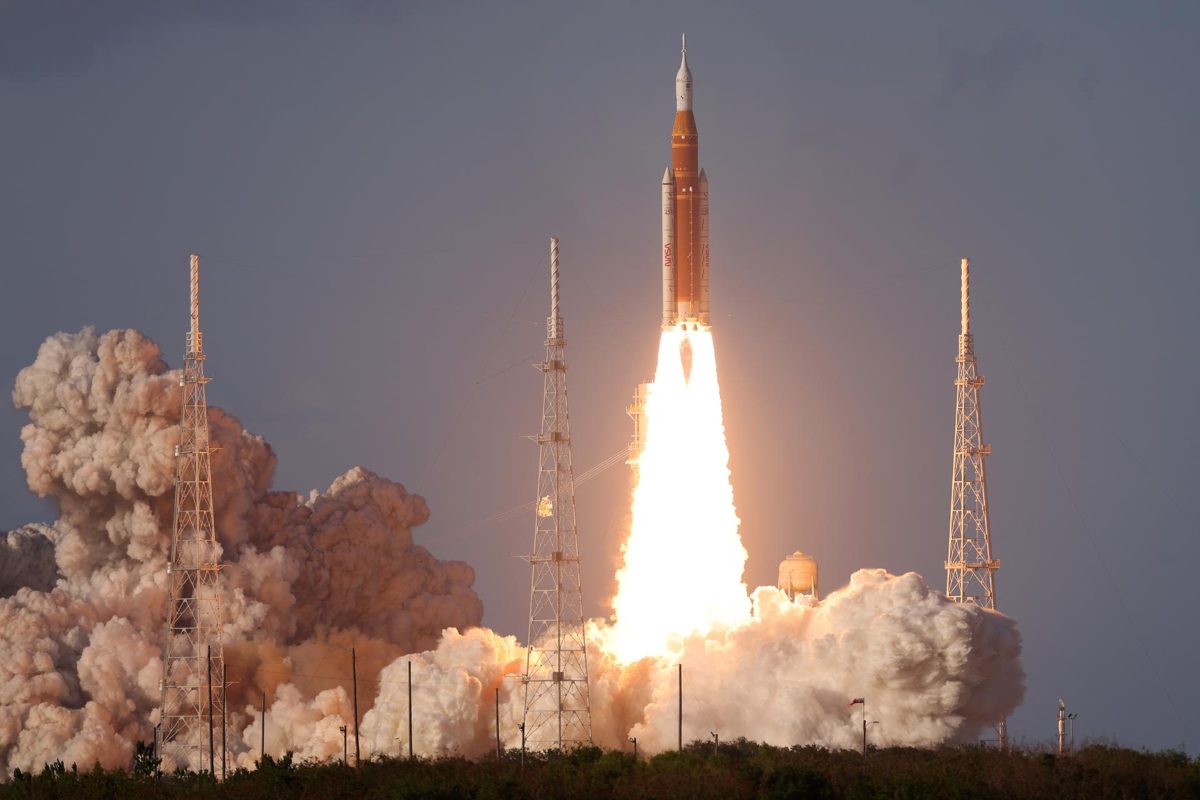
Artemis II carried four astronauts around the Moon, reaching 252,756 miles from Earth, farther than any humans before.
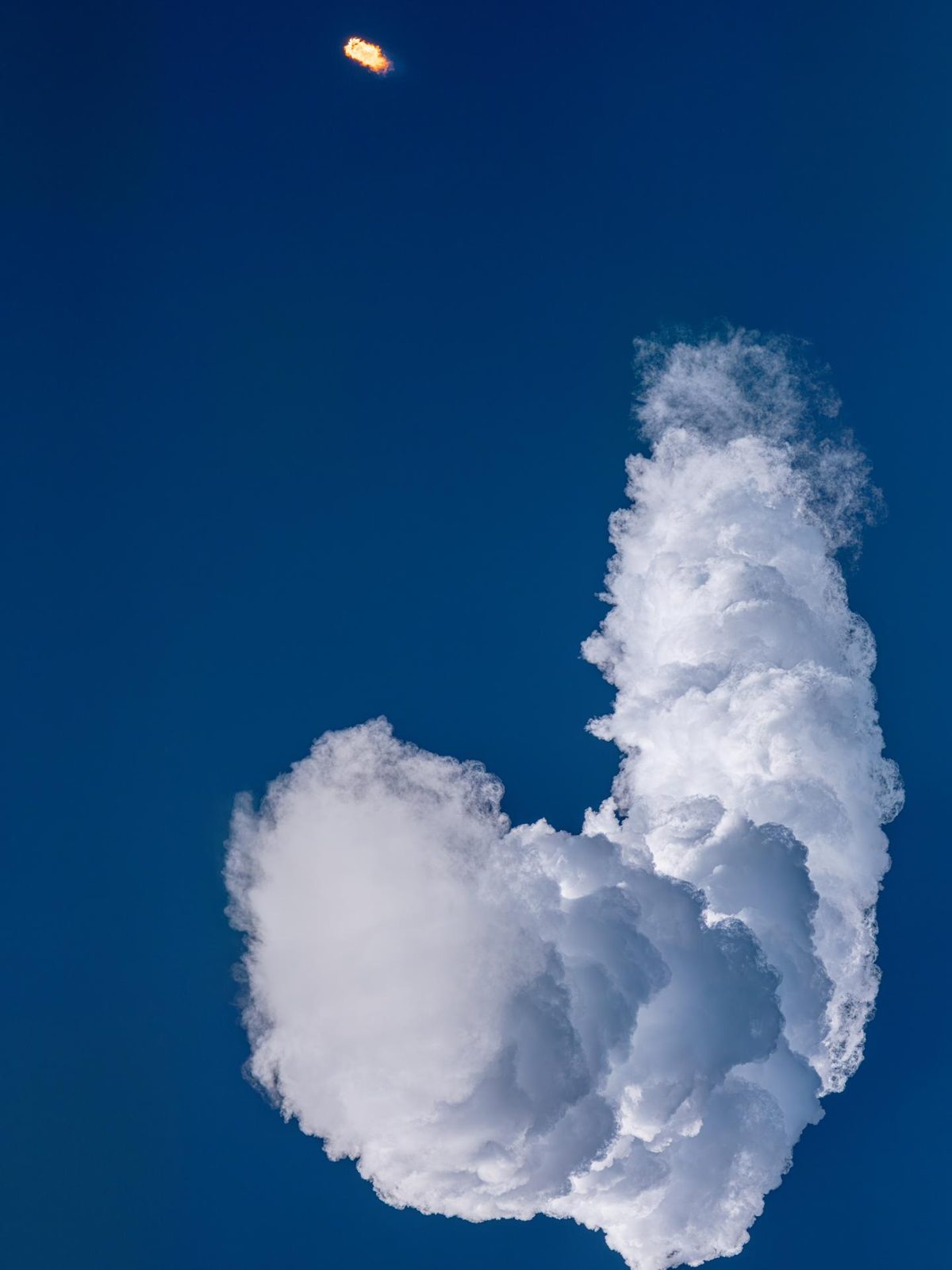
Image: NASA/Sydney Rohde.
Active Project Rawane
NASA's Roman telescope launched Aug 30, 2026 to L2: Hubble-sharp images 100x wider, a census of planetary systems, first images by early 2027.
Active Project Rawane
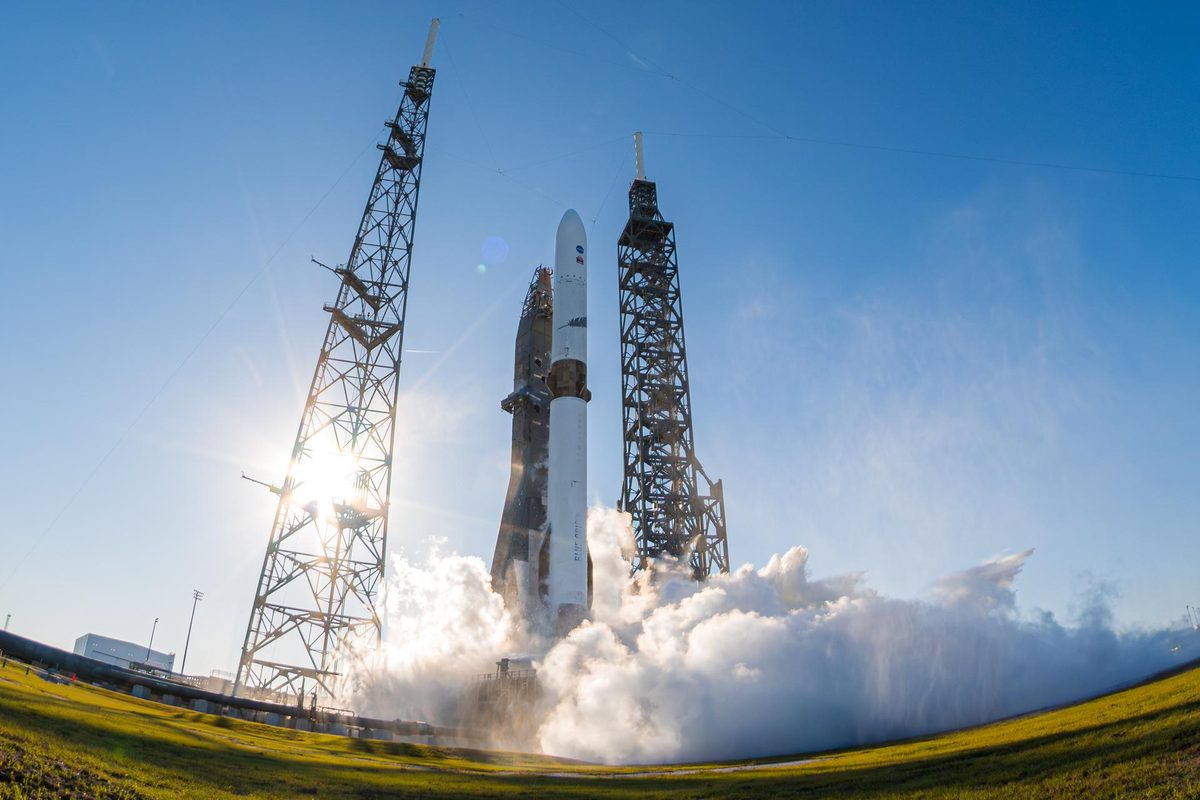
NASA's twin ESCAPADE spacecraft will study how the solar wind strips Mars' atmosphere, after an Earth slingshot in fall 2026.
Active Project Rawane
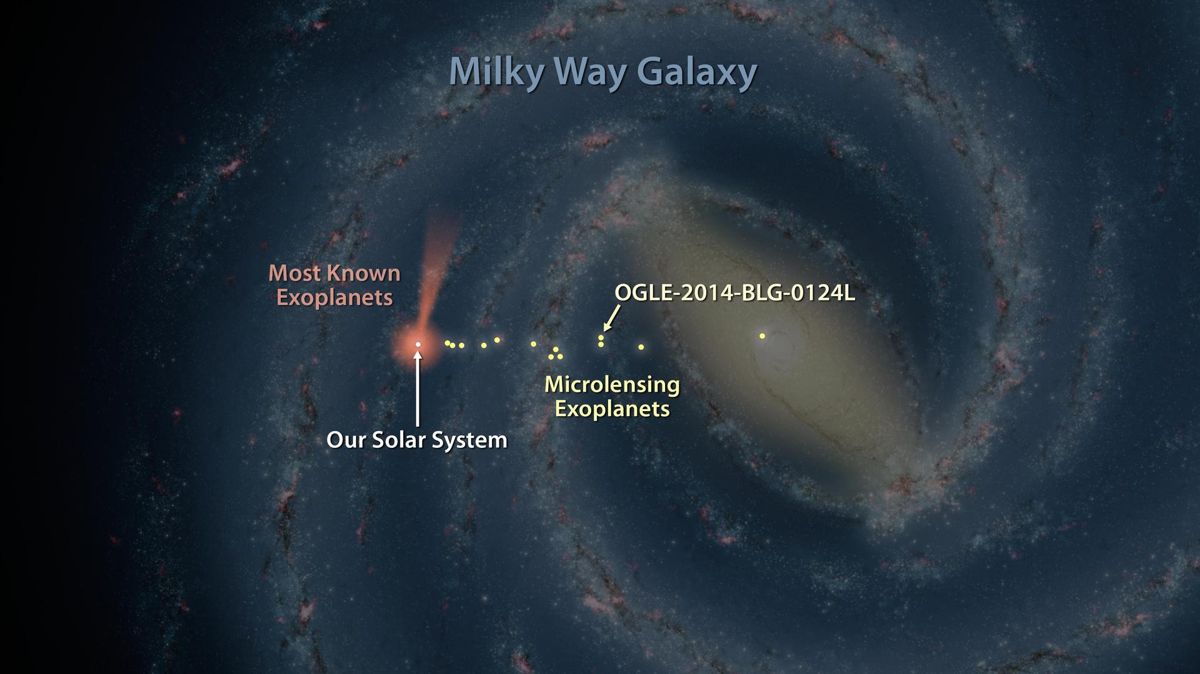
ESA's Plato will use 26 cameras to hunt for Earth-like planets around Sun-like stars, with launch planned for March 2027 on Ariane 6.
Active Project Rawane
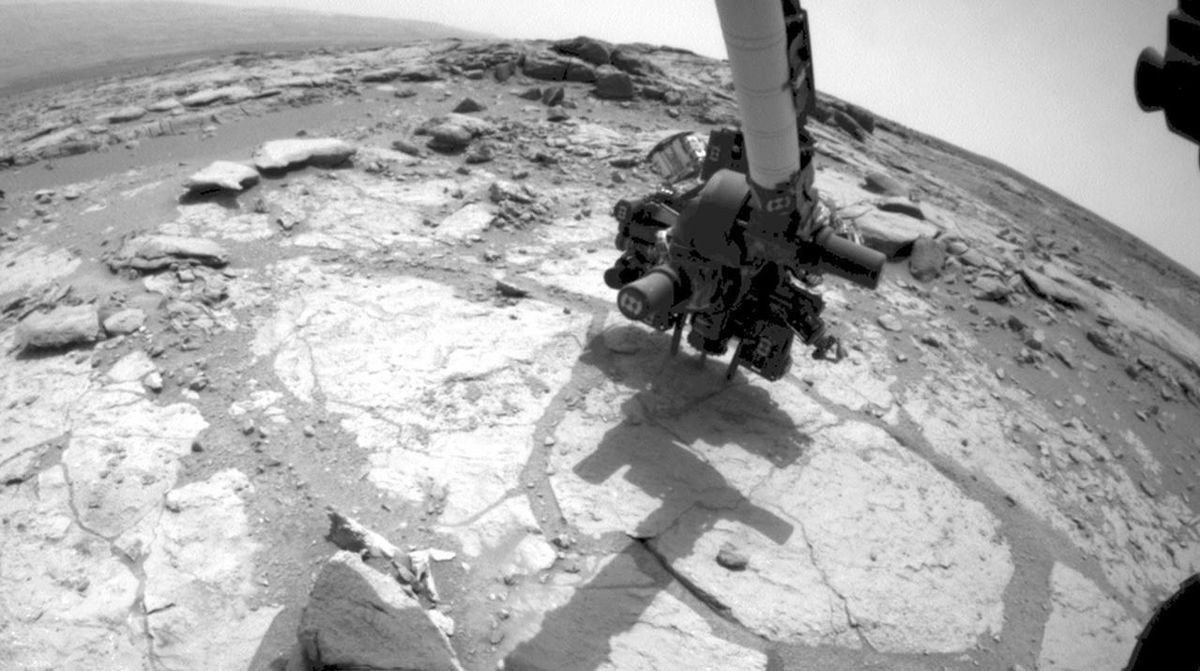
Europe's first Mars rover, Rosalind Franklin, will drill 2 meters down to look for signs of past life, targeting launch in 2028.
Active Project Rawane
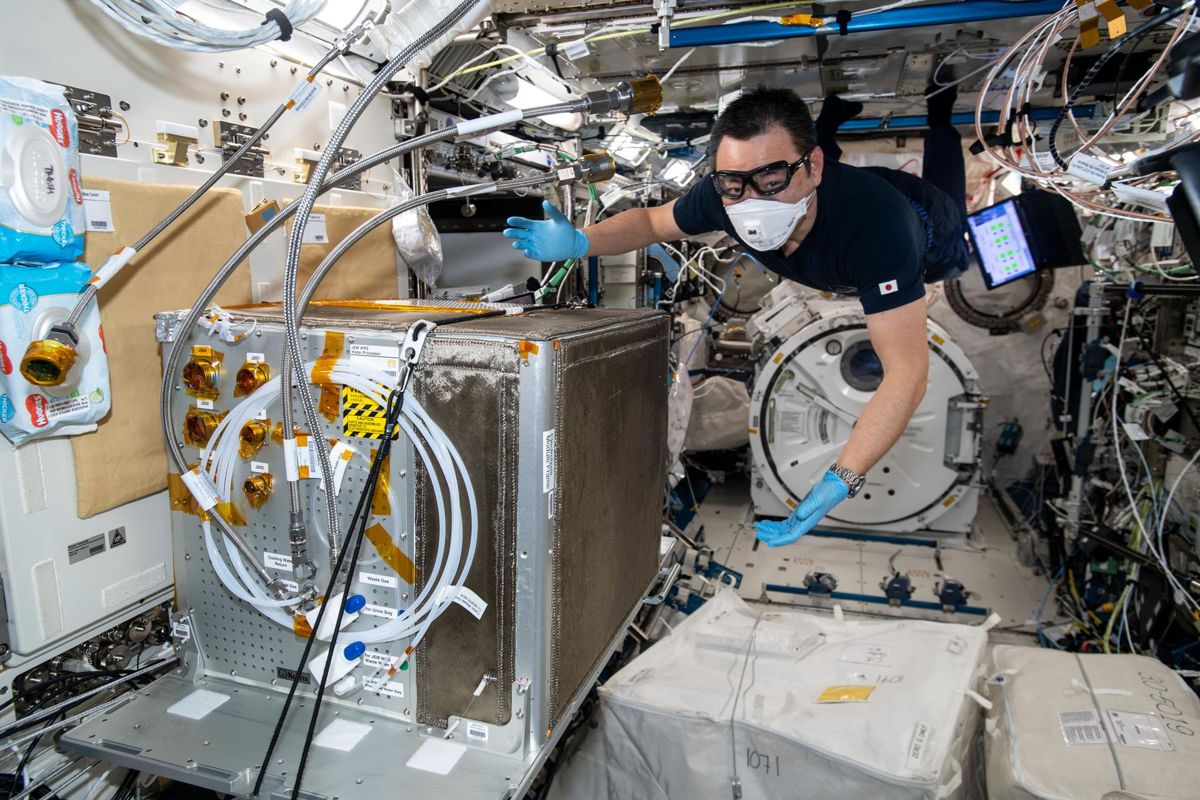
The space station now recycles 98% of the water its crews bring along, thanks to a Brine Processor Assembly, technology that matters wherever water is scarce.
Active Project Rawane
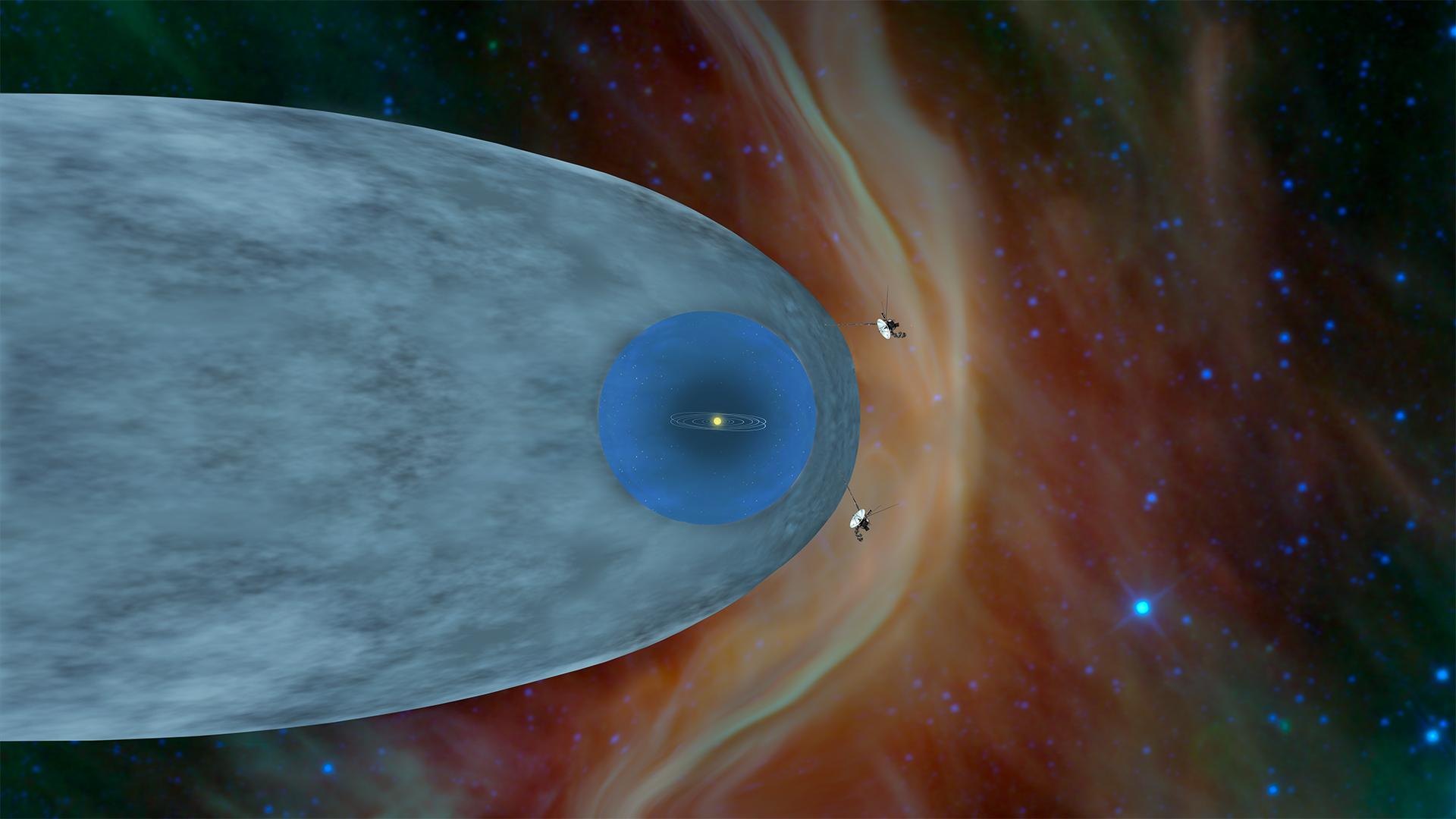
Launched in 1977, the twin Voyagers are in interstellar space, and on Nov. 18, 2026, Voyager 1 will be one light-day from Earth (NASA).
Active Project Rawane
ESA's Ariel will study the atmospheres of a thousand planets orbiting other stars, revealing what they are made of (ESA).
Active Project Rawane
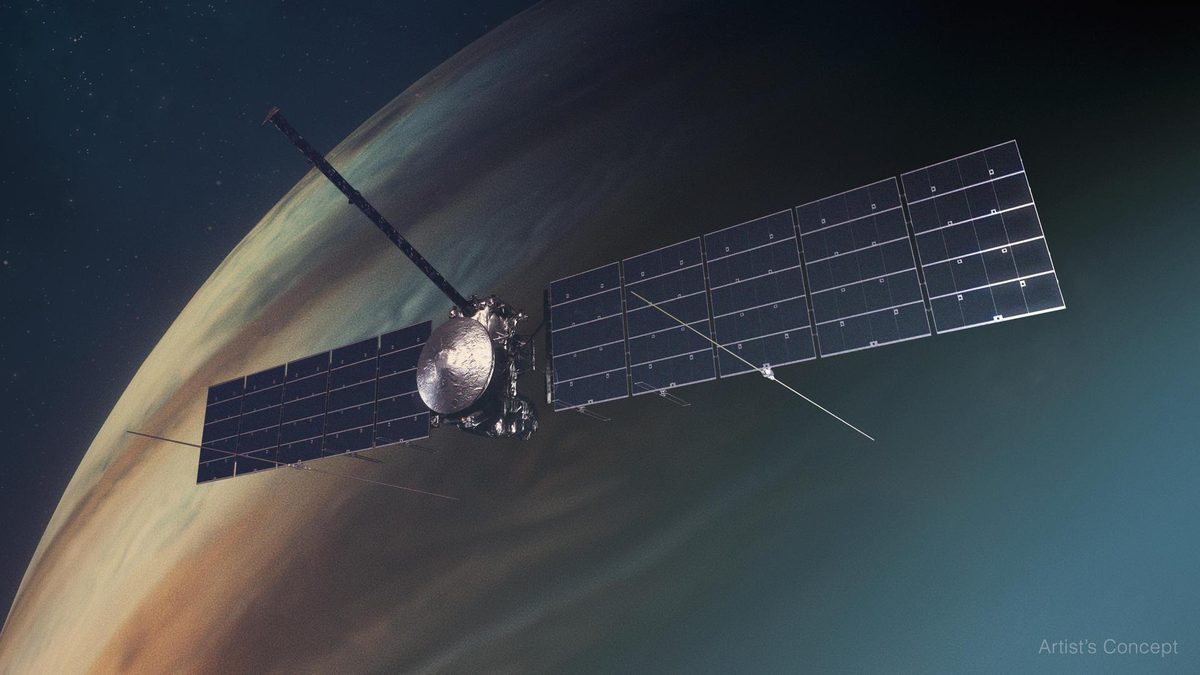
NASA's Europa Clipper is on its way to Jupiter's ocean moon, with an Earth gravity assist on December 3, 2026 and 49 close Europa flybys from 2030.
Active Project Rawane
ESA's Juice will study Ganymede, Callisto and Europa, with 35 moon flybys after it reaches Jupiter in July 2031.
Showcase, not partnership: How we feature solutions from around the world