Active Rivers
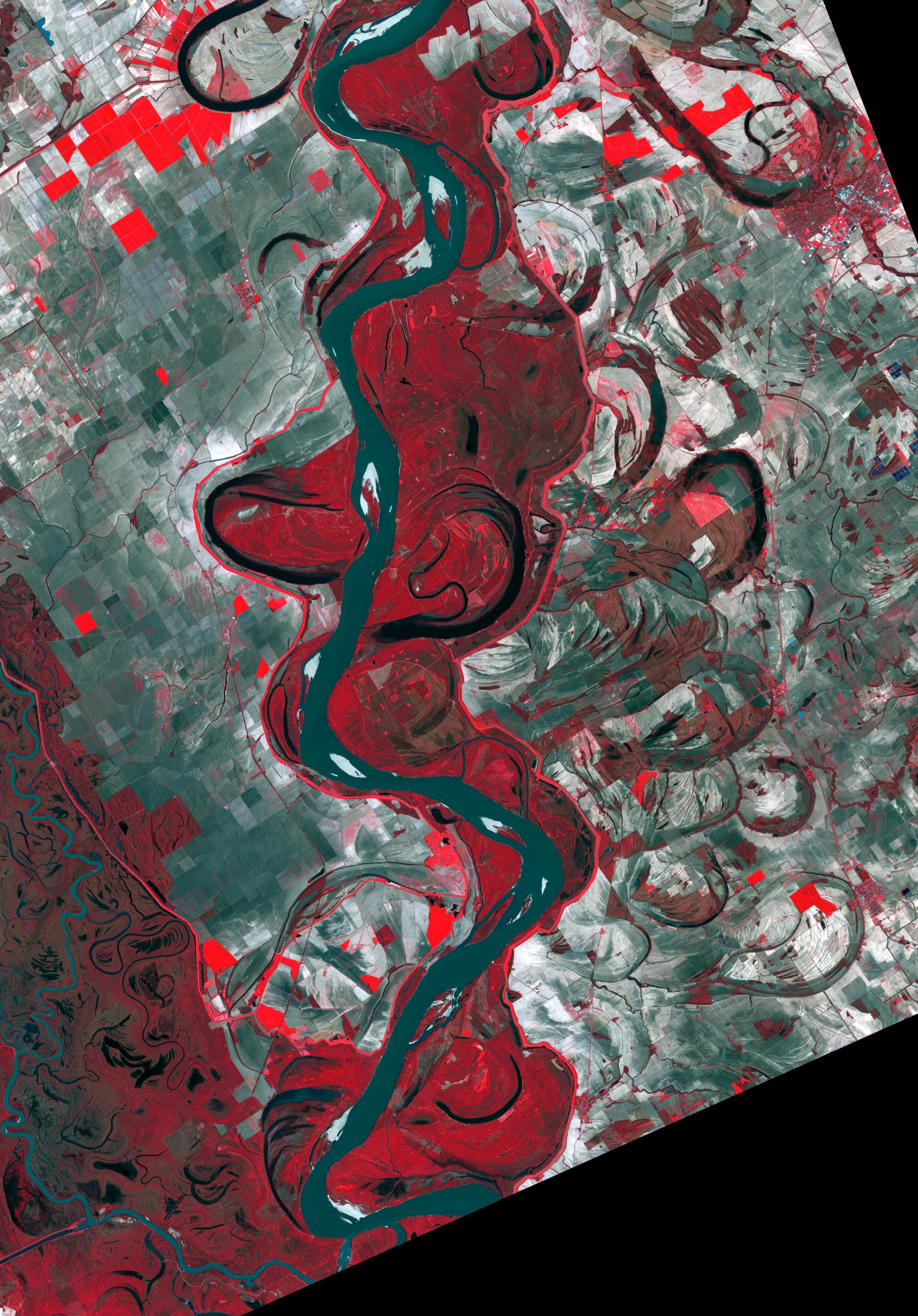
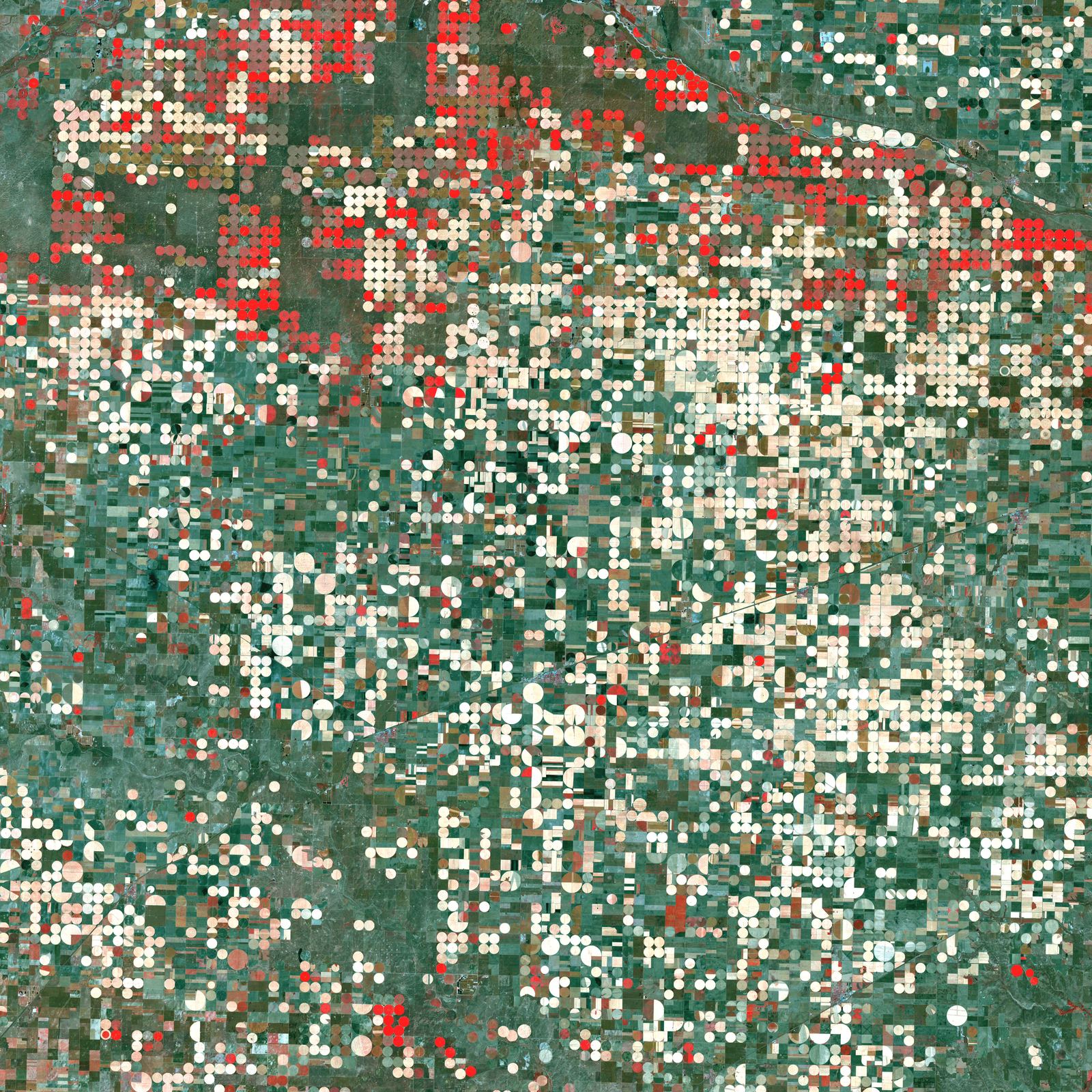
OpenET Satellite Water Data
Free field-scale water-use data from satellites for farmers and water managers in all 48 contiguous states (OpenET).
Rivers carry plastic from land to the sea, so catching it in the river is one of the most direct fixes. This hub covers The Ocean Cleanup's Interceptors, Sungai Watch's trash barriers in Indonesia and The Great Bubble Barrier in the Netherlands. Each solution page lists its own sourced figures.
The Ocean Cleanup (nonprofit), Sungai Watch (nonprofit) and The Great Bubble Barrier (social enterprise).
Barriers, bubble curtains and solar-powered Interceptors that stop floating plastic in rivers and canals.
Ongoing.
Rivers and canals in Indonesia, the Netherlands and other countries with Interceptors.
Stopping plastic upstream is cheaper and easier than collecting it once it has spread across the ocean.
Active Rivers
Free field-scale water-use data from satellites for farmers and water managers in all 48 contiguous states (OpenET).
Active Rivers
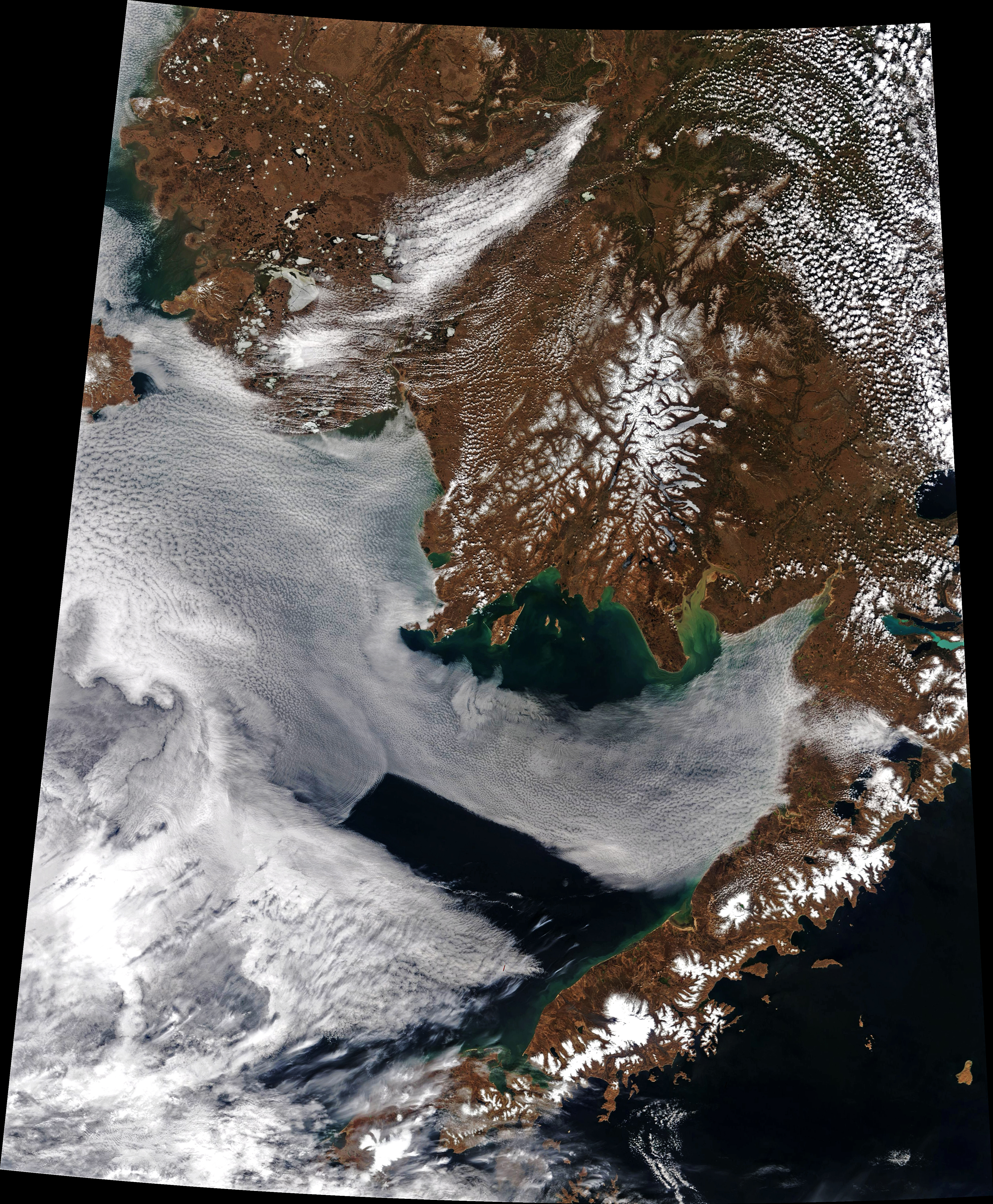
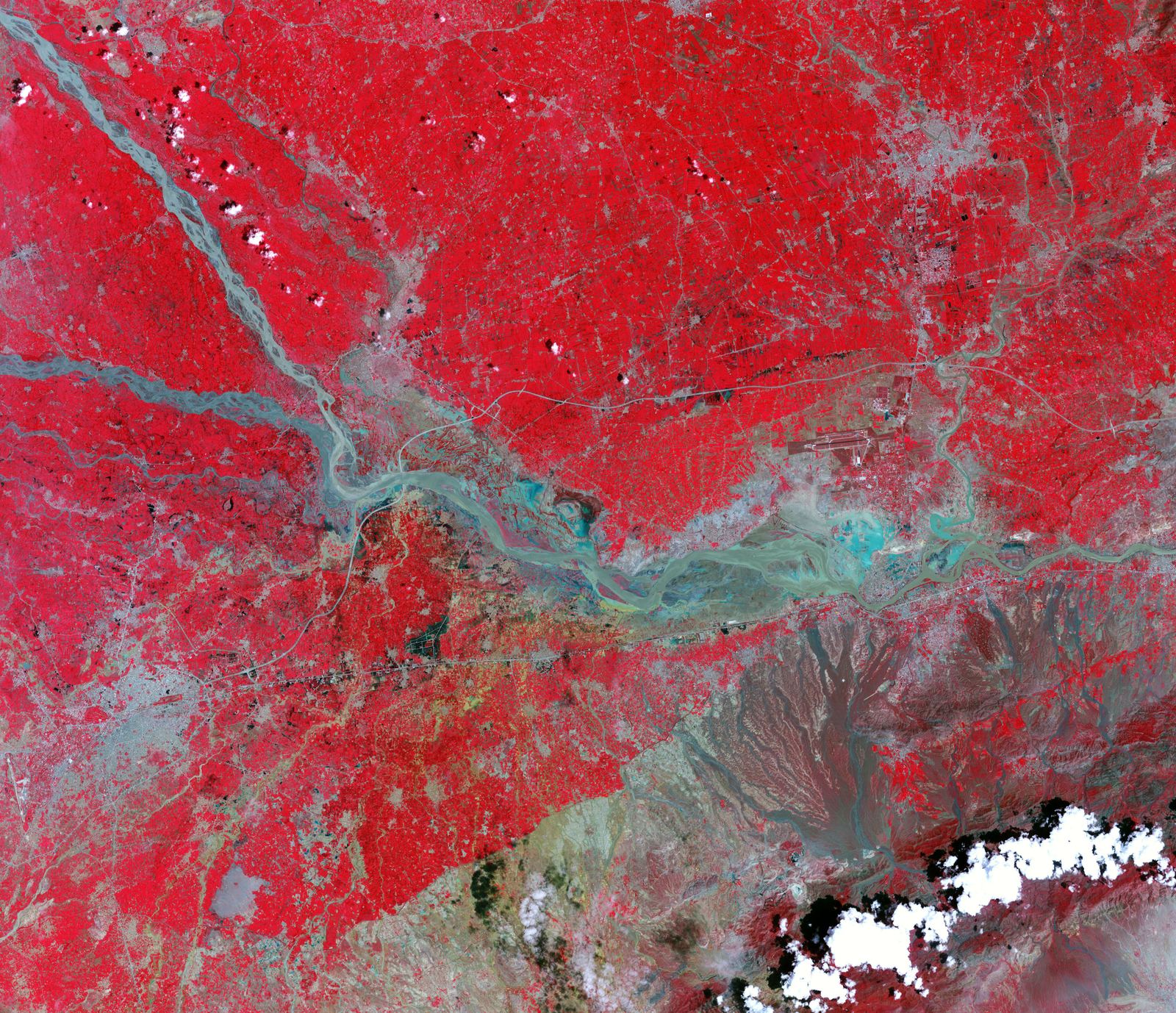
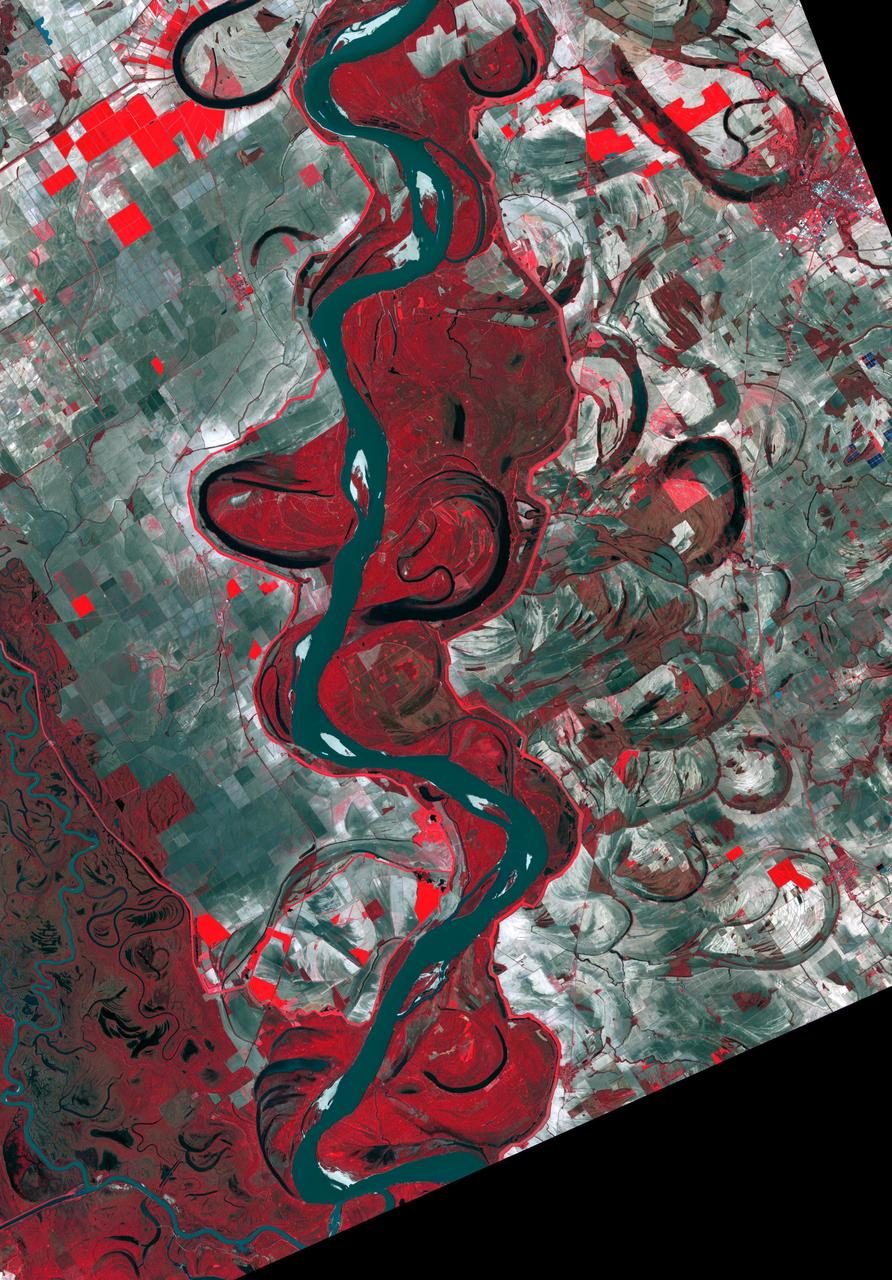
Free worldwide river flood forecasts up to 30 days ahead; 5,373 registered users in 2024 (CEMS).
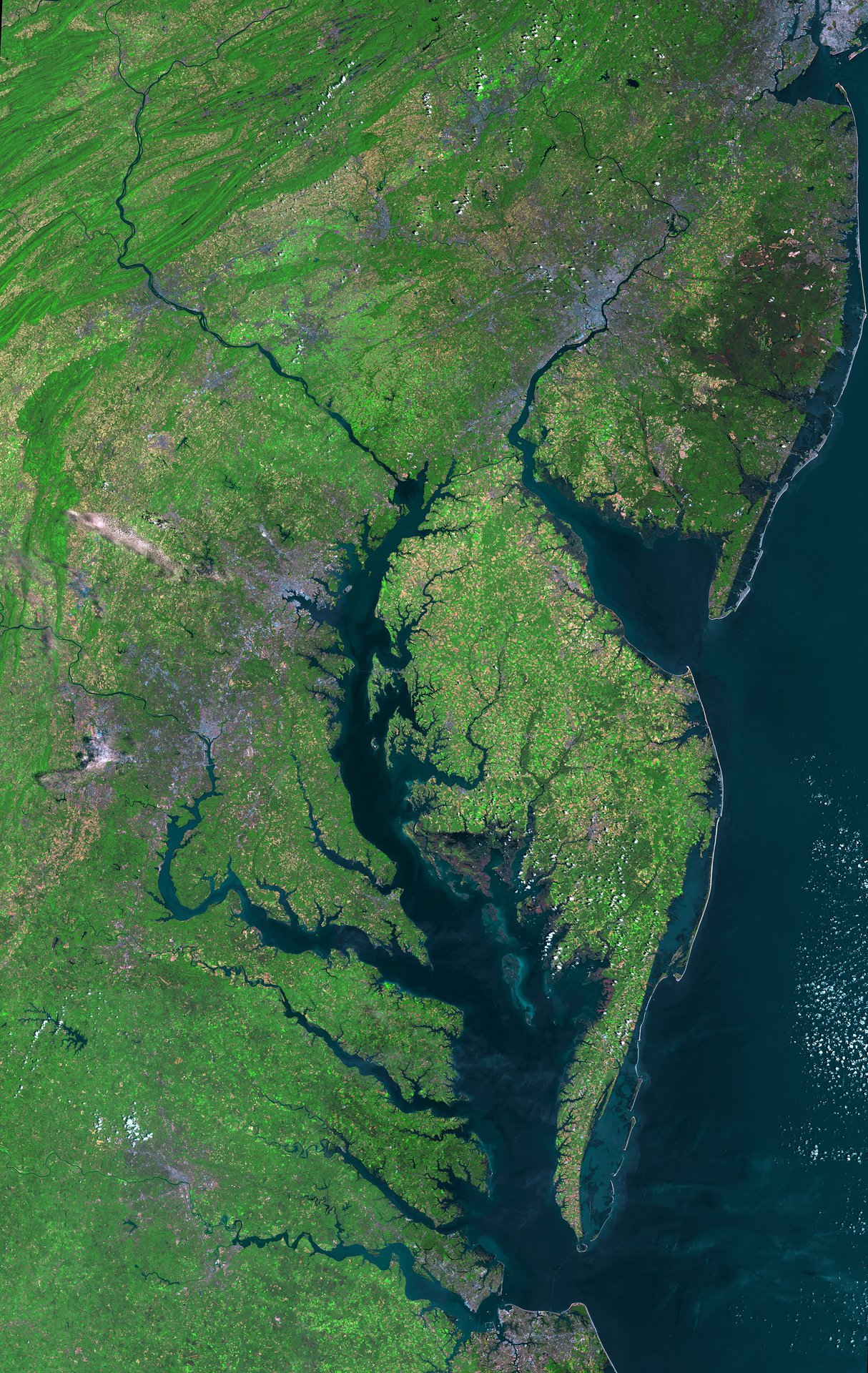
Image: NASA/USGS/Landsat 5
Active Rivers
Restores oysters, forests and streams across the Chesapeake watershed; more than 21 million oysters added in FY2026 (organization figure).
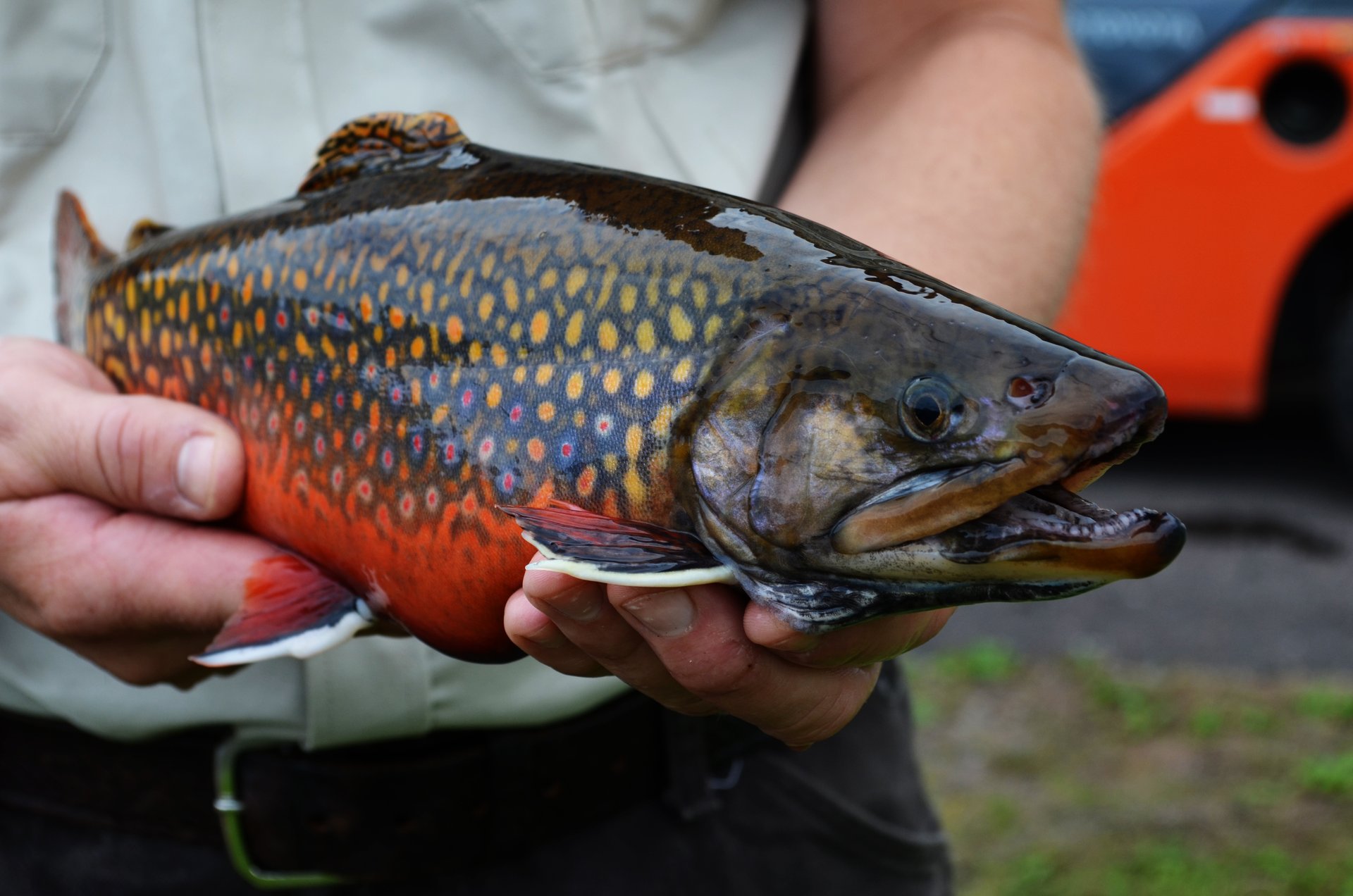
Image: Katie Steiger-Meister/USFWS
Active Rivers
Restores coldwater rivers for trout and salmon; 539 miles restored and 1,052 miles reconnected in 2024-25 (organization figures).
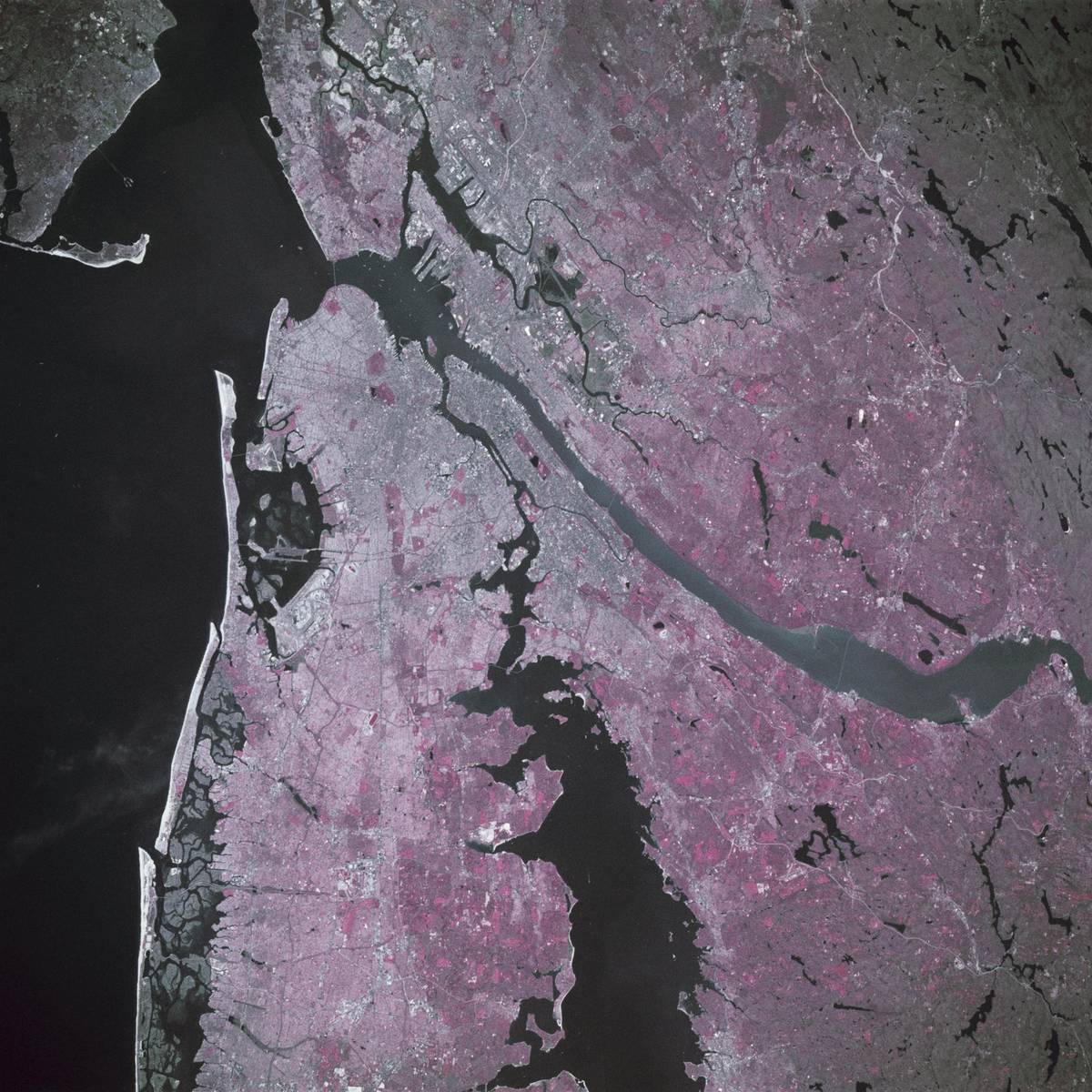
Active Rivers
Hundreds of local Waterkeeper groups on six continents patrol and protect rivers, lakes and coastlines (organization figures).
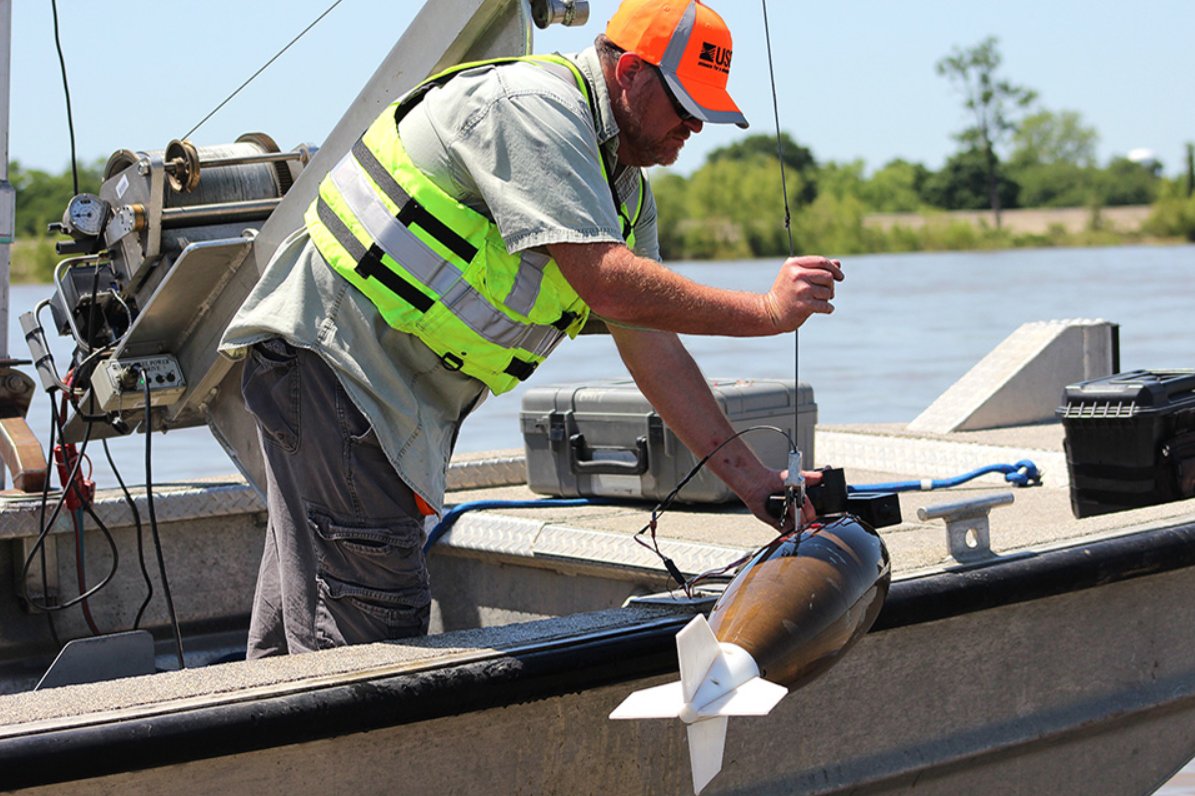
Image: Scott Dennis/USGS
Active Rivers
Earthwatch Europe's citizen science project testing water quality worldwide; 80,000+ datasets from 22,000+ volunteers (organization figures).
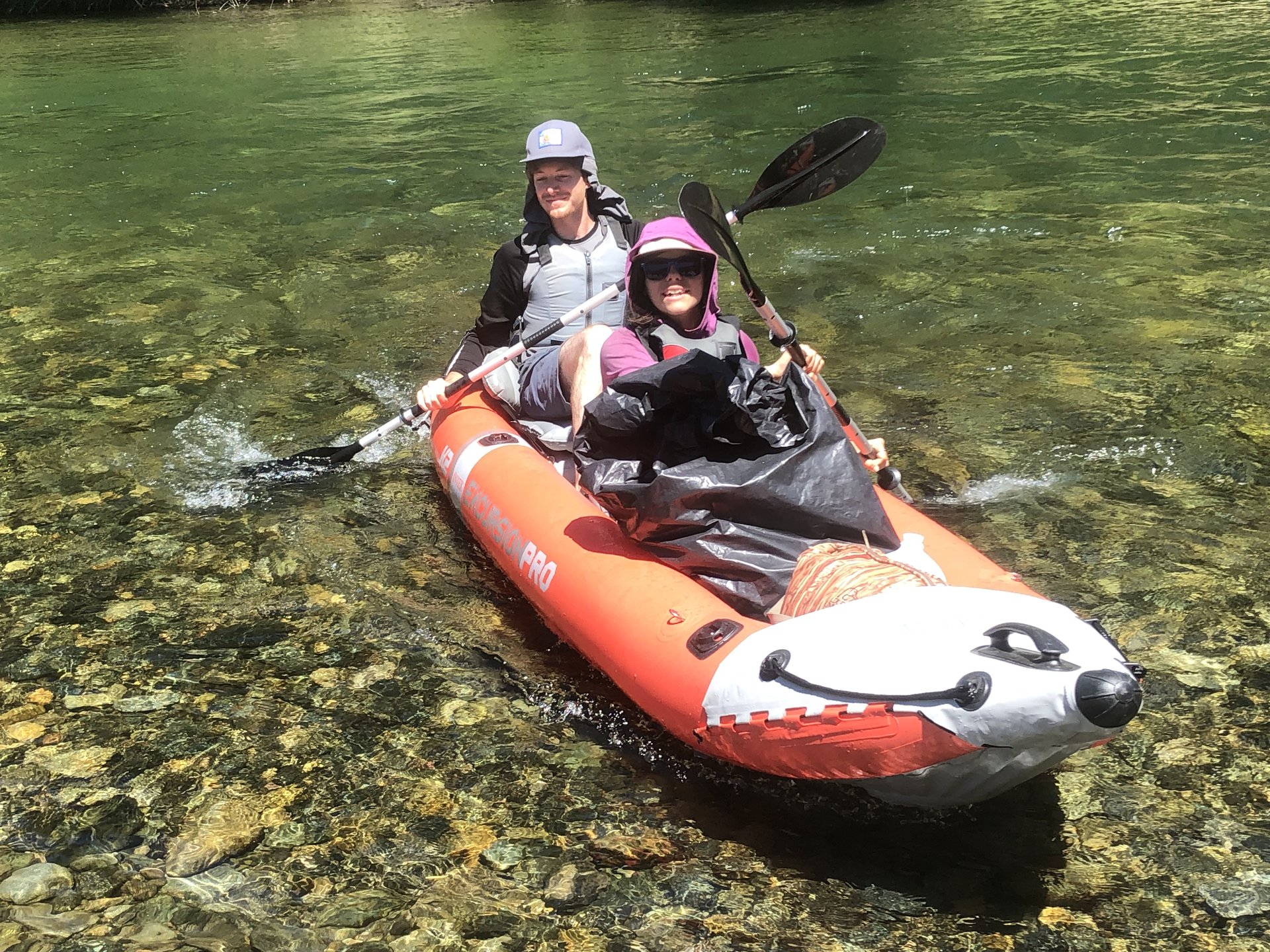
Image: David Byers, BLM
Active Rivers
River Cleanup and its volunteers have recovered more than 4.39 million kg of waste from rivers worldwide and aim for 1,000 plastic-free rivers by 2050 (organization figures).
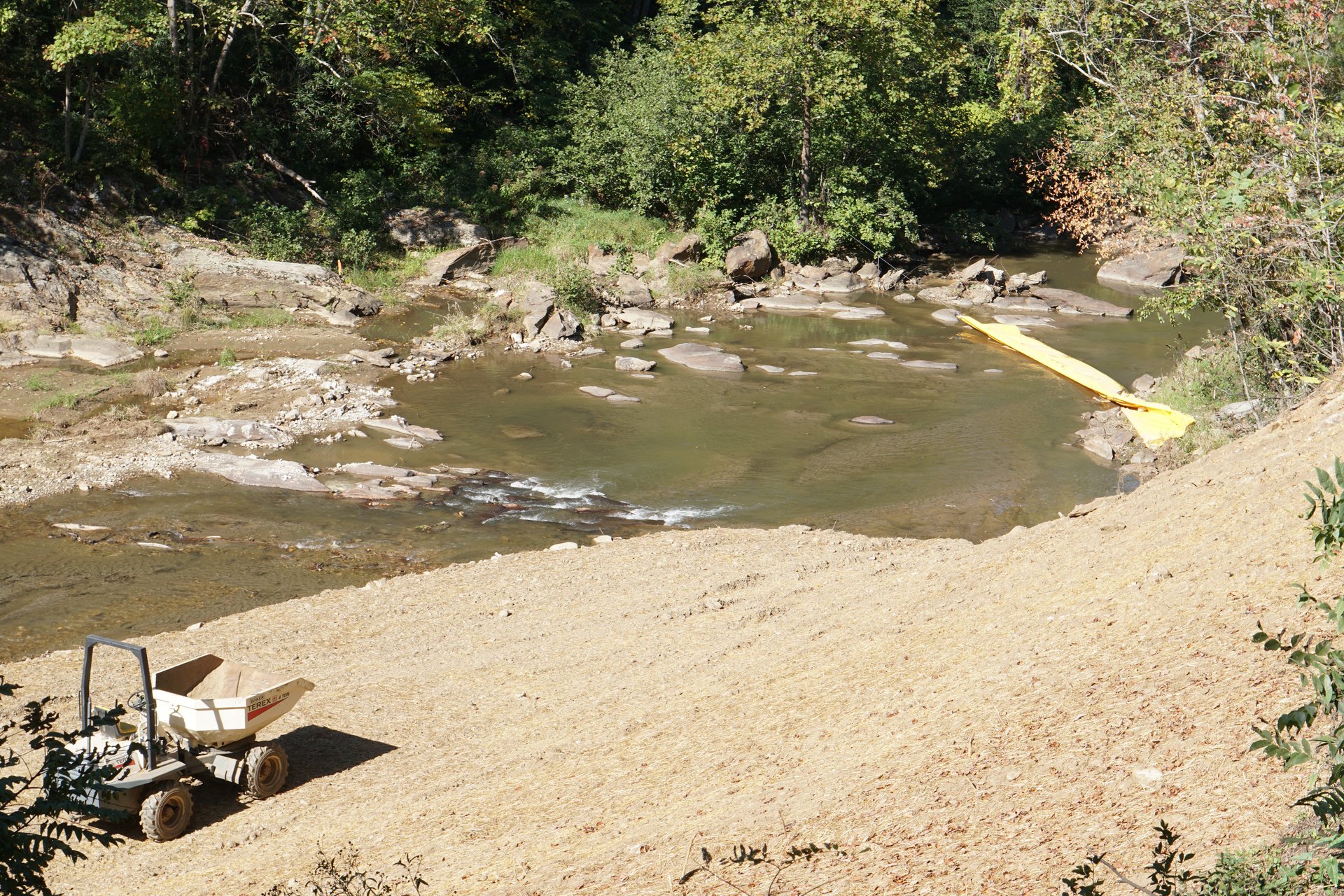
Image: G. Peeples/USFWS
Created by the Founder and SI.
Active Rivers
American Rivers has worked directly on more than 200 dam removals; in 2025 the U.S. removed 100 dams and reconnected more than 4,893 river miles (American Rivers).
Active Rivers
A barge-based river cleanup crew that, with more than 141,000 volunteers, has pulled over 14 million pounds of trash from U.S. rivers (organization figure).
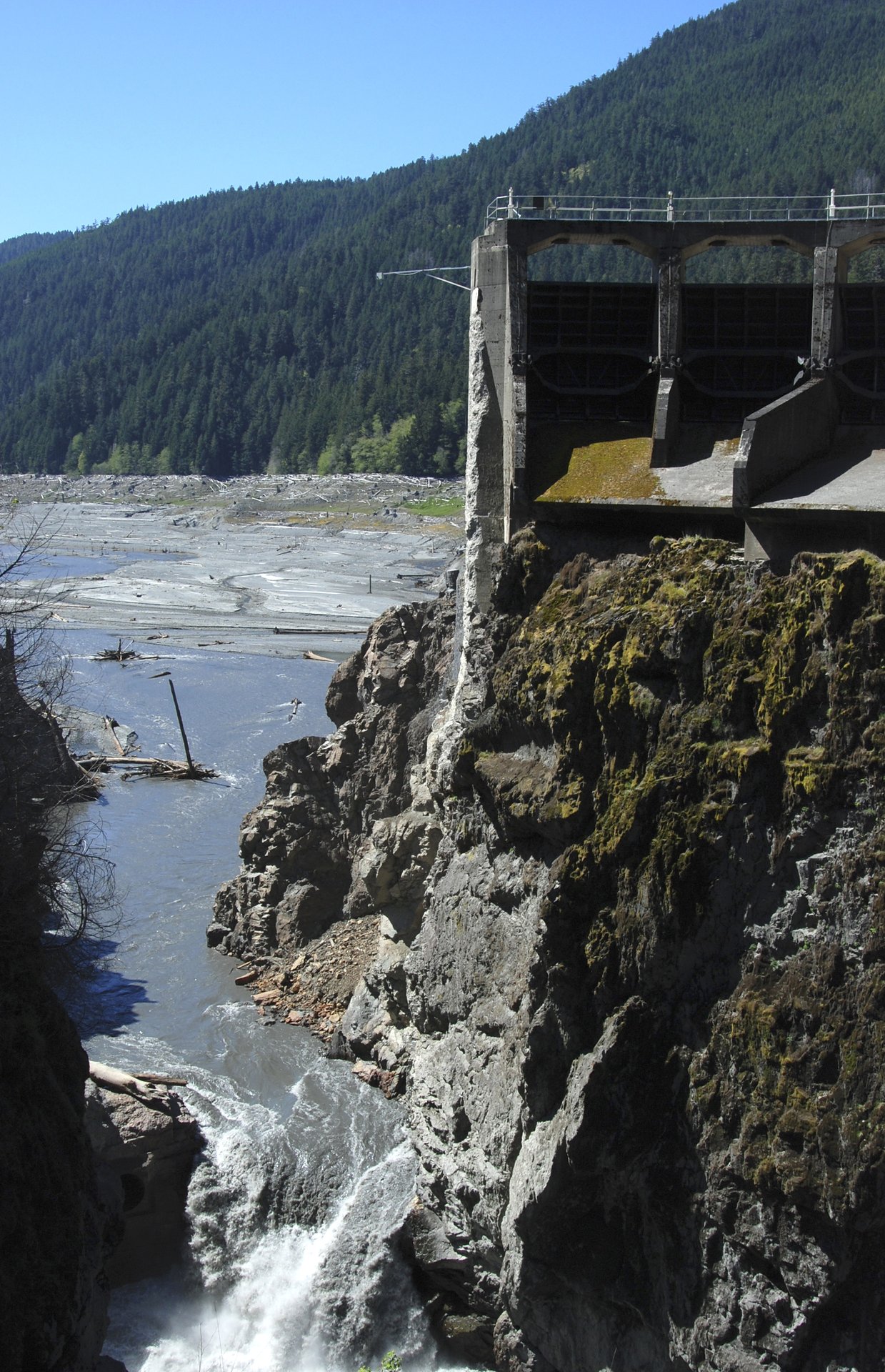
Image: NPS photo by Janis Burger
Created by the Founder and SI.
Active Rivers
Two Elwha River dams came down between 2011 and 2014, and more than 20 million tons of trapped sediment flowed downstream to rebuild the river and coast (NPS, USGS).
Active Rivers
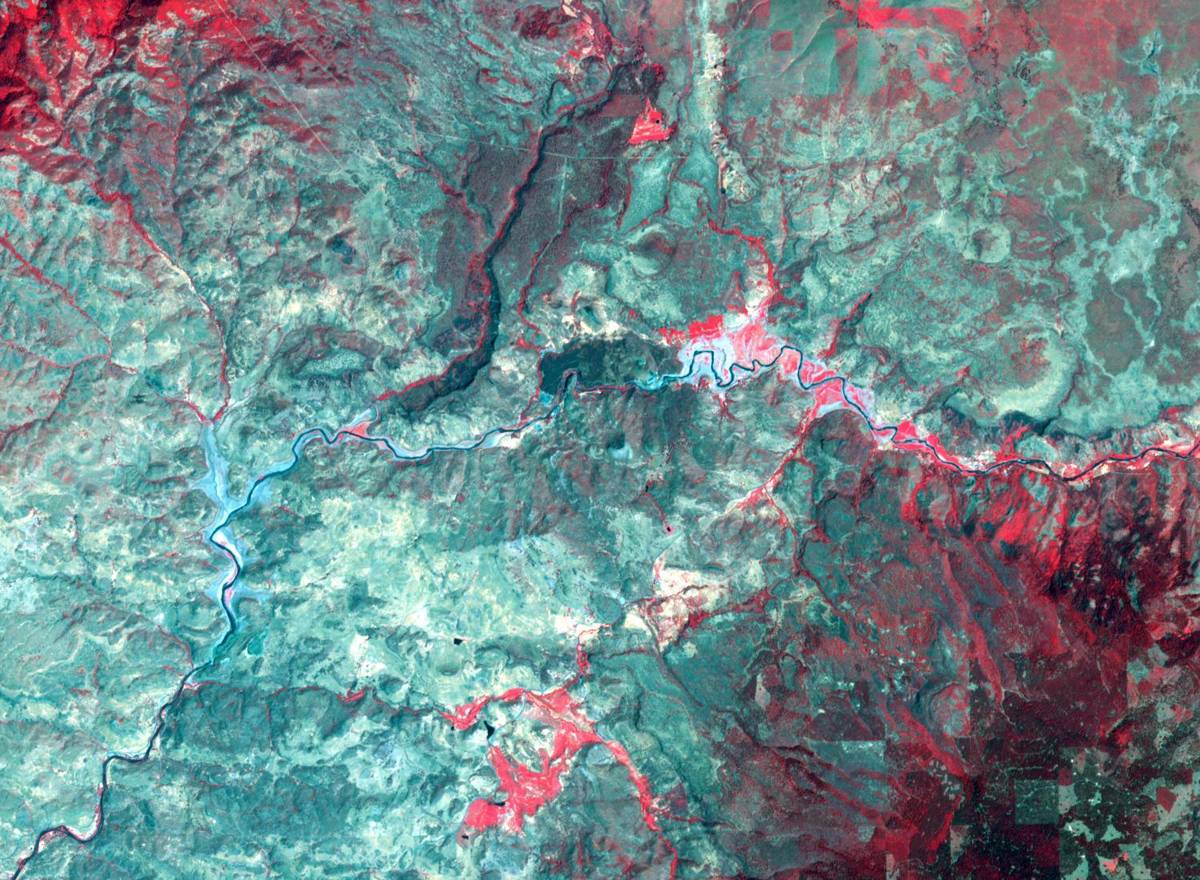
Four Klamath River dams came out by October 2024, reopening more than 400 miles of habitat to salmon, steelhead and lamprey (Klamath River Renewal).

Created by the Founder and SI.
Active Rivers
A curtain of bubbles catching plastic across the full width and depth of a waterway.
Active Rivers
Trash barriers and daily cleanups stopping plastic in Indonesian rivers.
Active Rivers
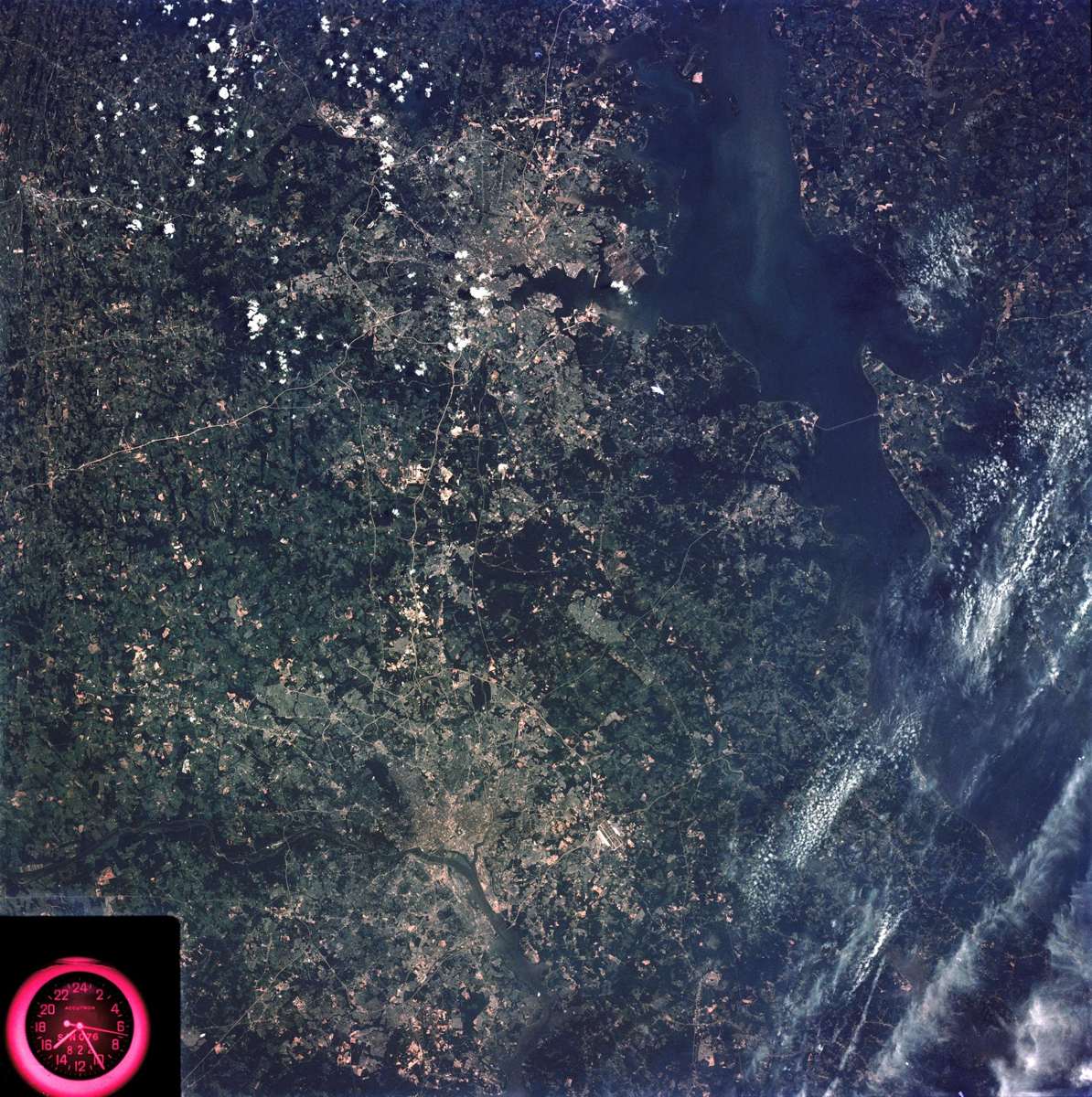
Baltimore's Trash Wheels intercept about 500 tons of trash a year before it reaches the harbor and the Chesapeake Bay (organization figure).
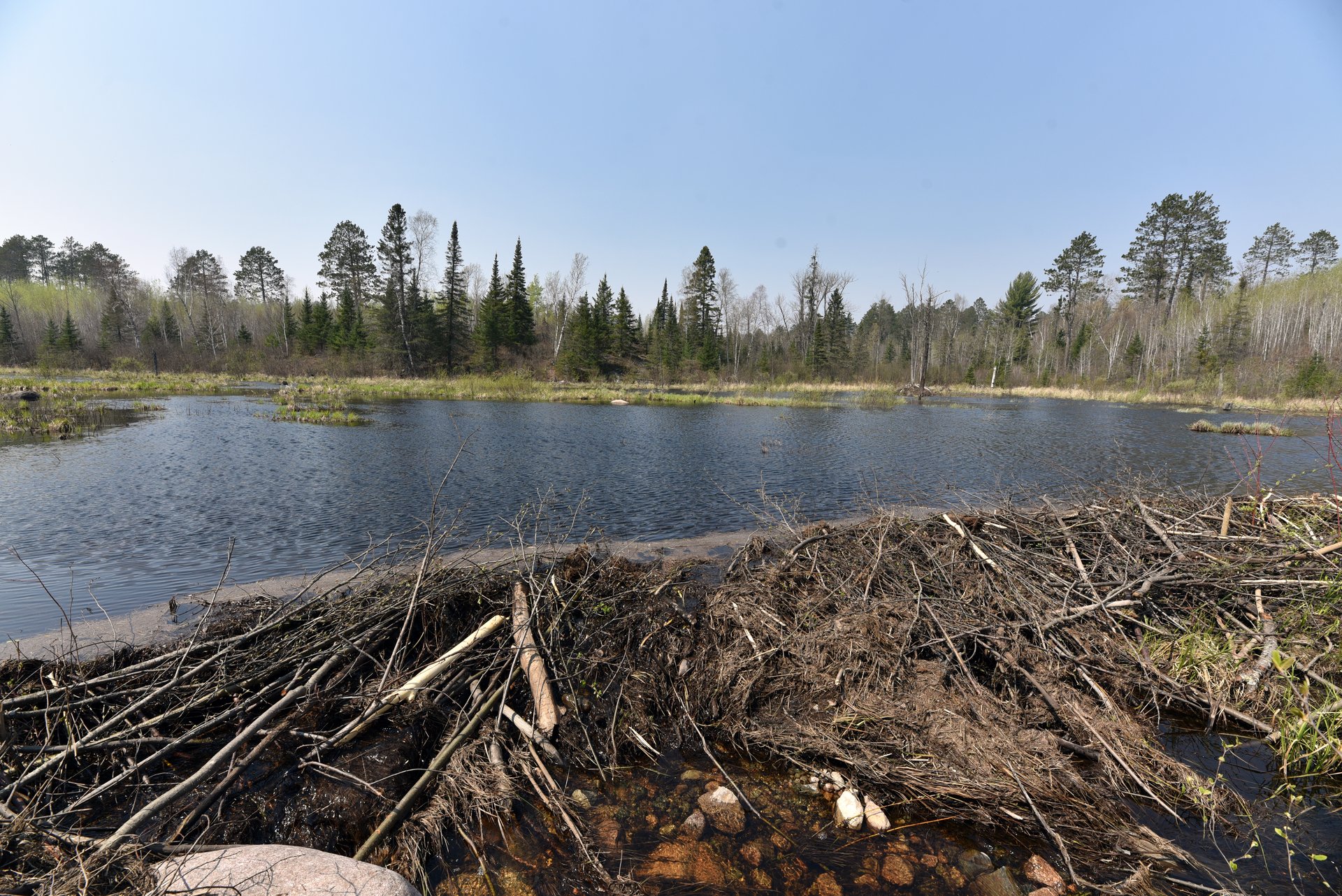
Image: Courtney Celley/USFWS
Active Rivers
In Oregon's Bridge Creek, beavers given simple dam starters raised juvenile steelhead survival 52% and production 175% (NOAA Fisheries).

Active Rivers
London's new super sewer catches sewage that used to spill into the River Thames in storms, with room for 1.6 million cubic metres (Tideway).
Active Rivers
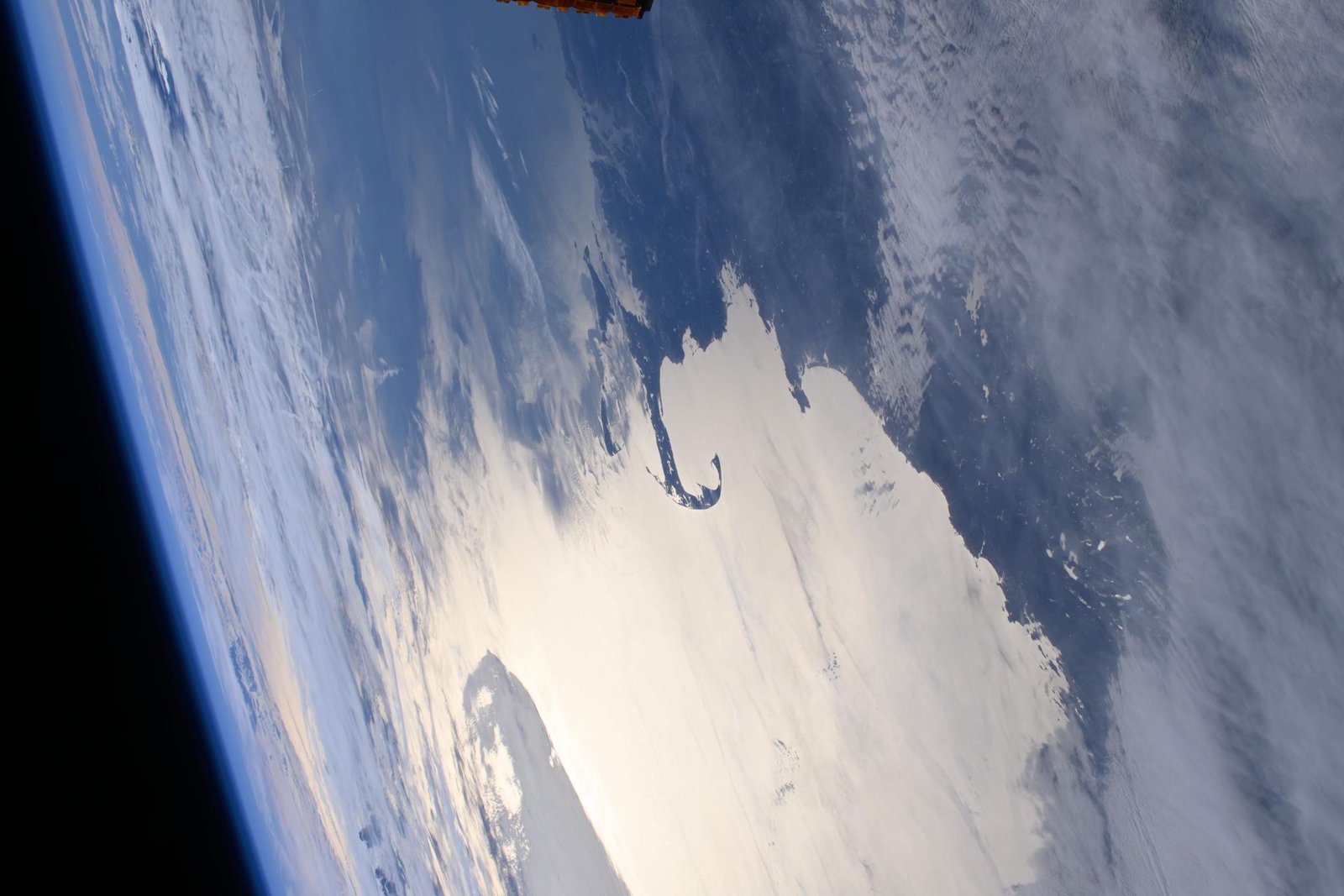
After two dams came out of Maine's Penobscot River, nearly 5.93 million river herring climbed the Milford fish lift in 2025, up from about 590,000 in 2015 (Maine DMR).
Active Rivers
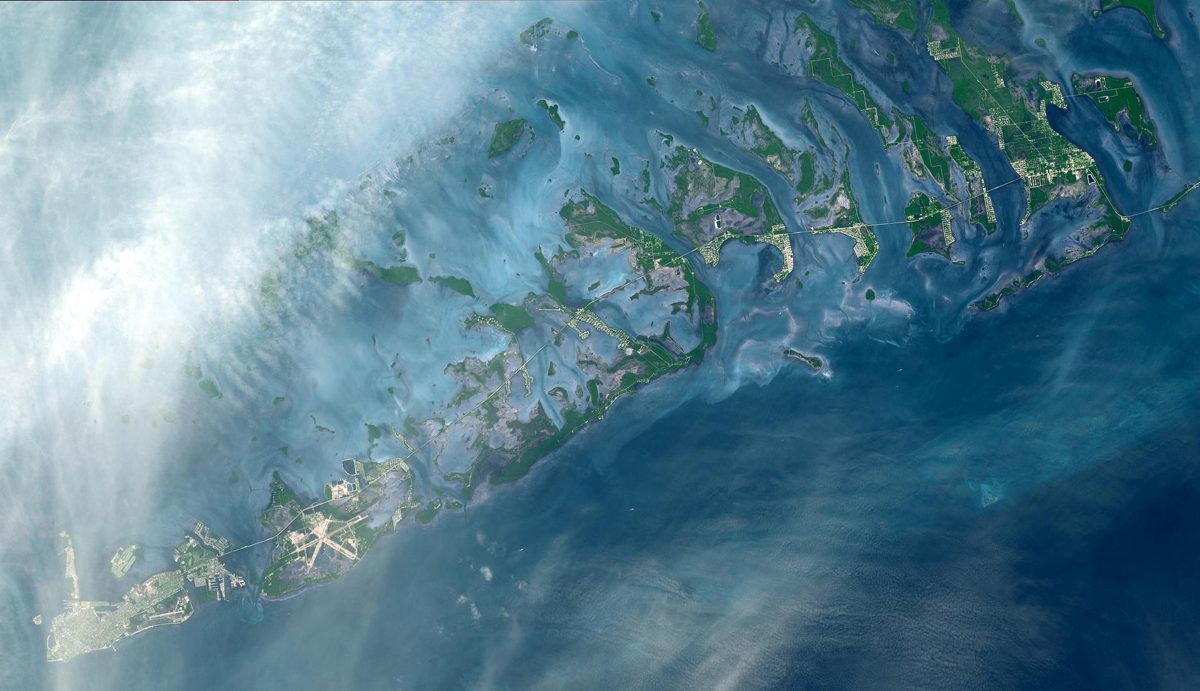
Once straightened into a canal, Florida's Kissimmee River is winding again: 44 miles of river and 20,000 acres of wetlands restored (SFWMD).
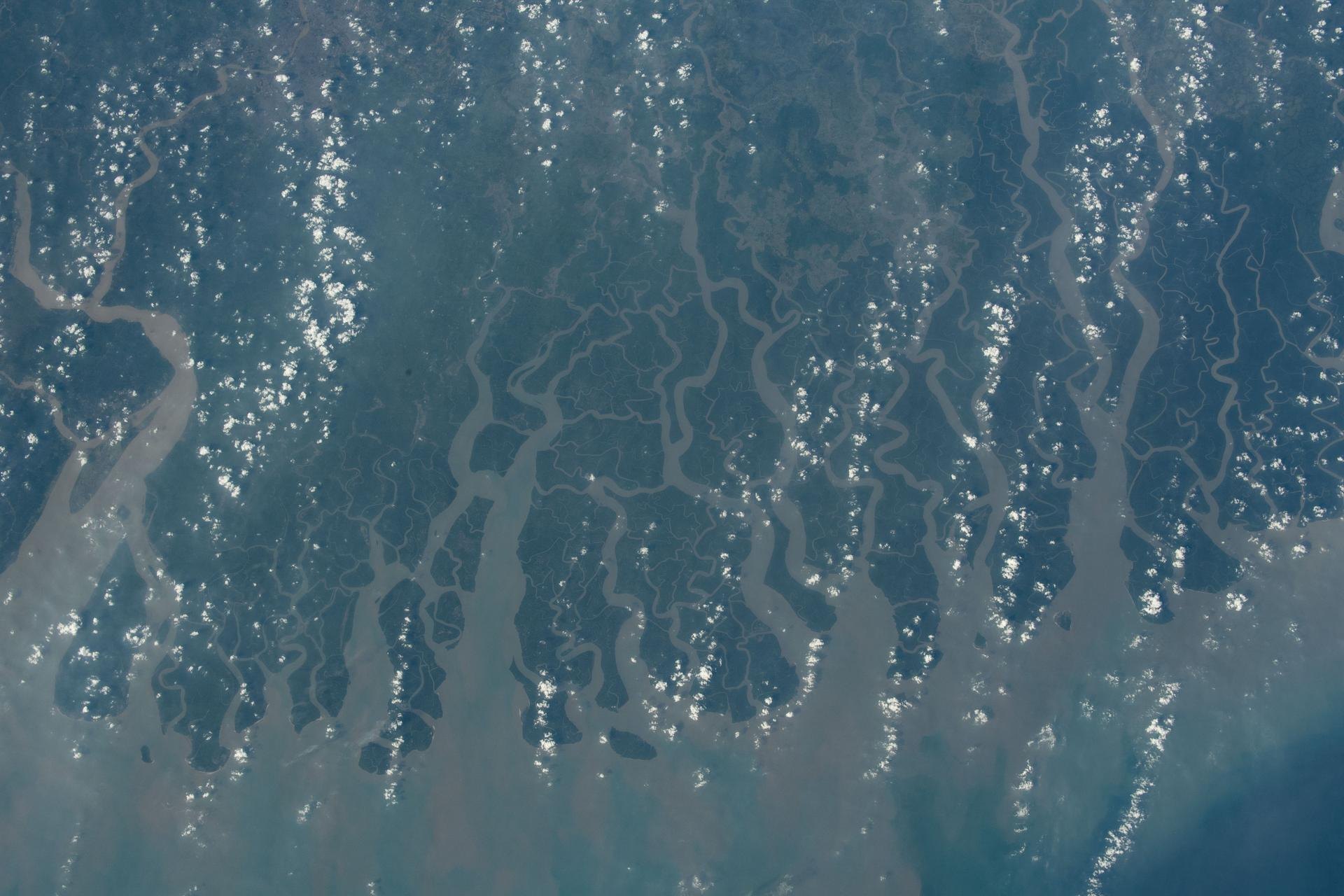
Active Rivers
India's Namami Gange programme has created or rehabilitated 4,263 million litres a day of sewage treatment for the River Ganga (government figures).
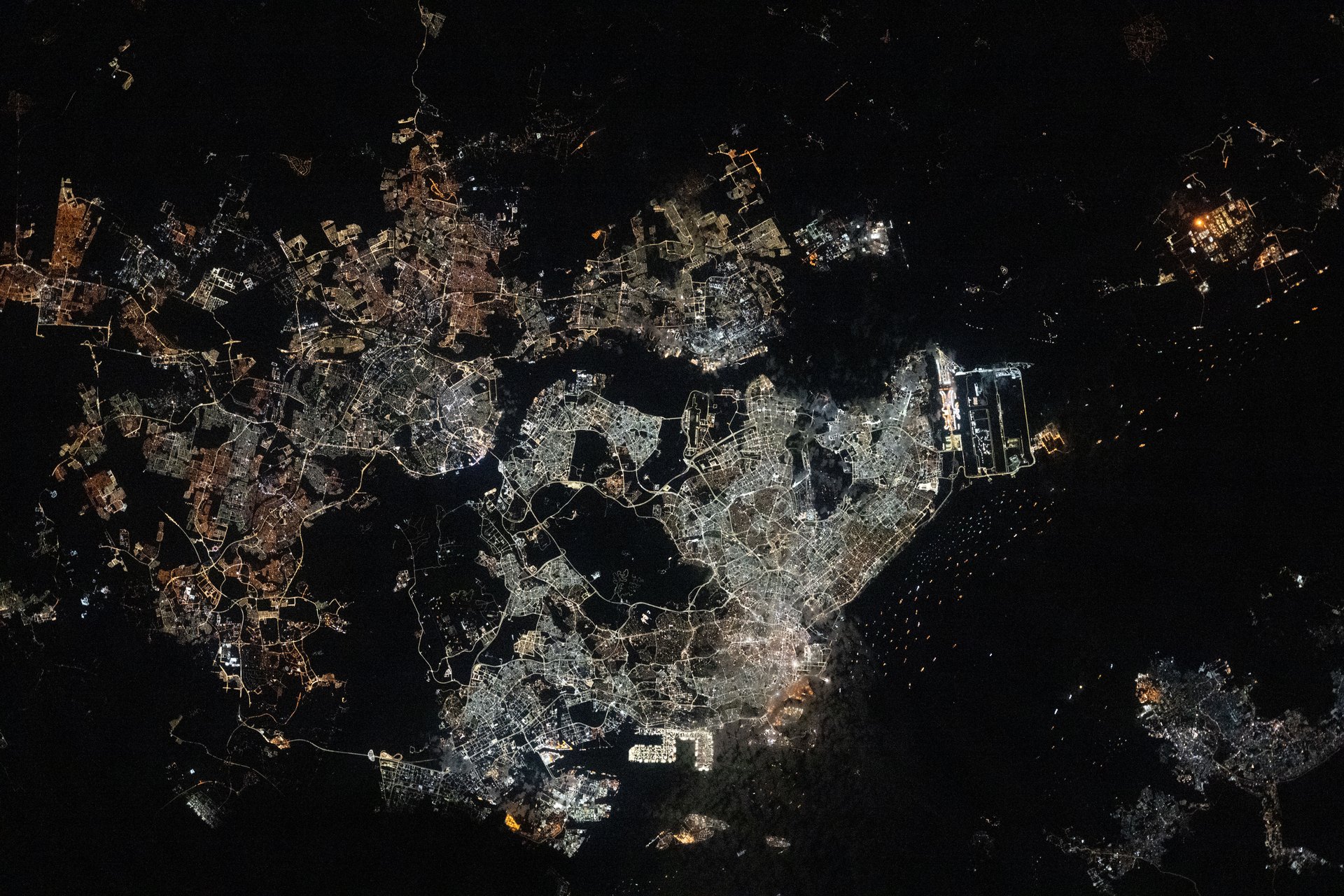
Active Rivers
NEWater is high-grade reclaimed water from PUB, Singapore's National Water Agency, made from treated used water in a three-step purification process at 4 plants (PUB).
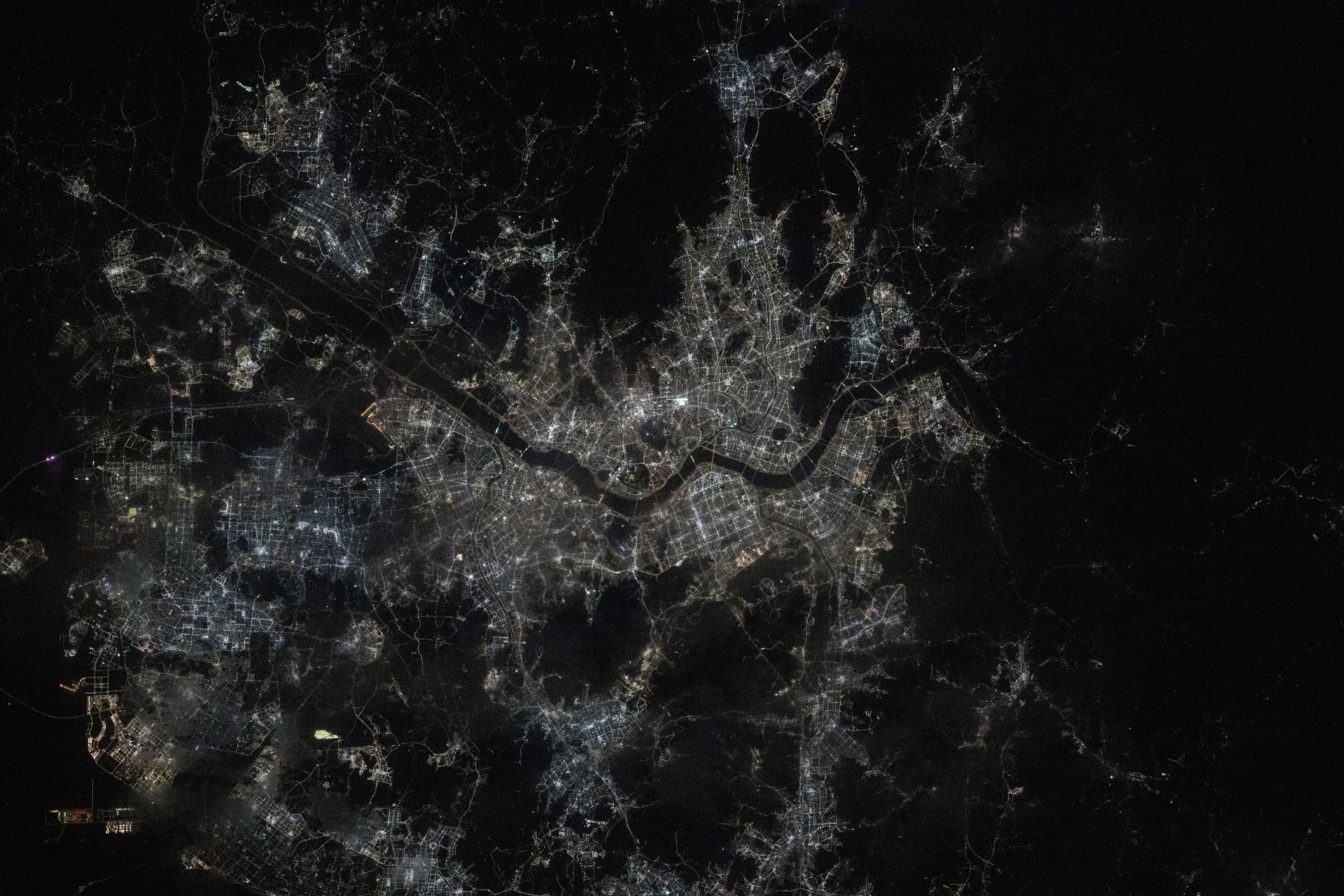
Active Rivers
Seoul removed an ageing road and elevated motorway that covered the Cheonggyecheon stream and restored it along a 5.84 km corridor through the city centre (Cheonggyecheon Museum).
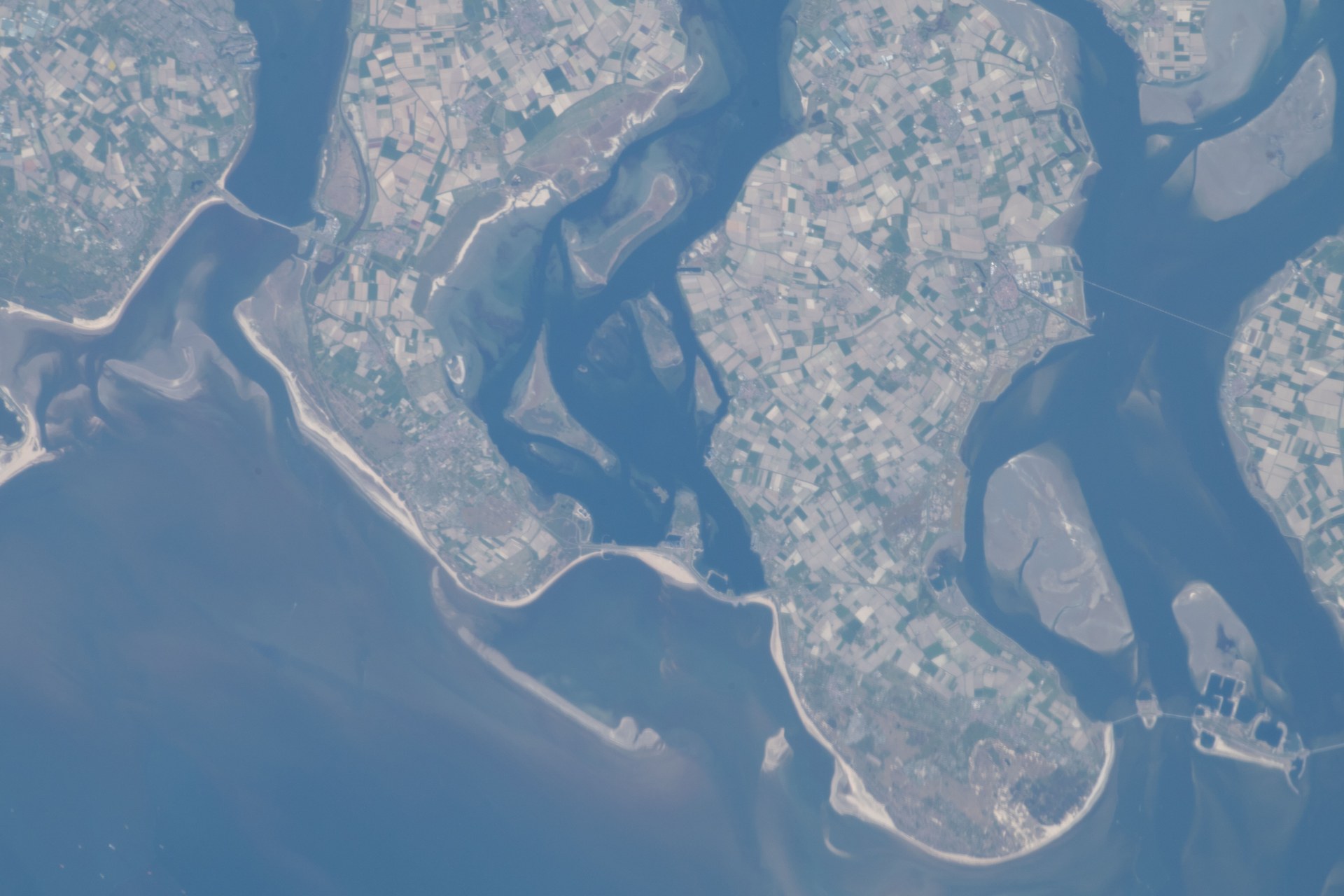
Active Rivers
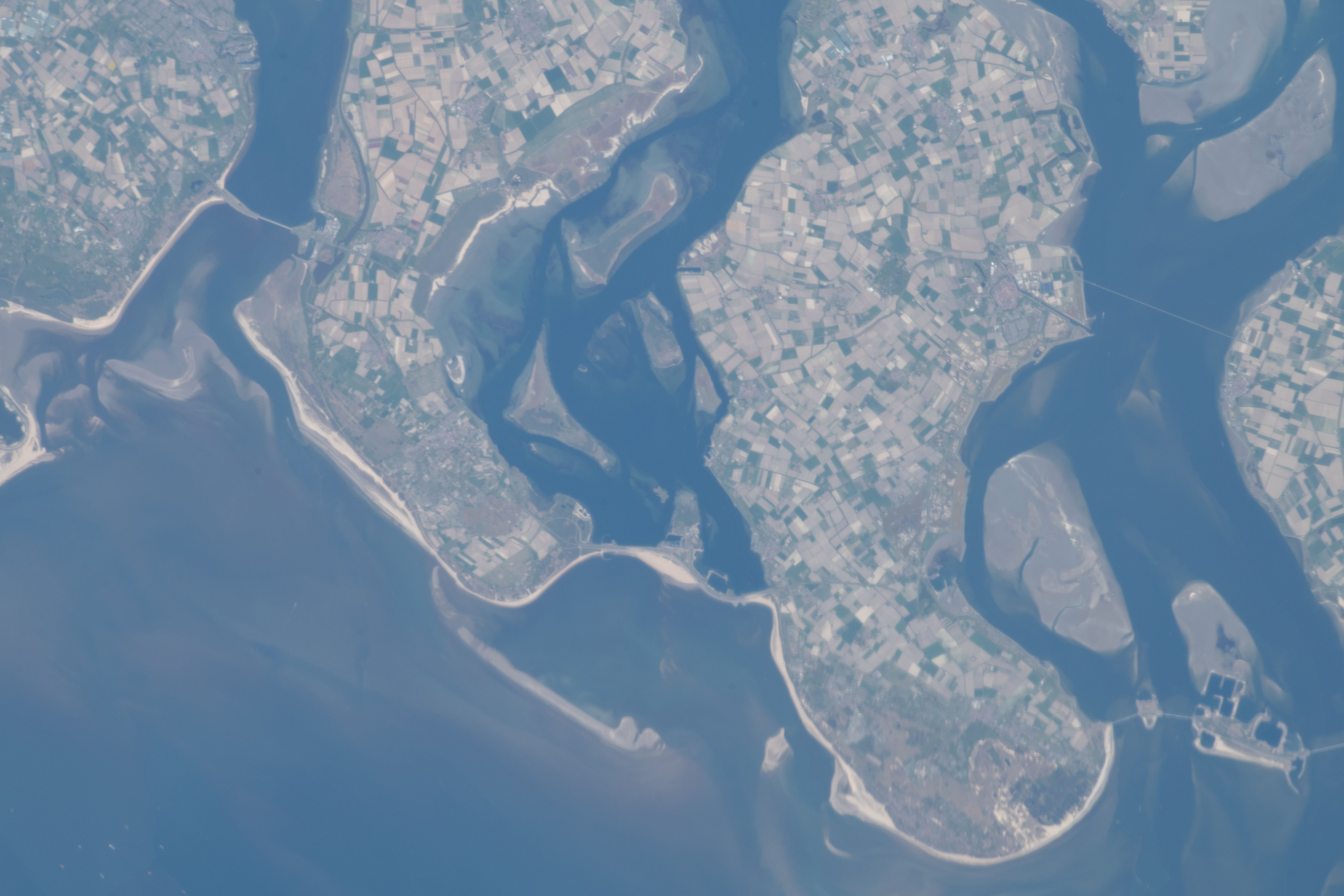
At 34 locations, the Netherlands widened floodplains and dug side channels so rivers can safely carry more water (Rijkswaterstaat).
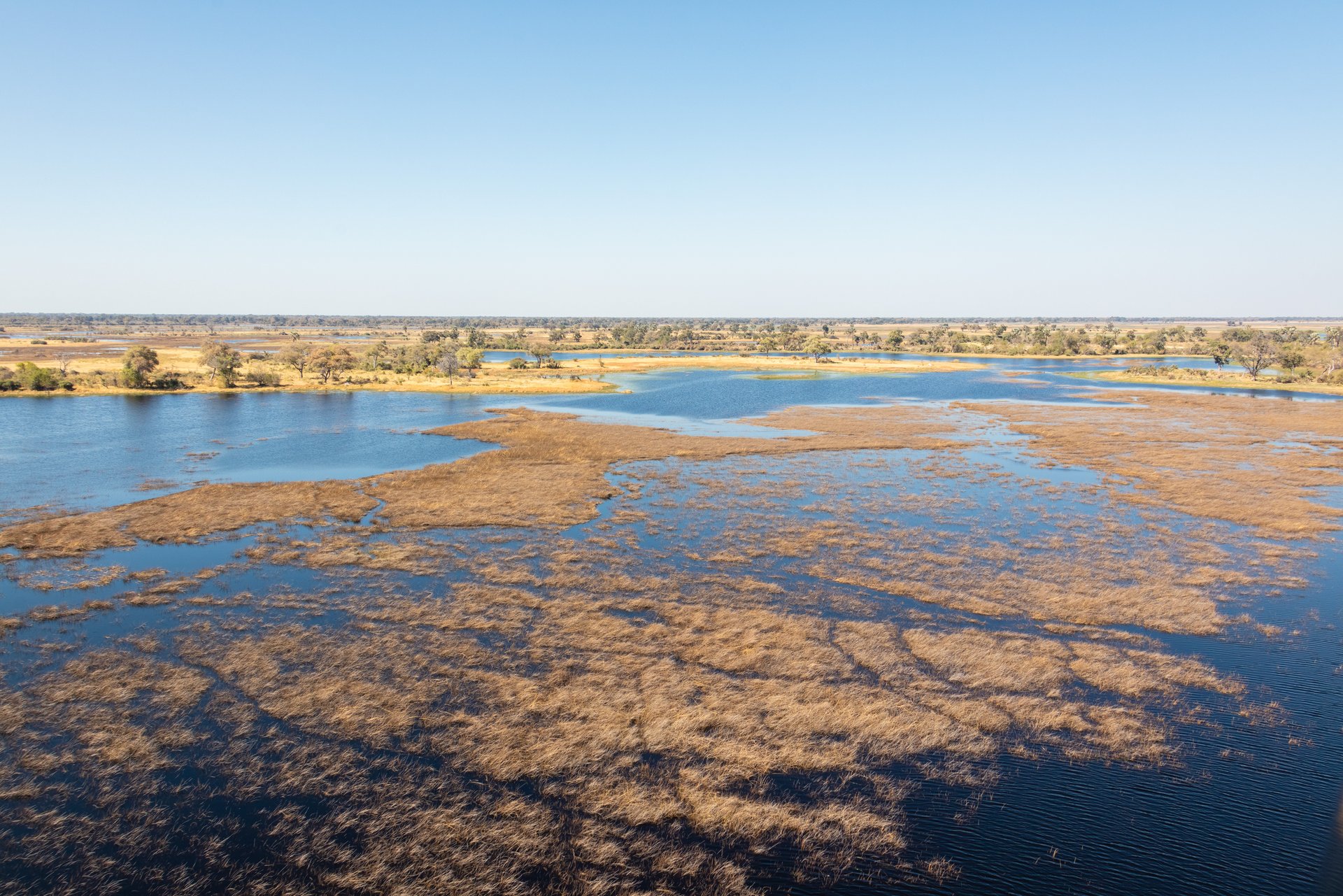
Active Rivers
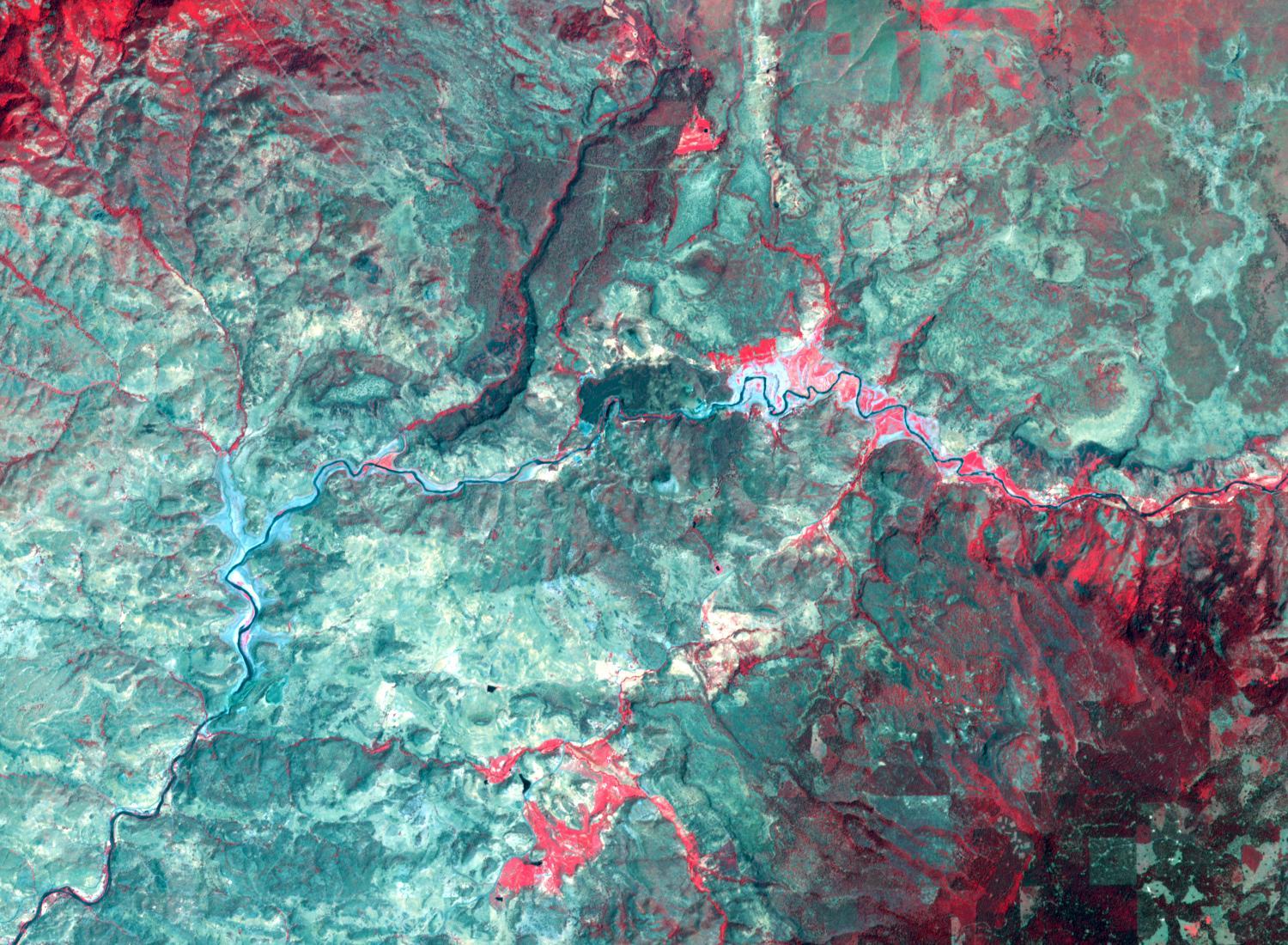
The Okavango Delta in Botswana is a near-pristine inland delta whose waters drain into the Kalahari sands instead of the sea (UNESCO).
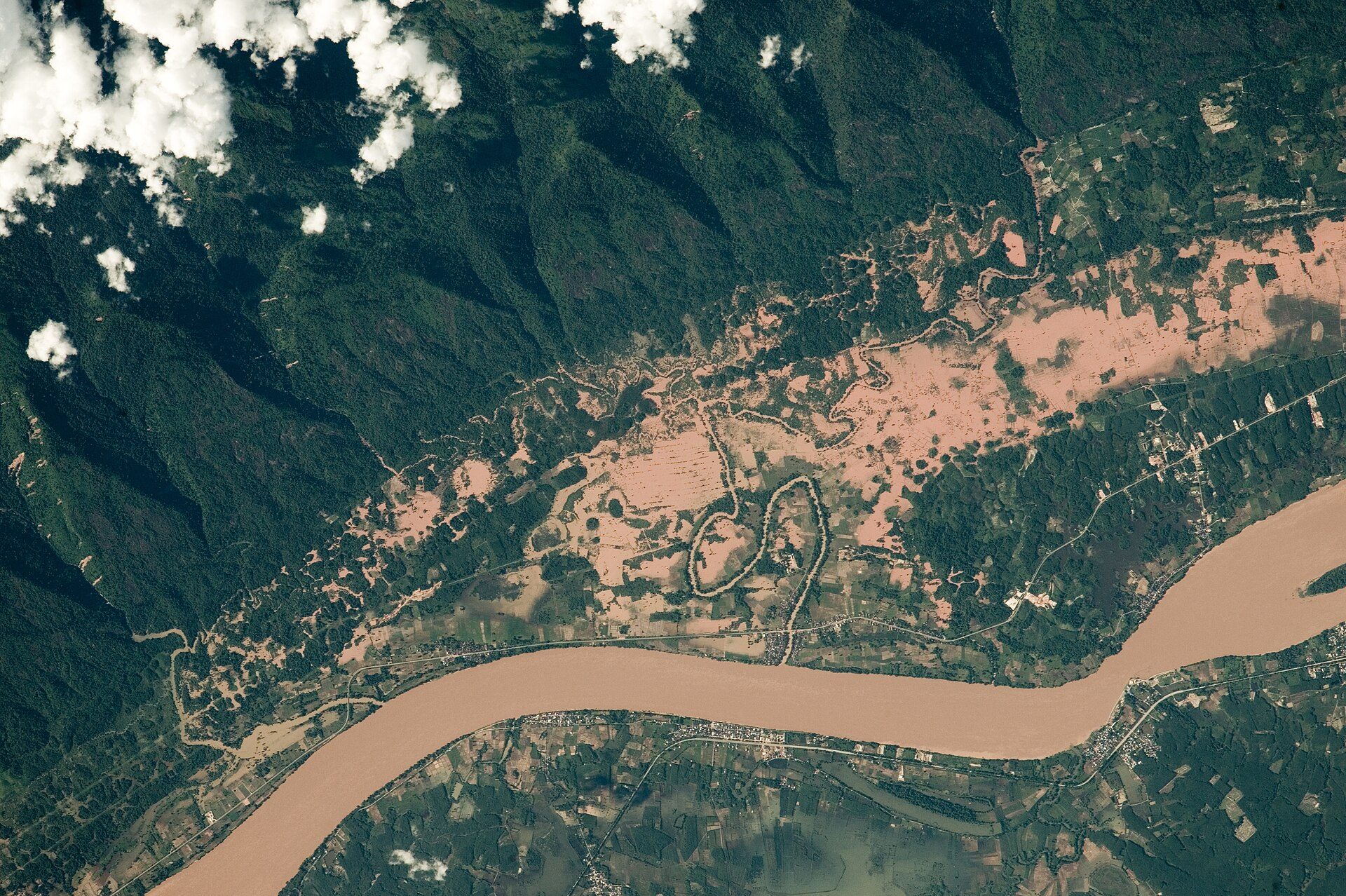
Active Rivers
The Mekong River Commission, founded in 1995 by four countries, works on a fishery of about 2.3 million tonnes a year.
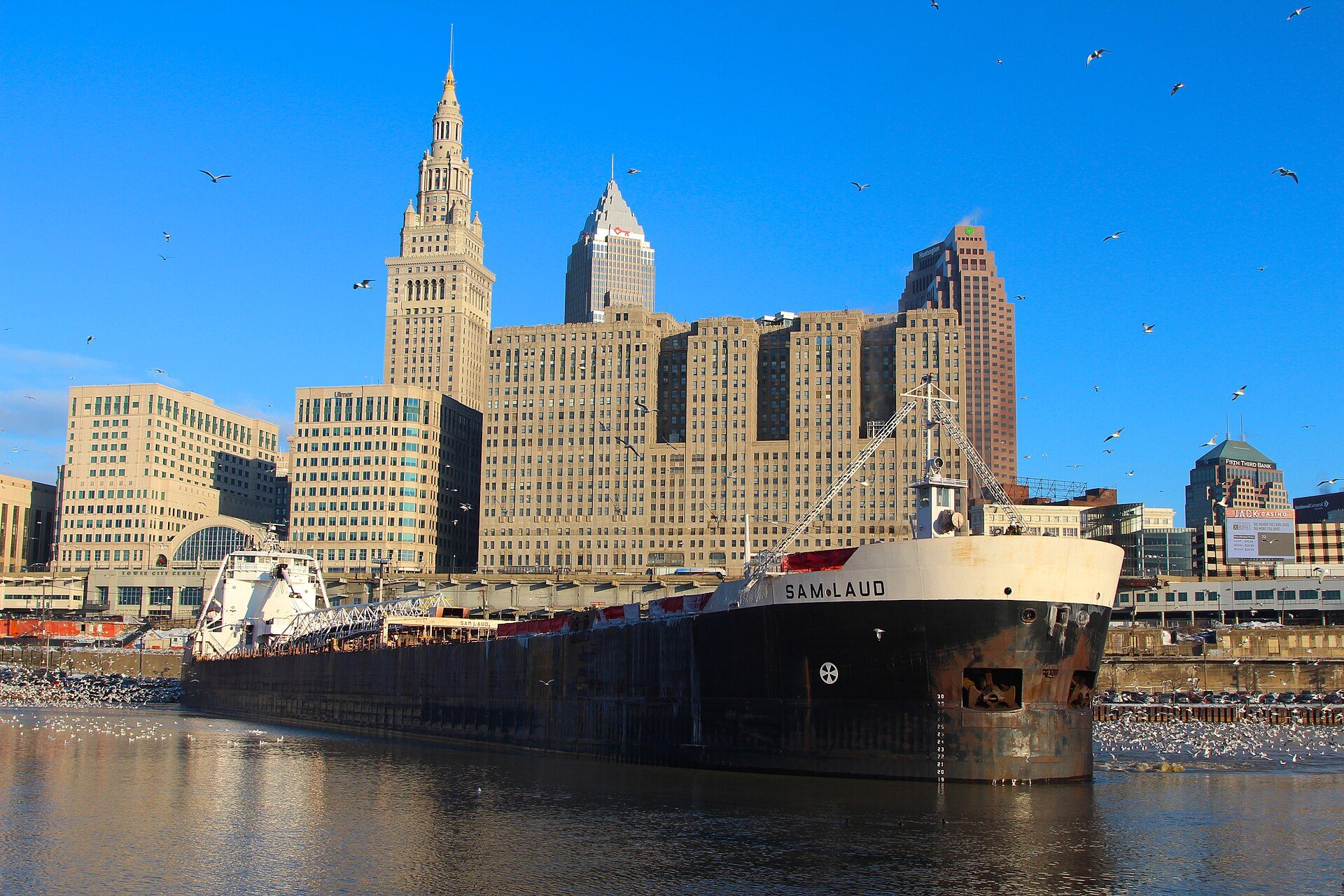
Active✨ New solution Rivers
Five listed impairments removed since 2017, from algae and fish tumors to beach closings in September 2024.
Five questions from this hub. Pick an answer to see if you got it, with a link to the source page. Nothing is tracked.
Copied to your clipboard.
I scored {n} out of 5 on the Rivers quiz at Saving Planets.
You scored {n} out of 5.
Showcase, not partnership: How we feature solutions from around the world
Support The Ocean Cleanup (river Interceptors) directly.
 Donate
River interceptors catch plastic in the rivers that carry most of it to the ocean. Each solution page lists its own sourced figures.
Source: Rivers · On this site
American Rivers has worked directly on more than 200 dam removals; in 2025 the U.S. removed 100 dams and reconnected more than 4,893 river miles.
Source: American Rivers, Restoring Damaged Rivers · On this site
In Oregon's Bridge Creek, beavers given simple dam starters raised juvenile steelhead survival 52% and production 175% (NOAA Fisheries).
Source: NOAA Fisheries, Oregon beavers engineer better fish habitat · On this site
Seoul removed an ageing road and elevated motorway that covered the Cheonggyecheon stream and restored it along a 5.84 km corridor through the city centre.
Source: Encyclopedia of Korean Culture (Academy of Korean Studies), Cheonggyecheon restoration project · On this site
Since 1966, the Chesapeake Bay Foundation has worked to save the Bay and its rivers, adding more than 21 million oysters in fiscal year 2026 (CBF).
Source: Chesapeake Bay Foundation, About · On this site
Two Elwha River dams came down between 2011 and 2014, and more than 20 million tons of trapped sediment flowed downstream to rebuild the river and coast.
Source: National Park Service, Elwha River Restoration · On this site