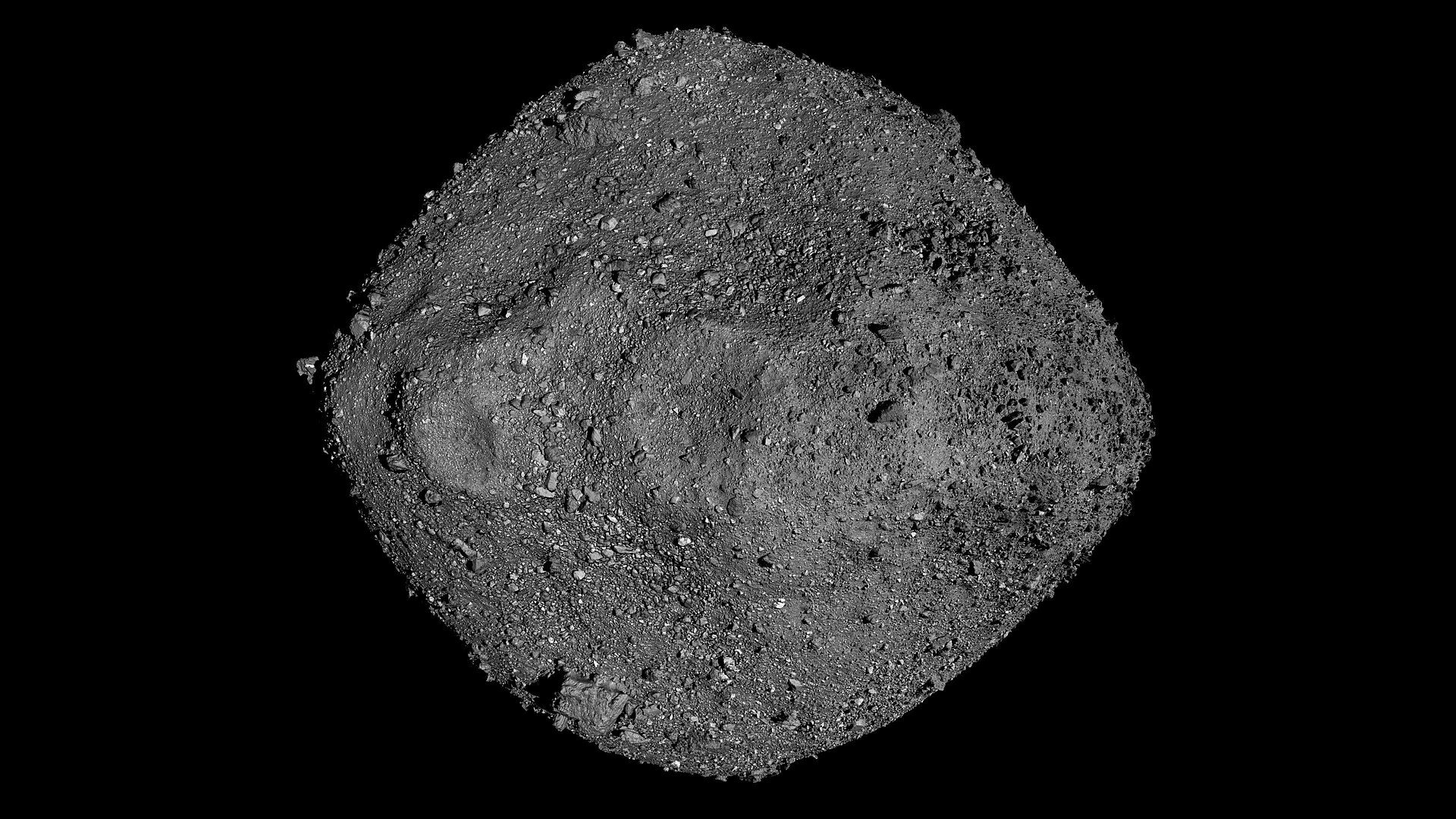
Active✨ New solution Planetary Defense
IAU Minor Planet Center
The world’s clearinghouse for asteroid and comet sightings: 43,286 near-Earth objects discovered, 273 this month (as of Nov 16, 2026).
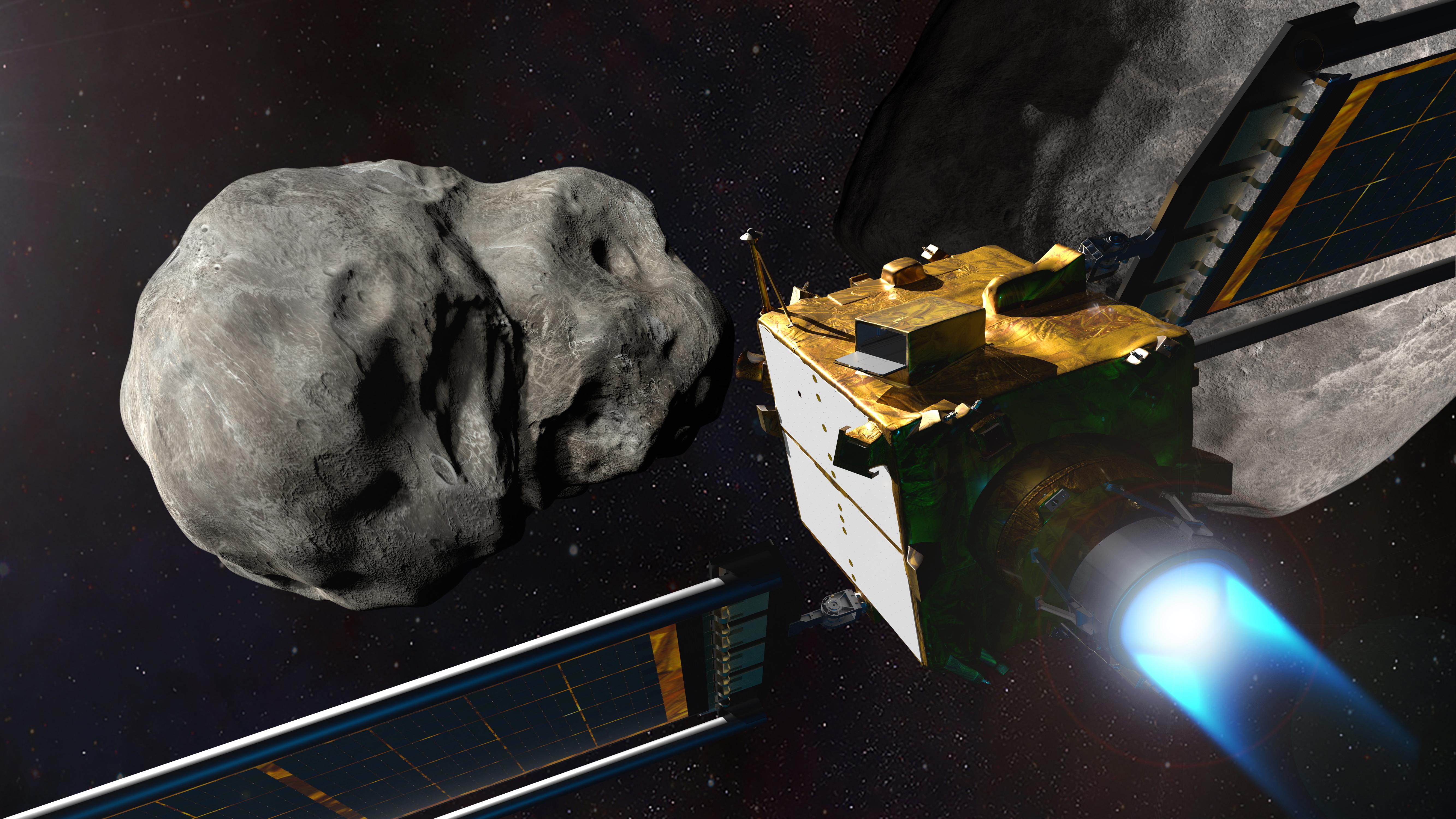
Planetary defense has two halves. First, find and track asteroids and comets early. Then, if one is ever on course for Earth, have a tested way to push it aside. Humanity has now done both: NASA's DART spacecraft hit the asteroid moonlet Dimorphos on September 26, 2022 and shortened its 11-hour-55-minute orbit by 33 minutes and 15 seconds.
Source: NASA, Asteroid's orbit, shape changed after DART impact
This hub collects the missions that make that defense real, plus the natural one that has been doing it for billions of years.
NASA and ESA, plus the James Webb Space Telescope team, and Jupiter (natural).
Finding and tracking asteroids early, and testing ways to push one aside. DART changed Dimorphos's orbit by 33 minutes and 15 seconds.
Source: NASA, Asteroid's orbit, shape changed after DART impact
DART impact September 26, 2022; Hera is following up, and NEO Surveyor is in development.
Source: NASA, Asteroid's orbit, shape changed after DART impact
Near-Earth space, the Didymos system and beyond.
NEO Surveyor aims to find two-thirds of unknown near-Earth objects larger than 140 m within five years.
Active✨ New solution Planetary Defense
The world’s clearinghouse for asteroid and comet sightings: 43,286 near-Earth objects discovered, 273 this month (as of Nov 16, 2026).
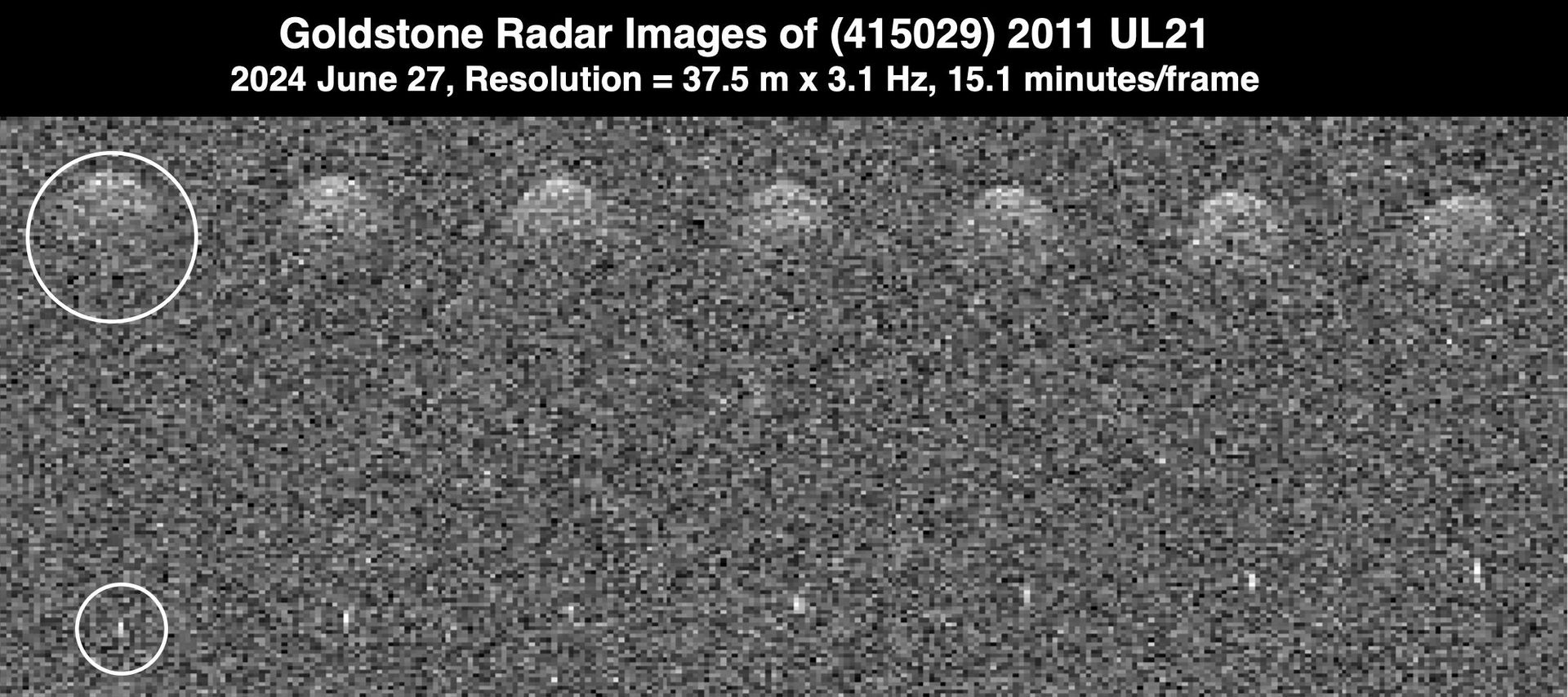
Active Planetary Defense
ESA's planetary defence hub tracks asteroid orbits and impact risk; 2,044 objects on its public risk list (ESA).
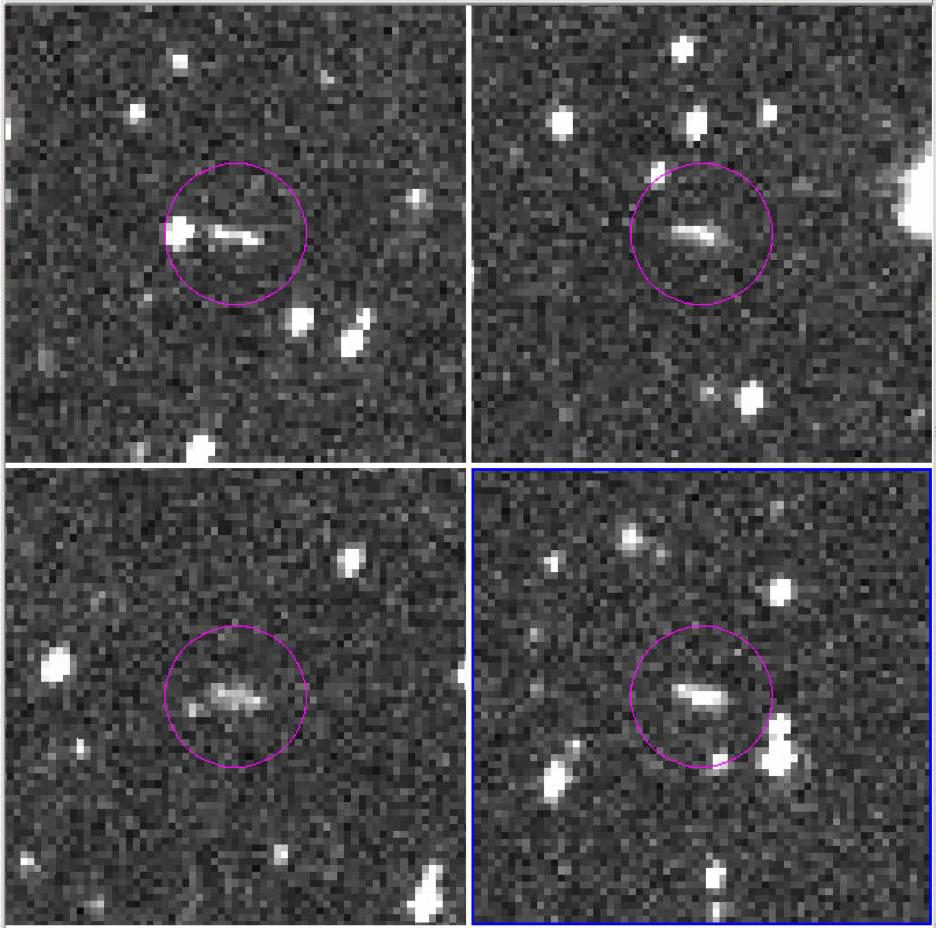
Active Planetary Defense
Arizona telescopes that have found 17,930 near-Earth asteroids, more than any other survey (Catalina Sky Survey).
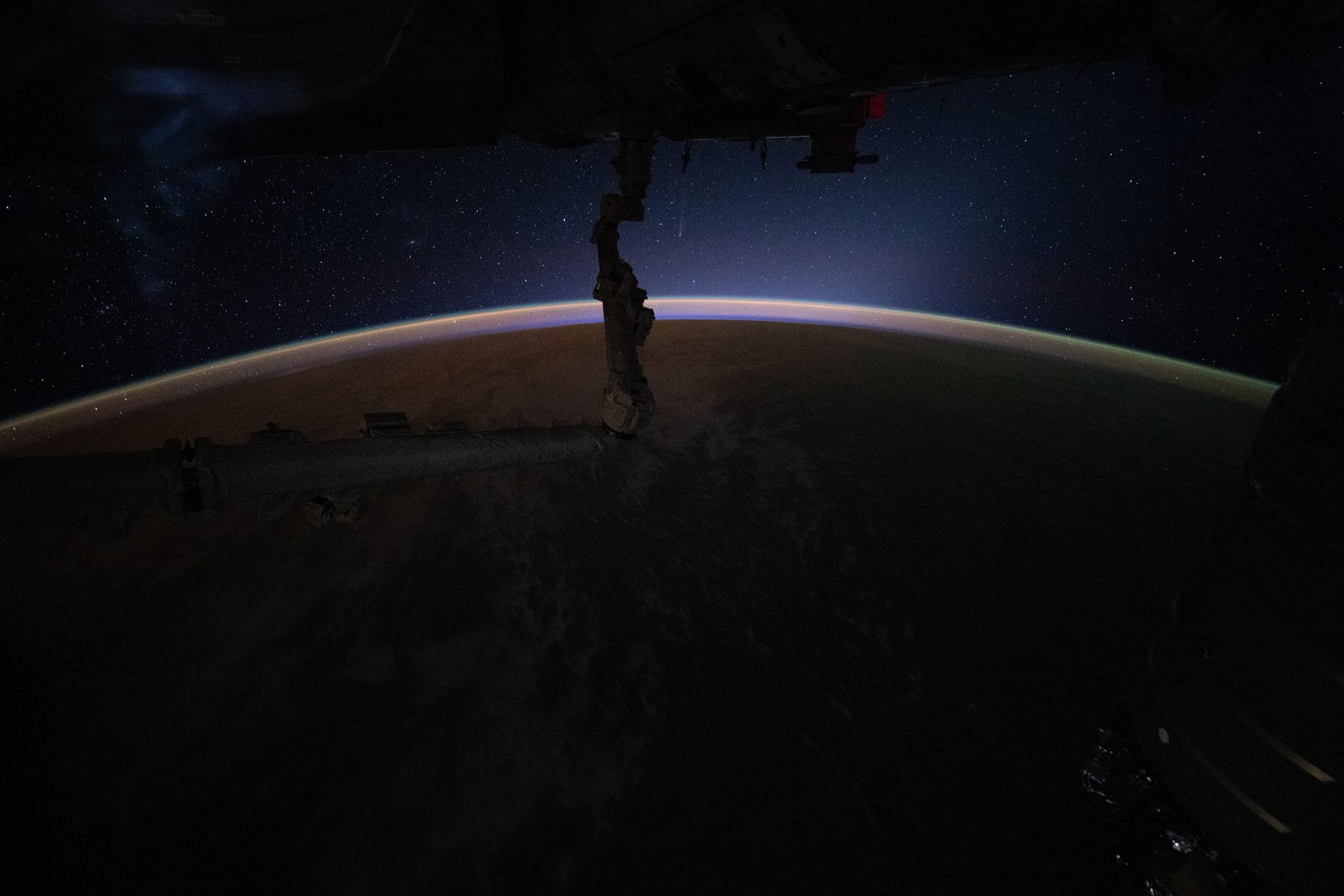
Active Planetary Defense
Maui telescopes that in 2021 found nearly 60% of the largest dangerous asteroids (University of Hawaiʻi).
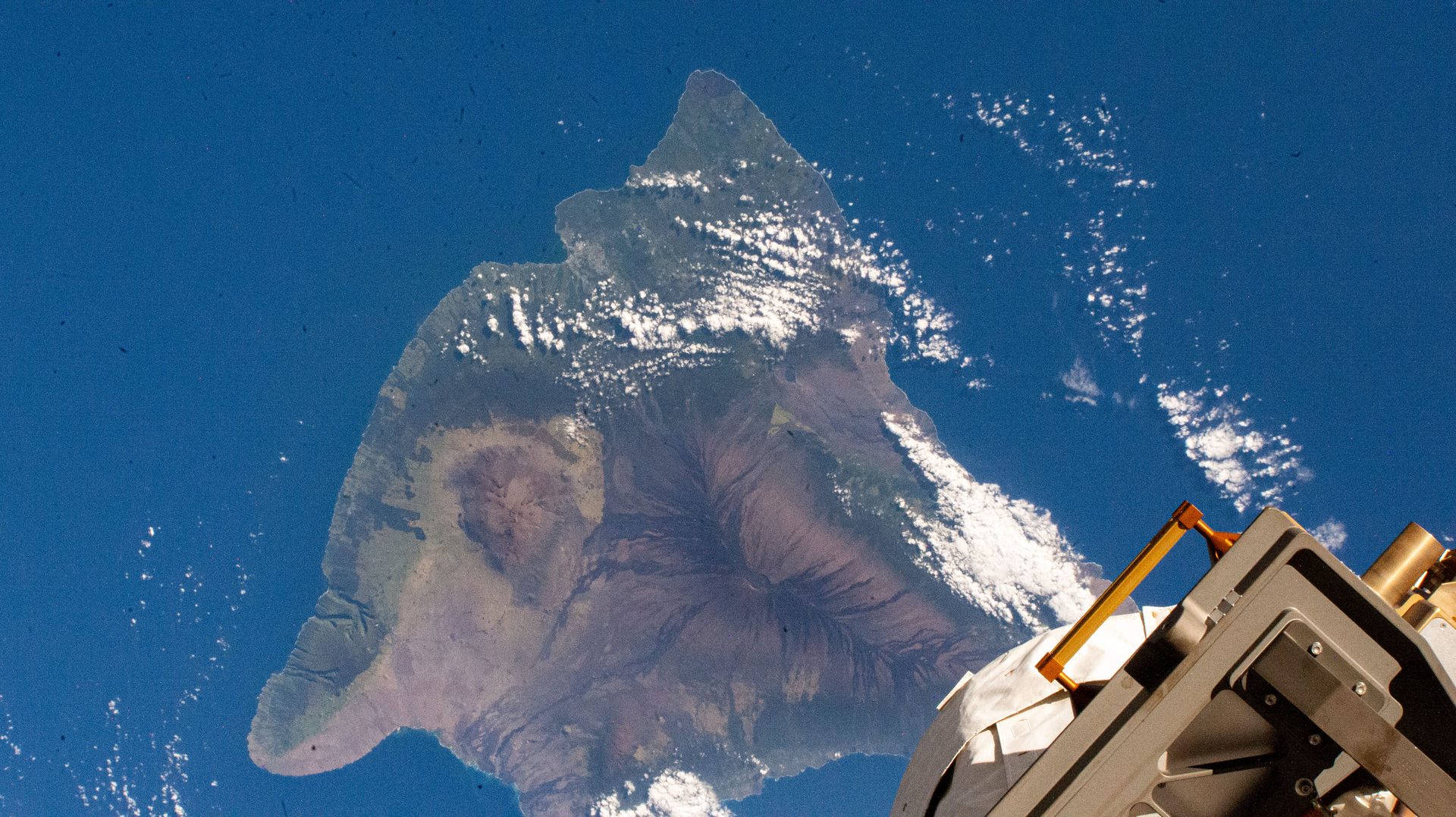
Active Planetary Defense
The first survey able to search the whole dark sky every 24 hours for dangerous asteroids; more than 700 near-Earth asteroids found (NASA).
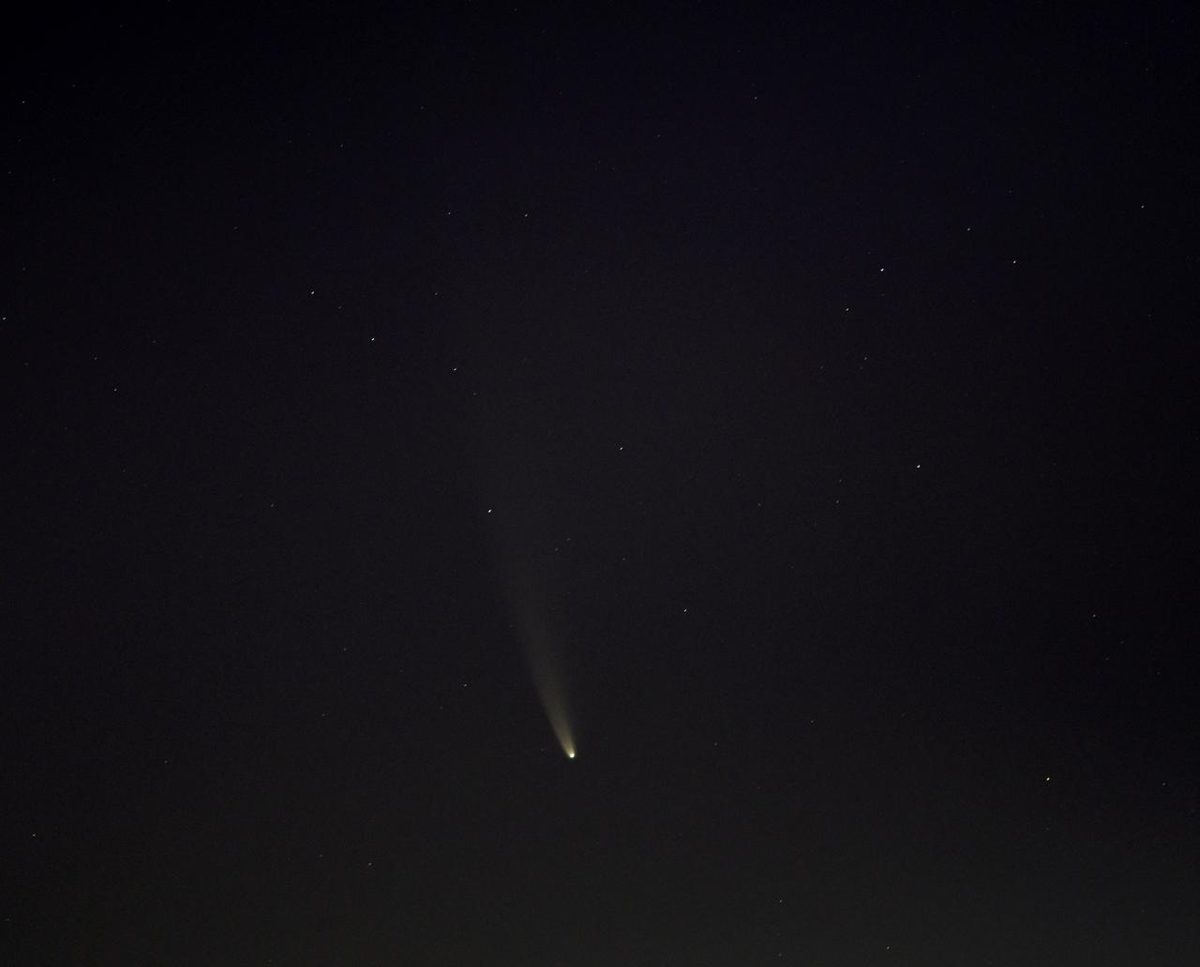
Active Planetary Defense
Three spacecraft will wait in space for a fresh comet and fly past it together to make a 3D map; launch is planned for late 2028 or early 2029 (ESA).
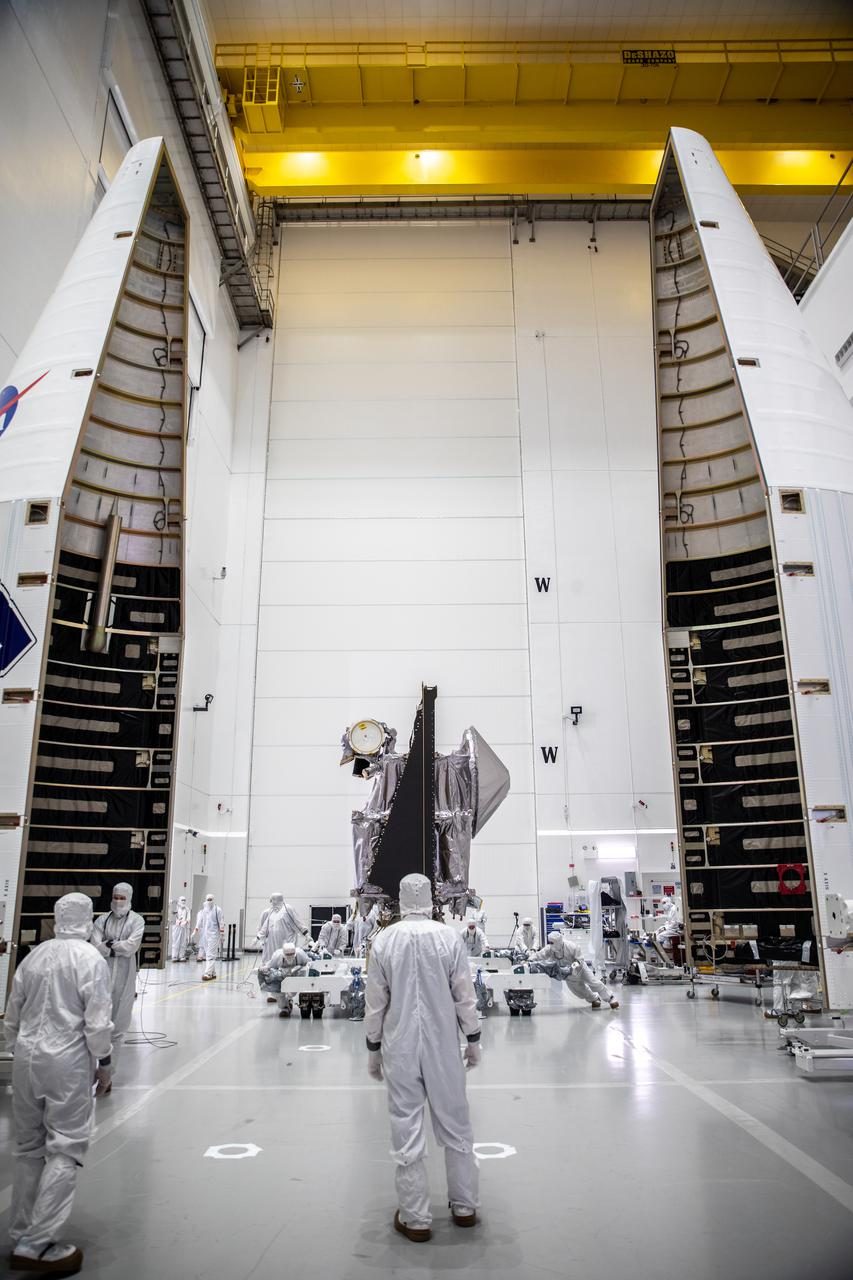
Active Planetary Defense
NASA's Lucy is touring asteroids; after Dinkinesh and Donaldjohanson, it reaches its first Trojan asteroid, Eurybates, on 11 August 2027 (NASA).
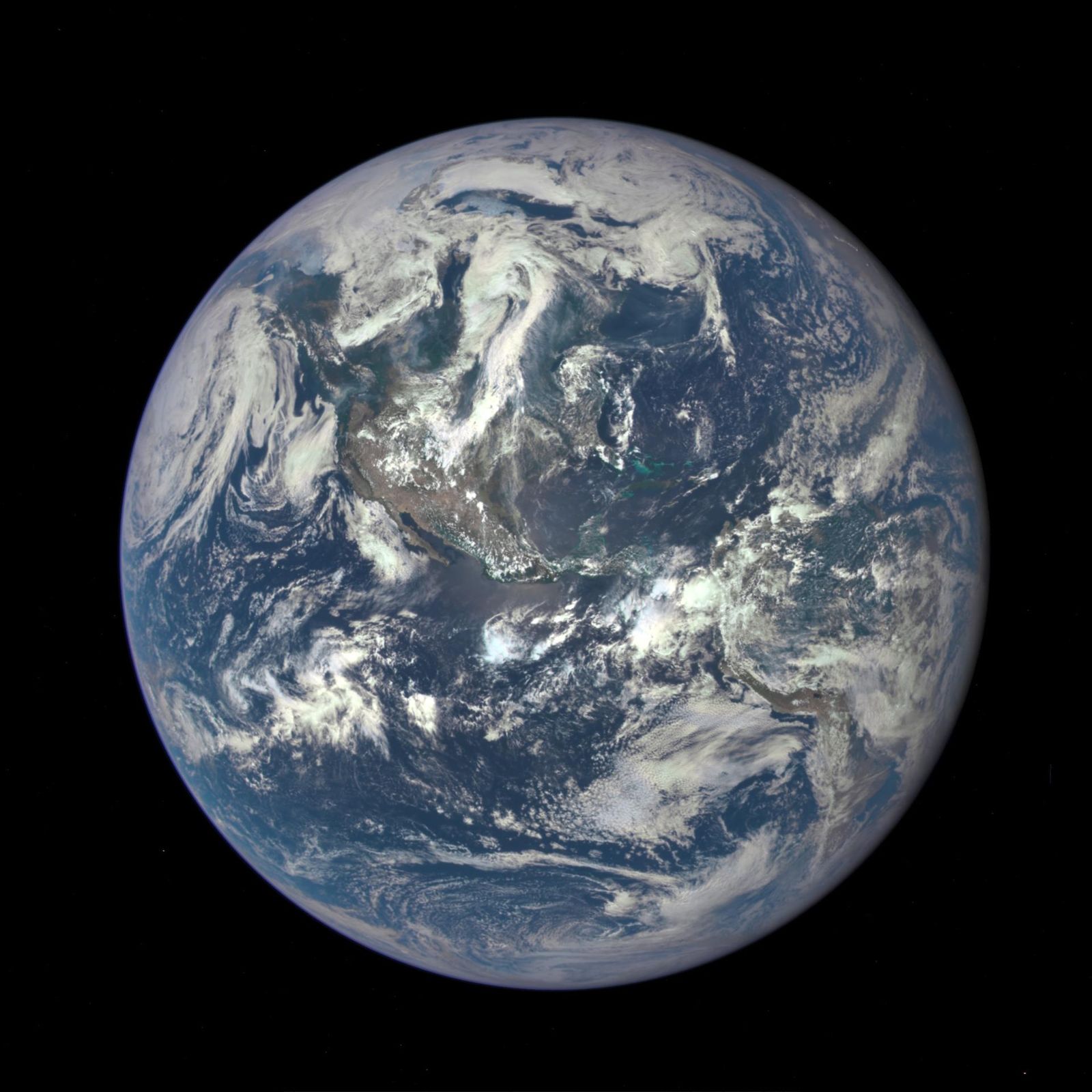
Active Planetary Defense
On 5 July 2026, JAXA's Hayabusa2 passed about 400 m above asteroid Torifune, the closest flyby of any Solar System body so far (JAXA).
Active Planetary Defense
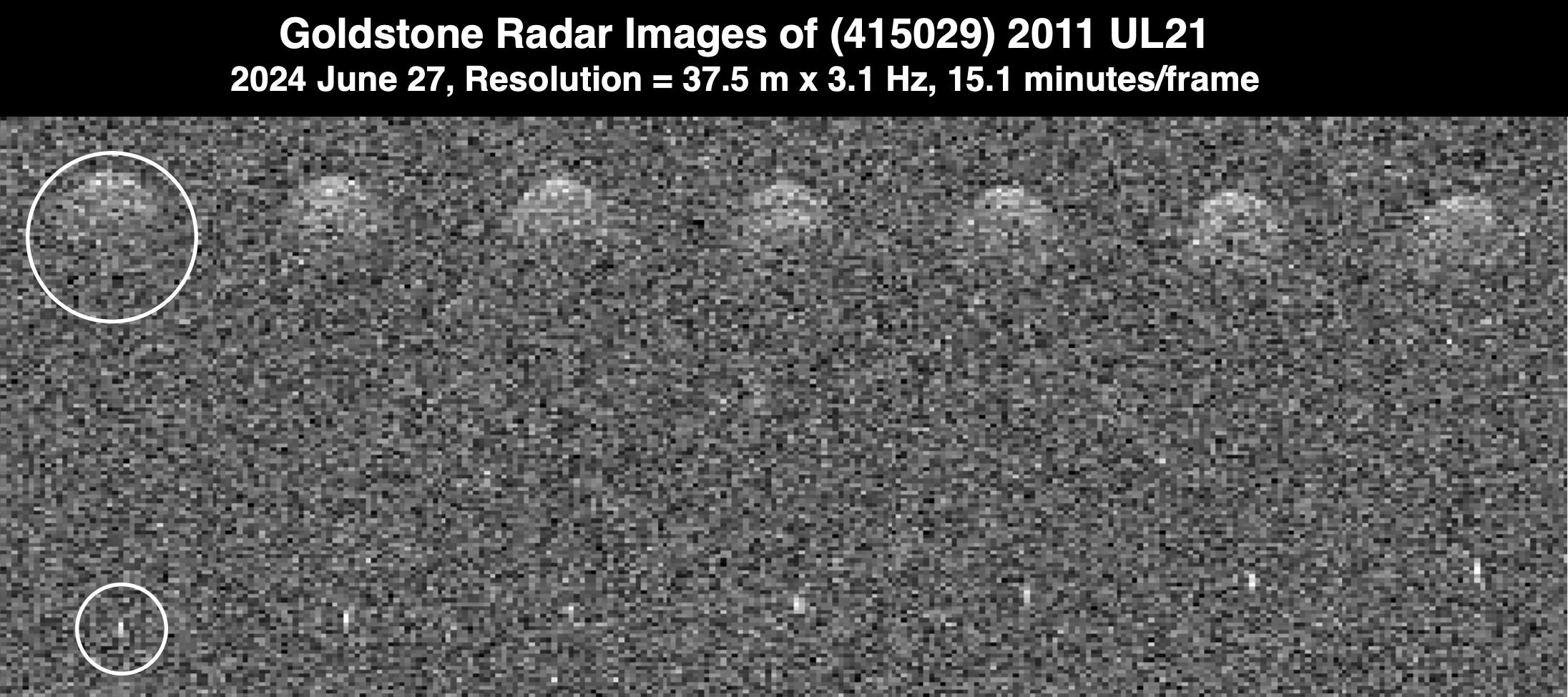
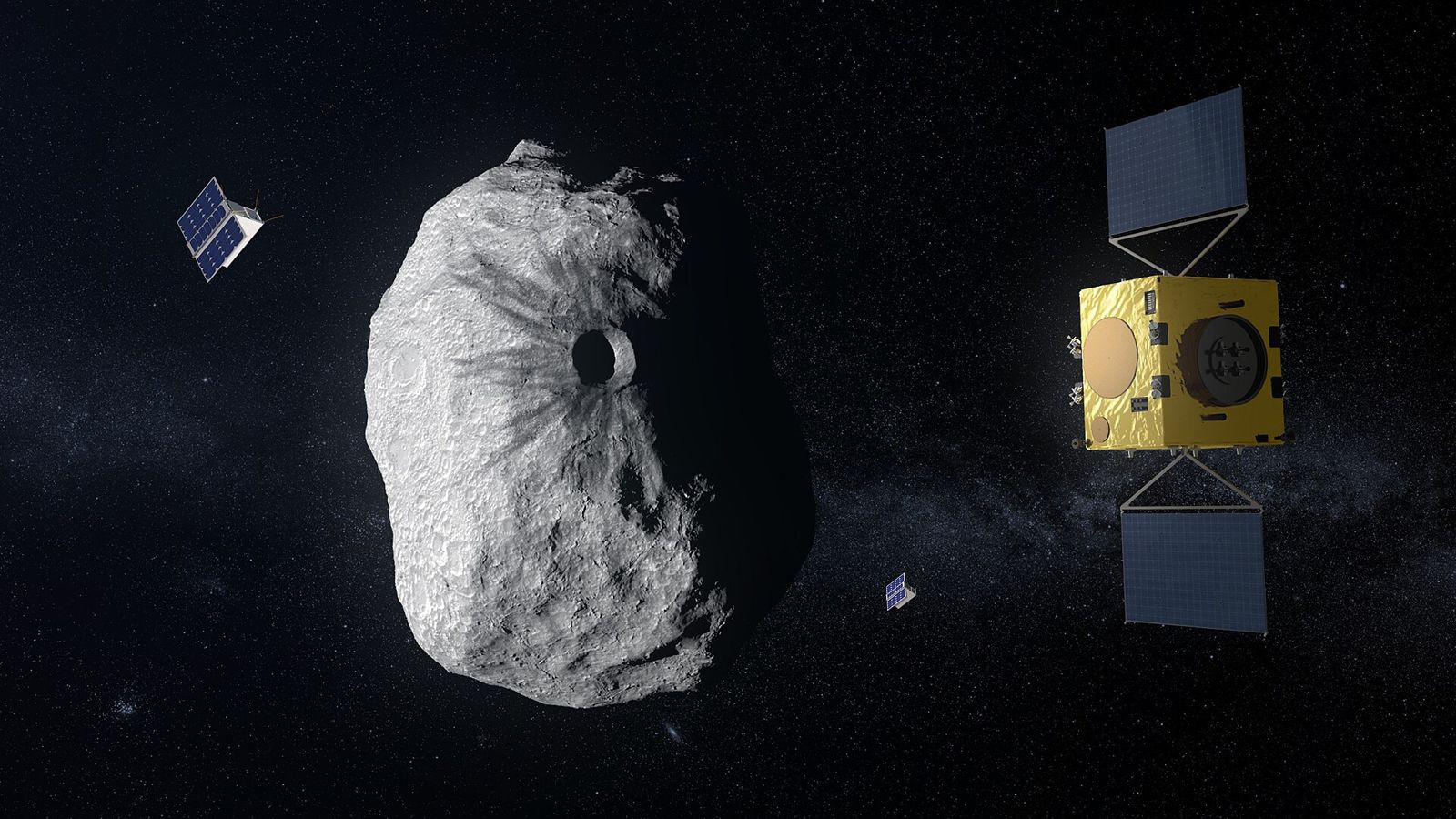
ESA's Hera has arrived at the Didymos asteroids to measure what NASA's DART impact did to Dimorphos, turning deflection into a repeatable defense.
Active Space
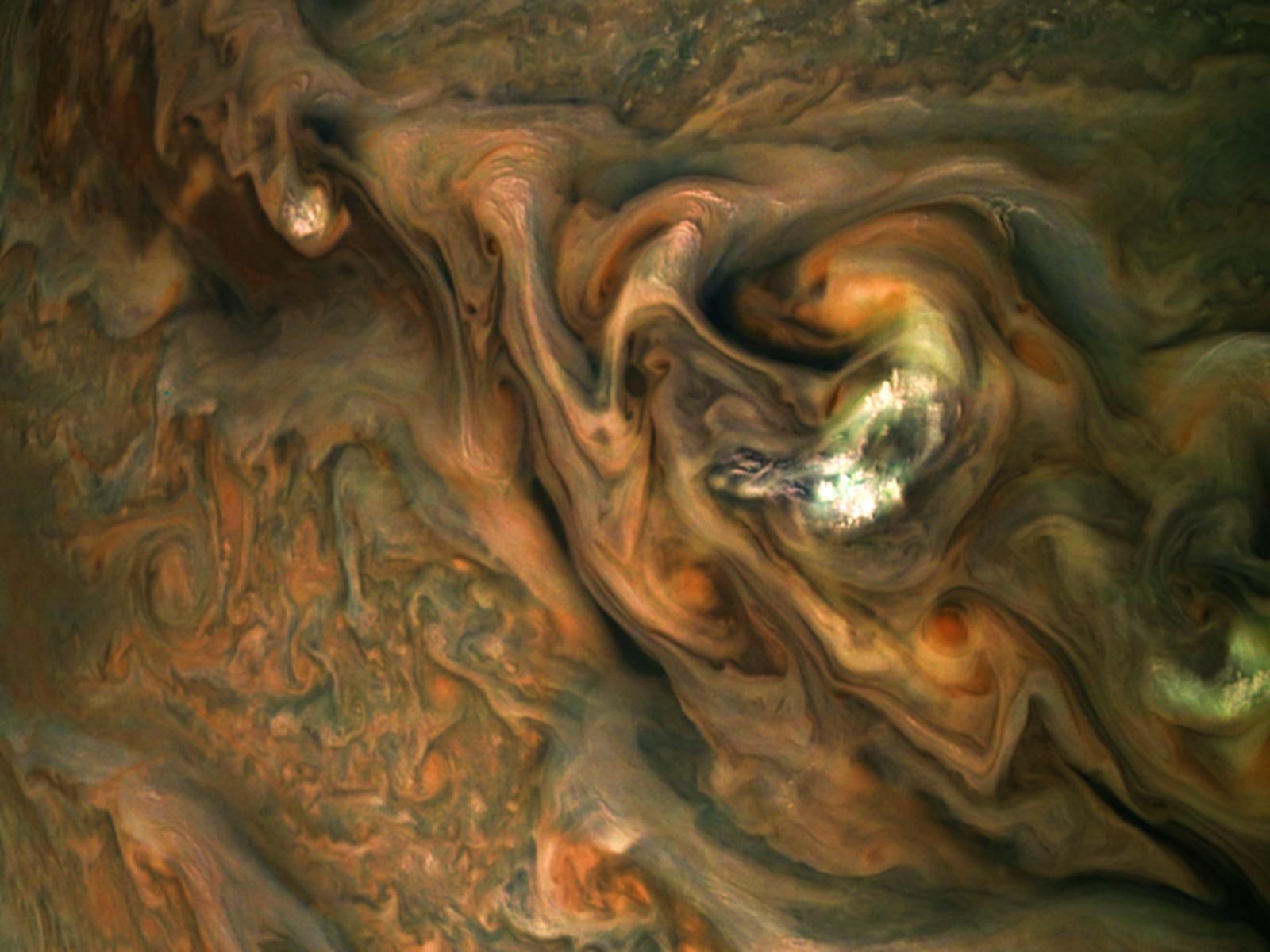
Jupiter is a natural space debris removal system that swallows or flings away far more dangerous objects than any human mission could.
Active Planetary Defense
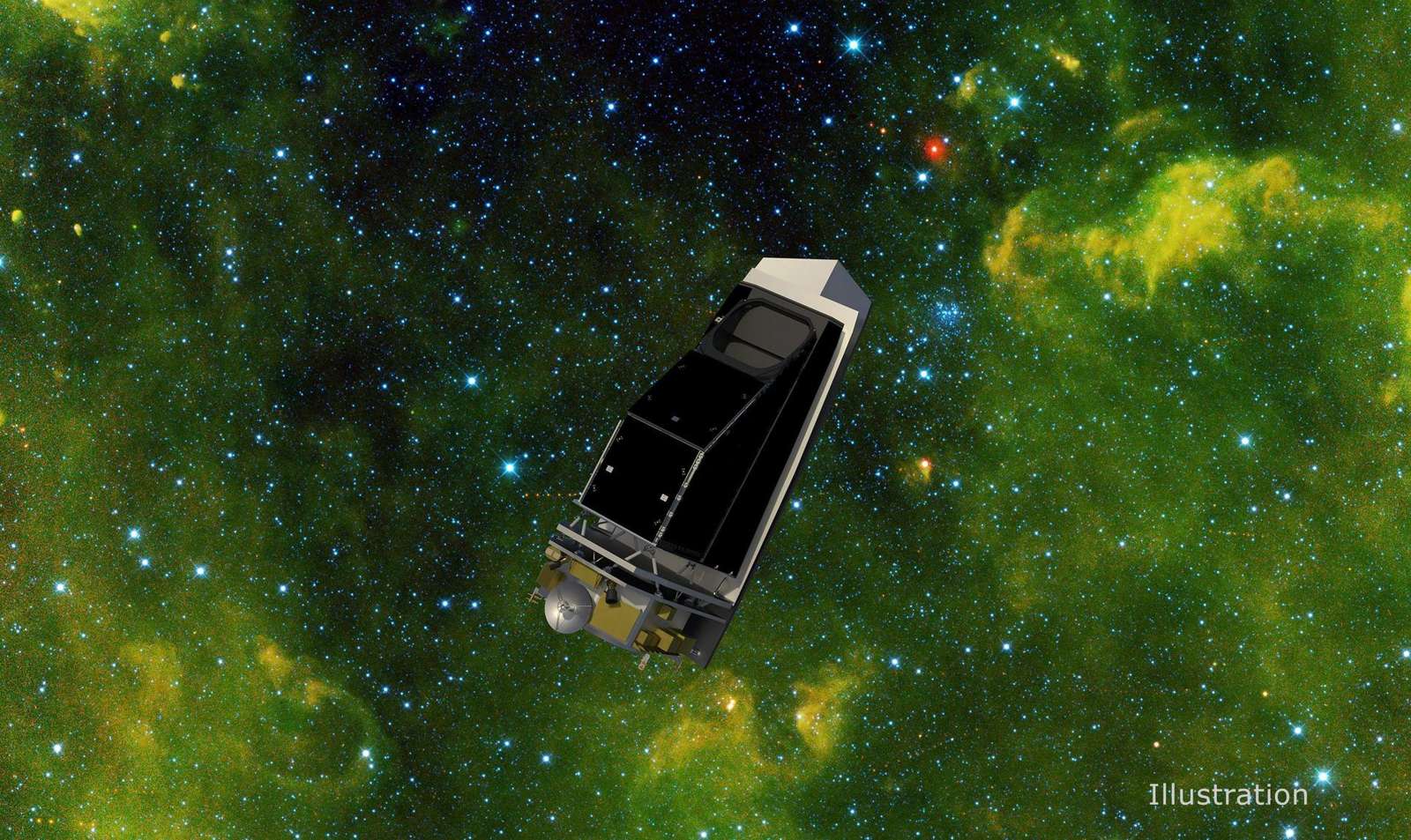
NASA NEO Surveyor is the first space telescope built to find hazardous asteroids, including dark ones hidden in the Sun's glare. Launch NET September 2027.
Active Planetary Defense
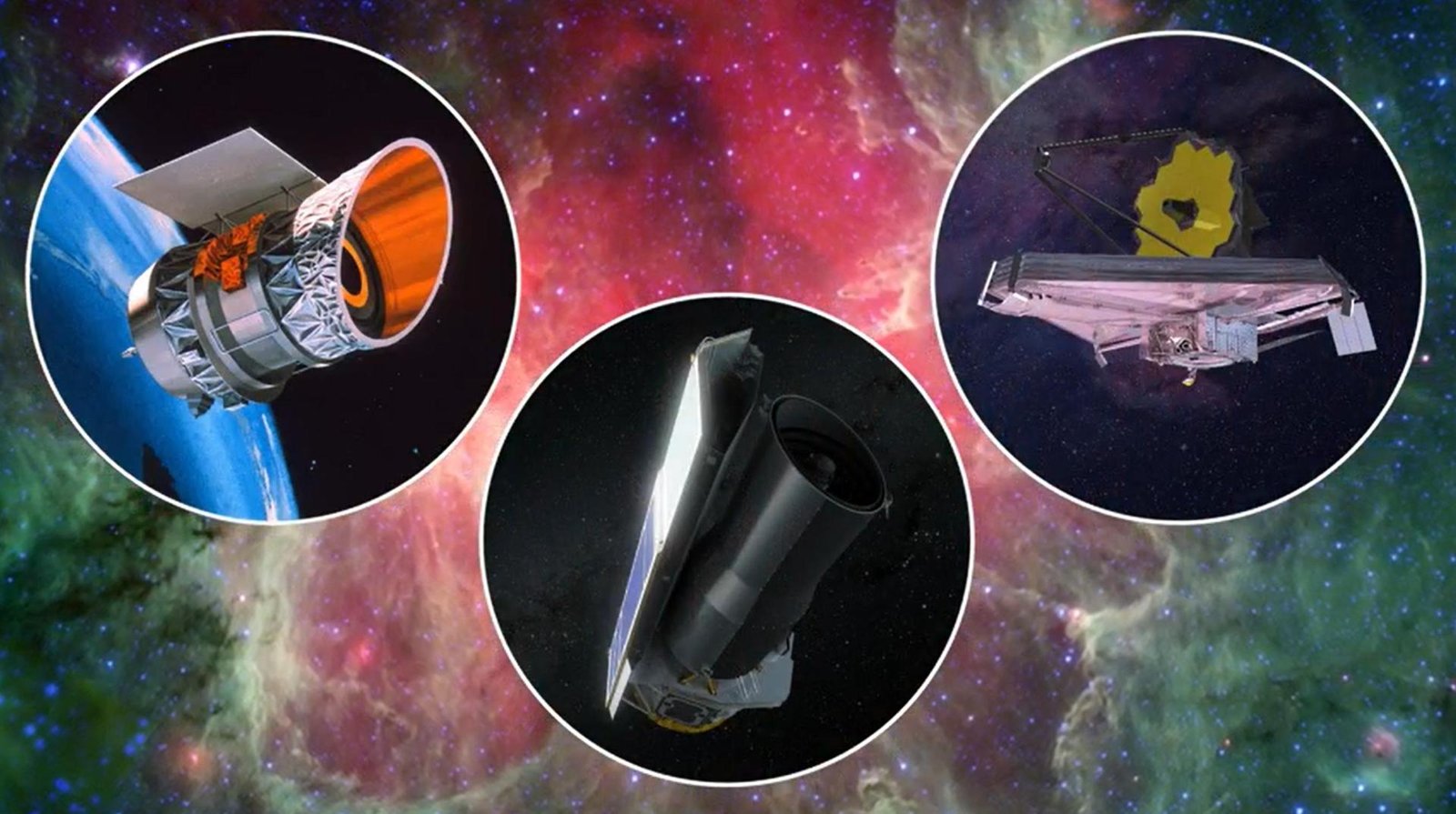
How the James Webb Space Telescope tracked asteroid 2024 YR4 in February 2026 and ruled out a 2032 Moon impact, two years before ground telescopes could.
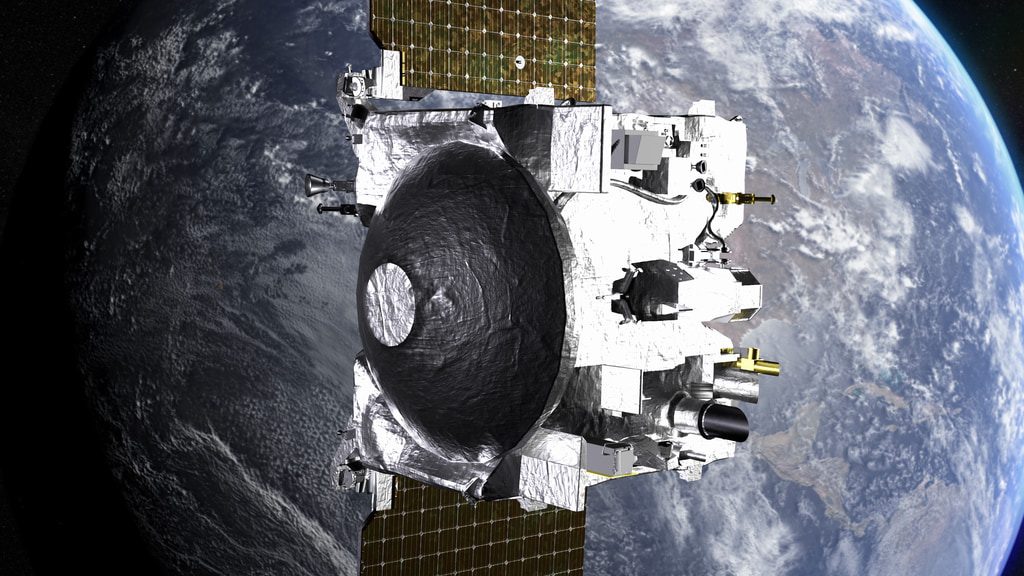
Active Planetary Defense
On April 13, 2029, asteroid Apophis passes about 20,000 miles from Earth. NASA's OSIRIS-APEX meets it in June 2029 to see how that close pass changes it.
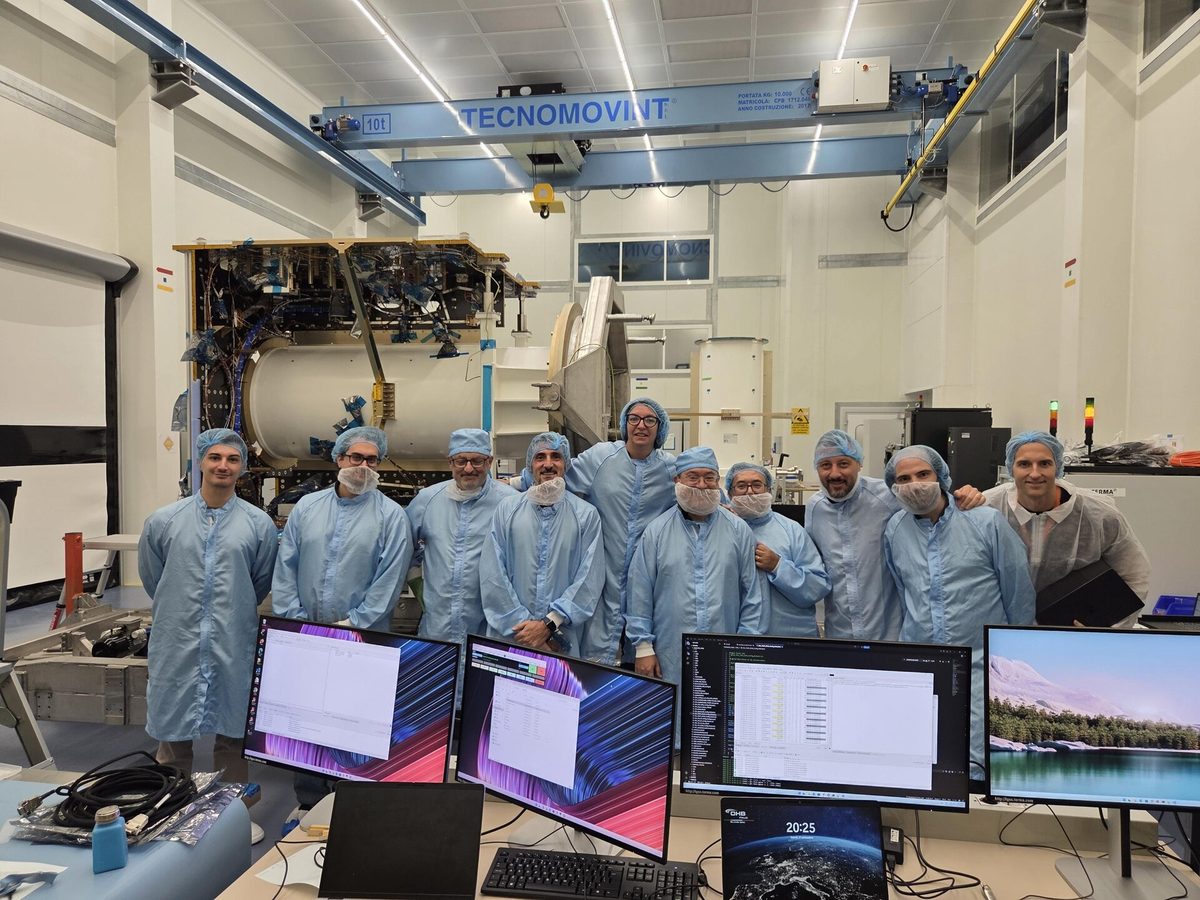
Active Planetary Defense
ESA and JAXA's Ramses must launch by spring 2028 to meet Apophis before its 2029 Earth pass. Its €81.2 million build contract was signed in February 2026.
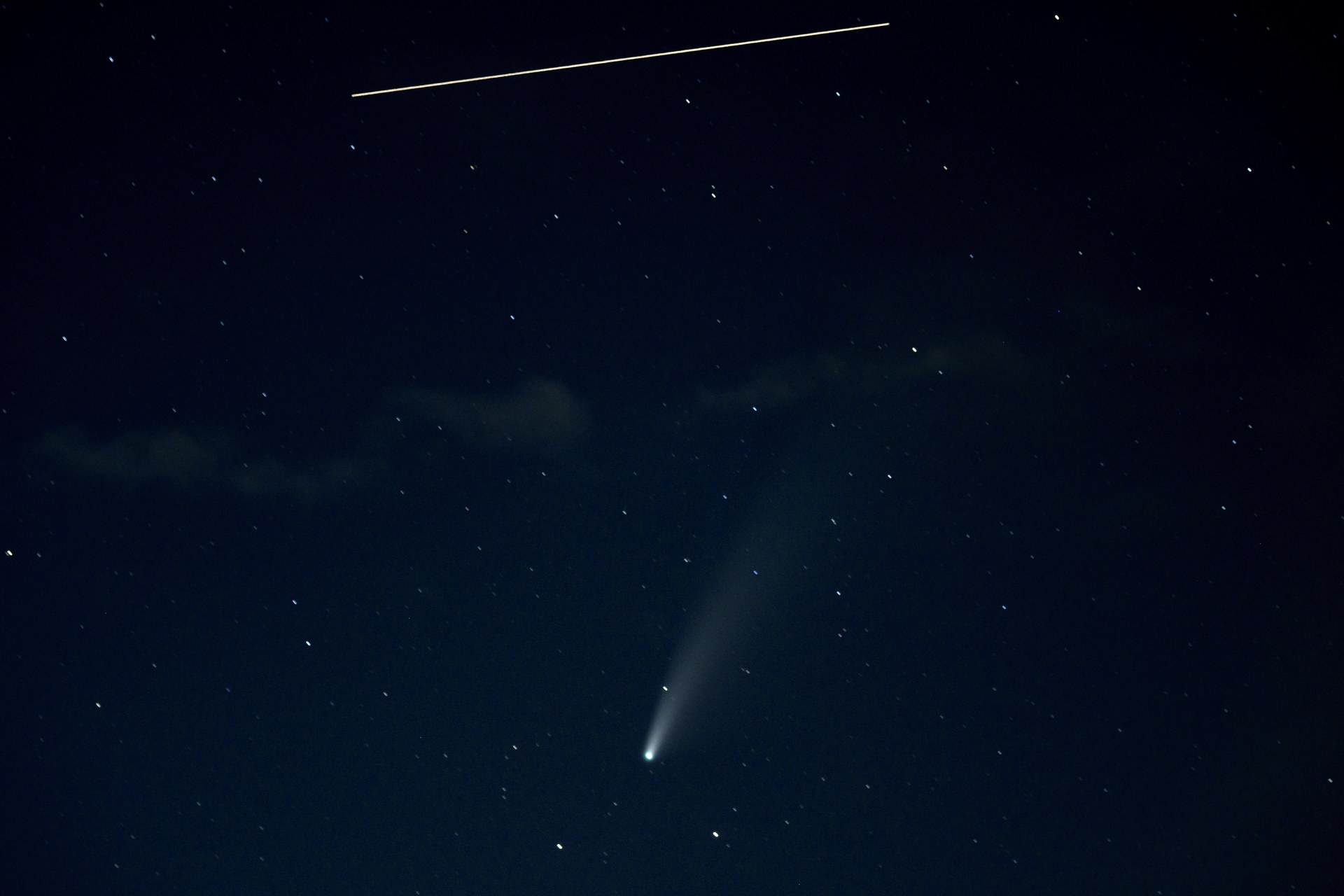
Active Planetary Defense
Canada's NEOSSat circles Earth every 100 minutes, scanning near the Sun for asteroids and comets and tracking satellites and debris (CSA).
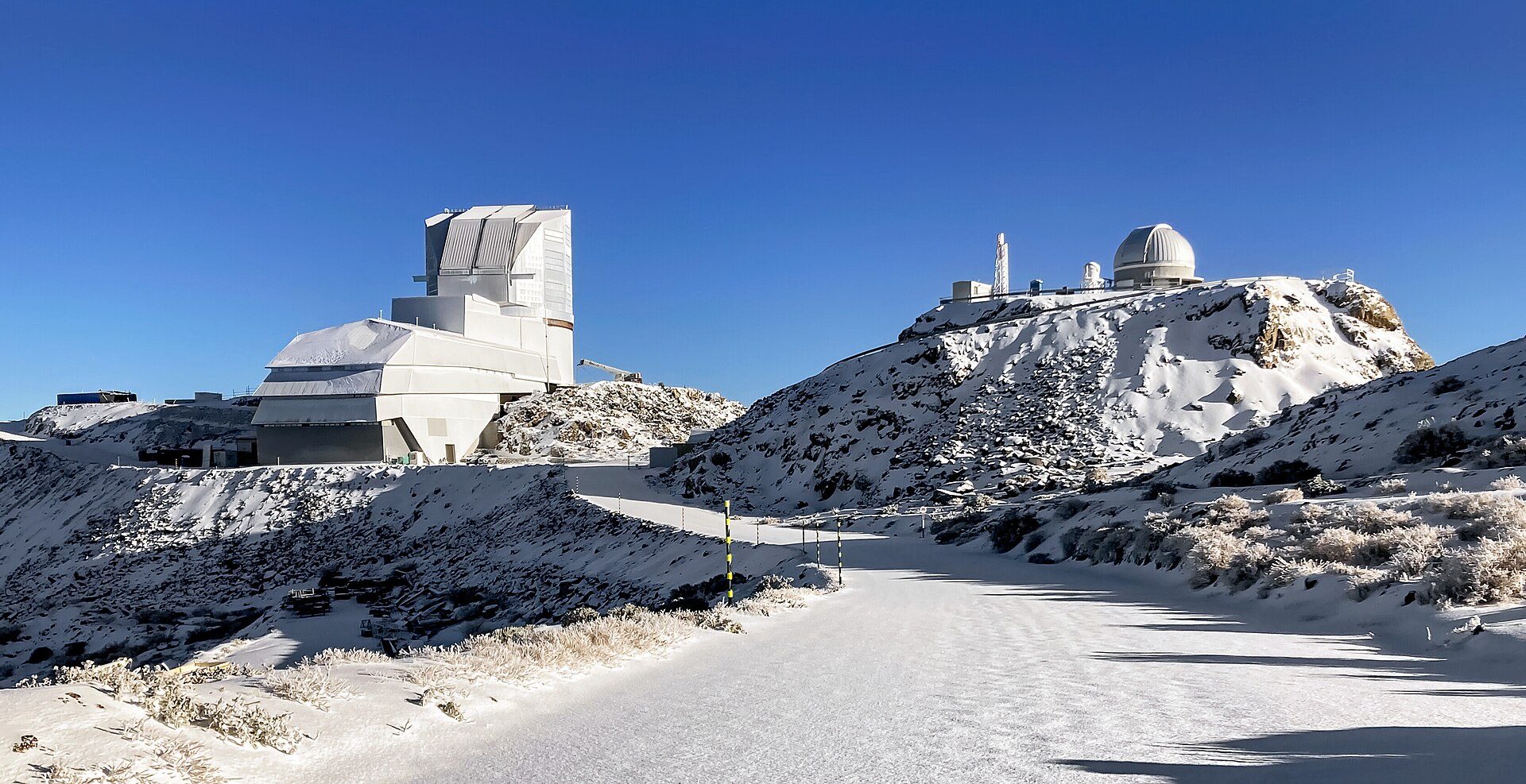
Active Planetary Defense
A new NSF–DOE observatory on Cerro Pachón, Chile, began its 10-year sky survey in July 2026 and is already finding asteroids by the thousand.
NASA's Nancy Grace Roman Space Telescope launched on August 30, 2026. NASA describes it as a mission for dark energy, dark matter, exoplanets and galaxy surveys. It is not a near-Earth-object mission. The dedicated asteroid hunter is NEO Surveyor.
Source: NASA, Roman launch release
Source: NASA, NEO Surveyor
Five questions from this hub. Pick an answer to see if you got it, with a link to the source page. Nothing is tracked.
Copied to your clipboard.
I scored {n} out of 5 on the Planetary Defense quiz at Saving Planets.
You scored {n} out of 5.
Showcase, not partnership: How we feature solutions from around the world
Want to go deeper? Visit NASA.
For further informationPlanetary defense solutions: ESA Hera at the asteroid DART moved, NASA NEO Surveyor, Webb and asteroid 2024 YR4, and Jupiter, the natural shield.
Source: Planetary Defense · On this site
Four robotic telescopes, two in Hawaiʻi, search the entire dark sky every 24 hours for asteroids that could hit Earth, so people can be warned.
Source: NASA, ATLAS now capable of full-sky search · On this site
A NASA-funded survey in Arizona that has discovered more near-Earth objects than any other: 17,930 near-Earth asteroids since 1995.
Source: Catalina Sky Survey · On this site
Three spacecraft will wait in space for a fresh comet and fly past it together to make a 3D map; launch is planned for late 2028 or early 2029 (ESA).
Source: ESA, Comet Interceptor factsheet · On this site
Europe's asteroid watch centre computes orbits and impact risks every day and keeps a public list of every asteroid with a non-zero chance of hitting Earth.
Source: ESA, Near-Earth Object Coordination Centre · On this site
On 5 July 2026, JAXA's Hayabusa2 passed about 400 m above asteroid Torifune, the closest flyby of any Solar System body so far (JAXA).
Source: JAXA, Hayabusa2 sets a new record for closest flyby · On this site