Amazing Facts That Matter
Numbers behind the work. Sources belong on each fact.
Banner: composite of NASA images — Earthset from Orion (Artemis II), Hubble eXtreme Deep Field (NASA/ESA), Neptune by Voyager 2 (NASA/JPL)
All facts
1.4 Terabytes a Day
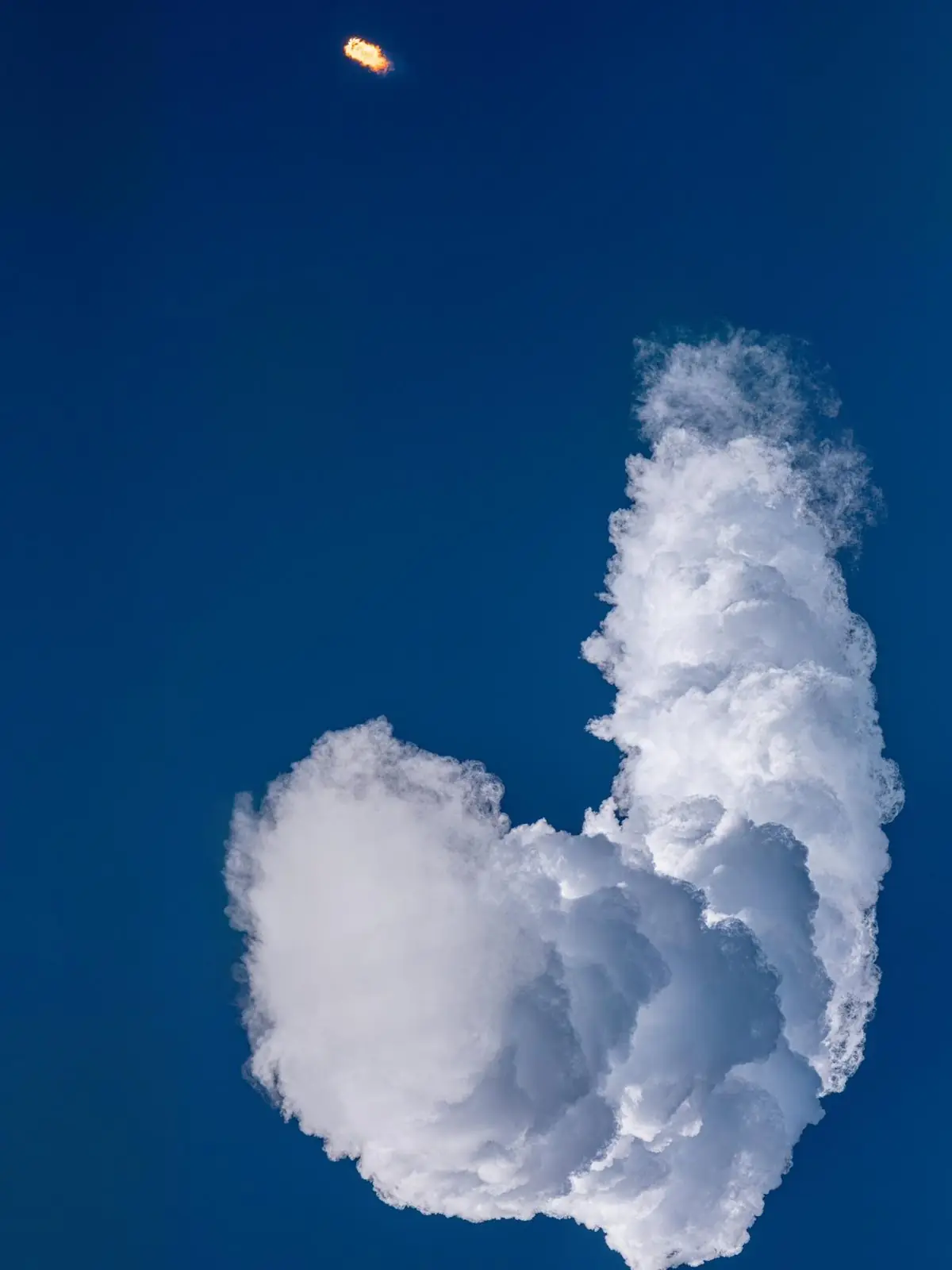
Image: NASA/Sydney Rohde
NASA's Roman Space Telescope sends home 1.4 terabytes of data a day, the most of any NASA astrophysics mission so far.
From: Roman Space Telescope (NASA)
Source: NASA, Roman launch release
150 Times Safer
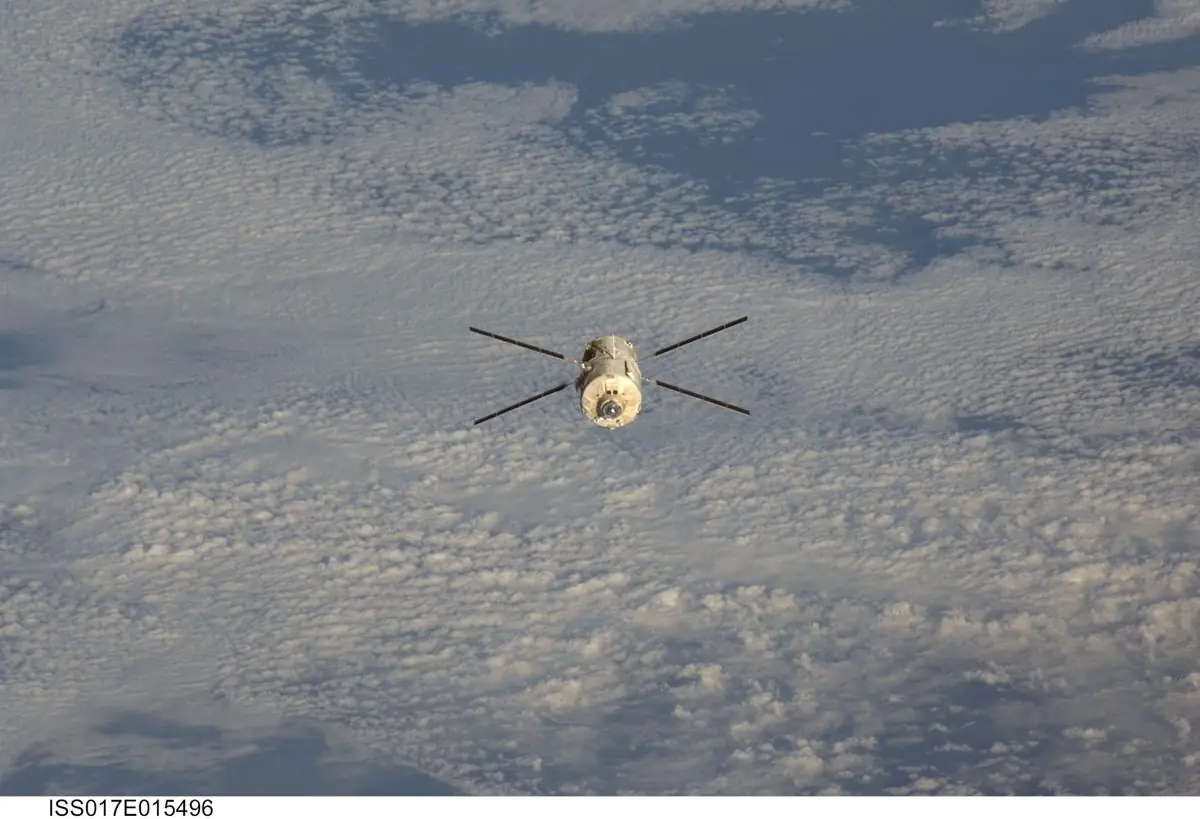
Image: NASA
ESA's first-of-its-kind assisted reentry of the Aeolus satellite cut the already low risk from falling debris by a factor of 150.
From: Aeolus Assisted Reentry (ESA)
Source: ESA, Final images before Aeolus demise
49 Flybys of an Ocean Moon
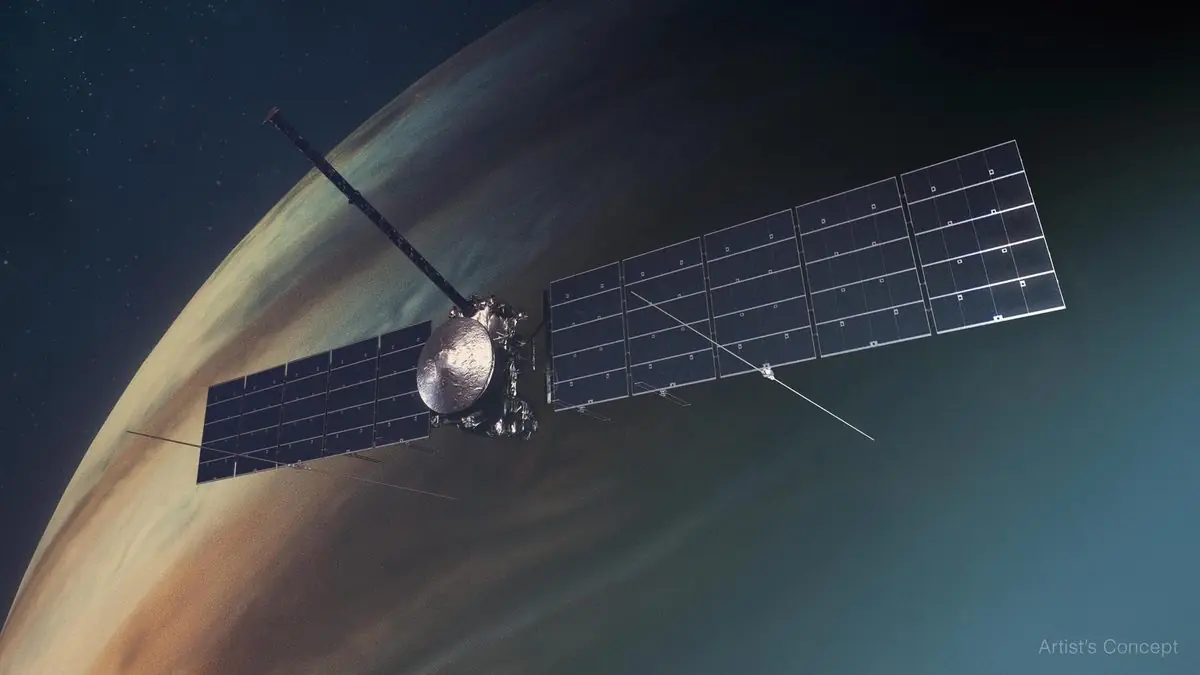
Image: NASA/JPL-Caltech
NASA's Europa Clipper will travel 1.8 billion miles to Jupiter and fly past the ocean moon Europa 49 times.
From: Europa Clipper (NASA)
Source: NASA, Europa Clipper
A Coronagraph That Never Blinks
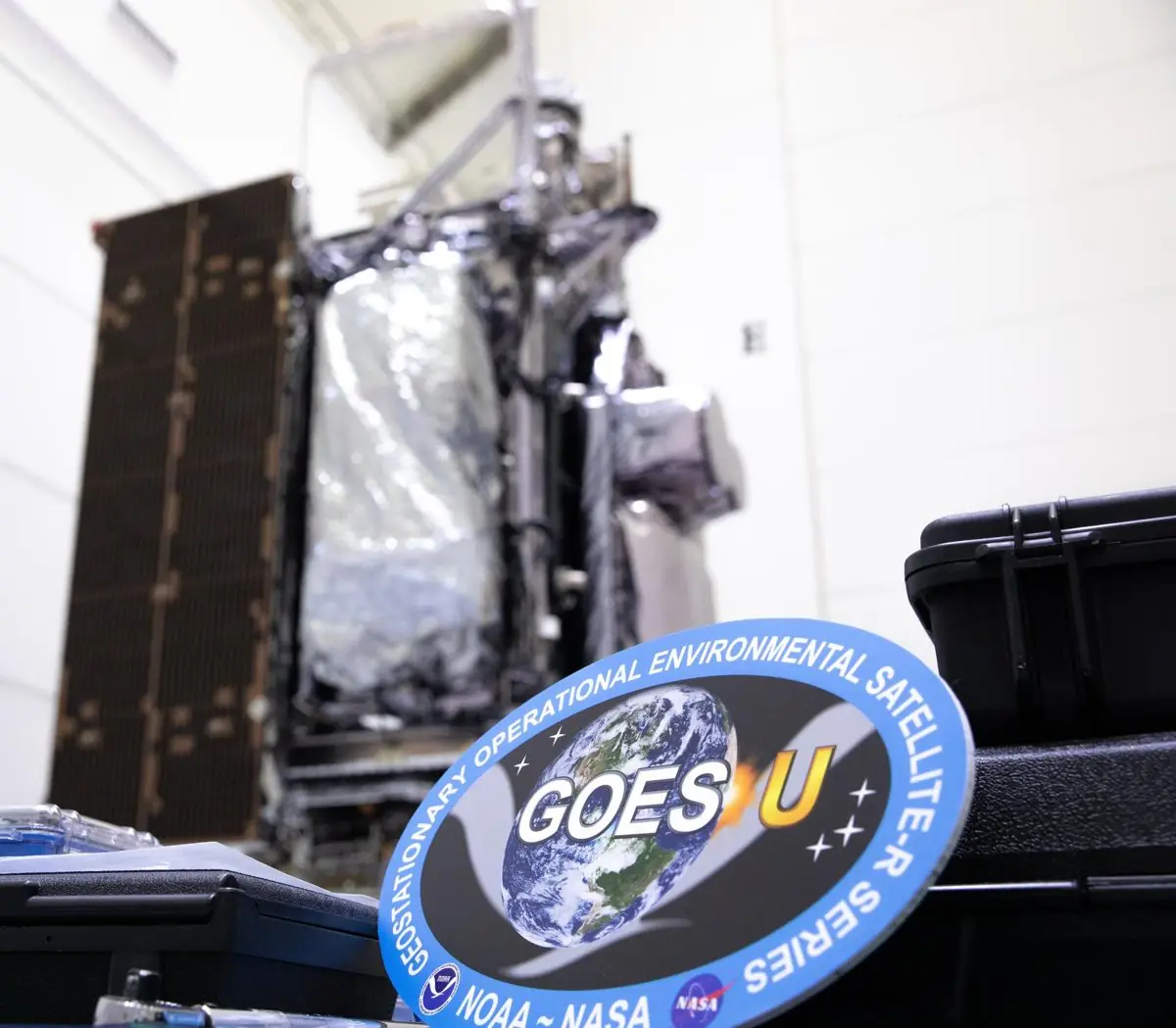
Image: NASA/KSC
GOES-19's CCOR-1 is the world's first operational space-based coronagraph, imaging the Sun's faint corona every 15 minutes.
From: GOES-19 and CCOR-1 (NOAA)
Source: NOAA SWPC, CCOR-1 coronagraph
A Desert Feeds a Rainforest
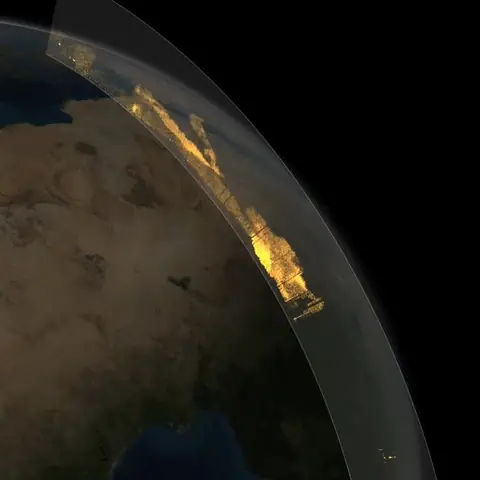
Image: NASA's Goddard Space Flight Center
About 27.7 million tons of Saharan dust fall on the Amazon each year, enough to fill 104,908 semi trucks.
From: Saharan Dust Feeds the Amazon
Source: NASA, Saharan dust feeds the Amazon
A Dozen Photons Come Home
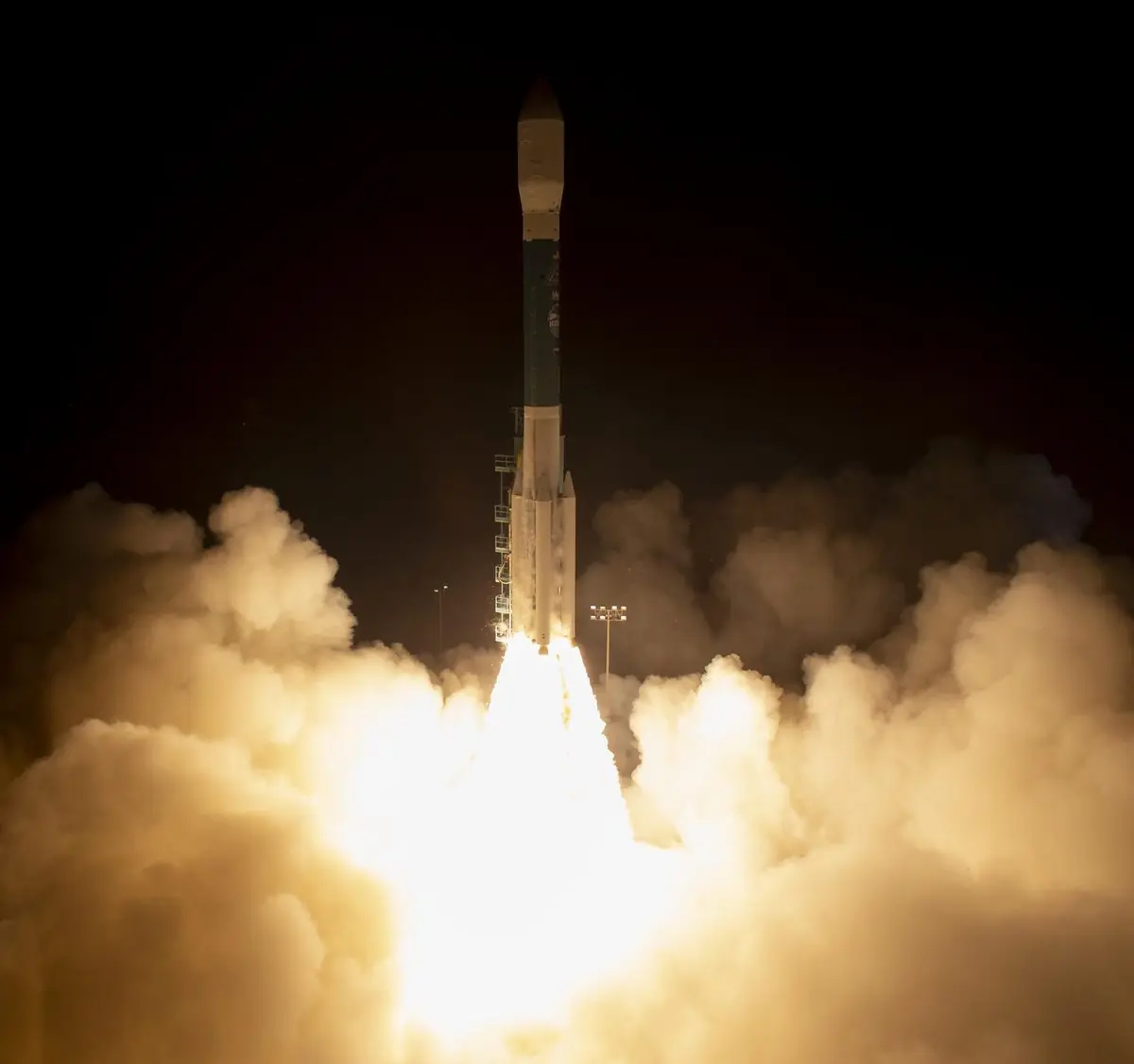
Image: NASA/Bill Ingalls
ICESat-2's laser fires 10,000 pulses a second, each with about 300 trillion photons, and only about a dozen return to the satellite.
From: ICESat-2 (NASA)
Source: NASA, ICESat-2
A Forest That Makes Rain
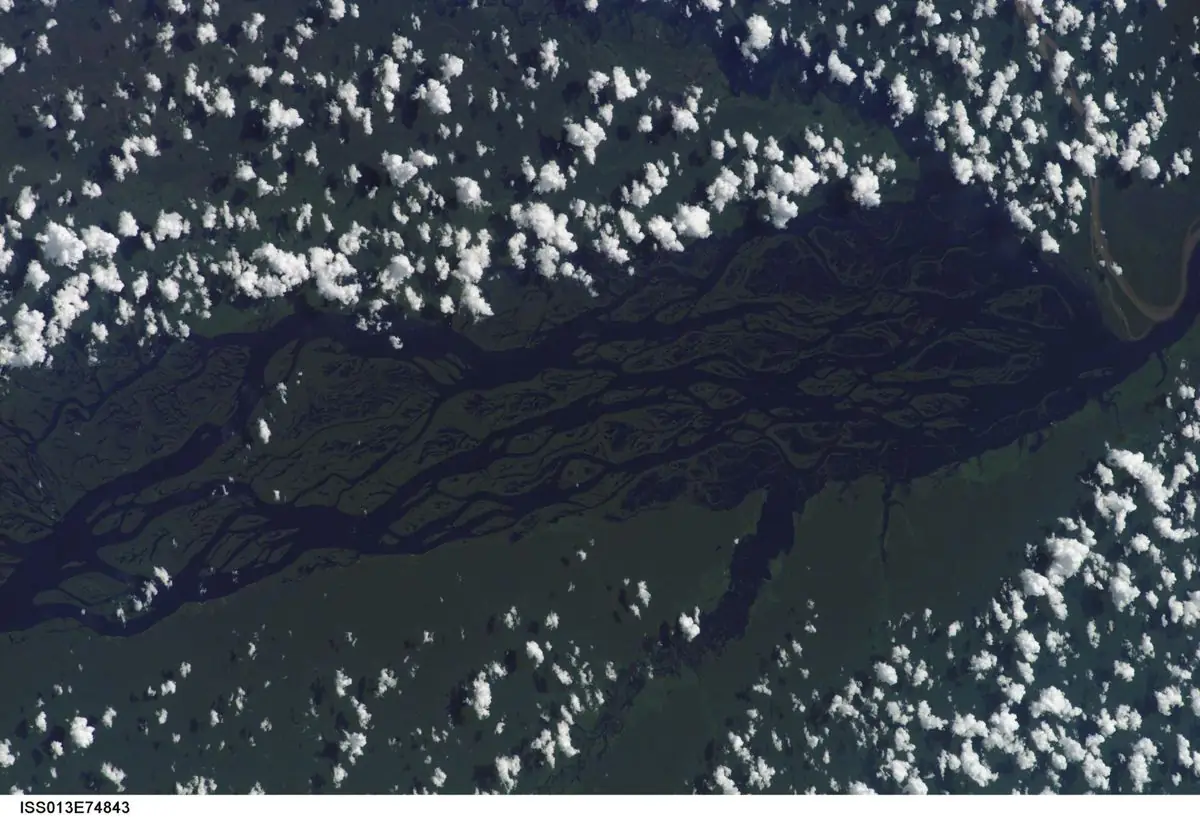
Image: NASA (ISS013-E-74843)
Amazon trees start their own rainy season two to three months before the ocean-driven rains arrive.
From: The Amazon Makes Its Own Rainy Season
Source: NASA JPL, the Amazon makes its own rainy season
A Half-Hour Warning From a Million Miles
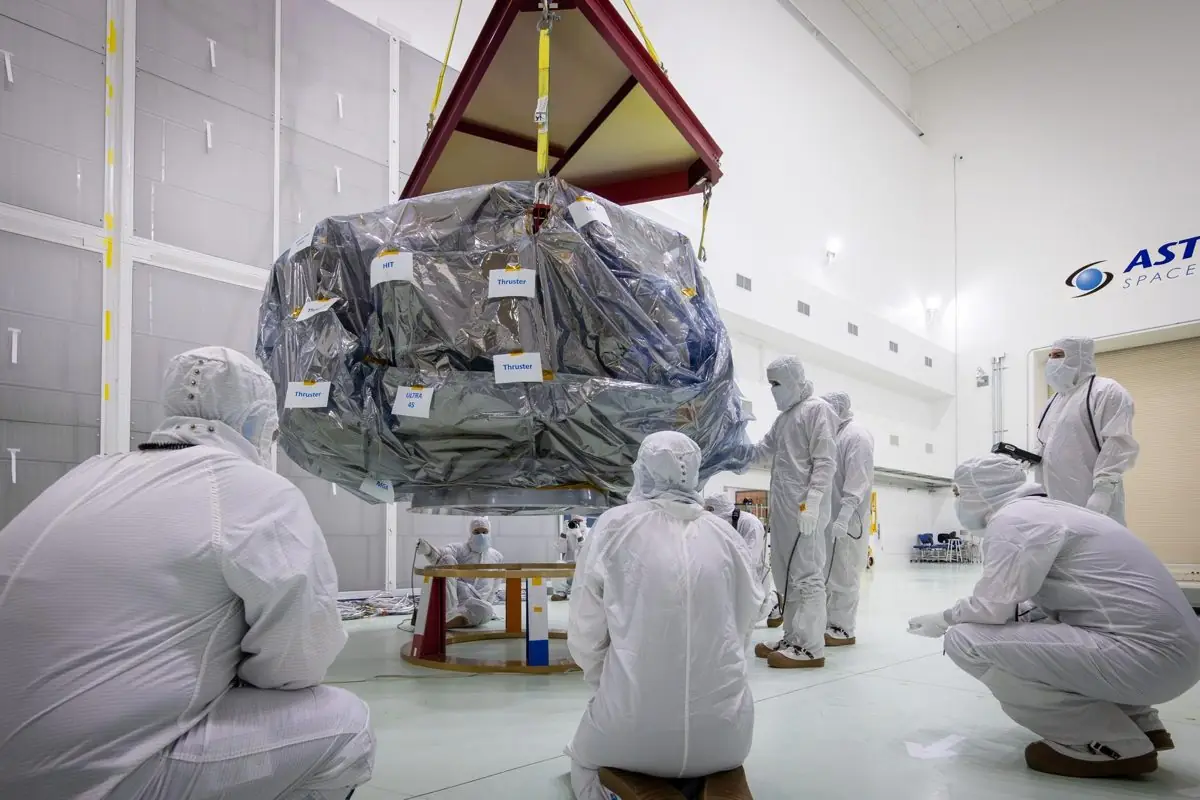
Image: NASA/KSC
From about a million miles toward the Sun, NASA's IMAP can give astronauts and spacecraft near Earth about a half hour's warning of incoming radiation.
From: IMAP (NASA)
Source: NASA, IMAP mission
A Million Lakes From Orbit
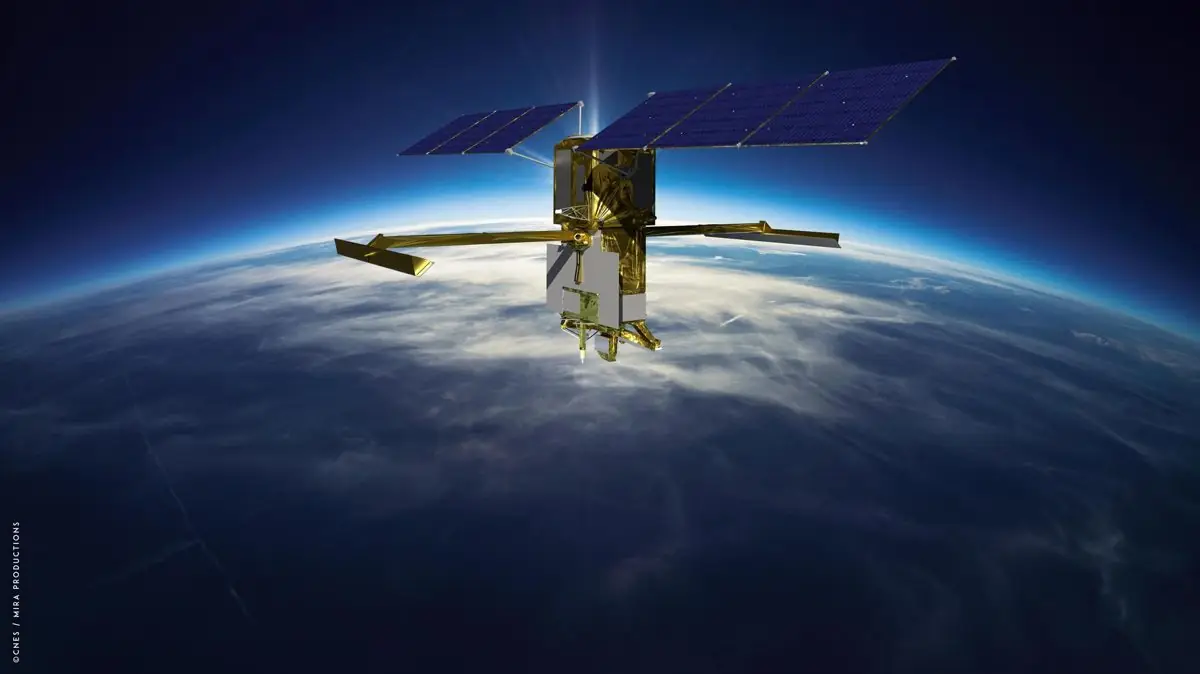
Image: NASA/JPL-Caltech
NASA–CNES SWOT keeps watch on the water levels of more than a million lakes larger than 15 acres.
From: SWOT (NASA–CNES)
Source: NASA Earthdata, SWOT data release
A Quarter-Million Corals Replanted
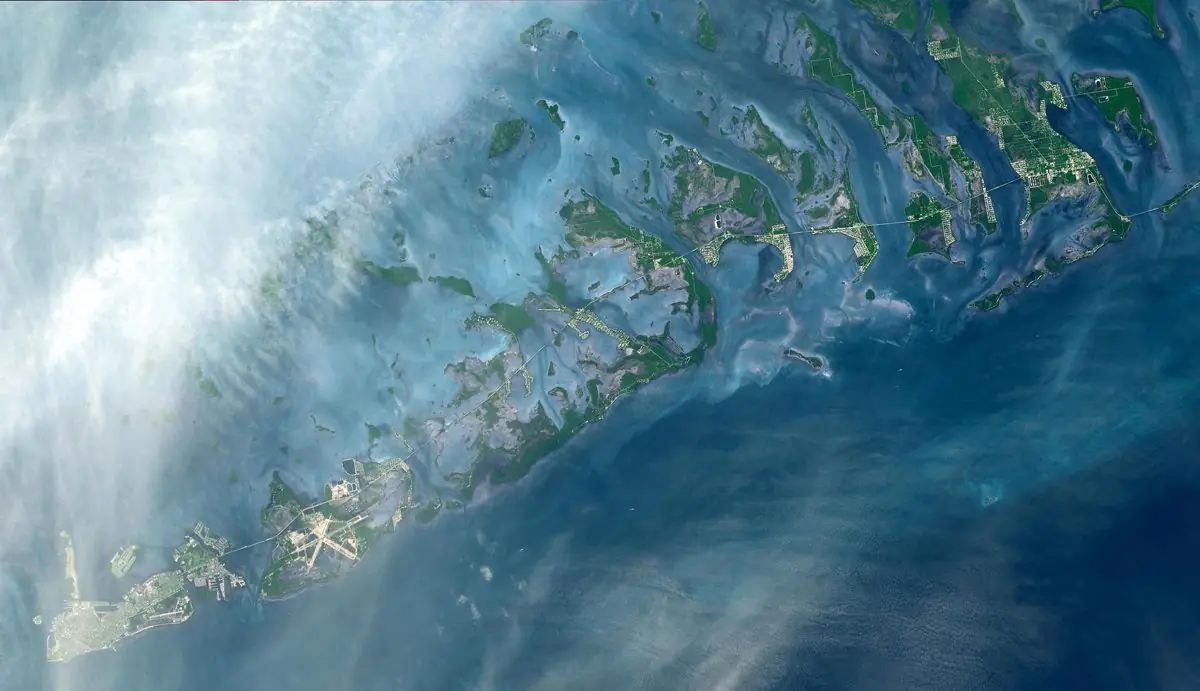
Image: NASA/JPL
Coral Restoration Foundation had returned 253,833 nursery-grown corals to Florida's reefs by the end of 2024 (organization figure).
From: Coral Restoration Foundation
Source: Coral Restoration Foundation, 2024 annual report (organization figure)
A Satellite Made of Wood
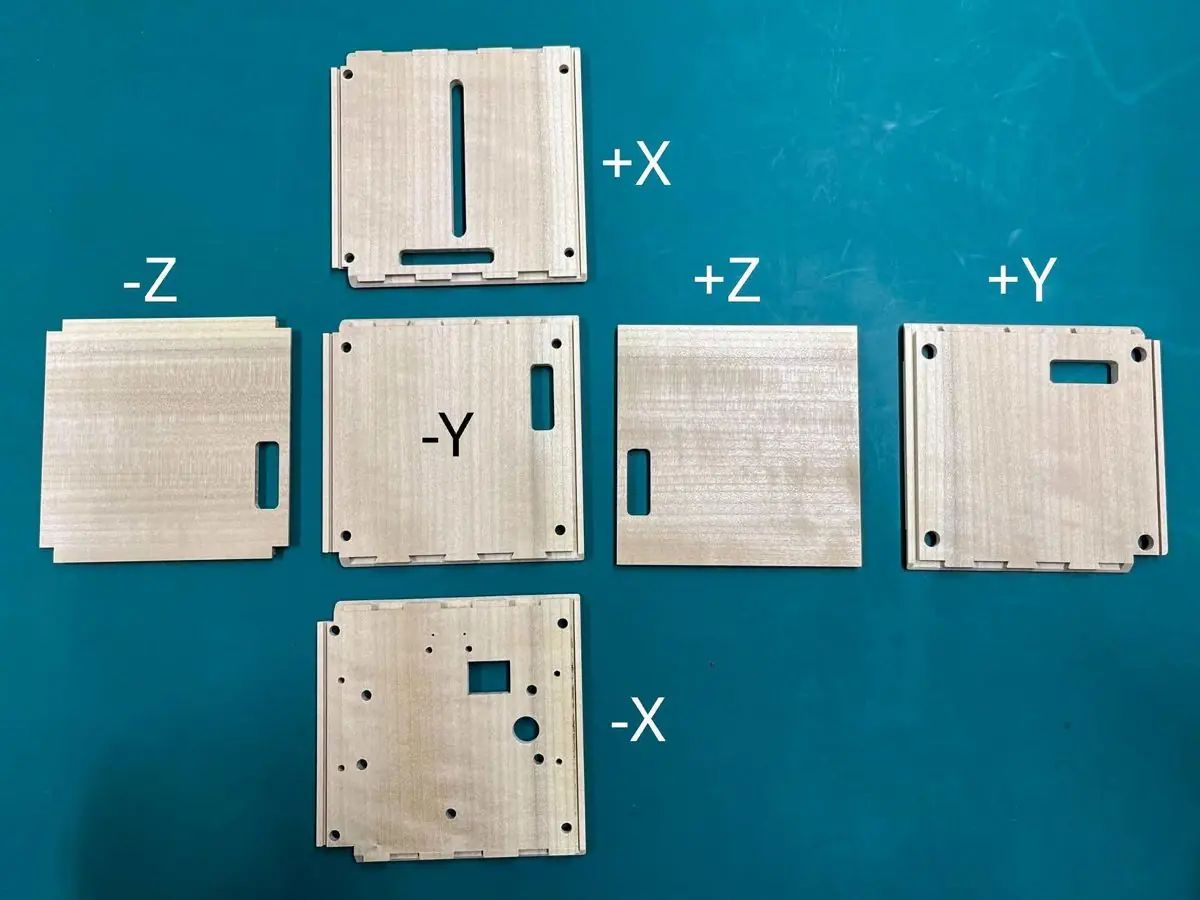
Image: Kyoto University via NASA
LignoSat, the world's first wooden satellite, was built from magnolia wood panels joined with a traditional Japanese technique that uses no glue or nails.
From: LignoSat Wooden Satellite (Kyoto University)
Source: NASA, JAXA’s first wooden satellite deploys
Beavers Double the Fish
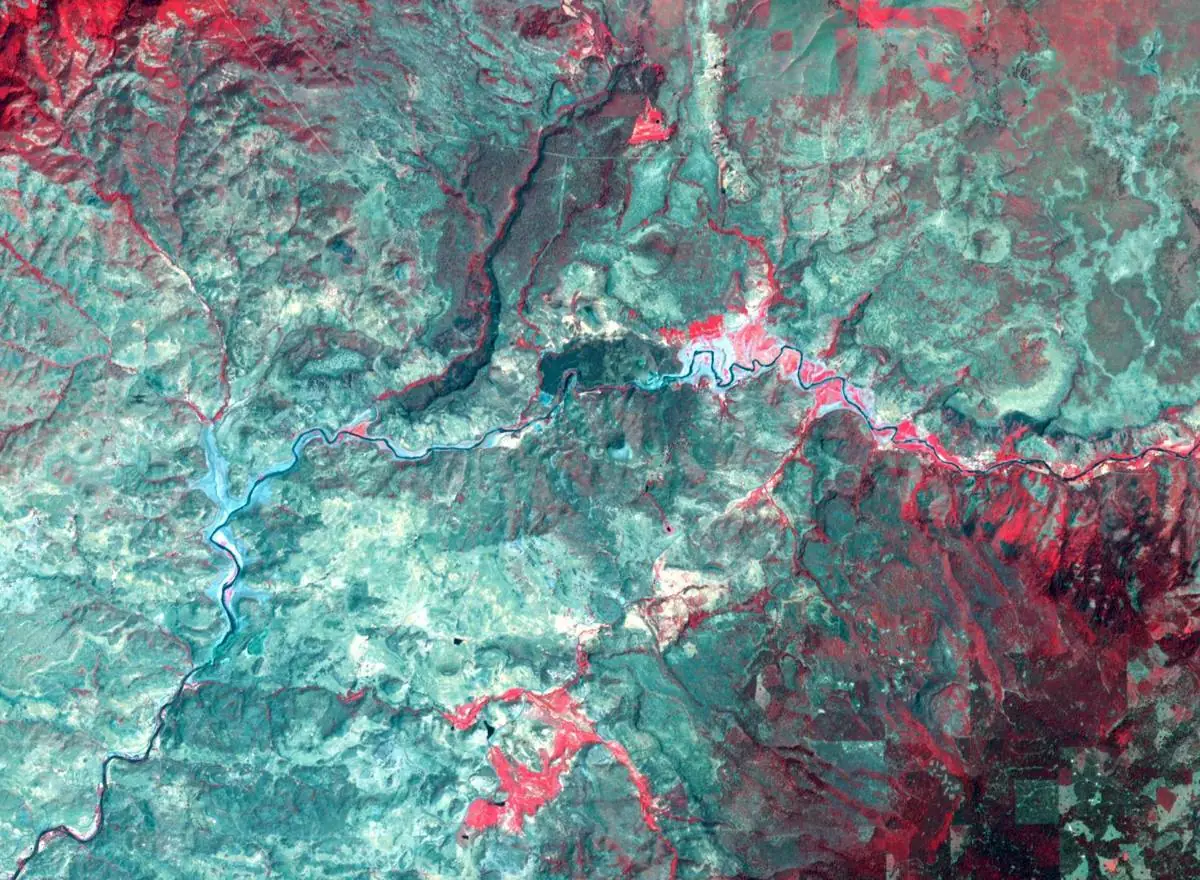
Image: NASA (PIA26448, Klamath River, Oregon and California)
In Bridge Creek, Oregon, beaver dams helped young steelhead survival jump 52% and production rise 175%.
From: Beavers, River Engineers
Source: NOAA Fisheries, Oregon beavers engineer better fish habitat
Closer Than Our Satellites
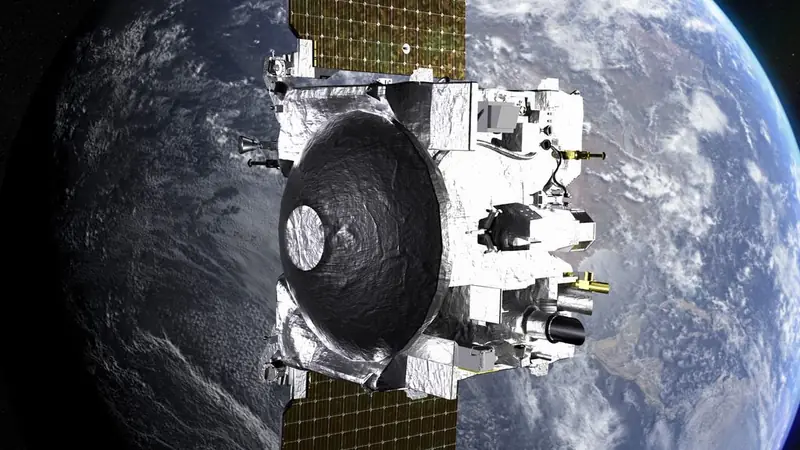
Image: NASA
On April 13, 2029, asteroid Apophis will pass about 20,000 miles from Earth, closer than many geosynchronous satellites.
From: OSIRIS-APEX and Apophis 2029 (NASA)
Source: NASA, Asteroid Apophis
Clouds in Motion
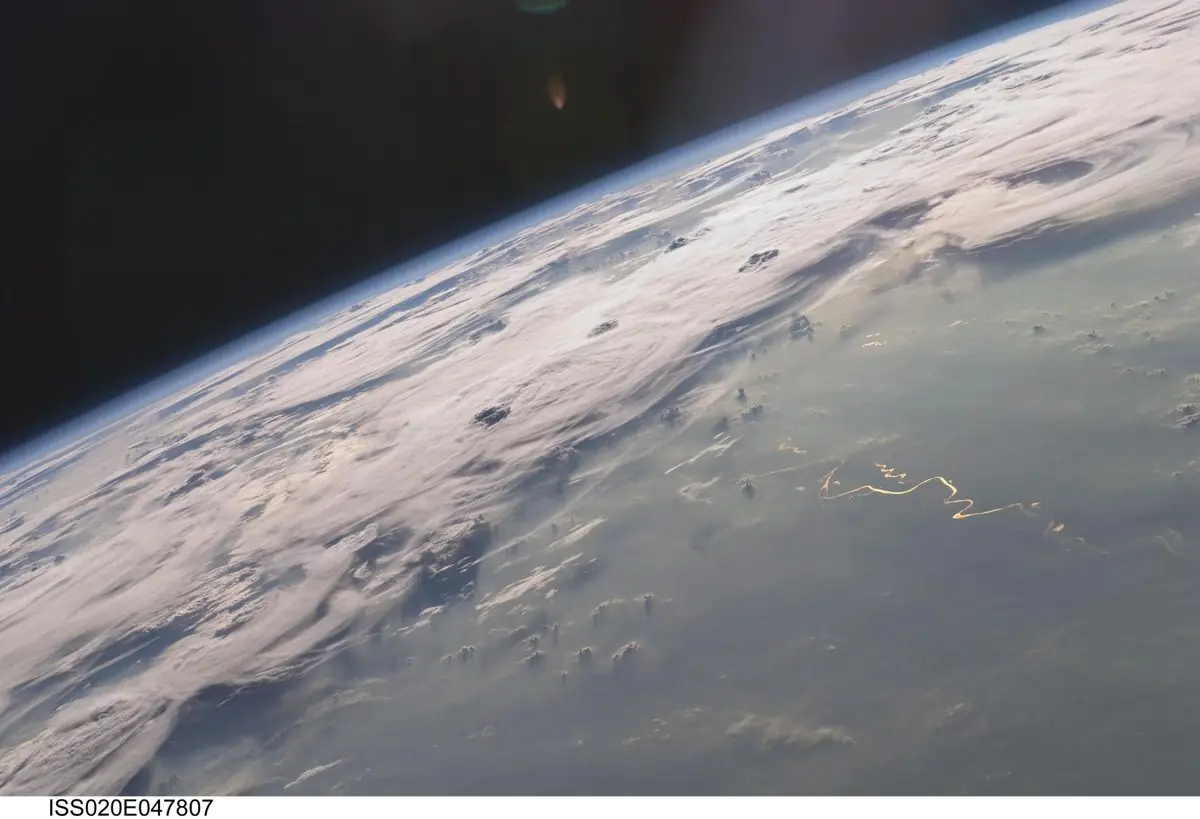
Image: NASA
EarthCARE carries the first cloud radar in space that can measure how fast cloud particles move up and down.
From: EarthCARE (ESA–JAXA)
Source: JAXA, EarthCARE Cloud Profiling Radar
Coastal Bodyguards
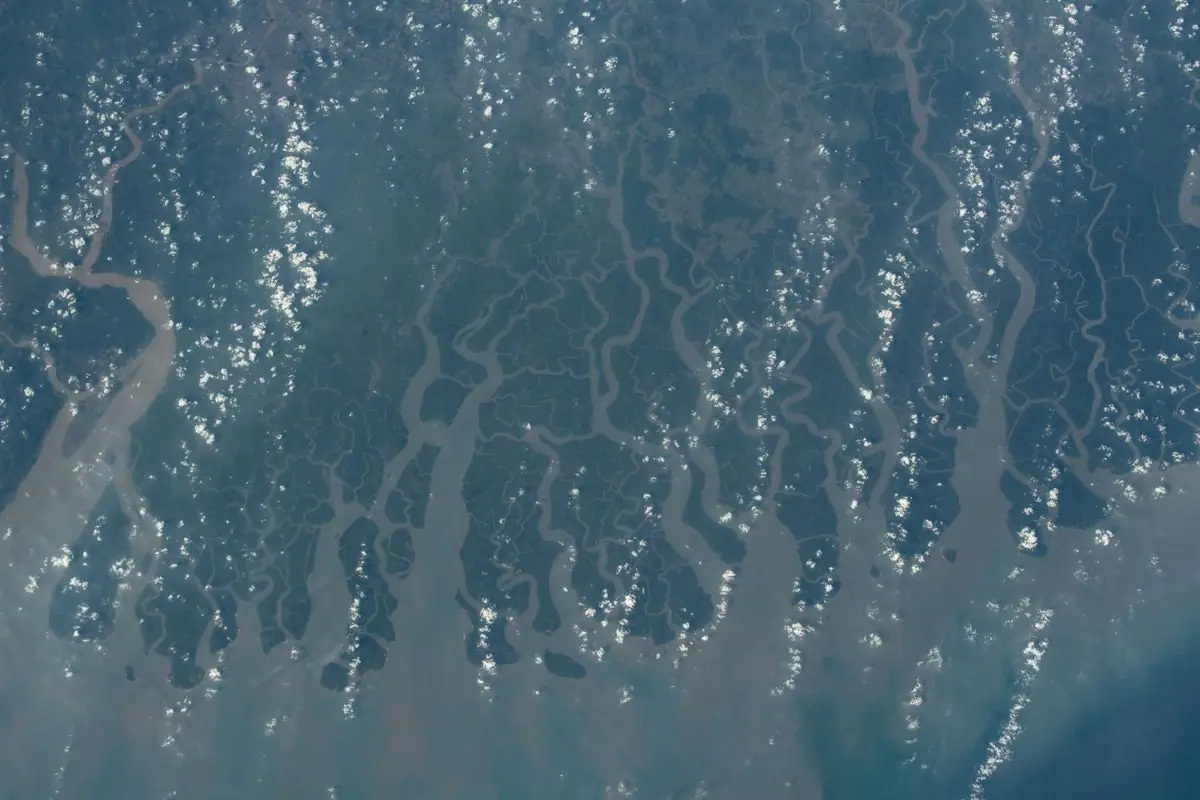
Image: NASA
There are about 80 species of mangrove trees, and their tangled roots help shield coastlines from storm surges.
From: Mangrove Forests
Source: NOAA, What is a mangrove forest?
Earth's Ultraviolet Halo
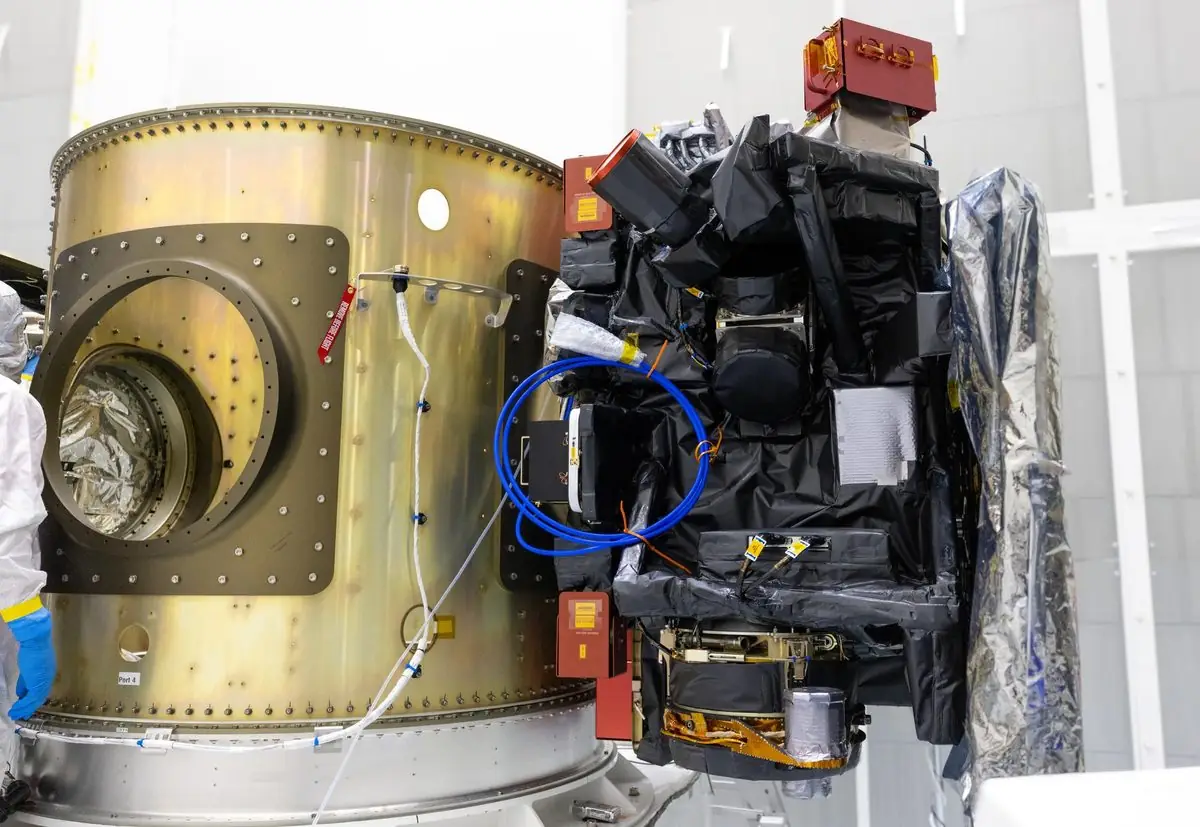
Image: NASA/KSC
Earth wears a faint ultraviolet halo, the geocorona, first photographed from the Moon by Apollo 16 in 1972; NASA's Carruthers mission now charts it from a million miles away.
From: Carruthers Geocorona Observatory (NASA)
Source: NASA, Carruthers Geocorona Observatory
Eighteen Inches a Day
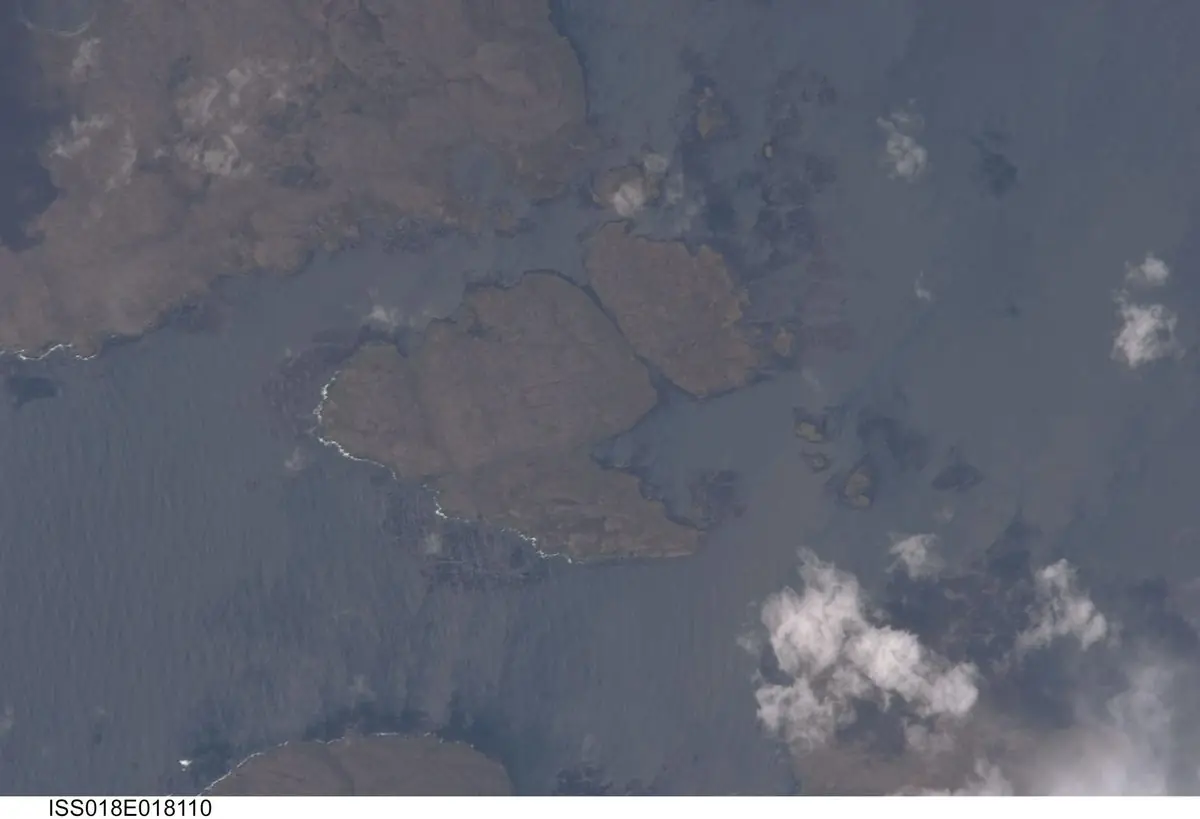
Image: NASA (ISS018-E-018110)
In ideal conditions, kelp can grow up to 18 inches in a single day.
From: Kelp Forests
Source: NOAA, What is a kelp forest?
Every Other Breath
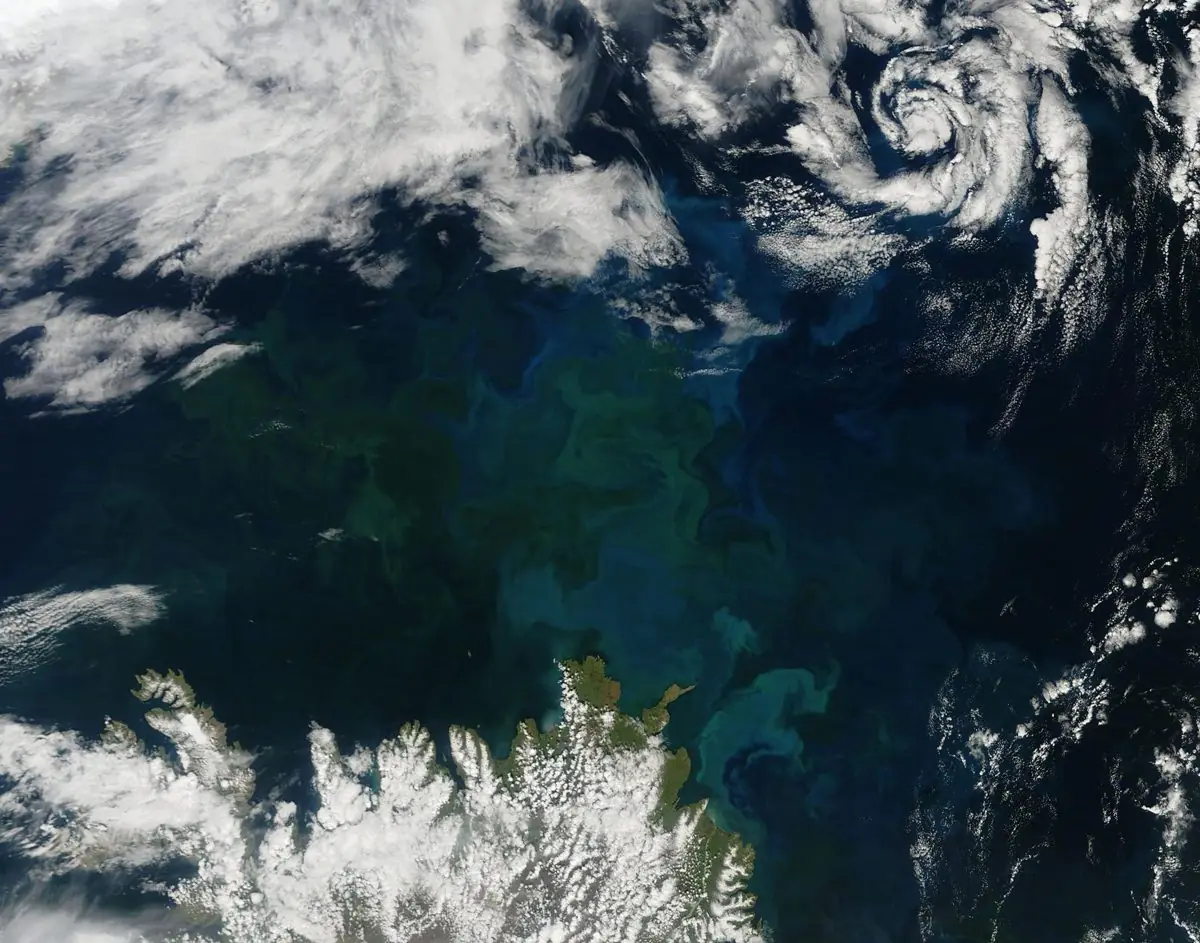
Image: NASA
About half of Earth's oxygen comes from the ocean, most of it made by tiny phytoplankton.
From: Phytoplankton, the Ocean's Oxygen Engine
Source: NOAA, How much oxygen comes from the ocean?
Farthest Humans Have Gone
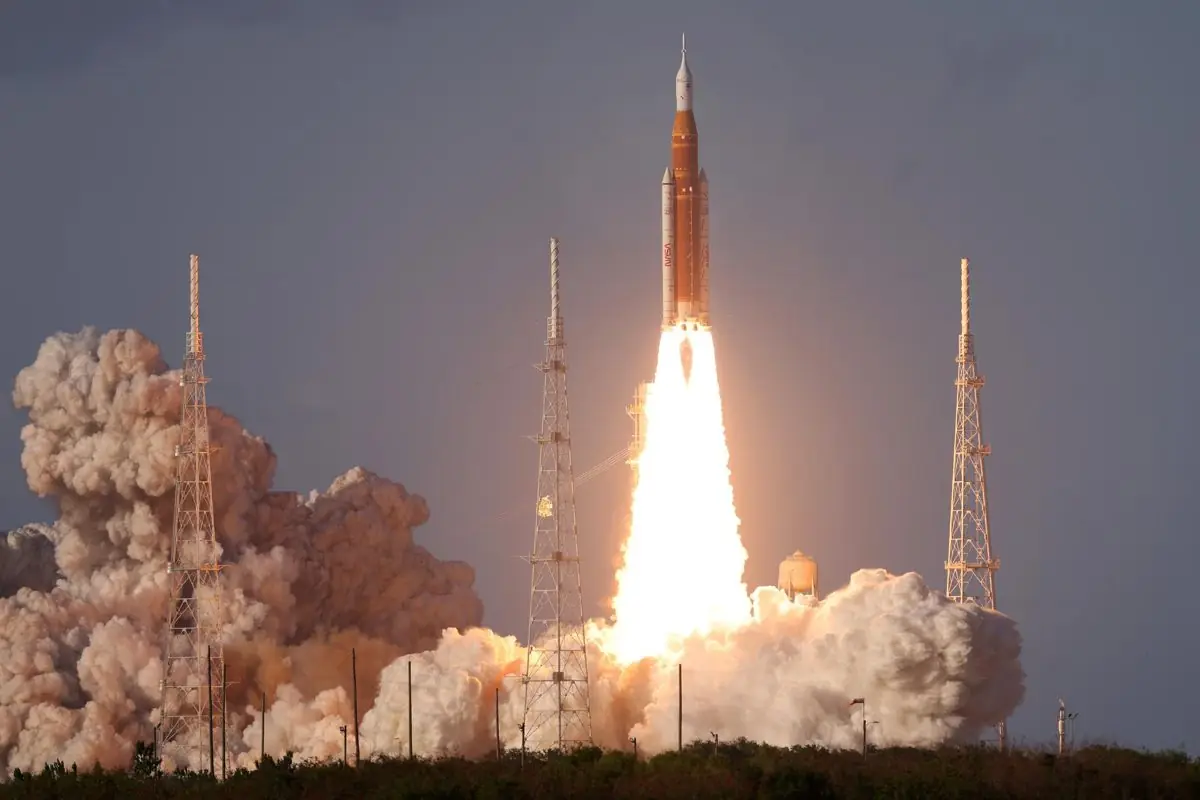
Image: NASA
The Artemis II crew reached 252,756 miles from Earth on April 6, 2026, the farthest humans have ever traveled.
From: Artemis Program
Source: NASA, Artemis II crew back on Earth
Five Hundred Tons a Year
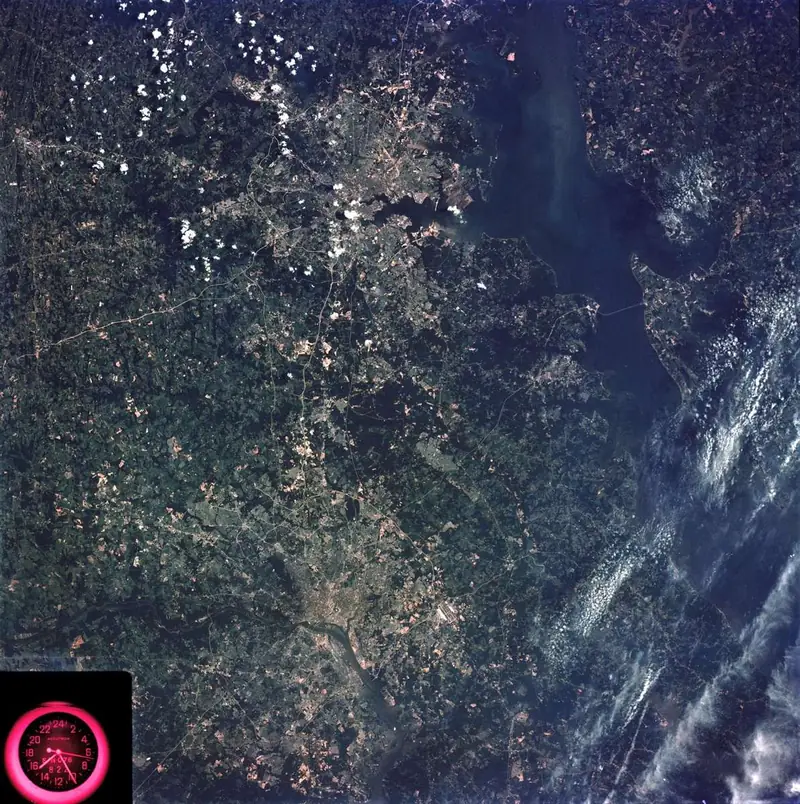
Image: NASA
Baltimore's four Trash Wheels collect about 500 tons of trash and debris from the harbor each year (organization figure).
From: Mr. Trash Wheel Family
Source: Mr. Trash Wheel, trash interception (organization figure)
Nursery of the Coast
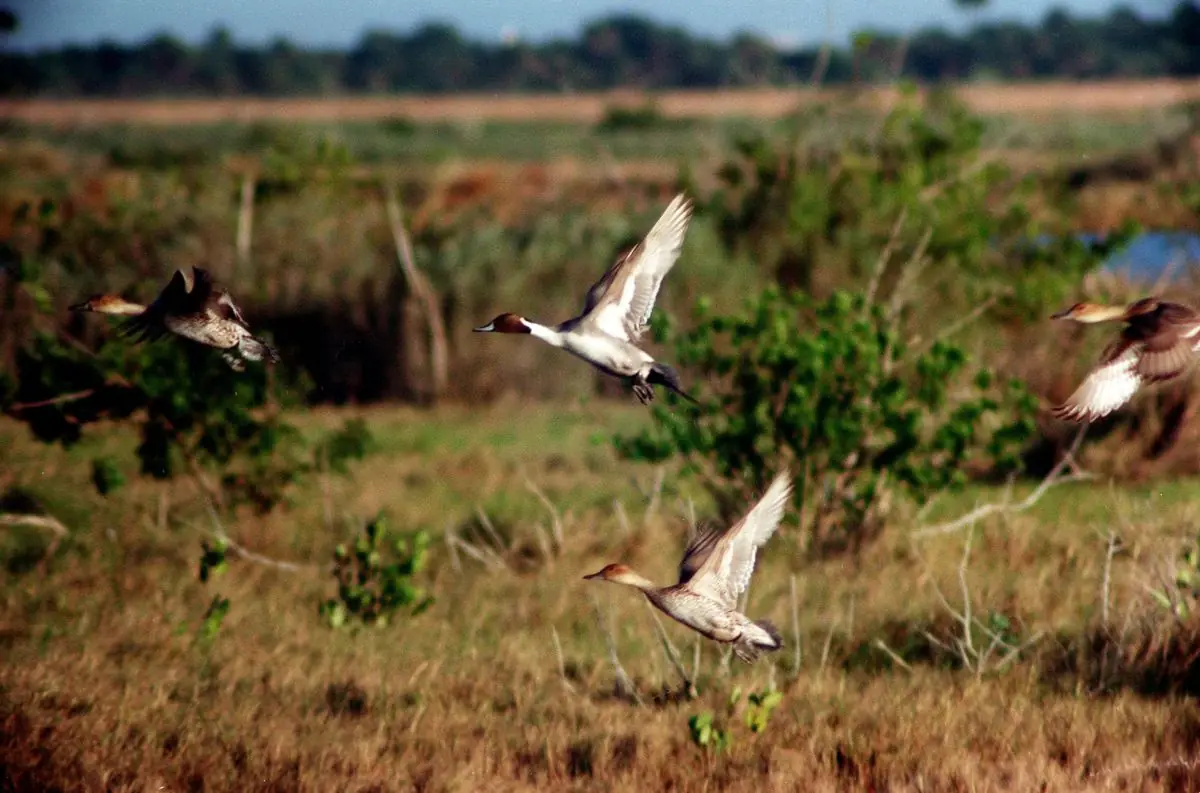
Image: NASA/KSC (KSC-99WL10)
Salt marshes are food, refuge or nursery habitat for more than 75% of fisheries species, including shrimp and blue crab.
From: Salt Marshes
Source: NOAA Ocean Service, What is a salt marsh?
One Thousand Rivers
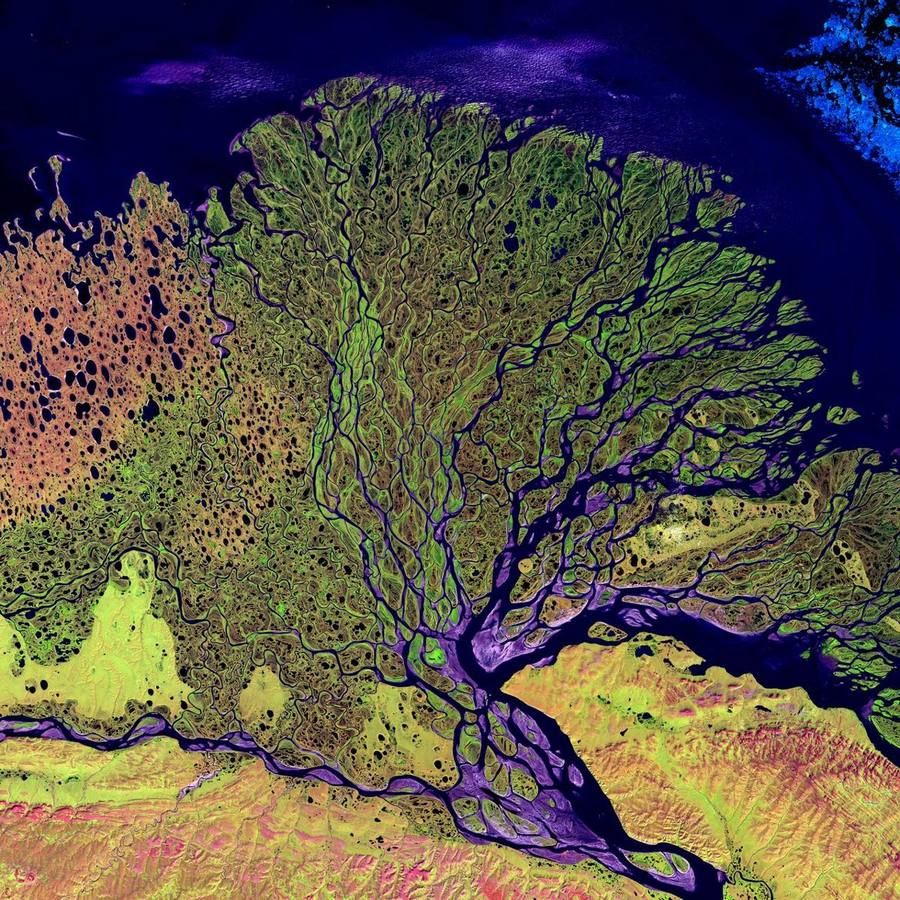
Image: NASA/USGS Landsat, Lena Delta
About 1,000 rivers contribute most riverine plastic reaching the ocean, per a Science Advances riverine-plastic study.
Source: Meijer et al., Science Advances 2021
Room For 1,300 Earths
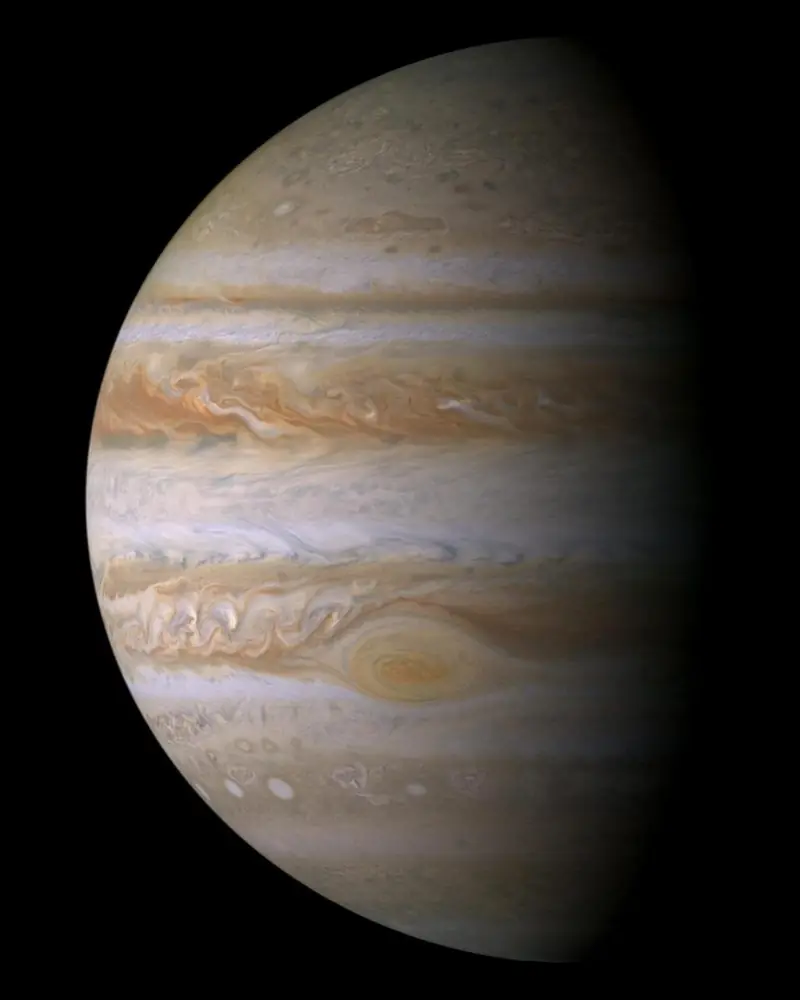
Image: NASA/JPL/University of Arizona, Cassini
You could fit roughly 1,300 Earths inside Jupiter (about 1,321 by volume).
From: Jupiter: Earth's Natural Debris Shield
Source: NASA Jupiter Fact Sheet
Sixty-Five Million Kilograms
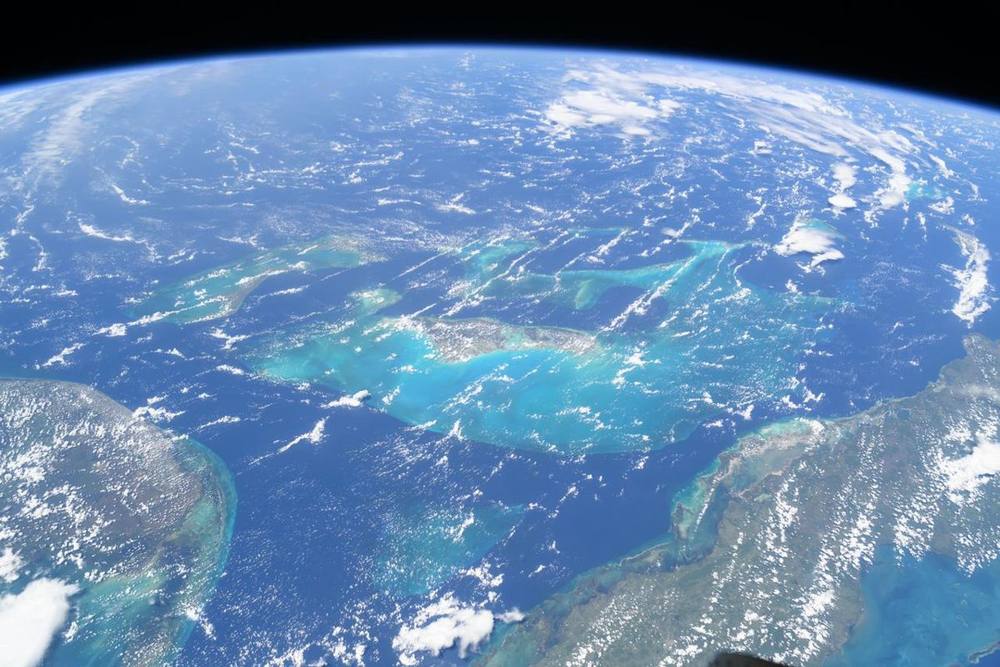
Image: NASA, International Space Station
The Ocean Cleanup reported 65 million kilograms of plastic removed as of October 2026 — their biggest year ever was 2025, with 27 million kilograms alone.
Source: The Ocean Cleanup (organization figure) · 2025 in review
Small Meadows, Big Carbon
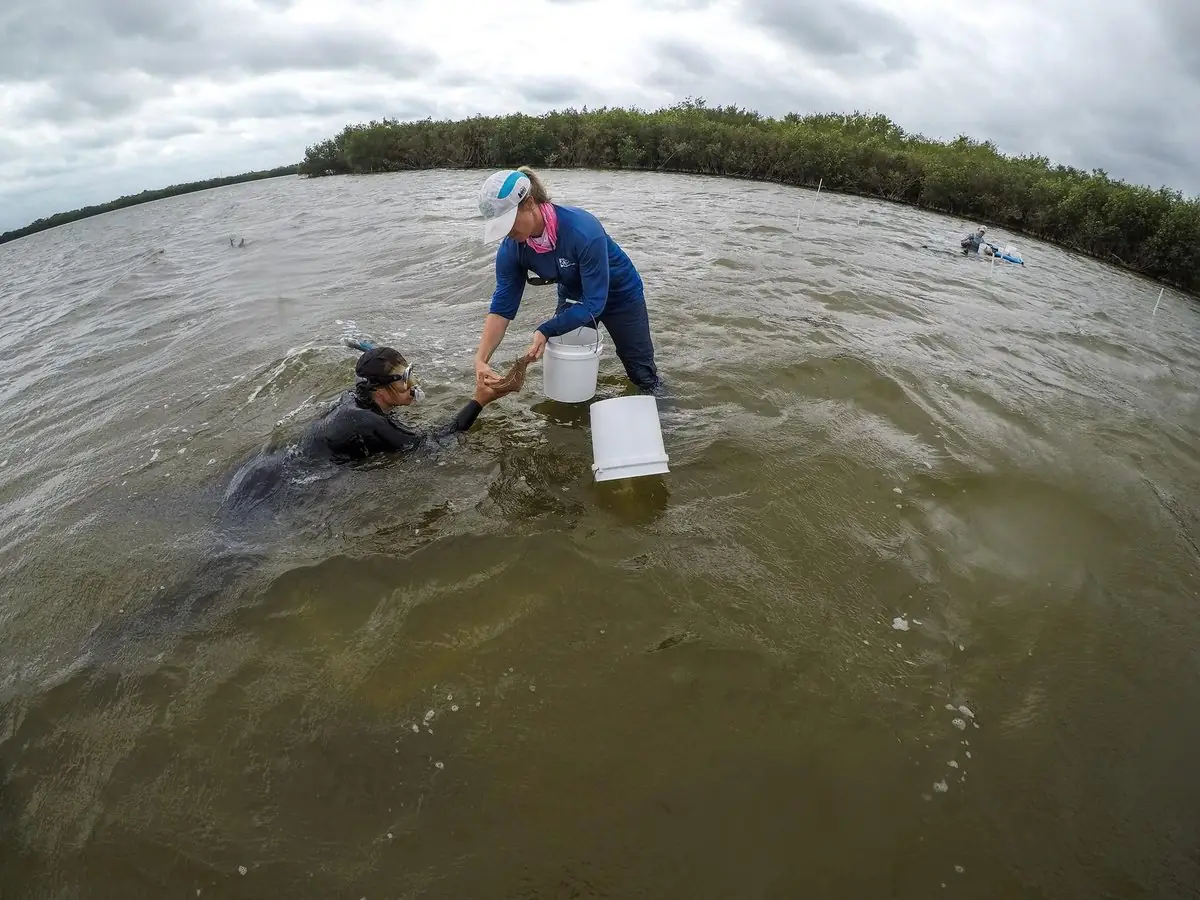
Image: NASA/KSC
Seagrass covers just 0.1% of the world's seafloor but stores 11% of the organic carbon buried in the ocean.
From: Seagrass Meadows
Source: NOAA, Blue carbon fast facts
The Moon Keeps Our Seasons Steady
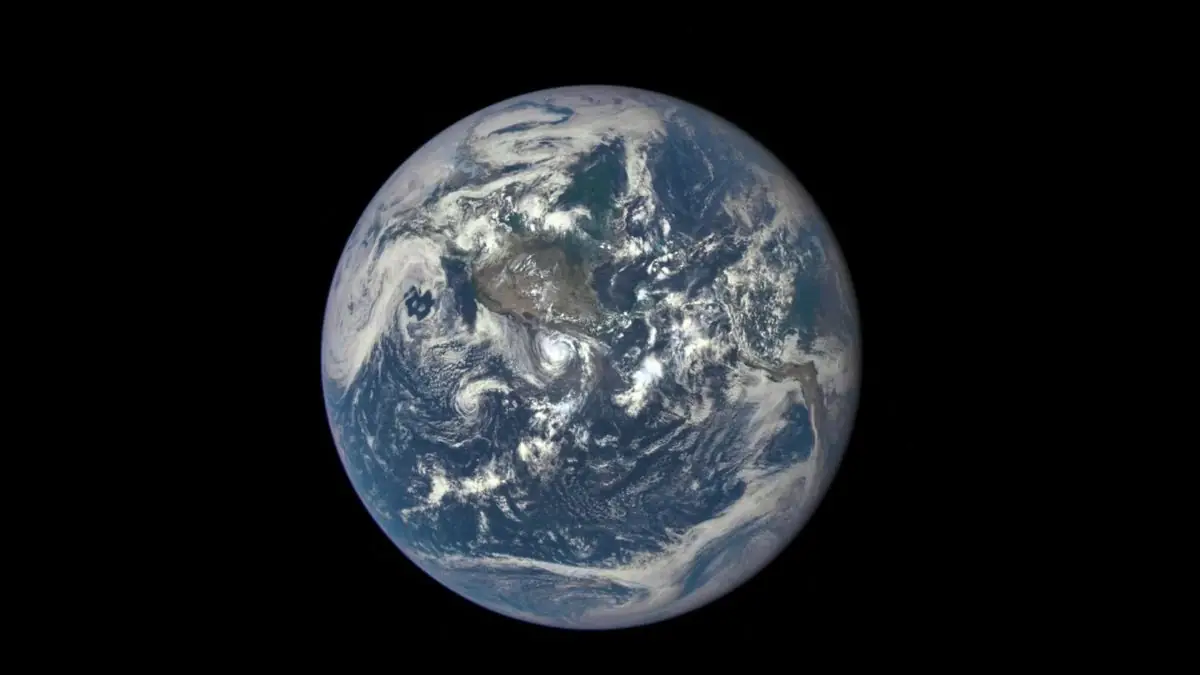
Image: NASA/NOAA DSCOVR EPIC
Earth's 23.5-degree tilt is kept in check by the Moon; without it, Earth could wobble more violently, drastically altering the climate.
Under Half Gasoline-Only
Cars that run only on gasoline fell to 49% of global new-car sales in the first half of 2026, the first time below half (Mobility Global data via Nikkei).
Caveat: hybrids still burn fuel, so about 83% of new cars still have an engine, and this is a six-month figure during an oil price spike.
Planet Scoreboard
Running totals from the solutions on this site. Tap a number to see the solution behind it.
Source: Life Terra (company figure) · As of May 2026
Source: The Ocean Cleanup (company figure) · As of October 2026
Source: NASA · As of April 2026
Be Part of the Fix
Plastic, forests, and energy are problems we can tackle together. Send an idea or share a solution you know. If your solution matches our solution criteria, we would love to put your solution on our site. If you'd like to donate, visit our Solutions page and pick the one that matches your interest.