ICESat-2 (NASA)
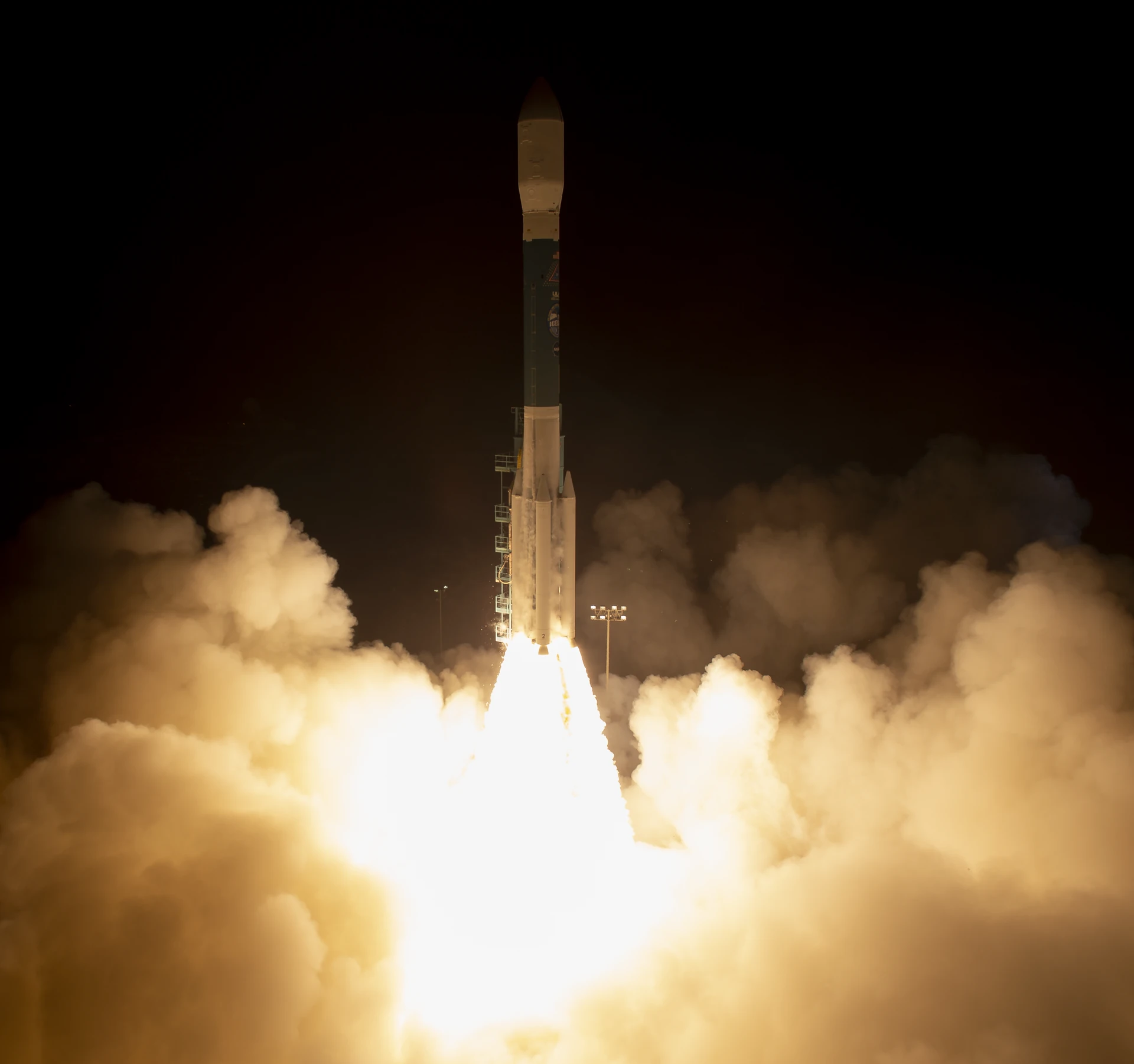
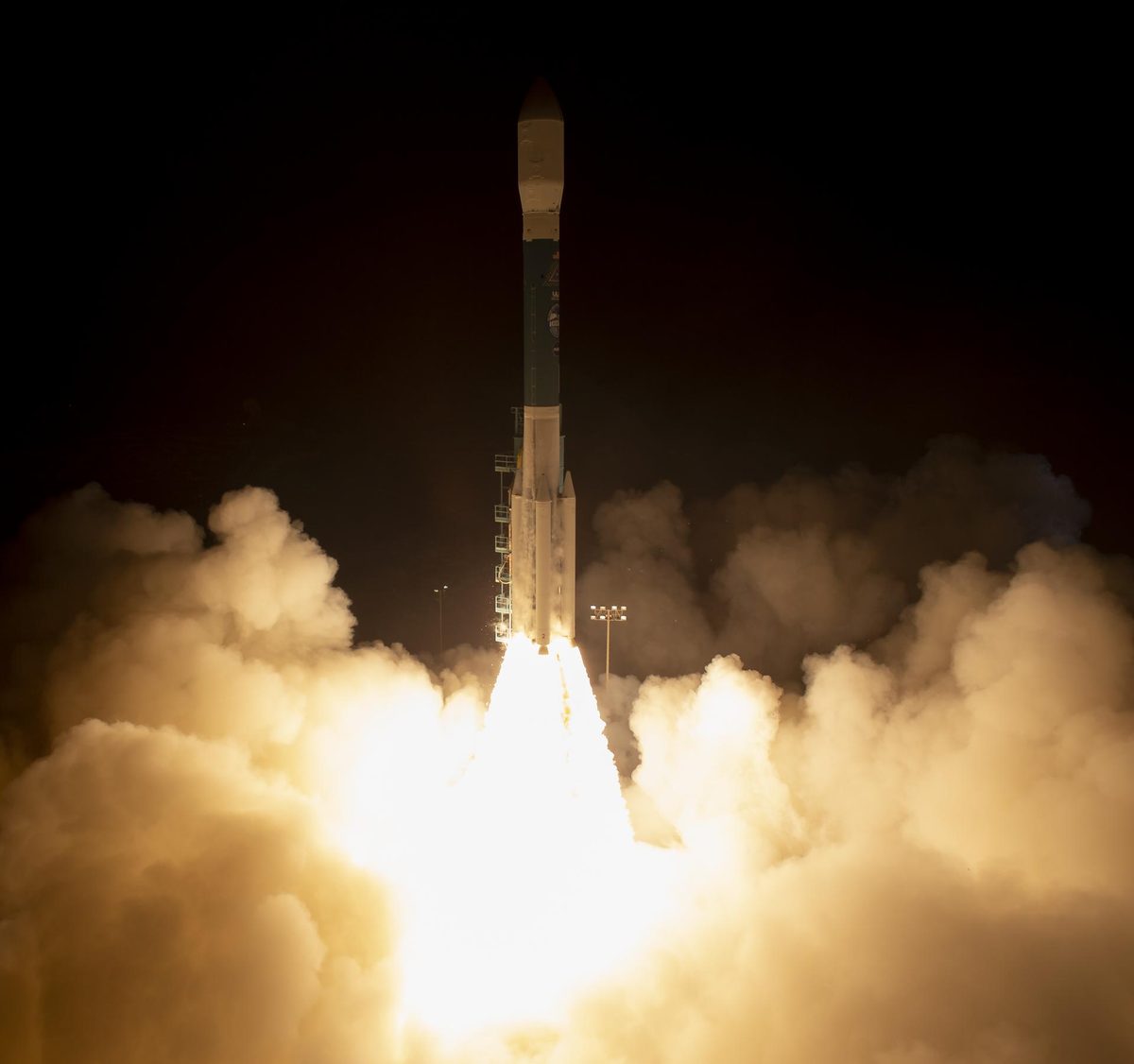
NASA's ICESat-2 laser fires 10,000 pulses a second to measure ice sheets, sea ice, forests and coastal seafloor in 3D.
Image: NASA/Bill Ingalls.
Last reviewed: 1 source cited
Explain Like I'm 10
- What is it? A satellite laser Measuring the height of the sea or land from space by timing how long a radar or laser pulse takes to bounce back. Glossary measuring surface height in 3D.
- Why does it matter? To measure how much and why Earth's ice and surface are changing.
The Five W's of ICESat-2
Where
Polar The curved path an object takes as it travels around a planet, moon or star, like a satellite circling Earth. Glossary, covering ice sheets, sea ice, forests and coasts.
Source: NASA, ICESat-2
Impact Statement
Agency solution · active
NASA's ICESat-2 launched on September 15, 2018 and carries a photon-counting laser altimeter that measures the elevation of ice sheets, glaciers, sea ice, tree canopies and the ocean in 3D detail. The laser pulses 10,000 times a second; each pulse releases about 300 trillion photons, and only about a dozen return.
It helps scientists see why, and how much, Earth is changing in a warming climate.
Source: NASA, ICESat-2
New ICESat-2 data even map shallow near-shore seafloor from space.
For Further Information: NASA, ICESat-2
ICESat-2's laser fires 10,000 pulses a second, each with about 300 trillion photons, and only about a dozen return to the satellite.
Want to go deeper? NASA, ICESat-2 has the full story and the latest updates.
 For Further Information
Related Solutions
More solutions like this one, matched by meaning.
Help This Work
NASA doesn't take donations, but anyone can join one of its citizen science projects.
For Teachers
Discussion questions
- What is ICESat-2 (NASA), and what problem does it help solve?
- Who is behind ICESat-2 (NASA), and where does the work happen?
- How does ICESat-2 (NASA) help both people and nature? Use one fact from this page.
Sources are listed with each fact in the Five W's above.
Standards Alignment
U.S. Next Generation Science Standards (NGSS) and Common Core. Official text, in English.
- 5-ESS3-1 (Grade 3-5) Obtain and combine information about ways individual communities use science ideas to protect the Earth's resources and environment.
- MS-ESS3-3 (Grade 6-8) Apply scientific principles to design a method for monitoring and minimizing a human impact on the environment.
- CCSS RI.5.9 (Grade 3-5) Integrate information from several texts on the same topic in order to write or speak about the subject knowledgeably.
- CCSS RST.6-8.1 (Grade 6-8) Cite specific textual evidence to support analysis of science and technical texts.
Cite This Page
APA
Saving Planets. (n.d.). ICESat-2 (NASA). https://www.savingplanets.com/ICESat-2.html
MLA
"ICESat-2 (NASA)." Saving Planets, https://www.savingplanets.com/ICESat-2.html.