PACE (NASA)
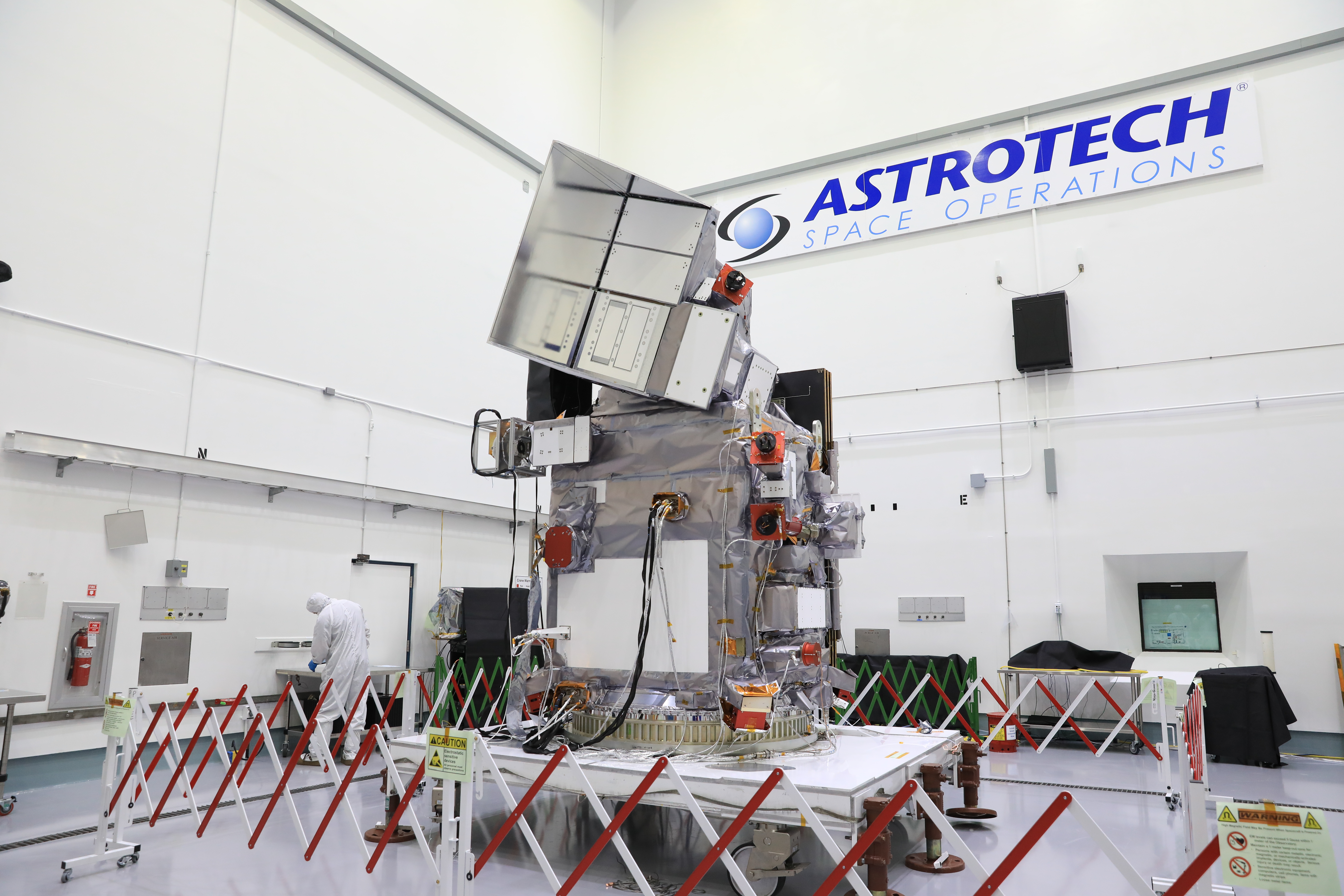
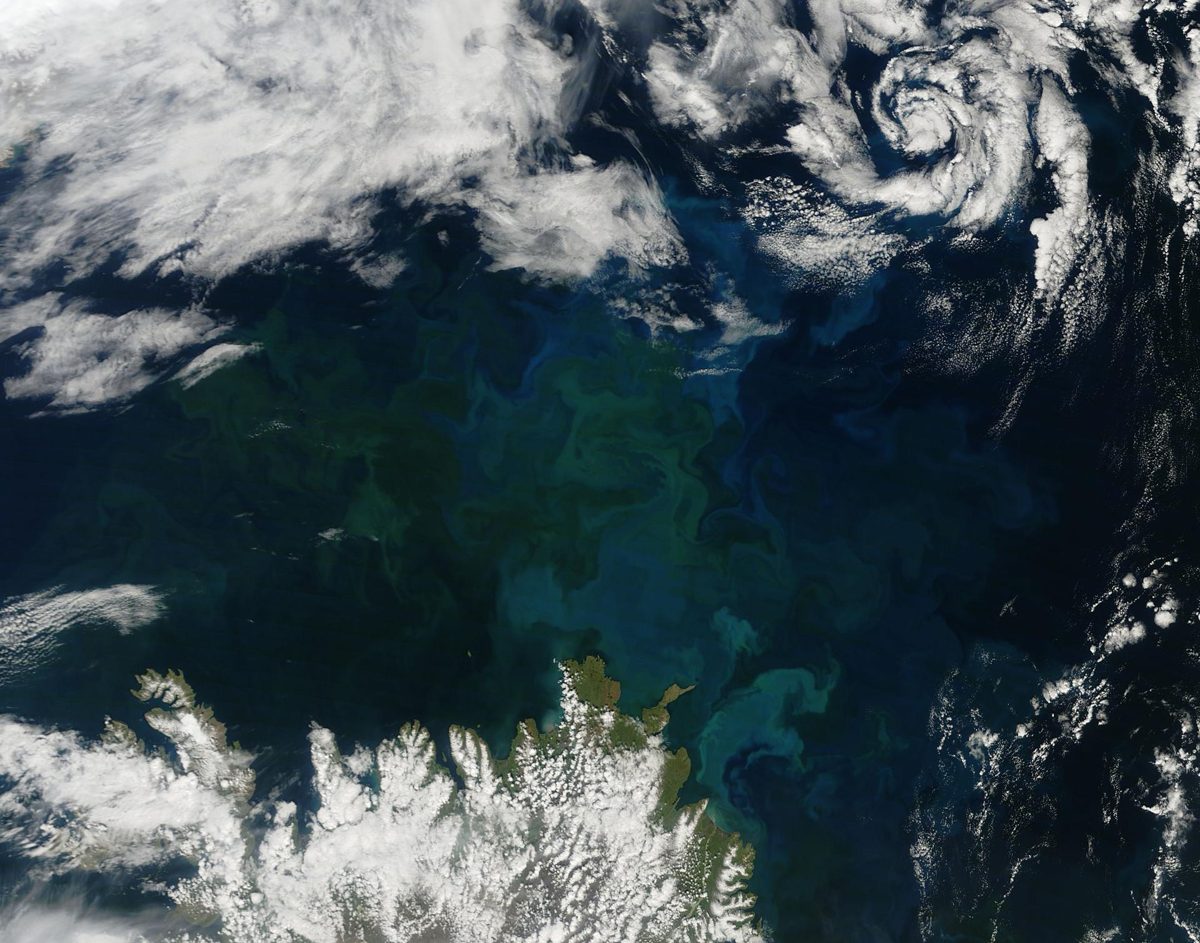
NASA's PACE reads the color of the ocean to track phytoplankton, the base of the marine food web, plus aerosols and clouds.
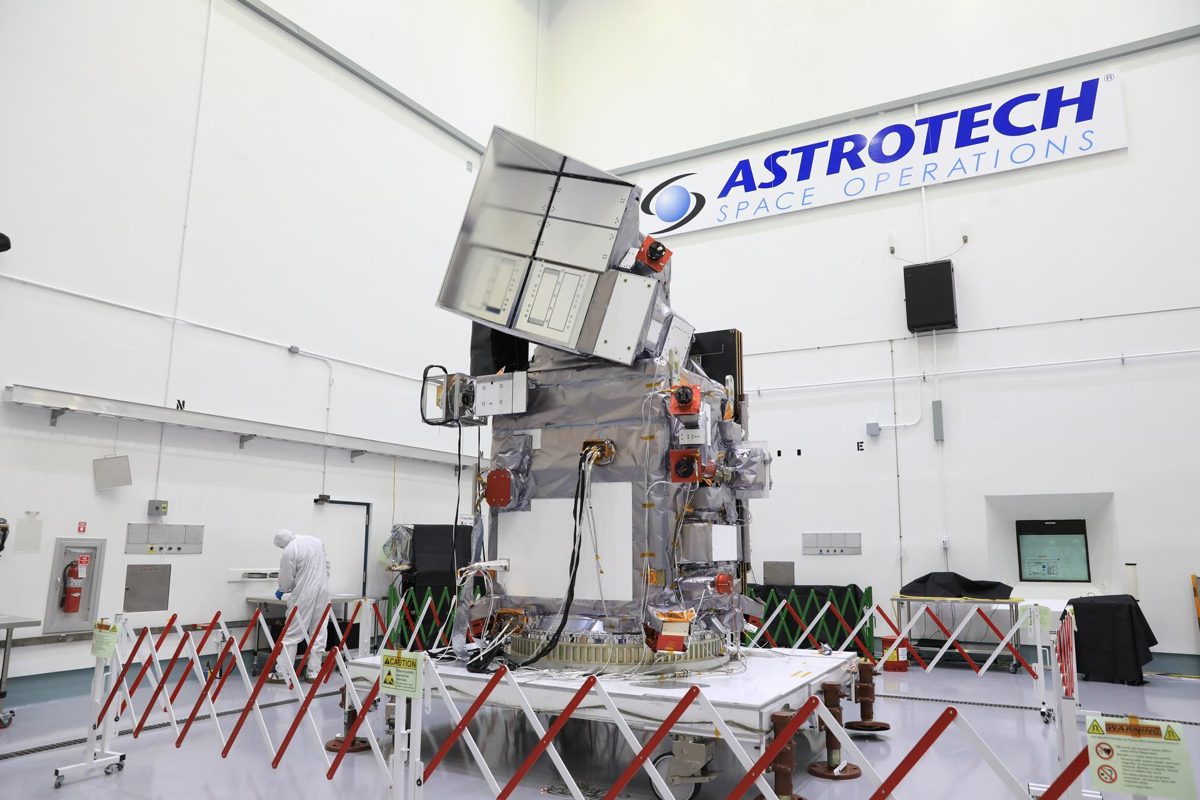
Image: NASA/KSC.
Last reviewed: 2 sources cited
Explain Like I'm 10
- What is it? A satellite whose hyperspectral Ocean Color Instrument measures light from ultraviolet to near-infrared.
- Why does it matter? Tiny plant-like living things that drift in water and use sunlight to make food. They make much of the oxygen we breathe and feed ocean life. Glossary feed ocean life and help move carbon; tracking them shows how the ocean and climate are changing.
The Five W's of PACE
What
A satellite whose hyperspectral Ocean Color Instrument measures light from ultraviolet to near-infrared.
Source: NASA, PACE launch
Where
Orbiting 676 km (420 mi) above Earth, circling the planet about every 98.3 minutes.
Source: NASA, PACE mission
Why
Phytoplankton feed ocean life and help move carbon; tracking them shows how the ocean and climate are changing.
Source: NASA, PACE mission
Impact Statement
Agency solution · active
PACE (Plankton, Tiny bits of dust, smoke, salt or pollution floating in the air. They can block sunlight and help clouds form. Glossary, Cloud, ocean A community of living things and the place they live, like a reef or a forest, all depending on each other. Glossary) launched on February 8, 2024. Its hyperspectral Ocean Color Instrument tracks phytoplankton, tiny organisms that start the marine food web and drive the ocean's carbon cycle, and it shows how aerosols may feed their growth.
Source: NASA, PACE launch
Source: NASA, PACE mission
Want to go deeper? NASA, PACE mission has the full story and the latest updates.
 For Further Information
Related Solutions
More solutions like this one, matched by meaning.
Help This Work
NASA doesn't take donations, but anyone can join one of its citizen science projects.
For Teachers
Discussion questions
- What is PACE (NASA), and what problem does it help solve?
- Who is behind PACE (NASA), and where does the work happen?
- How does PACE (NASA) help both people and nature? Use one fact from this page.
Sources are listed with each fact in the Five W's above.
Standards Alignment
U.S. Next Generation Science Standards (NGSS) and Common Core. Official text, in English.
- 5-ESS3-1 (Grade 3-5) Obtain and combine information about ways individual communities use science ideas to protect the Earth's resources and environment.
- MS-ESS3-2 (Grade 6-8) Analyze and interpret data on natural hazards to forecast future catastrophic events and inform the development of technologies to mitigate their effects.
- MS-ESS3-3 (Grade 6-8) Apply scientific principles to design a method for monitoring and minimizing a human impact on the environment.
- CCSS RST.6-8.1 (Grade 6-8) Cite specific textual evidence to support analysis of science and technical texts.
Cite This Page
APA
Saving Planets. (n.d.). PACE (NASA). https://www.savingplanets.com/PACE.html
MLA
"PACE (NASA)." Saving Planets, https://www.savingplanets.com/PACE.html.