Active Polar
Svalbard Global Seed Vault
The Svalbard Global Seed Vault stores backup copies of the world's crop seeds free of charge, more than 100 metres inside an Arctic mountain (Seed Vault).
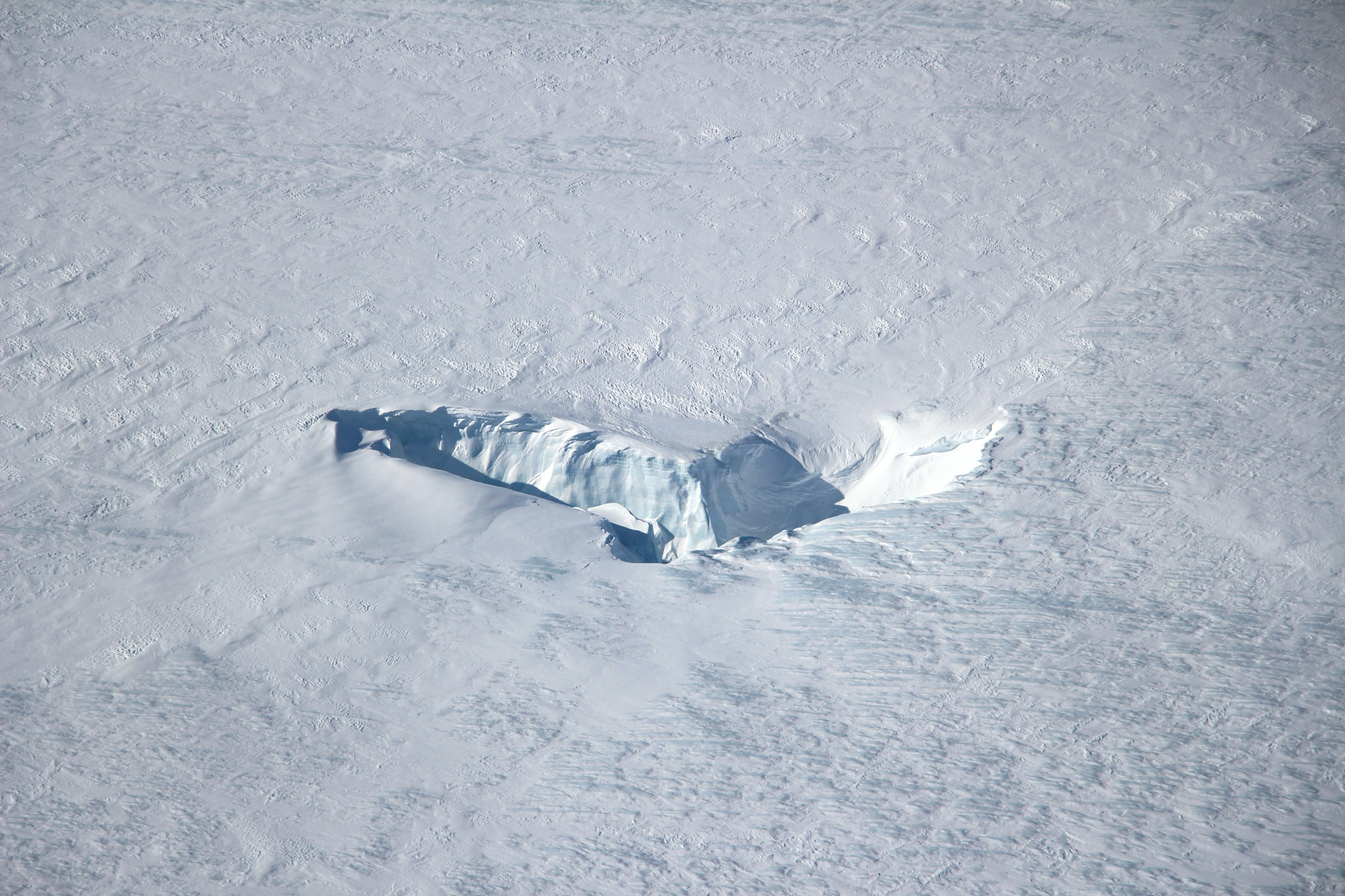
A decade of CryoSat data revealed 85 unknown lakes under Antarctica, raising the known active subglacial lakes by more than half, to 231 (ESA).
Source: ESA, 85 new subglacial lakes detected below Antarctica
CIMR will measure 95% of the globe every day, with sub-daily coverage of the polar regions (ESA).
Source: ESA, CIMR facts and figures
Heat absorbed in the tropics flows to the poles and escapes to space there. PREFIRE measures that far-infrared heat (NASA JPL).
The European Space Agency (ESA), NASA and the Canadian Space Agency, with their partners.
Satellites that measure polar ice from space: sea-ice thickness, the height of ice sheets and glaciers, lakes hidden under the ice, and the heat the poles send to space.
Now and next: ICESat-2 has measured ice since its launch on September 15, 2018 (NASA), and CRISTAL will continue CryoSat's ice record (ESA).
Source: NASA, ICESat-2
Source: ESA, CRISTAL prepares to sparkle
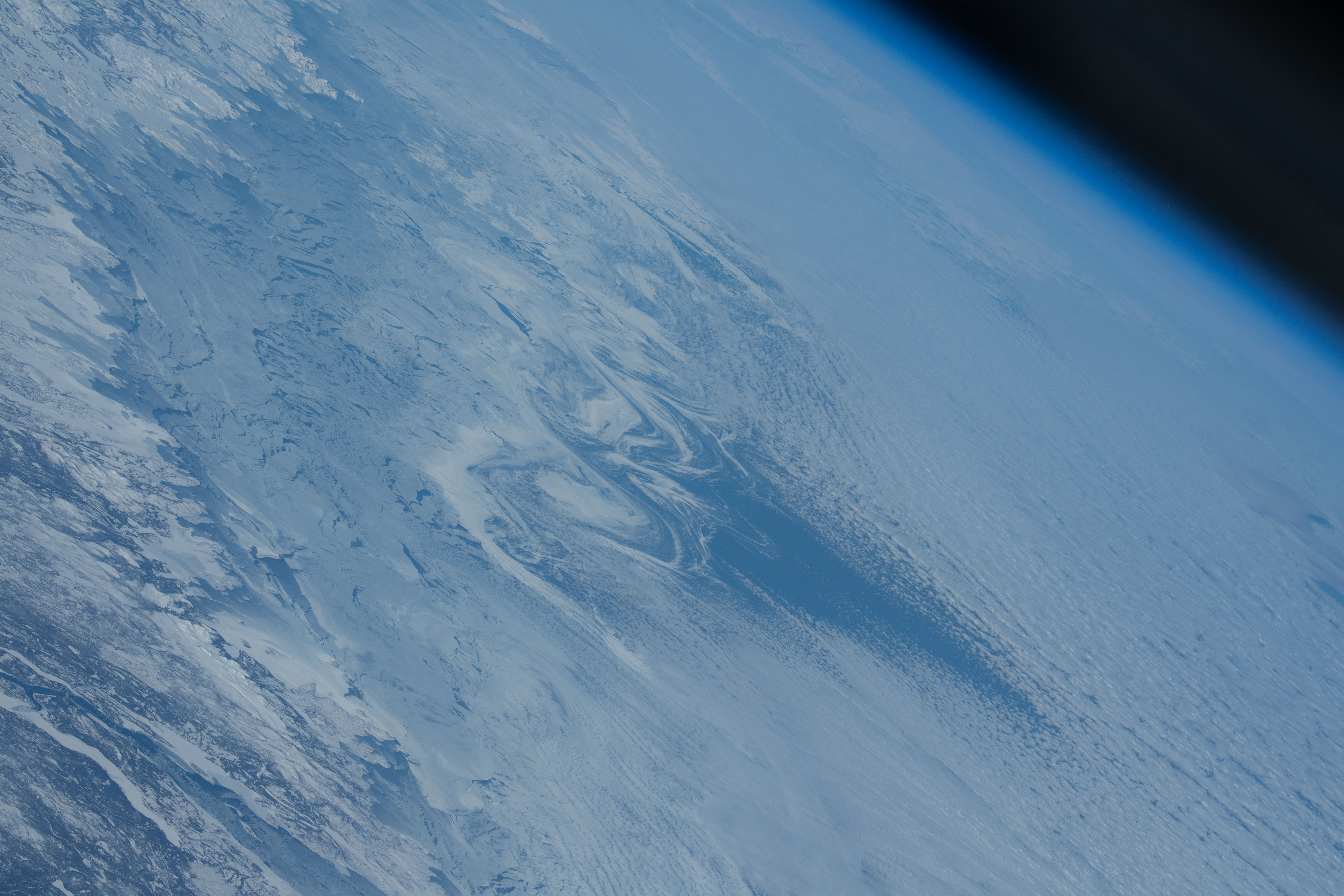
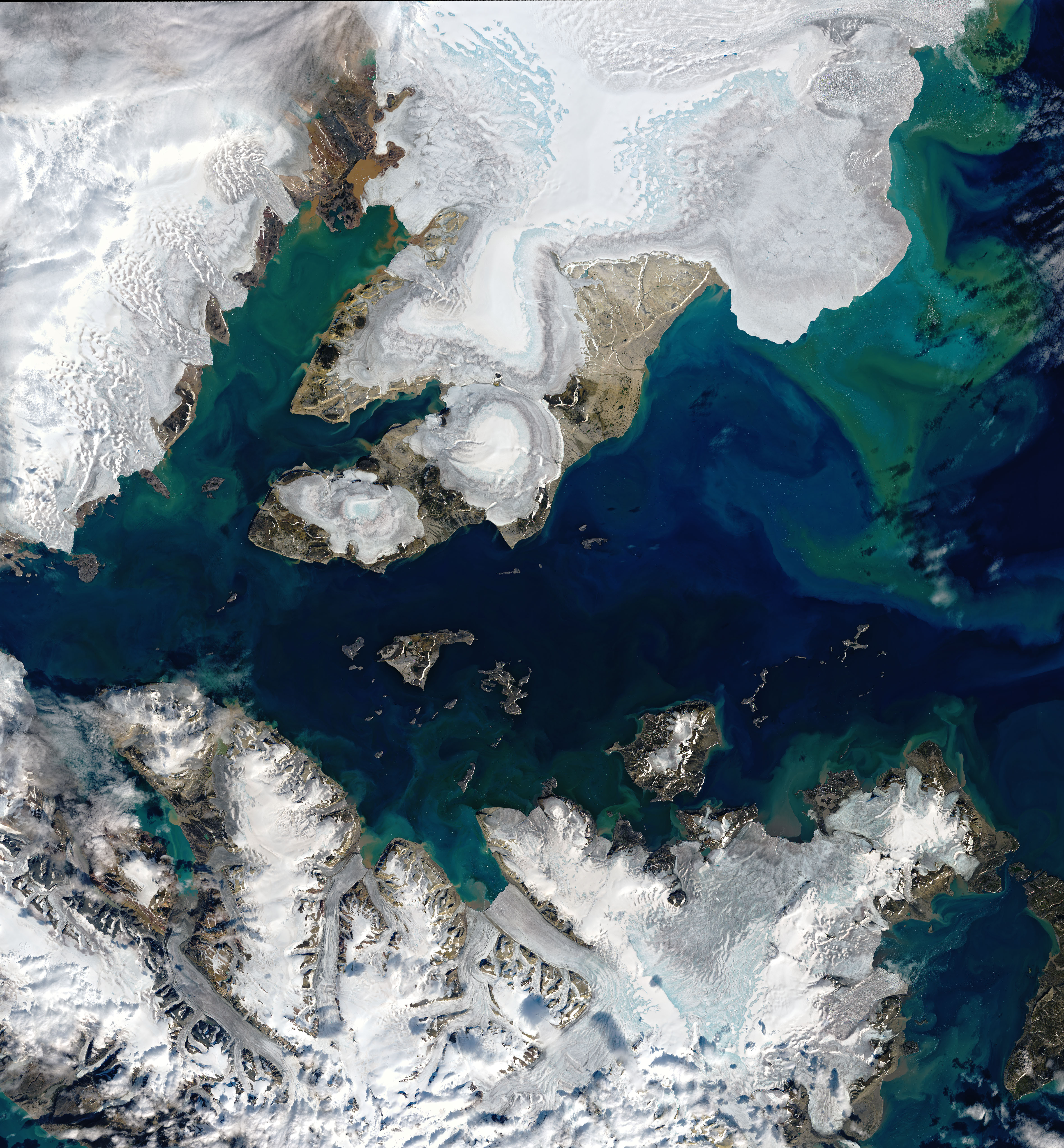
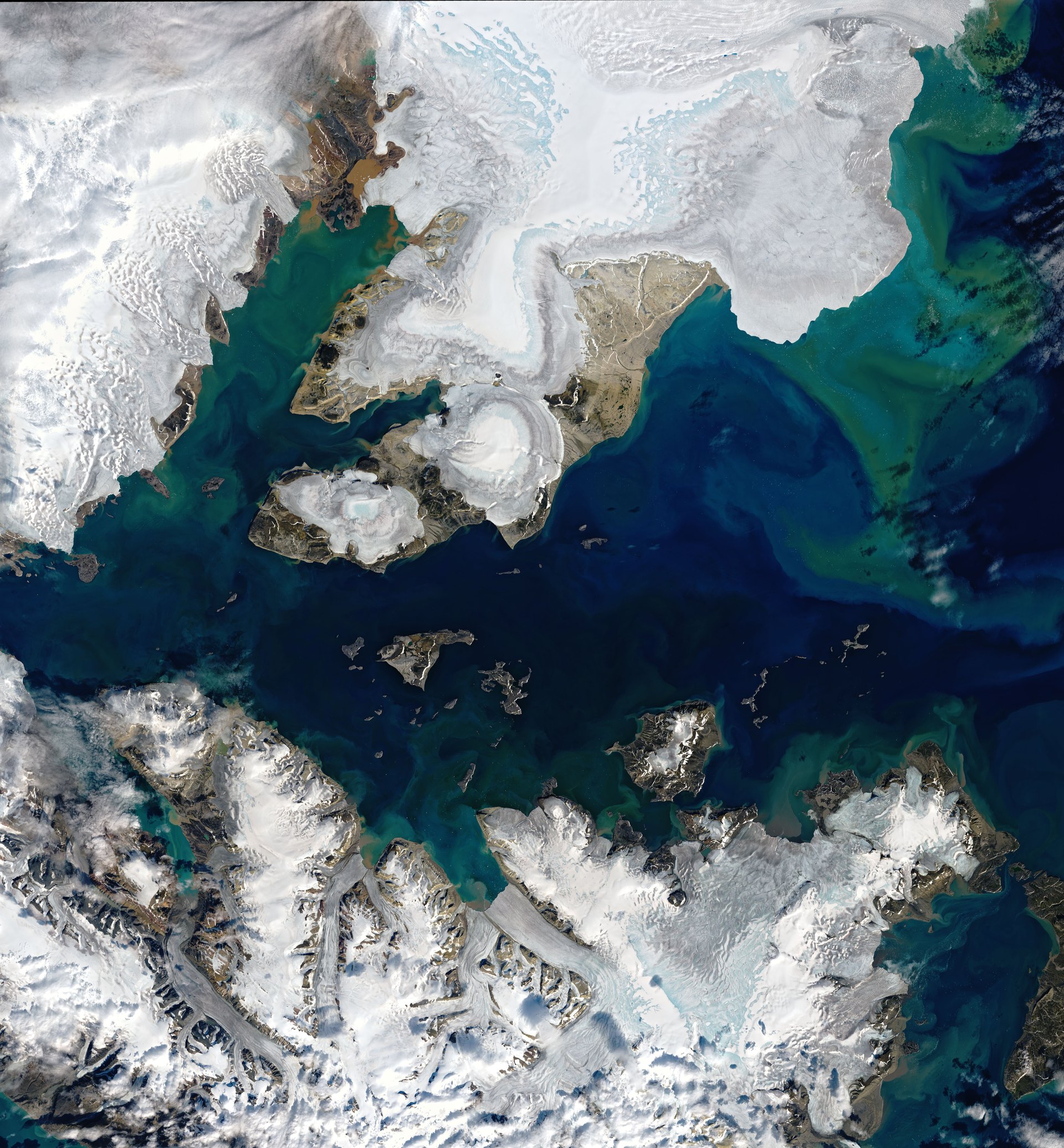
The polar regions, including Antarctica, the Arctic Ocean, Greenland and Iceland, seen from satellites in polar orbits.
Lakes under the ice affect how fast glaciers move and so influence global sea level rise (ESA). Daily sea-ice data also support safer work and travel in polar seas (ESA).
Source: ESA, 85 new subglacial lakes detected below Antarctica
Source: ESA, CIMR facts and figures
North Pole: The Arctic · South Pole: Antarctica · Both Poles
Sea ice, Greenland, Iceland, Svalbard and the Arctic Ocean.
Active Polar
The Svalbard Global Seed Vault stores backup copies of the world's crop seeds free of charge, more than 100 metres inside an Arctic mountain (Seed Vault).
Active Polar
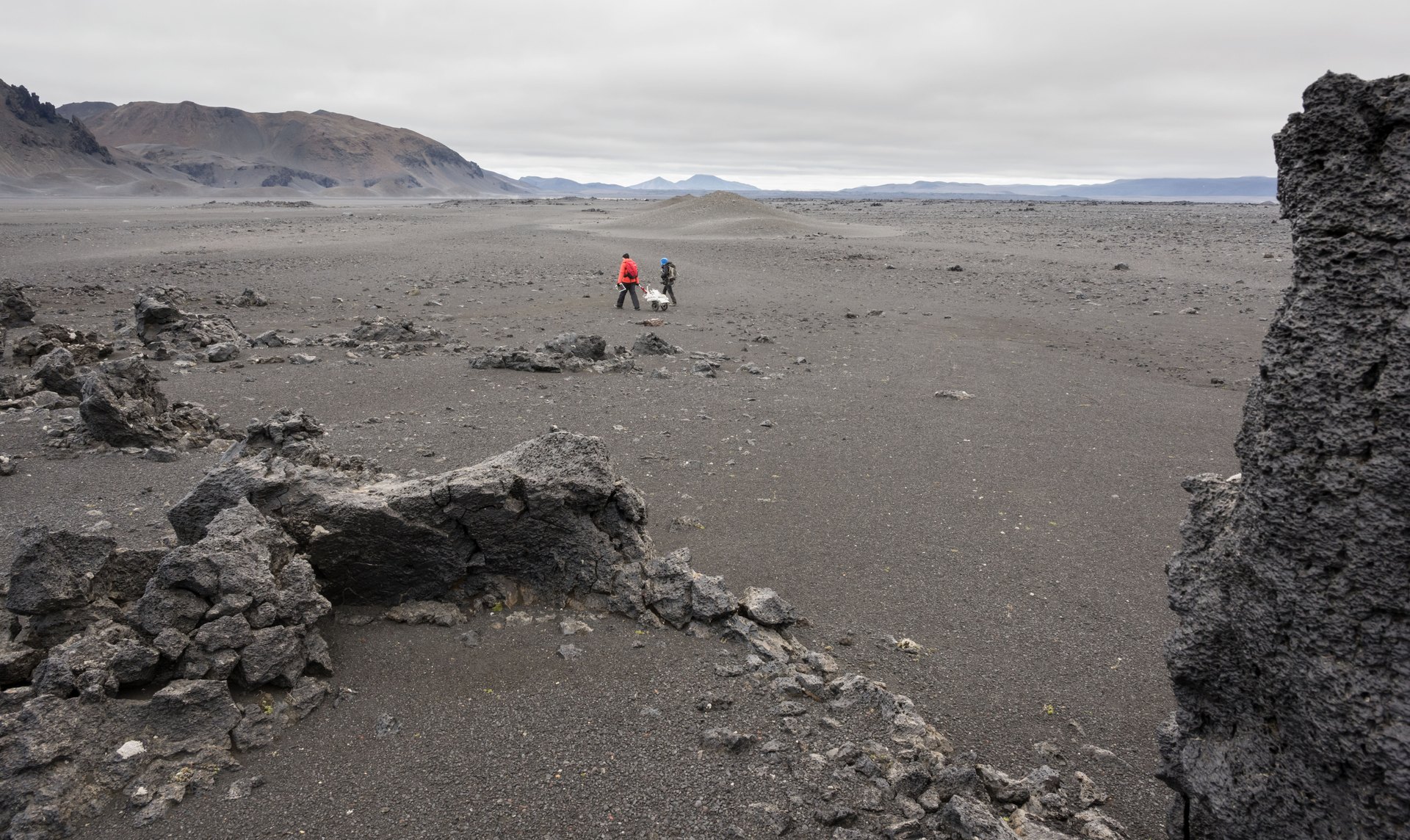
Carbfix dissolves carbon dioxide in water and injects it into basalt rock, where it turns into stone (company).
Active Polar
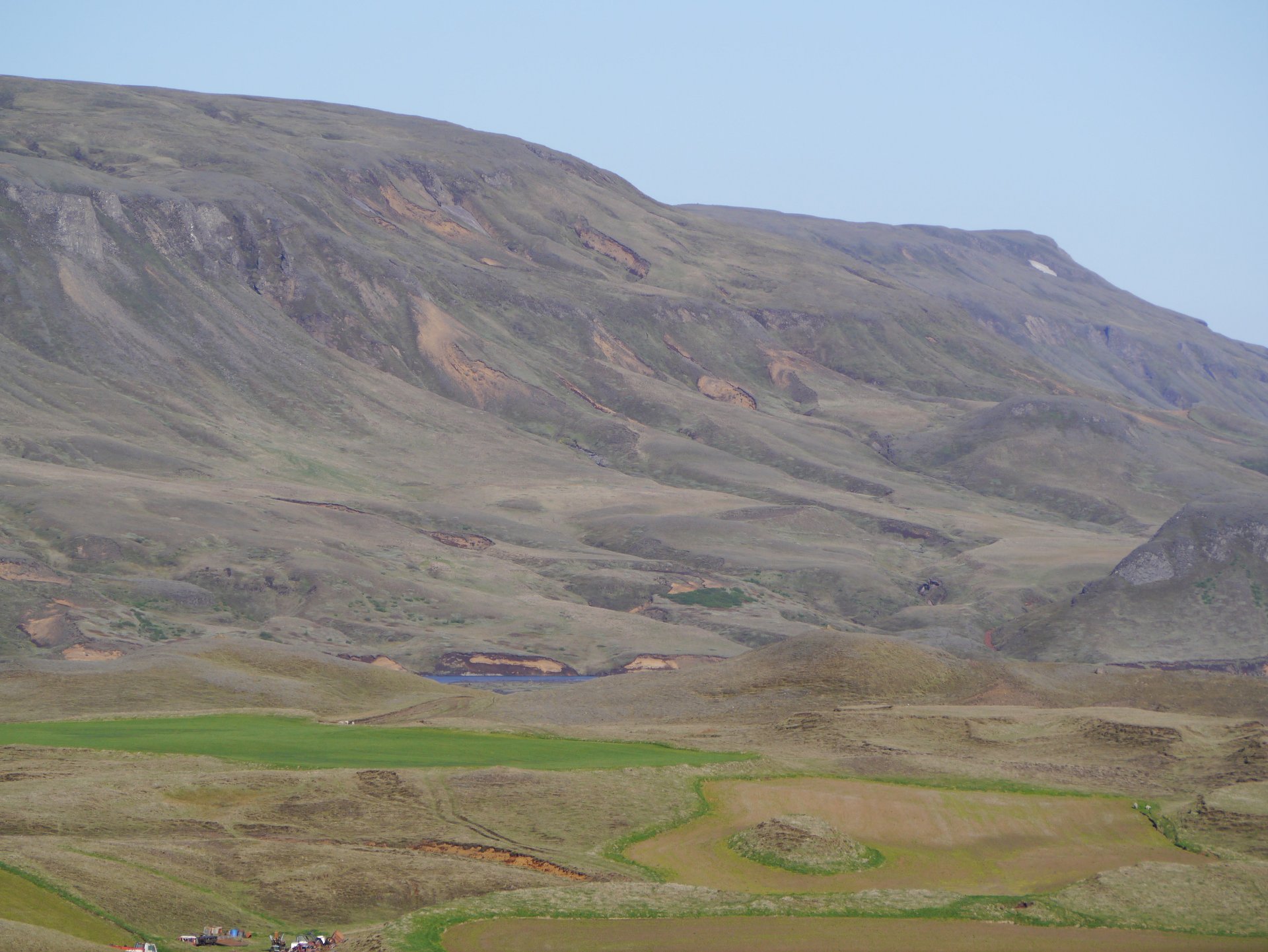
Since 1907, Iceland's soil conservation agency, now Land and Forest Iceland, has worked with farmers to halt erosion and restore land (Government of Iceland).
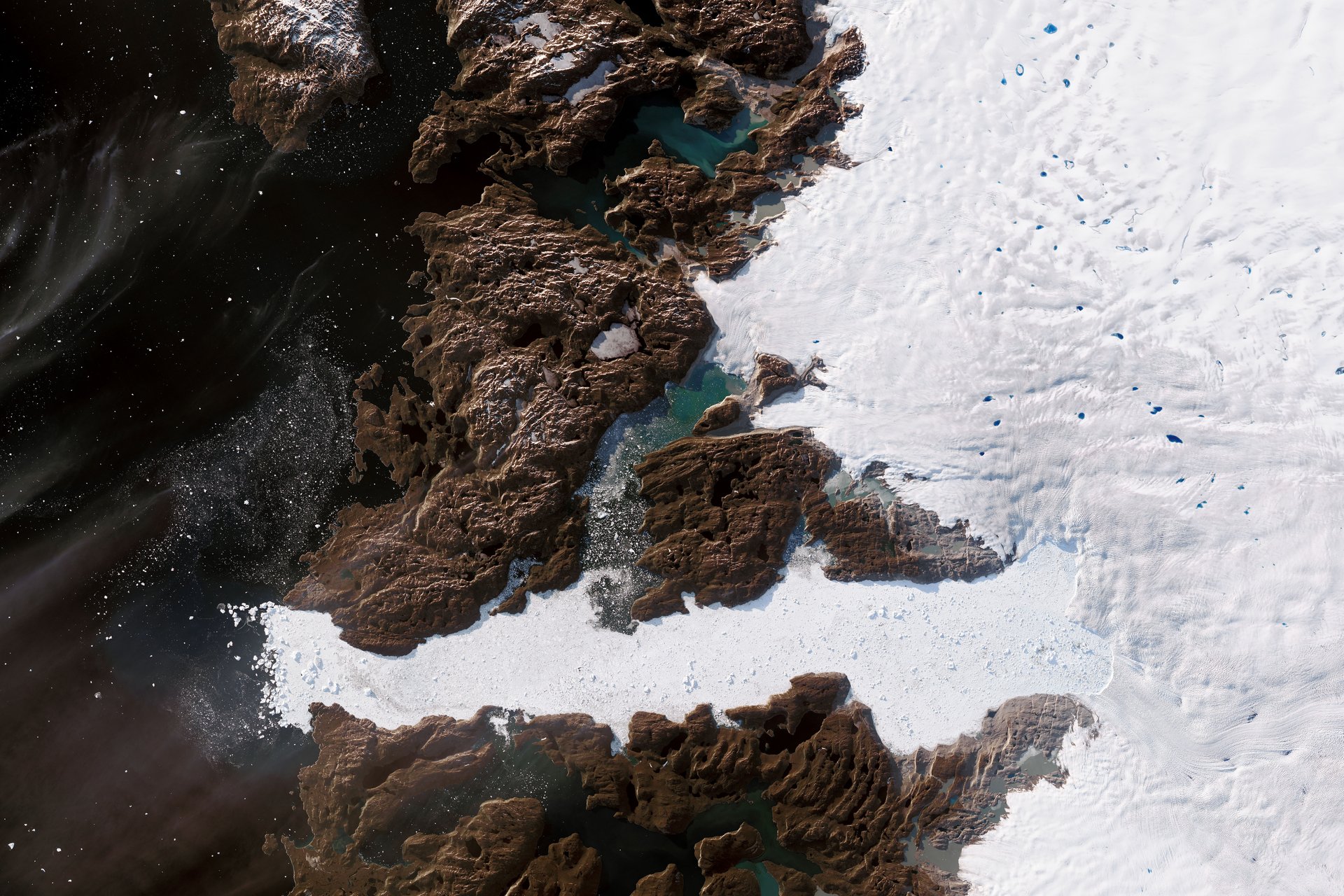
Active Polar
PROMICE and GC-Net put automatic weather stations on the Greenland ice sheet and share the data openly (PROMICE).
Active Polar
ESA's small Arctic Weather Satellite, launched in August 2024, paved the way for EPS-Sterna, a fleet of 20 satellites from 2029 (ESA, EUMETSAT).
Active Polar
Polar Bears International works through research, policy and on-the-ground conservation to protect polar bears and their sea-ice habitat (Polar Bears International).
Active Polar
SmartICE combines Indigenous and local knowledge of ice with sensors and satellite mapping to give near real-time ice-thickness information for safe travel (SmartICE).
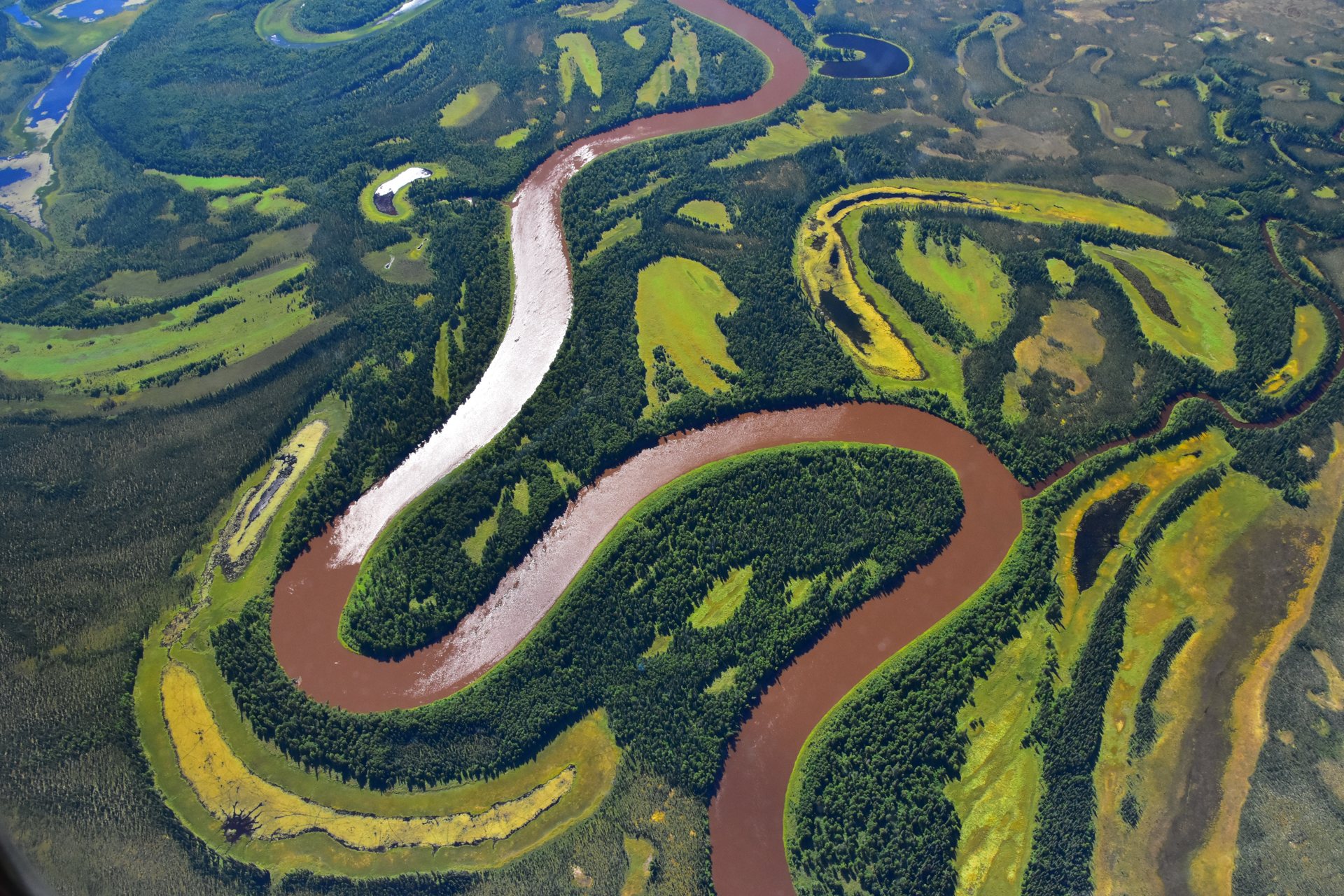
Active Polar
Permafrost Pathways connects science, people and policy to address Arctic permafrost thaw and support affected communities (Permafrost Pathways).
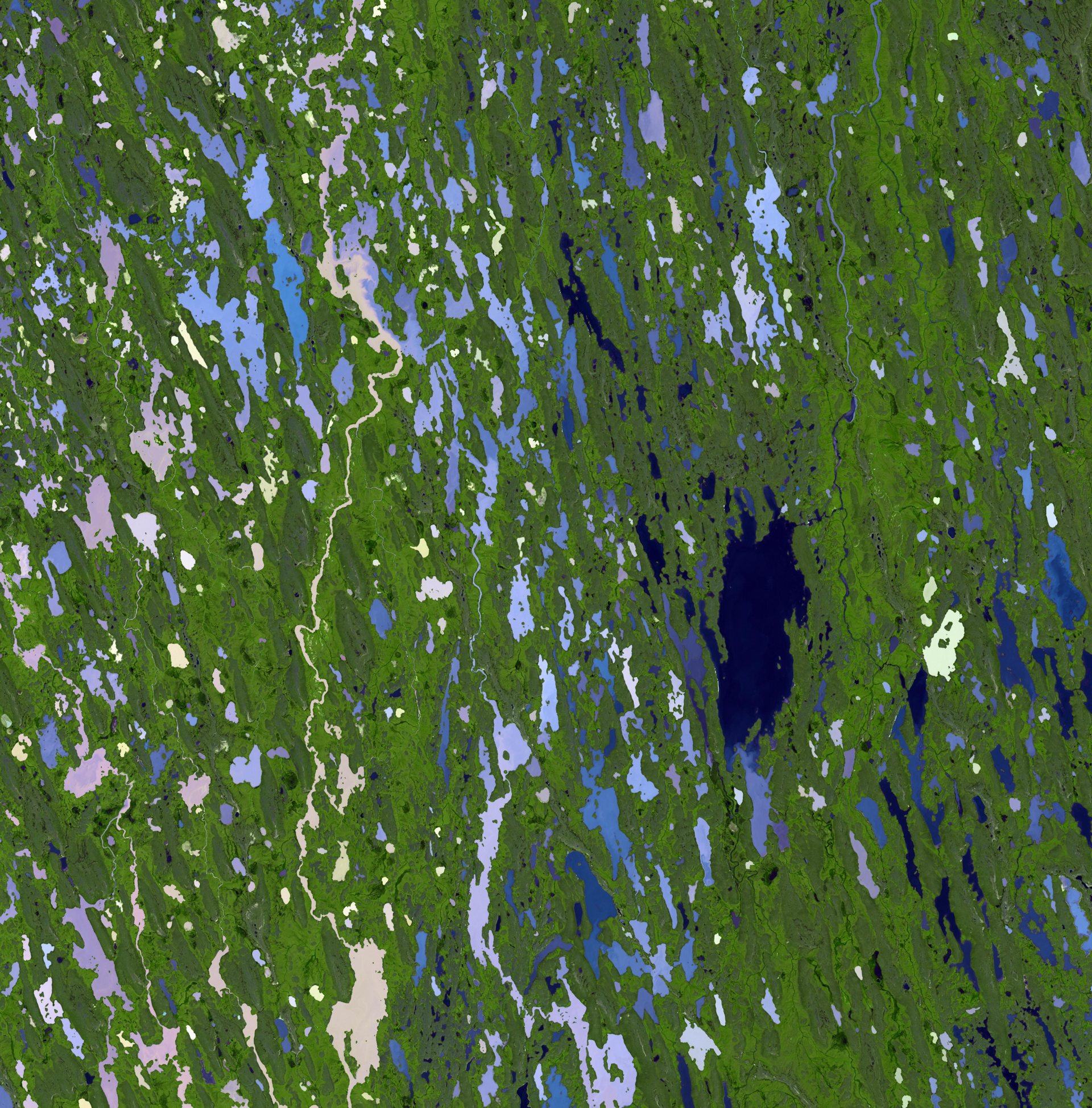
Active Polar
Tallurutiup Imanga, in Nunavut, protects Arctic waters where narwhals live alongside thousands of seabirds, next to Inuit communities (Parks Canada).
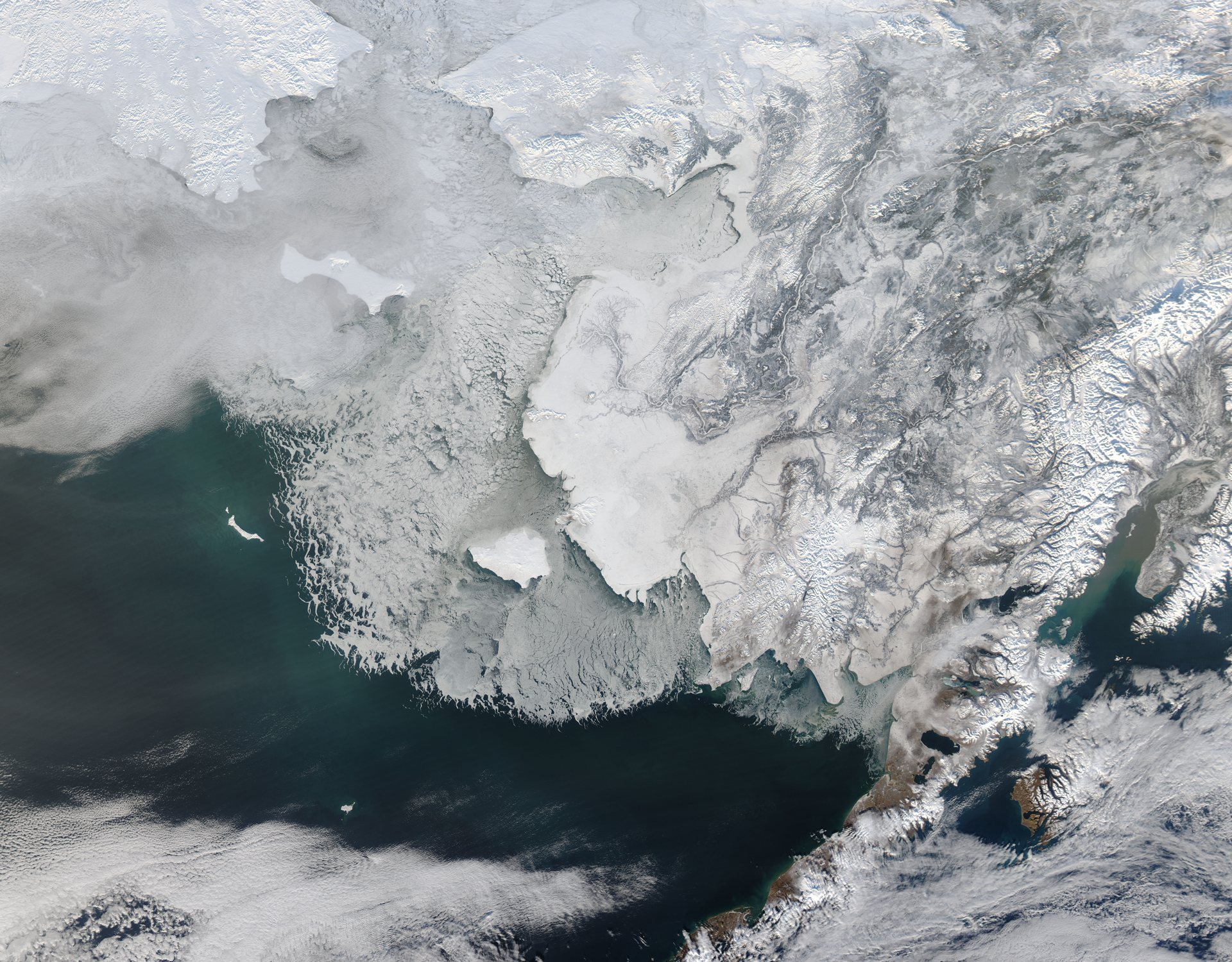
Active Polar
PAME is the Arctic Council working group for the protection and sustainable use of the Arctic marine environment (PAME).
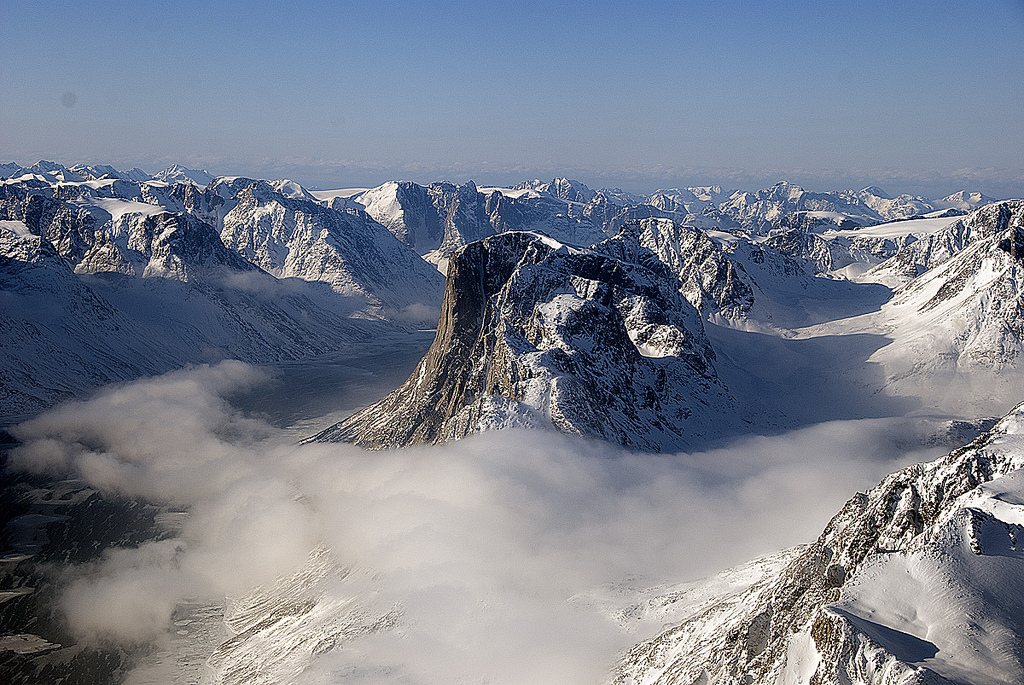
Active Polar
CAFF is the biodiversity working group of the Arctic Council (CAFF).
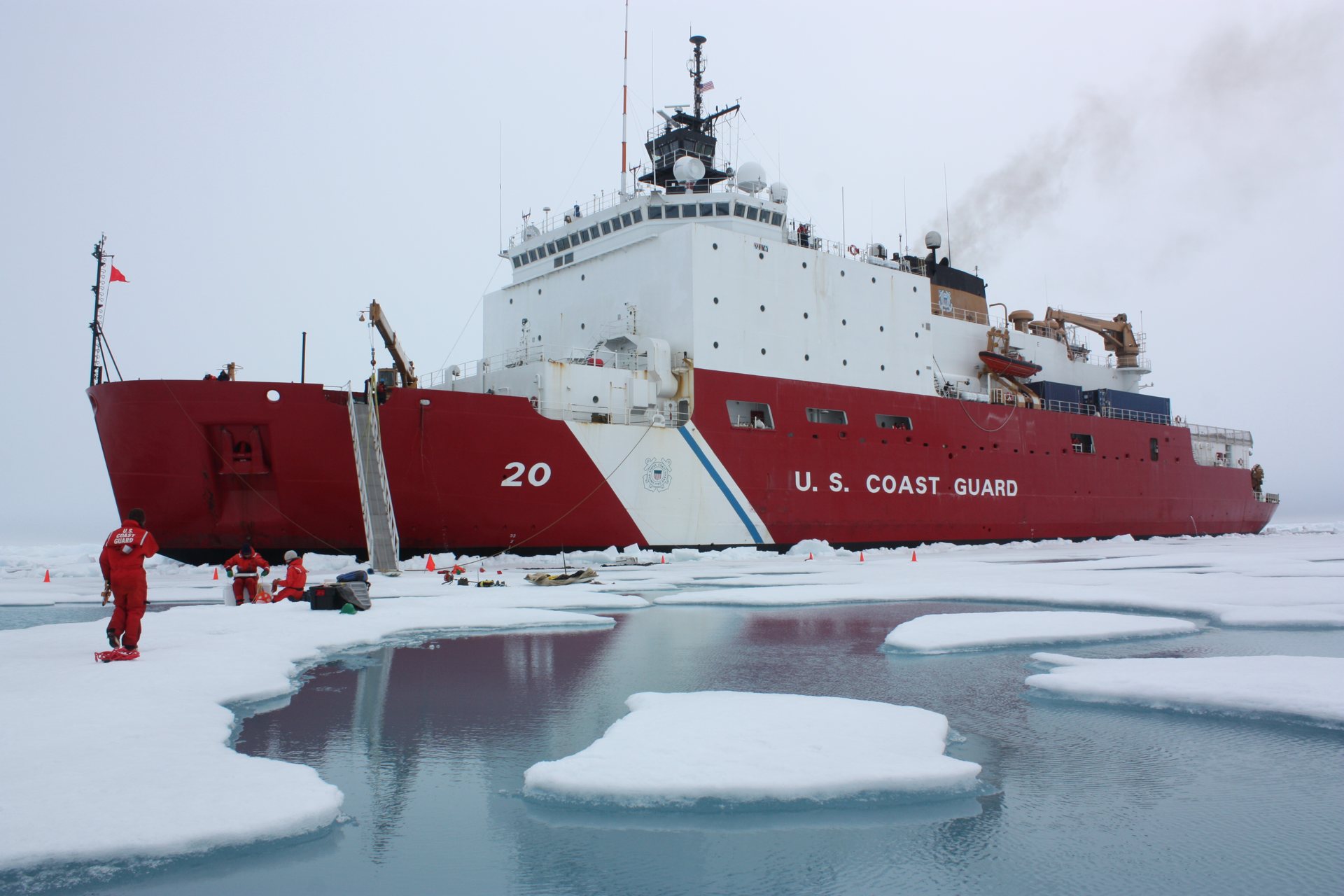
Active Polar
MOSAiC was the first year-round expedition into the central Arctic to study its climate system (MOSAiC).
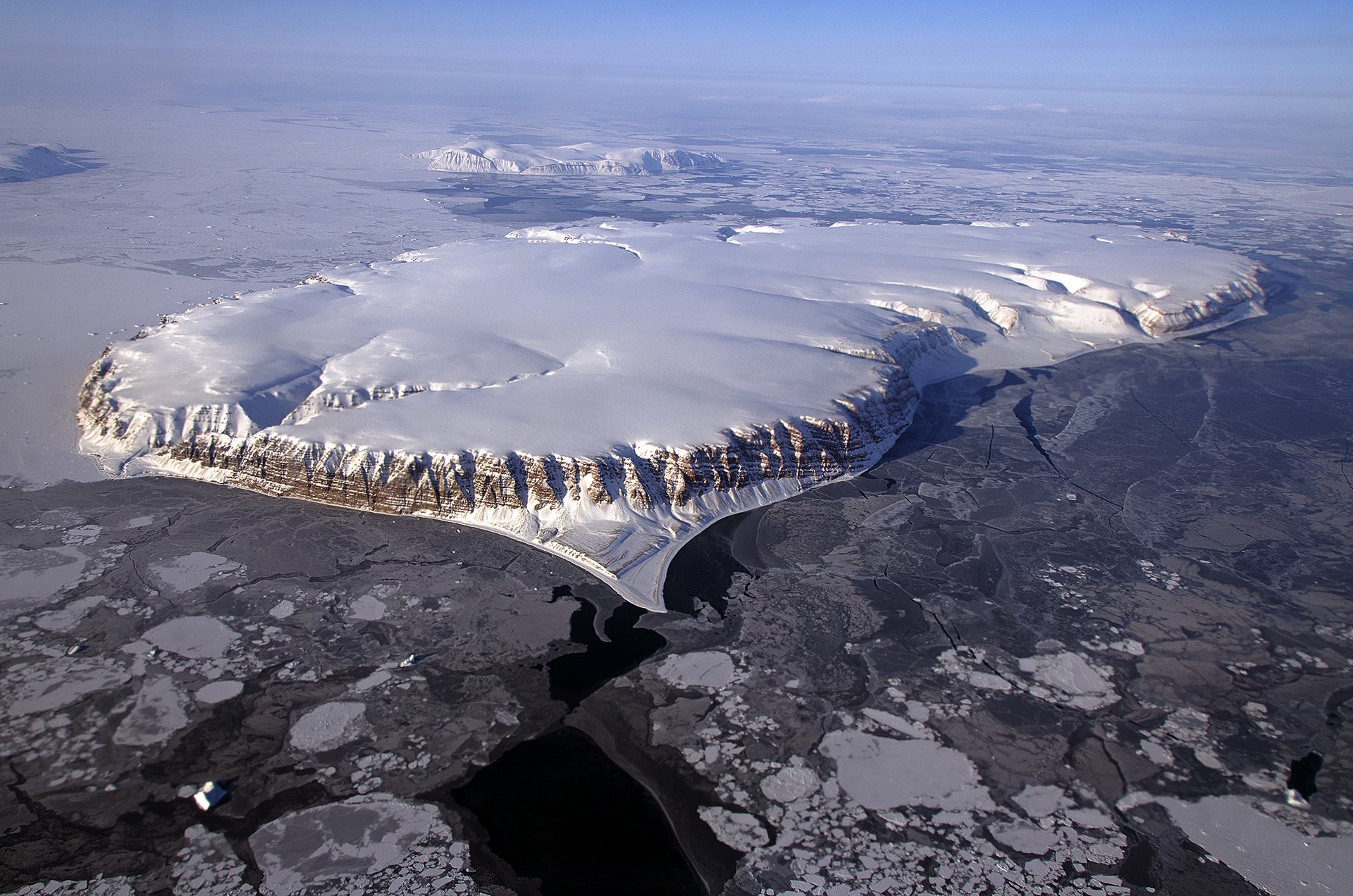
Active Polar
Since 1992, WWF's Global Arctic Programme has worked for a well-managed, biodiverse and resilient Arctic (WWF Arctic).
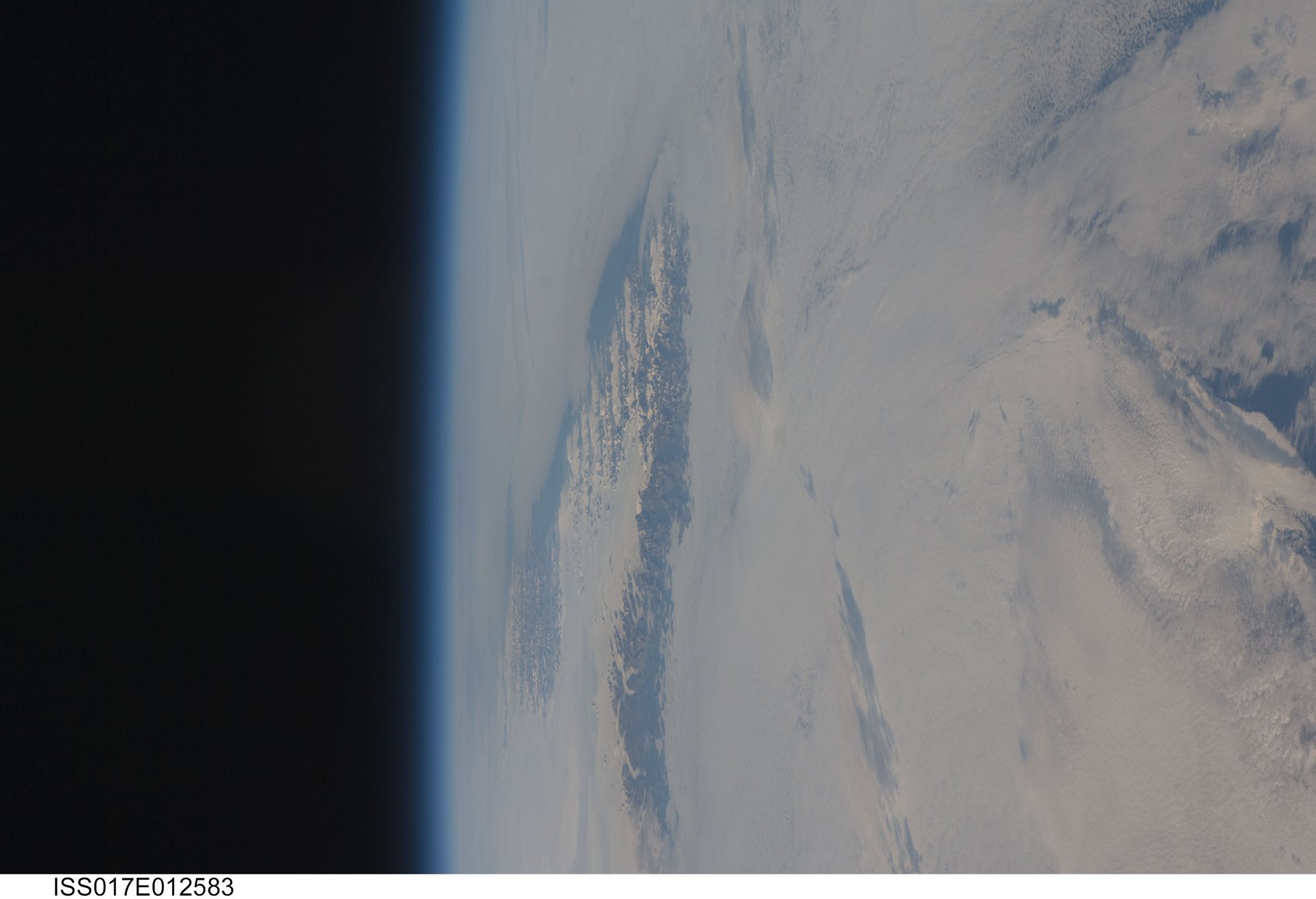
Active Polar
Founded in 1977, the Inuit Circumpolar Council brings Inuit rights and priorities to the international level (ICC).
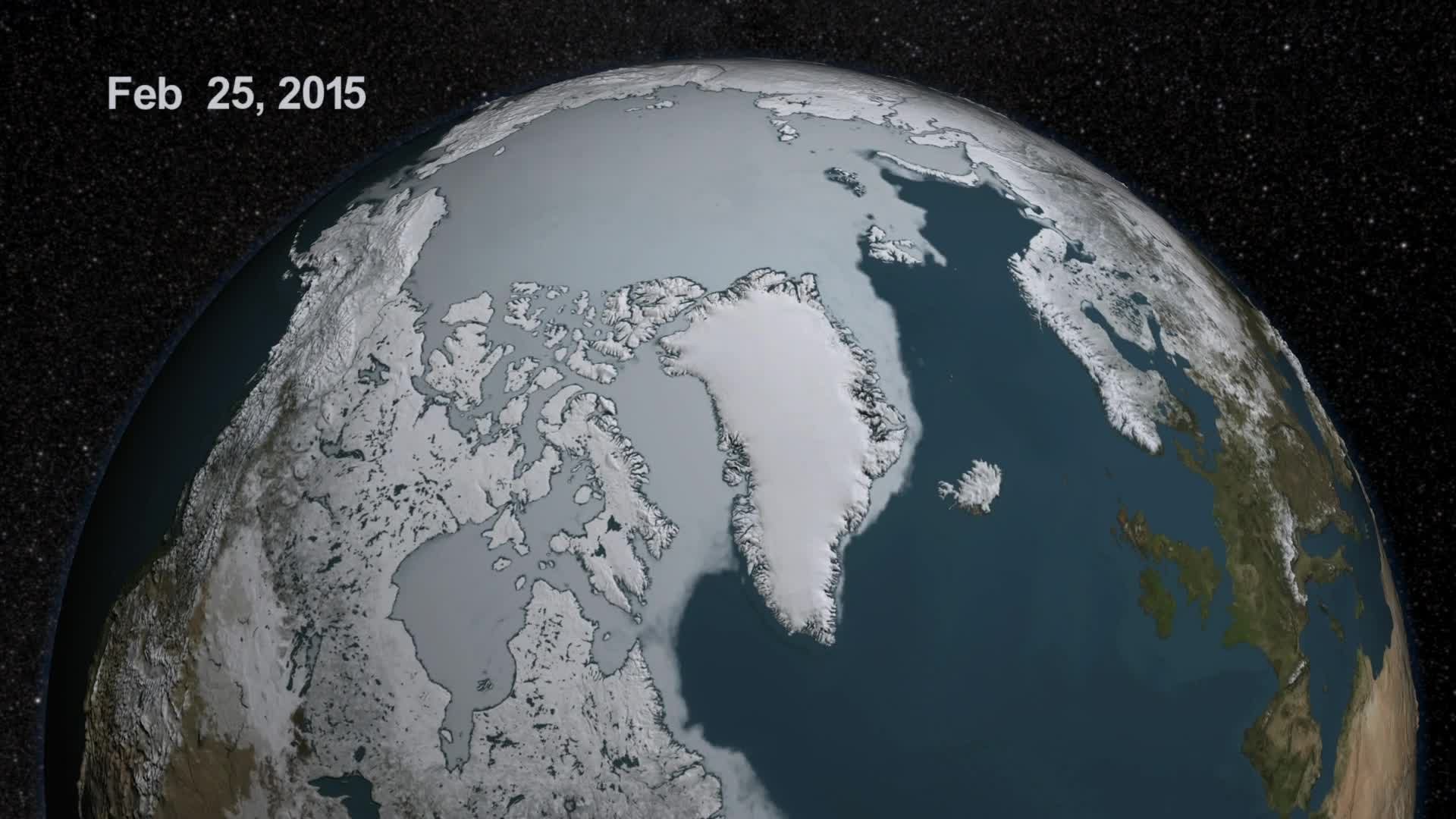
Active Polar
Arctic Basecamp is a registered not-for-profit that spotlights the global threats of polar climate change and communicates areas of action (Arctic Basecamp).
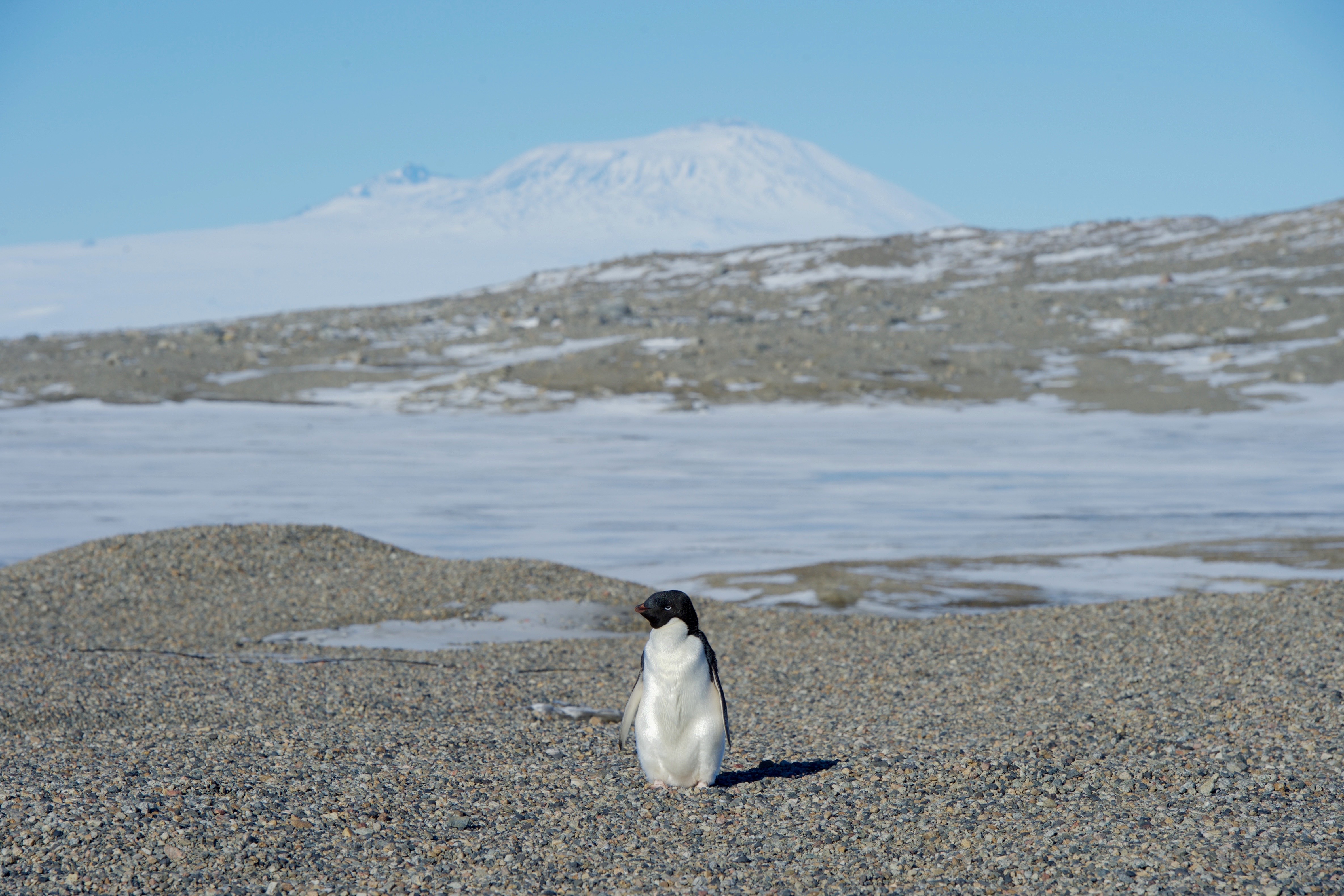
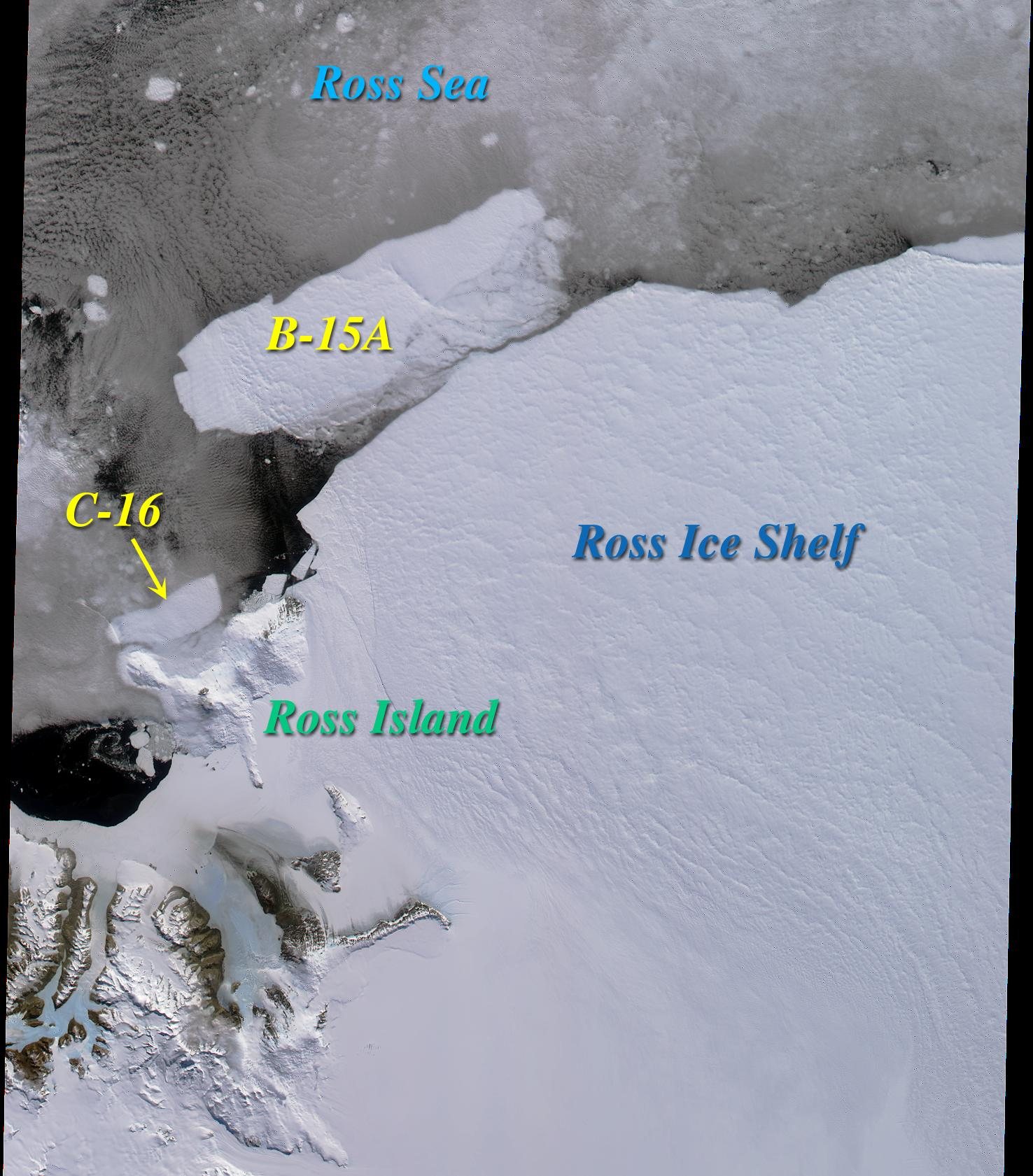
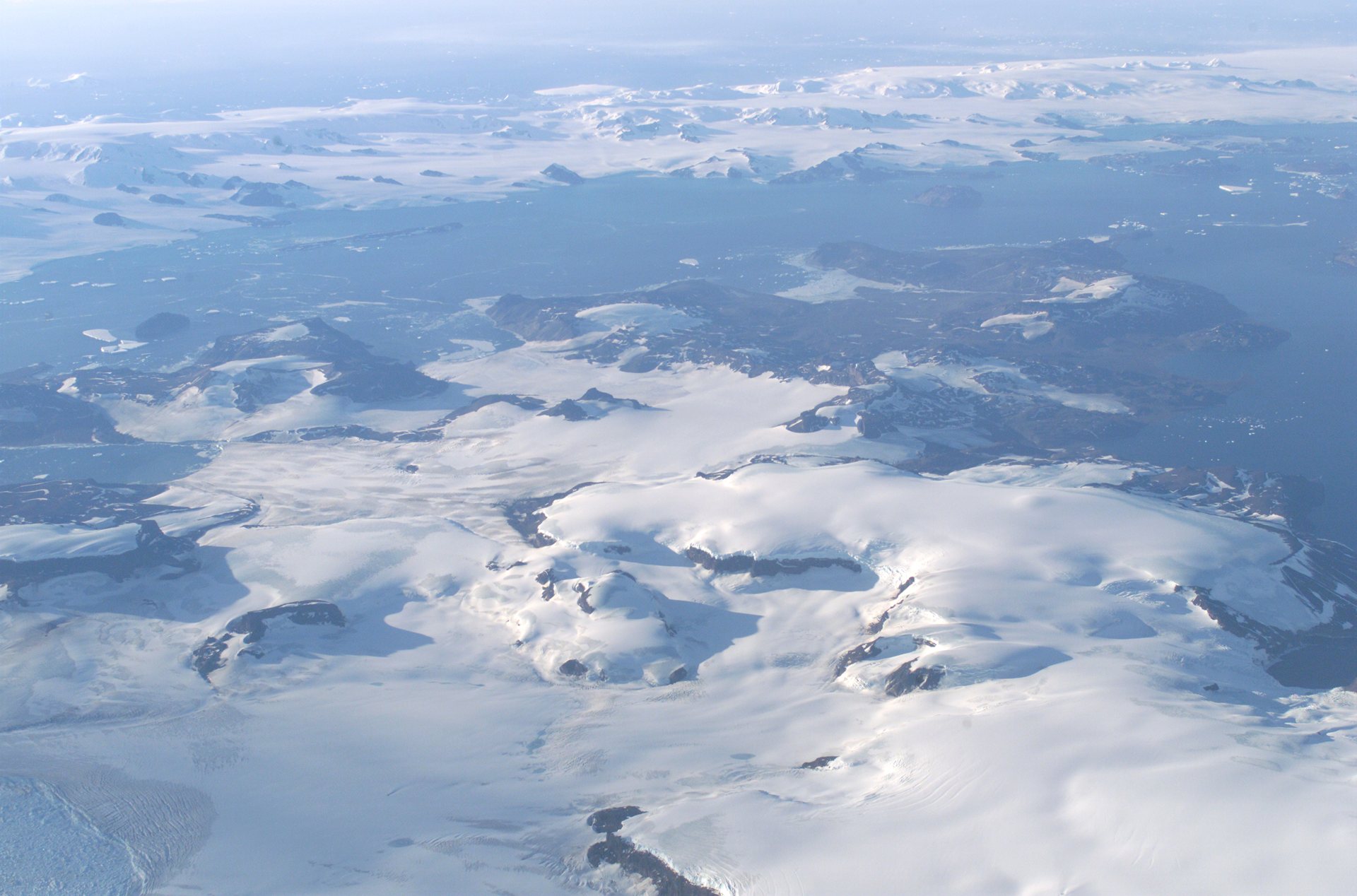
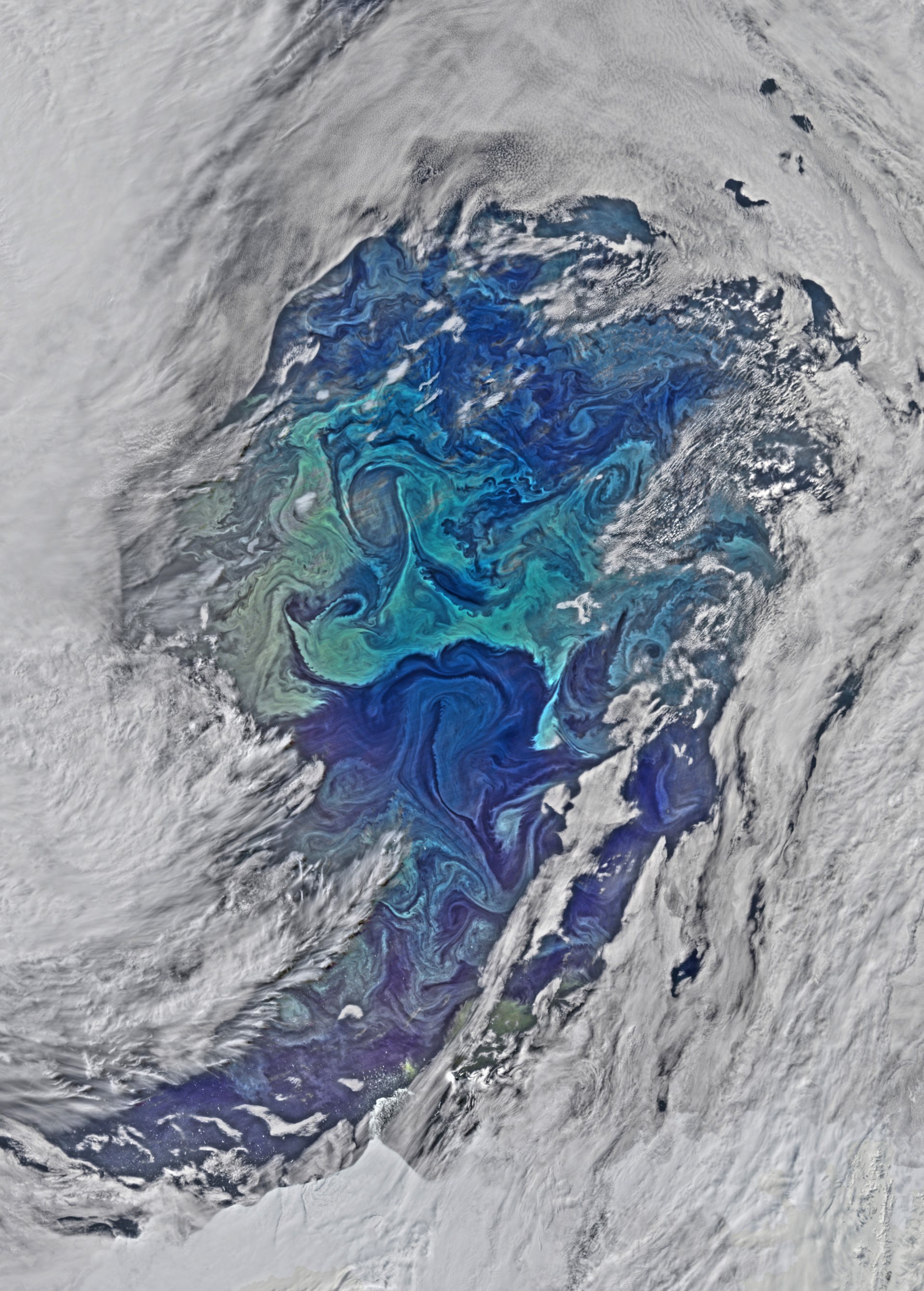
Antarctica, its ice and the Southern Ocean.
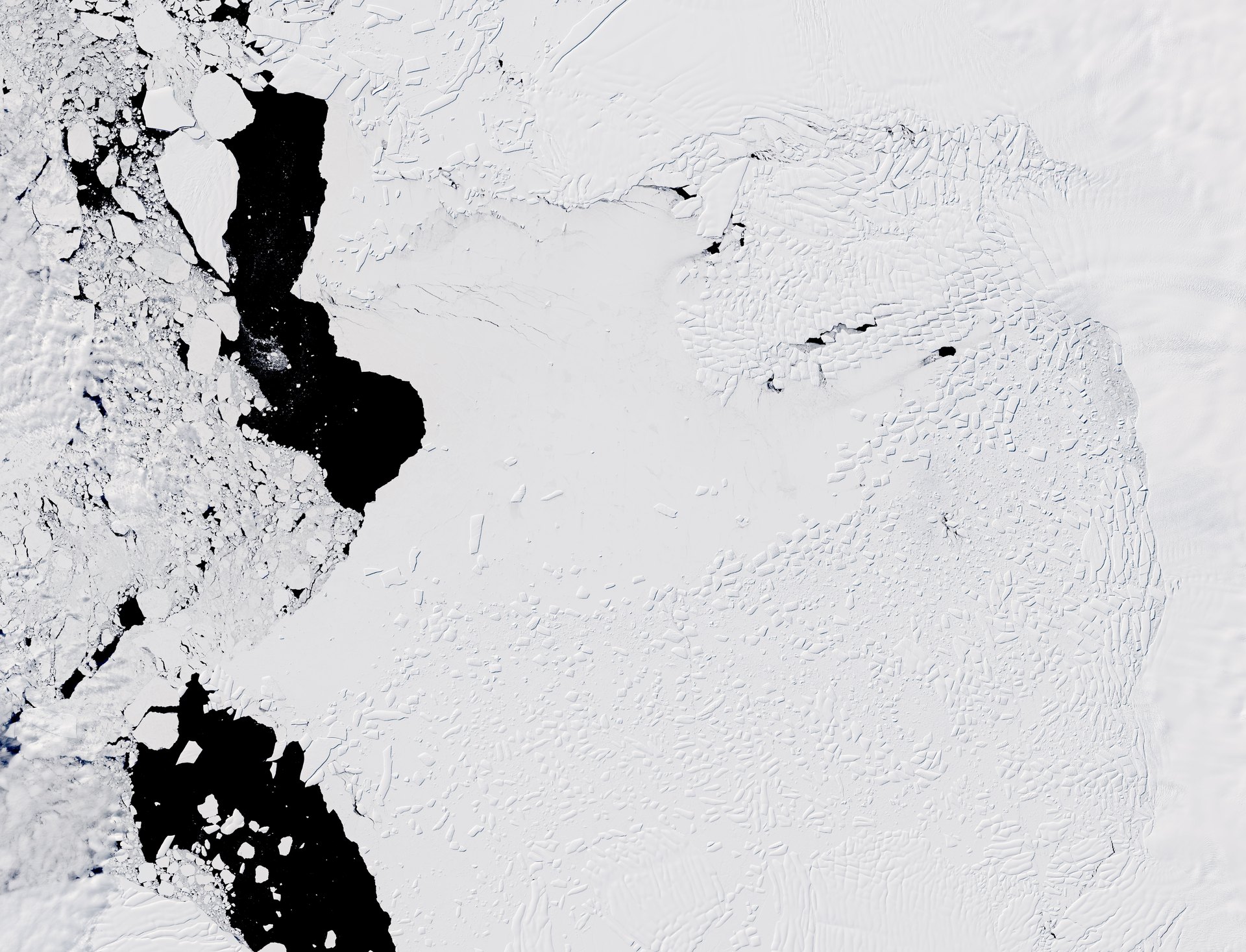
Active Polar
About 100 scientists from the UK, US, South Korea, Germany and Sweden are working out how fast Antarctica's Thwaites Glacier could raise sea levels (ITGC).
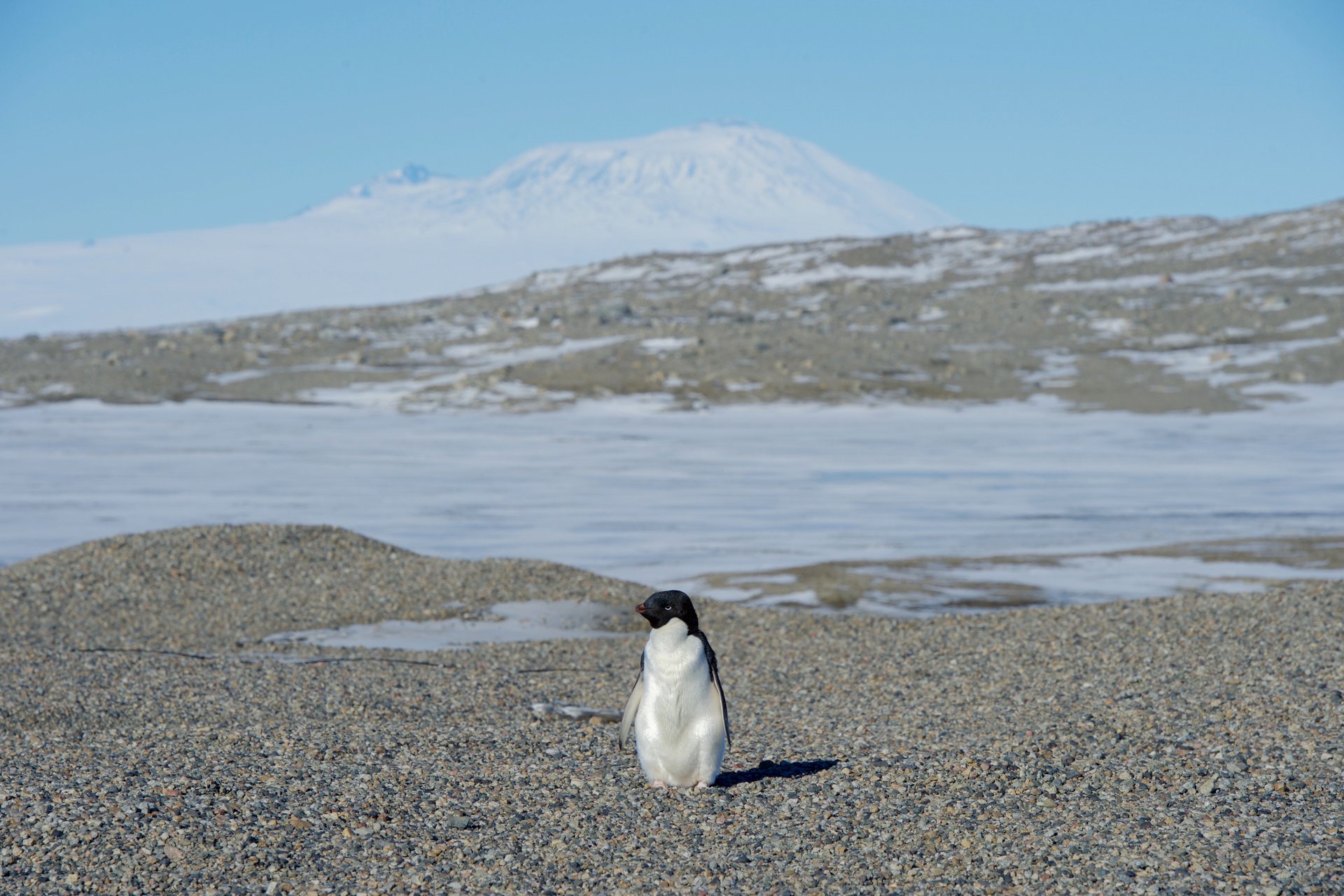
Active Polar
New Zealand and the United States won unanimous agreement to protect the Ross Sea, and the MPA entered into force on 1 December 2017 (NZ MFAT).
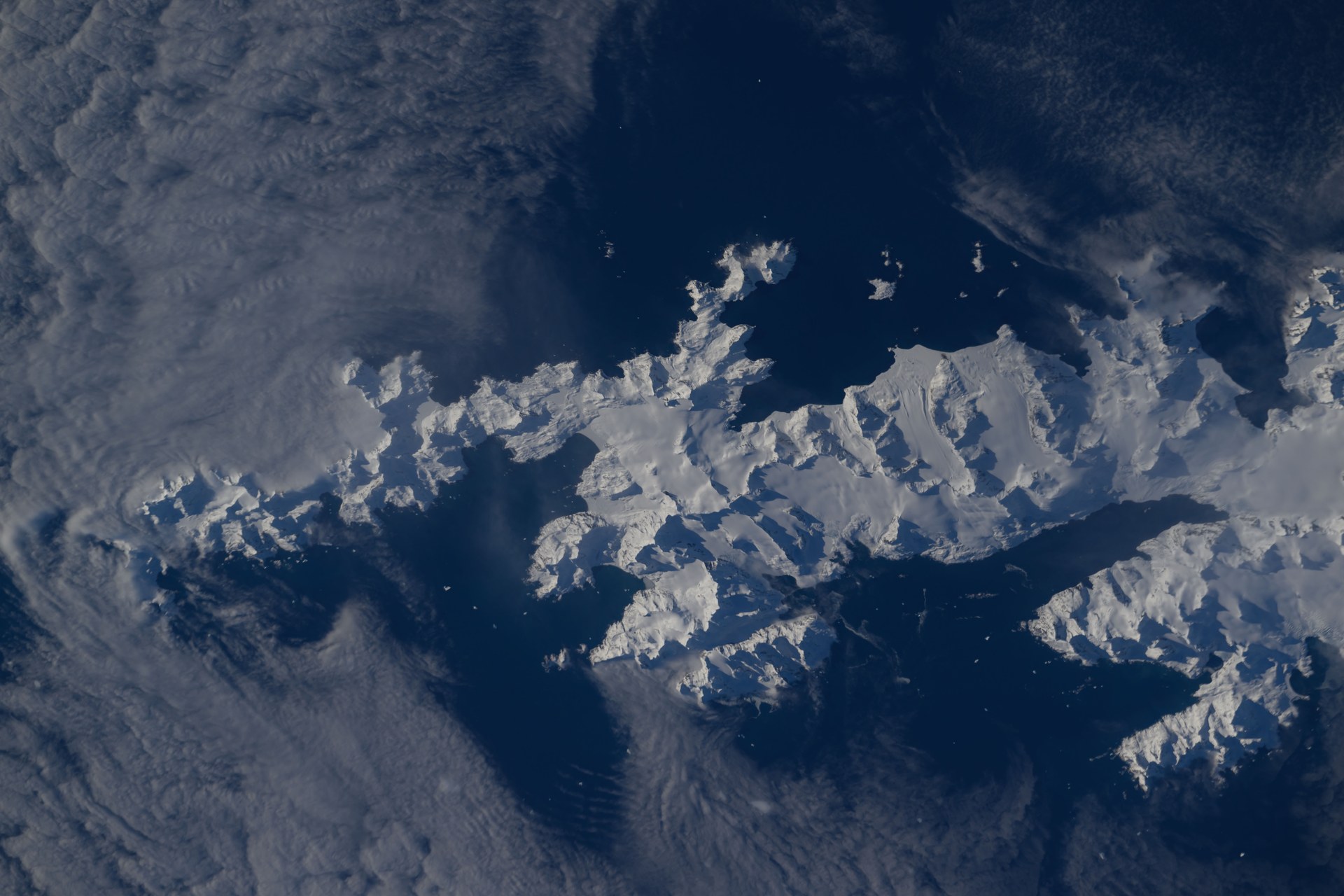
Active Polar
Two charities raised £10 million to clear rats and mice from South Georgia, and on 8 May 2018 the island was declared rodent-free (SGHT).
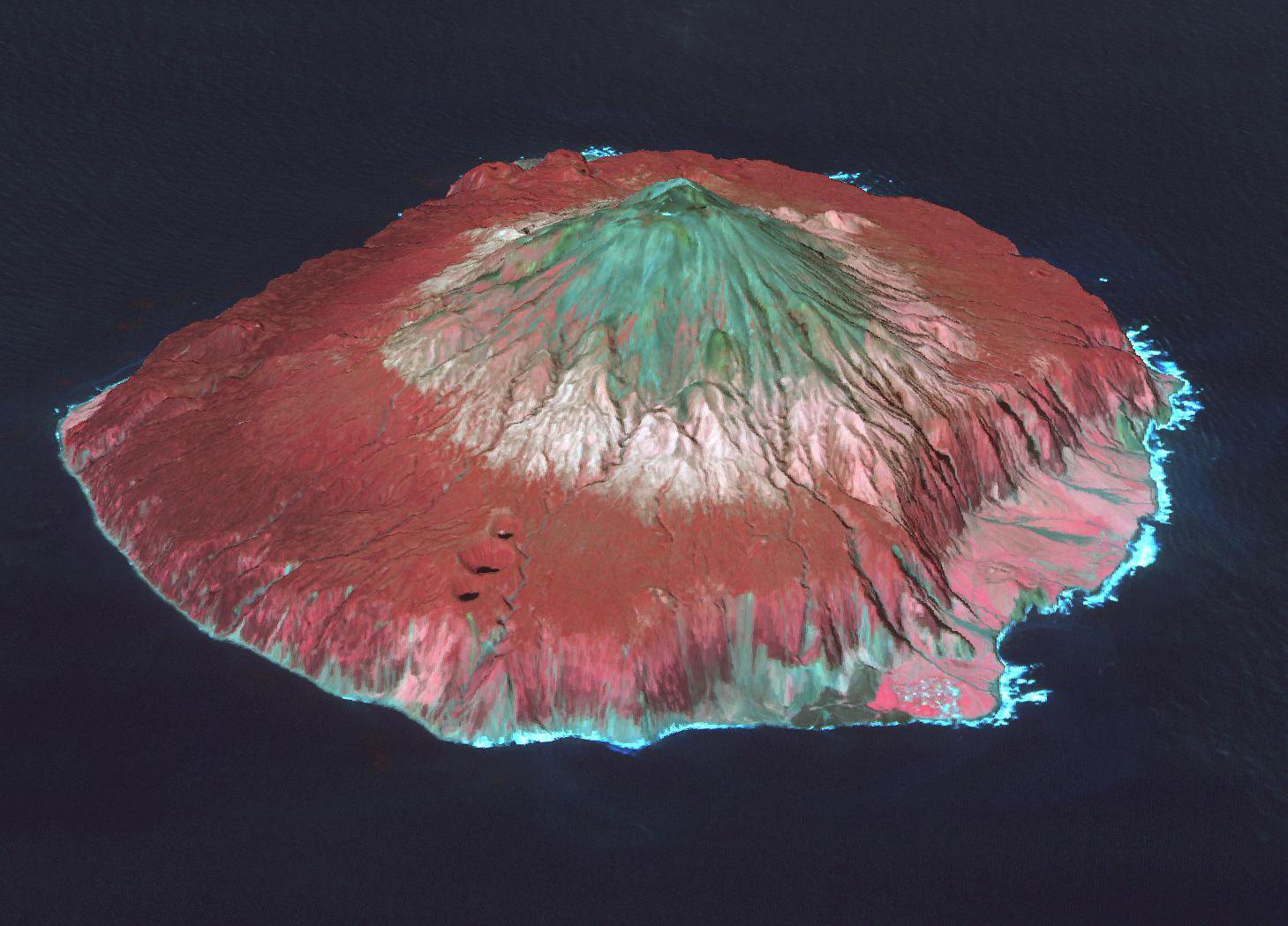
Active Polar
The RSPB-led Gough Island Restoration Programme tried in 2021 to remove the invasive mice that prey on seabirds; mice were found again, so the eradication did not fully succeed (RSPB).
Active Polar
On Penguin Watch, anyone online counts penguin adults, chicks and eggs in camera photos to help scientists understand their lives and environment (Zooniverse).
Active Polar
For more than 30 years, Oceanites has tracked penguin populations on the rapidly warming Antarctic Peninsula and shares the data openly (Oceanites).
Active Polar
SOCCOM is a multi-institutional program focused on the Southern Ocean and its influence on climate, using floats and models (SOCCOM).
Active Polar
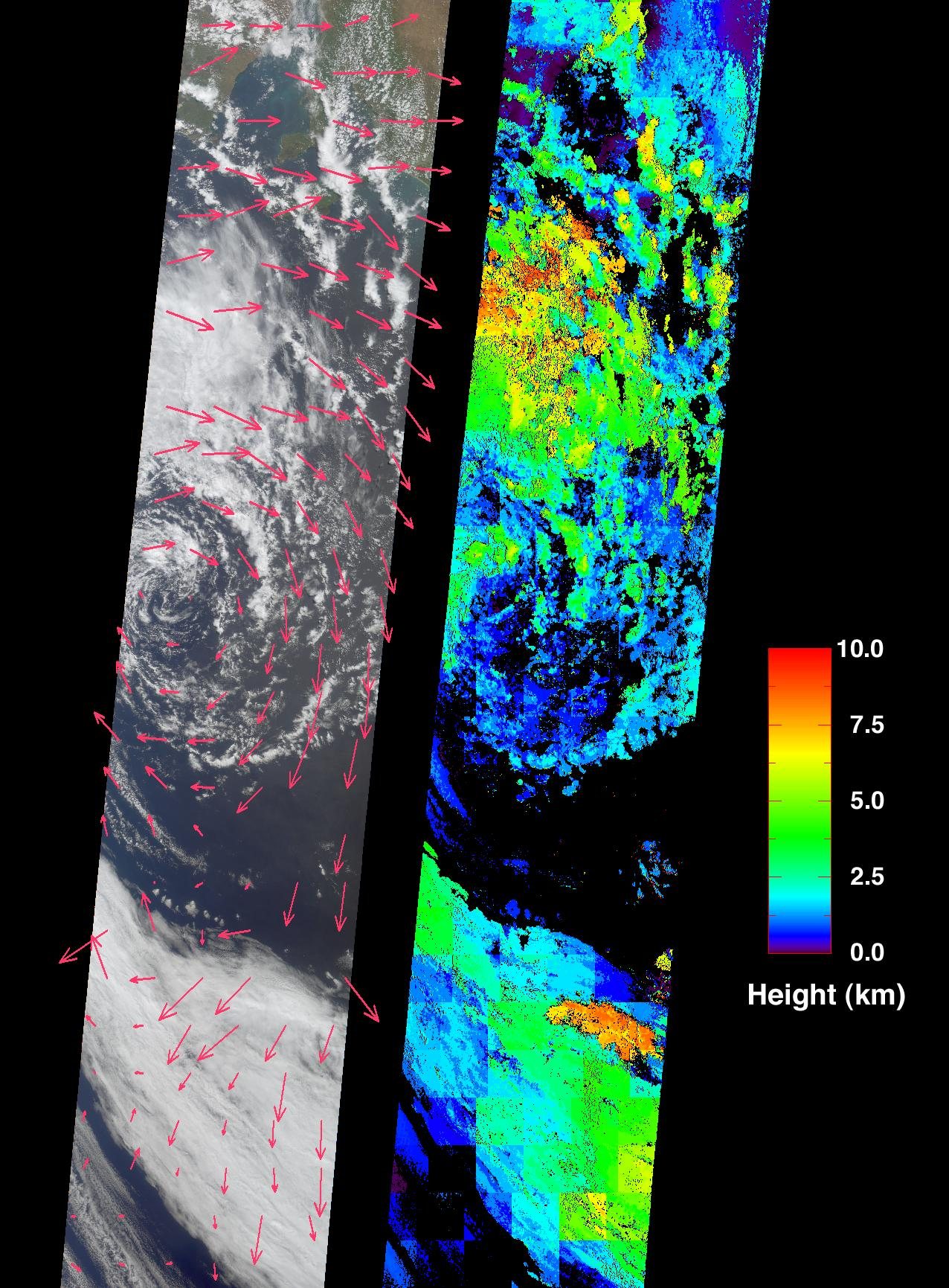
SOOS facilitates and enhances global Southern Ocean observations by coordinating fieldwork and sharing data (SOOS).
Active Polar
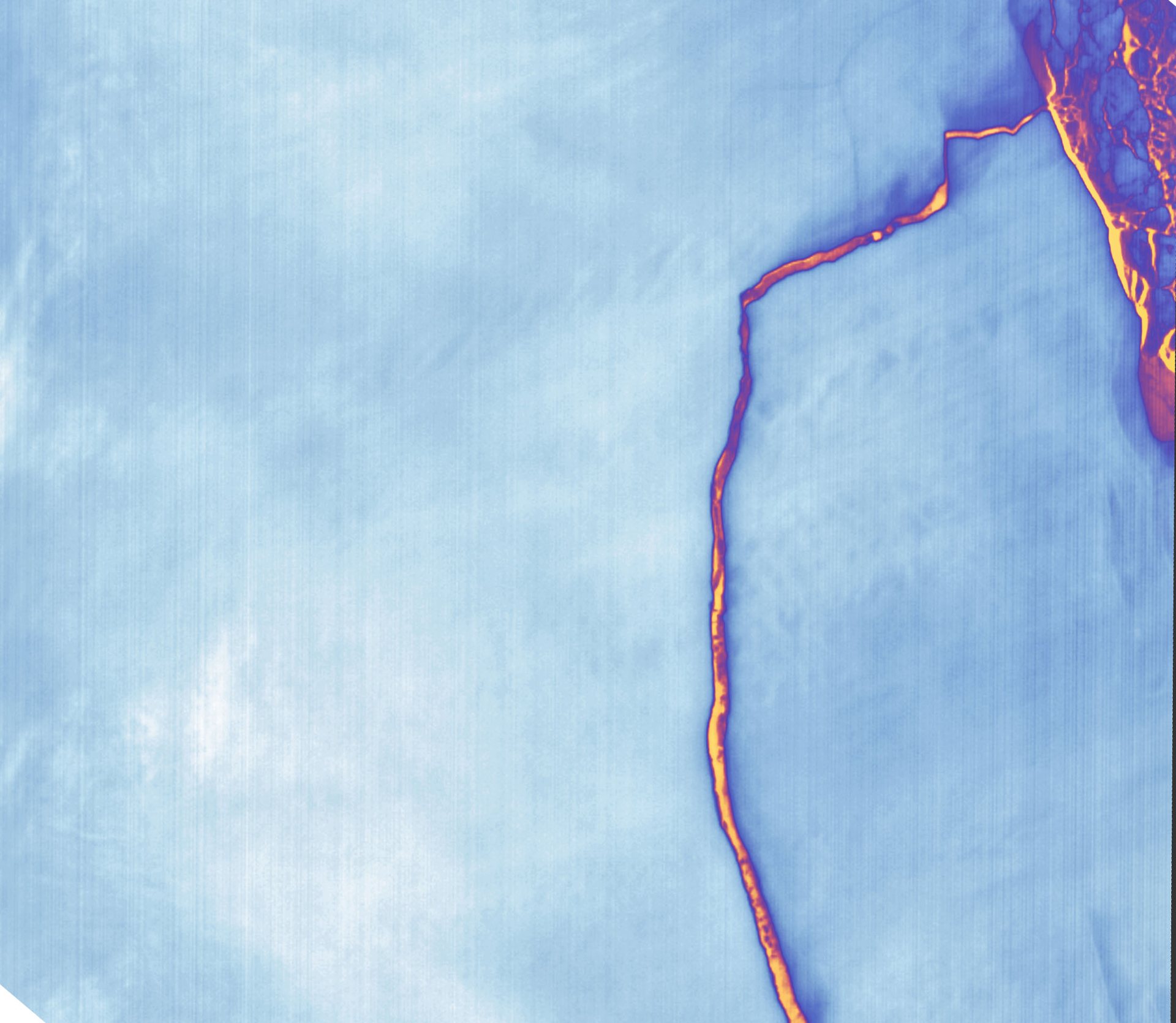
The European project Beyond EPICA – Oldest Ice drills Antarctic ice to read climate and environmental history (Beyond EPICA).
Active Polar
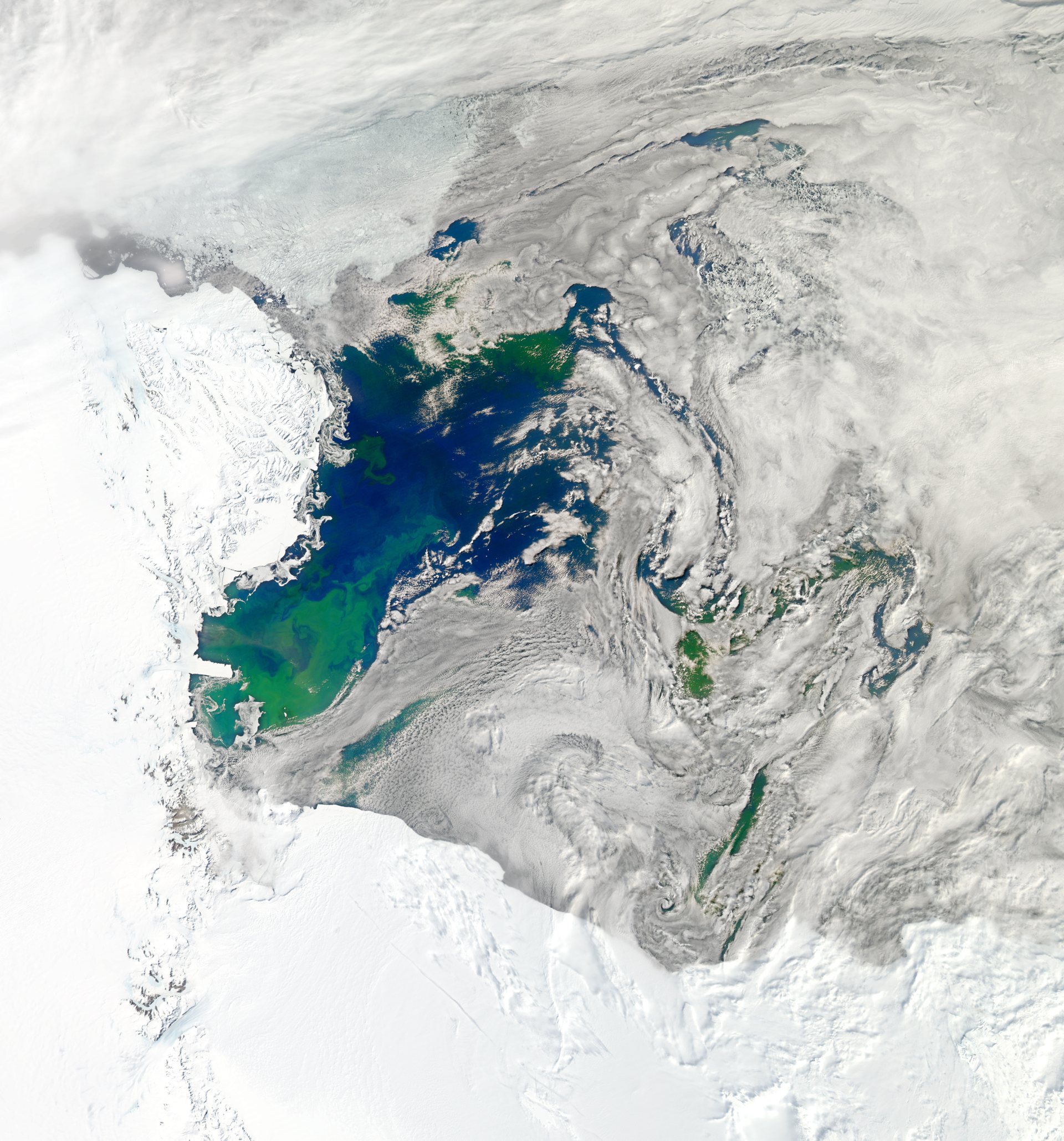
ASOC, a coalition of conservation groups, has advocated for stronger protection of Antarctica and the Southern Ocean since 1978 (ASOC).
Active Polar
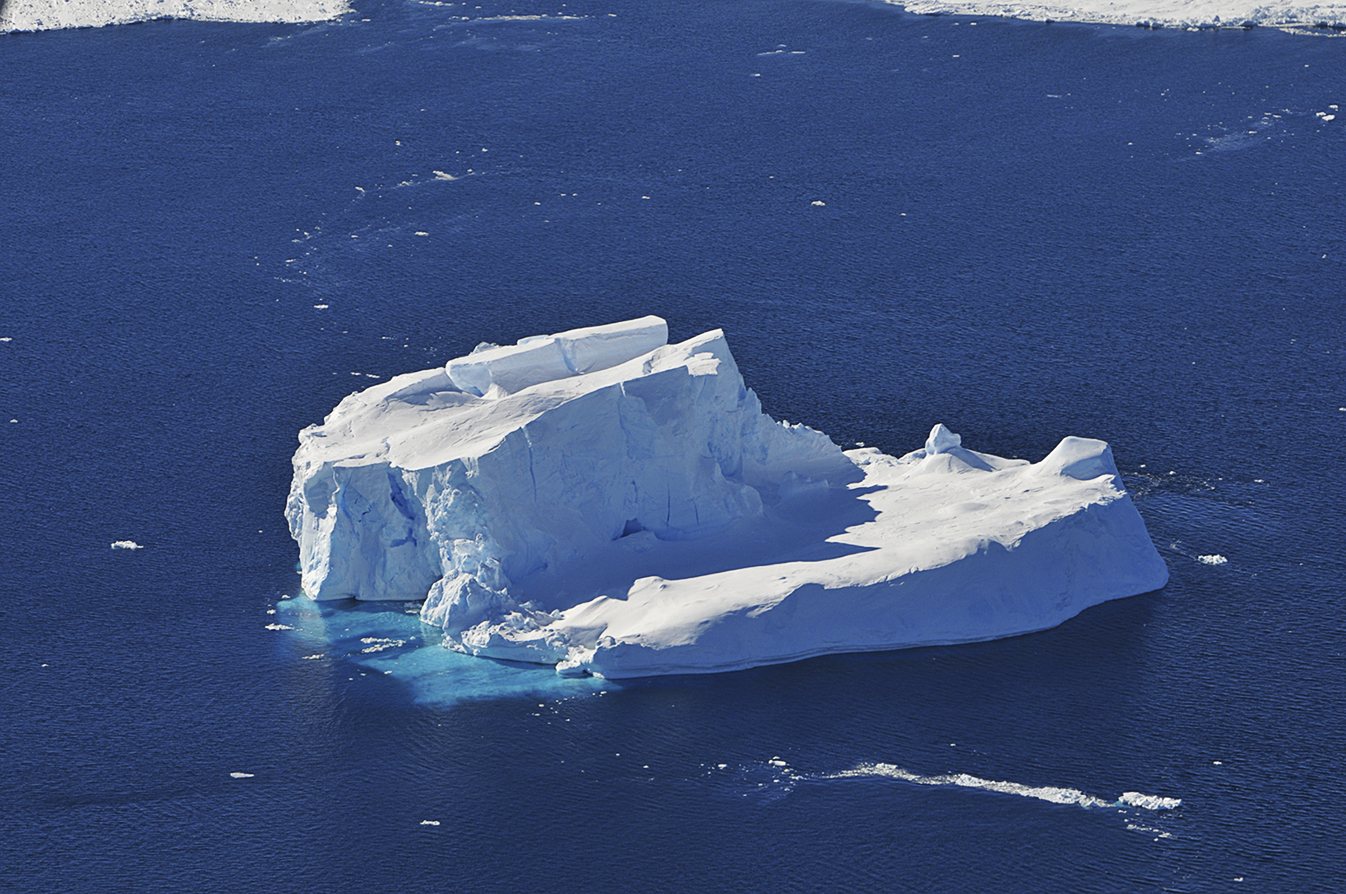
CCAMLR manages Antarctic marine life with an ecosystem-based approach, allowing only sustainable harvesting that accounts for effects on the ecosystem (CCAMLR).
Active Polar
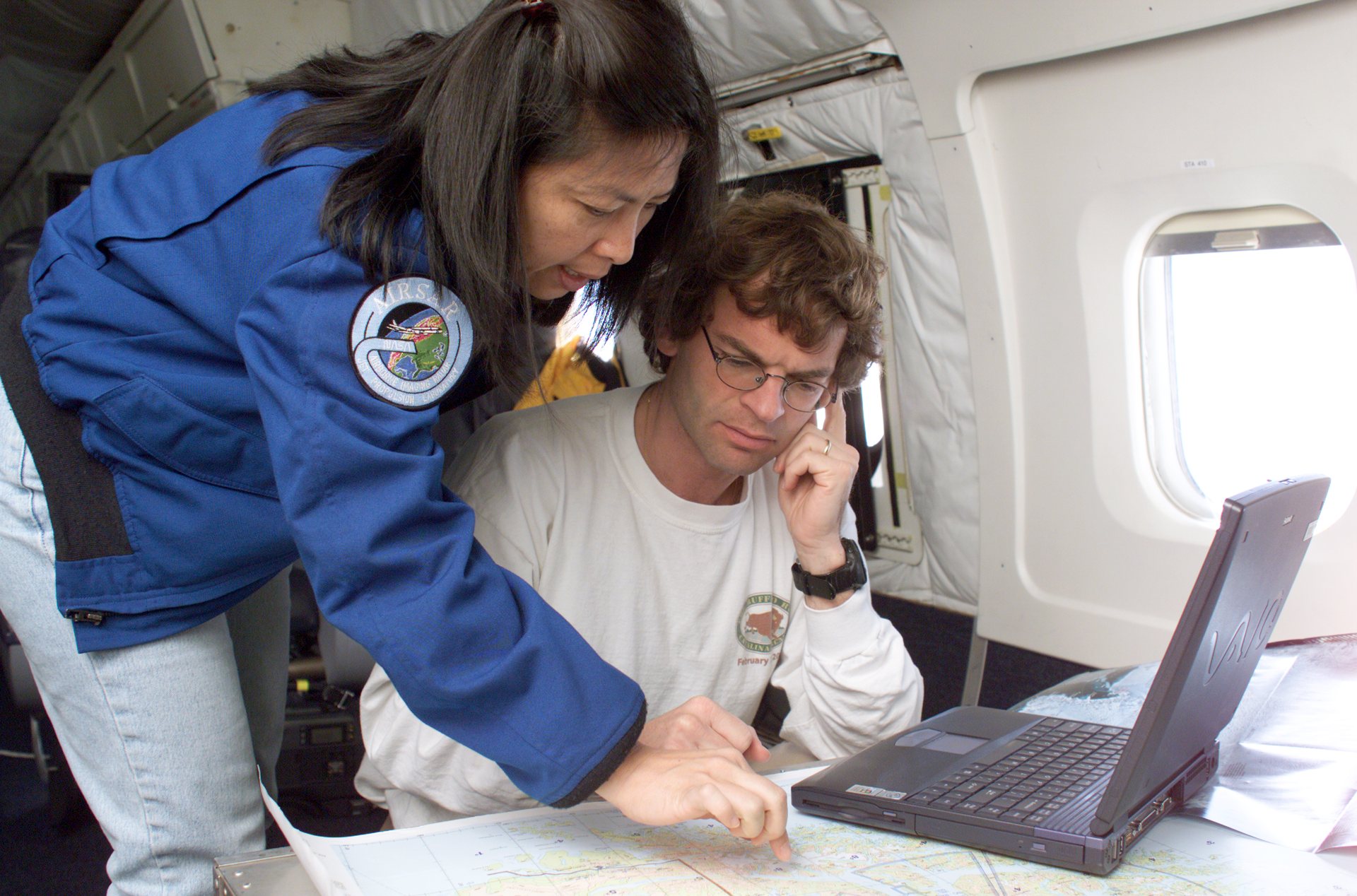
SCAR initiates, develops and coordinates international scientific research in the Antarctic region, including the Southern Ocean (SCAR).
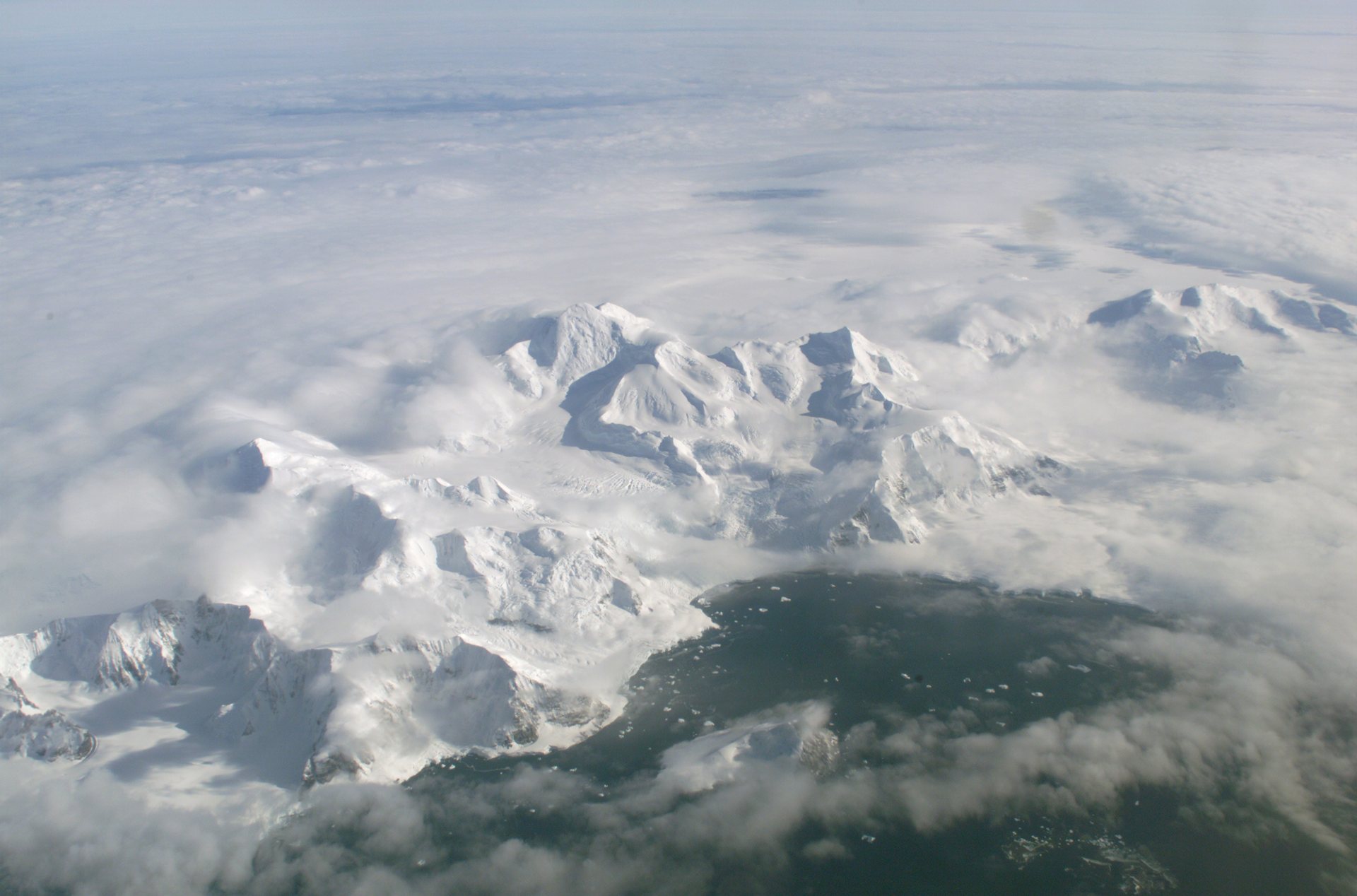
Active Polar
IAATO, founded in 1991, promotes safe and environmentally responsible private-sector travel to the Antarctic (IAATO).
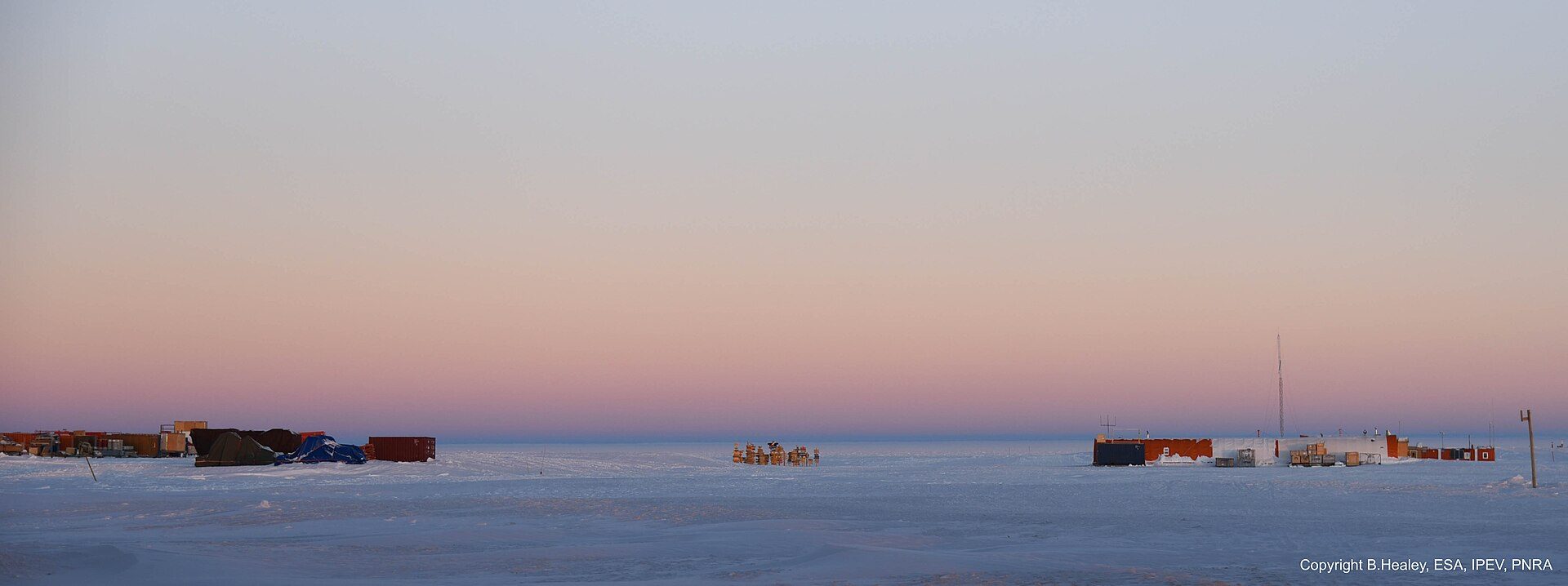
Active Polar
On 14 January 2026, the Ice Memory Sanctuary opened at Concordia Station: a 35-meter cave in the Antarctic ice, about −52 °C, with no mechanical refrigeration.
Satellites that watch the ice at both ends of the Earth.
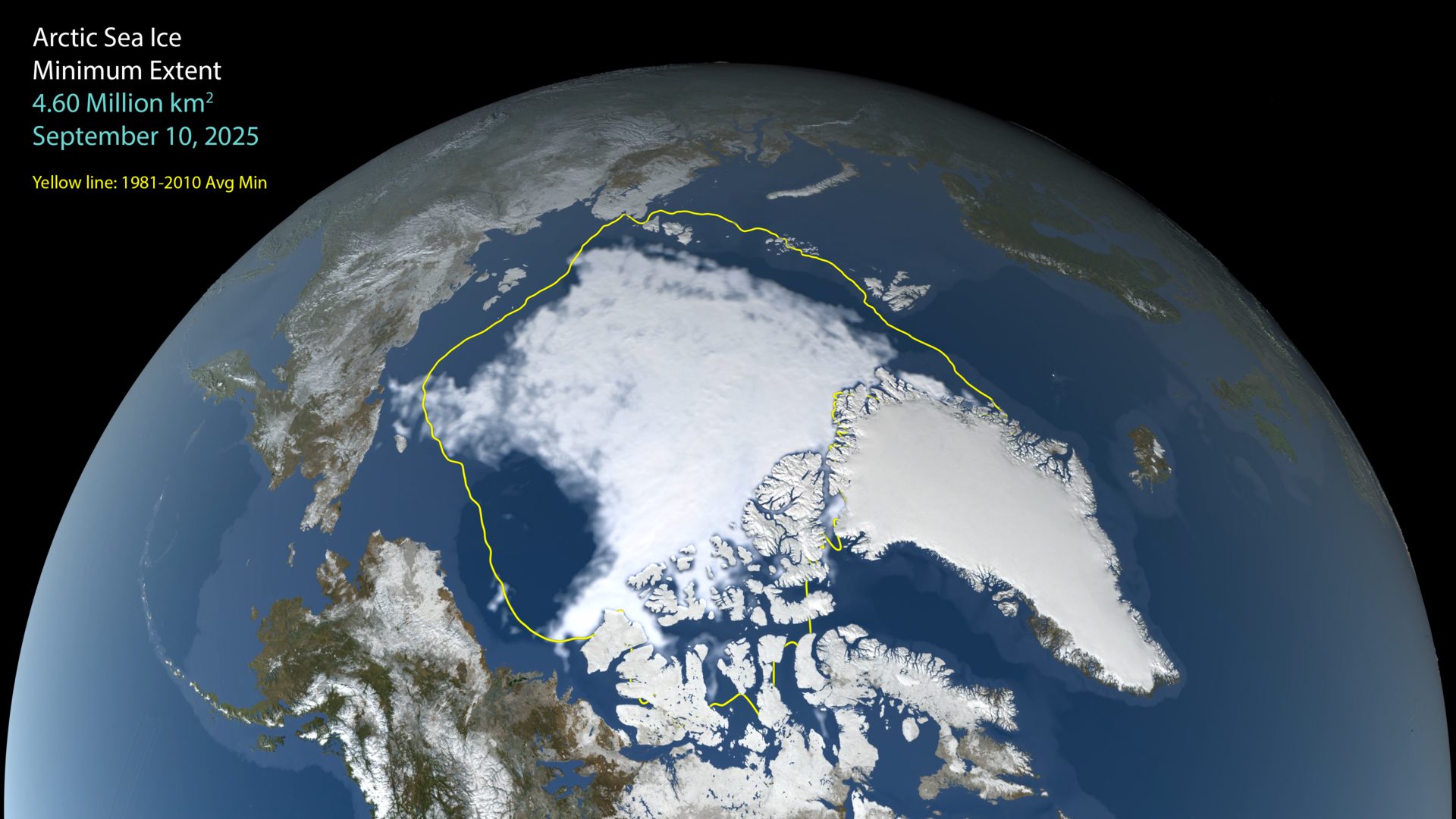
Active✨ New solution Polar
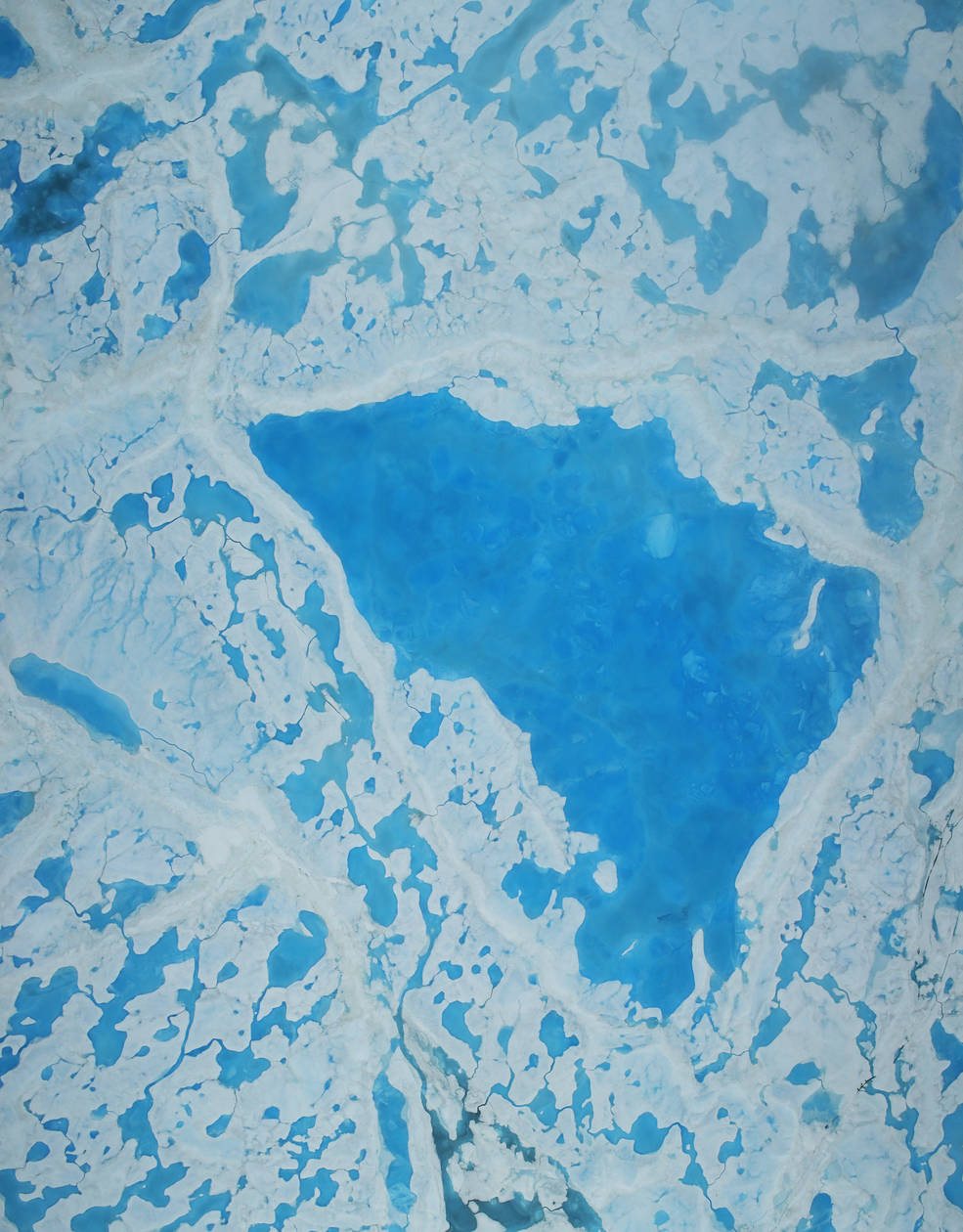
Arctic sea ice reached its 2026 minimum of 4.60 million km² on Sept 12. The last 20 years are the 20 lowest in the satellite record.
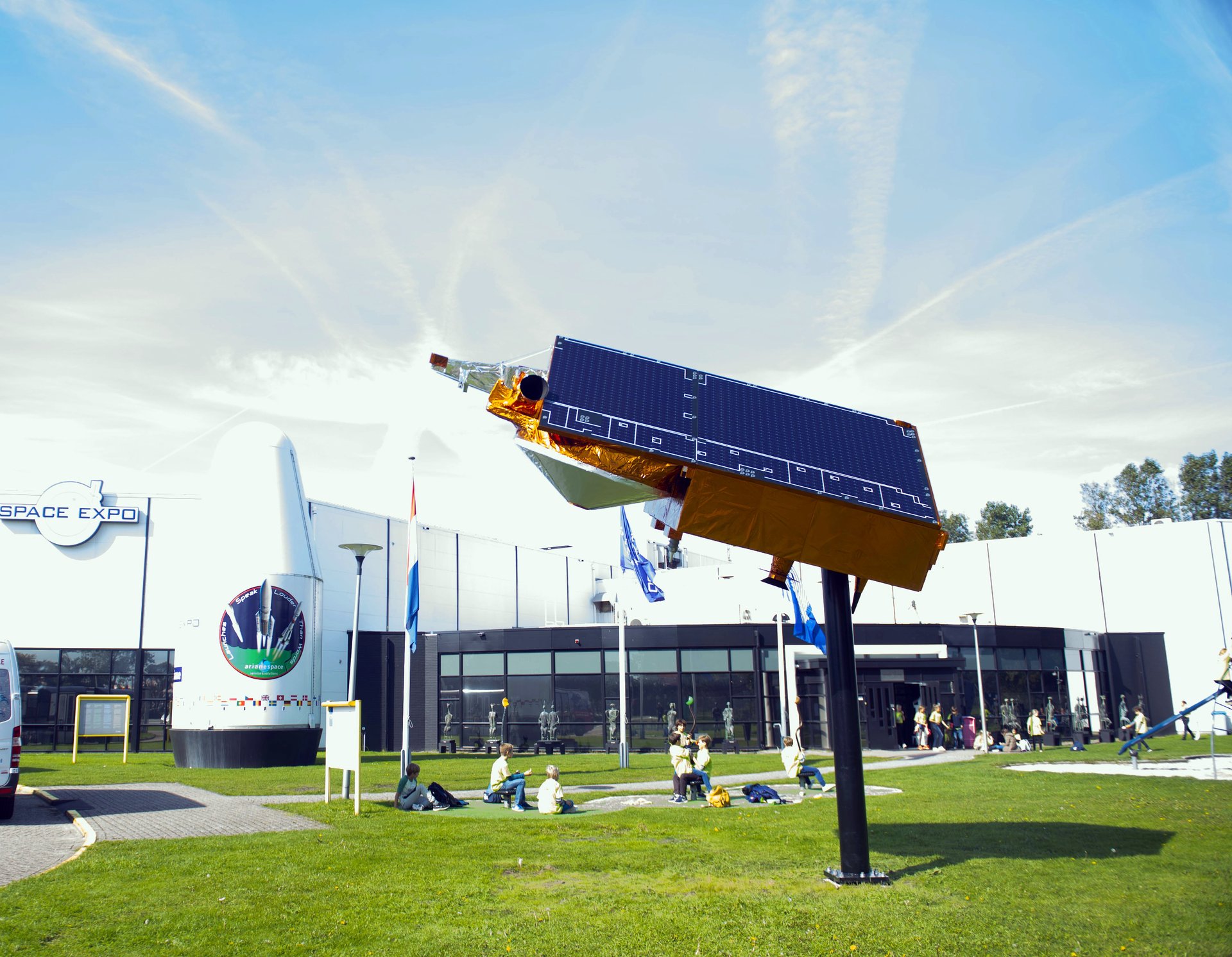
Image: ESA–S. Wandzilak
Active Polar
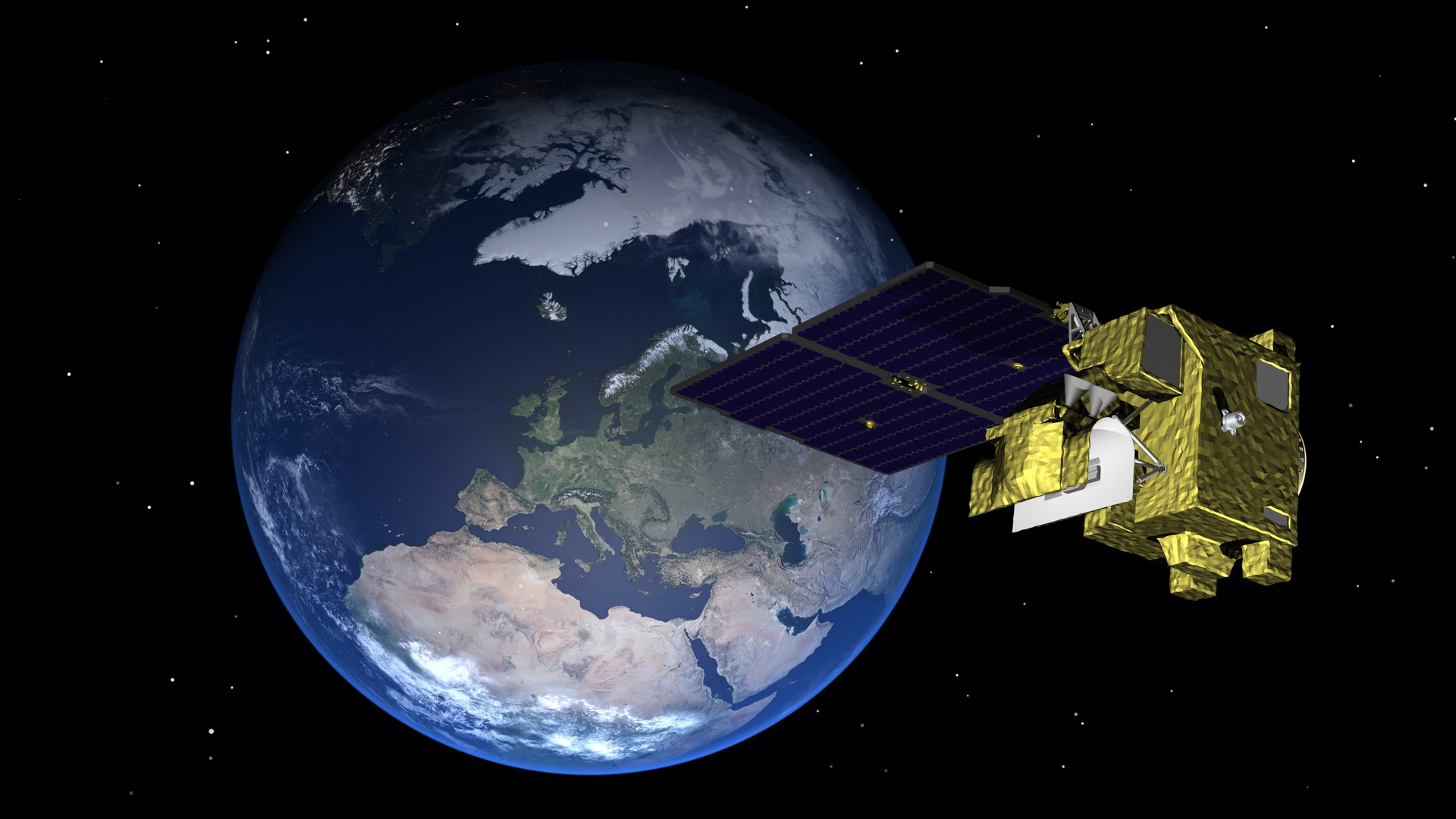
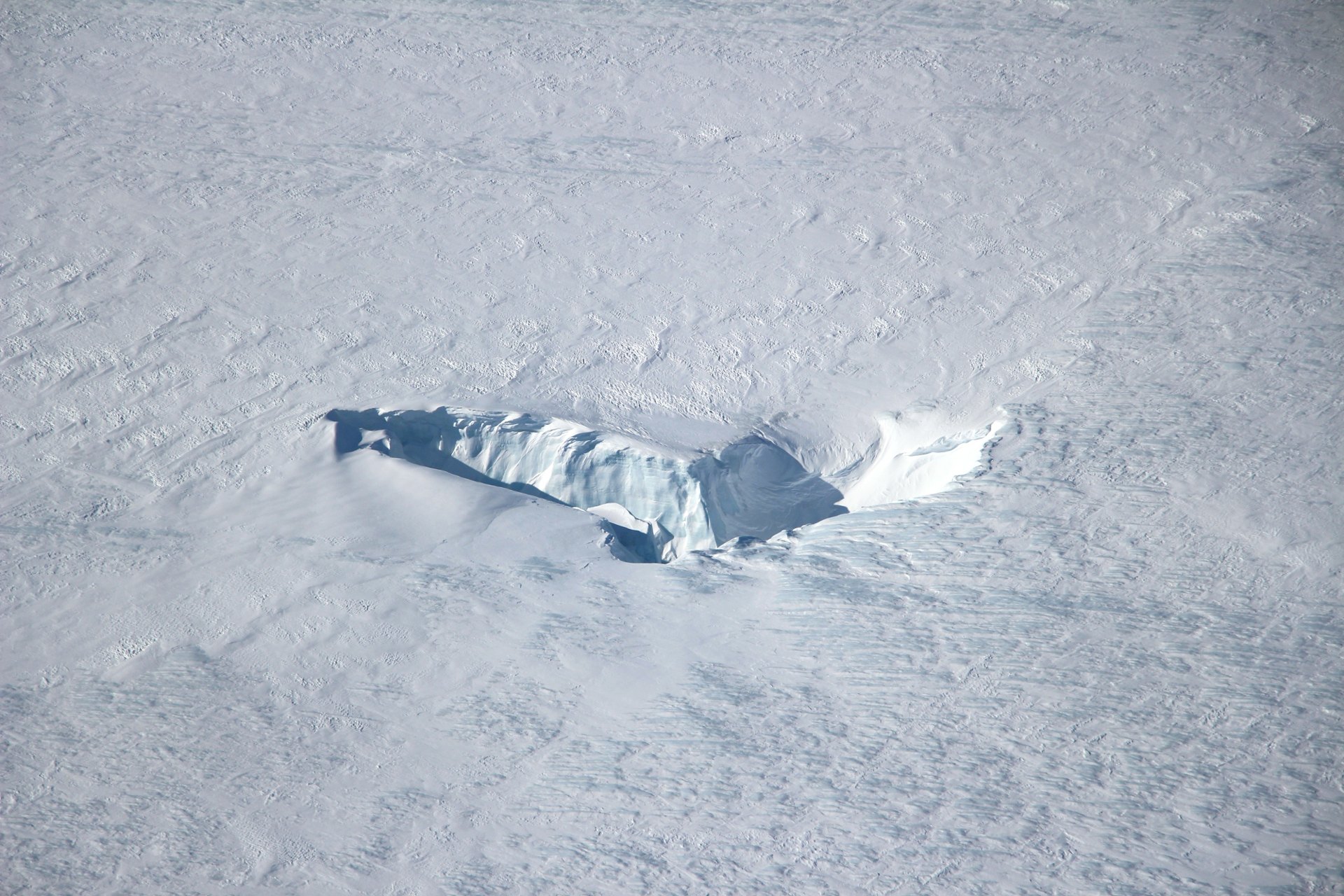
CryoSat measures polar sea ice and the great ice sheets from space, and its data revealed 85 hidden lakes under Antarctica (ESA).
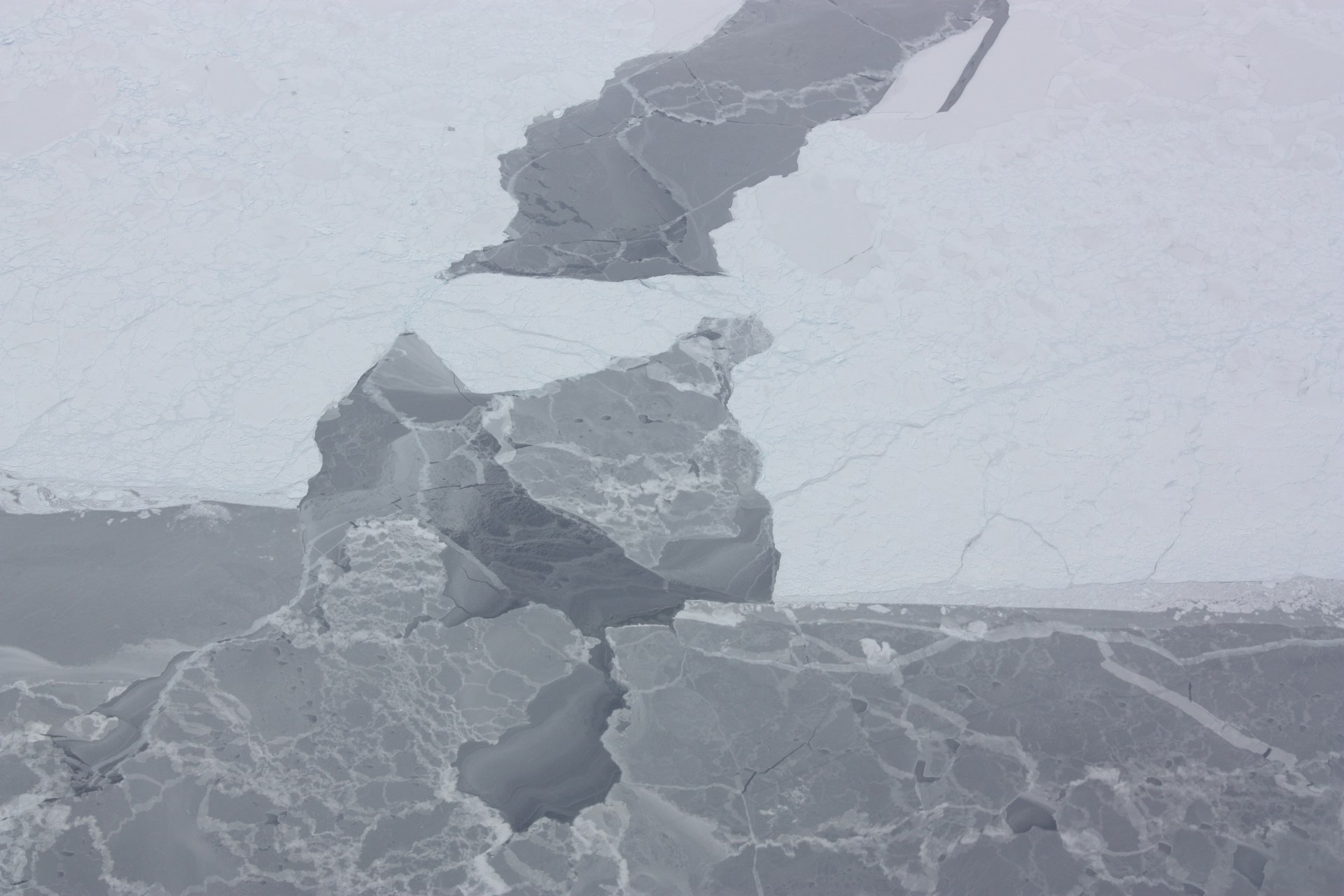
Image: NASA/George Hale
Active Polar
CRISTAL will carry the first dual-frequency radar altimeter to measure polar sea-ice thickness and the snow on top, following ESA's CryoSat (ESA).
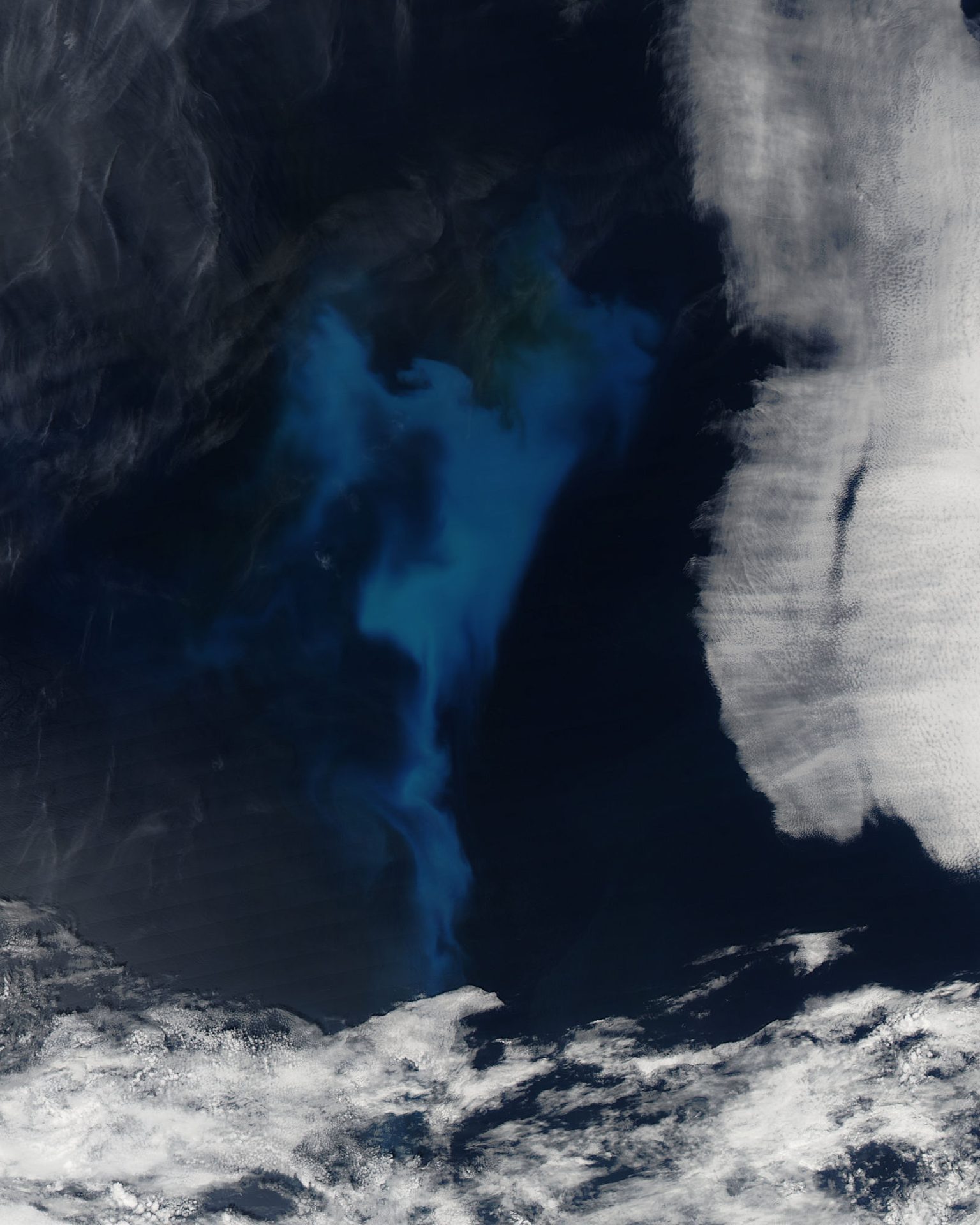
Active Polar
Two Copernicus satellites will measure sea ice, sea-surface temperature and salinity over 95% of the globe every day, with sub-daily polar views (ESA).
Active Polar
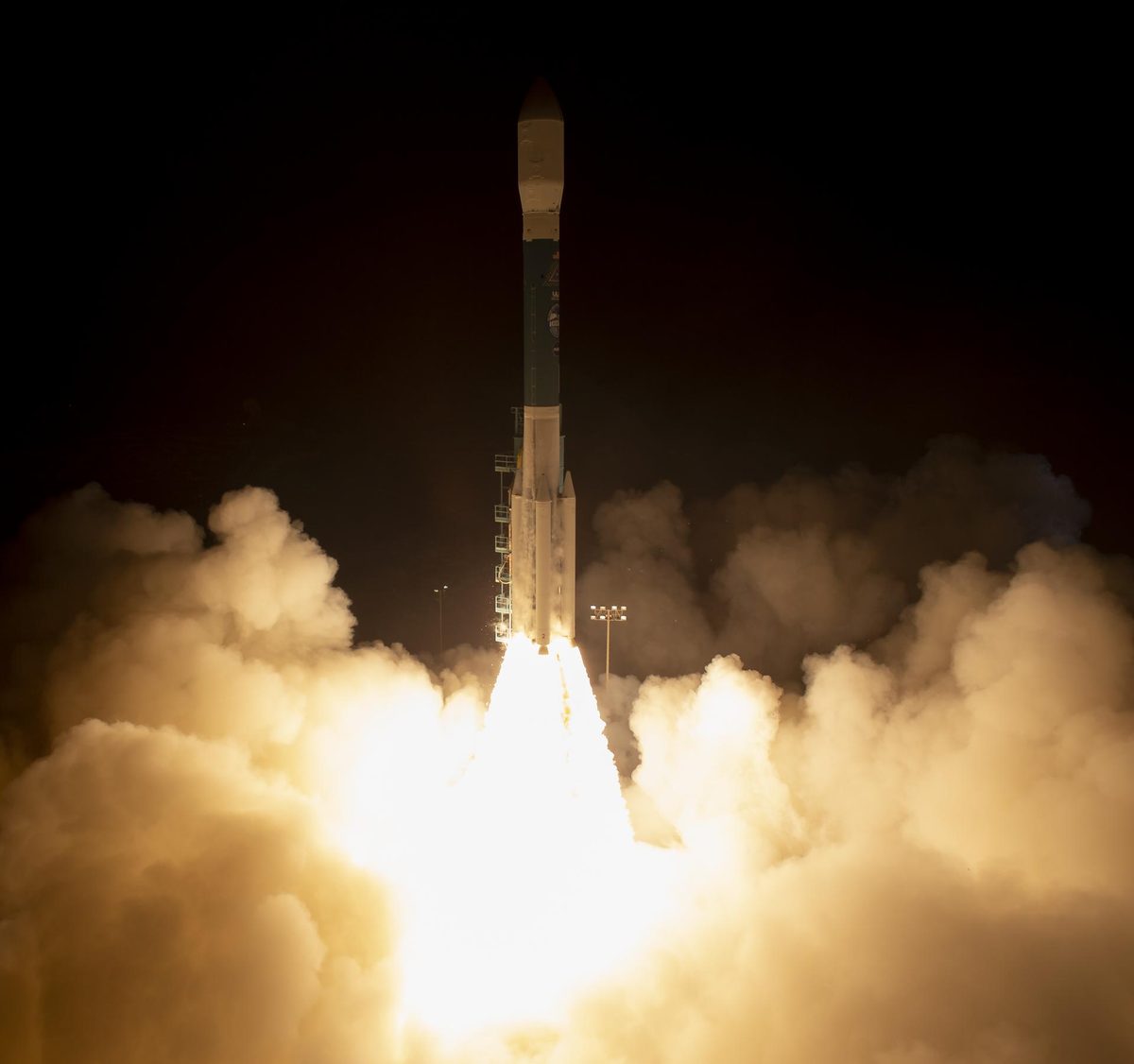
NASA's ICESat-2 laser fires 10,000 pulses a second to measure ice sheets, sea ice, forests and coastal seafloor in 3D.
Active Polar
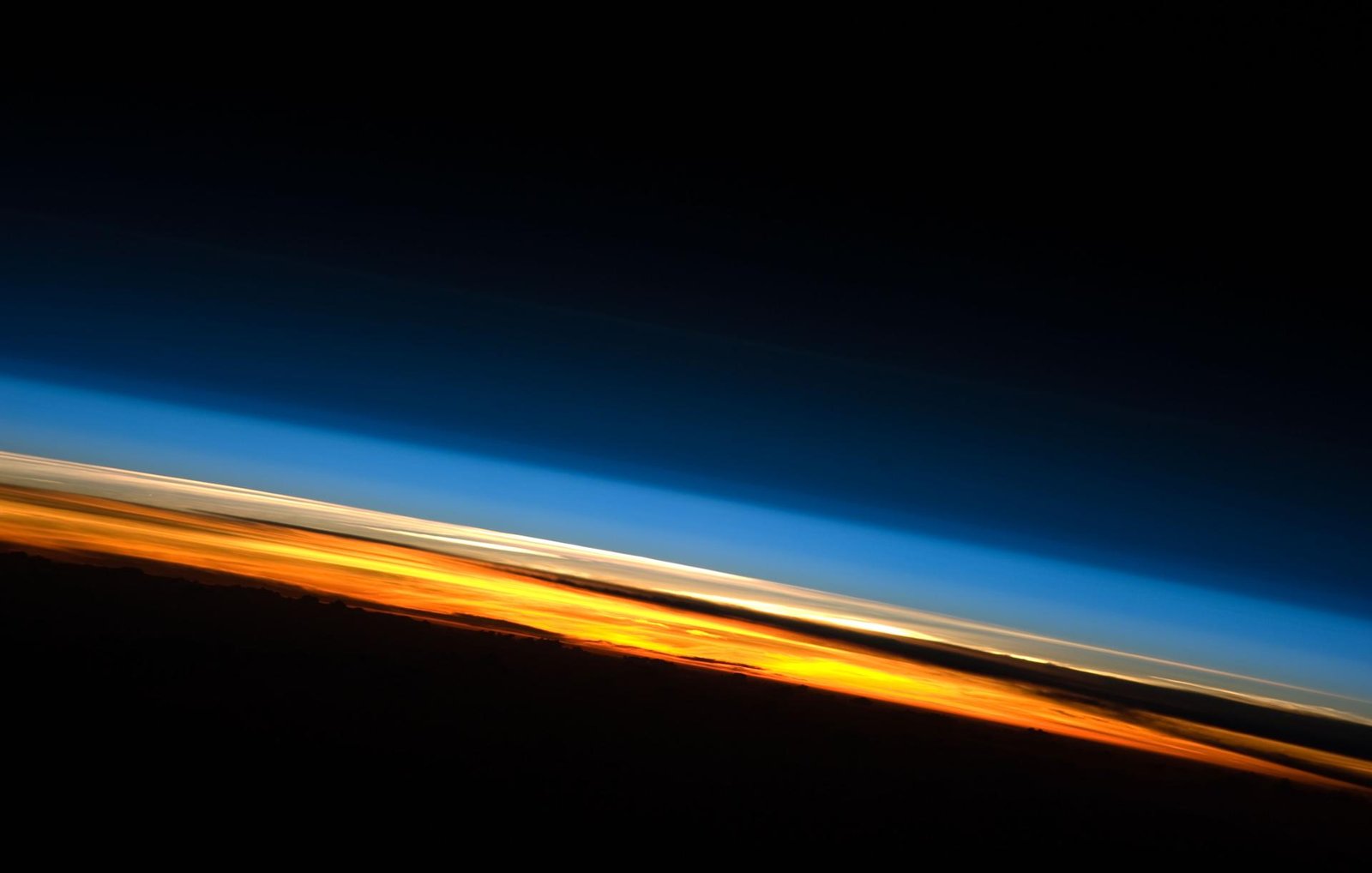
Two tiny CubeSats measuring how much heat the Arctic and Antarctica release to space; extended through at least September 2026 (NASA JPL).
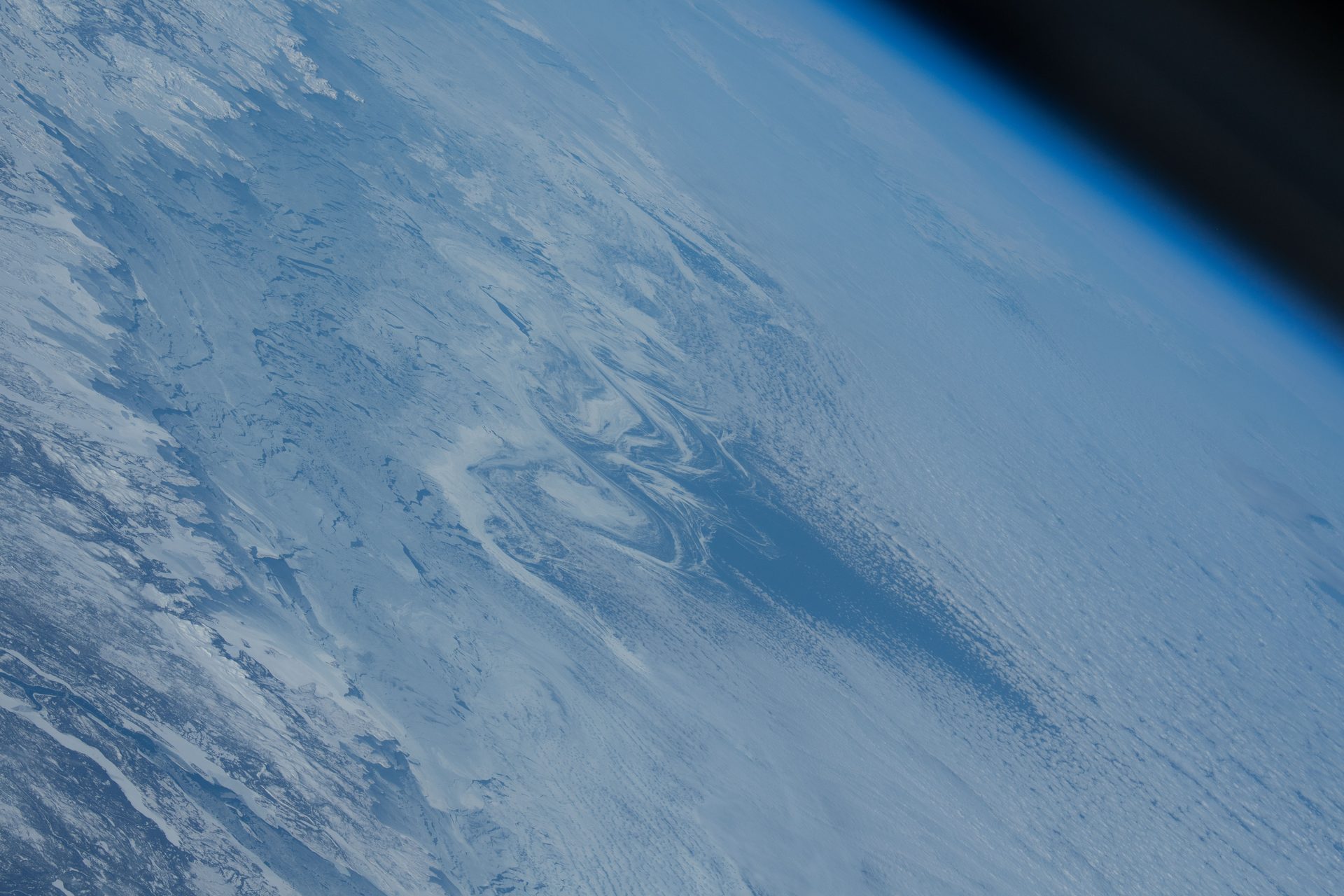
Active Earth Observation
Three radar satellites that see through cloud, watching sea ice, ships and floods; free public images (Canadian Space Agency).
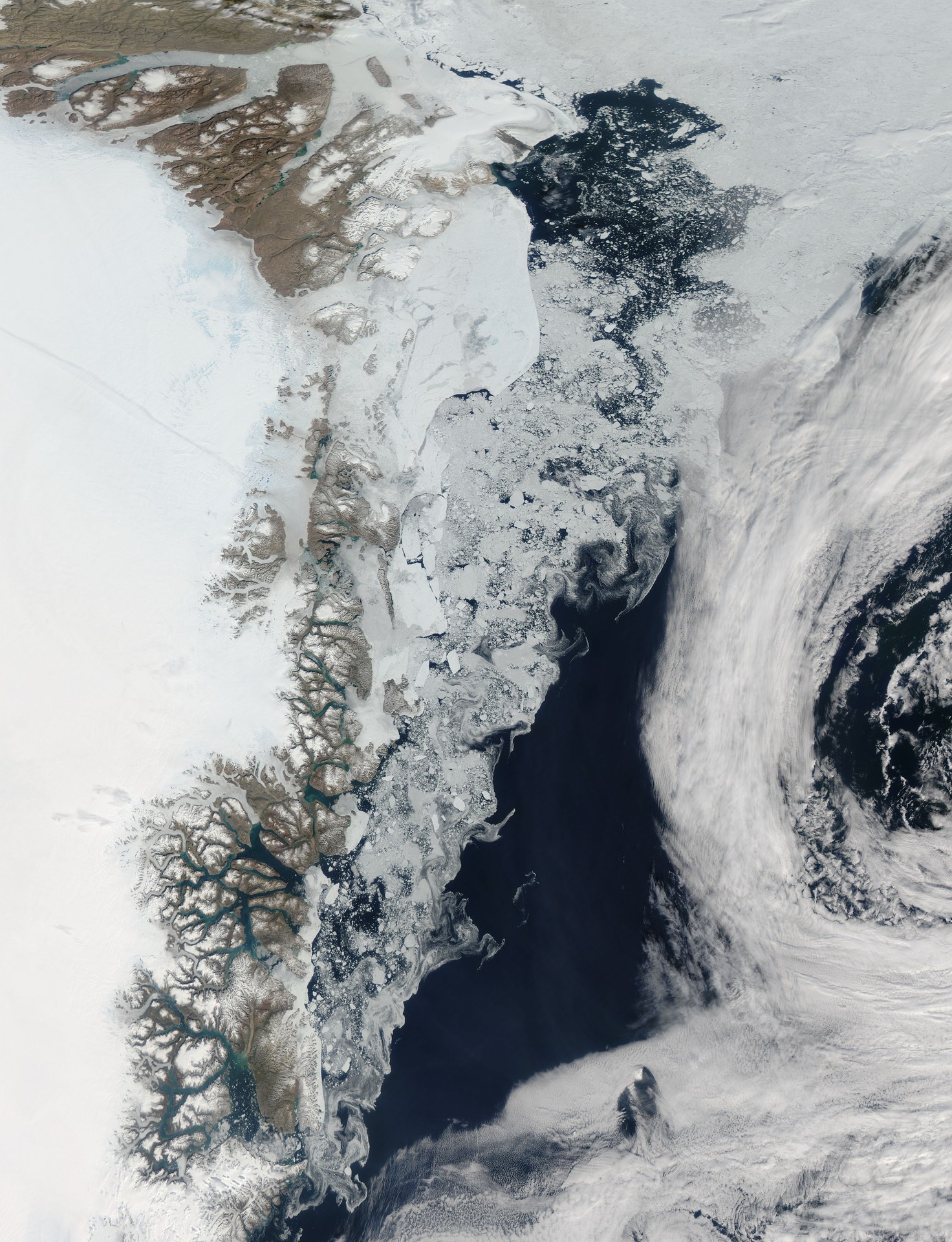
Active Polar
JAXA's SHIZUKU satellite, launched in 2012, measures sea ice, rain, snow and sea temperature through clouds, day and night (JAXA).
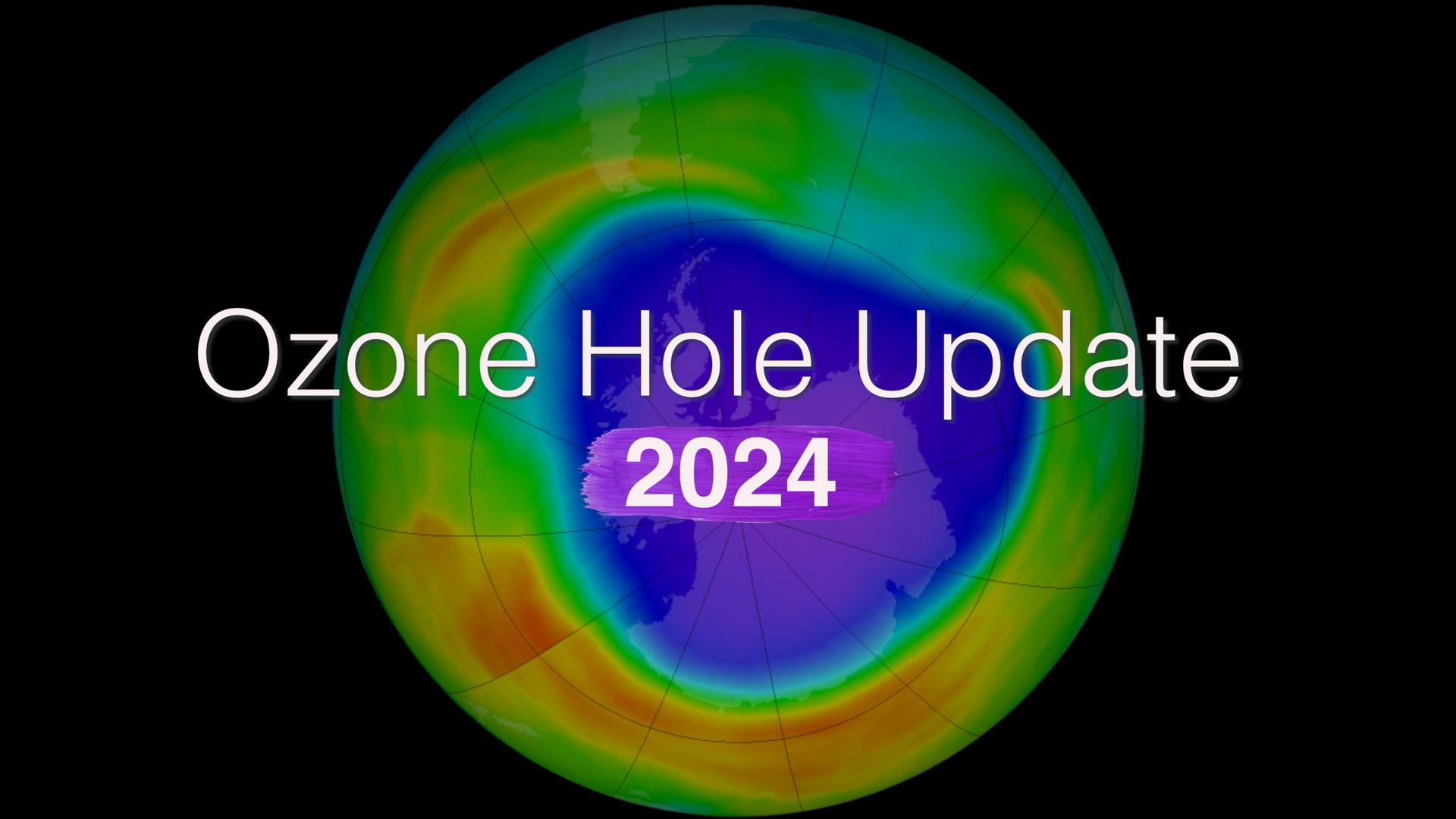
Active Polar
Canada's 150 kg SCISAT has measured the chemistry of the ozone layer since 2003, with a special focus on Canada and the Arctic (CSA).
Showcase, not partnership: How we feature solutions from around the world
Want to go deeper? ESA tracks the polar ice from space.
 For further information
Arctic Basecamp is a registered not-for-profit that spotlights the global threats of polar climate change and communicates areas of action.
Source: Arctic Basecamp, home page · On this site
ESA's small Arctic Weather Satellite, launched in August 2024, paved the way for EPS-Sterna, a fleet of 20 satellites from 2029 (ESA, EUMETSAT).
Source: ESA, Arctic Weather Satellite paves way for constellation · On this site
ASOC, a coalition of conservation groups, has advocated for stronger protection of Antarctica and the Southern Ocean since 1978 (ASOC).
Source: ASOC (Antarctic and Southern Ocean Coalition), home page · On this site
The European project Beyond EPICA – Oldest Ice drills Antarctic ice to read climate and environmental history (Beyond EPICA).
CAFF is the biodiversity working group of the Arctic Council (CAFF). Watching Arctic wildlife so changes are caught early.
Source: CAFF (Conservation of Arctic Flora and Fauna), home page · On this site
Carbfix dissolves carbon dioxide in water and injects it into basalt rock, where it turns into stone (company).
Source: Matter et al., Science (2016) · On this site