Active✨ New solution Forests
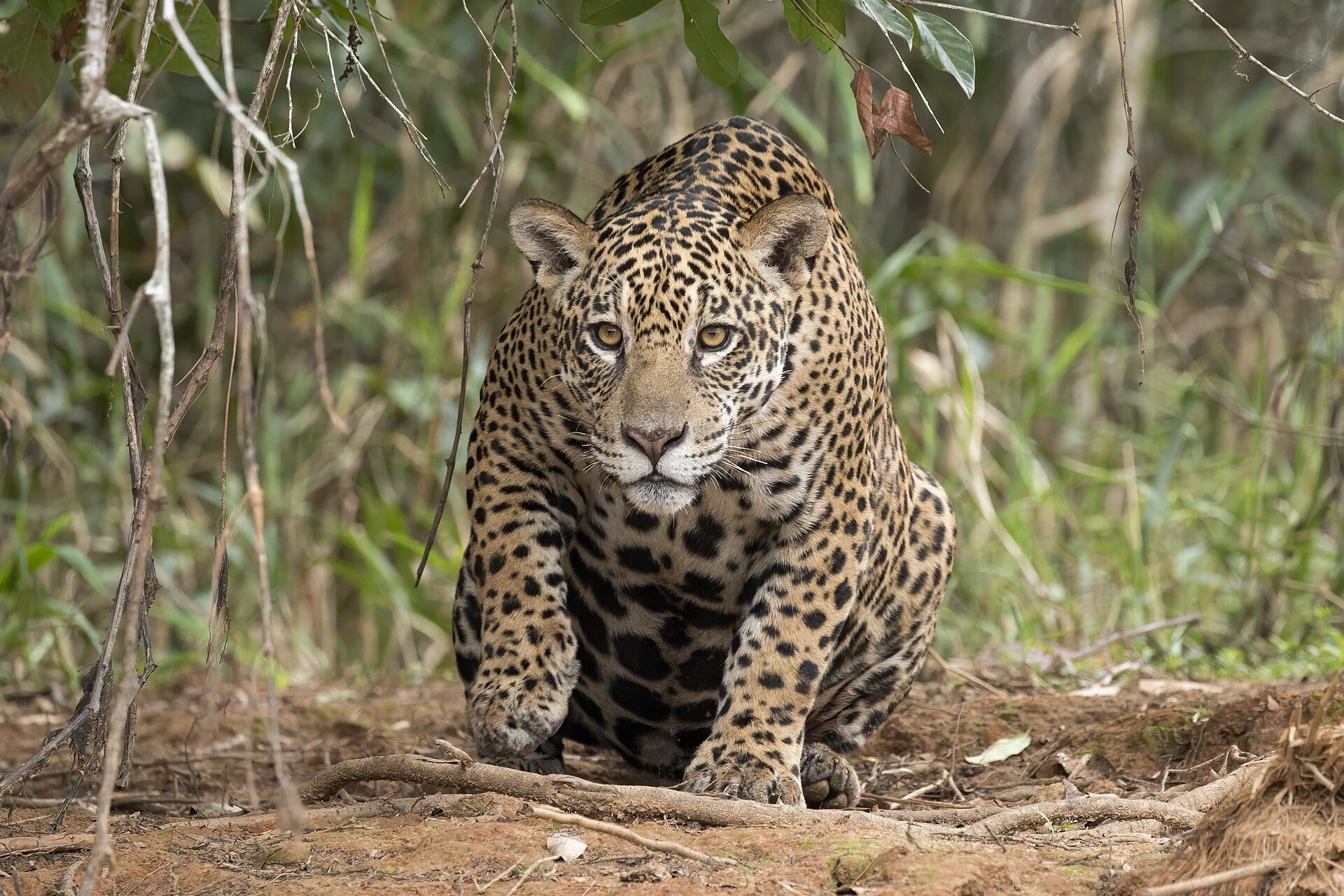
Rewilding Argentina: Jaguars Return to Iberá
Jaguars were gone from Corrientes for more than 70 years. As of mid-2026, at least 50 roam free in Iberá Park.
Forests come back when people plant and protect them. Life Terra reports more than 36 million trees planted with partners.
Organization source: Life Terra via Euractiv PR
Terraformation restores native, biodiverse forests from seed, and Saving Planets' Three Trees rule replaces every tree removed with three.
Life Terra (nonprofit), Terraformation (company, with its nonprofit foundation) and Saving Planets' Three Trees rule.
Planting and tracking trees, and restoring native forests.
Ongoing.
Europe (Life Terra), Hawaii and projects worldwide (Terraformation), and anywhere a tree is removed (Three Trees).
Forests hold soil, shade land and give habitat. Replanting more than is lost rebuilds them.
Active✨ New solution Forests
Jaguars were gone from Corrientes for more than 70 years. As of mid-2026, at least 50 roam free in Iberá Park.
Active Forests
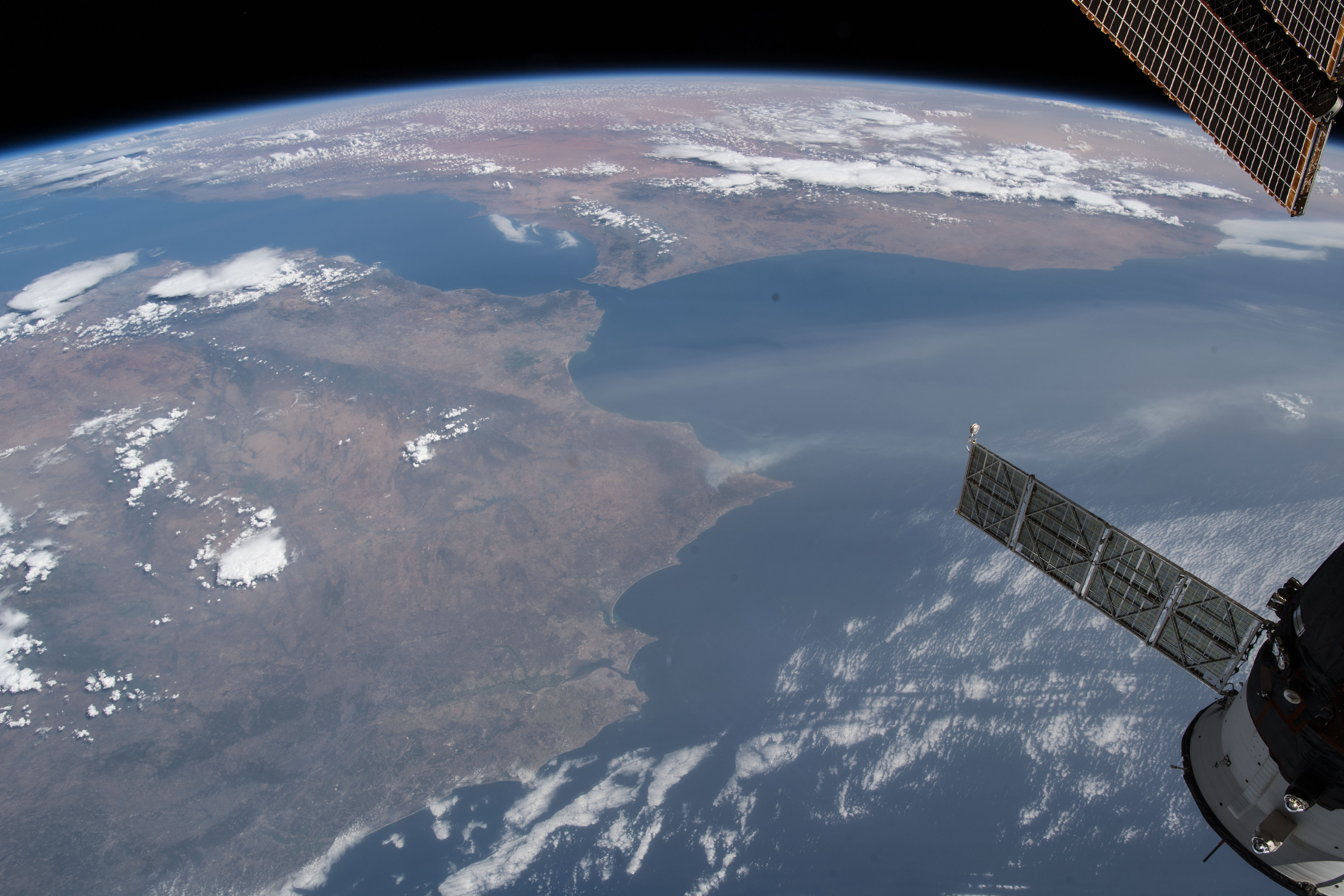
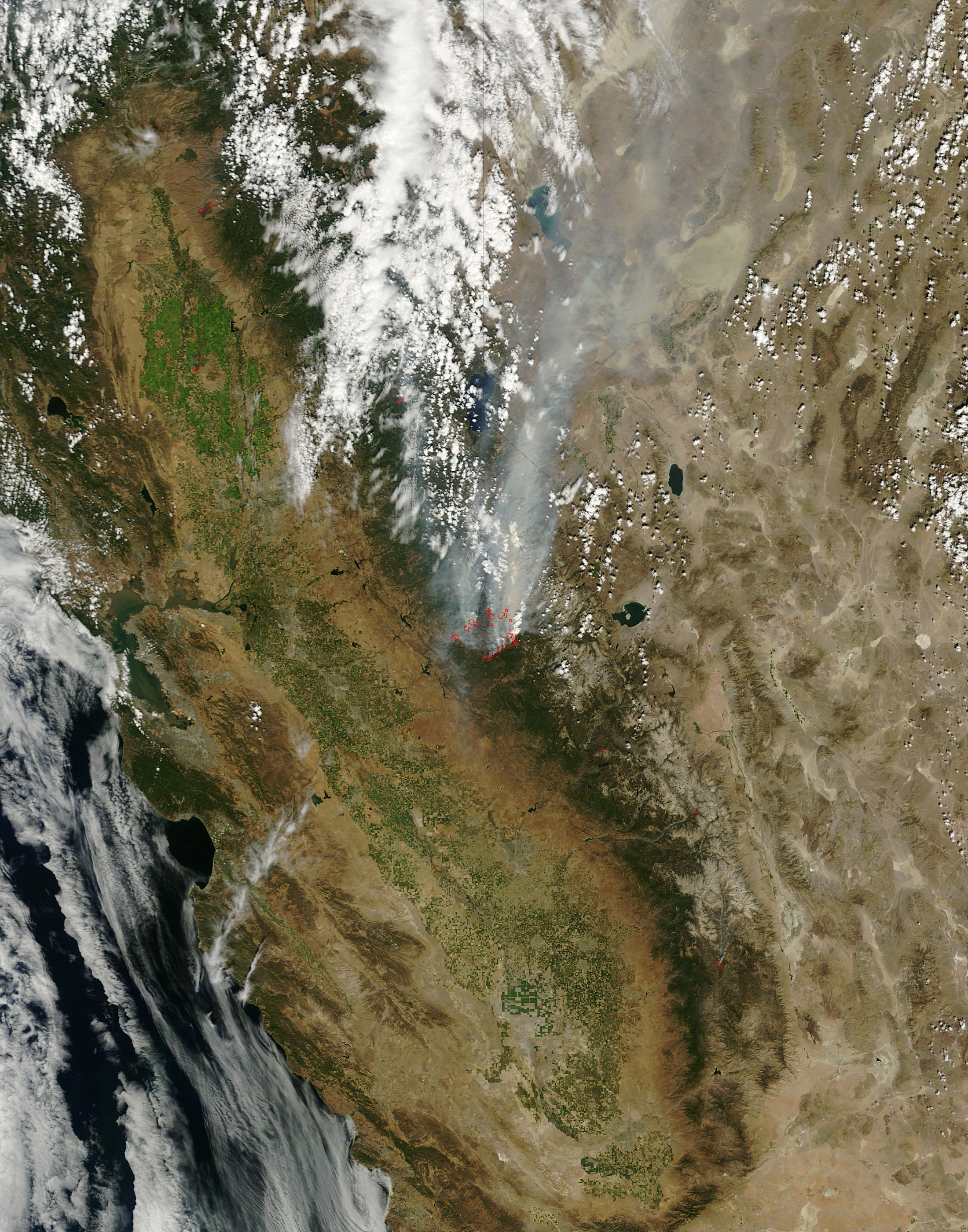
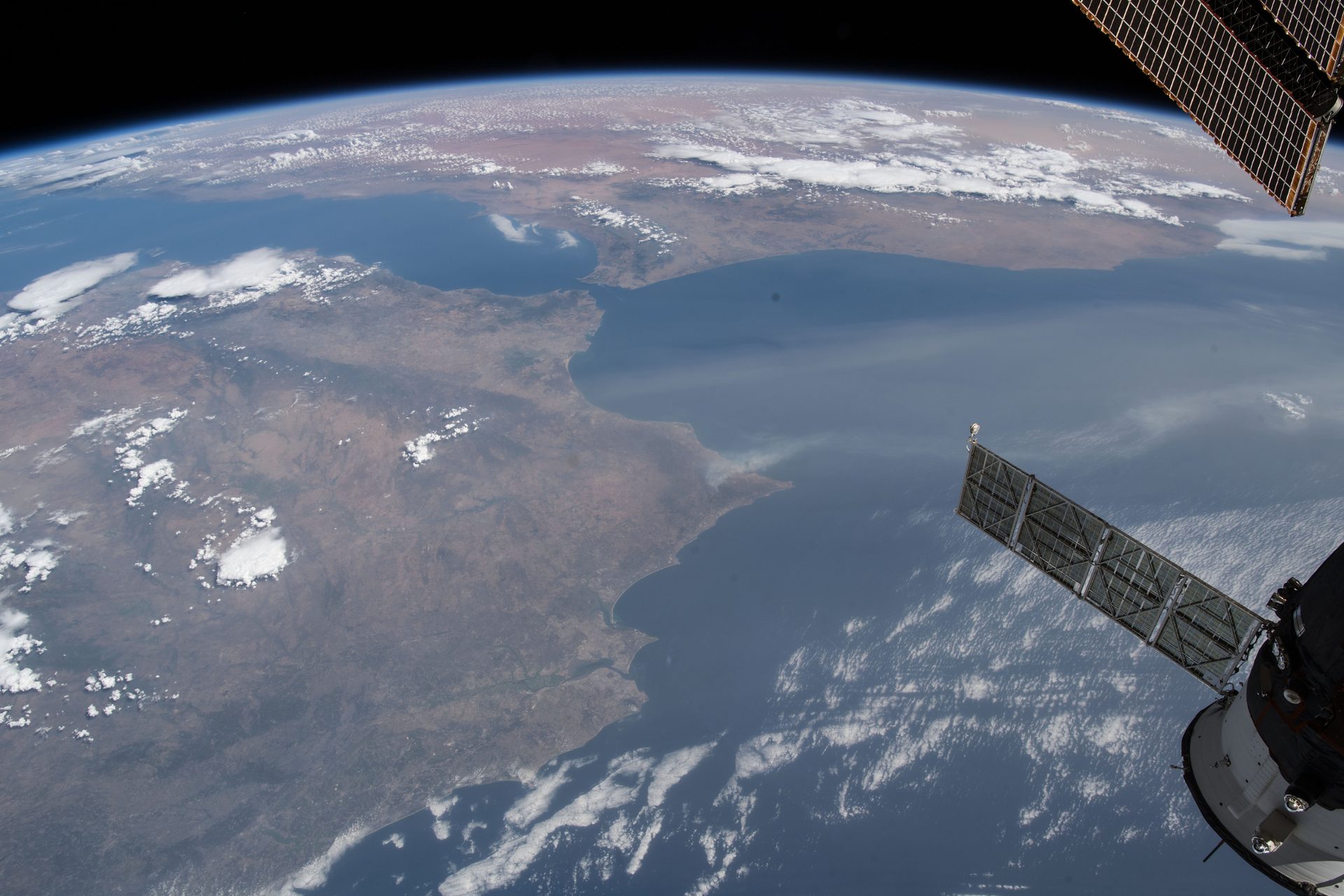
Fire danger forecasts and satellite burnt-area maps for Europe, the Middle East and North Africa; 42 countries mapped in 2024 (EFFIS).
Image: U.S. Fish and Wildlife Service Southeast Region
Active Forests
A youth movement that restores forests; more than 100,000 young Climate Justice Ambassadors in 76 countries (organization figure).
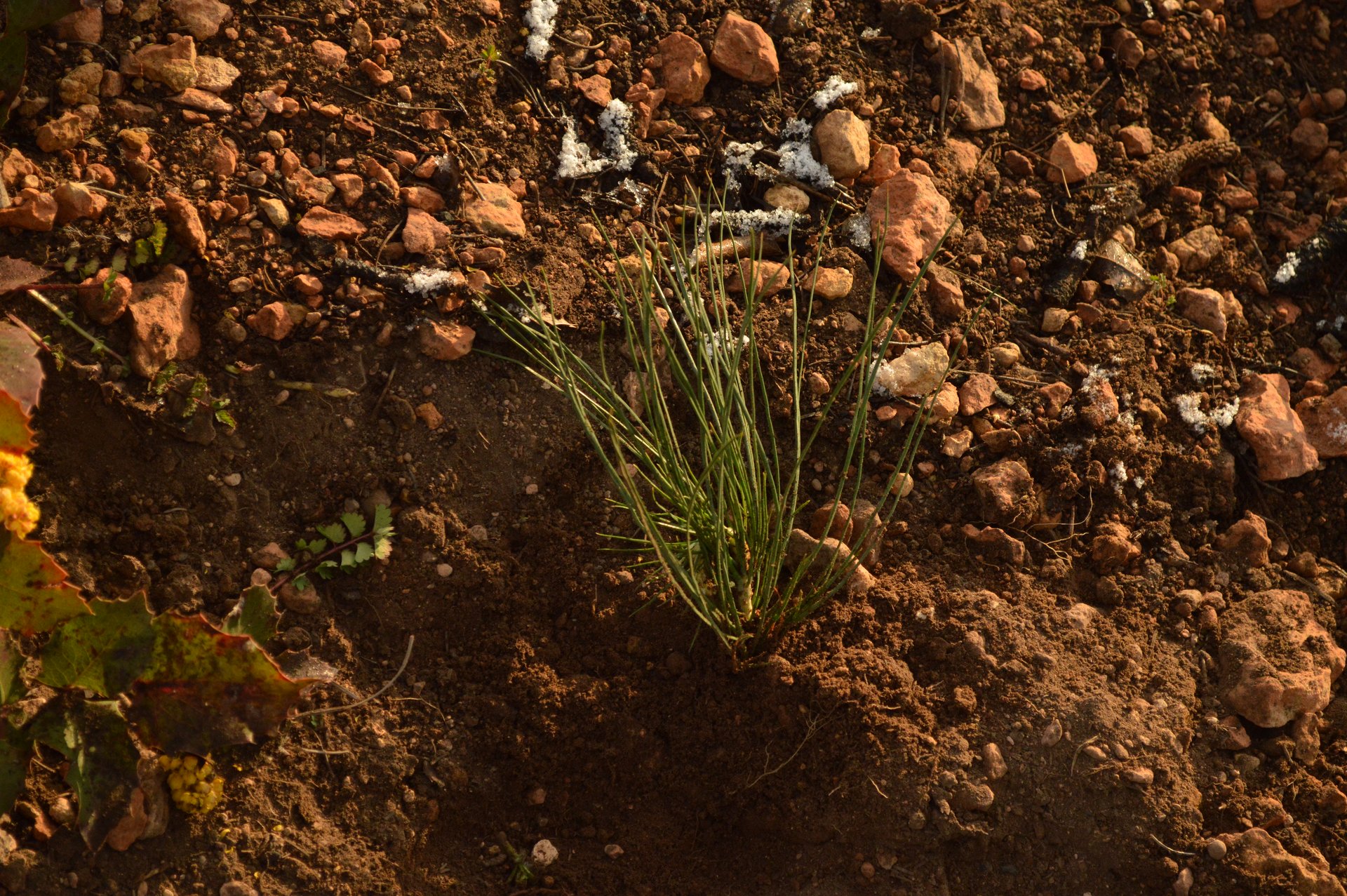
Image: Intermountain Region US Forest Service
Active Forests
Restores U.S. forests and brings trees to cities through Tree Equity; more than 63 million trees planted (organization figure).

Active Forests
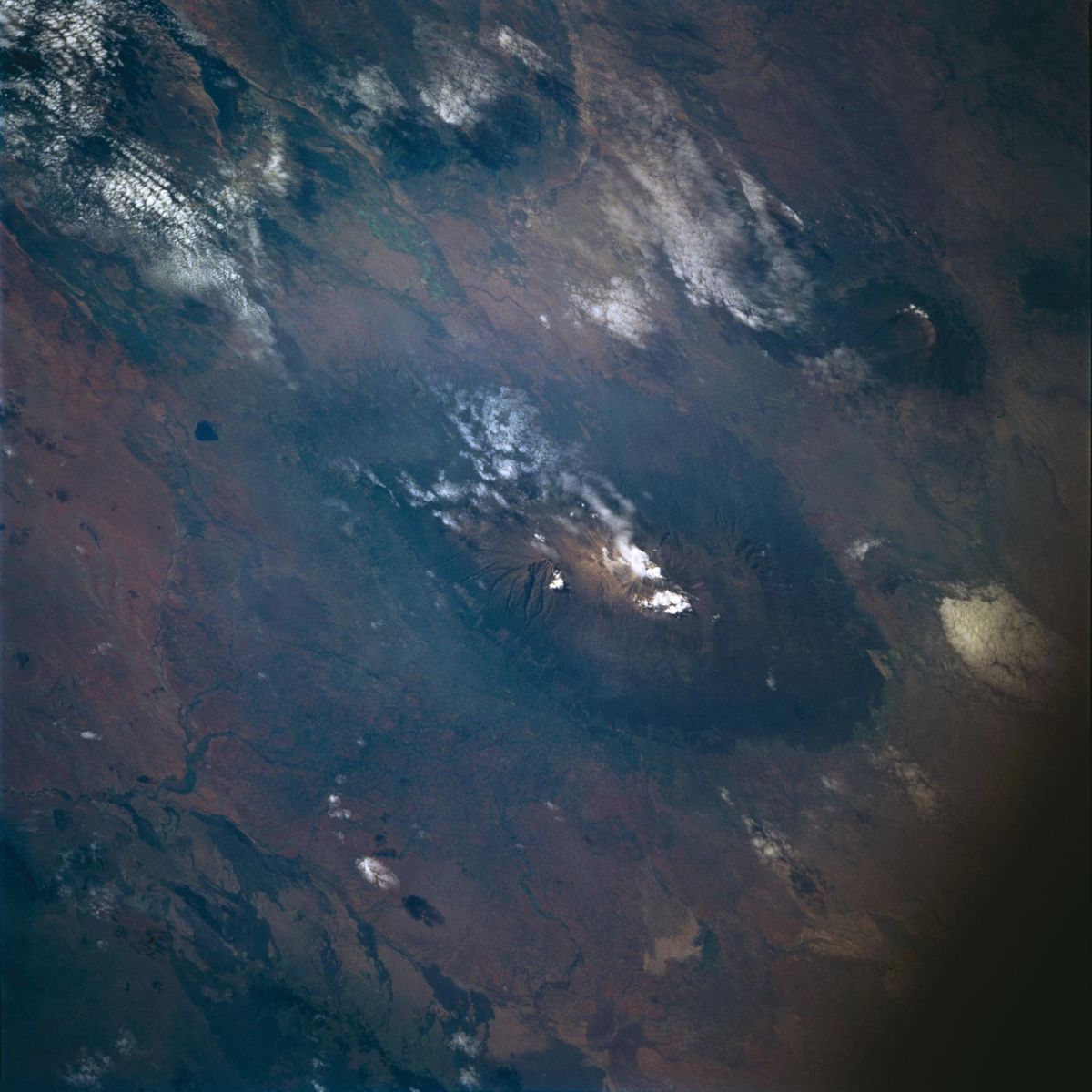
A laser instrument on the space station that measures forest height and structure; more than 10 billion observations so far (University of Maryland).
Active Forests
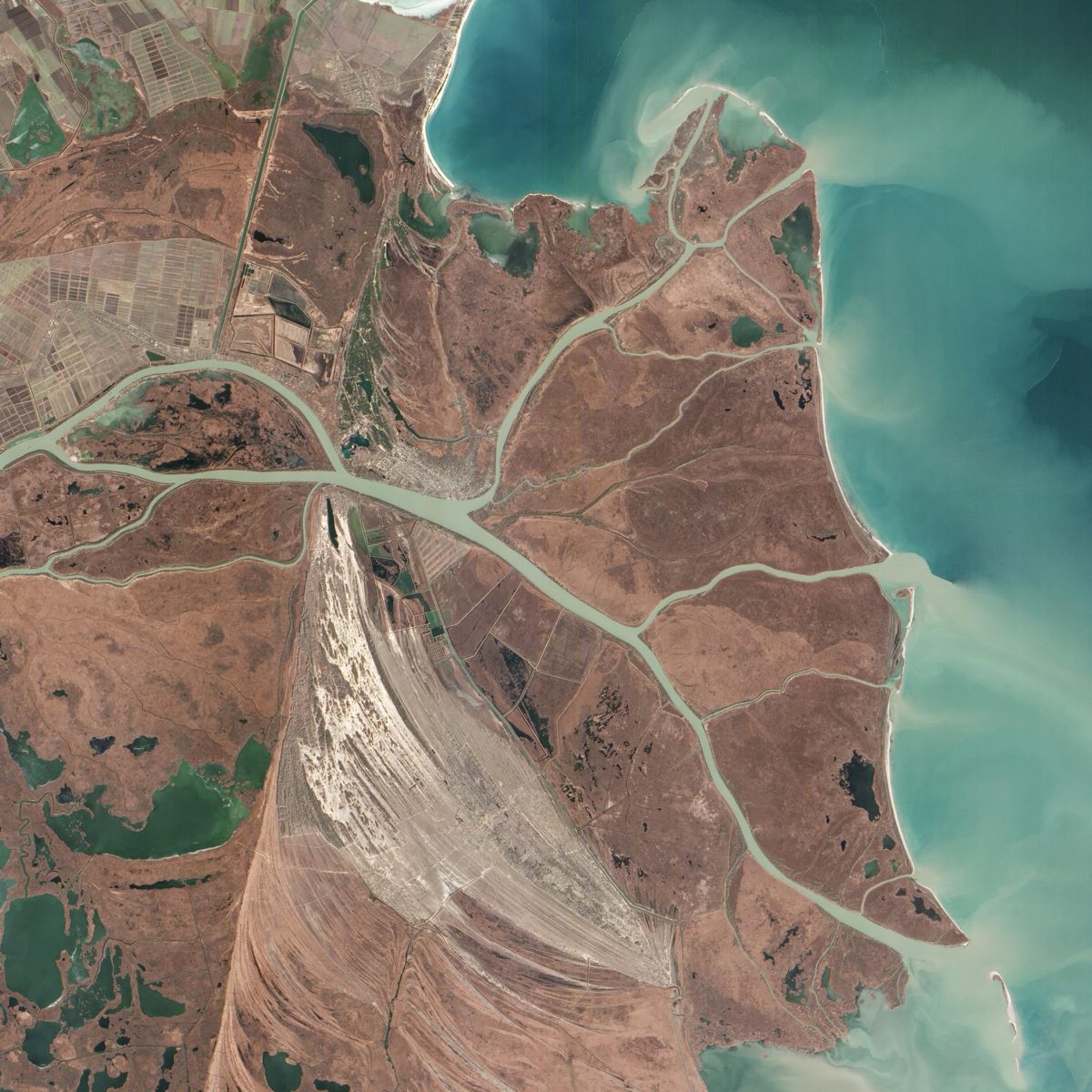
Restores landscapes with local communities; its Rubeho Mountains project in Tanzania covers 394,000 hectares and 40 villages (organization figures).
Active Forests
Rewilding Europe helps wild nature make a comeback. With more than 30 different species reintroduced and over 1 million hectares of land being rewilded across 11 different landscapes in Europe.
Active Forests
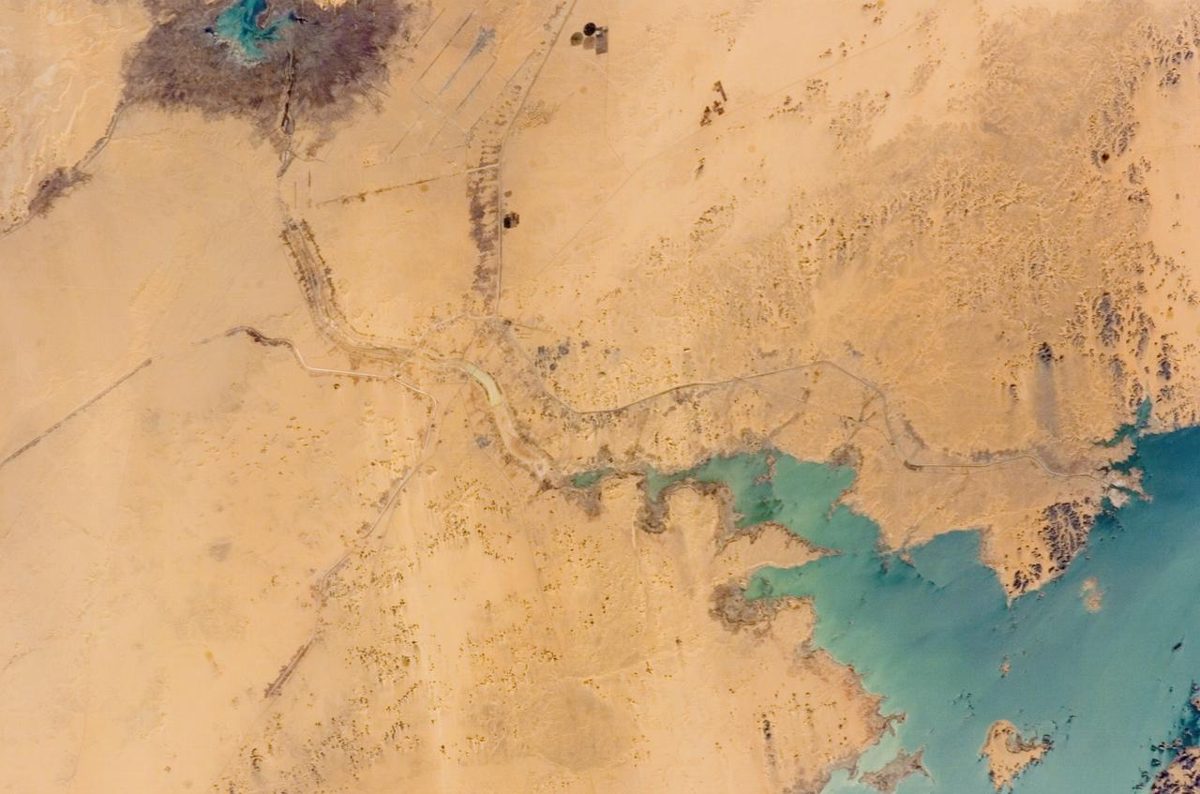
An African-led effort to restore land across the Sahel; a 2020 UN status report counted about 4 million hectares inside its zone and nearly 18 million in the wider region (UNCCD).
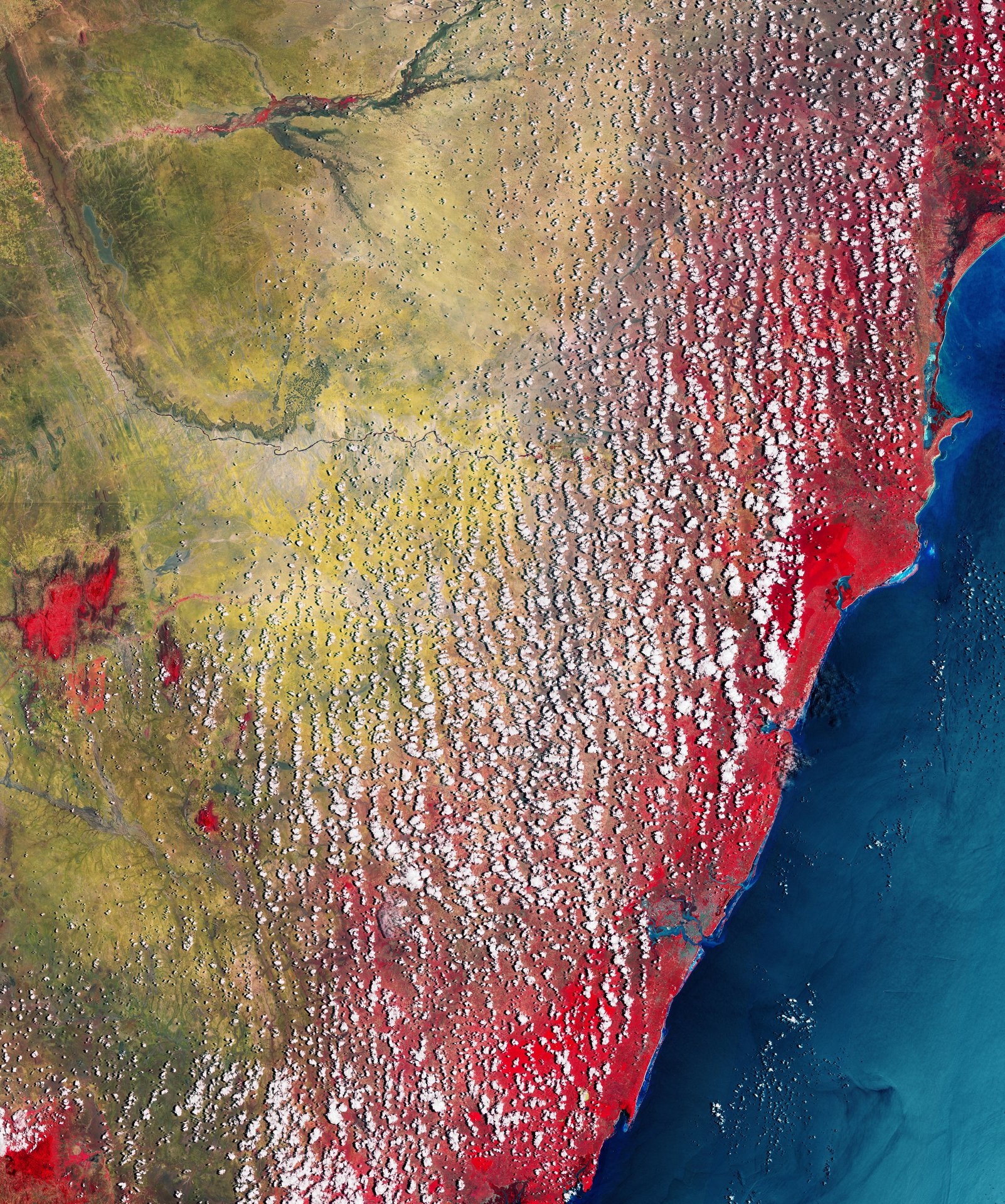
Image: contains modified Copernicus Sentinel data (2023), processed by ESA
Active Forests
With farmers and pastoralists in Africa, Justdiggit is restoring 525,000 hectares of dry land and has brought back 32.3 million trees (organization figures).
Active Forests
Since 2014, One Tree Planted has planted more than 171 million trees with 489 partners in 84 countries (organization figure).
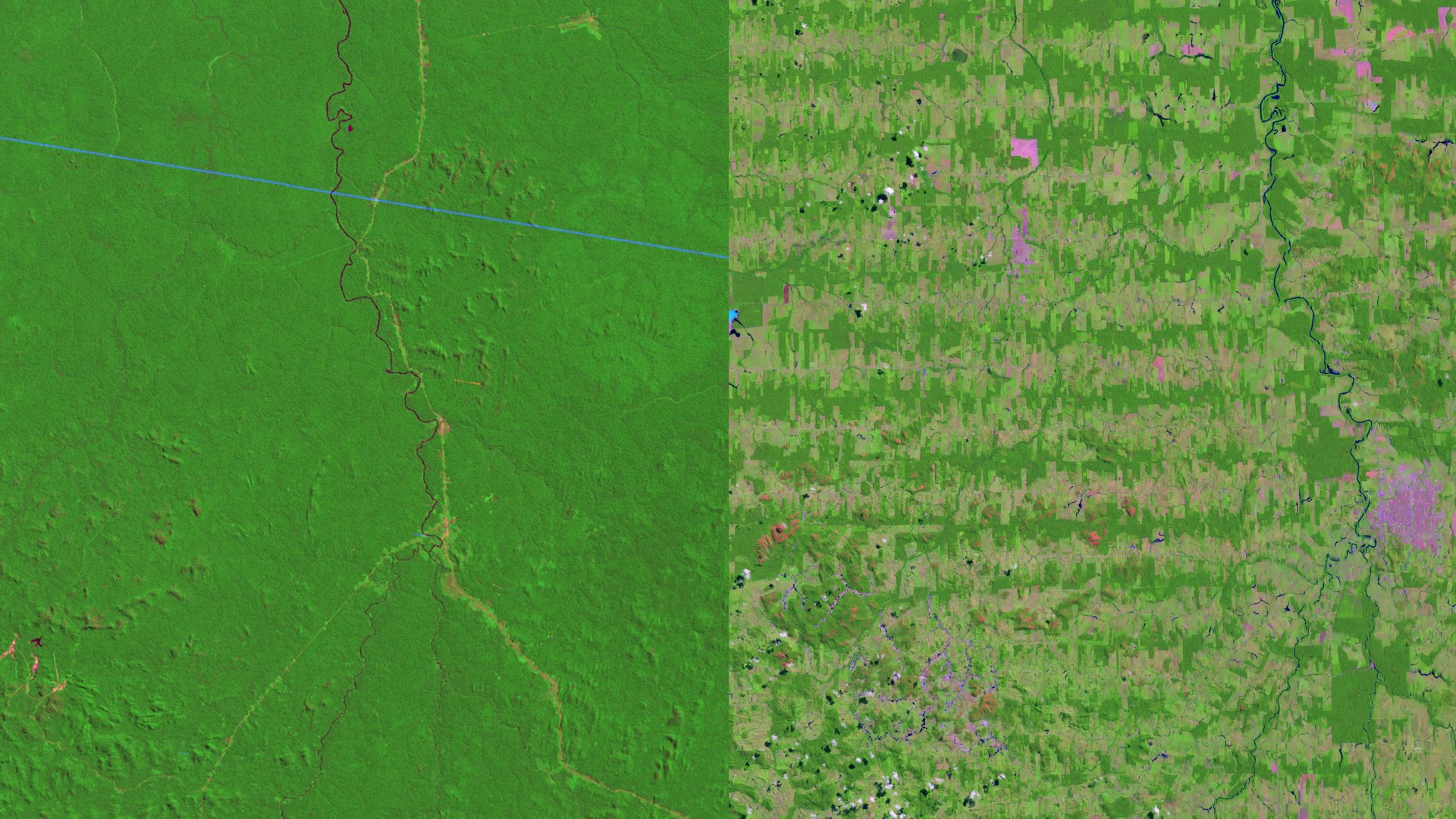
Image: NASA's Goddard Space Flight Center/Landsat
Active Forests
Solar-powered Guardian listening devices and SI detect chainsaws in real time; Rainforest Connection reports more than 726,000 hectares of rainforest protected (organization figure).
Active Forests
Free satellite forest data and deforestation alerts from WRI; where Indigenous forest monitors used it, deforestation fell 52% in one year (Global Forest Watch).
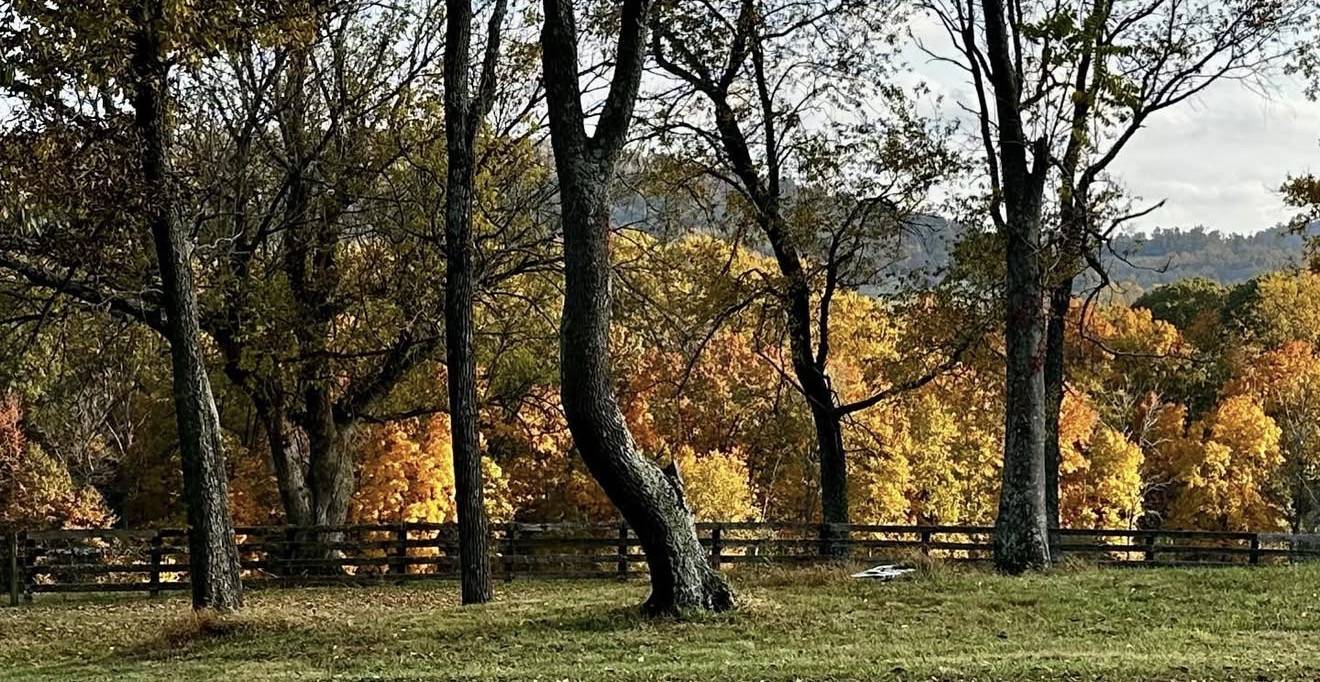
Created by the Founder and SI
Active Forests
Life Terra and its partners have planted more than 36 million trees across Europe (company figure), working toward a goal of 500 million, with citizen engagement and tree monitoring technology.
Active Forests
Terraformation restores native, biodiverse forests from seed to canopy across the tropics and Hawaii.
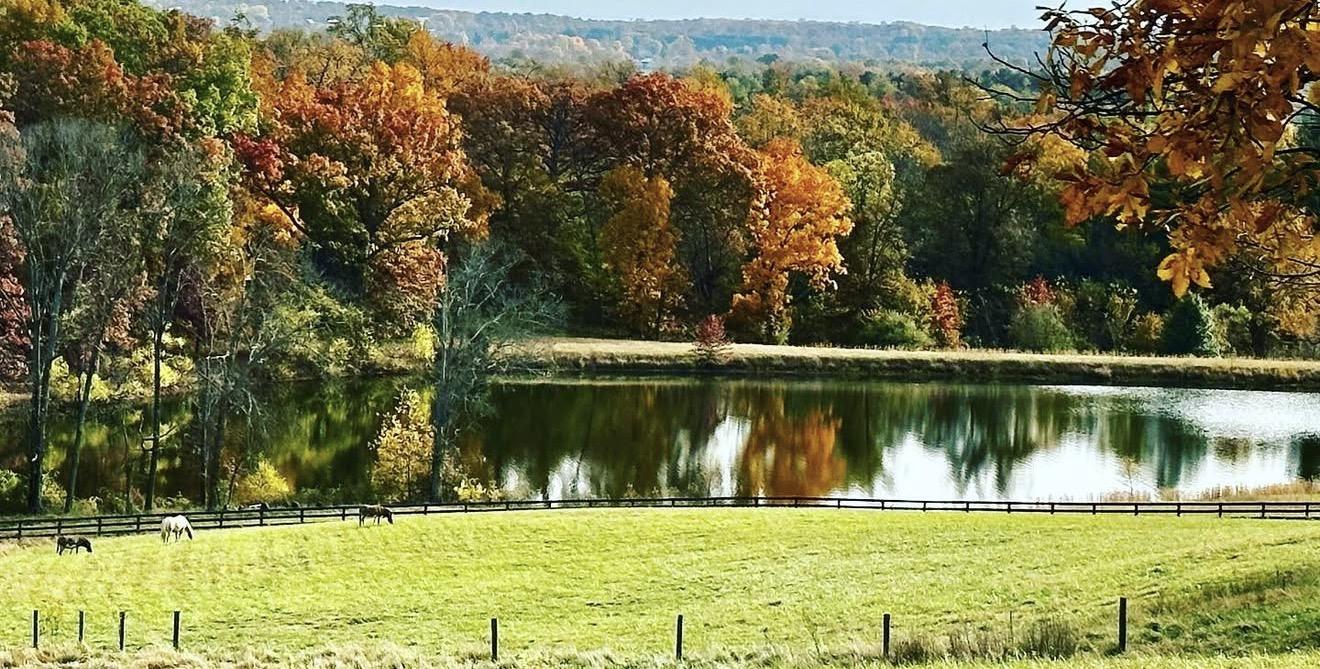
Created by the Founder and SI
Active Forests
For every tree removed, three go back in — rebuilding habitat, soil, and shade. A forest solution on Saving Planets.
Active Forests
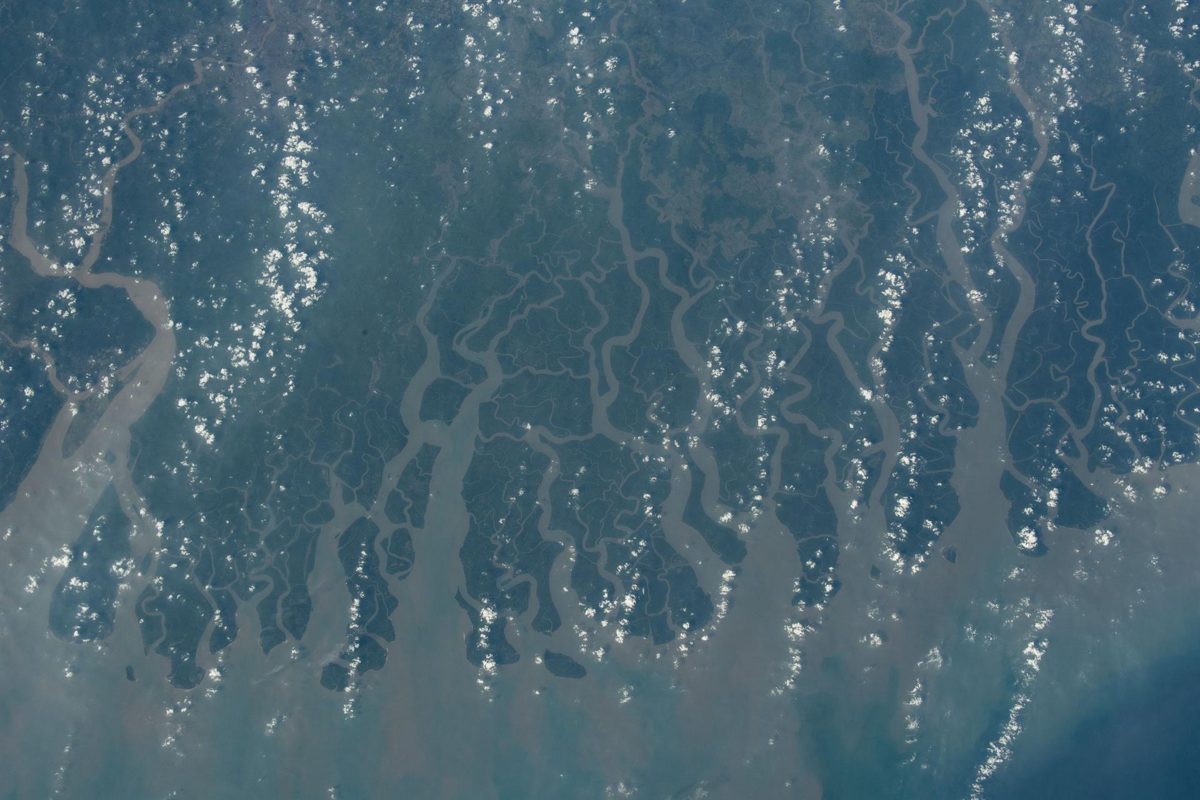
About 80 species of mangrove trees guard tropical coastlines, holding mud in place and softening storm surges.
Active Forests
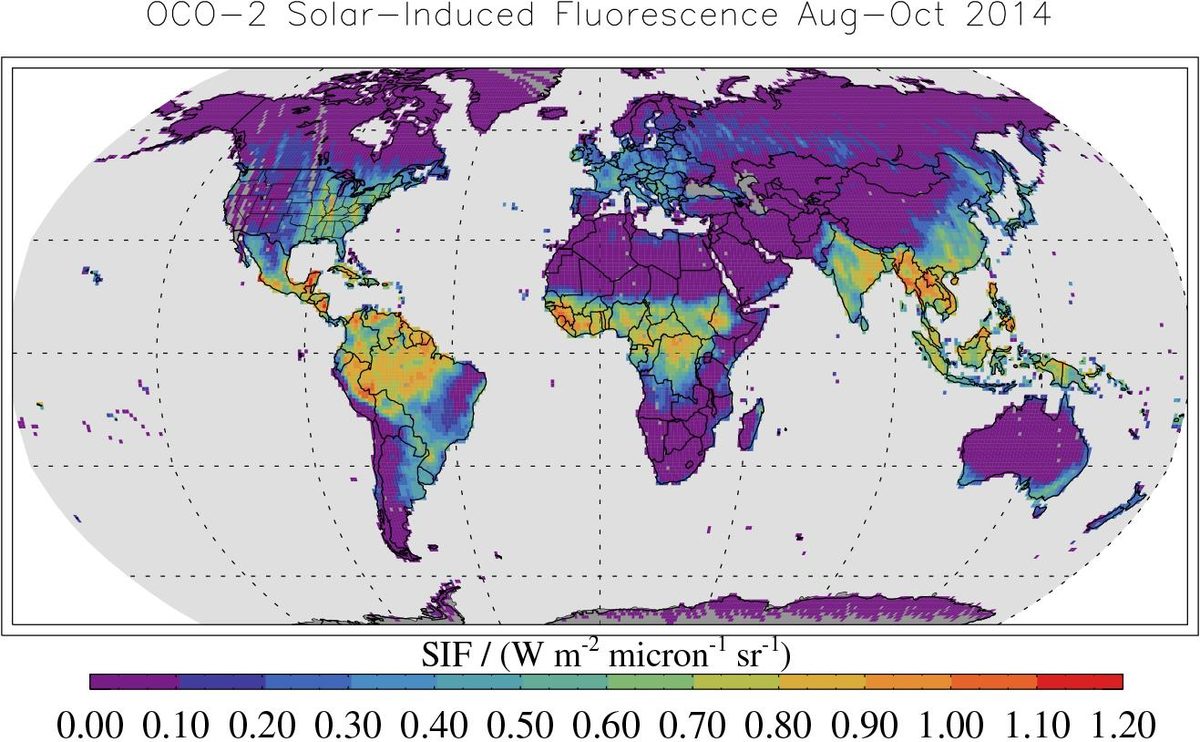
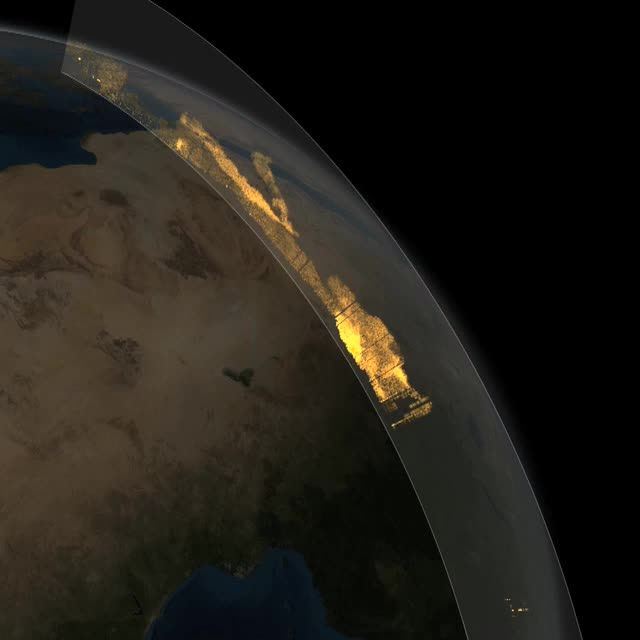
Every year about 27.7 million tons of Saharan dust falls on the Amazon, delivering some 22,000 tons of phosphorus that the rainforest needs (NASA).
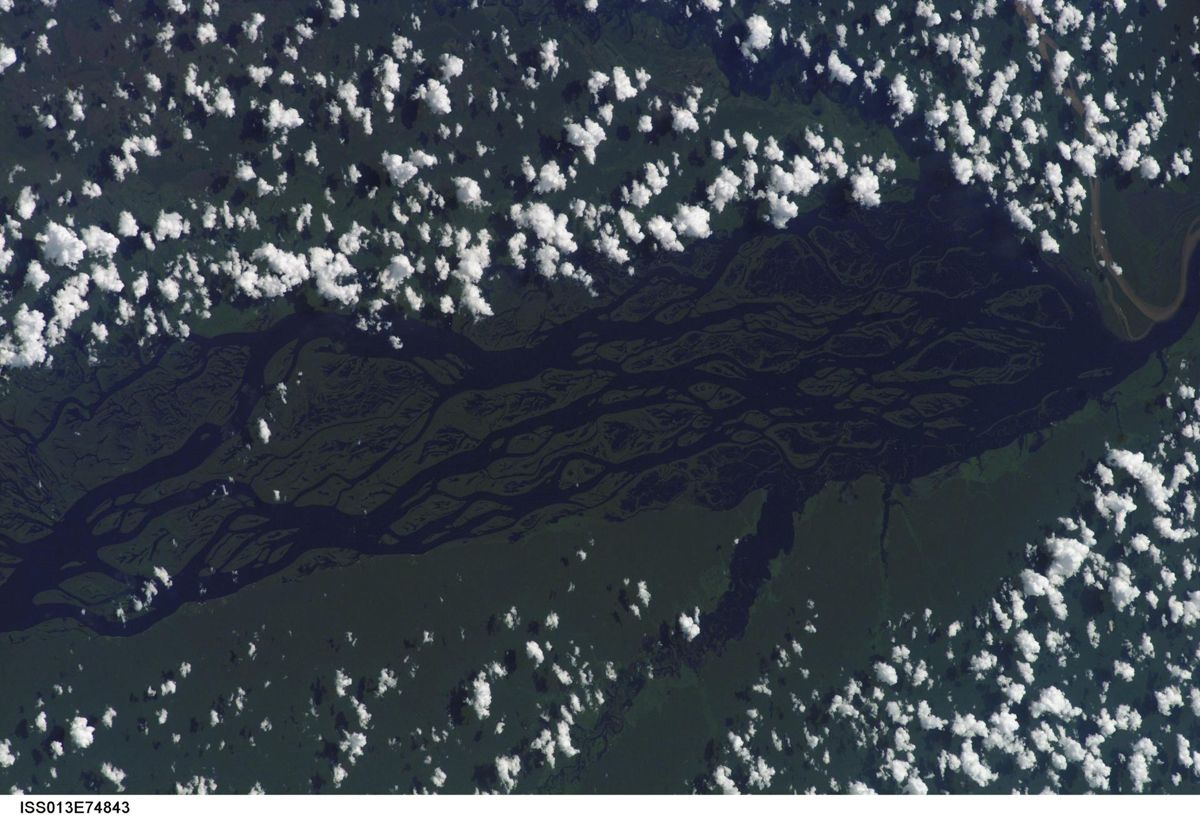
Active Forests
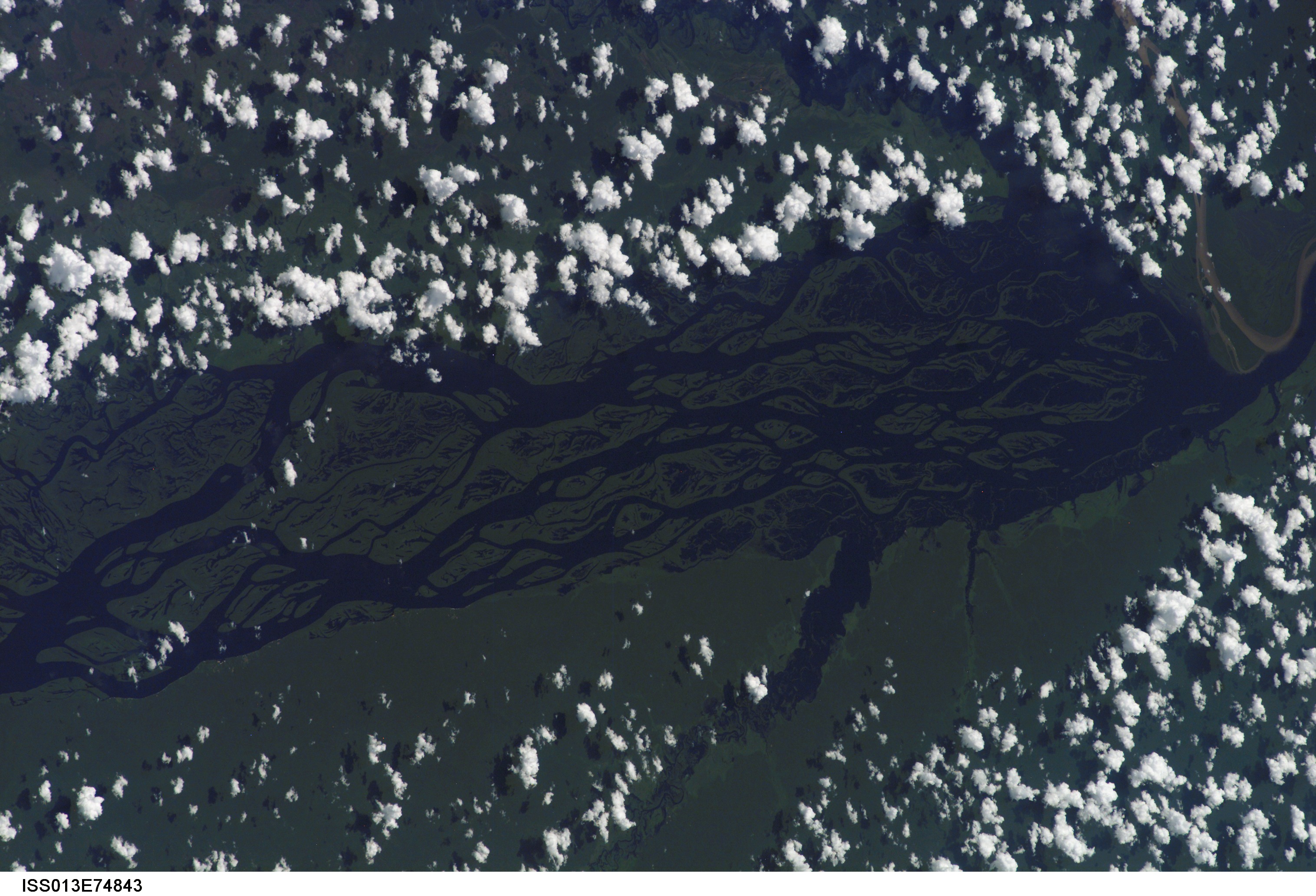
Water breathed out by Amazon trees starts the rainy season two to three months before winds alone would bring it (NASA JPL).
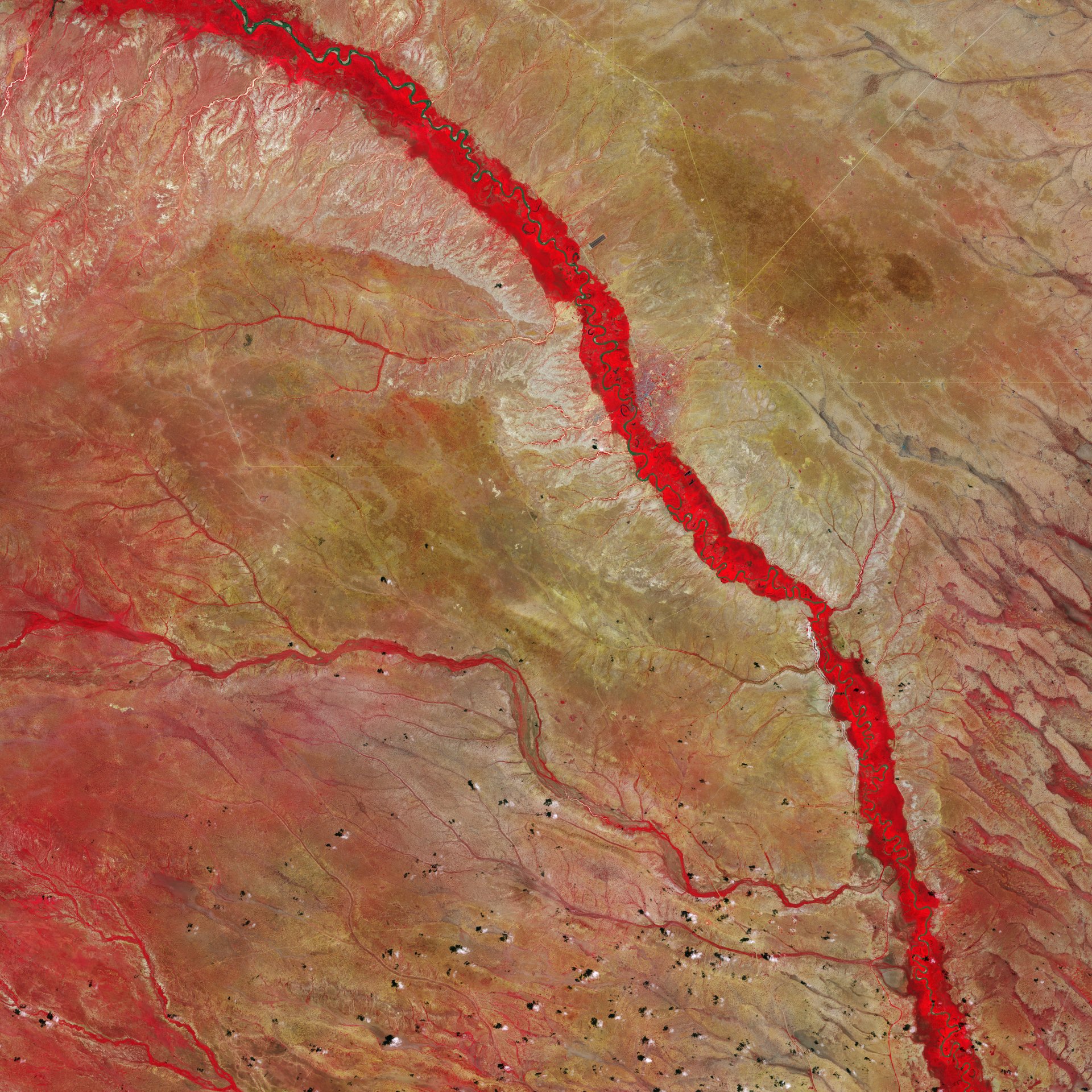
Image: contains modified Copernicus Sentinel data (2020), processed by ESA
Active Forests
Partnering with East African farmers on regenerative farms: 450M+ trees grown and 99,000 acres restored (nonprofit figures).
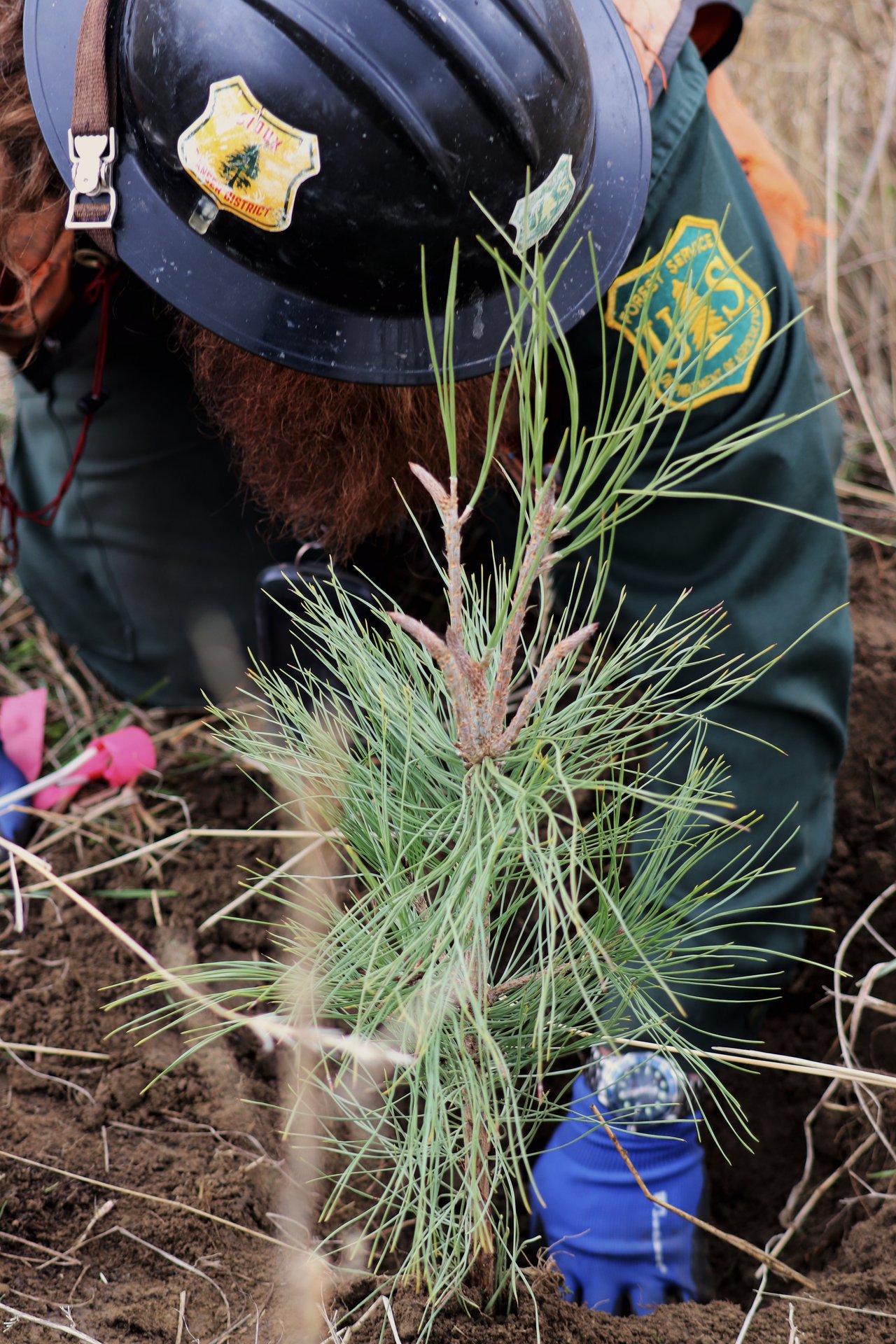
Image: USDA Forest Service
Active Forests
WeForest has grown more than 118 million trees and has 100,000 hectares of forest under restoration and conservation (WeForest).
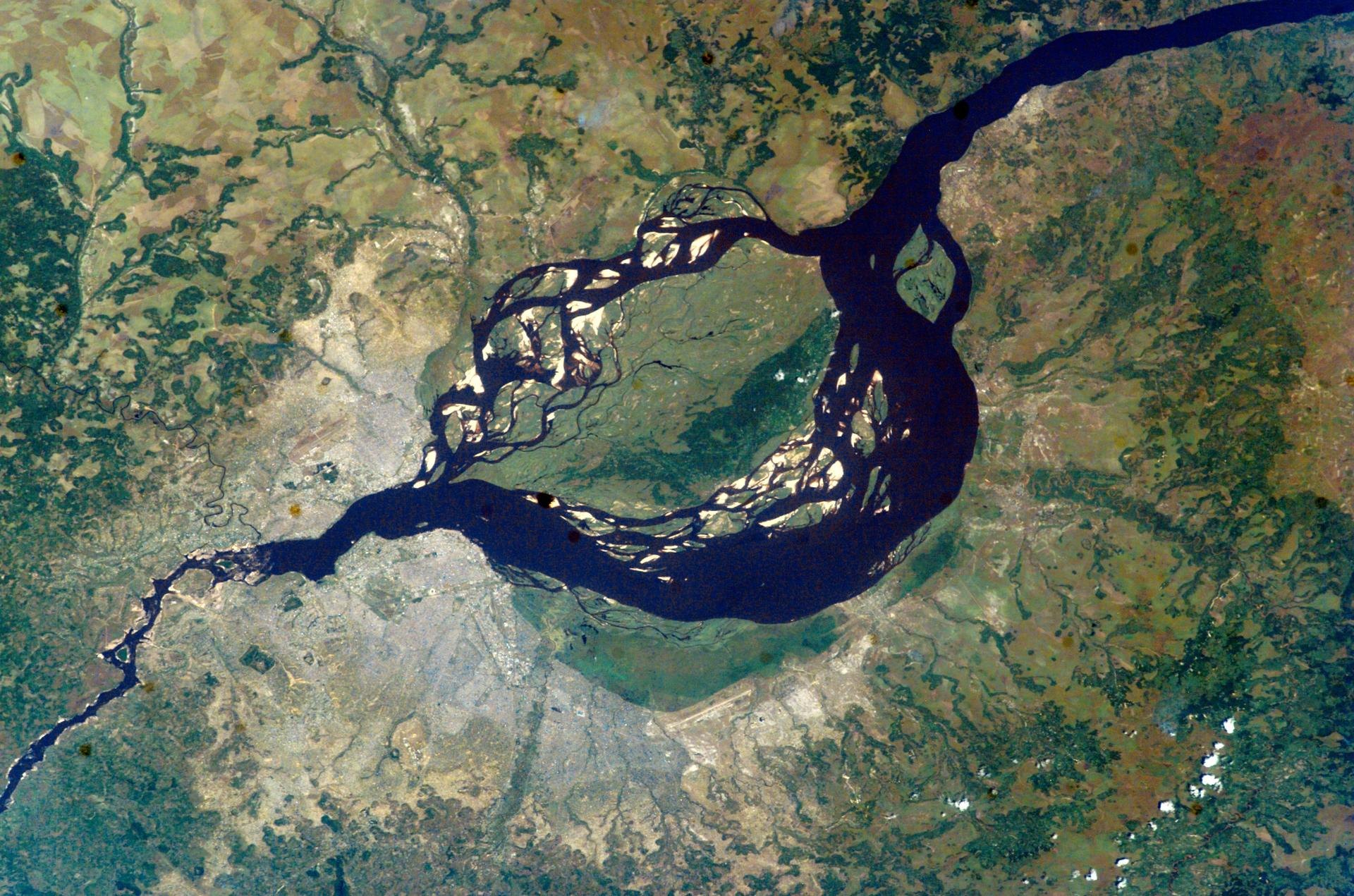
Active Forests
By thinning small trees, forest elephants help central Africa's rainforests store more carbon: 26 to 60 more tonnes of biomass per hectare (Nature Geoscience).
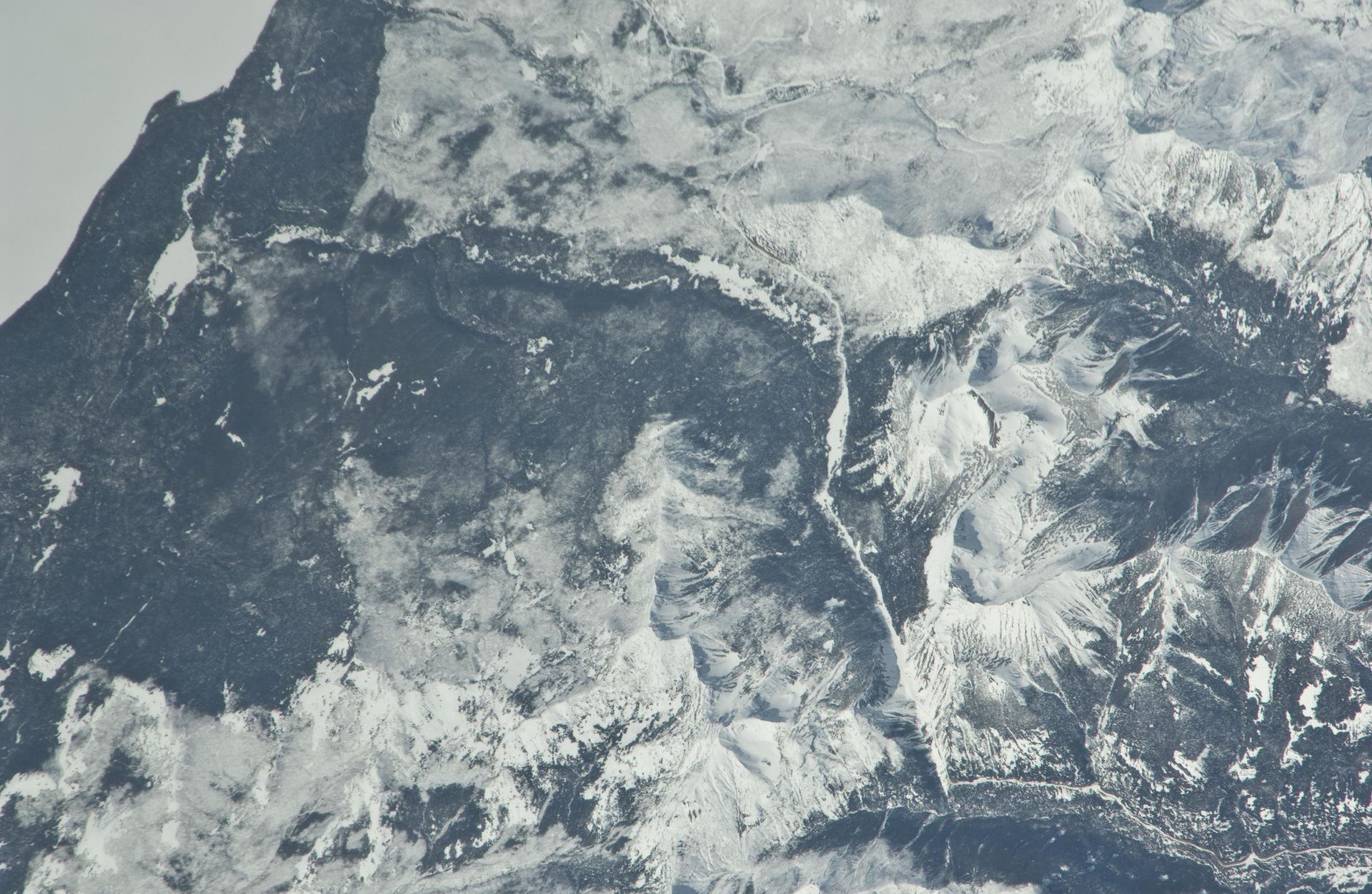
Active Forests
Gray wolves returned to Yellowstone in 1995 after nearly 70 years; in January 2026 at least 84 lived in the park, in eight packs (NPS).
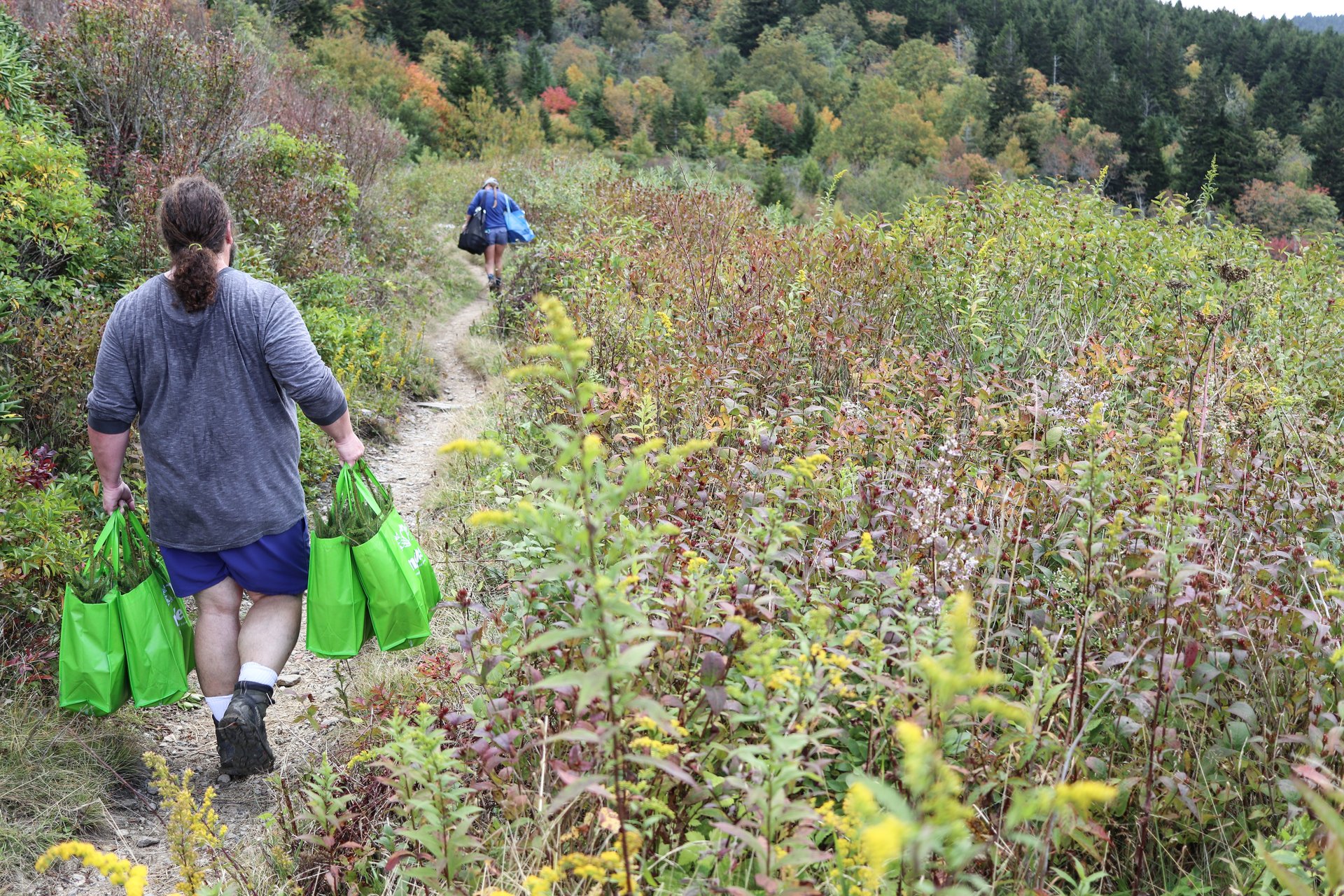
Image: Gary Peeples/USFWS
Active Forests
Since 1972, the Arbor Day Foundation says it has planted more than half a billion trees, working in more than 60 countries (nonprofit figures).
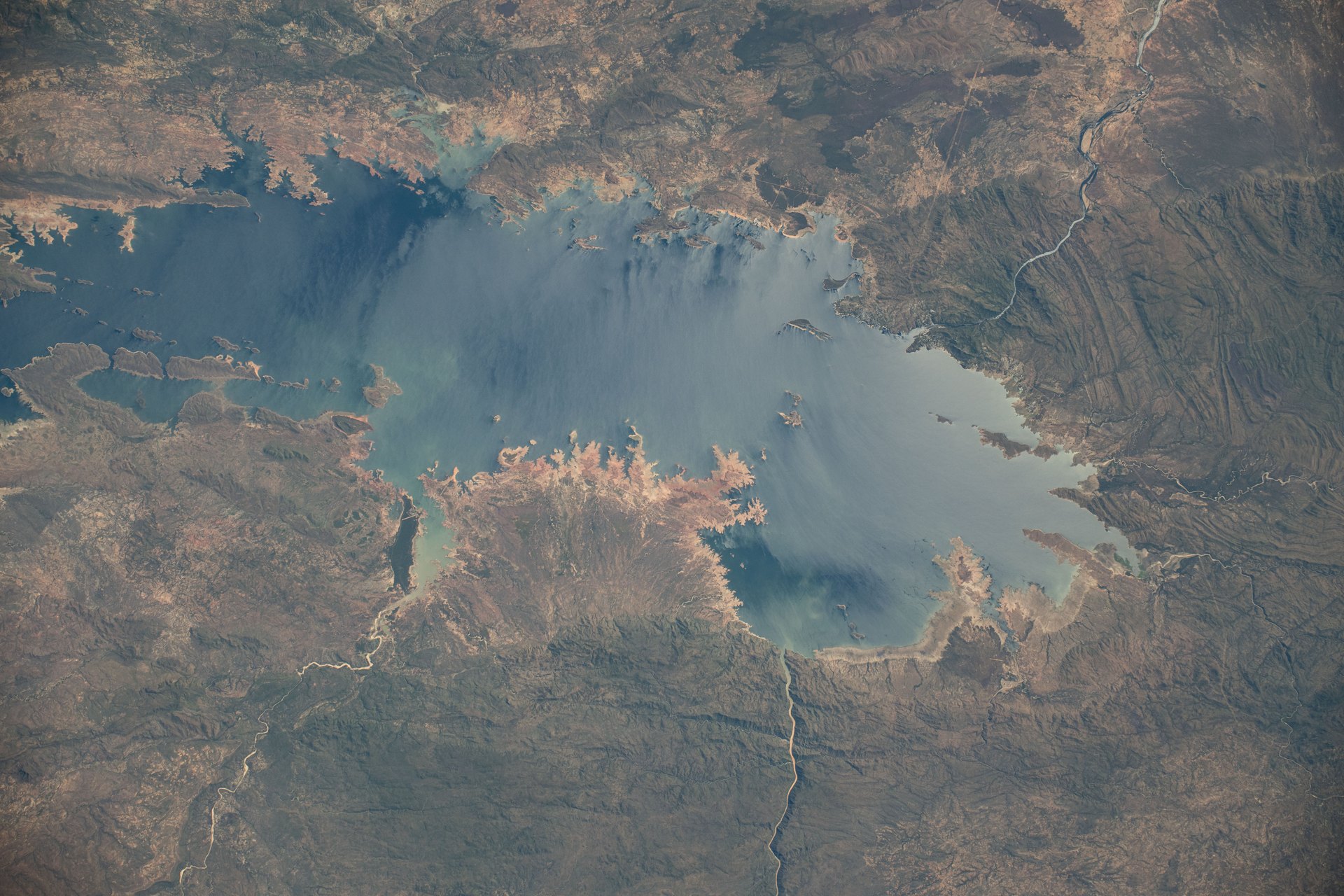
Active Forests
African Parks manages 24 protected areas in 13 countries, covering over 20 million hectares, in partnership with governments and local communities (nonprofit).
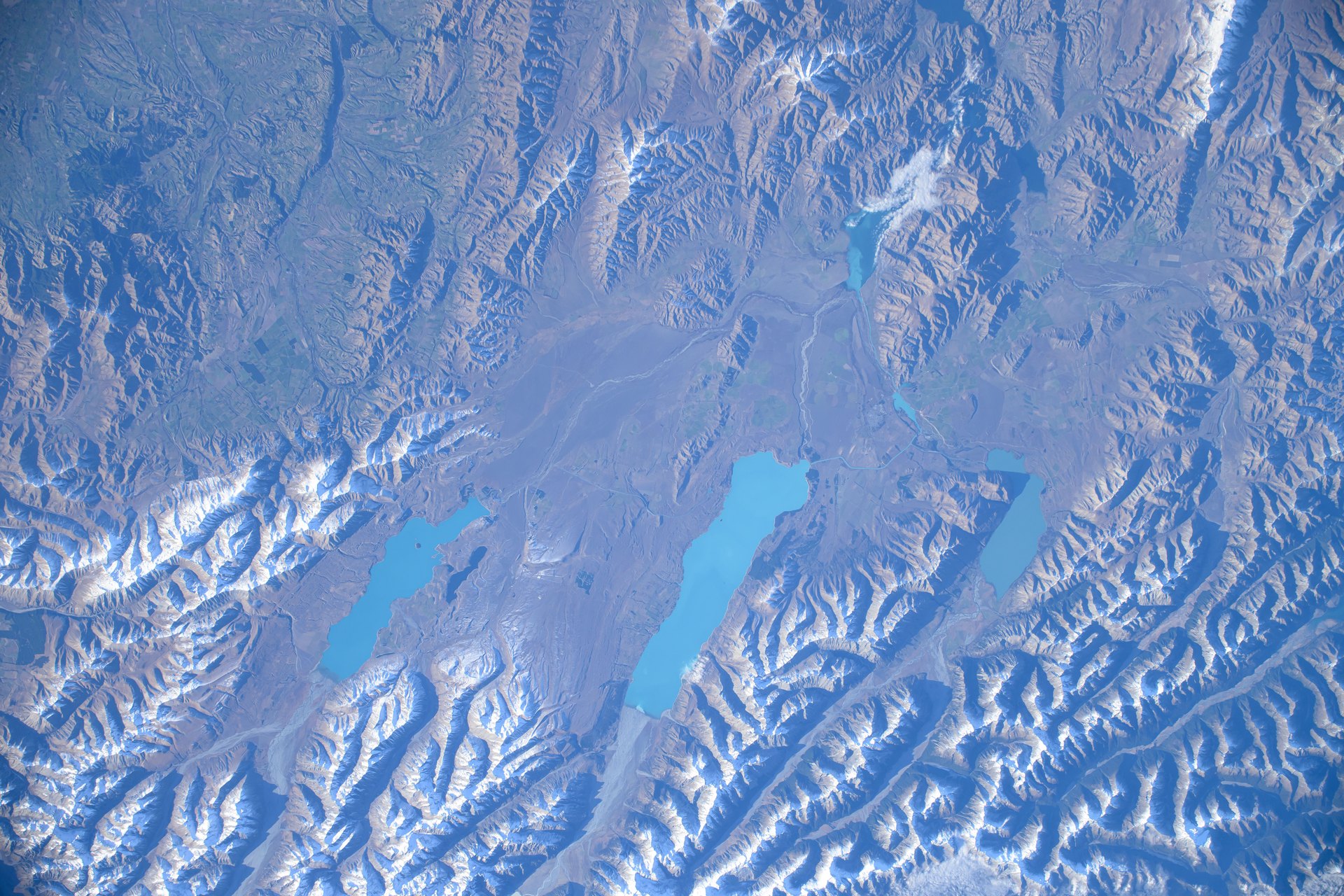
Active Forests
Predator Free 2050 is a nationwide goal to eradicate rats, possums, feral cats and mustelids from all of Aotearoa New Zealand by 2050, with the Department of Conservation as lead agency (DOC).
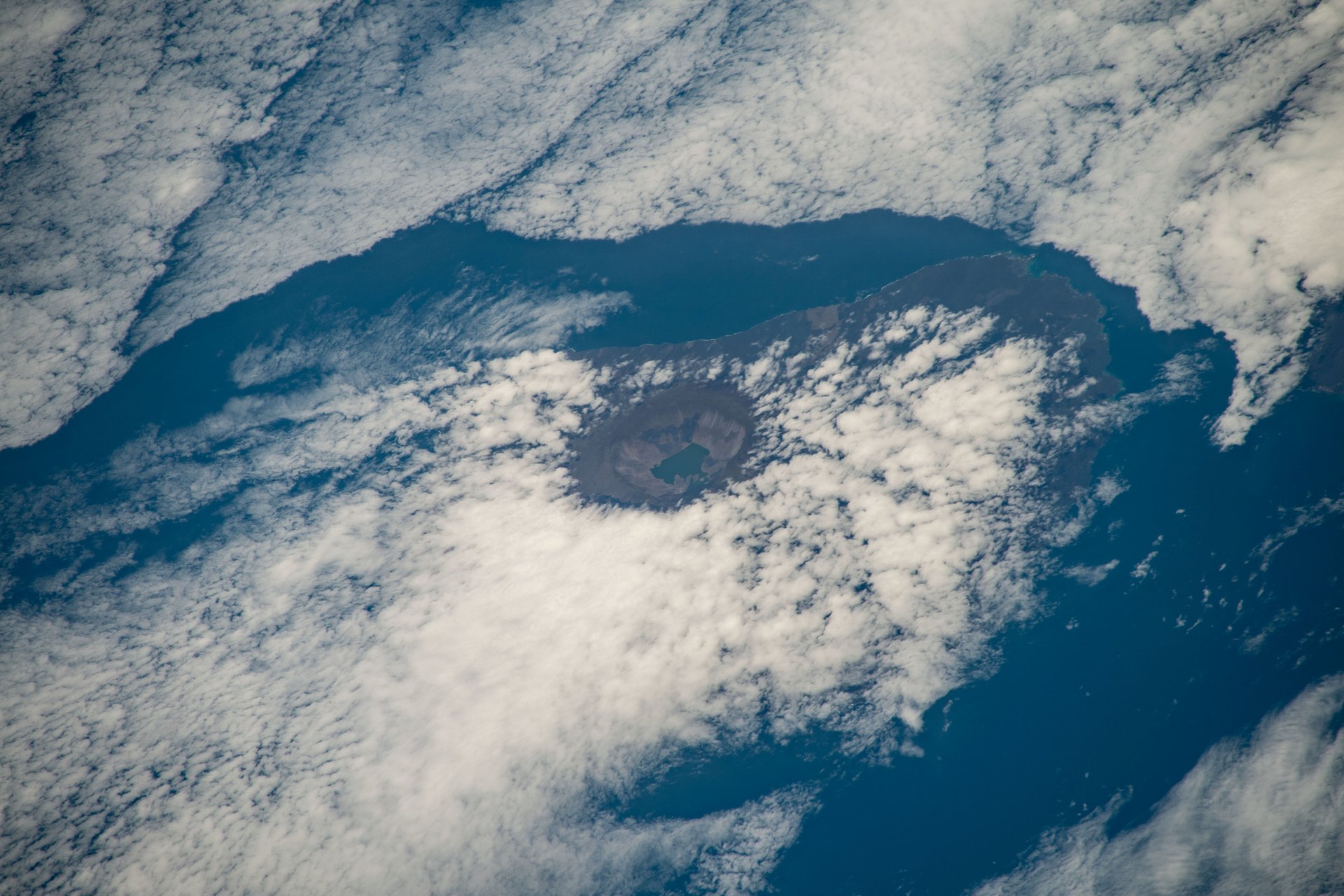
Active Forests
Galápagos Conservancy and the Galápagos National Park Directorate rear giant tortoises in breeding centres and return them to their home islands (Galápagos Conservancy, nonprofit).
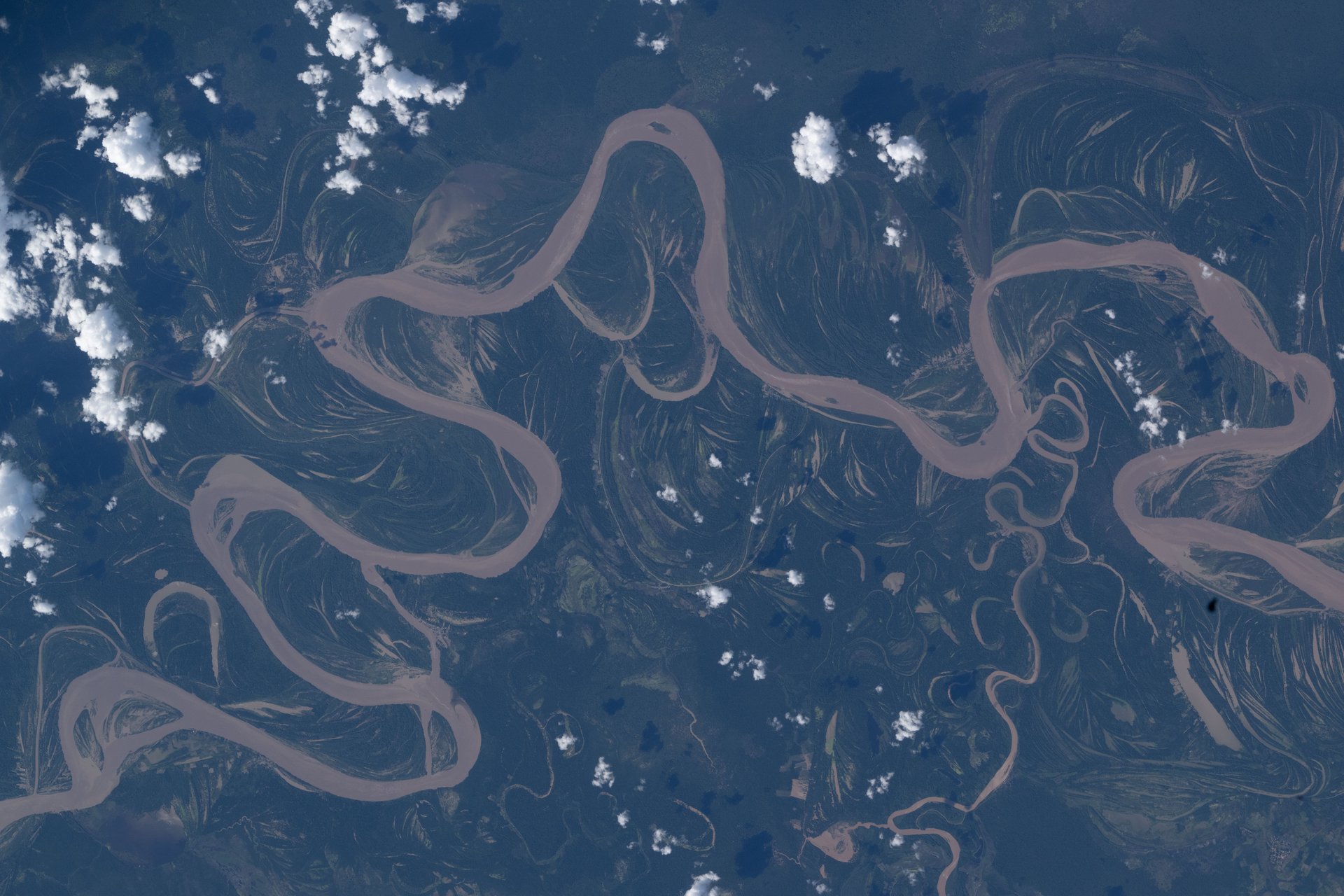
Active Forests
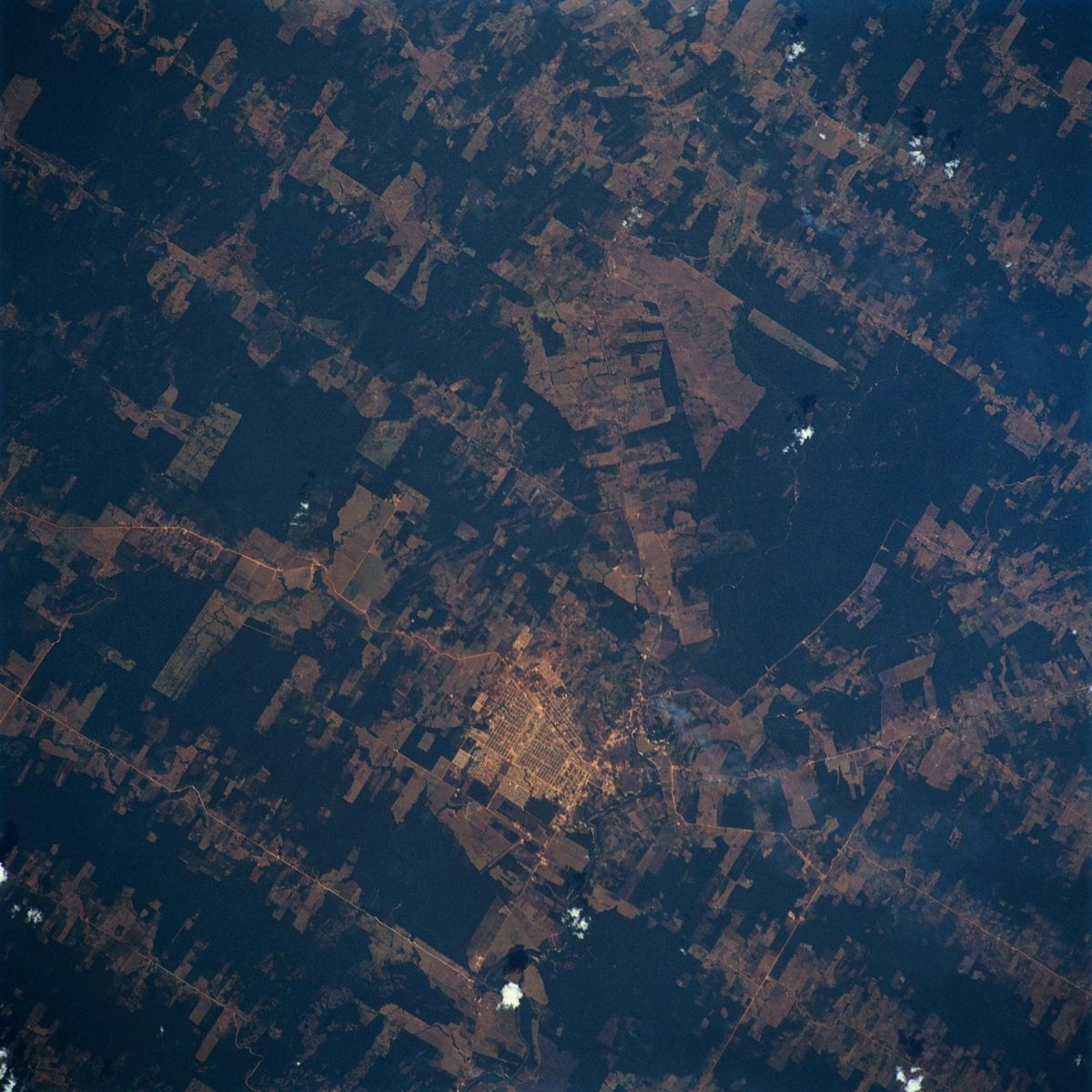
MAAP, the Monitoring of the Andes Amazon Program, is an initiative of the nonprofit Amazon Conservation that uses satellite images to report on urgent deforestation and fires in the Amazon (MAAP).
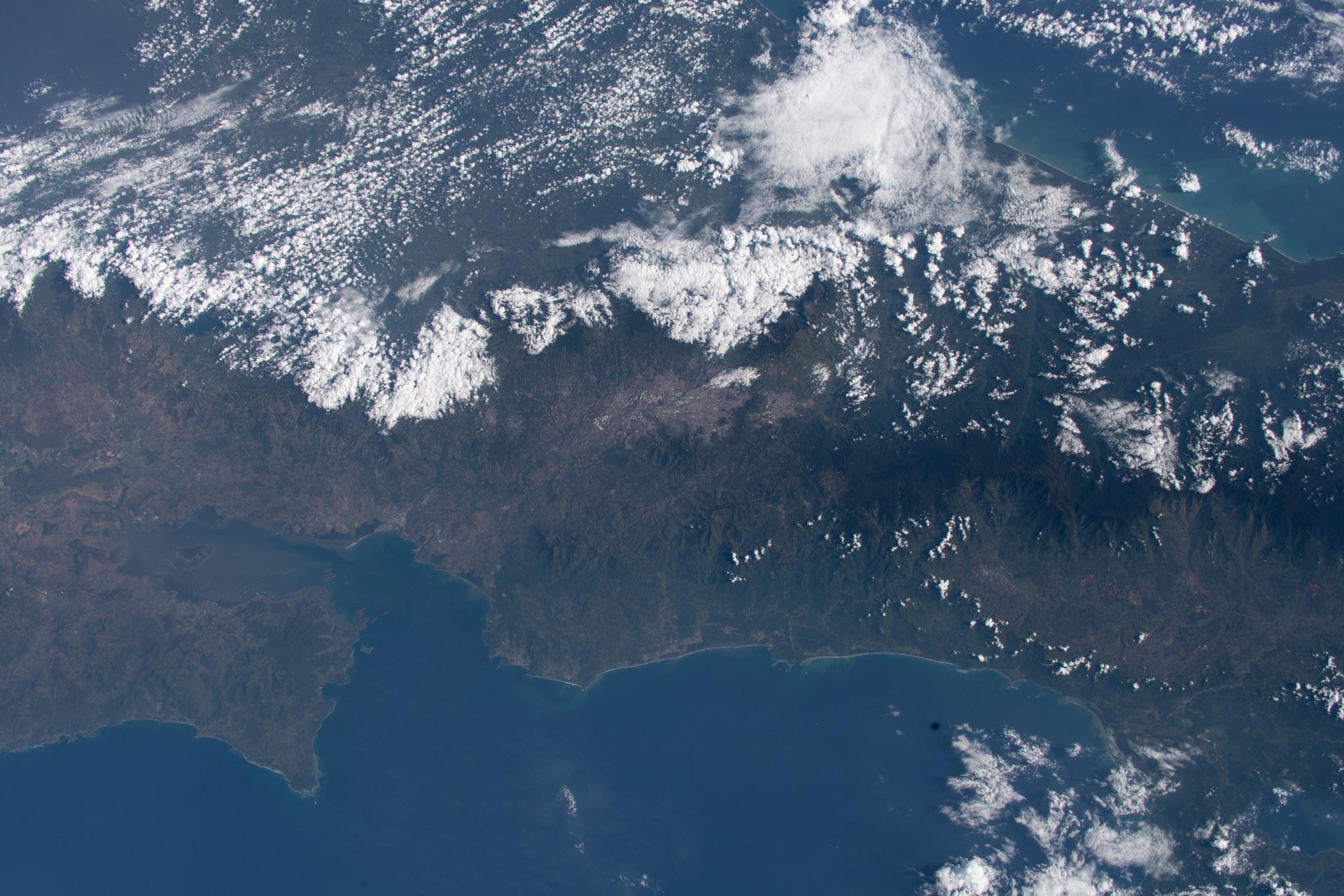
Active Forests
Costa Rica's FONAFIFO pays the owners of forests and forest plantations for the environmental services they provide, under Forestry Law 7575 (FONAFIFO).
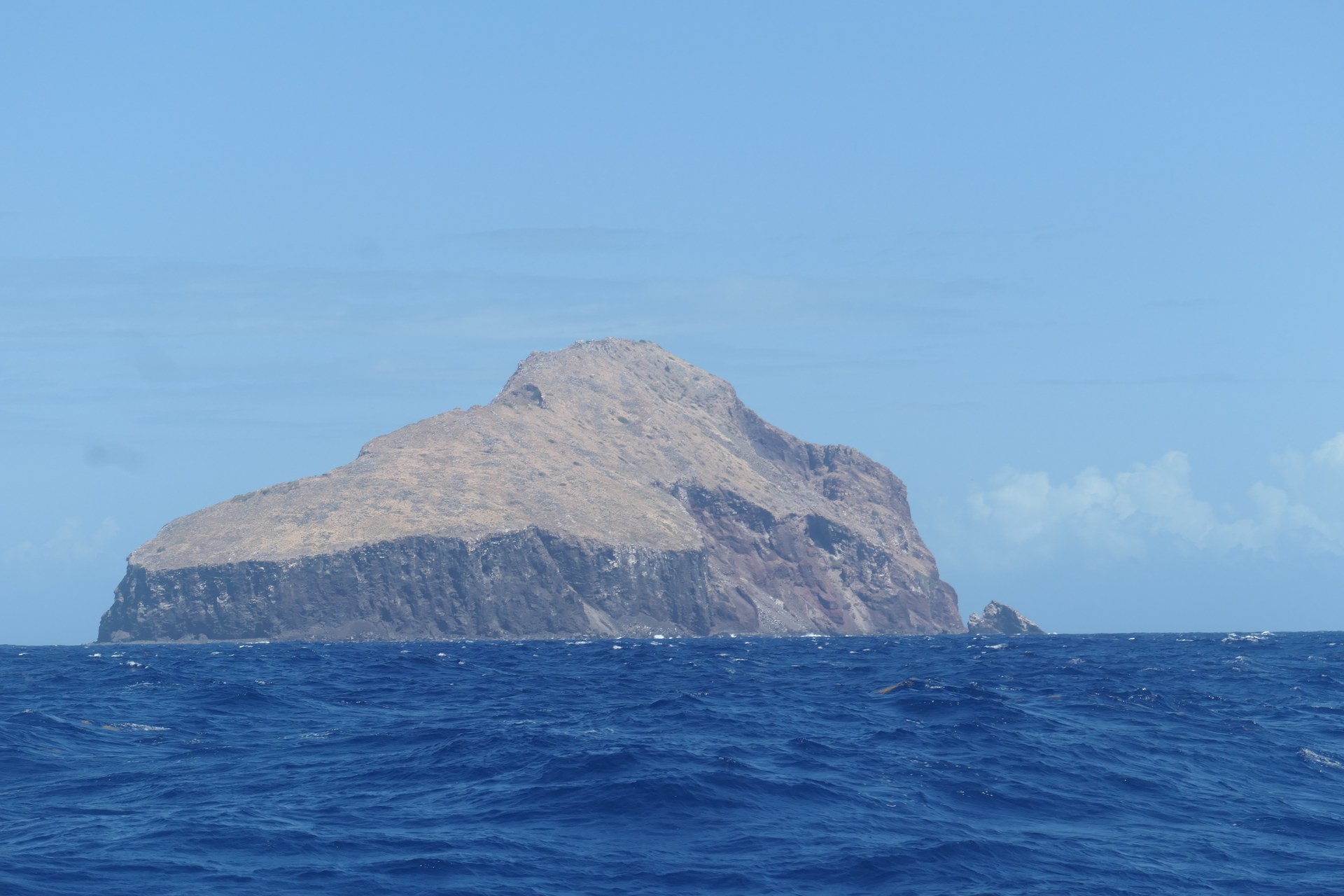
Active Forests
Redonda went from a dusty moonscape to a wildlife haven and is now one of the largest protected areas in the Caribbean (Fauna & Flora).
Active Forests
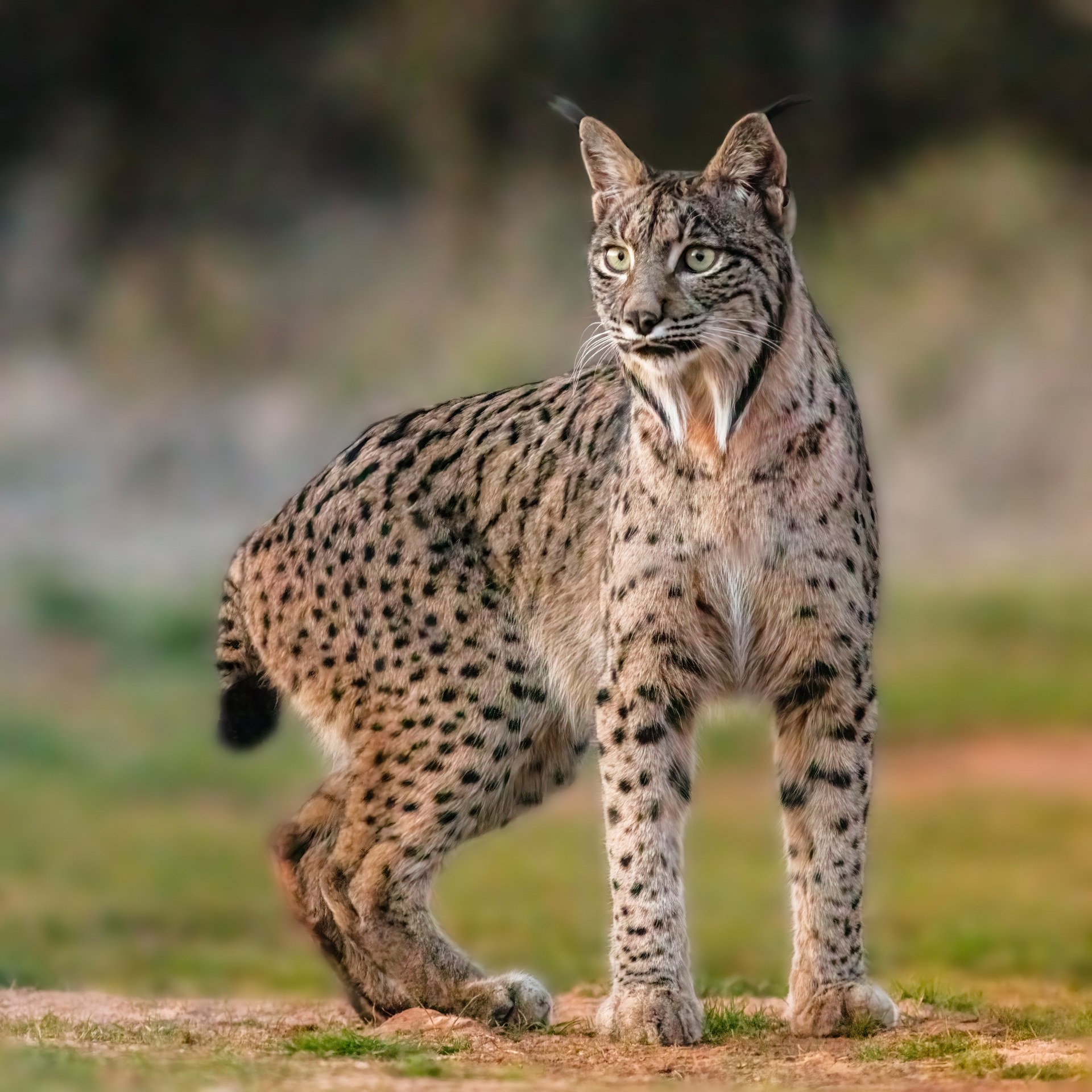
Spain and Portugal brought the Iberian lynx back from the edge: the 2025 census counted 2,663, almost double 2021 (MITECO).
Active Forests
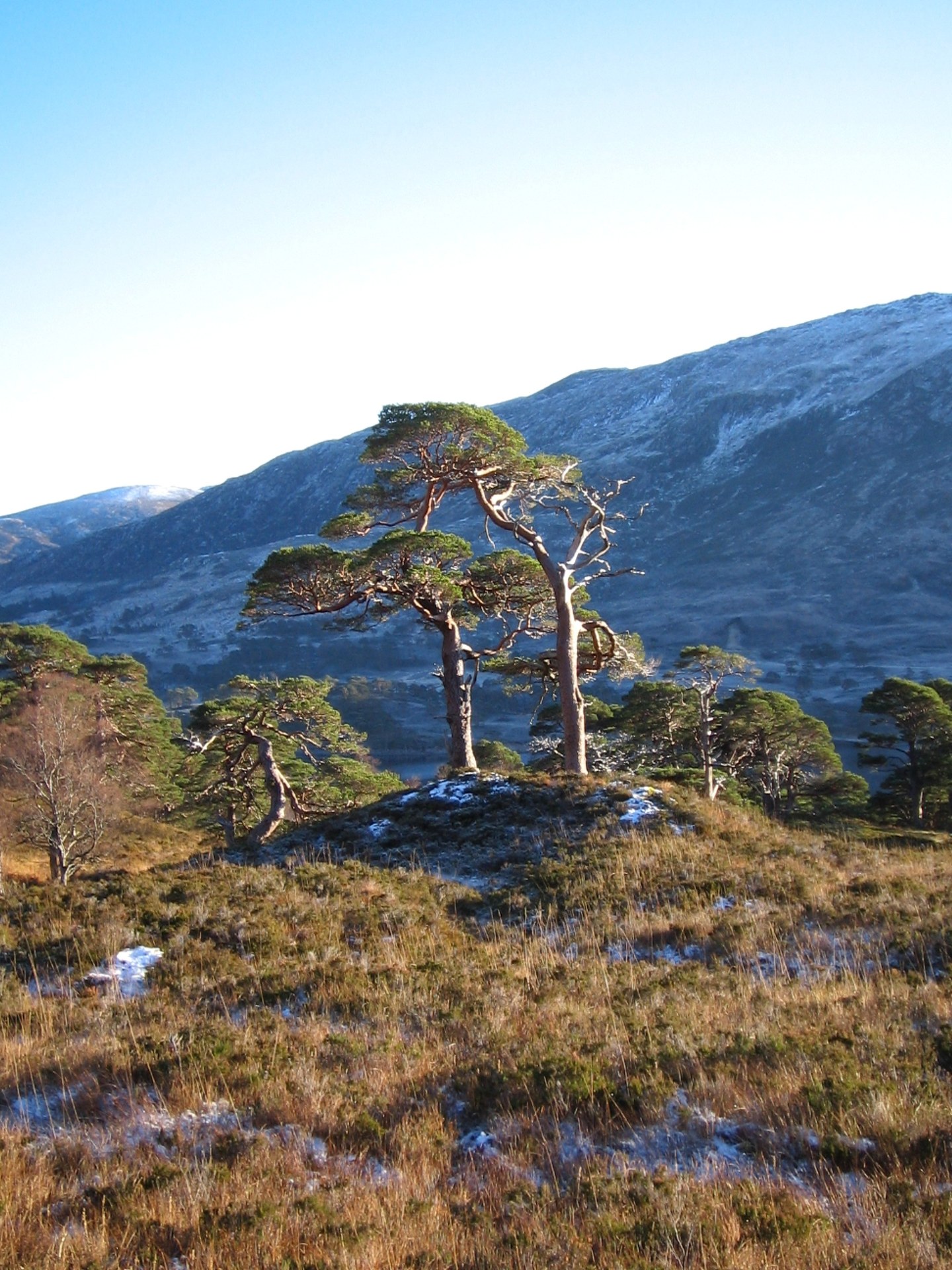
Trees for Life is rewilding the Scottish Highlands, bringing back the Caledonian forest, of which less than 2% survives (Trees for Life).
Active Forests
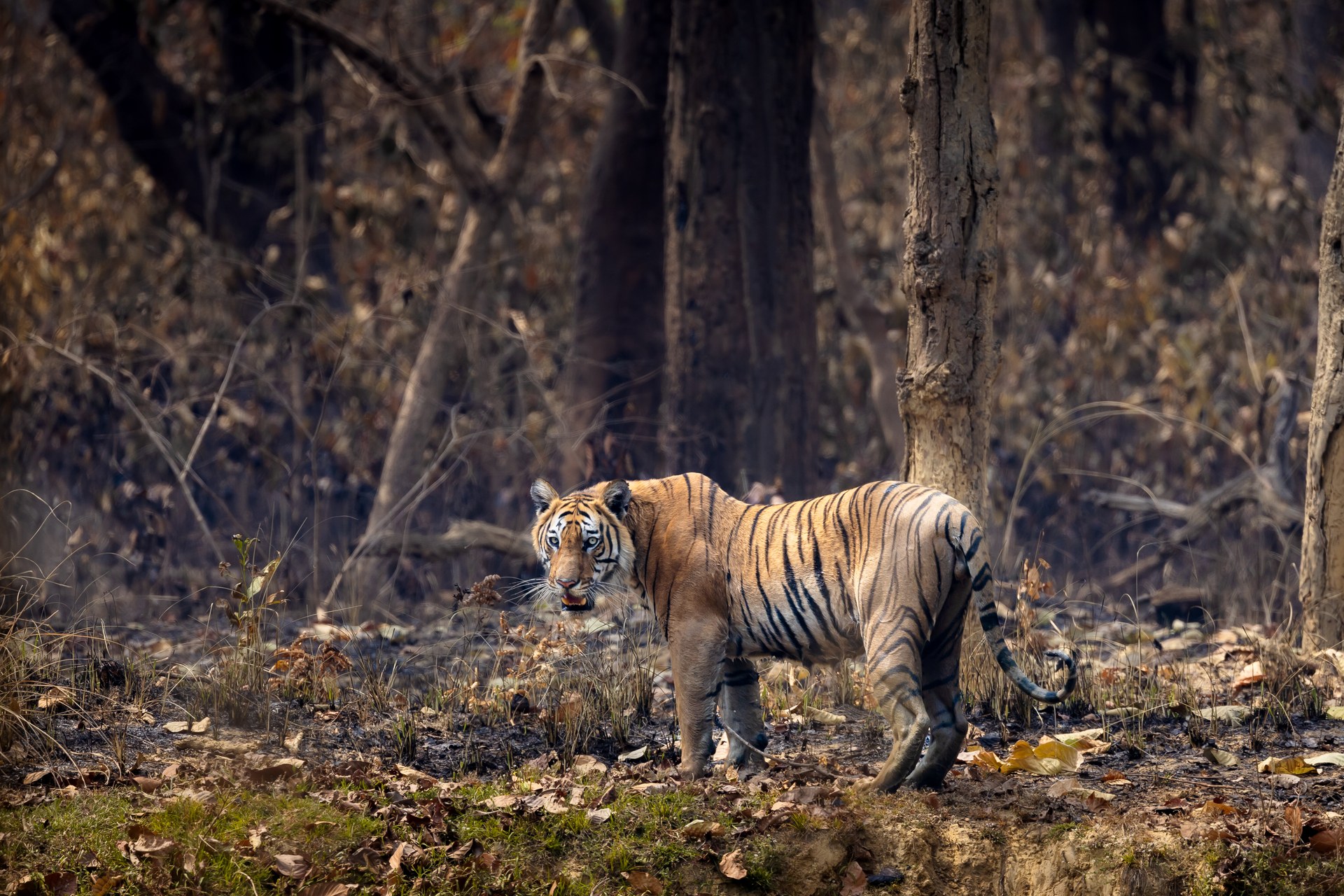
With rangers, wildlife corridors and over 450 community anti-poaching units, Nepal nearly tripled its wild tigers in 13 years (NTNC).
Active Forests
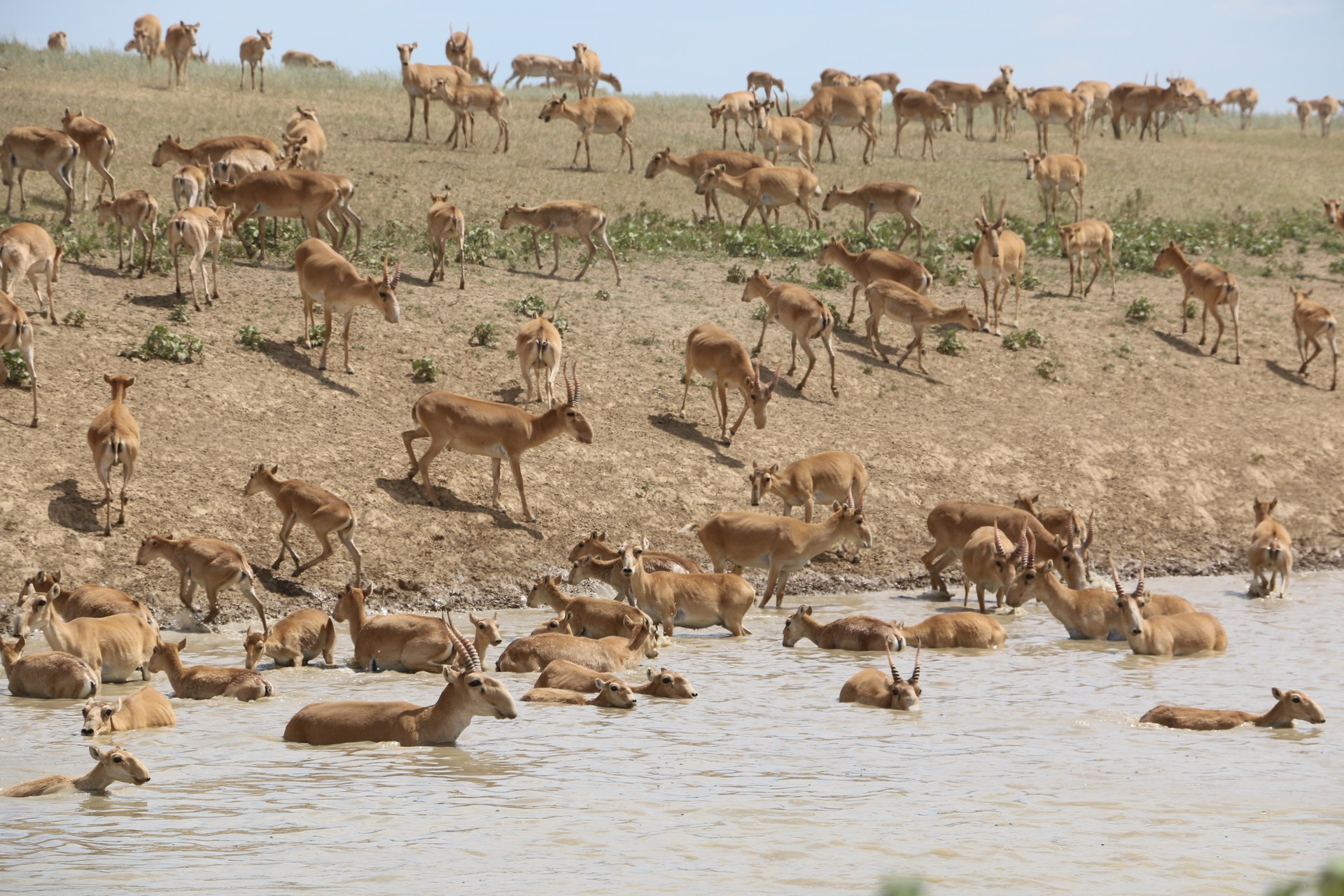
The Altyn Dala Conservation Initiative, led by ACBK, is restoring Kazakhstan's steppe, with the saiga antelope as its flagship (Altyn Dala).
Active Forests
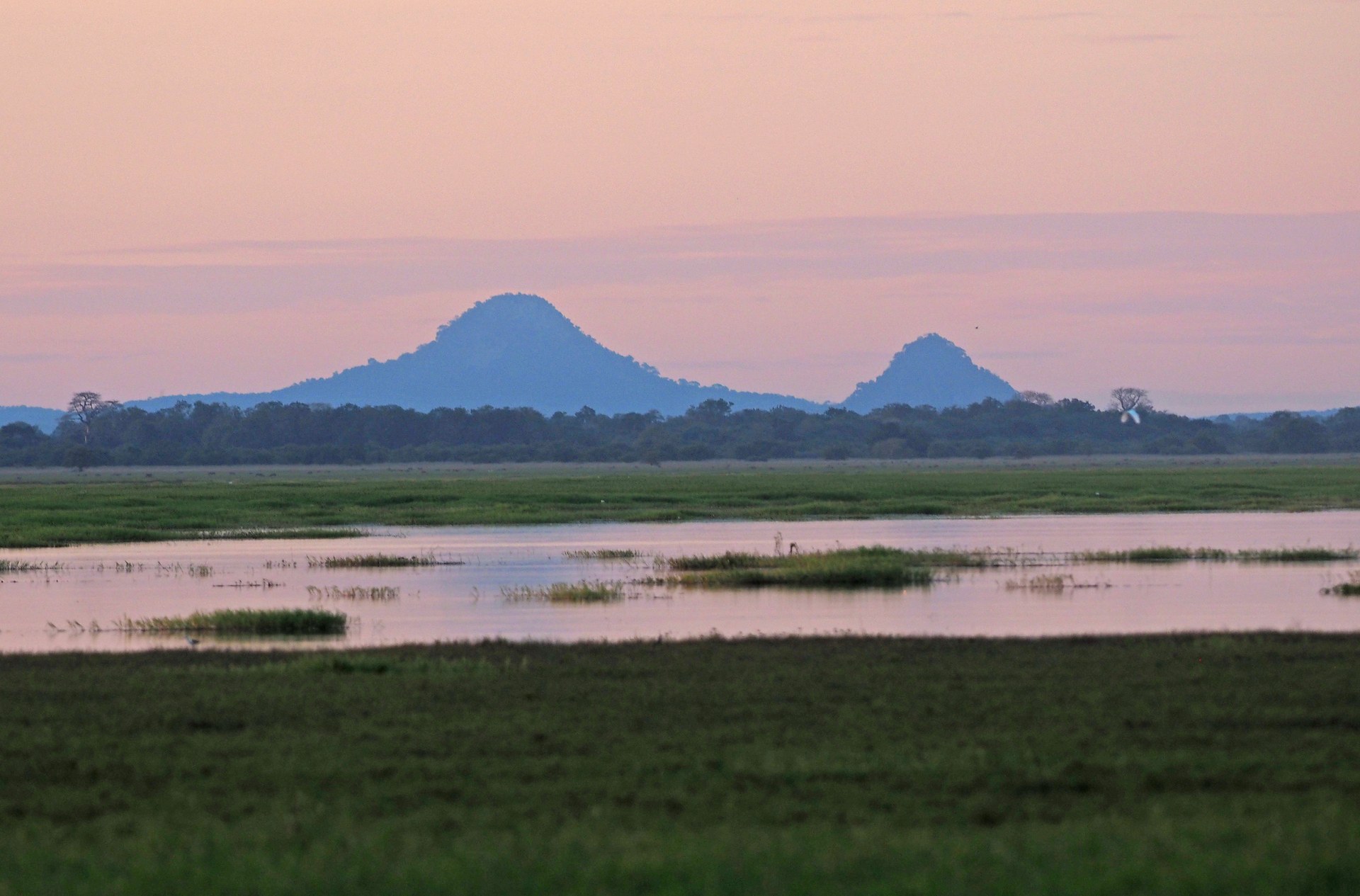
The Mozambique government and the Gorongosa Project are restoring Gorongosa National Park as "a park for the people" (Gorongosa).
Active Forests
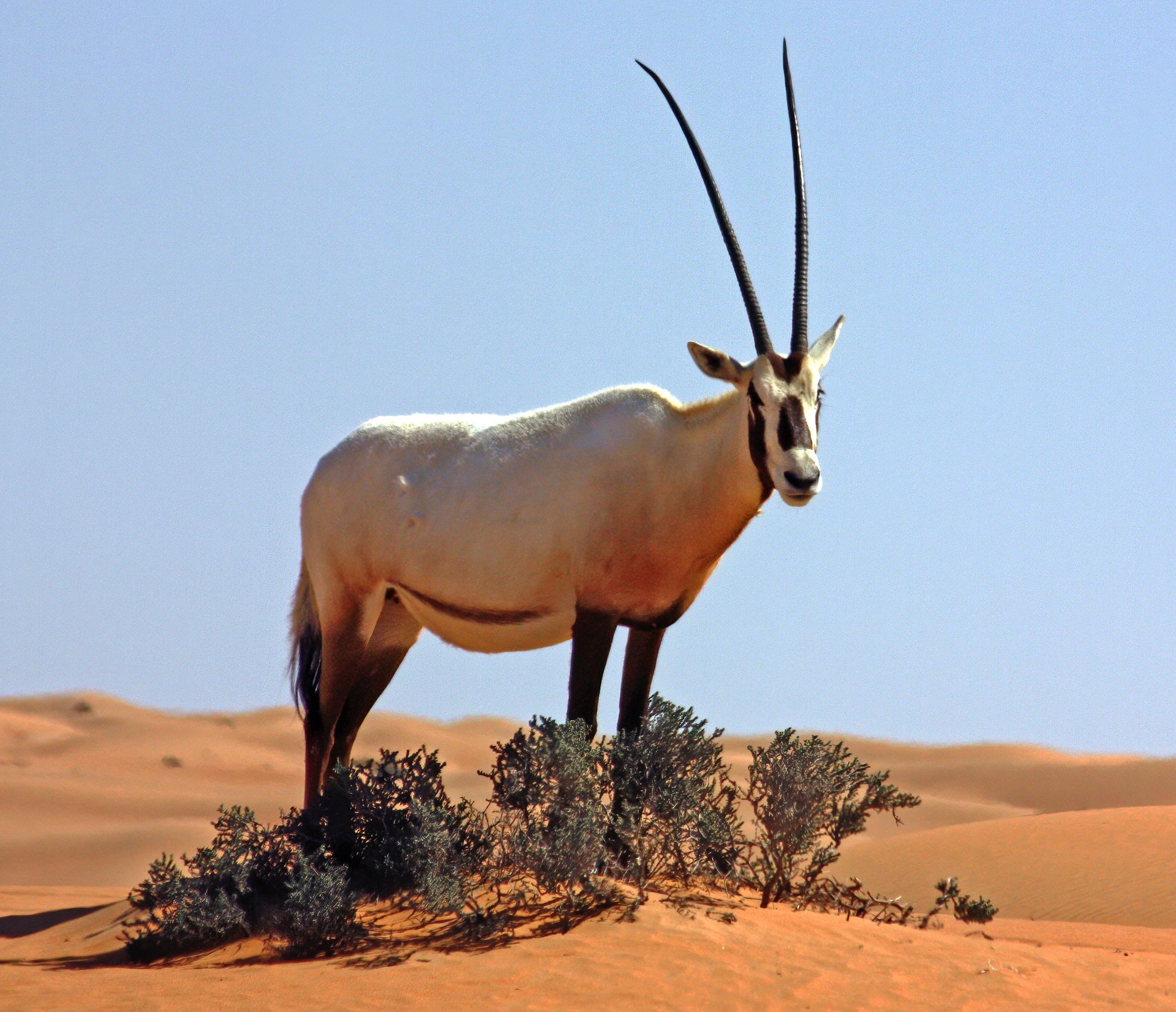
Captive breeding and reintroductions brought the Arabian oryx back, with about 1,000 in the wild by 2011 (IUCN).
Active Forests
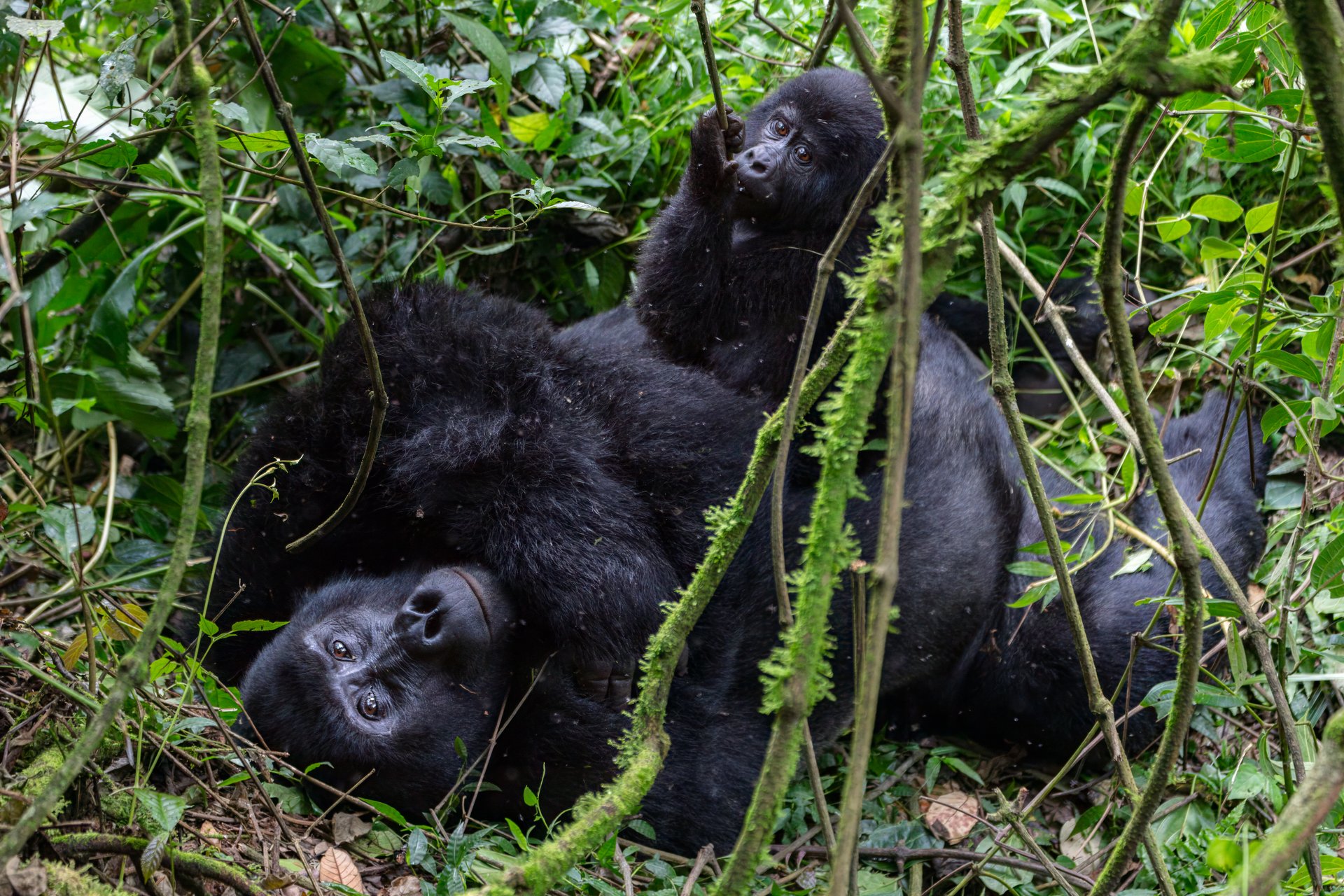
Rangers, vets and communities in Uganda, Rwanda and the DR Congo pulled mountain gorillas up from Critically Endangered (IUCN).
Active Forests
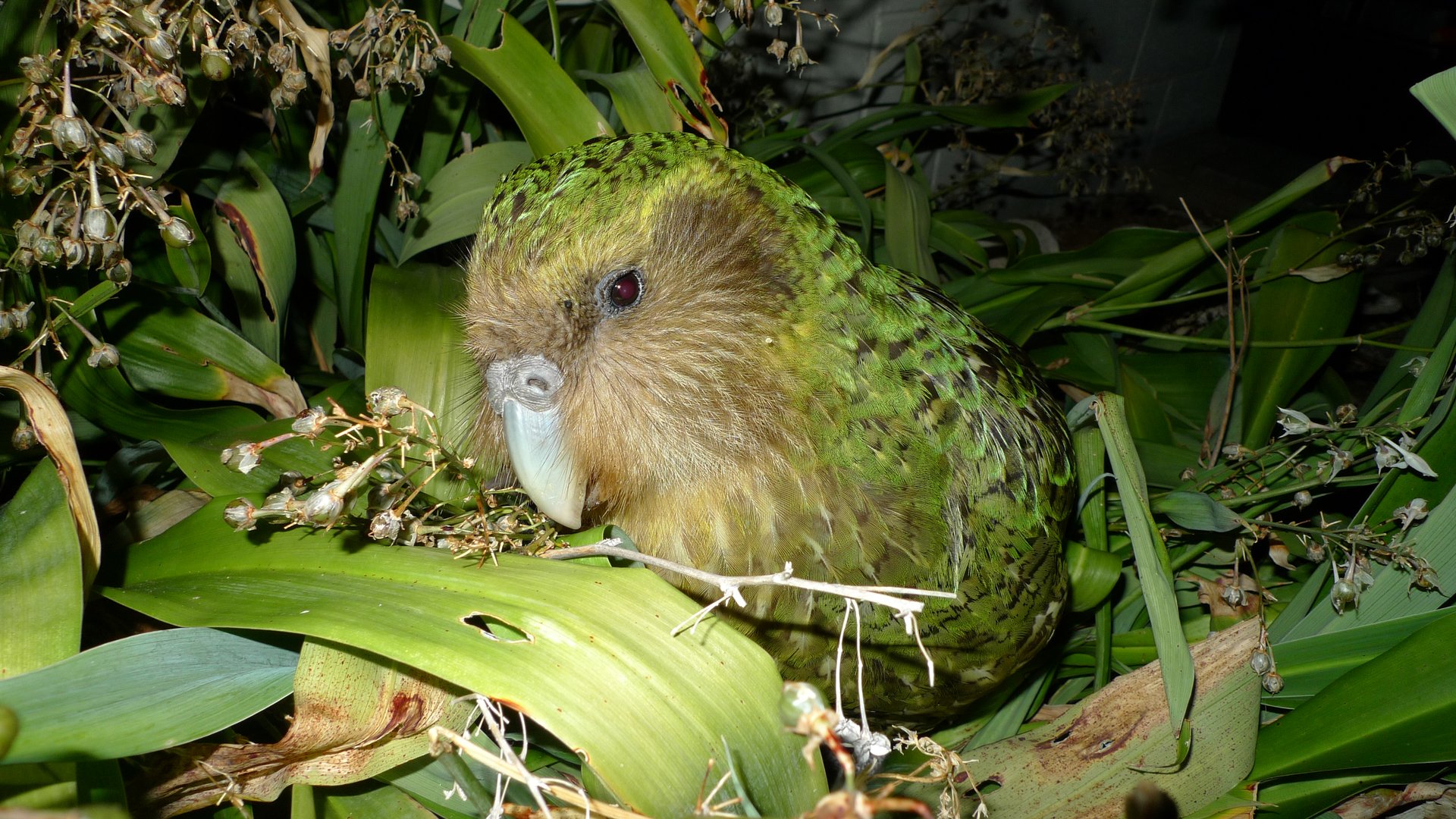
New Zealand's Department of Conservation and Ngāi Tahu have rebuilt the kākāpō from just 51 birds in 1995 (NZ DOC).
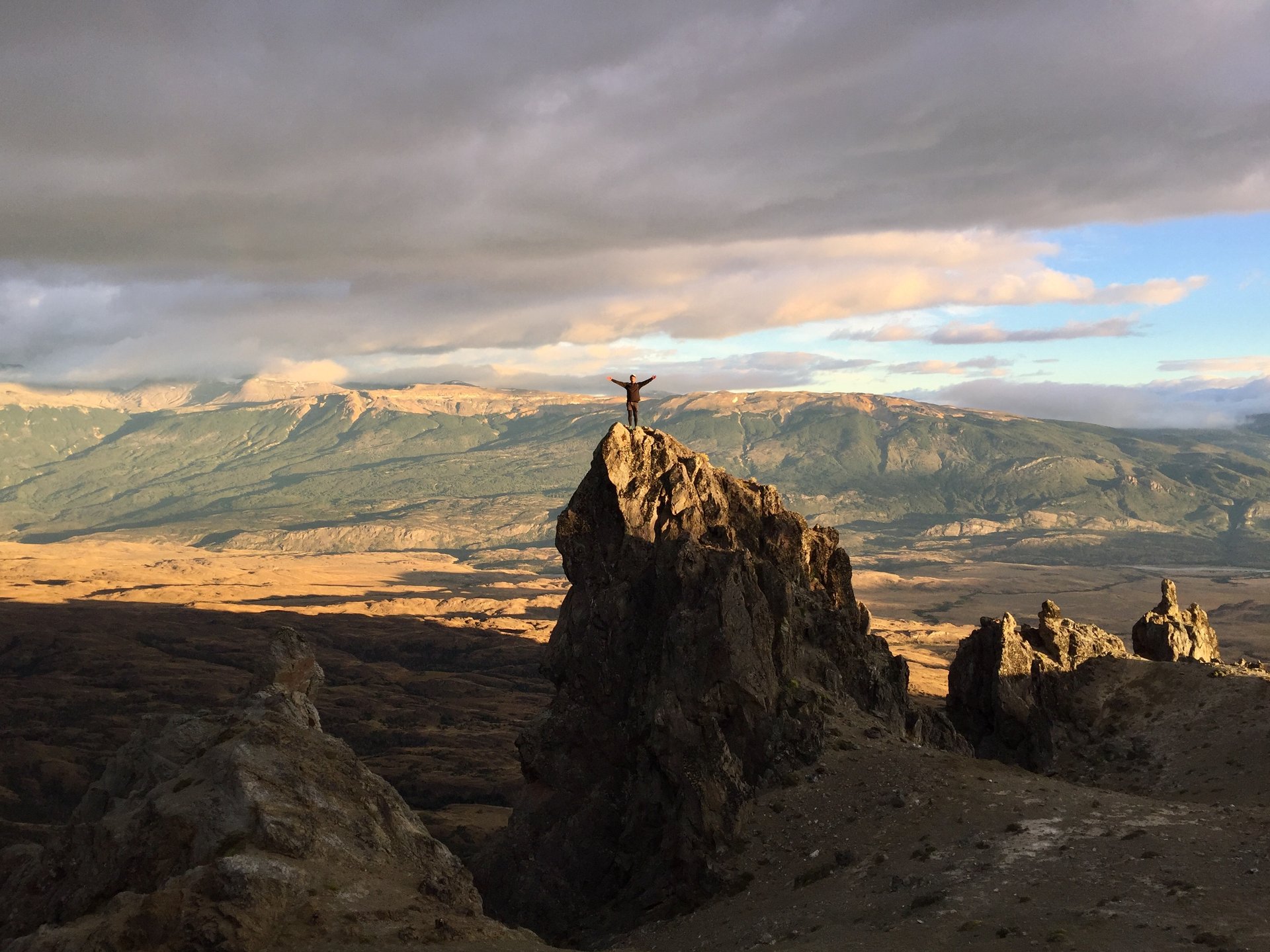
Active Forests
In January 2018, Chile and Tompkins Conservation signed the decrees creating a network of new national parks across Patagonia (Tompkins Conservation).
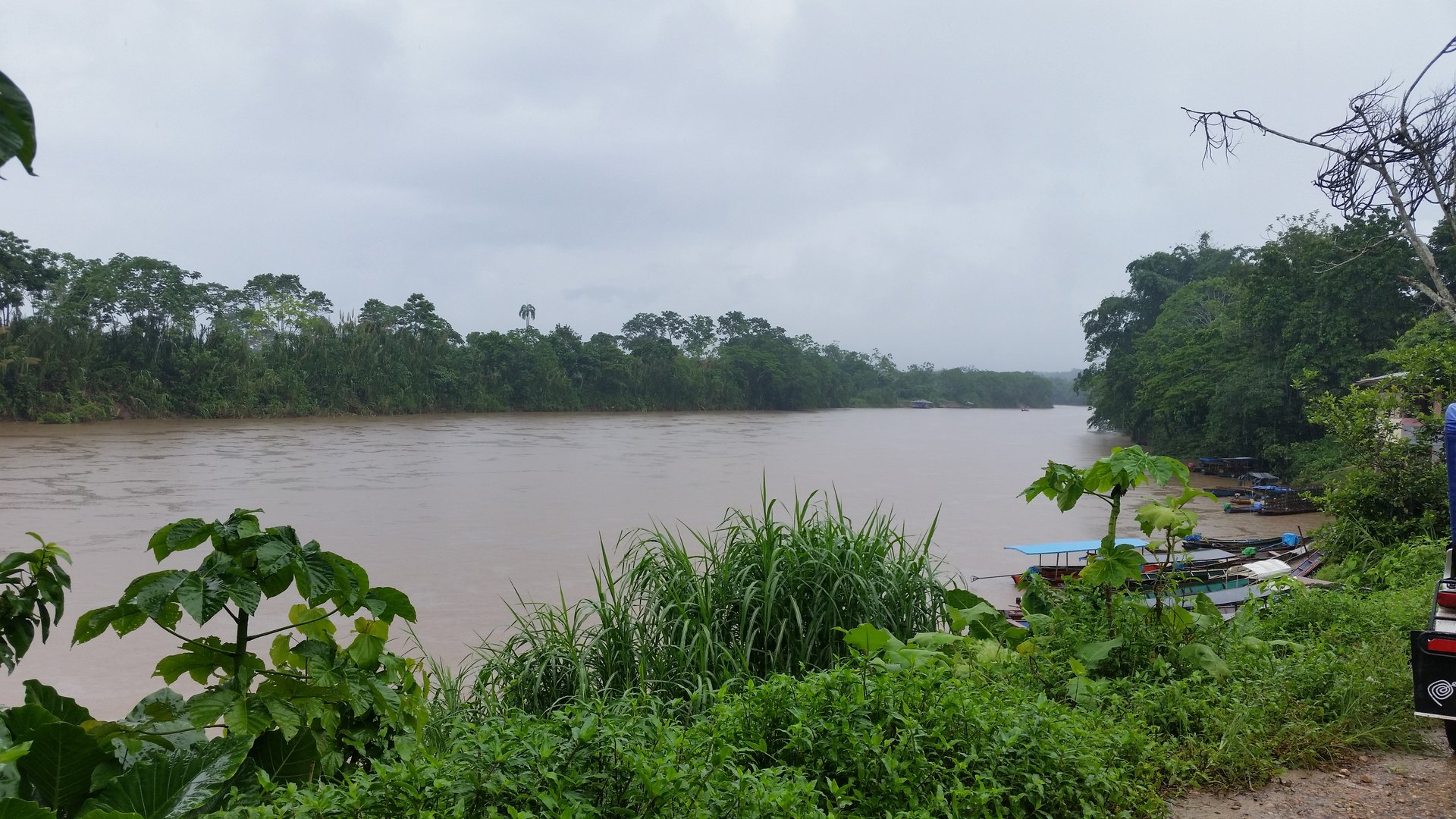
Active Forests
Cool Earth gave 211 Indigenous people in three communities in Peru's central Amazon an unconditional basic income for two years (University of Bath).
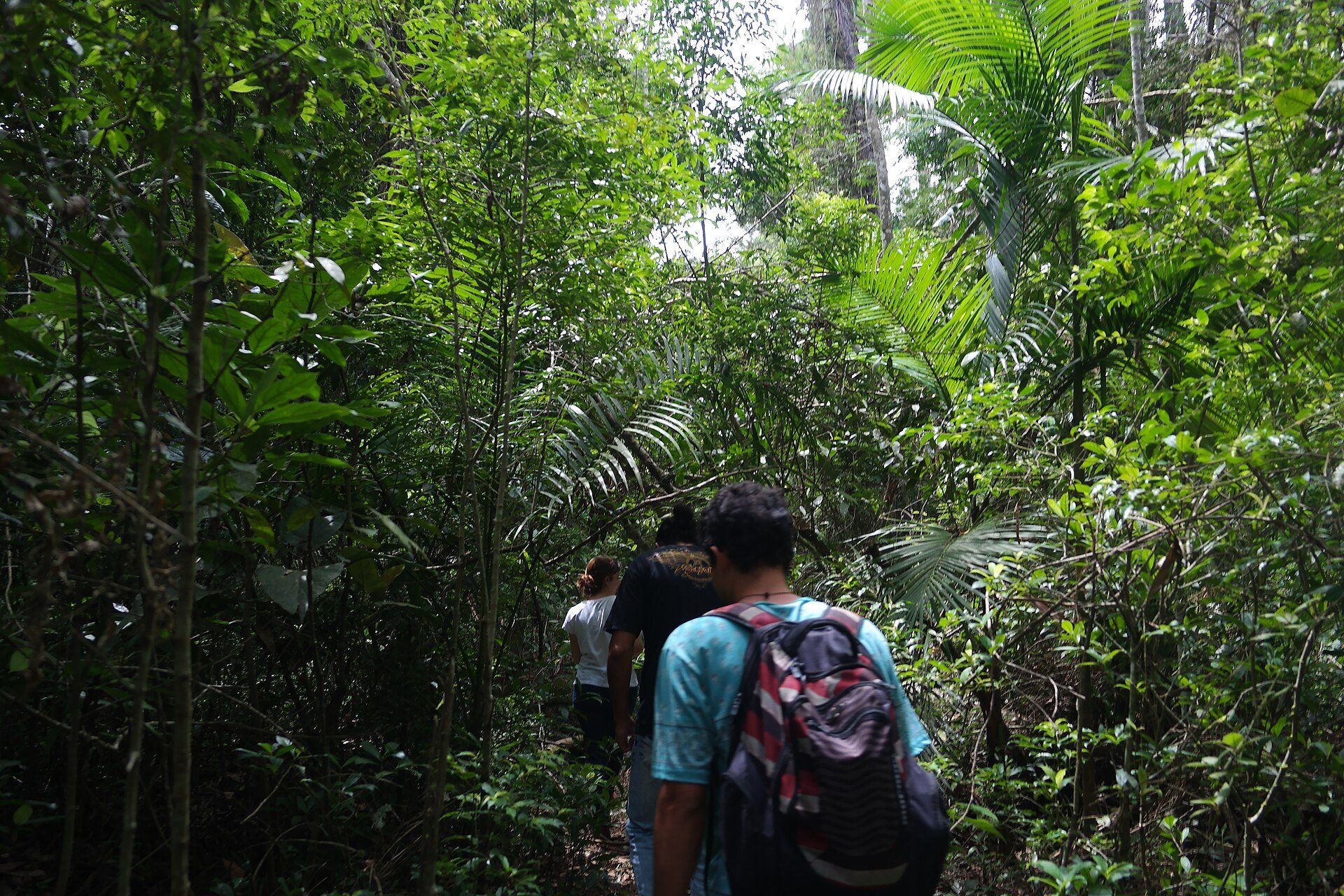
Active Forests
SOS Mata Atlântica and INPE have mapped the Atlantic Forest since 1989. About 12.4% of the original forest is still mature.
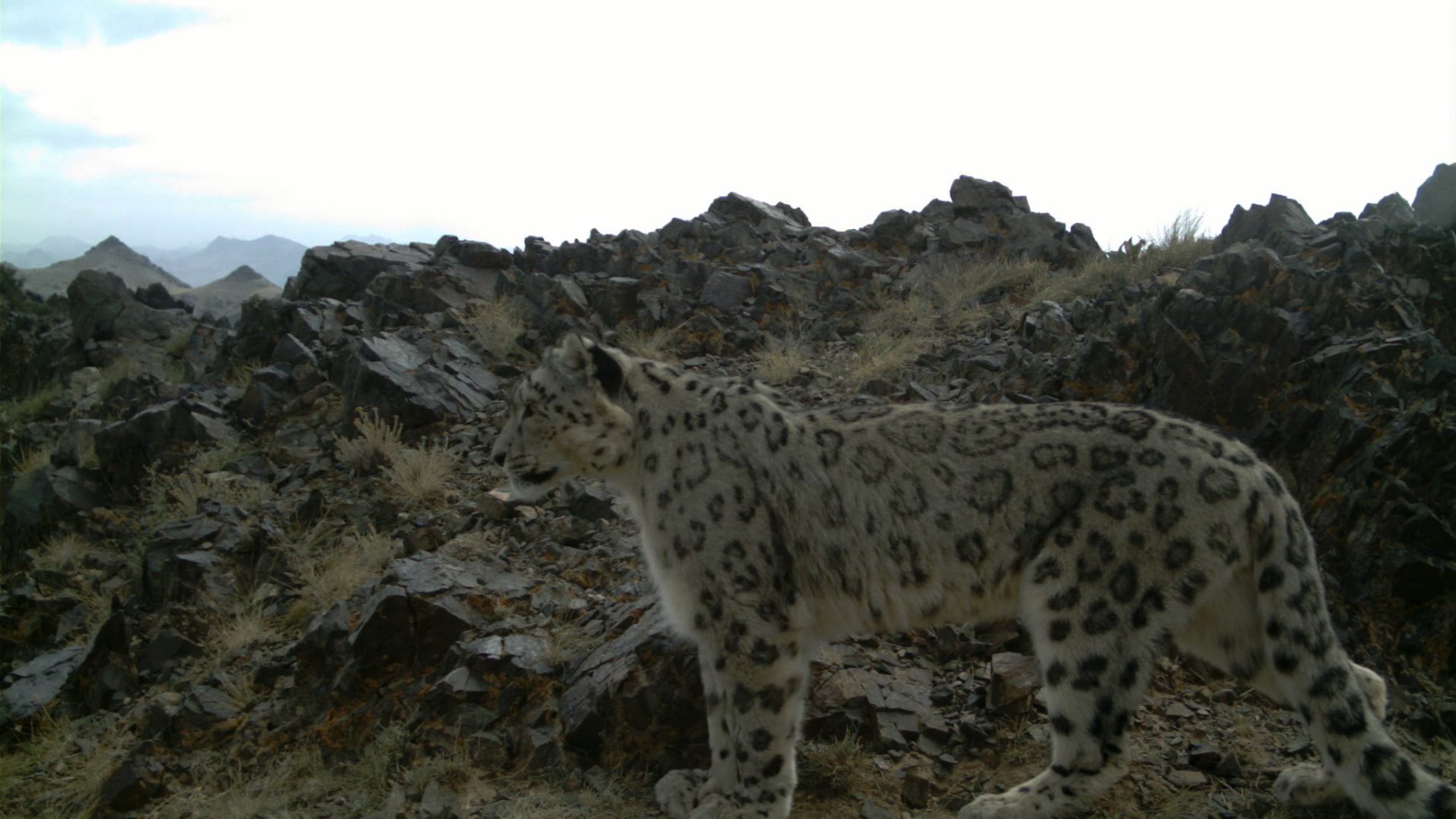
Active✨ New solution Forests
45 snow leopards GPS-collared in Tost, Mongolia since 2008, and Tost made a national Nature Reserve in 2016.
Active✨ New solution Forests
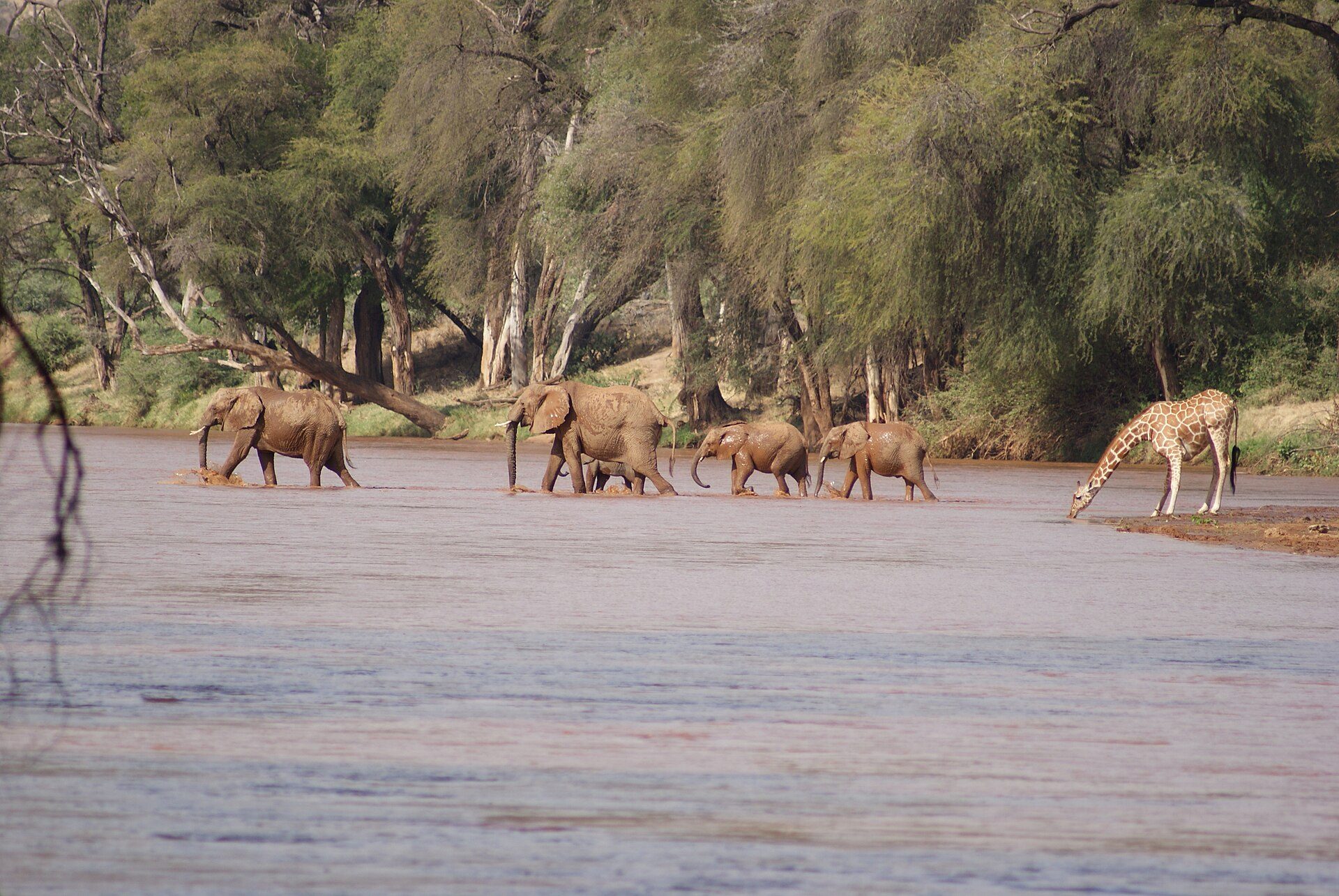
Detailed histories of almost 1,000 Samburu elephants, and an Elephant Crisis Fund that has backed 559 projects in 44 countries.
Five questions from this hub. Pick an answer to see if you got it, with a link to the source page. Nothing is tracked.
Copied to your clipboard.
I scored {n} out of 5 on the Forests quiz at Saving Planets.
You scored {n} out of 5.
Showcase, not partnership: How we feature solutions from around the world
Want to go deeper? Visit NASA Earth Observatory.
For further informationCreated by the Founder and SI
Forest solutions: three trees for every one removed, native biodiverse reforestation, and large-scale European planting.
Source: Forests · On this site
African Parks manages 24 protected areas in 13 countries, covering over 20 million hectares, in partnership with governments and local communities.
Source: African Parks, 25 years · On this site
The Altyn Dala Conservation Initiative, led by ACBK, is restoring Kazakhstan's steppe, with the saiga antelope as its flagship (Altyn Dala).
Source: Altyn Dala Conservation Initiative, 2024 saiga aerial census results · On this site
Water breathed out by Amazon trees starts the rainy season two to three months before winds alone would bring it (NASA JPL).
Source: NASA JPL, the Amazon makes its own rainy season · On this site
Since 1875, American Forests has worked to restore U.S. forests, from big natural landscapes to city streets, with more than 63 million trees planted.
Source: American Forests, About Us · On this site
Captive breeding and reintroductions brought the Arabian oryx back, with about 1,000 in the wild by 2011 (IUCN).
Source: IUCN, A grain of hope in the desert (June 2011) · On this site