Rewilding Argentina: Jaguars Return to Iberá
Jaguars were gone from Corrientes, Argentina, for more than 70 years. Since 2021 Rewilding Argentina has brought them back, and at least 50 now roam Iberá Park.
✨ New solutionAdded
Image: Charles J. Sharp, via Wikimedia Commons (CC BY-SA 4.0). This wild jaguar was photographed in Brazil’s Pantanal, not in Iberá.
Last reviewed: 3 sources cited
Explain Like I'm 10
- Jaguars disappeared from the Iberá Wetlands in Argentina more than 70 years ago.
- A group called Rewilding Argentina raised jaguars and set them free there, starting in 2021.
- Now at least 50 jaguars live wild in Iberá Park, along with anteaters, deer, macaws and otters that also came back.
The Five W's of Rewilding Argentina: Iberá Jaguars
Who
Fundación Rewilding Argentina restores wildlife in Argentina’s parks. In Iberá it runs the jaguar reintroduction project, with jaguars donated from Argentina, Paraguay, Brazil and Uruguay.
What
The jaguar is the largest cat in the Americas. It went extinct in Corrientes in the mid-twentieth century because of hunting, habitat change and a lack of prey. The project raises and releases jaguars that can live in the wild.
When
The Jaguar Reintroduction Center opened on San Alonso Island in 2012. In early 2021 a mother and two cubs were released, the first jaguars to live free in Corrientes in more than seventy years.
Where
Iberá National Park, created by law in 2018, protects 158,000 hectares donated by Tompkins Conservation and Rewilding Argentina. Another 600,000 hectares are protected as Iberá Provincial Park.
Why
Rewilding Argentina calls the jaguar a key species for the health and integrity of wild A community of living things and the place they live, like a reef or a forest, all depending on each other. Glossary. Argentina’s whole jaguar population was estimated at only 200 to 250 animals in 2018.
Impact Statement
Nonprofit solution · active · New solution
As of mid-2026, at least 50 jaguars roamed freely in Iberá Park, after the species had been missing from Corrientes for more than seventy years.
Source: Fundación Rewilding Argentina, Jaguar
In mid-May 2022, Arami, one of the first two jaguars born at the reintroduction center, gave birth to the first two cubs conceived and born in the wild in Iberá.
How This Improves Our Planet’s Health
Top predators back in the food web
Iberá is the setting of Argentina’s first wildlife reintroductions. Giant anteaters came back in 2007; collared peccaries, Pampas deer, red-and-green macaws, bare-faced curassows, ocelots, giant otters and jaguars followed. The jaguar is the apex land predator and the giant otter the apex aquatic predator.
Source: Fundación Rewilding Argentina, Iberá
Restoring how the wetland works
The foundation’s stated mission in Iberá is to restore the wildlife and recover the area’s ecological functions. As of 2026 it reports healthy populations of giant anteaters, Pampas deer, collared peccaries and red-and-green macaws.
Source: Fundación Rewilding Argentina, Iberá
For people
Nature tourism in Iberá now draws visitors whose spending reaches ten neighboring towns and villages that live alongside the wildlife.
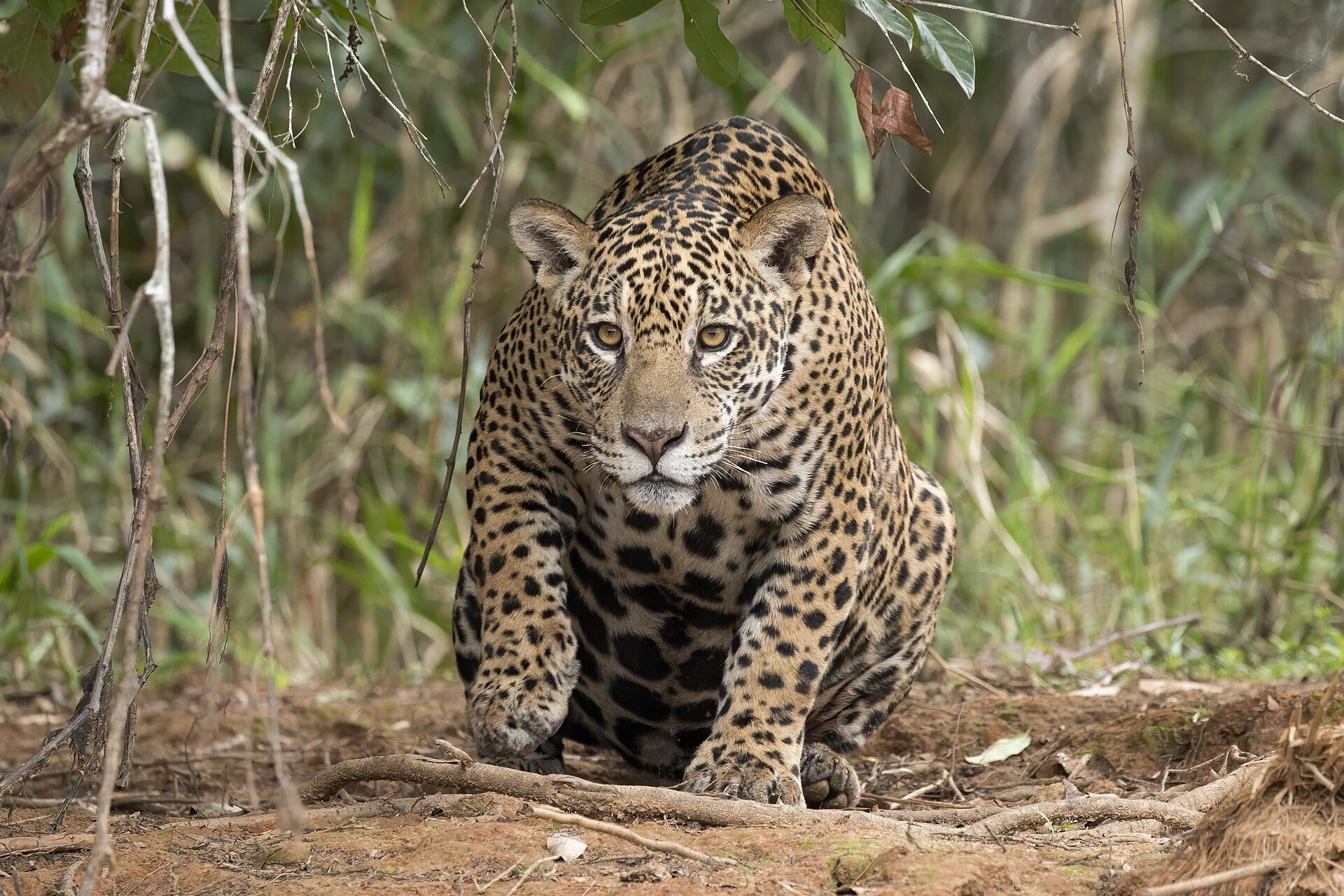
Image: Charles J. Sharp, via Wikimedia Commons (CC BY-SA 4.0). This wild jaguar was photographed in Brazil’s Pantanal, not in Iberá.

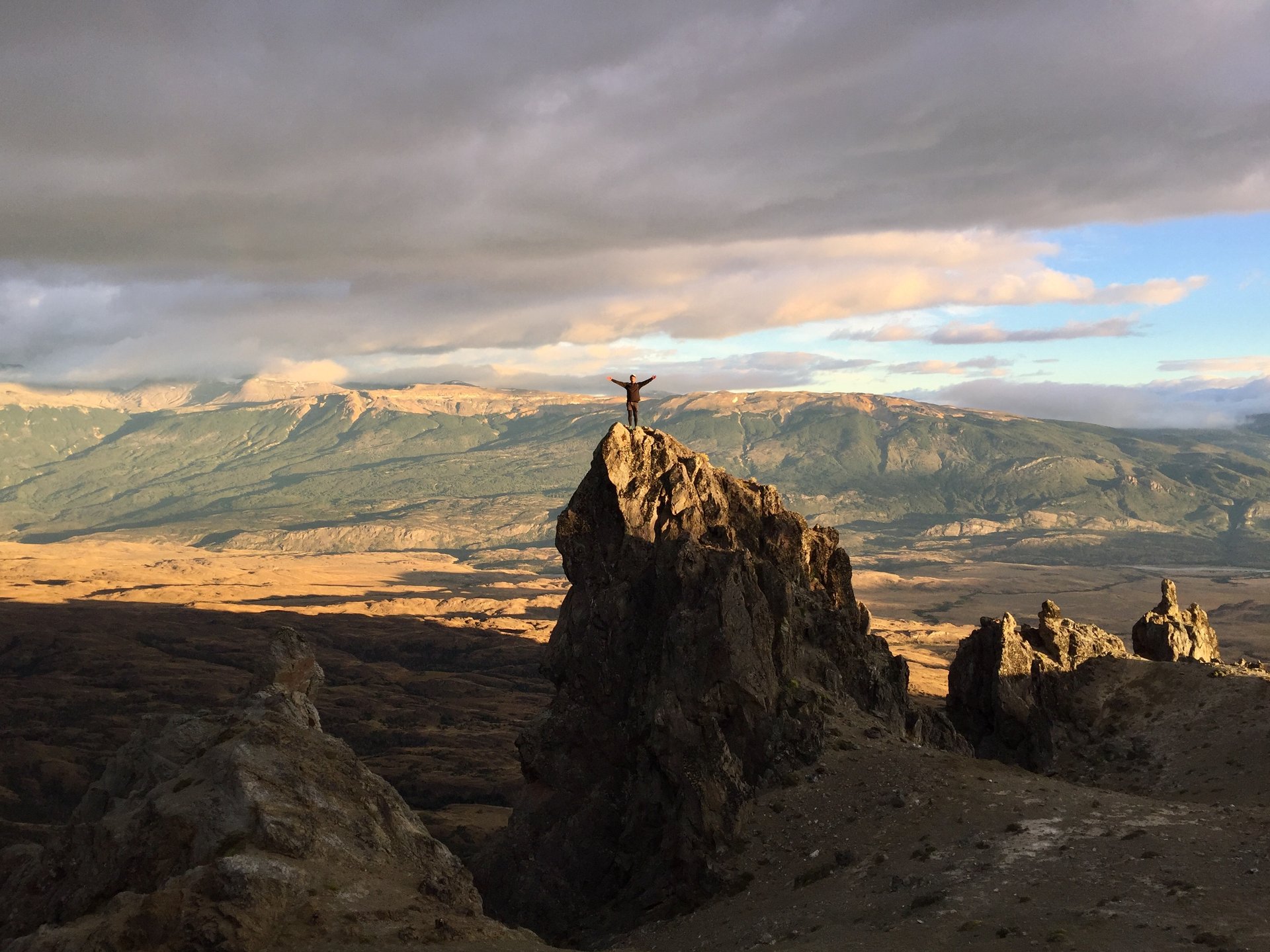
Image: Puya Raimondi, via Wikimedia Commons (CC BY-SA 4.0).
Support Fundación Rewilding Argentina
Last reviewed: 3 sources cited How we check a Donate link
Donations go to Fundación Rewilding Argentina, not to Saving Planets.
DonateRelated Solutions
More solutions like this one, matched by meaning.
Help This Work
Fundación Rewilding Argentina publishes financial statements audited by independent auditors (year ending 31 March 2026). The Donate button goes to the foundation’s own page. Saving Planets does not receive any of the money. Source: Rewilding Argentina audited financial statements, 31 March 2026.