Great Green Wall (African Union / UNCCD)
An African-led effort to restore land across the Sahel; a 2020 UN status report counted about 4 million hectares inside its zone and nearly 18 million in the wider region (UNCCD).
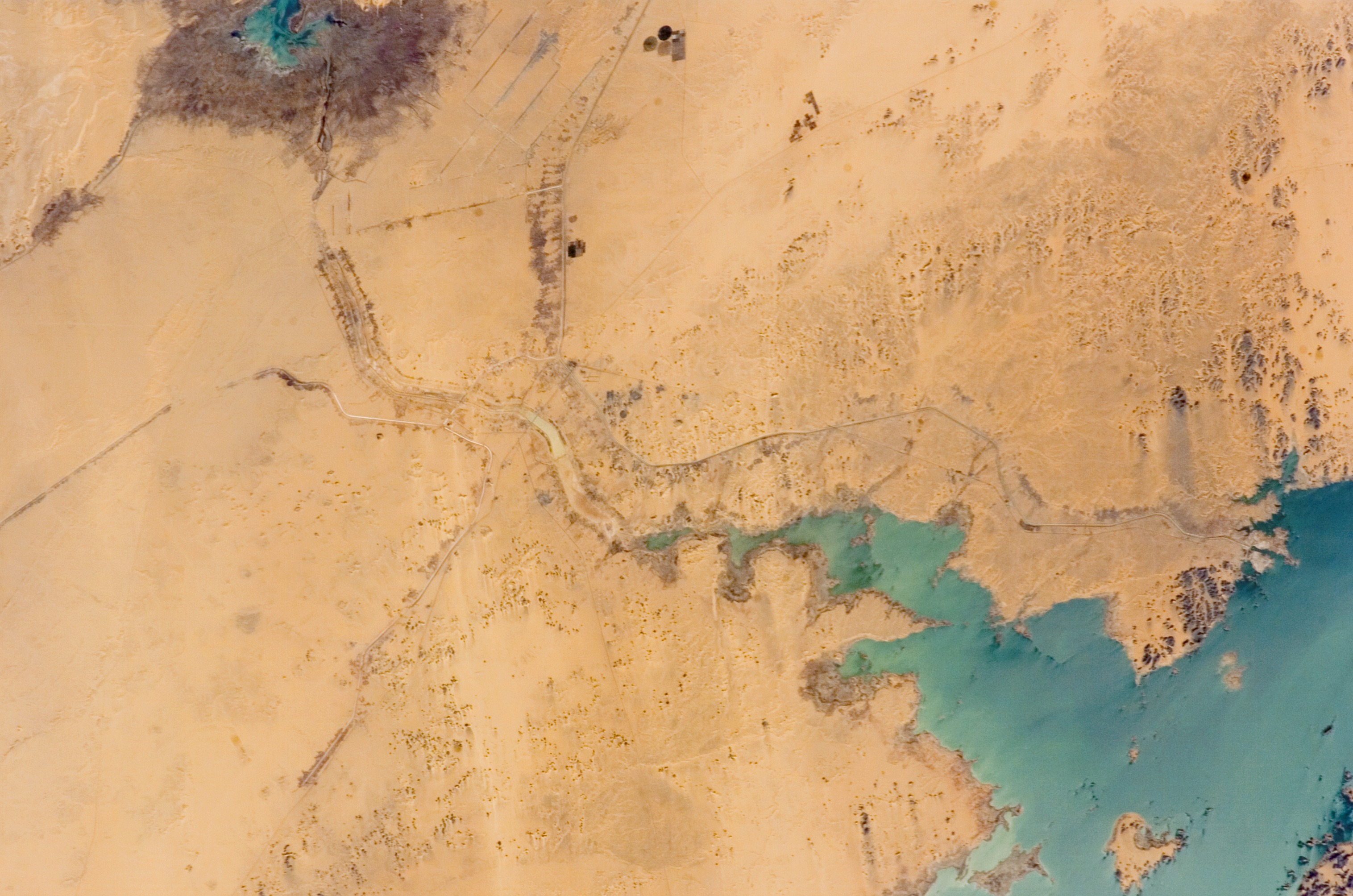
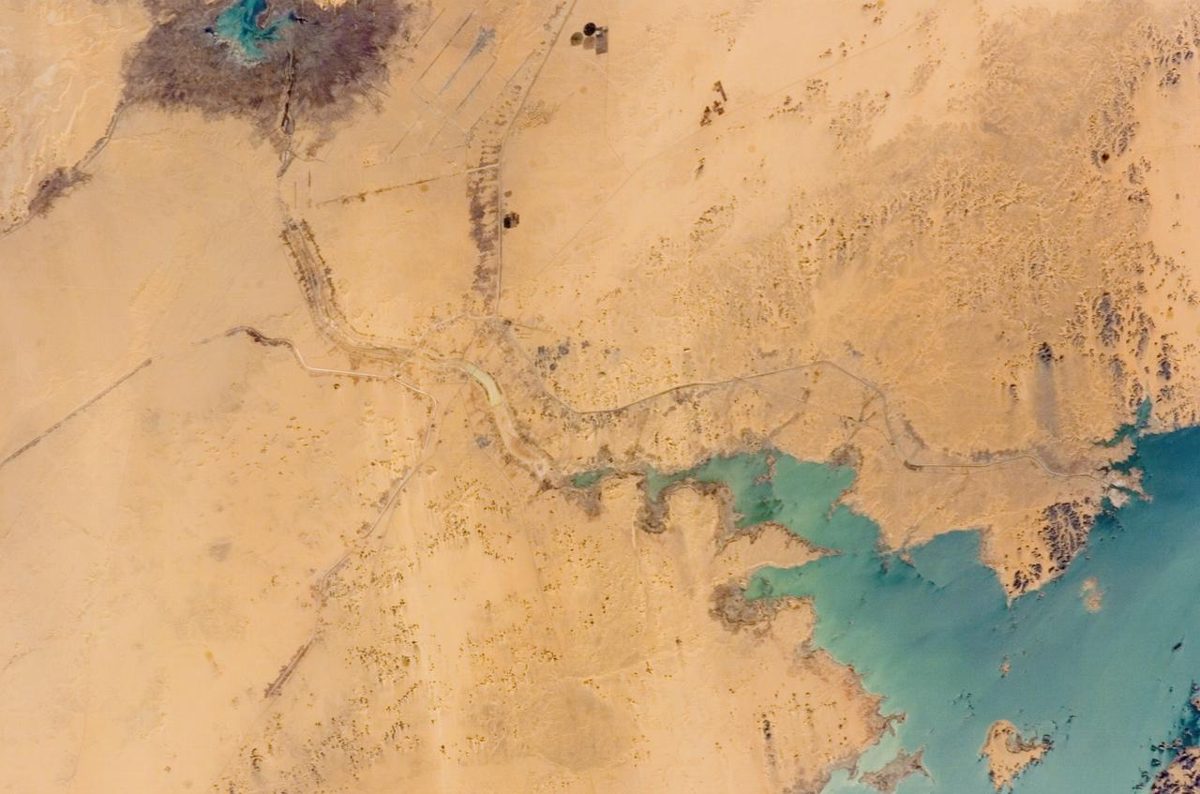
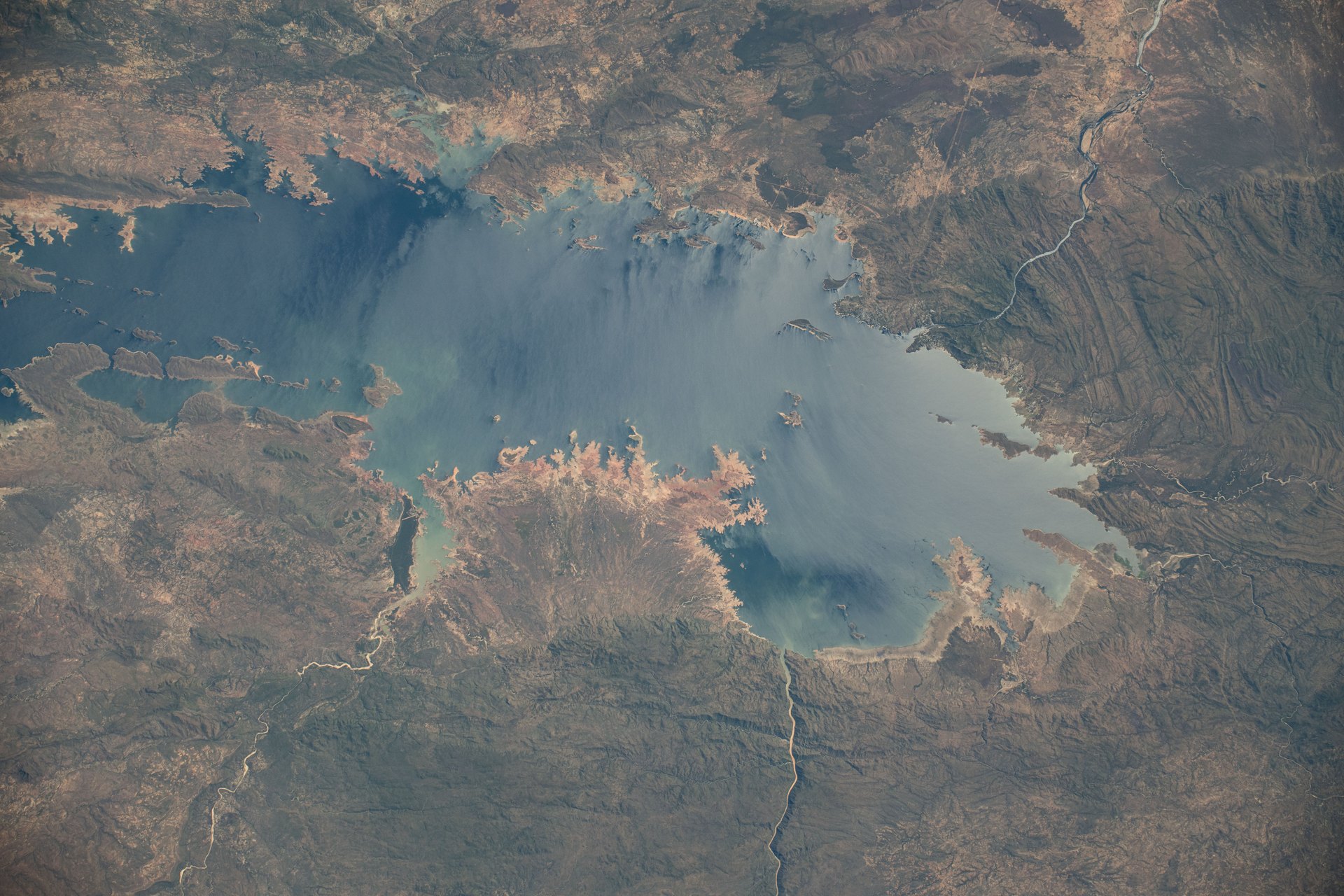
Image: NASA (iss012e11654).
Last reviewed: 2 sources cited
Explain Like I'm 10
- The Sahara desert is next to a dry area called the Sahel.
- Many African countries are planting and protecting trees and grass there.
- They want to make a long green belt across Africa.
The Five W's of Great Green Wall (African Union / UNCCD)
Who
The African Union and 11 countries across the Sahel, supported by the UN Convention to Combat Desertification (UNCCD).
What
A mosaic of restored land, trees, farms and pastures stretching across Africa.
When
Launched in 2007, with a goal of restoring 100 million hectares by 2030.
Where
The Sahel region, along the southern edge of the Sahara.
Why
Drought and land degradation threaten food, water and jobs for millions of people.
Impact Statement
Agency solution · active
The 2020 status report found about 4 million hectares restored inside the Great Green Wall zone, about 4% of the 2030 goal, and nearly 18 million hectares in the wider region.
Source: UNCCD, First Great Green Wall status report
For Further Information: UNCCD, Great Green Wall Initiative
African countries are working to restore a band of land across the Sahel, south of the Sahara.
How This Saves People & the Planet
For People
Restored land supports food security, jobs and stability for communities in one of the world's poorest regions.
Source: UNCCD, Great Green Wall Initiative
For Nature
Trees and grasses hold soil, slow the spread of desert and bring back wildlife.
Support Great Green Wall (African Union / UNCCD)
Want to go deeper? UNCCD has the full Great Green Wall story.
 For Further Information
Related Solutions
More solutions like this one, matched by meaning.
For Teachers
Discussion questions
- What is Great Green Wall (African Union / UNCCD), and what problem does it help solve?
- Who is behind Great Green Wall (African Union / UNCCD), and where does the work happen?
- How does Great Green Wall (African Union / UNCCD) help both people and nature? Use one fact from this page.
Sources are listed with each fact in the Five W's above.
Standards Alignment
U.S. Next Generation Science Standards (NGSS) and Common Core. Official text, in English.
- K-ESS3-3 (Grade K-2) Communicate solutions that will reduce the impact of humans on the land, water, air, and/or other living things in the local environment.
- 5-ESS3-1 (Grade 3-5) Obtain and combine information about ways individual communities use science ideas to protect the Earth's resources and environment.
- MS-ESS3-3 (Grade 6-8) Apply scientific principles to design a method for monitoring and minimizing a human impact on the environment.
- MS-LS2-5 (Grade 6-8) Evaluate competing design solutions for maintaining biodiversity and ecosystem services.
- HS-ESS3-4 (Grade 9-12) Evaluate or refine a technological solution that reduces impacts of human activities on natural systems.
- CCSS RI.5.9 (Grade 3-5) Integrate information from several texts on the same topic in order to write or speak about the subject knowledgeably.
- CCSS RST.6-8.1 (Grade 6-8) Cite specific textual evidence to support analysis of science and technical texts.
Cite This Page
APA
Saving Planets. (n.d.). Great Green Wall (African Union / UNCCD). https://www.savingplanets.com/Great_Green_Wall.html
MLA
"Great Green Wall (African Union / UNCCD)." Saving Planets, https://www.savingplanets.com/Great_Green_Wall.html.