Save the Elephants
Save the Elephants has studied Samburu’s elephants since 1993, with histories of almost 1,000 individuals, and its fund has backed 559 projects in 44 countries.
✨ New solutionAdded
Image: Julian Mason, via Wikimedia Commons (CC BY 2.0).
Last reviewed: 2 sources cited
Explain Like I'm 10
- Save the Elephants is a charity in Kenya that studies and protects elephants.
- Its scientists know the life stories of almost 1,000 elephants in Samburu.
- It was an early pioneer of GPS tracking for elephants, and it uses beehive fences to keep elephants out of farms.
The Five W's of Save the Elephants
Who
Scottish zoologist Iain Douglas-Hamilton founded Save the Elephants in 1993. It is a registered charity headquartered in Nairobi.
Source: Save the Elephants, About
What
It researches elephants, protects them from poachers and helps people and elephants live side by side. It was an early pioneer of radio and GPS tracking of elephants.
Source: Save the Elephants, About
When
Since 2013 its Elephant Crisis Fund, run with the Wildlife Conservation Network, has funded 120 partners and 559 projects in 44 countries, with 100% of funds raised reaching the field.
Source: Save the Elephants, About
Where
Its main research station is in Samburu National Reserve in northern Kenya, with another in Tsavo.
Source: Save the Elephants, About
Why
The Samburu elephants are now one of the best-studied populations in the world, with detailed histories of almost 1,000 individuals. That data showed the impact of the ivory poaching crisis on elephants across Africa.
Source: Save the Elephants, About
Impact Statement
Nonprofit solution · active · New solution
The Elephant Crisis Fund has funded 120 partners and 559 projects across 44 countries in Africa and Asia, with 100% of funds raised reaching the field.
Source: Save the Elephants, About
Save the Elephants set out to understand A community of living things and the place they live, like a reef or a forest, all depending on each other. Glossary from an elephant’s perspective, using real-time tracking that has helped protect herds from poachers.
How This Improves Our Planet’s Health
Keeping wild places whole
The charity’s mission since 1993 has been to secure a future for elephants and to sustain the beauty and ecological integrity of the places they live.
Source: Save the Elephants, About
Data that protects herds and habitat
Real-time information on elephant movements has proven a powerful tool in protecting herds from poachers, and decades of monitoring data show how elephants use the land.
Source: Save the Elephants, About
For people
Beehive fences protect farms from elephants and earn income for farmers, and education programs share the research with local communities.
Source: Save the Elephants, About
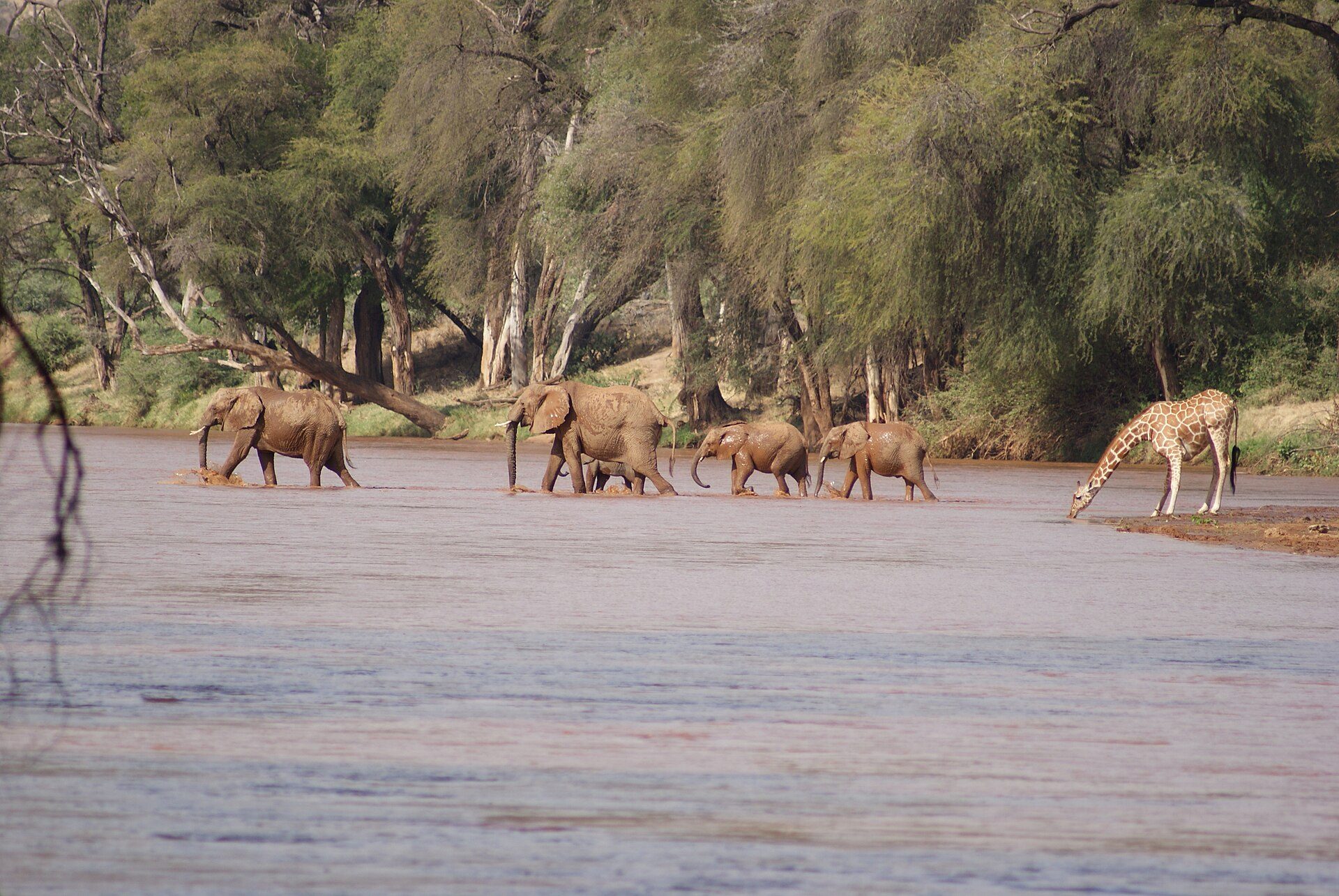
Image: Julian Mason, via Wikimedia Commons (CC BY 2.0).
Support Save the Elephants
Save the Elephants is a registered charity in England and Wales (No. 1118804). Its accounts for the year ended 31 December 2025 were independently audited by Gerald Edelman LLP and filed with the Charity Commission. The Donate button goes to the charity’s own page. Saving Planets does not receive any of the money. Source: Charity Commission, Save the Elephants accounts.
Last reviewed: 2 sources cited How we check a Donate link
Donations go to Save the Elephants, not to Saving Planets.
DonateRelated Solutions
More solutions like this one, matched by meaning.
Help This Work
Save the Elephants is registered charity 1118804 in England and Wales, and the Charity Commission register shows its accounts filed on time each year. The Donate button goes to the charity’s own page. Saving Planets does not receive any of the money. Source: Charity Commission, Save the Elephants accounts.