EarthCARE (ESA–JAXA)
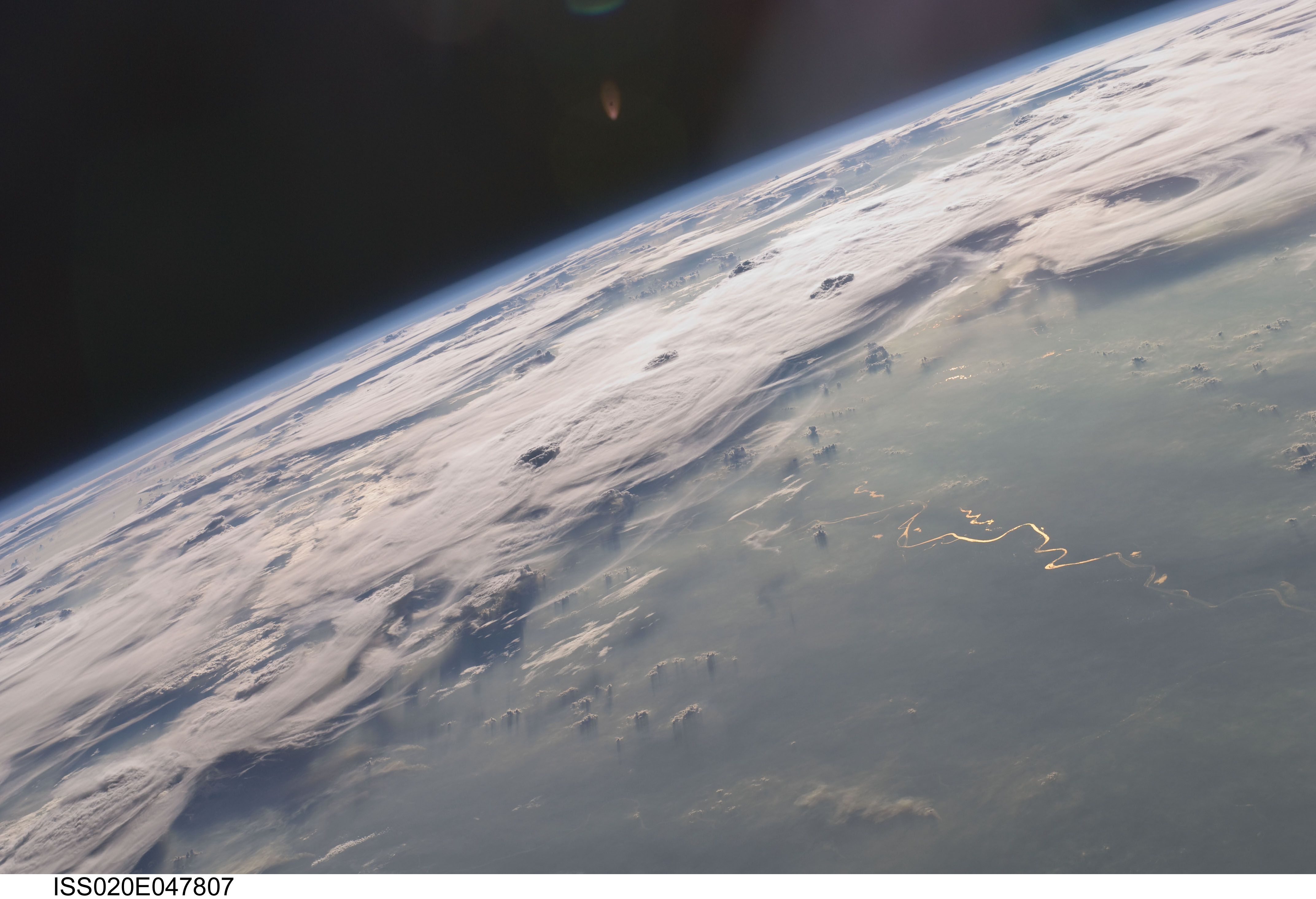
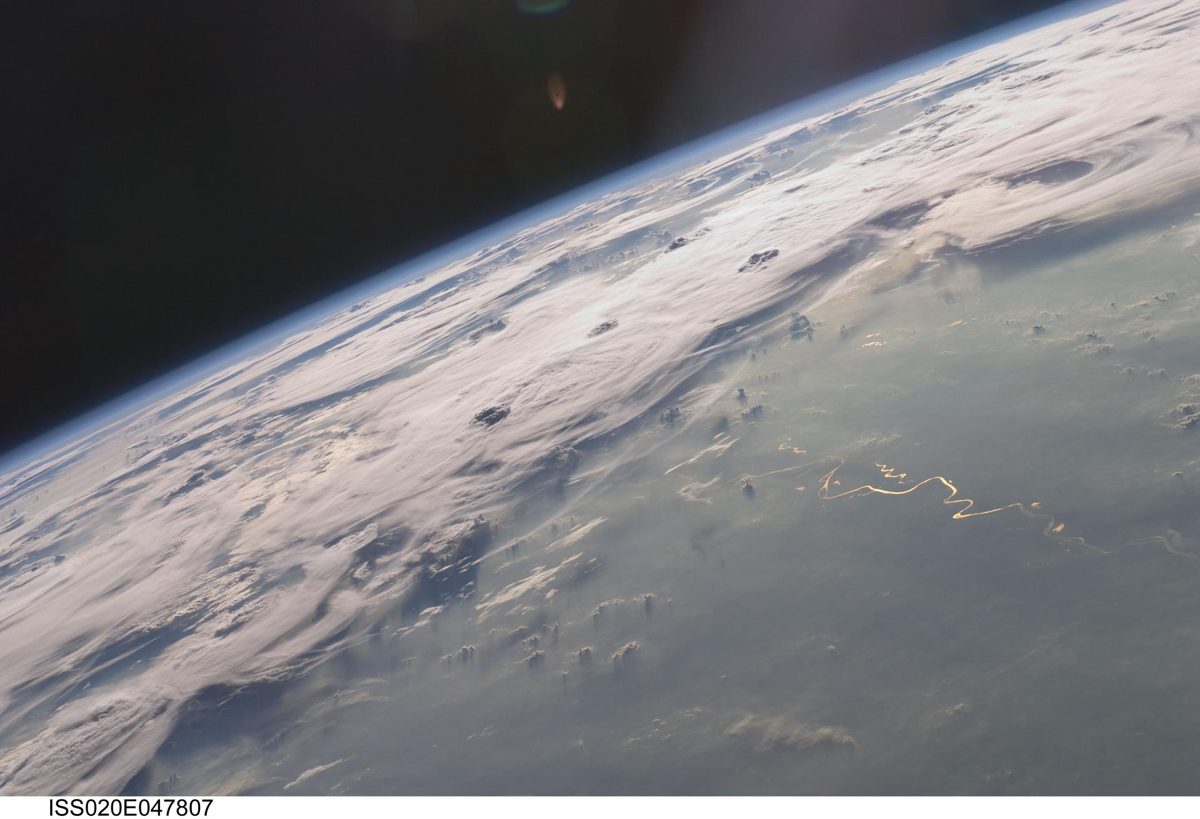
ESA–JAXA EarthCARE carries the first space cloud radar that can measure how cloud particles move up and down.
Image: NASA.
Last reviewed: 2 sources cited
Explain Like I'm 10
- What is it? A satellite with four instruments, including JAXA's Doppler Cloud Profiling A tool that sends out radio waves and listens for the echoes. From space it can see the ground through clouds, day or night. Glossary.
- Why does it matter? Knowing whether clouds warm or cool the planet sharpens climate forecasts.
The Five W's of EarthCARE
What
A satellite with four instruments, including JAXA's Doppler Cloud Profiling Radar.
Source: ESA, EarthCARE
Where
Low Earth The curved path an object takes as it travels around a planet, moon or star, like a satellite circling Earth. Glossary, profiling the atmosphere beneath it.
Source: ESA, EarthCARE
Impact Statement
Agency solution · active
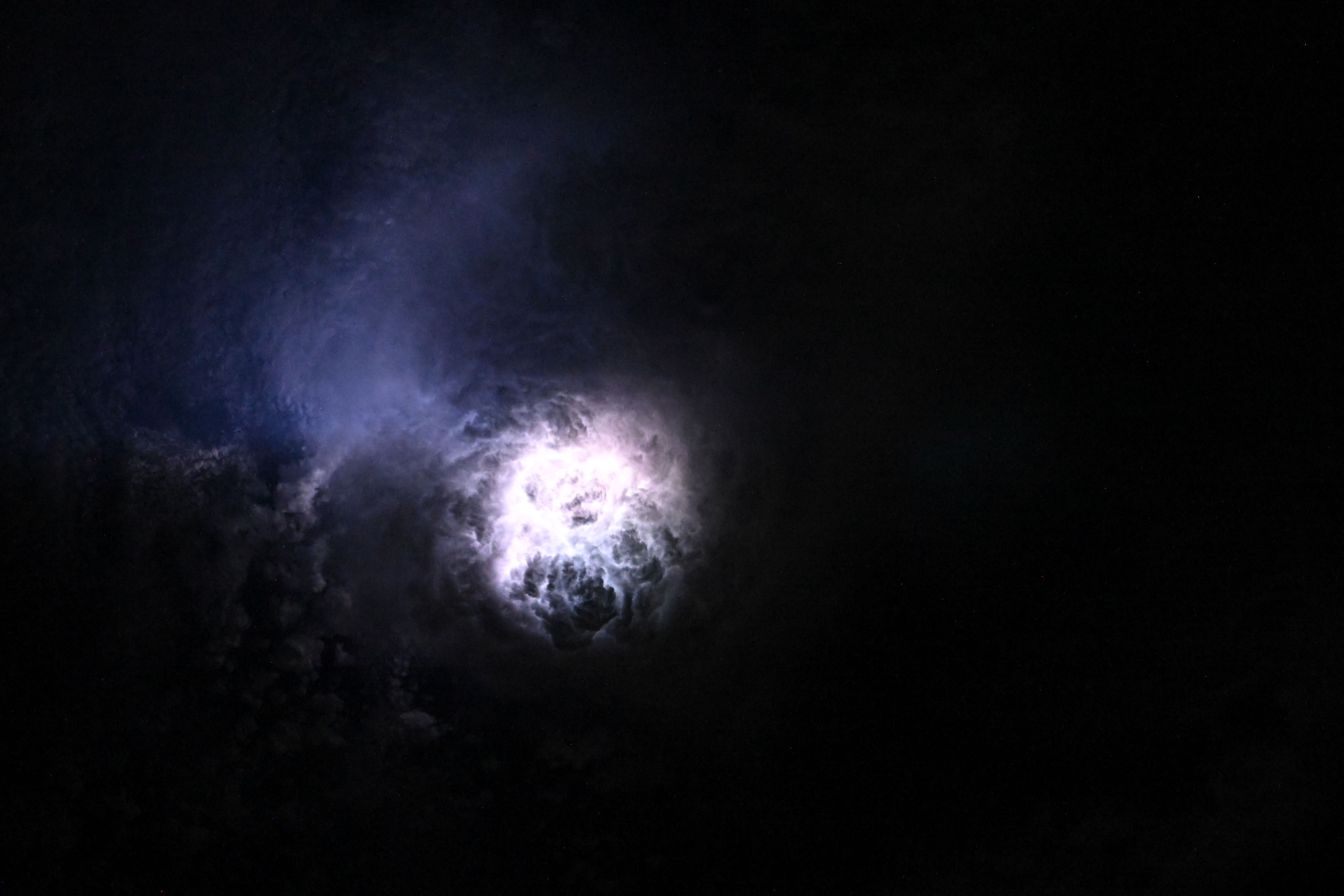
Clouds and Tiny bits of dust, smoke, salt or pollution floating in the air. They can block sunlight and help clouds form. Glossary are among the hardest parts of the climate to measure. EarthCARE launched on May 29, 2024 with four instruments that measure them together.
Its JAXA Cloud Profiling Radar is the first spaceborne cloud radar with Doppler capability, measuring the vertical motion of cloud particles from orbit.
Source: ESA, EarthCARE
Source: JAXA, EarthCARE Cloud Profiling Radar
For Further Information: ESA, EarthCARE
EarthCARE carries the first cloud radar in space that can measure how fast cloud particles move up and down.
Want to go deeper? ESA, EarthCARE has the full story and the latest updates.
 For Further Information
Related Solutions
More solutions like this one, matched by meaning.
For Teachers
Discussion questions
- What is EarthCARE (ESA–JAXA), and what problem does it help solve?
- Who is behind EarthCARE (ESA–JAXA), and where does the work happen?
- How does EarthCARE (ESA–JAXA) help both people and nature? Use one fact from this page.
Sources are listed with each fact in the Five W's above.
Standards Alignment
U.S. Next Generation Science Standards (NGSS) and Common Core. Official text, in English.
- 5-ESS3-1 (Grade 3-5) Obtain and combine information about ways individual communities use science ideas to protect the Earth's resources and environment.
- MS-ESS3-2 (Grade 6-8) Analyze and interpret data on natural hazards to forecast future catastrophic events and inform the development of technologies to mitigate their effects.
- MS-ESS3-3 (Grade 6-8) Apply scientific principles to design a method for monitoring and minimizing a human impact on the environment.
- CCSS RST.6-8.1 (Grade 6-8) Cite specific textual evidence to support analysis of science and technical texts.
Cite This Page
APA
Saving Planets. (n.d.). EarthCARE (ESA–JAXA). https://www.savingplanets.com/EarthCARE.html
MLA
"EarthCARE (ESA–JAXA)." Saving Planets, https://www.savingplanets.com/EarthCARE.html.