EarthCARE (ESA–JAXA)
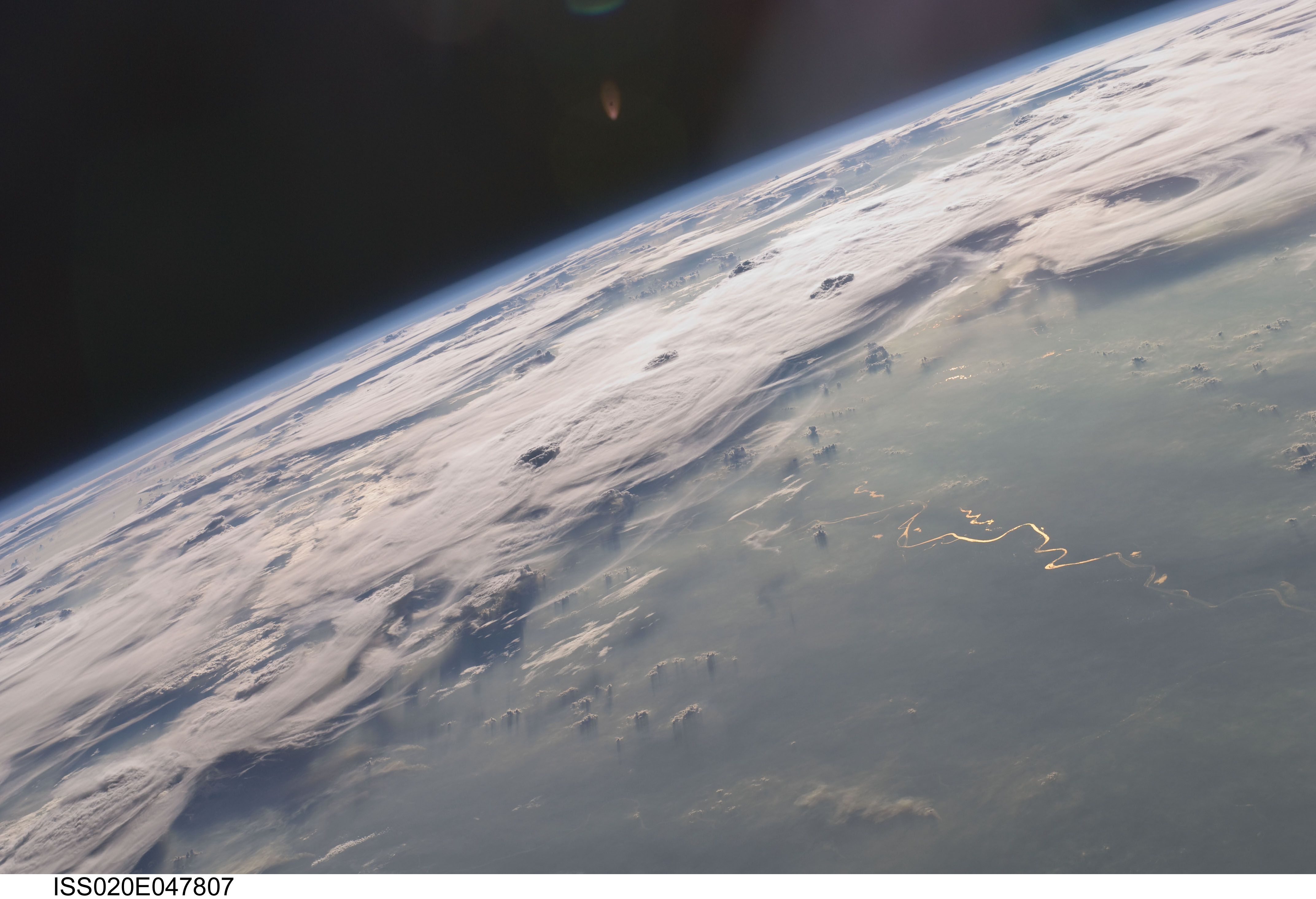
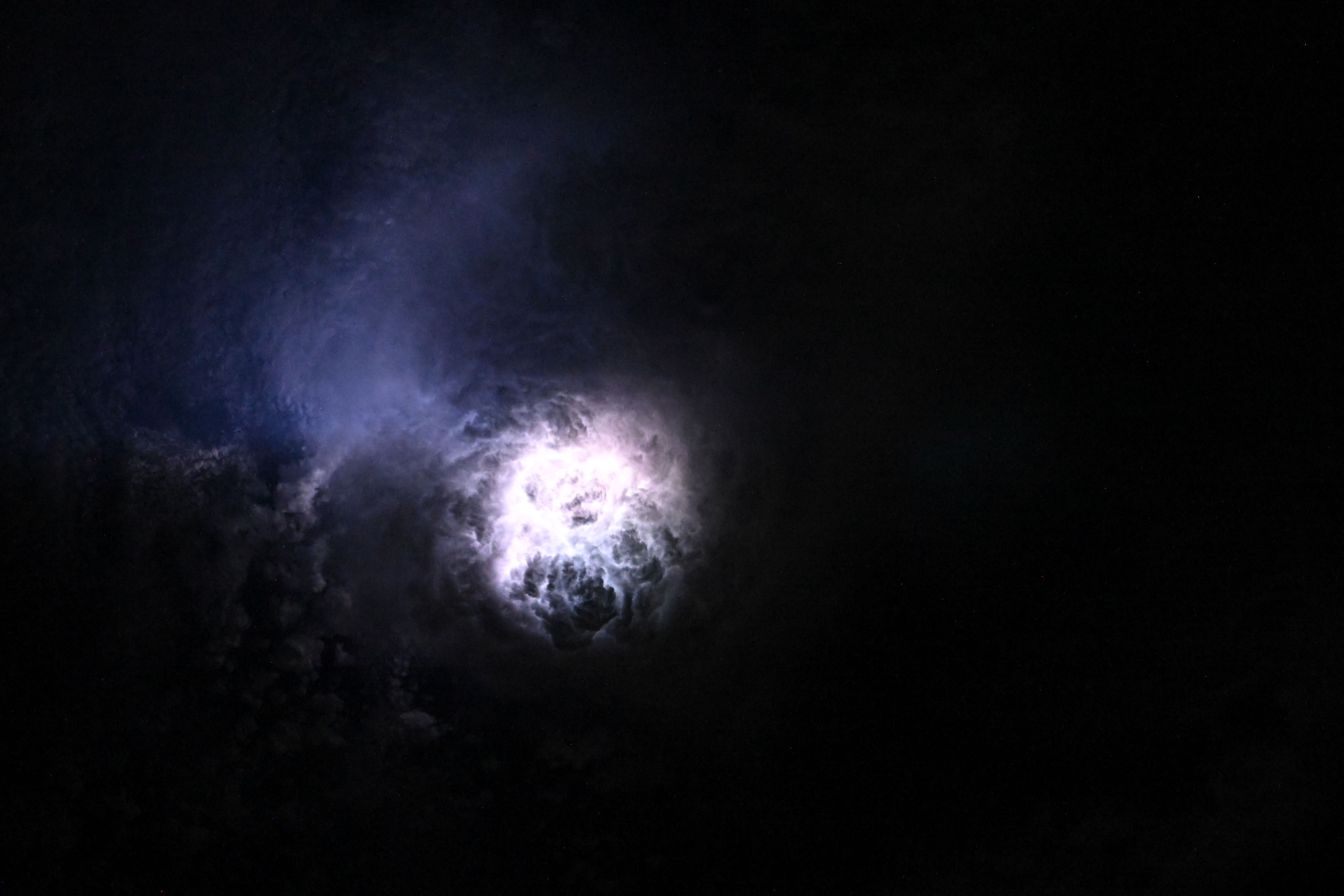
EarthCARE (ESA–JAXA) porta il primo radar spaziale per le nuvole capace di misurare come le particelle delle nubi salgono e scendono.
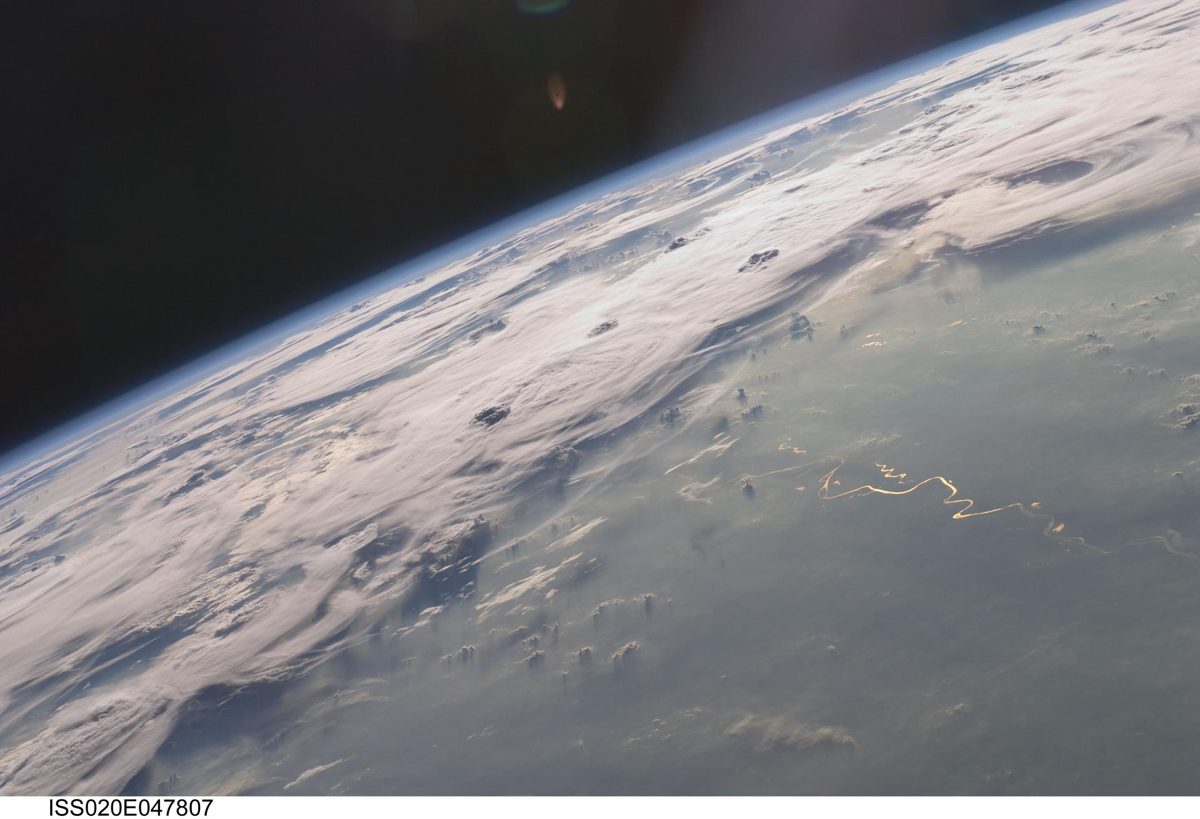
Immagine: NASA.
Ultima revisione: 2 fonti citate
Spiegamelo come se avessi 10 anni
- Che cos'è? Un satellite con quattro strumenti, tra cui il Uno strumento che invia onde radio e ascolta per gli echi. Dallo spazio può vedere il terreno attraverso le nuvole, giorno o notte. Glossario Doppler per il profilo delle nuvole della JAXA.
- Perché è importante? Sapendo se le nuvole si riscaldano o raffreddano il pianeta affila le previsioni del clima.
I cinque W di EarthCARE
Cosa
Un satellite con quattro strumenti, tra cui il radar Doppler per il profilo delle nuvole della JAXA.
Fonte: ESA, EarthCARE
Perché
Sapendo se le nuvole si riscaldano o raffreddano il pianeta affila le previsioni del clima.
Fonte: ESA, EarthCARE
Dichiarazione d'impatto
Soluzione di un'agenzia · attiva
Clouds and aerosols are among the hardest parts of the climate to measure. EarthCARE launched on May 29, 2024 with four instruments that measure them together.
Its JAXA Cloud Profiling Radar is the first spaceborne cloud radar with Doppler capability, measuring the vertical motion of cloud particles from Il percorso curvo che un oggetto prende mentre viaggia intorno a un pianeta, una luna o una stella, come un satellite che circonda la Terra. Glossario.
Fonte: ESA, EarthCARE
Fonte: JAXA, EarthCARE Cloud Profiling Radar
Per saperne di più: ESA, EarthCARE
EarthCARE trasporta il primo radar cloud nello spazio che può misurare come le particelle cloud veloci si muovono su e giù.
Vuoi approfondire? ESA, EarthCARE racconta tutta la storia e gli ultimi aggiornamenti.
 Per saperne di più
Soluzioni correlate
Altre soluzioni come questa, abbinate per significato.
Per gli insegnanti
Domande per la discussione
- Che cosa è EarthCARE (ESA–JAXA), e quale problema aiuta a risolvere?
- Chi c'è dietro EarthCARE (ESA–JAXA), e dove succede il lavoro?
- Come fa EarthCARE (ESA–JAXA) ad aiutare sia le persone che la natura? Utilizzare un fatto da questa pagina.
Le fonti sono elencate con ogni fatto nel Cinque W sopra.
Tutte le schede per insegnanti
Allineamento agli standard
Standard statunitensi: Next Generation Science Standards (NGSS) e Common Core. Testo ufficiale, in inglese.
- 5-ESS3-1 (Classe 3-5) Obtain and combine information about ways individual communities use science ideas to protect the Earth's resources and environment.
- MS-ESS3-2 (Classe 6-8) Analyze and interpret data on natural hazards to forecast future catastrophic events and inform the development of technologies to mitigate their effects.
- MS-ESS3-3 (Classe 6-8) Apply scientific principles to design a method for monitoring and minimizing a human impact on the environment.
- CCSS RST.6-8.1 (Classe 6-8) Cite specific textual evidence to support analysis of science and technical texts.
Cita questa pagina
APA
Saving Planets. (n.d.). EarthCARE (ESA–JAXA). https://www.savingplanets.com/EarthCARE.html
MLA
"EarthCARE (ESA–JAXA)." Saving Planets, https://www.savingplanets.com/EarthCARE.html.