פיטופלנקטון, מנוע החמצן של האוקיינוס
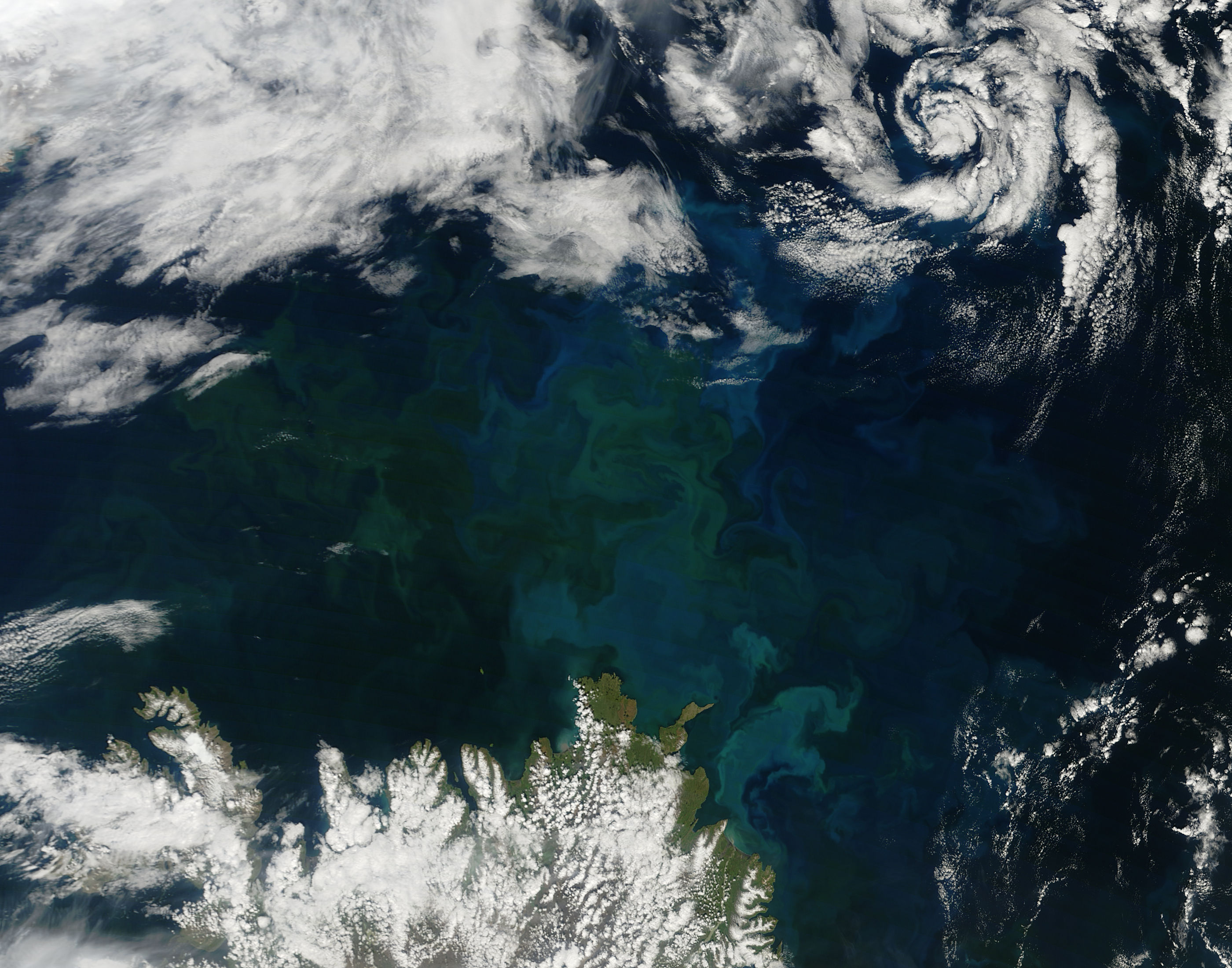
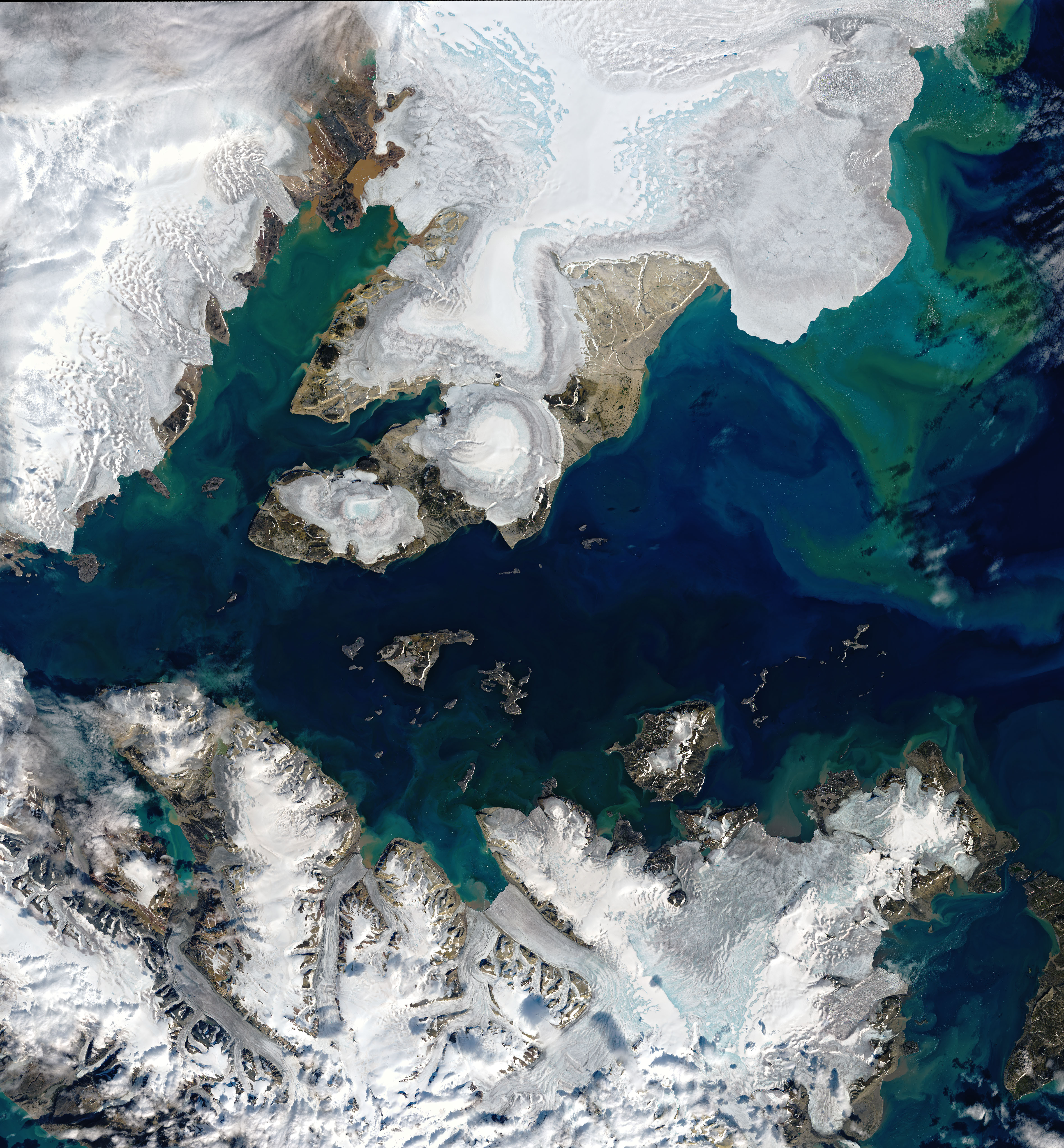
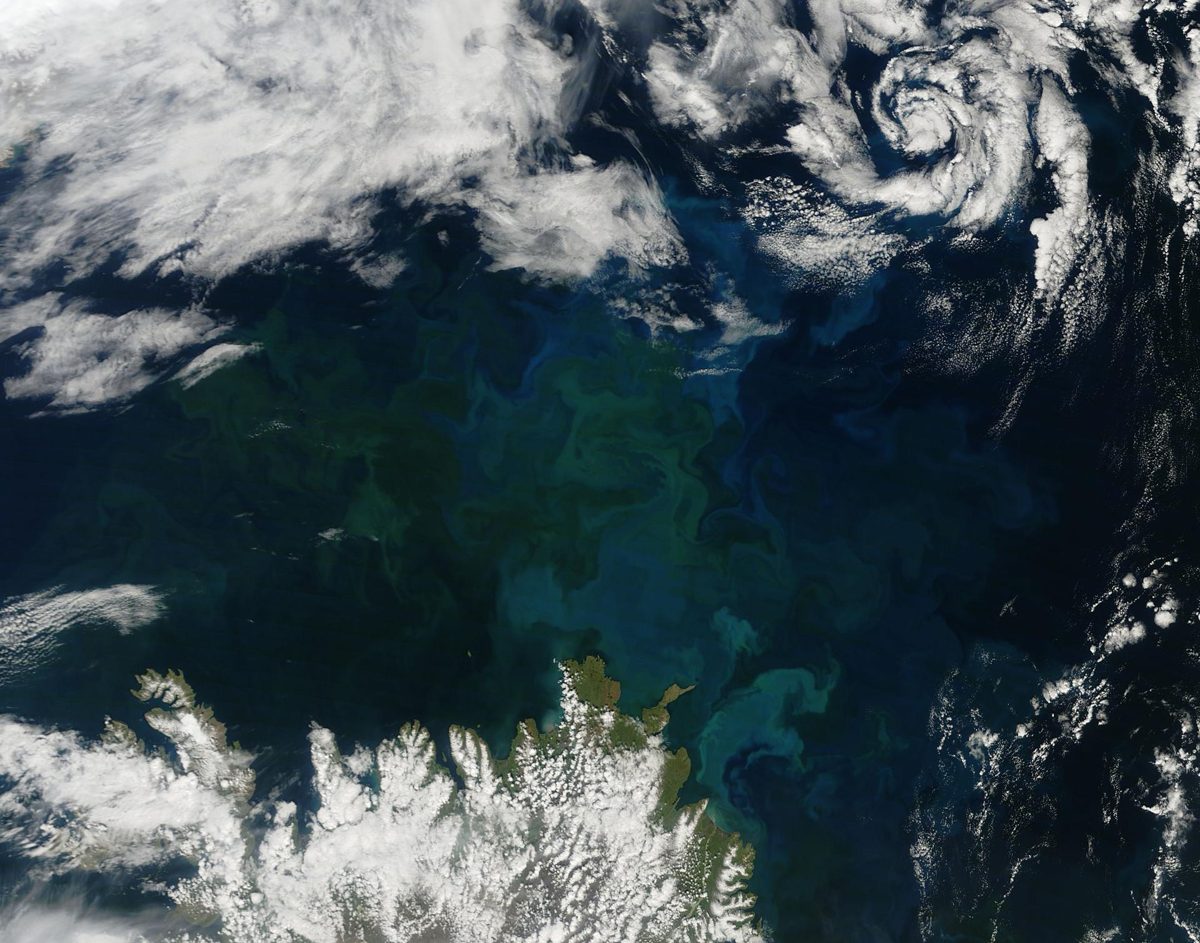
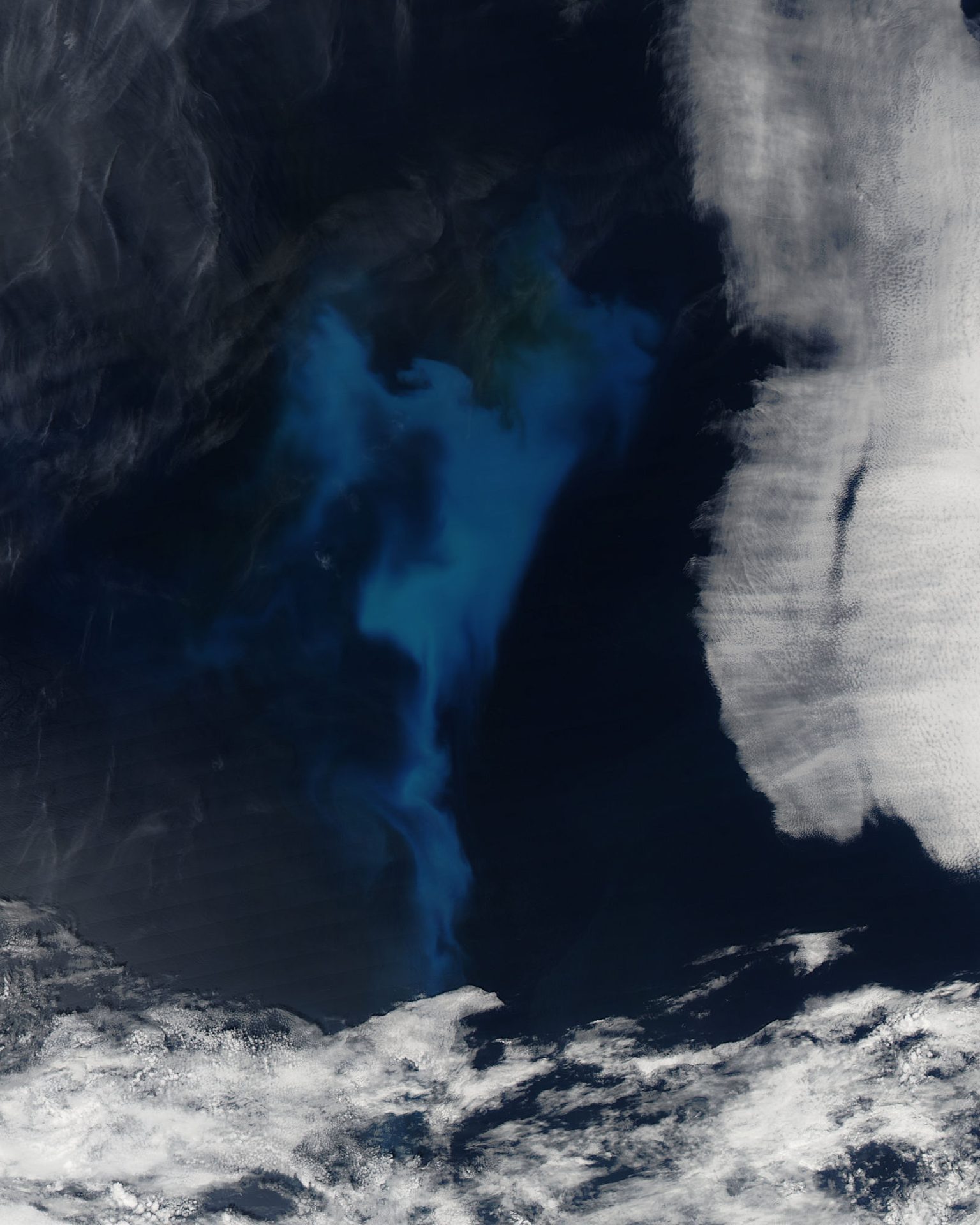
צמחים זעירים באוקיינוס מייצרים כמחצית מהחמצן של כדור הארץ, מה שהופך את הפיטופלנקטון לאחת המערכות הטבעיות החשובות ביותר בכדור הארץ.
תמונה: NASA.
נבדק לאחרונה: 2 מקורות מצוטטים
הסבירו לי כאילו אני בן 10
- מה זה? מערכת טבעית שהופכת אור שמש ופחמן דו-חמצני למזון ולחמצן.
- למה זה חשוב? אוקיינוסים בריאים פירושם אוויר לנשימה ורשת מזון מתפקדת.
חמשת ה-W של פיטופלנקטון
מי
פיטופלנקטון, צמחים, אצות וחיידקים נסחפים שמבצעים פוטוסינתזה ליד פני האוקיינוס.
מה
מערכת טבעית שהופכת אור שמש ופחמן דו-חמצני למזון ולחמצן.
מתי
כל יום; החיים הימיים משתמשים בערך בכמות החמצן שהפיטופלנקטון מייצר.
איפה
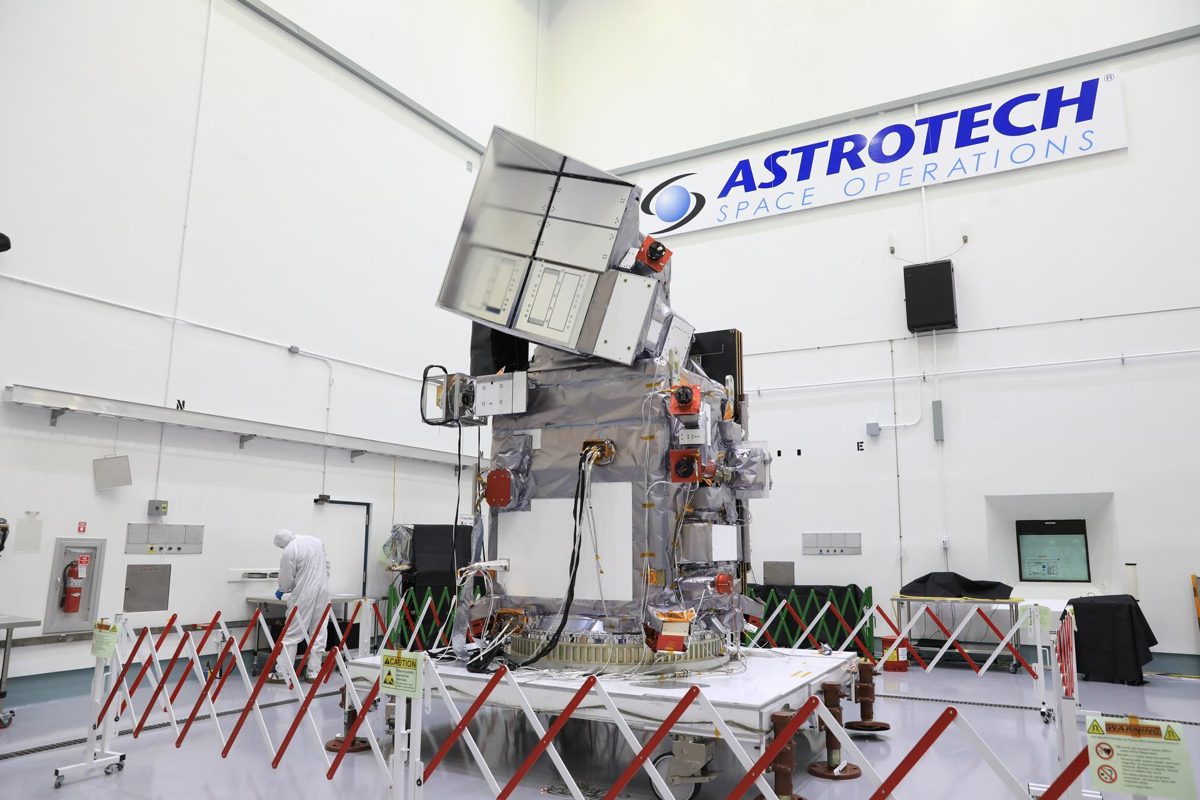
השכבה העליונה המוארת בשמש של כל אוקיינוס; לוויינים כמו PACE של NASA עוקבים אחריה מהחלל.
מקור: NOAA, How much oxygen comes from the ocean?
מקור: NASA, PACE mission
למה
אוקיינוסים בריאים פירושם אוויר לנשימה ורשת מזון מתפקדת.
הצהרת השפעה
פתרון טבעי
כמחצית מהחמצן של כדור הארץ מגיע מהאוקיינוס, ורובו מיוצר על ידי פיטופלנקטון, צמחים ואצות נסחפים קטנים מכדי לראות אחד-אחד. סוג אחד, Prochlorococcus, מייצר עד 20% מהחמצן בכל הביוספרה שלנו.
שמירה על אוקיינוס בריא שומרת על מנוע החמצן הזה פועל.
מקור: NOAA, How much oxygen comes from the ocean?
למידע נוסף: NOAA, How much oxygen comes from the ocean?
כמחצית מהחמצן של כדור הארץ מגיע מהאוקיינוס, ורובו מיוצר על ידי פיטופלנקטון זעיר.
רוצים להעמיק? ל-NOAA, How much oxygen comes from the ocean? יש את הסיפור המלא והעדכונים האחרונים.
 למידע נוסף
פתרונות קשורים
עוד פתרונות כמו זה, לפי משמעות.
למורים
שאלות לדיון
- מה זה פיטופלנקטון, מנוע החמצן של האוקיינוס, ואיזו בעיה זה עוזר לפתור?
- מי עומד מאחורי פיטופלנקטון, מנוע החמצן של האוקיינוס, והיכן מתבצעת העבודה?
- איך פיטופלנקטון, מנוע החמצן של האוקיינוס עוזר גם לאנשים וגם לטבע? השתמשו בעובדה אחת מהדף הזה.
המקורות מופיעים ליד כל עובדה בחמשת ה-W שלמעלה.
התאמה לתקנים
תקני ארה״ב: Next Generation Science Standards (NGSS) ו-Common Core. הטקסט הרשמי באנגלית.
- K-ESS3-3 (כיתה K-2) Communicate solutions that will reduce the impact of humans on the land, water, air, and/or other living things in the local environment.
- 5-ESS3-1 (כיתה 3-5) Obtain and combine information about ways individual communities use science ideas to protect the Earth's resources and environment.
- MS-ESS3-3 (כיתה 6-8) Apply scientific principles to design a method for monitoring and minimizing a human impact on the environment.
- MS-LS2-5 (כיתה 6-8) Evaluate competing design solutions for maintaining biodiversity and ecosystem services.
- HS-ESS3-4 (כיתה 9-12) Evaluate or refine a technological solution that reduces impacts of human activities on natural systems.
- CCSS RI.5.9 (כיתה 3-5) Integrate information from several texts on the same topic in order to write or speak about the subject knowledgeably.
- CCSS RST.6-8.1 (כיתה 6-8) Cite specific textual evidence to support analysis of science and technical texts.
ציטוט הדף
APA
Saving Planets. (n.d.). Phytoplankton, the Ocean's Oxygen Engine. https://www.savingplanets.com/Phytoplankton.html
MLA
"Phytoplankton, the Ocean's Oxygen Engine." Saving Planets, https://www.savingplanets.com/Phytoplankton.html.