לווייתנים, הגננים של האוקיינוס
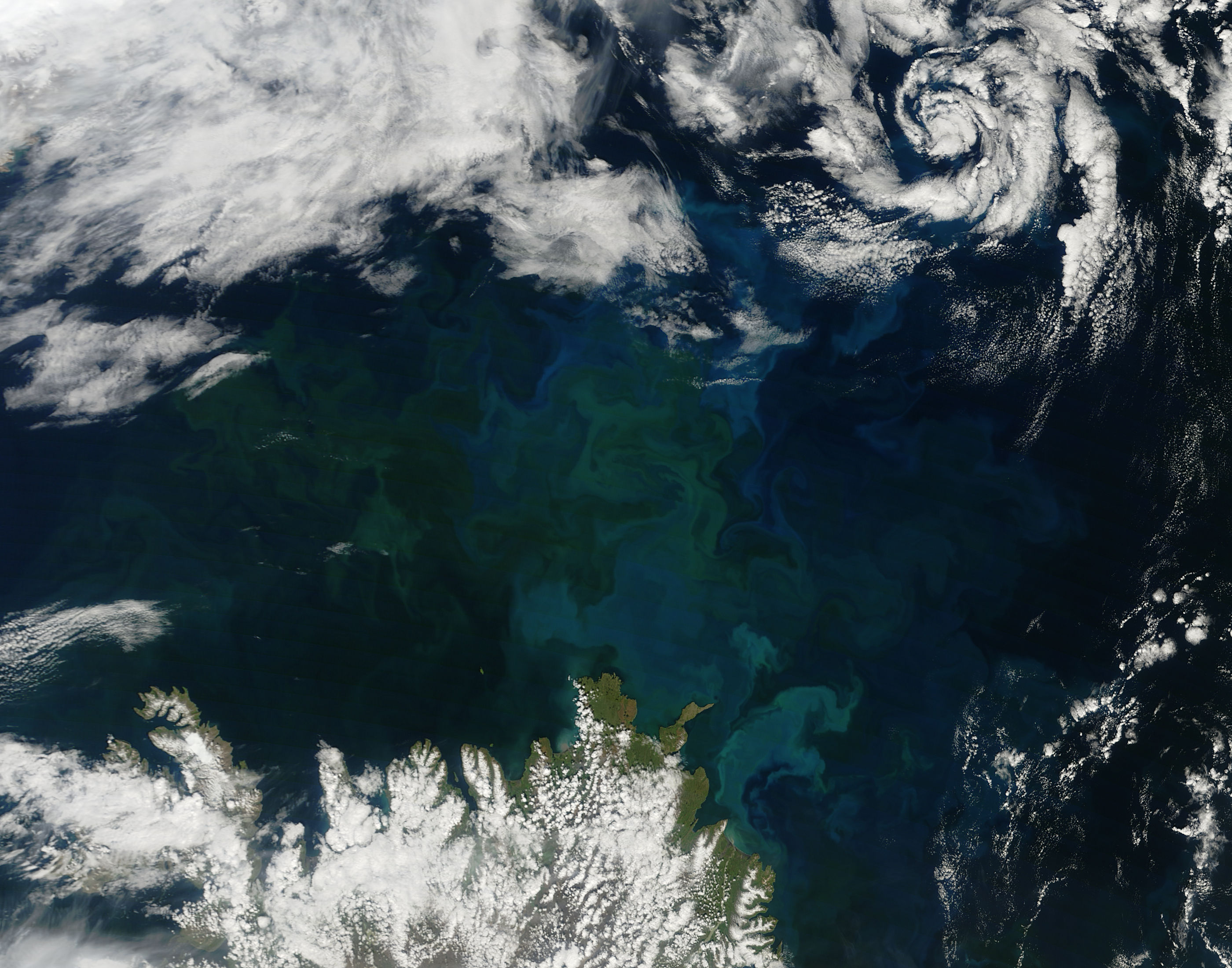
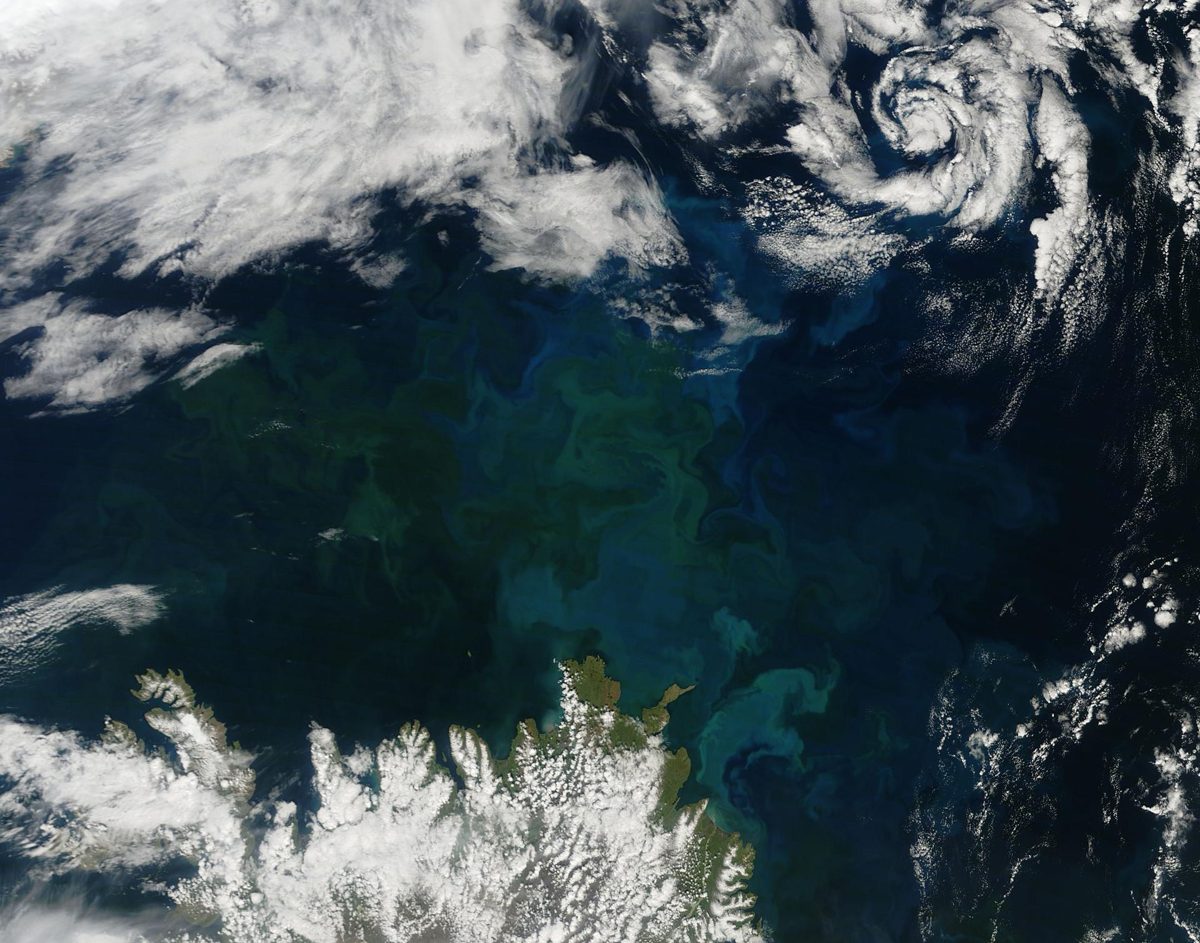
הפרשות לווייתנים מביאות חומרי מזון אל פני האוקיינוס ומדשנות פיטופלנקטון, הצמחים הזעירים בבסיס מארג המזון באוקיינוס (NOAA Fisheries).
תמונה: NASA.
נבדק לאחרונה: מקור אחד מצוטט
הסבירו לי כאילו אני בן 10
- לווייתנים אוכלים עמוק באוקיינוס ואז עושים קקי ליד פני המים.
- הקקי שלהם הוא כמו מזון לצמחים זעירים באוקיינוס.
- הצמחים האלה מזינים דגים ועוזרים להוציא פחמן מהאוויר.
חמשת ה-W של לווייתנים, הגננים של האוקיינוס
מי
לווייתנים גדולים, שנחקרים על ידי NOAA Fisheries ומדענים אחרים.
מה
"משאבת הלווייתנים": לווייתנים ניזונים בעומק ומשחררים הפרשות עשירות בחומרי מזון קרוב לפני המים.
מתי
כל יום; האוכלוסיות מתאוששות לאט מציד לווייתנים מסחרי.
למה
חומרי הזנה כמו חנקן, זרחן וברזל נדירים במים העיליים המוארים שבהם גדל פיטופלנקטון.
הצהרת השפעה
פתרון טבעי · פעיל
Whale waste fertilizes phytoplankton, which take in carbon dioxide as they grow. Whales also store carbon in their huge bodies, and when they die, carcasses can carry it to the deep sea.
Scientists are still measuring how large the overall effect is.
מקור: NOAA Fisheries, Whales and carbon sequestration
למידע נוסף: NOAA Fisheries, Whales and carbon sequestration
הפרשות לווייתנים מדשנות צמחים זעירים באוקיינוס שמייצרים חמצן ומזינים דגים.
איך זה מציל אנשים ואת כדור הארץ
לאנשים
פיטופלנקטון מזין את הדגים שמיליארדי אנשים אוכלים, ולכן אוכלוסיות לווייתנים בריאות תומכות בדיג.
מקור: NOAA Fisheries, Whales and carbon sequestration
לטבע
הגנה על לווייתנים עוזרת לבנות מחדש את רשת המזון של האוקיינוס מלמטה למעלה.
רוצים להעמיק? ל-NOAA Fisheries יש את הסיפור המלא.
 למידע נוסף
פתרונות קשורים
עוד פתרונות כמו זה, לפי משמעות.

למורים
שאלות לדיון
- מה זה לווייתנים, הגננים של האוקיינוס, ואיזו בעיה זה עוזר לפתור?
- מי עומד מאחורי לווייתנים, הגננים של האוקיינוס, והיכן מתבצעת העבודה?
- איך לווייתנים, הגננים של האוקיינוס עוזר גם לאנשים וגם לטבע? השתמשו בעובדה אחת מהדף הזה.
המקורות מופיעים ליד כל עובדה בחמשת ה-W שלמעלה.
התאמה לתקנים
תקני ארה״ב: Next Generation Science Standards (NGSS) ו-Common Core. הטקסט הרשמי באנגלית.
- K-ESS3-3 (כיתה K-2) Communicate solutions that will reduce the impact of humans on the land, water, air, and/or other living things in the local environment.
- 5-ESS3-1 (כיתה 3-5) Obtain and combine information about ways individual communities use science ideas to protect the Earth's resources and environment.
- MS-ESS3-3 (כיתה 6-8) Apply scientific principles to design a method for monitoring and minimizing a human impact on the environment.
- MS-LS2-5 (כיתה 6-8) Evaluate competing design solutions for maintaining biodiversity and ecosystem services.
- HS-ESS3-4 (כיתה 9-12) Evaluate or refine a technological solution that reduces impacts of human activities on natural systems.
- CCSS RI.5.9 (כיתה 3-5) Integrate information from several texts on the same topic in order to write or speak about the subject knowledgeably.
- CCSS RST.6-8.1 (כיתה 6-8) Cite specific textual evidence to support analysis of science and technical texts.
ציטוט הדף
APA
Saving Planets. (n.d.). Whales, Ocean Gardeners. https://www.savingplanets.com/Whales_Ocean_Gardeners.html
MLA
"Whales, Ocean Gardeners." Saving Planets, https://www.savingplanets.com/Whales_Ocean_Gardeners.html.