Active Space
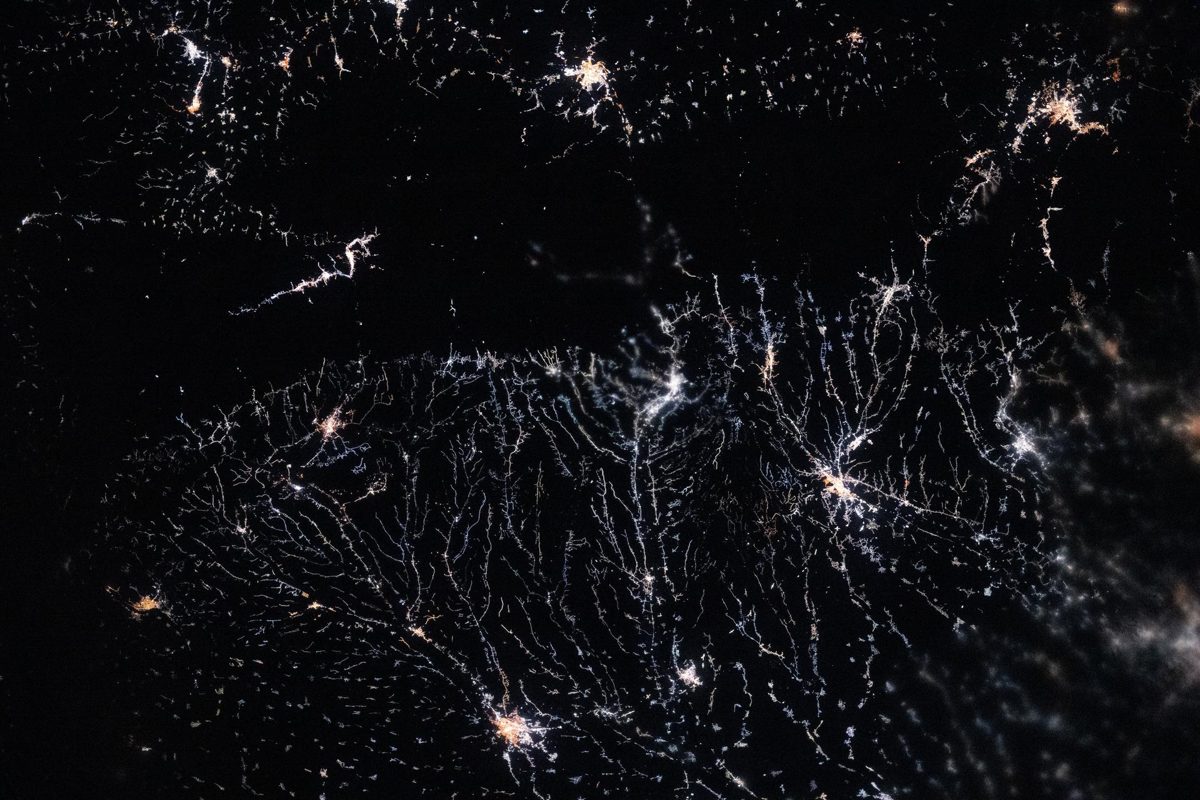
Globe at Night (NSF NOIRLab)
An NSF NOIRLab citizen science campaign measuring night-sky brightness; 331,147 observations so far (program figures).
Each icon shows the orbit its mission uses, from low Earth orbit on the inner ring out to geostationary and highly elliptical. Distances aren't to scale, and nothing here is a live position.
Space is part of Earth's environment. This hub collects work that keeps orbit usable and moves some of Earth's load off the ground: debris-removal companies Astroscale and ClearSpace, orbital data centers, and Jupiter, the natural debris shield. Each solution page carries its own sourced figures, with company figures labeled.
Europa Clipper’s destination is Europa, Jupiter’s icy moon. NASA’s main science goal is to determine whether there are places below Europa’s surface that could support life. The spacecraft will orbit Jupiter and conduct dozens of close flybys of Europa.

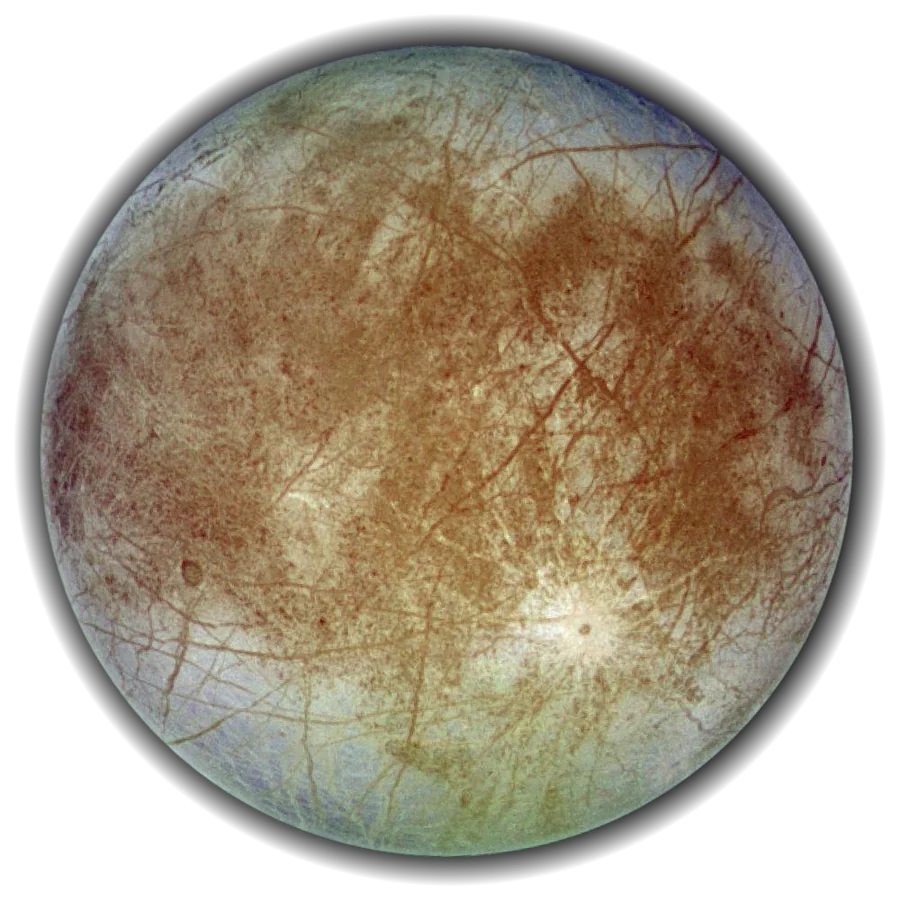
As of 13 November 2026, 00:00 UTC, NASA/JPL Horizons (spacecraft −159) places Europa Clipper 21.52 million km from Earth and 806.6 million km from Jupiter. NASA’s mission page says it reaches Jupiter in April 2030. Horizons lists arrival on 11 April 2030, after a Mars gravity assist on 1 March 2025 and an Earth gravity assist on 3 December 2026. The craft is drawn 2.6% of the way from Earth toward Jupiter using those two ranges, so it sits near Earth before that gravity assist.
Jupiter: NASA/JPL/University of Arizona, Cassini. Europa: NASA/JPL/DLR, Galileo, natural color (PIA00502). Earth: NASA Visible Earth / Blue Marble. Spacecraft: NASA (PIA25125), Europa Clipper during assembly.
Click to Follow the live journey Click here for more information
A Lagrange point is a place where the gravity of the Sun and the Earth lines up with the motion of an orbit, so a spacecraft can keep pace with Earth. NASA says the pull of the two large masses equals the centripetal force a small object needs to move with them. There are five. L1, L2, and L3 sit on the Sun–Earth line and are unstable. L4 leads Earth and L5 follows, at the tips of equilateral triangles, and those two are stable.
L1 and L2 are each about 1.5 million kilometers from Earth. NASA’s Webb orbit page rounds that to 1 million miles, which is about 930,000 miles if you convert 1.5 million kilometers directly. L1 faces the Sun, so SOHO and DSCOVR get a steady view of it. L2 is on the night side, a cold and steady spot for telescopes such as Webb, Euclid, and Roman. A spacecraft does not sit on the point. It loops around the point in a halo or Lissajous orbit.
Webb’s trip started with launch on an Ariane 5 on 25 December 2021. NASA says that launch put Webb on a transfer path of about 30 days. Three mid-course correction burns refined the path, and the last one, on 24 January 2022, pointed Webb into its halo orbit. Because L1, L2, and L3 are unstable, Webb fires small station-keeping burns, on average about every 42 days, or it would drift away. L4 and L5 do not need that kind of care. L3 stays hidden behind the Sun, about 1 AU from the Sun and about 2 AU from Earth. L4 and L5 are about 1 AU from Earth, 60 degrees ahead and behind. NASA’s Moon fact sheet lists a mean distance of 384,400 km (238,855 miles).
Sources: NASA, What is a Lagrange Point? · NASA, Webb’s orbit · NASA, Webb arrives at L2 · ESA, What are Lagrange points? · STScI, JWST orbit · NASA, 30-day transfer
The ring order follows NASA Earth Observatory’s Catalog of Earth Satellite Orbits and the Earth-centered style of NASA Eyes on the Earth. Imagery: NASA Visible Earth / Blue Marble Next Generation. Created by the Founder and SI. Sun: NASA/SDO AIA 304. Moon: NASA/Goddard/Arizona State University, LROC WAC.
Active Space
An NSF NOIRLab citizen science campaign measuring night-sky brightness; 331,147 observations so far (program figures).
Active Space
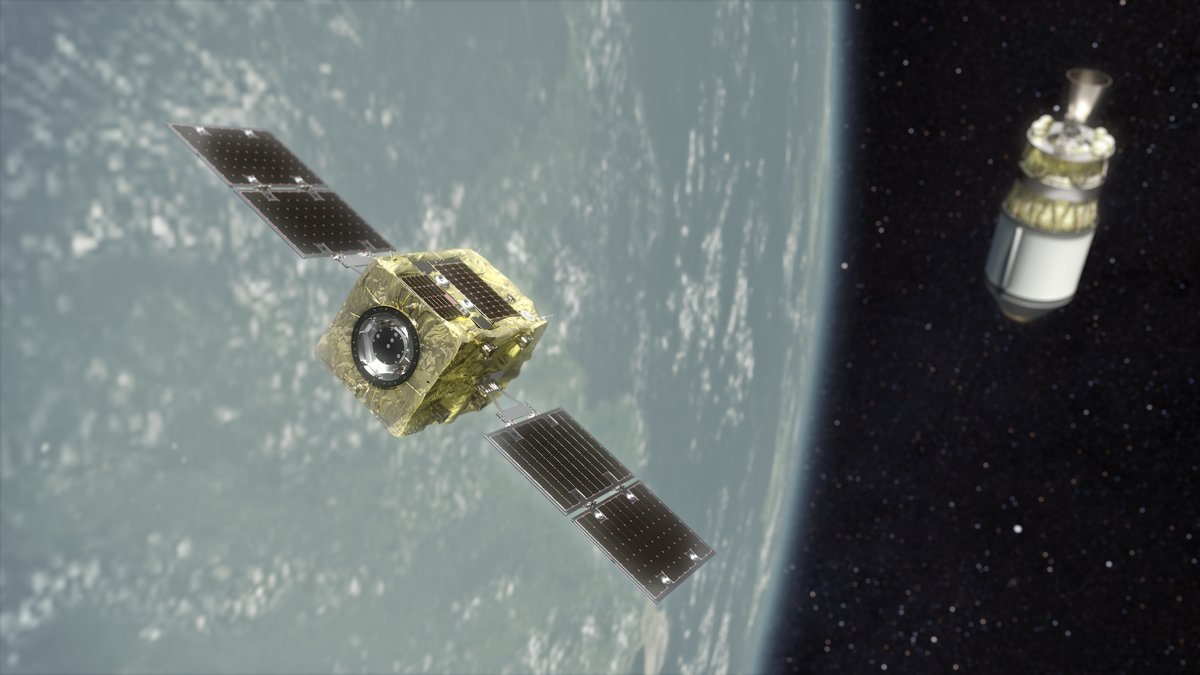
Astroscale inspects, services and removes debris in orbit: ELSA-d, ADRAS-J's 2024 close-up of an H-IIA upper stage, and ADRAS-J2, targeted for fiscal 2027.
Active Space
ClearSpace leads Europe's first active debris removal mission and provides in-orbit servicing.
Active Space
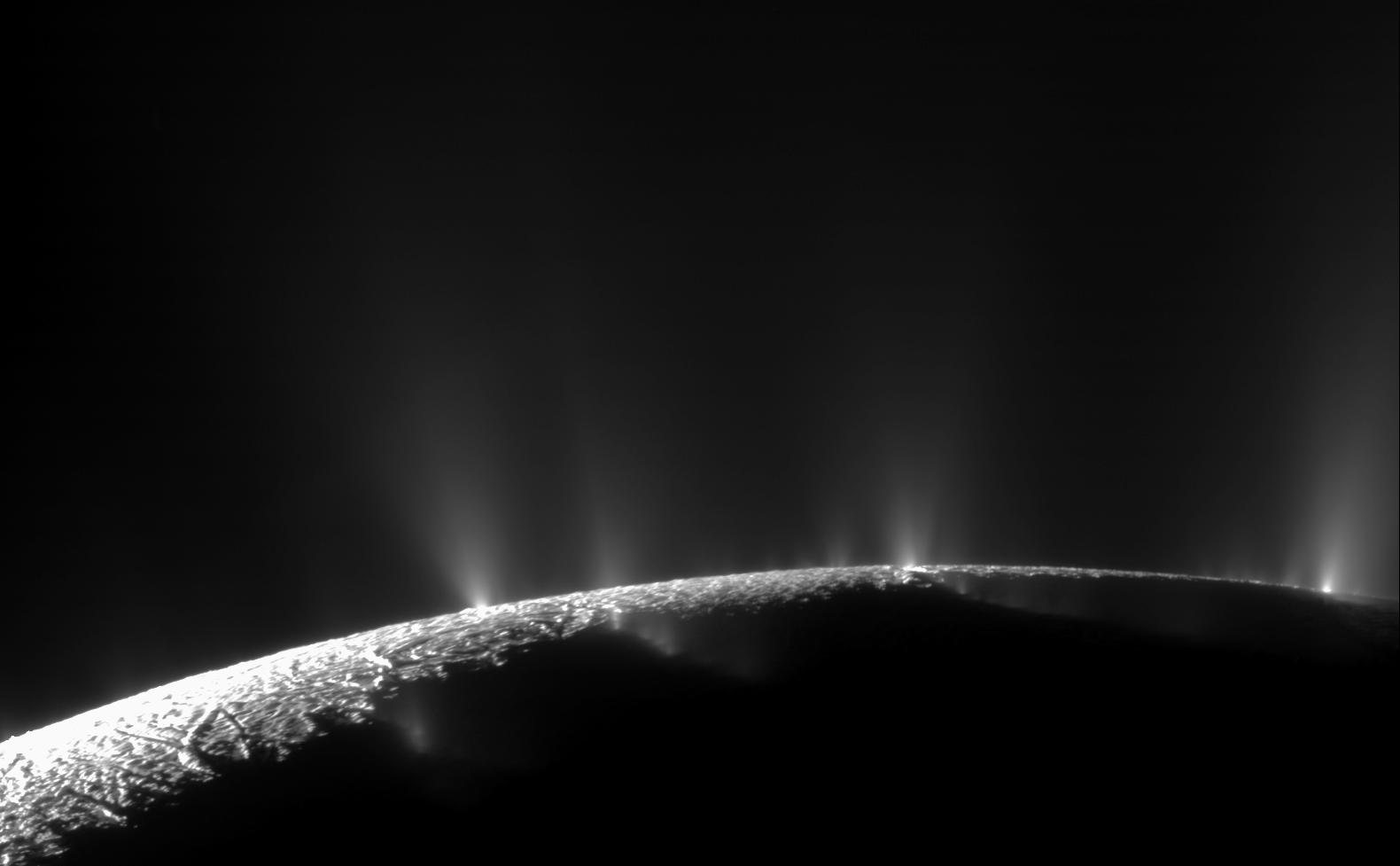
Saturn’s small moon Enceladus sprays its hidden global ocean into space, where Cassini found water, salts, organics, hydrogen and phosphates.
Active Space
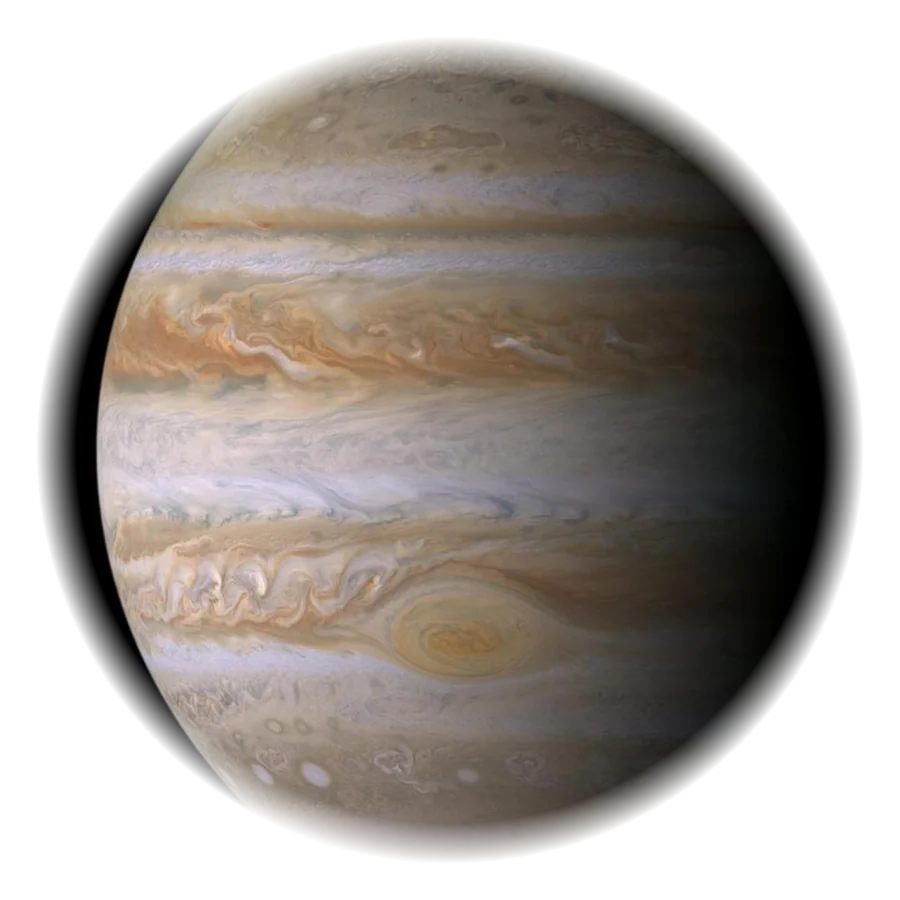
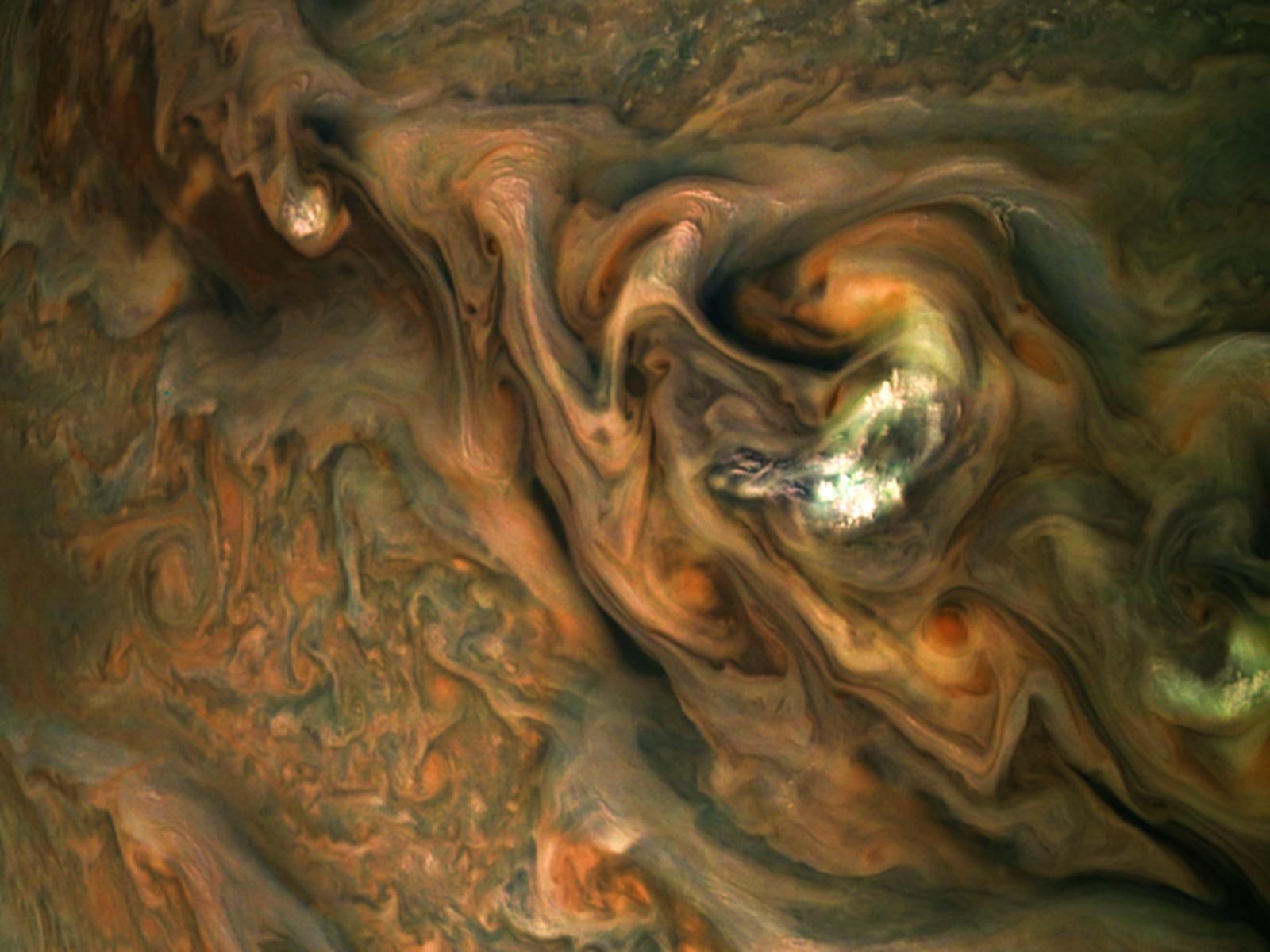
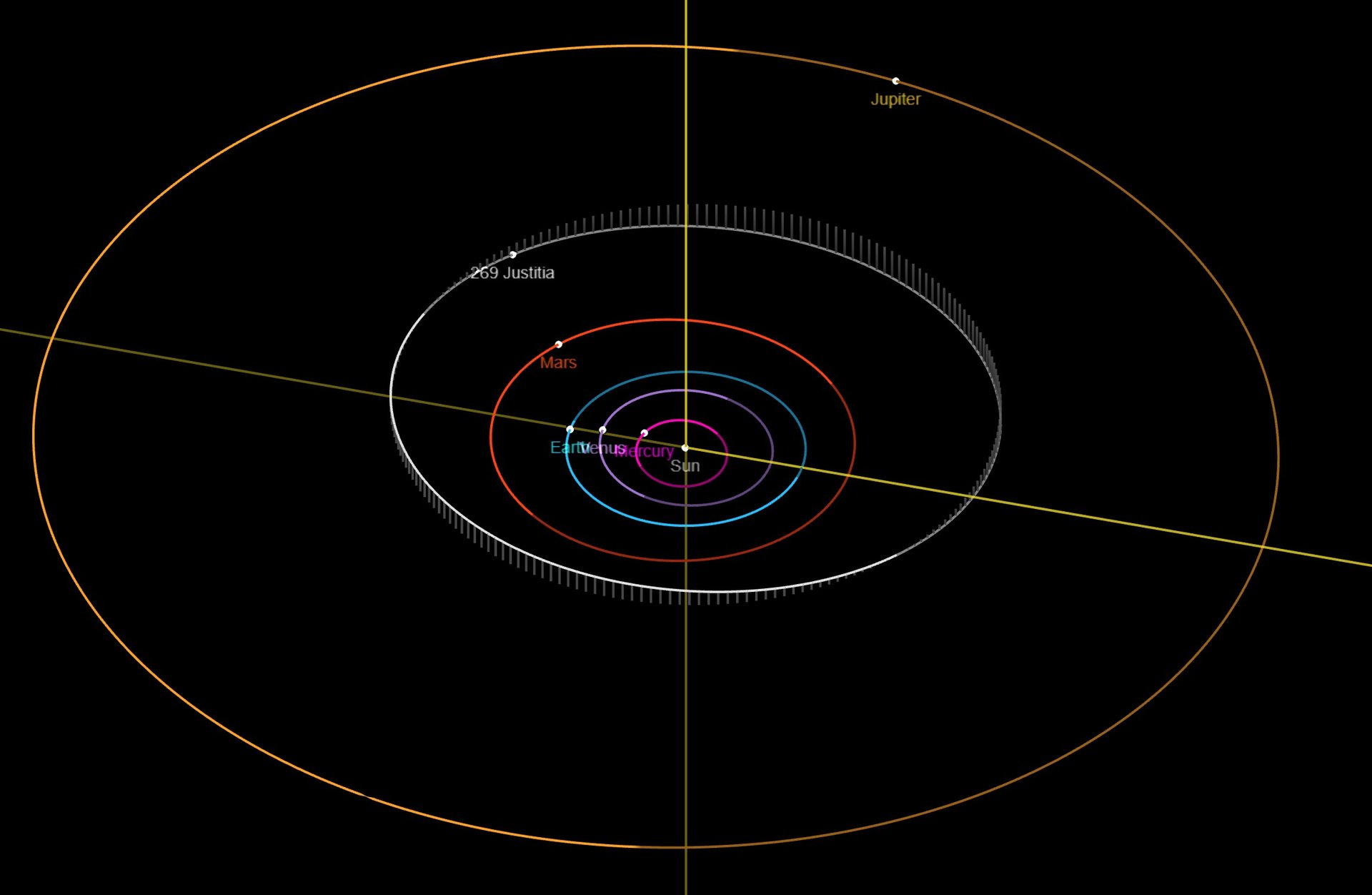
Jupiter is a natural space debris removal system that swallows or flings away far more dangerous objects than any human mission could.

Active Space
Compute in orbit: solar power, radiative cooling, and no water-cooling towers.
On the horizon Space
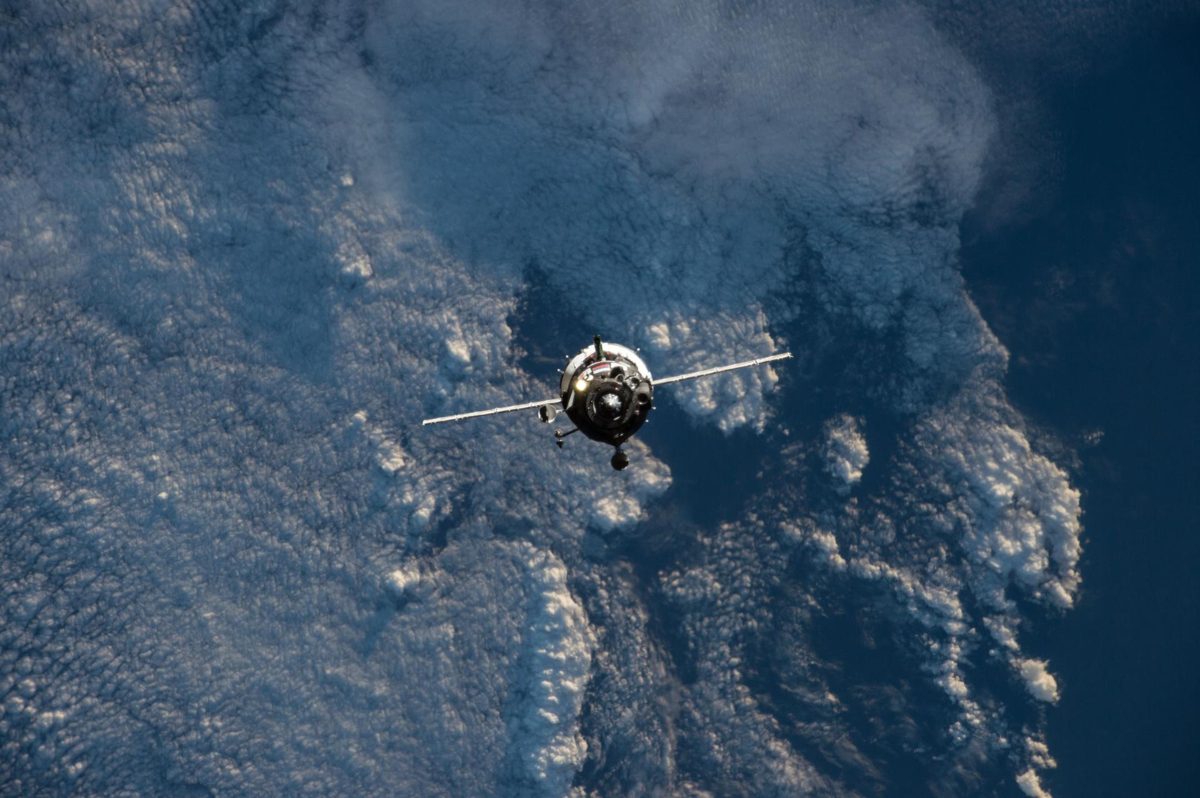
PRELUDE is a ClearSpace and ESA mission planned for June 2027 to validate close-proximity rendezvous technology. A potential solution on the horizon.
Active Space
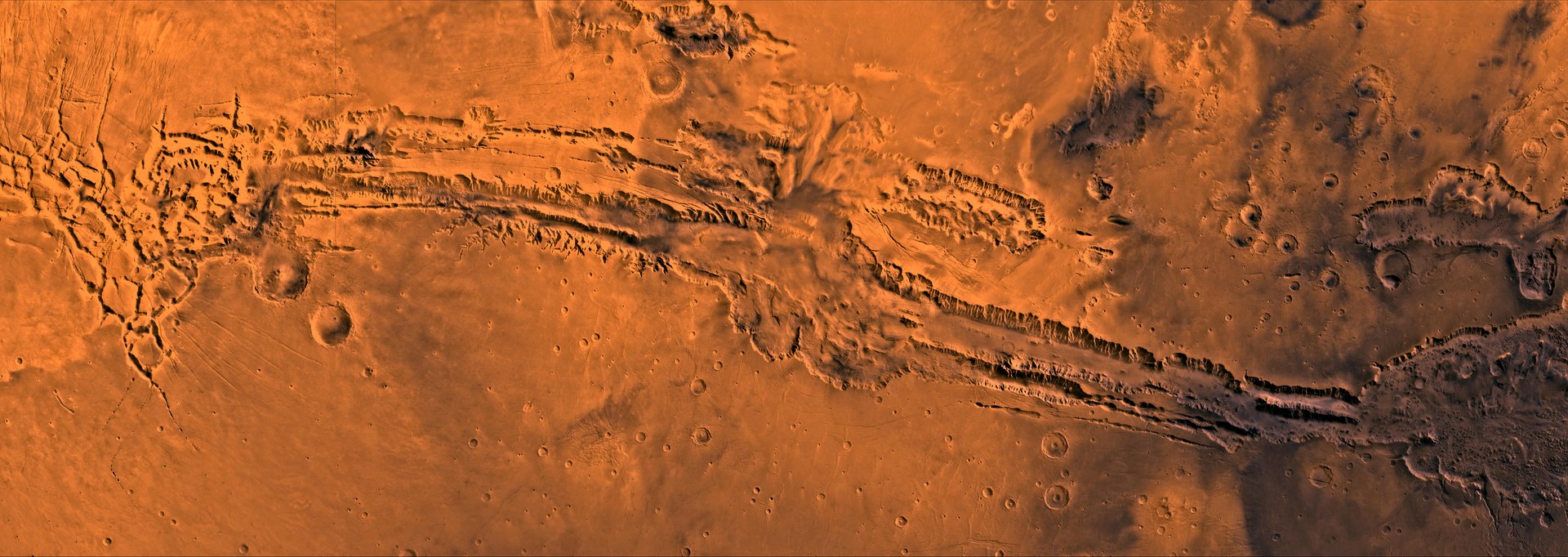
The UAE's Hope Probe has studied the Martian atmosphere from orbit since 2021, and its mission is now extended until 2028 (UAE Space Agency).
Active Space
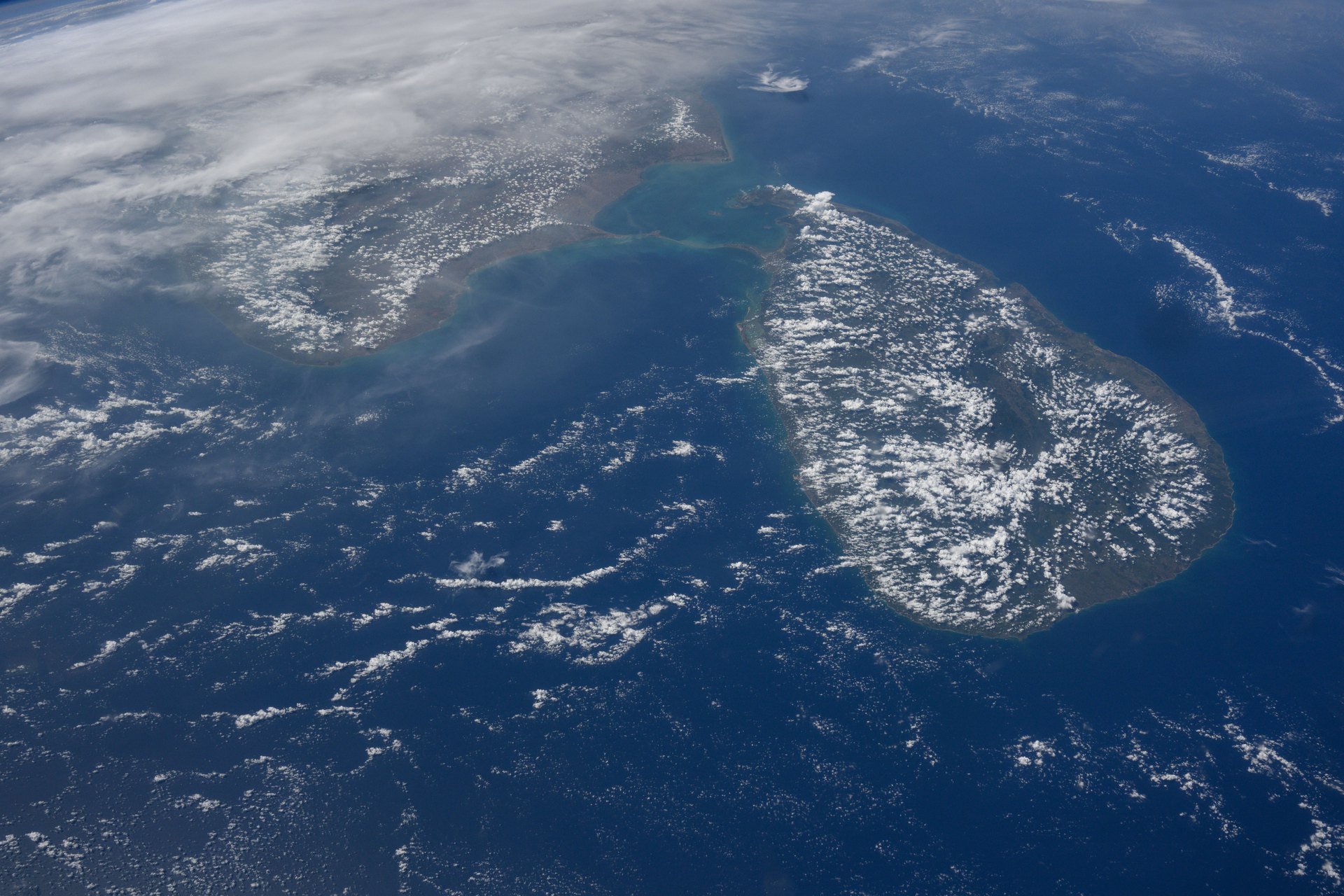
Gaganyaan G1, ISRO's first uncrewed Gaganyaan flight, is targeted for late 2026 on the human-rated HLVM3 rocket (ISRO).
Active Space
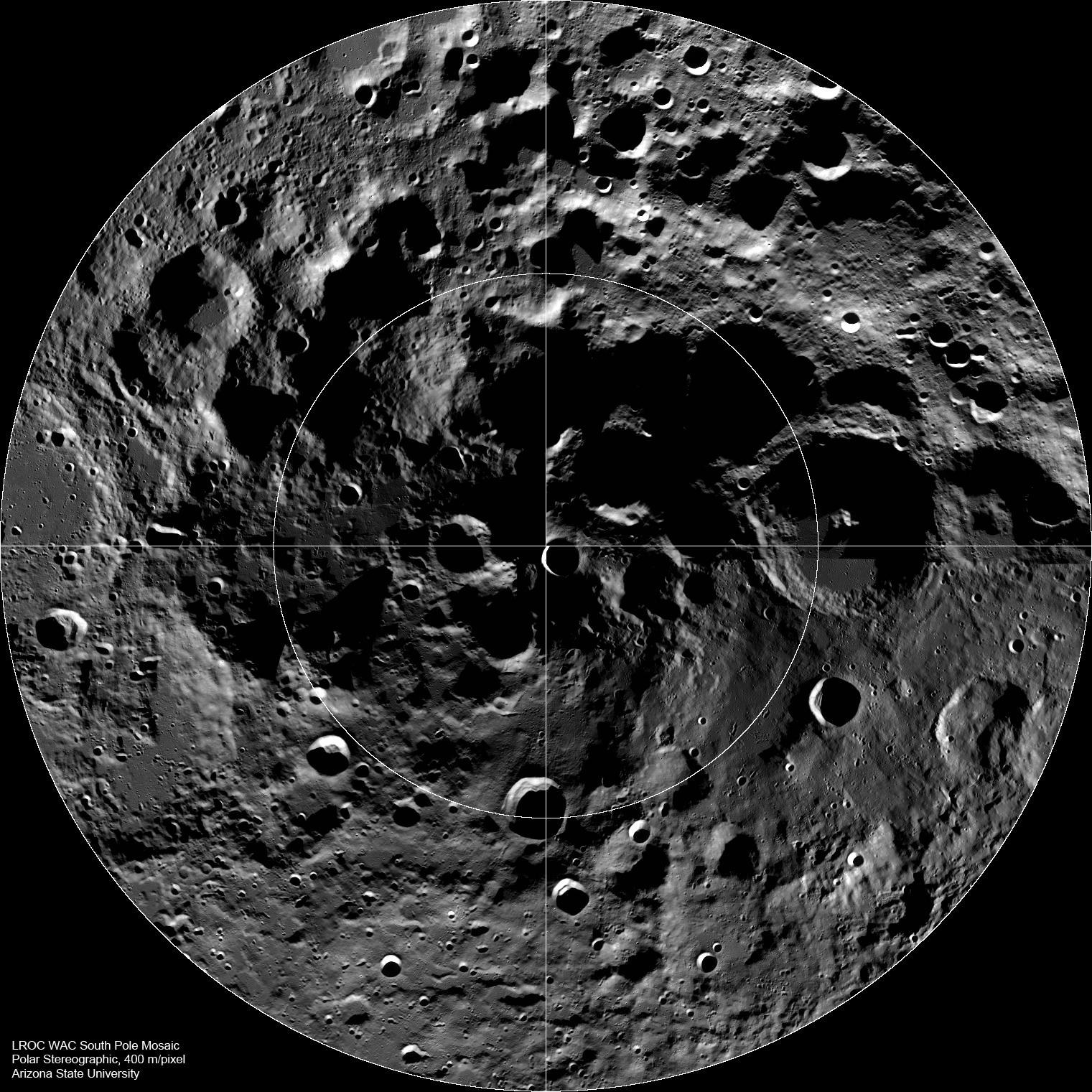
JAXA and ISRO are building LUPEX, also called Chandrayaan-5, to study water at the lunar south pole; launch is no earlier than 2028 on an H3 rocket (JAXA).
Active Space
The UAE Space Agency's MBR Explorer is set to launch in March 2028 on Japan's H3 rocket to study asteroids beyond Mars (UAE Space Agency).
Active Space
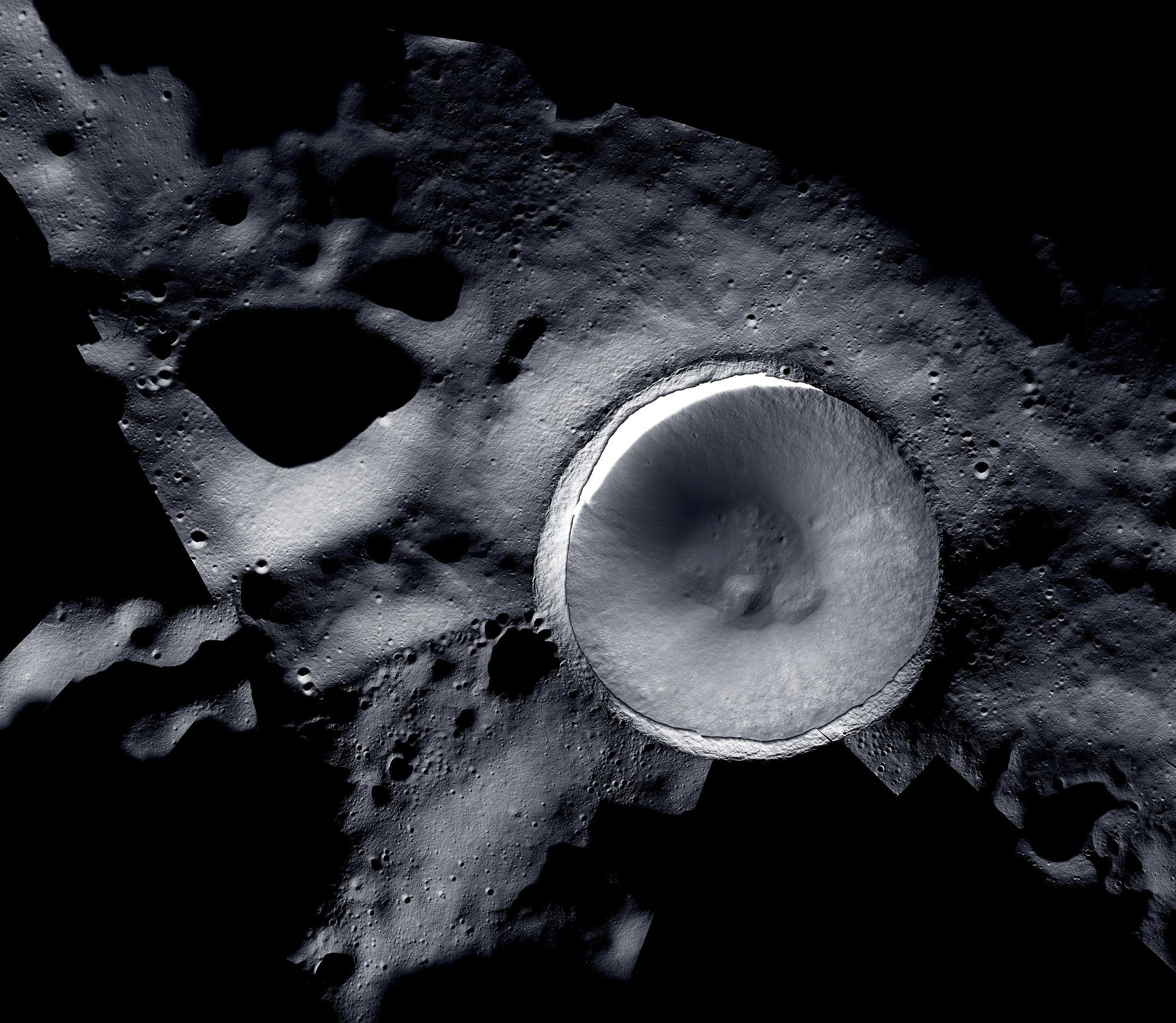
Korea's first lunar orbiter, Danuri, launched in August 2022 and now carries NASA's ShadowCam in a mission extended through 2027 (KASA).
Five questions from this hub. Pick an answer to see if you got it, with a link to the source page. Nothing is tracked.
Copied to your clipboard.
I scored {n} out of 5 on the Space quiz at Saving Planets.
You scored {n} out of 5.
Showcase, not partnership: How we feature solutions from around the world
Want to go deeper? Visit NASA.
For further informationSpace is part of Earth’s environment. Solutions for orbit: active debris removal, sustainable in-orbit servicing and orbital data centers, each with sources.
Source: Space · On this site
ESA guided its retired Aeolus wind satellite down in the first assisted reentry of its kind, cutting the already low debris risk by a factor of 150.
Source: ESA, Aeolus: a historic end · On this site
ESA's Ariel will study the atmospheres of a thousand planets orbiting other stars, revealing what they are made of (ESA).
Source: ESA, Ariel · On this site
Astroscale inspects, services and removes debris in orbit: ELSA-d, ADRAS-J's 2024 close-up of an H-IIA upper stage, and ADRAS-J2, targeted for fiscal 2027.
Source: Astroscale U.S. press release (Apr 2025) · On this site
Atmospheric drag is Earth's natural space debris removal: it pulls low-orbit junk down to burn up, faster when the Sun is active, but barely works up high.
Source: NOAA SWPC, Satellite drag · On this site
After eight years in space, BepiColombo enters orbit around Mercury on 21 November 2026, the first mission to put two spacecraft there (ESA).
Source: ESA, Latest updates: BepiColombo's arrival at Mercury · On this site