Cuyahoga River Cleanup (Ohio)
The Cuyahoga River in Ohio became a Great Lakes Area of Concern in 1987. Five of its listed impairments have now been removed, most recently beach closings in 2024.
✨ New solutionAdded
Image: Roy Luck, via Wikimedia Commons (CC BY 2.0).
Last reviewed: 1 sources cited
Explain Like I'm 10
- The Cuyahoga River flows through Cleveland, Ohio, into Lake Erie.
- It was once so polluted that it was listed as a problem area for the Great Lakes.
- Cleanup work has fixed five of its ten big problems, like algae and closed beaches.
The Five W's of Cuyahoga River Cleanup
Who
The U.S. Environmental Protection Agency works with state and local partners on the Cuyahoga River Area of Concern.
What
Partners clean up contaminated Sand, mud and gravel carried by water that settles on river beds, lake bottoms and beaches. Glossary, remove dams, and restore floodplains, wetlands and streams so fish and wildlife can return.
When
The Cuyahoga became an Area of Concern in 1987 under the Great Lakes Water Quality Agreement. Impairments were removed in November 2017, January 2019, April 2021, August 2023 and September 2024.
Where
Northeastern Ohio. The river drains over 800 square miles and flows through Cleveland into Lake Erie.
Why
The All the land where rain and snow drain into the same river or lake. Glossary was degraded by sediment and streambank erosion, municipal and farm discharges, and historic urban and industrial contamination.
Impact Statement
Government solution · active · New solution
Five beneficial use impairments have been removed: aesthetics (2017), fish and wildlife consumption limits (2019), algae (2021), fish tumors (2023) and beach closings (2024).
Source: U.S. EPA, Cuyahoga River Area of Concern
The Beach Closings impairment for the Cuyahoga River was removed in September 2024.
How This Improves Our Planet’s Health
A river healthy enough to come off the list
EPA says impairments are removed only after cleanup work is done and monitoring shows enough environmental health improvement. Once all are removed, the river can be delisted.
Source: U.S. EPA, Cuyahoga River Area of Concern
Habitat for fish and wildlife
Projects restore oxbow wetlands, reconnect floodplains, stabilize eroded shorelines and remove low-head dams, which improves fish passage and lets high water spread out instead of scouring the river.
Source: U.S. EPA, Cuyahoga River Area of Concern
For people
EPA says a cleaner river will improve recreation and support communities that benefit from a cleaner river system and Great Lakes A community of living things and the place they live, like a reef or a forest, all depending on each other. Glossary.
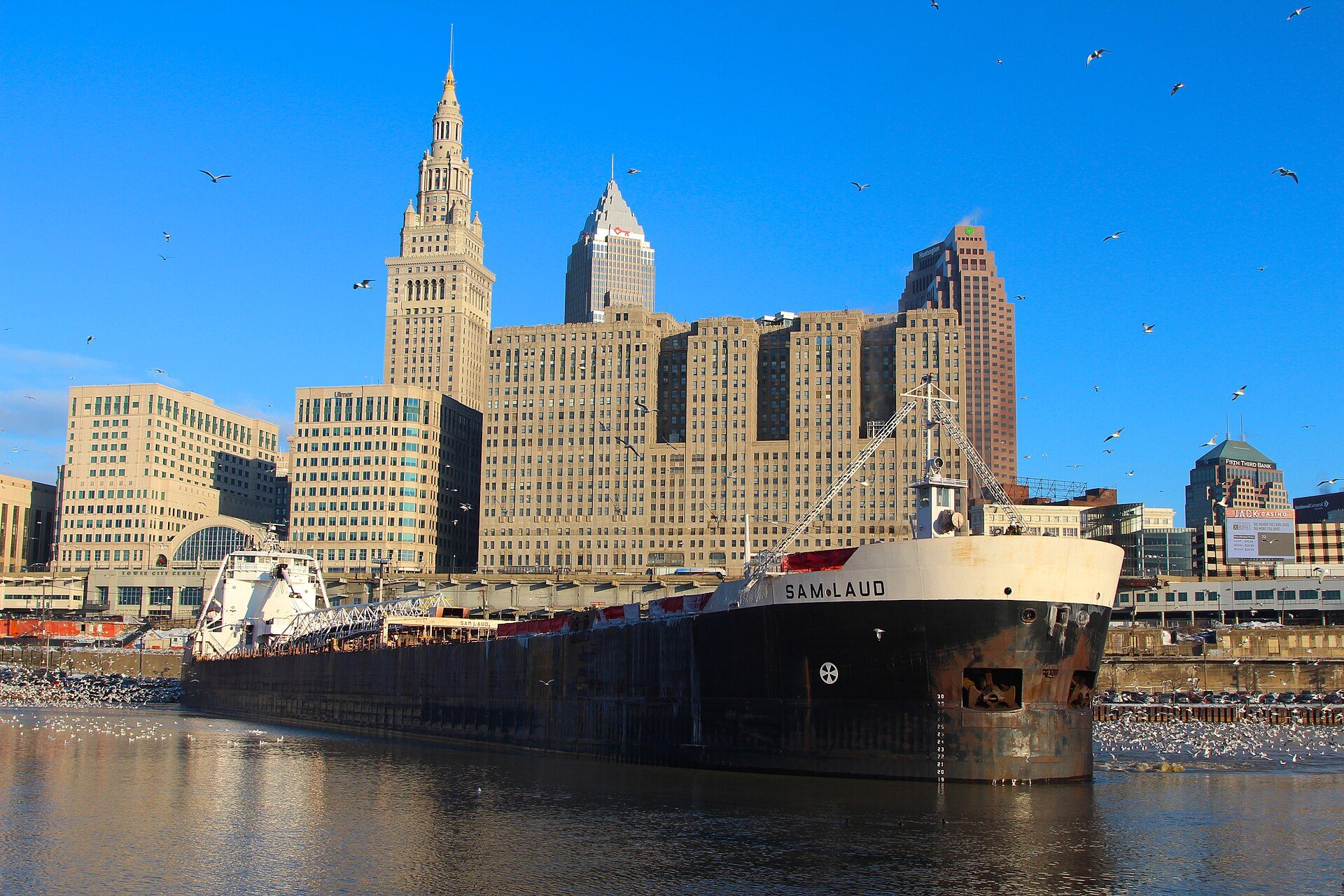
Image: Roy Luck, via Wikimedia Commons (CC BY 2.0).
Learn About Cuyahoga River Cleanup
Want to go deeper? The official page has the full details behind the numbers here.
For Further InformationRelated Solutions
More solutions like this one, matched by meaning.
Help This Work
This is a government cleanup program, so there is no Donate button. Saving Planets is showcasing it, not partnering with anyone.