
Active Ocean
Copernicus Marine Service
Free ocean data and forecasts for science, safety and protection; almost 15,000 TB downloaded in 2025 (Copernicus Marine).
Three groups on this hub pull plastic out of the ocean and the rivers that feed it. The Ocean Cleanup reports about 65 million kg removed from rivers and the ocean.
Organization source: The Ocean Cleanup
4ocean passed 50 million pounds (about 22.7 million kg) removed in February 2026.
Company source: 4ocean, 50 million pounds removed
Plastic Bank reports about 196 million kg of plastic recovered through its collector network.
Company source: Plastic Bank newsletter, June 2026
Together that is more than 280 million kg of plastic kept out of the sea.
The Ocean Cleanup (nonprofit), 4ocean (company) and Plastic Bank (social enterprise).
Removing plastic from the open ocean, coastlines and rivers, and paying people to collect it before it reaches the sea.
Ongoing. 4ocean passed 50 million pounds removed in February 2026.
Company source: 4ocean, 50 million pounds removed
Ocean garbage patches, coastlines and the rivers that carry plastic to the sea.
Plastic in the ocean breaks into smaller pieces that are far harder to recover. Removing it early, or stopping it upstream, keeps it out of food chains.
Active Ocean
Free ocean data and forecasts for science, safety and protection; almost 15,000 TB downloaded in 2025 (Copernicus Marine).
Active Ocean
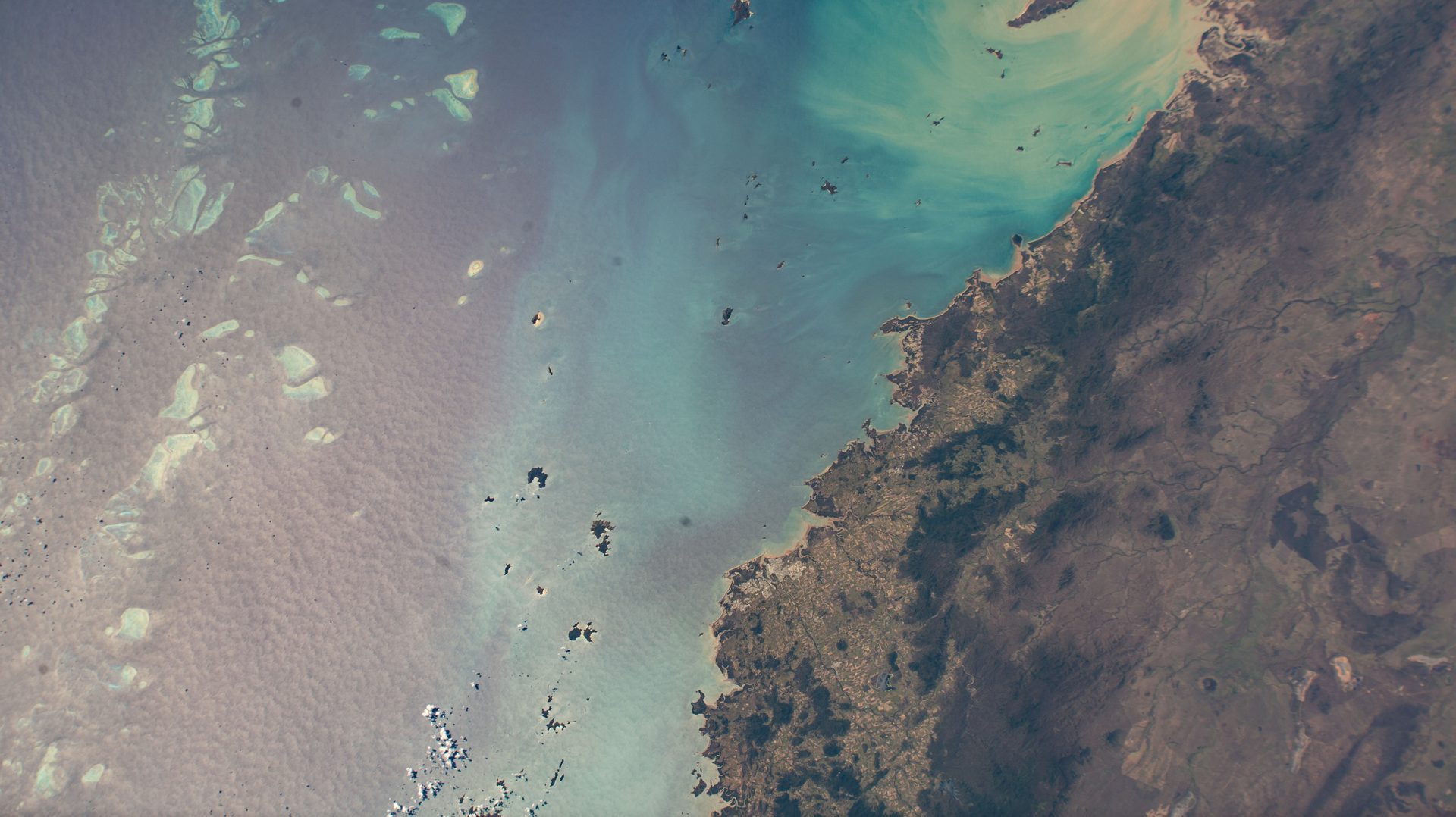
Daily satellite heat-stress maps for coral reefs, covering 95% of reefs worldwide (NOAA).
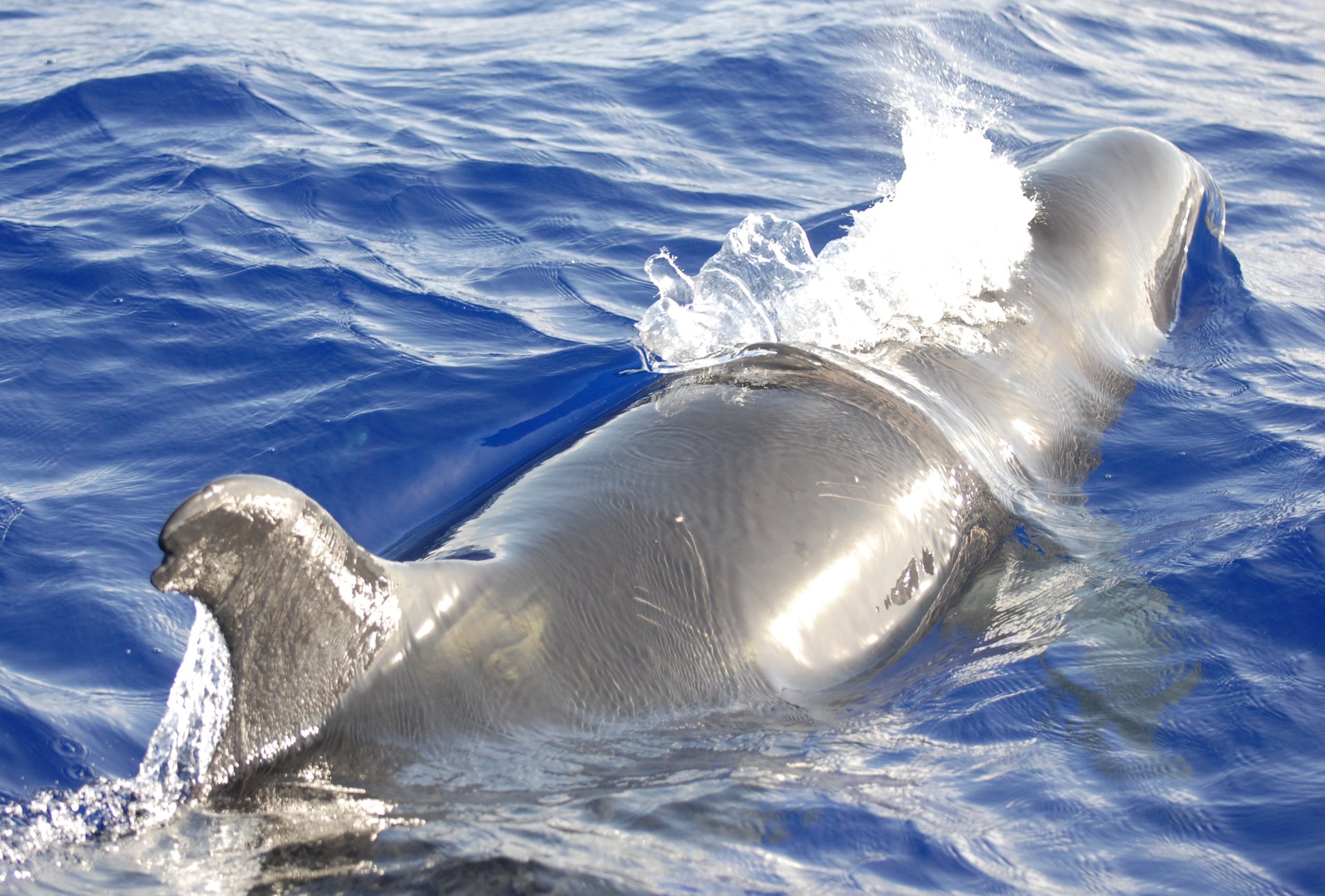
Image: Adam U / NOAA/NMFS/Pacific Islands Fisheries Science Center
Active Ocean
Tiny satellite tags follow birds, turtles and whales across the planet; 300,000+ animals tracked so far (CLS figures).
Active Ocean
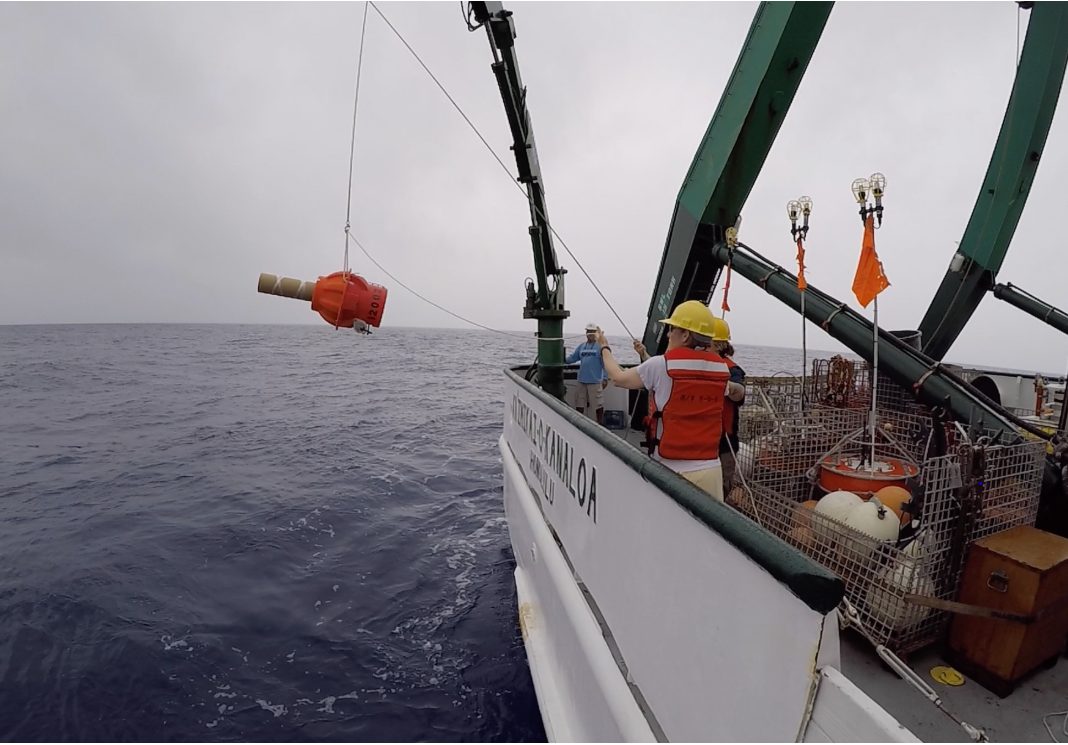
Nearly 4,000 robotic floats measure the ocean from the surface to the deep; data free to anyone (Argo).
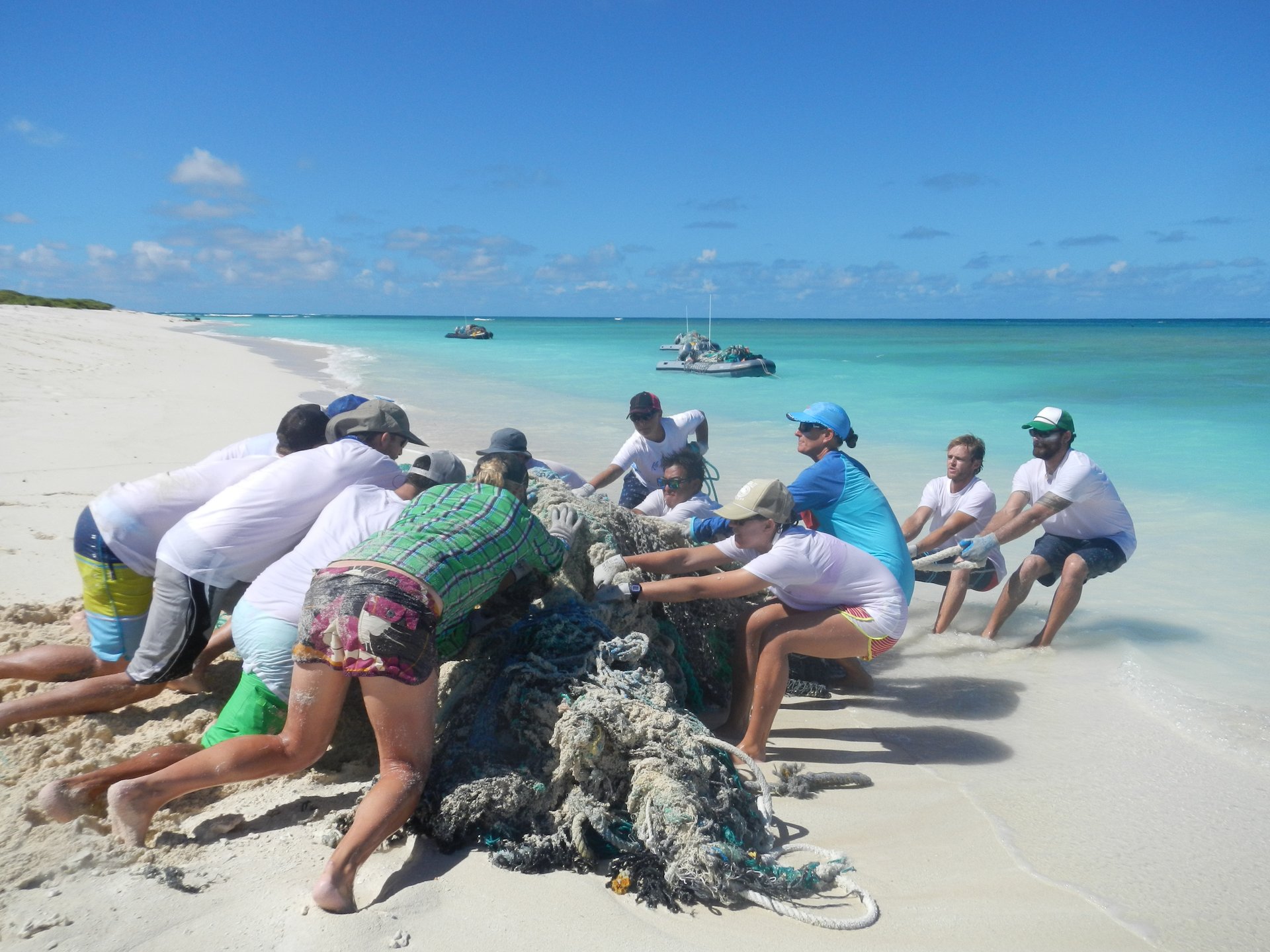
Image: NOAA
Active Ocean
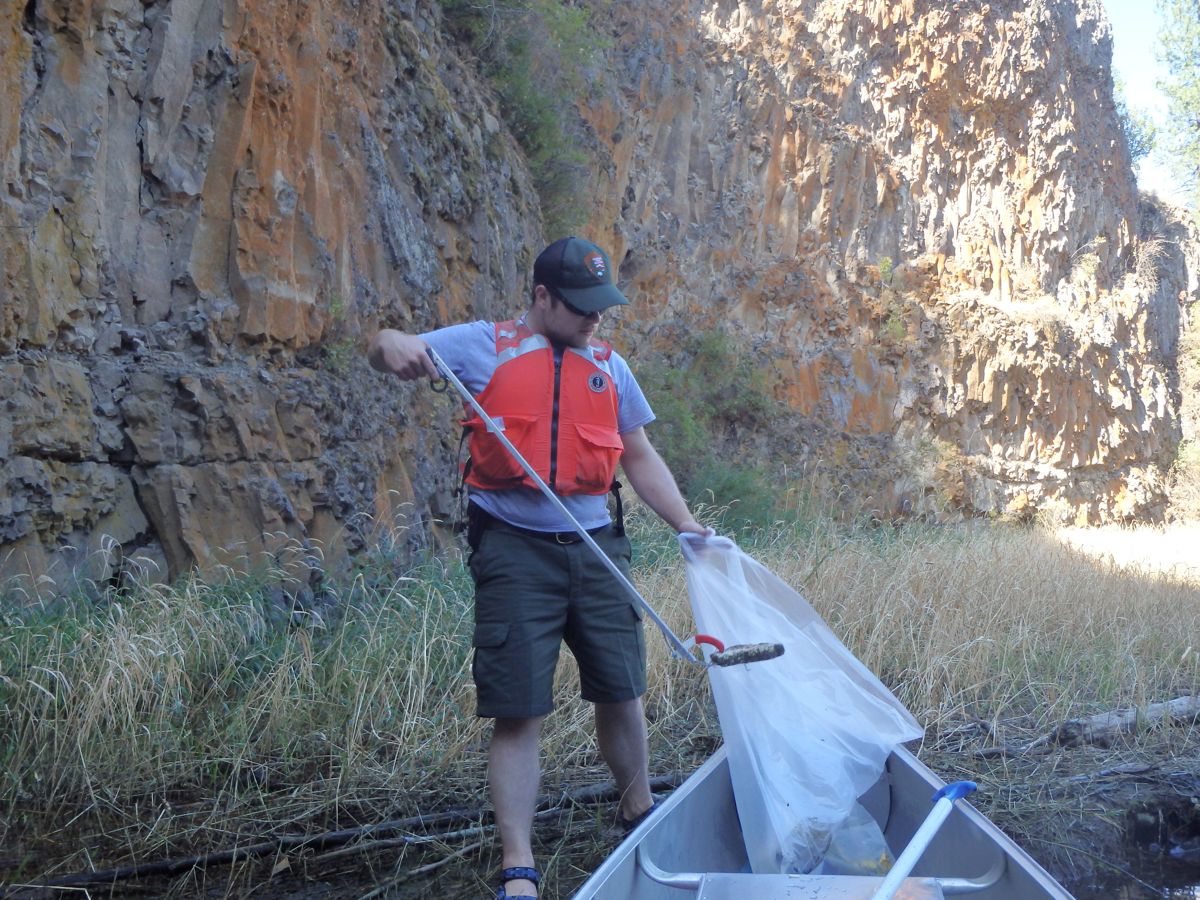
Builds local recycling factories where plastic waste has nowhere to go; 14 factories today, 200 planned by 2030 (organization figures).
Active Ocean
Cleans up Los Angeles beaches and watersheds; 6,772 volunteers removed 19,139 pounds of trash on Coastal Cleanup Day 2025 (organization figures).
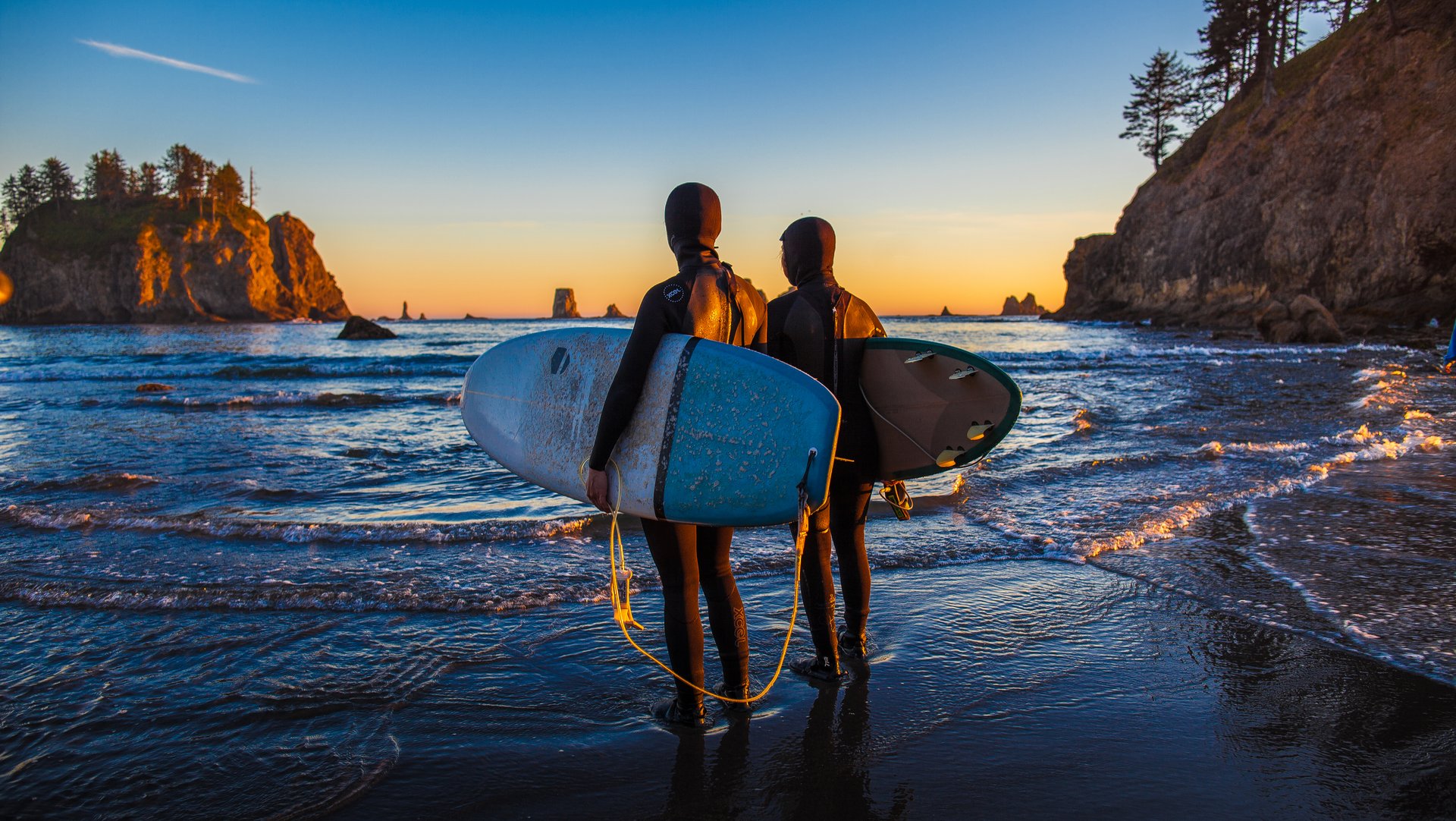
Image: Matt McIntosh/NOAA
Active Ocean
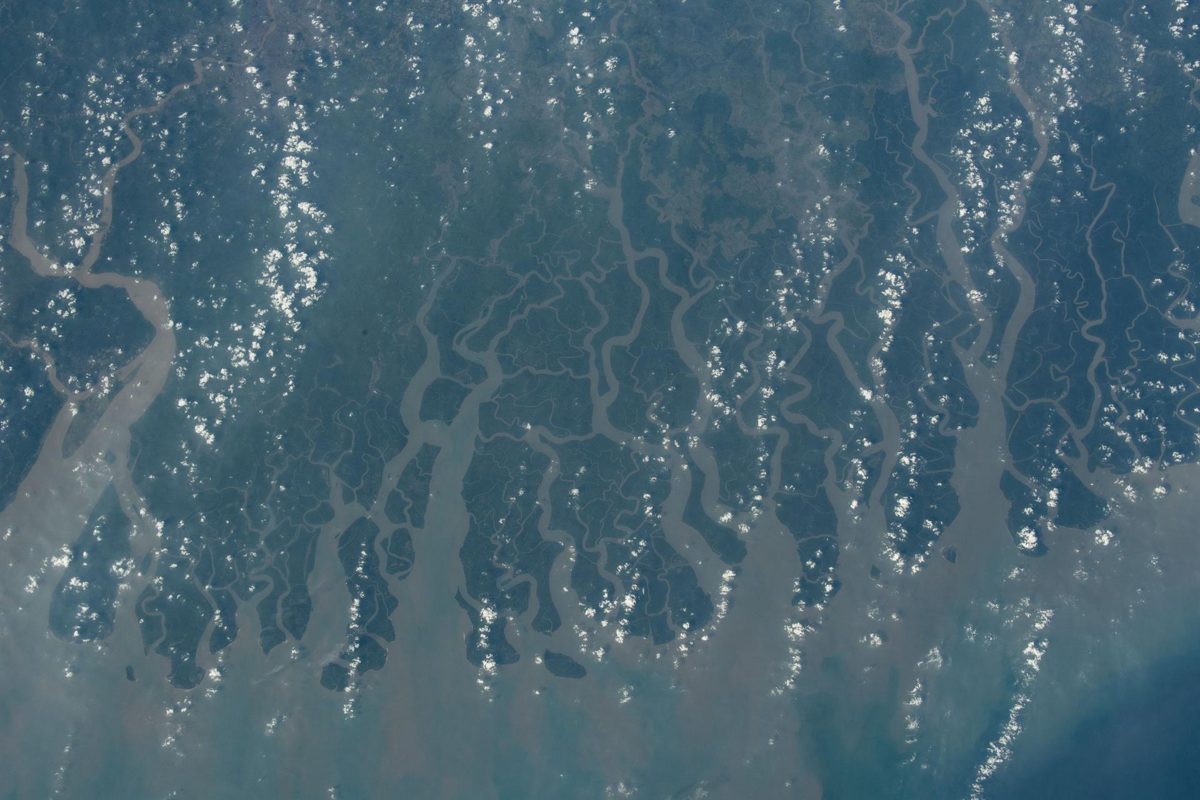
A grassroots network protecting beaches; 34,058 volunteers held 1,058 cleanups in 2025 (organization figures).
Active Ocean
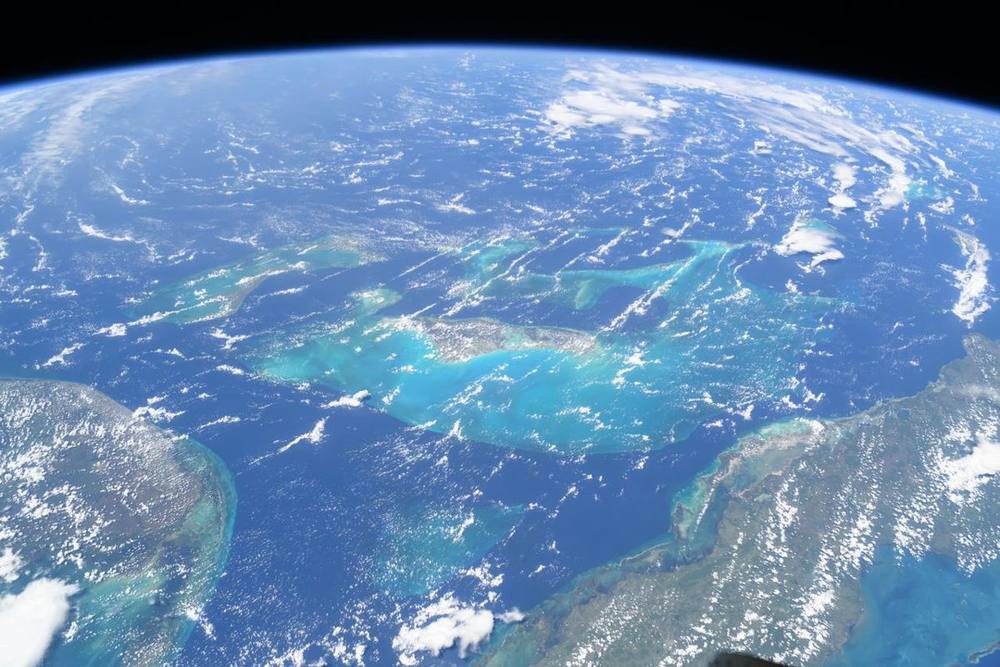
Helps anyone plant mangroves, coral and kelp with local partners in Kenya, Mexico, Costa Rica, Fiji, Portugal and California (SeaTrees).
Active Ocean
Dr. Sylvia Earle's Mission Blue backs 168 community-led Hope Spots across 115 countries and the High Seas (organization figures).
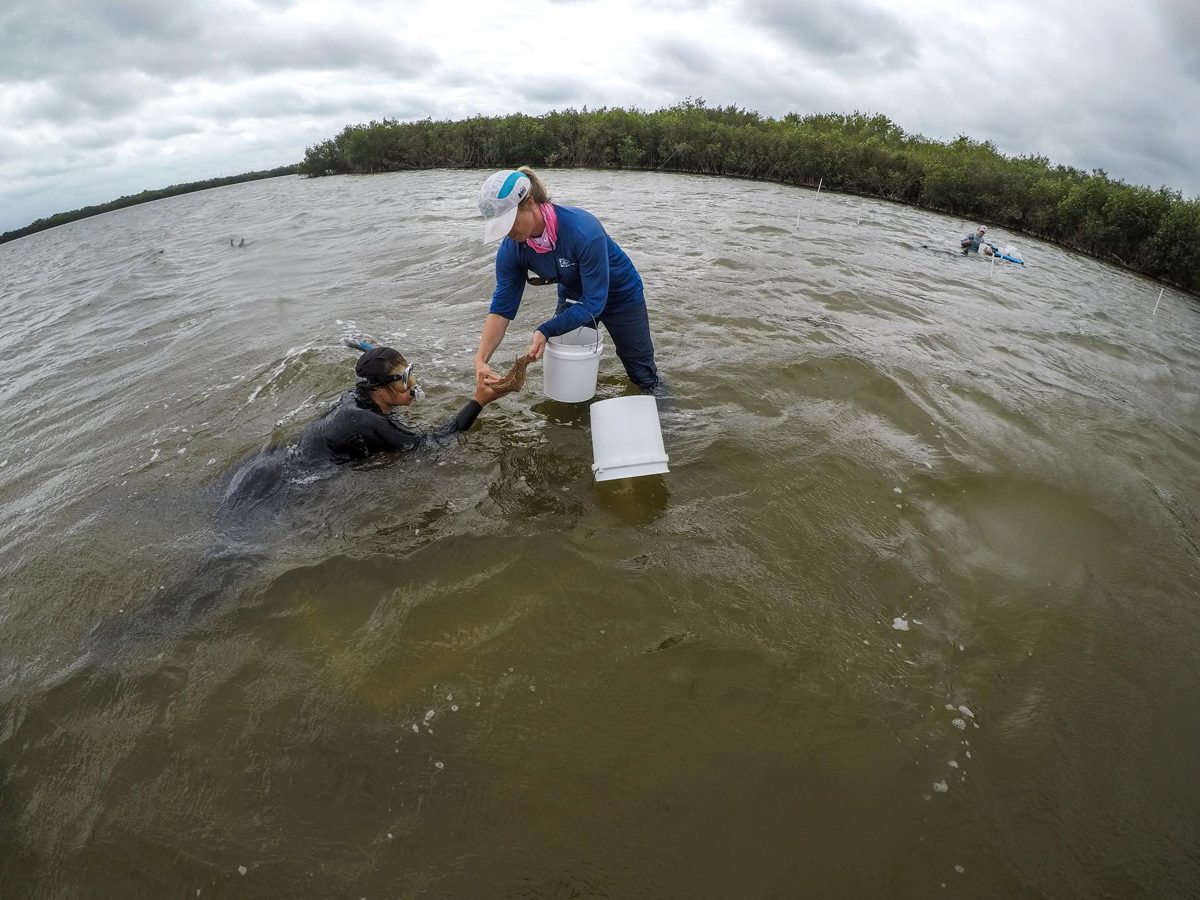
Active Ocean
A UK charity restoring underwater seagrass meadows since 2013; more than 150,000 seeds planted (organization figures).
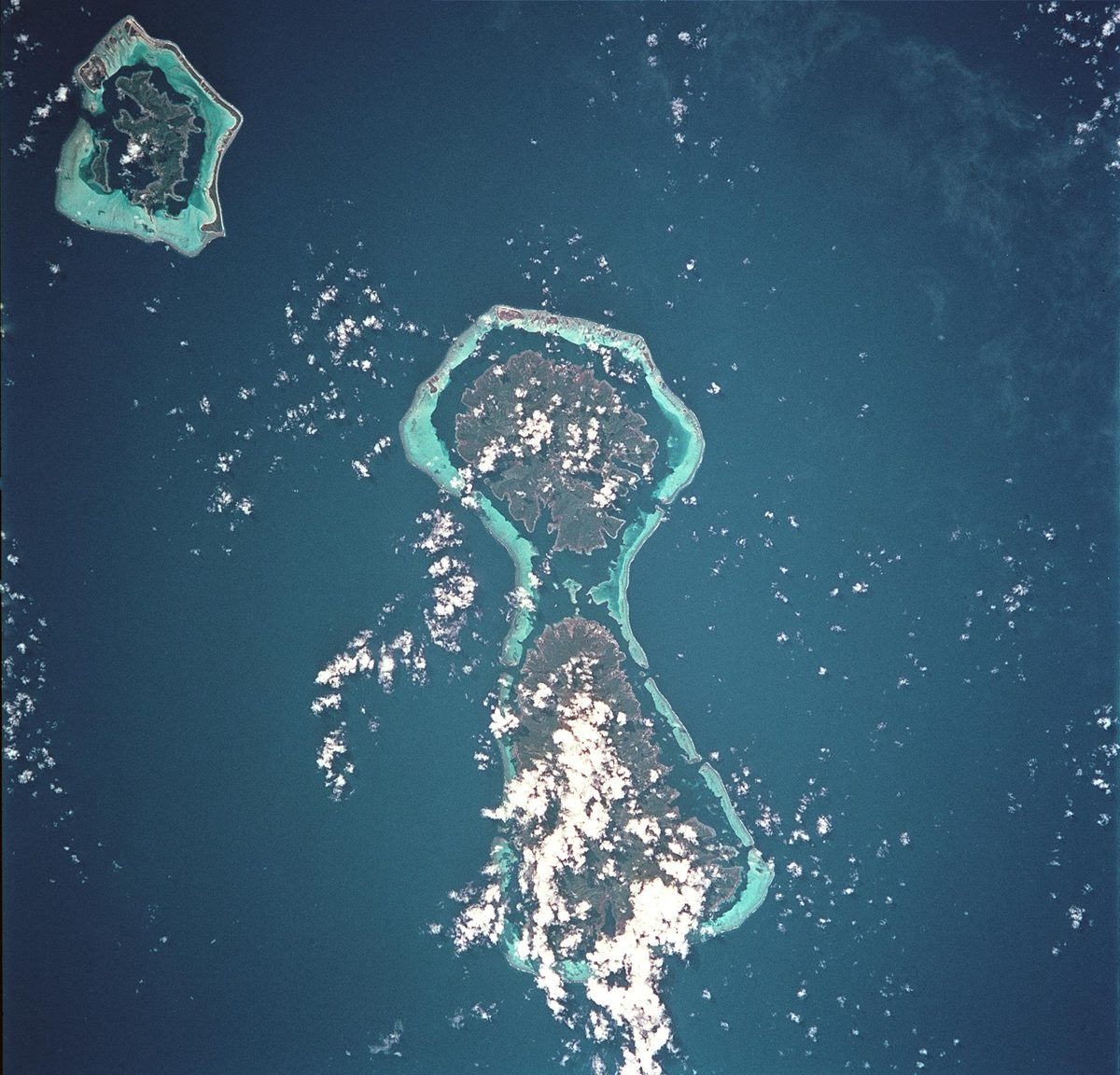
Active Ocean
Grows corals in nurseries and replants them on reefs in French Polynesia, Fiji and Thailand; 238,250 corals planted (organization figures).
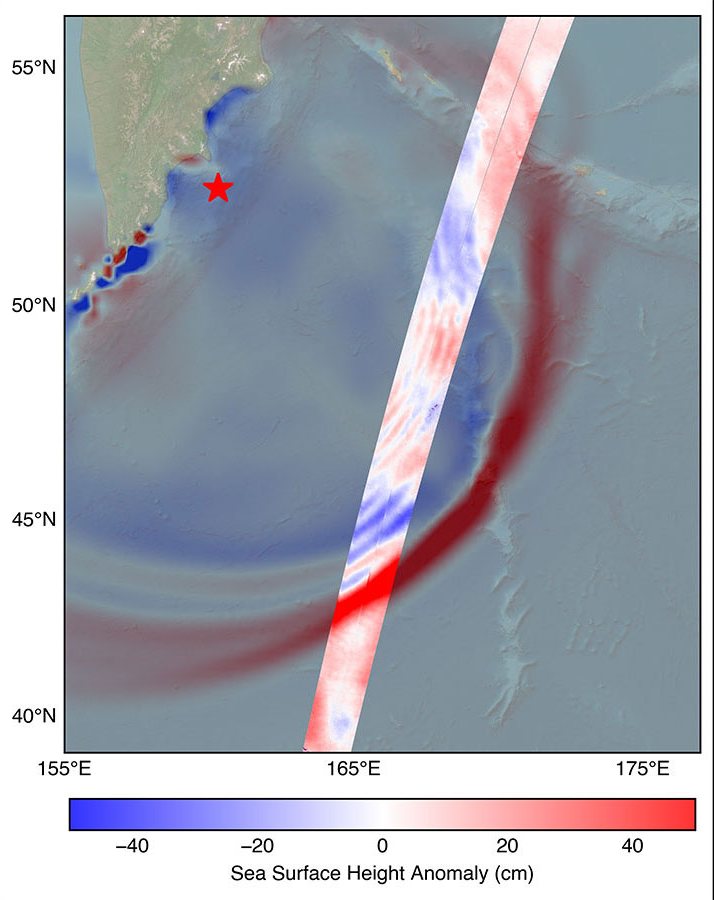
Active Earth Observation
Deep-ocean buoys, satellites, GPS signals and seafloor cables spot tsunamis in the open ocean so coastal communities get time to reach high ground (NOAA, NASA).
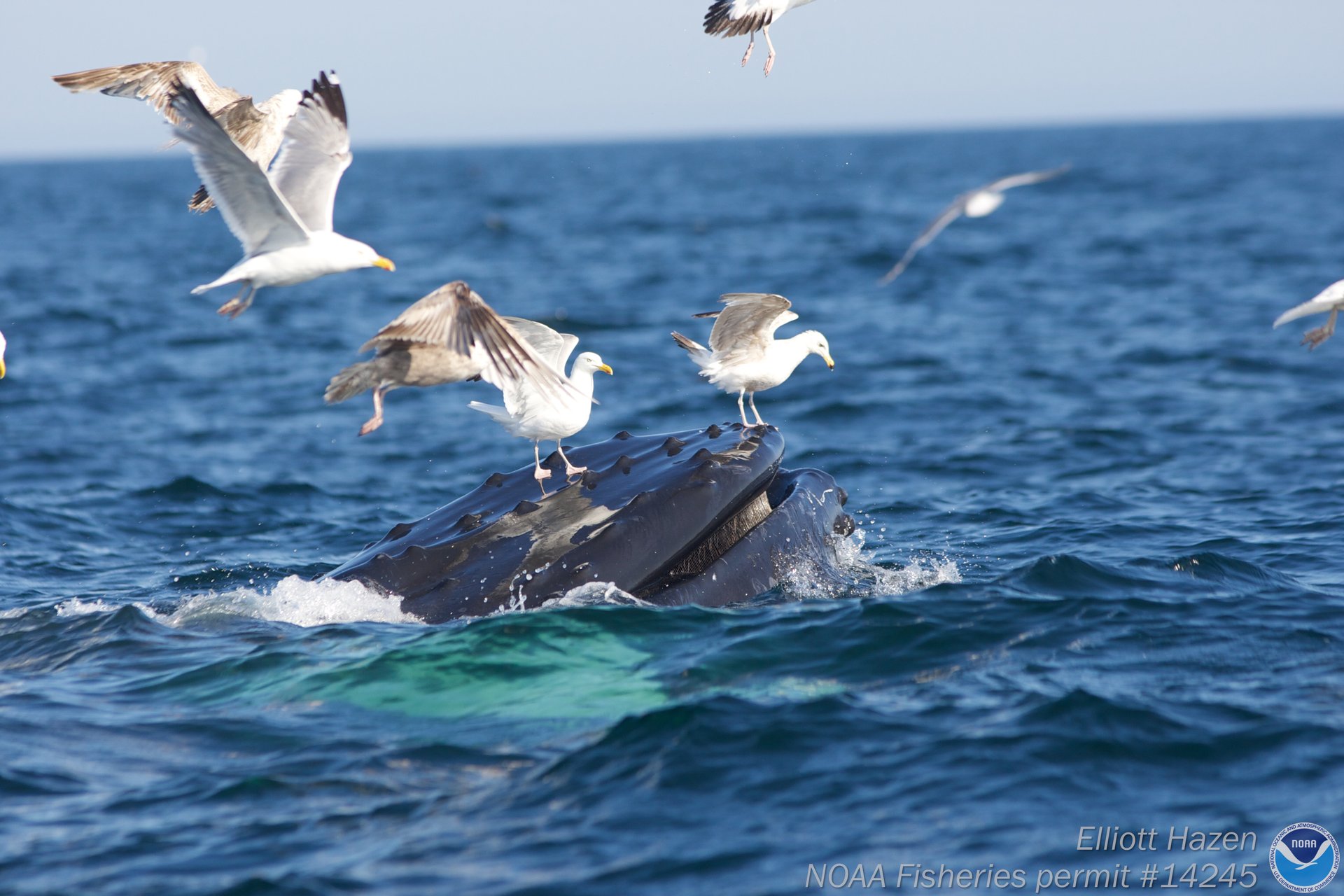
Image: Elliot Hazen/NOAA Fisheries Permit #14245
Active Ocean
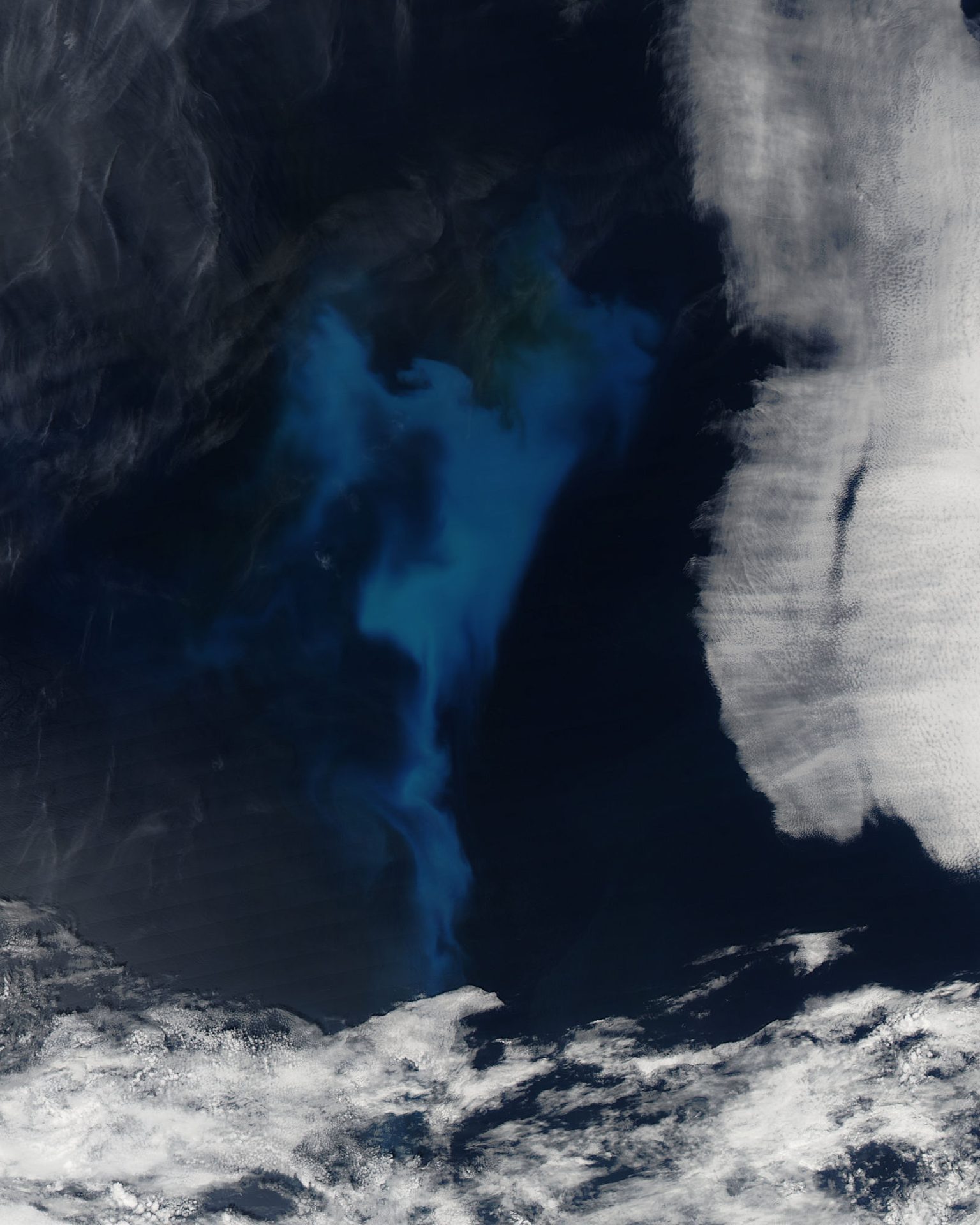
Whale waste carries nutrients to the ocean surface and fertilizes phytoplankton, the tiny plants at the base of the ocean food web (NOAA Fisheries).
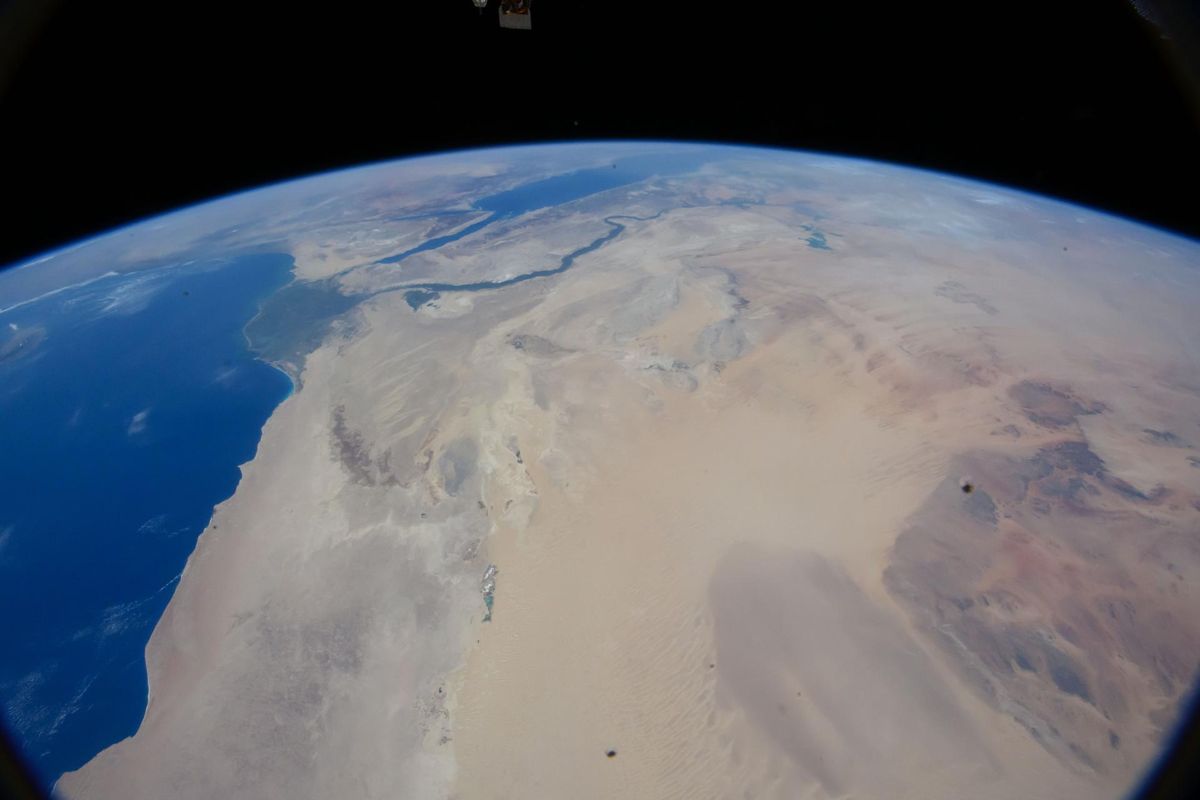
Active Ocean
The Mediterranean seagrass Posidonia oceanica forms meadows that are thousands of years old and store carbon in the seafloor (CEAB-CSIC).
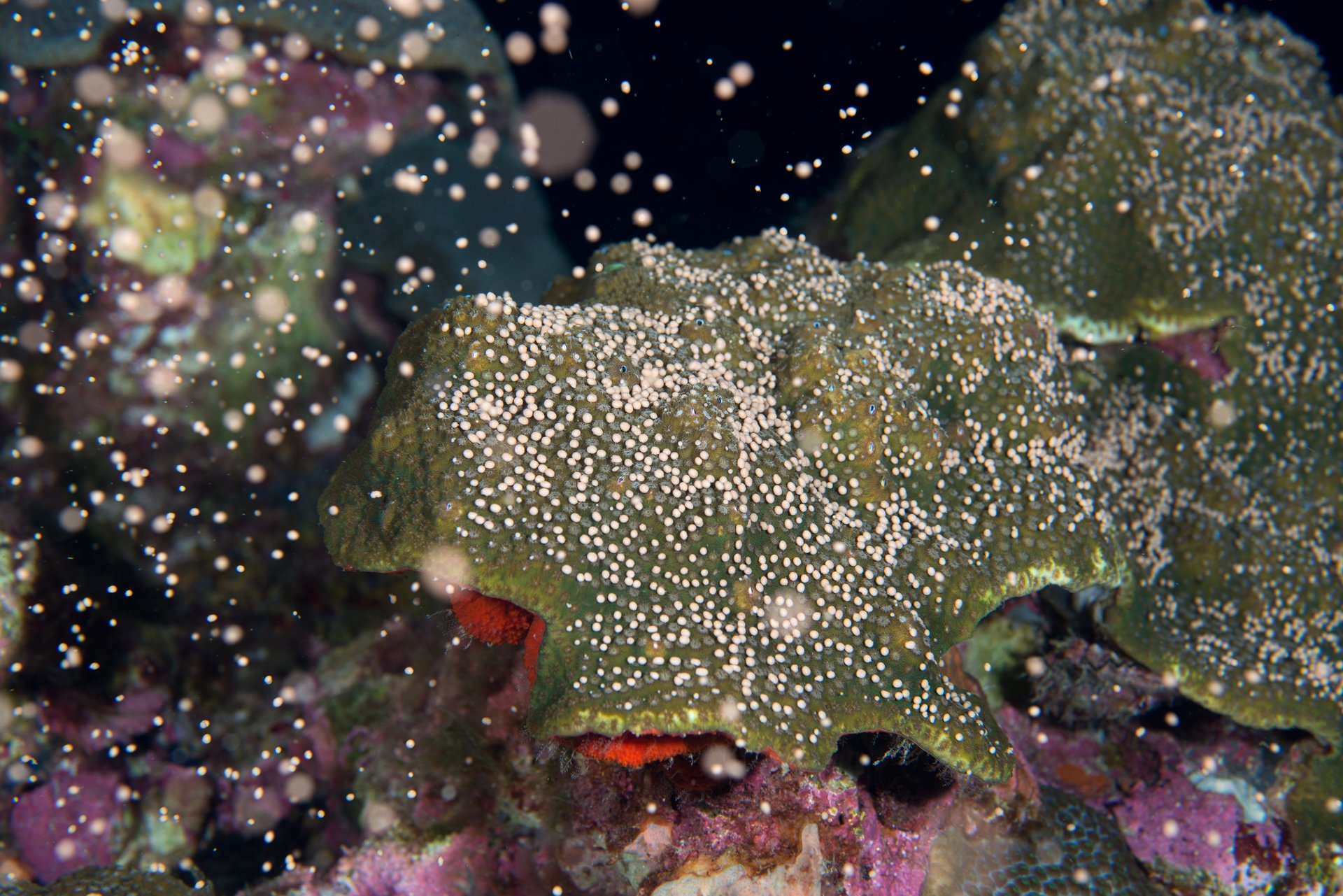
Image: G.P. Schmahl/NOAA
Active Ocean
Researchers capture coral spawn and rear millions of baby corals for damaged reefs; the first Coral IVF corals reproduced on the Great Barrier Reef in 2021 (GBRF).
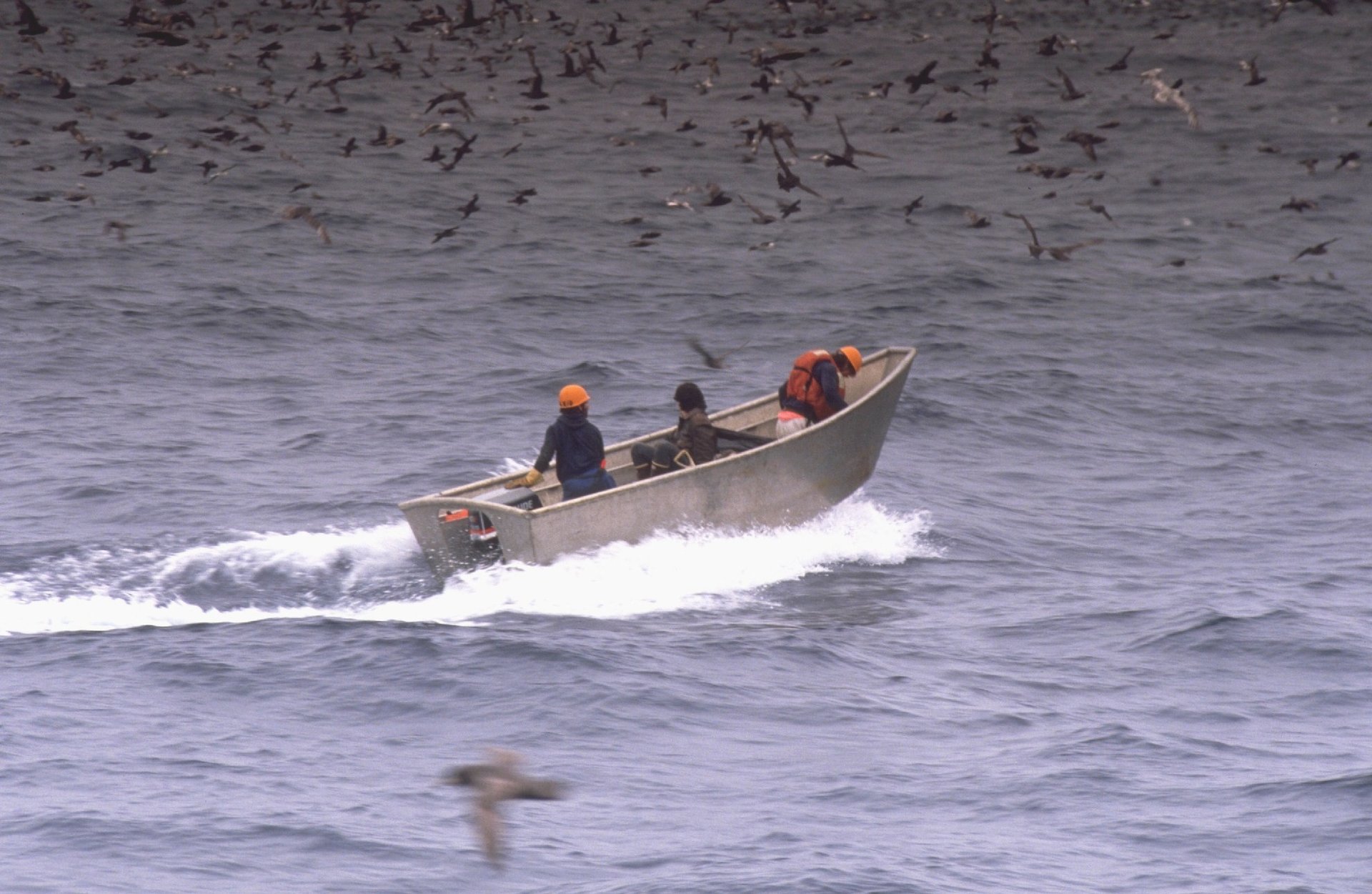
Image: Alaska Fisheries Science Center, Marine Observer Program
Active Ocean
Global Fishing Watch uses satellites and SI to map fishing; its 2024 Nature study found about 75% of industrial fishing vessels are not publicly tracked (Global Fishing Watch).

Created by the Founder and SI.
Active Ocean
4ocean removes plastic from oceans, rivers, and coastlines with full-time cleanup crews, funded by products made from recovered plastic.
Active Ocean
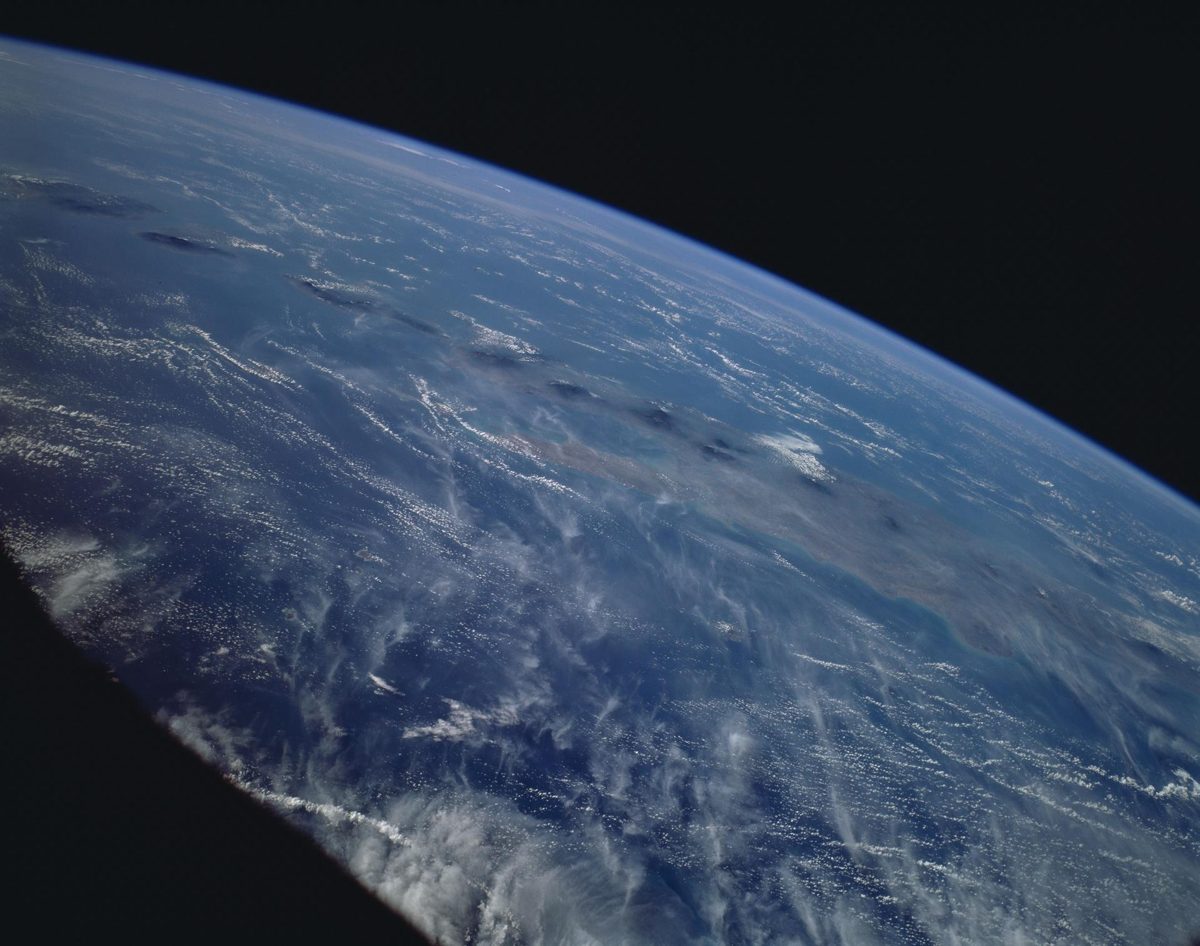
The Ocean Cleanup removes plastic from oceans and intercepts it in rivers.
Active Ocean
Plastic Bank turns ocean-bound plastic into income for collectors in vulnerable communities.
Active Ocean
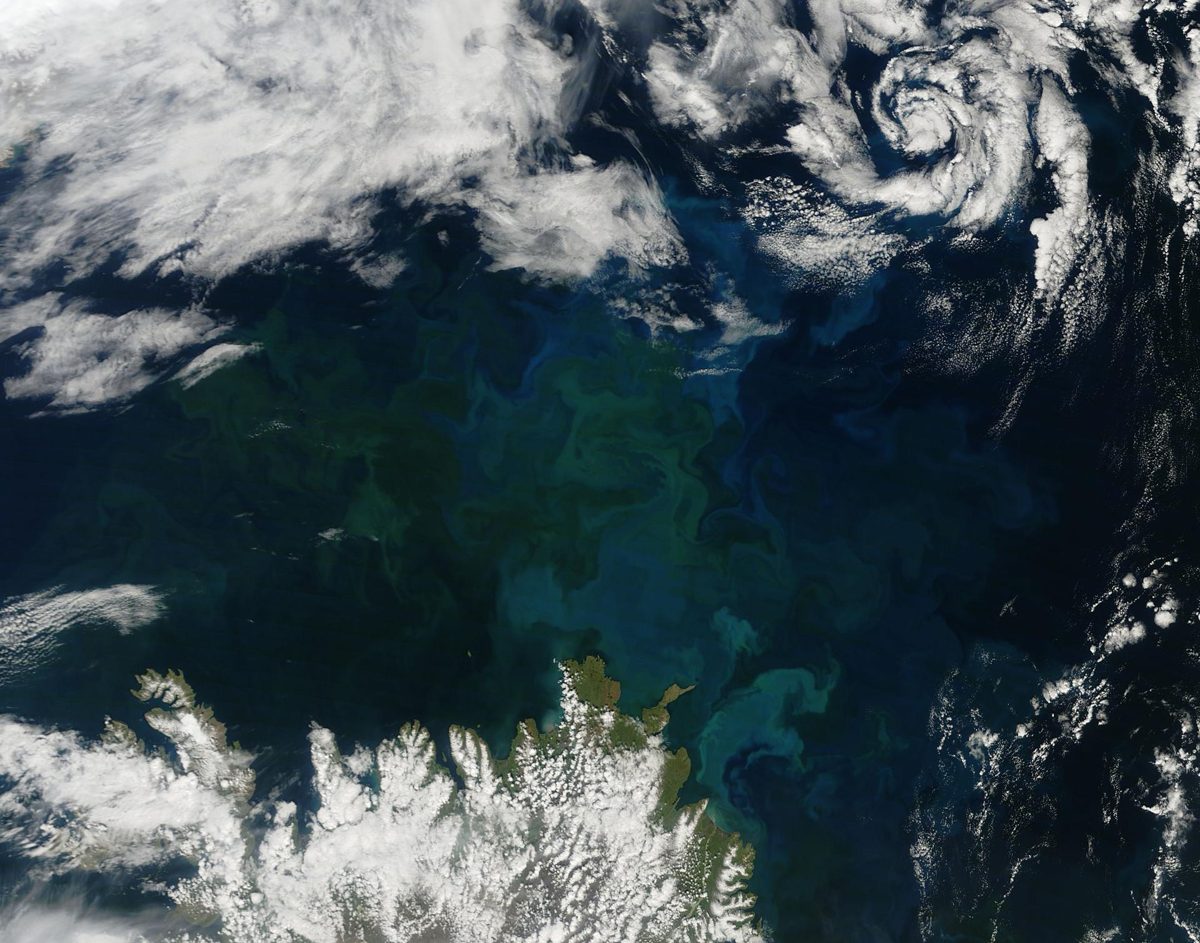
Tiny ocean plants produce about half of Earth's oxygen, making phytoplankton one of the planet's most important natural systems.
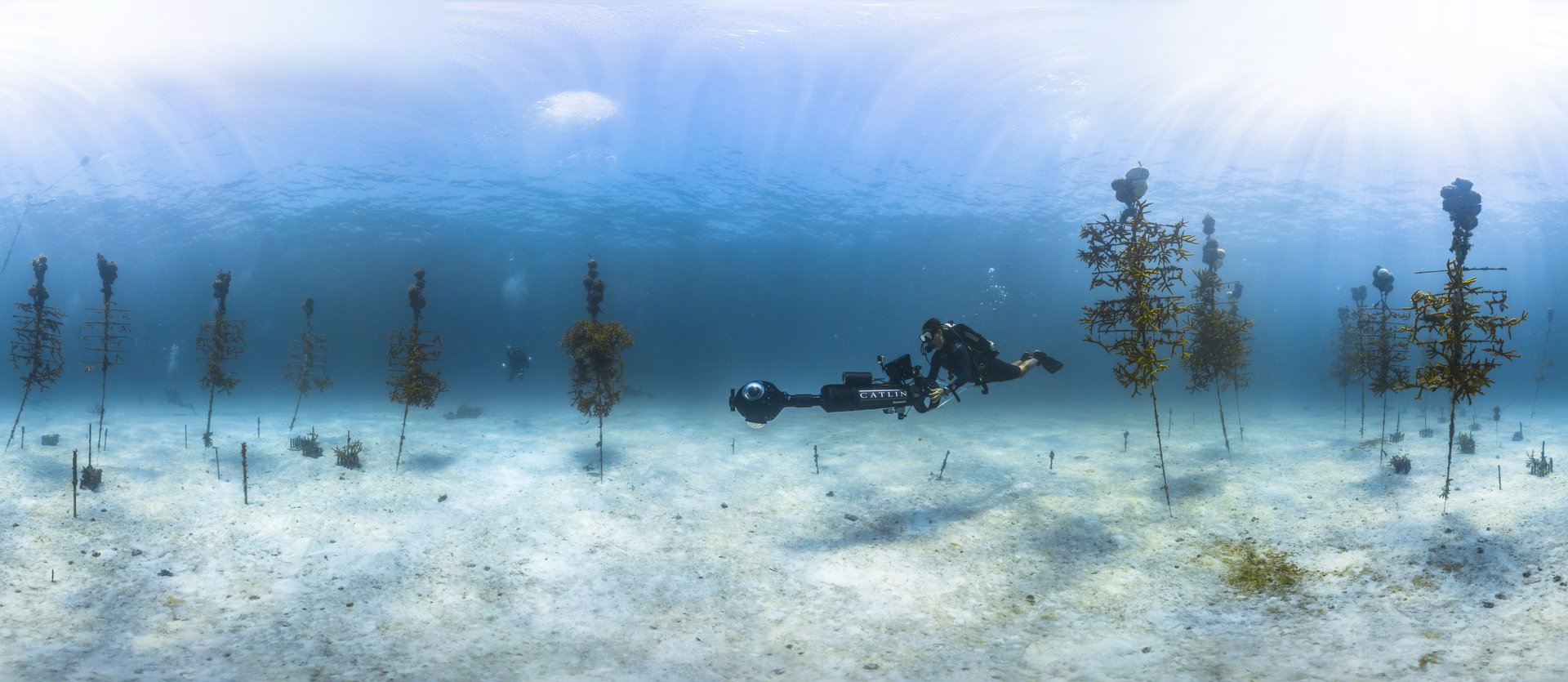
Image: Mitchell Tartt/NOAA
Active Ocean
Coral Restoration Foundation had returned 253,833 corals to Florida's reefs by the end of 2024 (organization figure).
Active Ocean
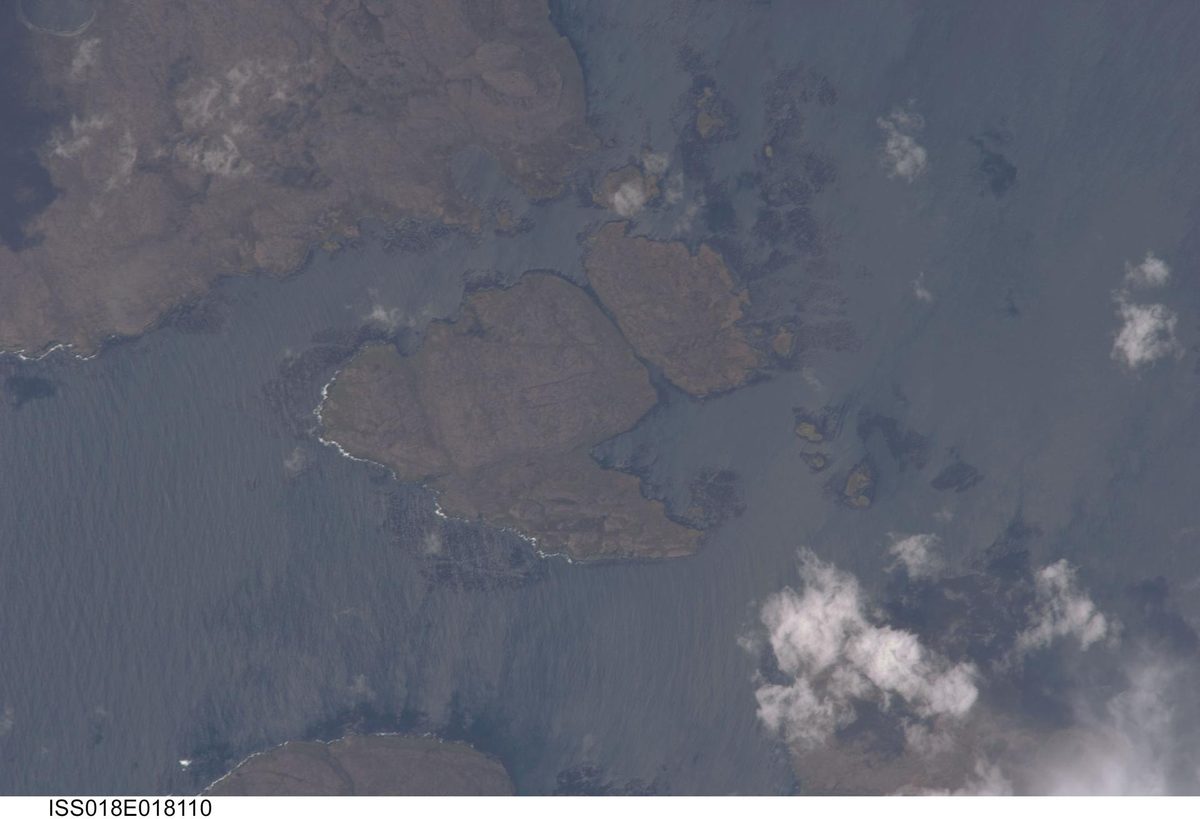
Kelp can grow up to 18 inches a day, building underwater forests that feed and shelter thousands of species.
Active Ocean
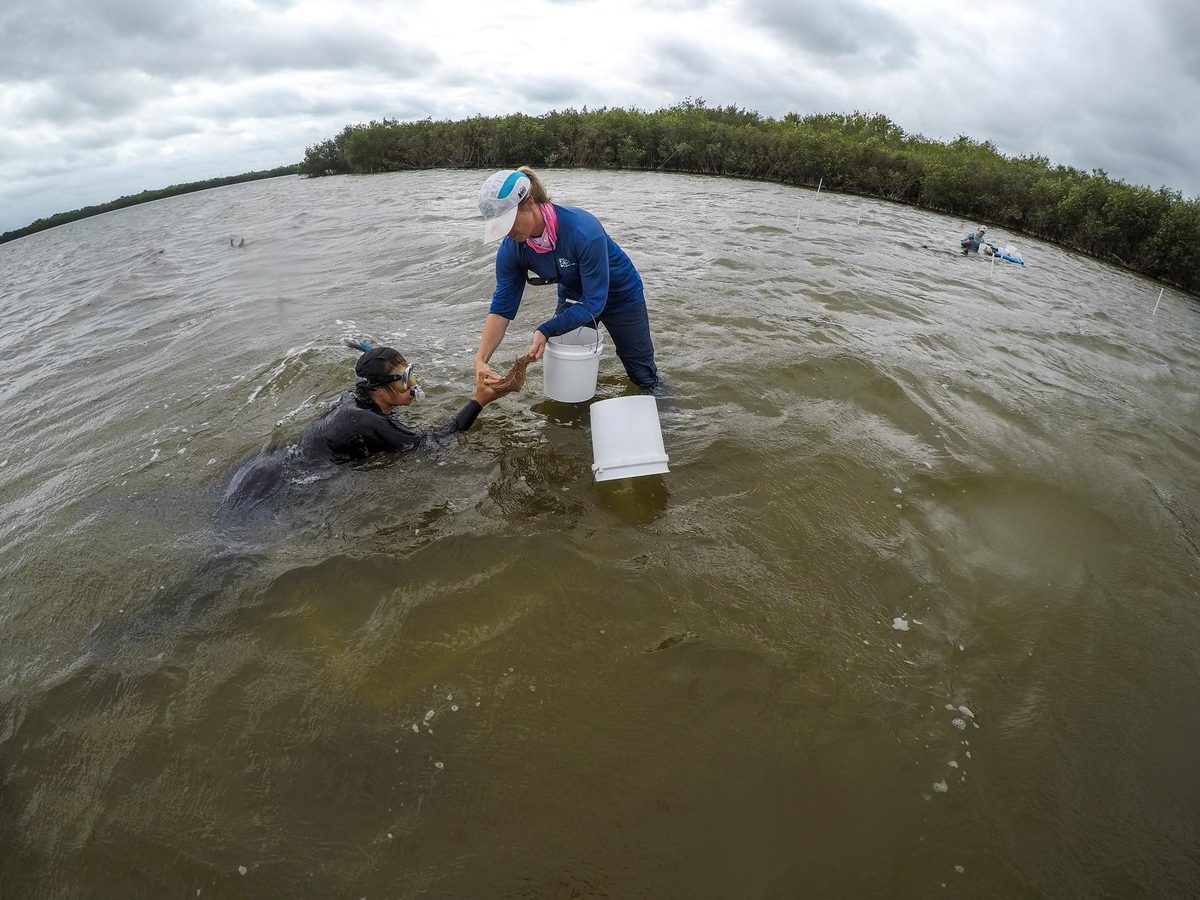
Seagrass covers just 0.1% of the seafloor but stores 11% of the ocean's buried organic carbon. See also Mangroves on Deforestation.
Active Ocean
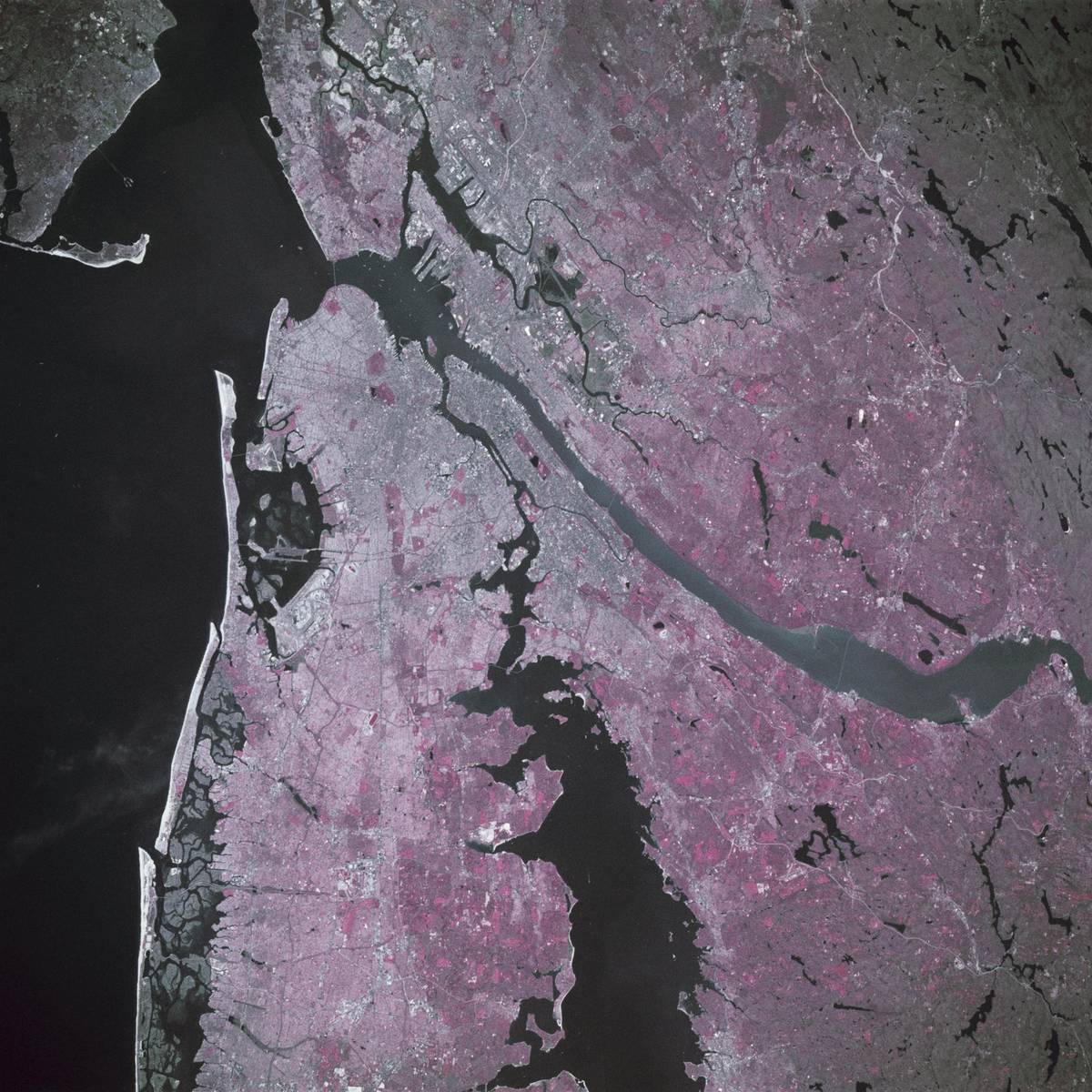
A New York nonprofit restoring the harbor with oyster reefs, aiming for one billion oysters by 2030 (nonprofit figures).
Active Ocean
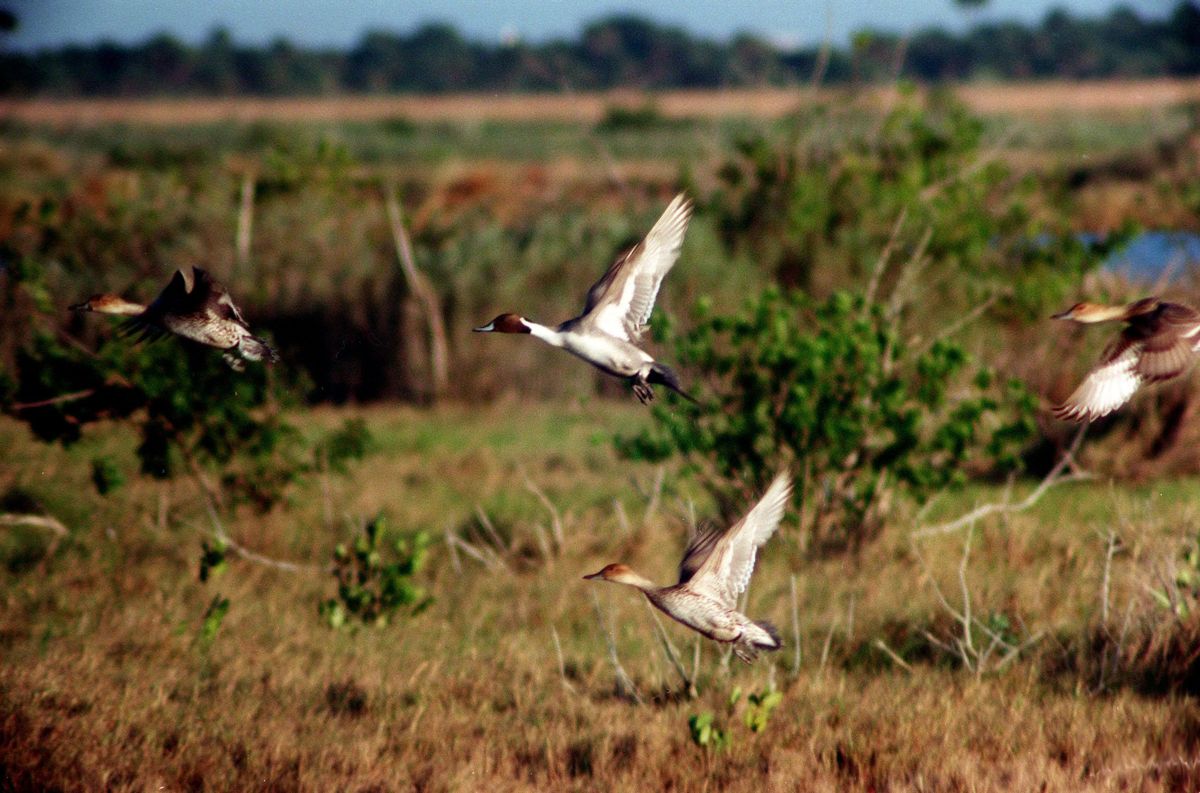
Salt marshes are nurseries for more than 75% of fisheries species and buffer shorelines from erosion and floods (NOAA).

Active Ocean
A sailing nonprofit that has pulled more than 850,000 pounds of plastic from the Pacific Gyre in 10 voyages (nonprofit figure).
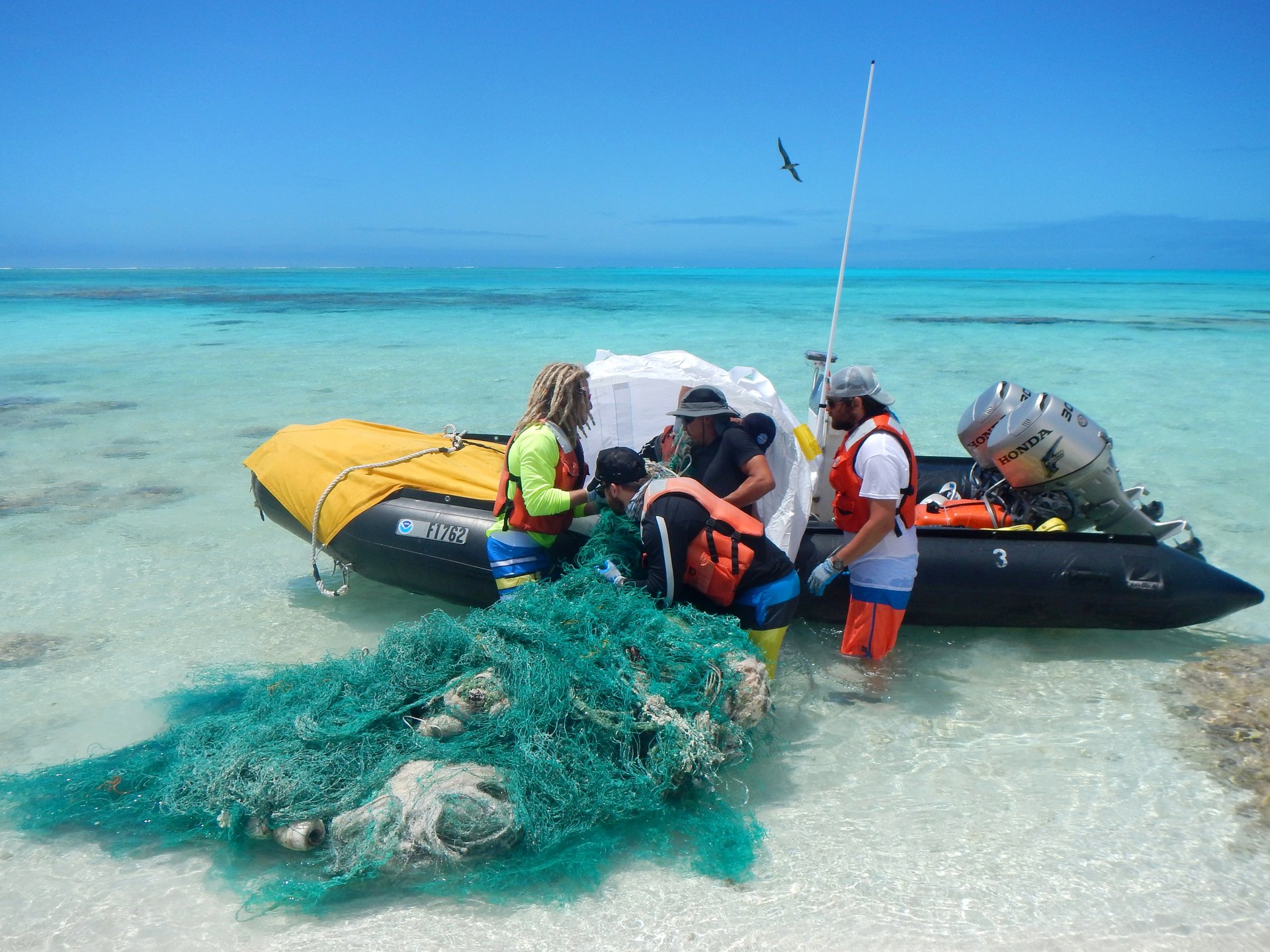
Image: NOAA
Active Ocean
Volunteer divers recover ghost nets: Healthy Seas reports 1,309.1 tons of nets and marine litter removed since 2013 (Healthy Seas figure).
Active Ocean
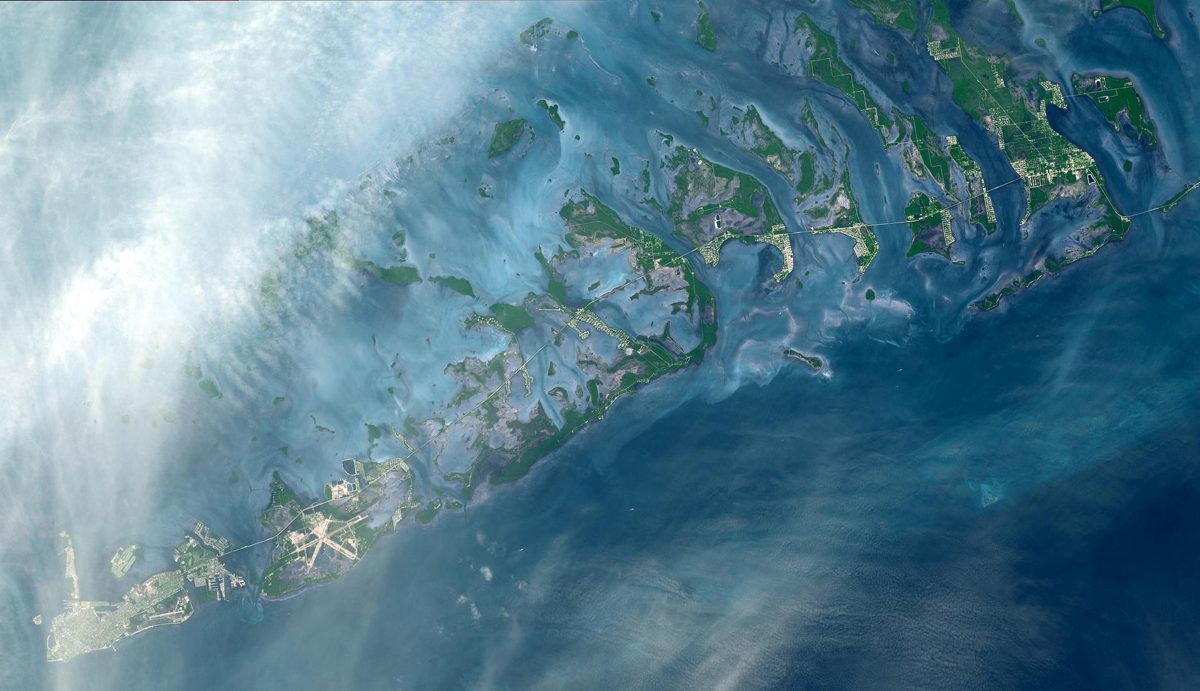
Mote scientists have restored more than 216,000 corals to Florida's Coral Reef, and their restored corals now spawn (Mote figure).
Active Ocean
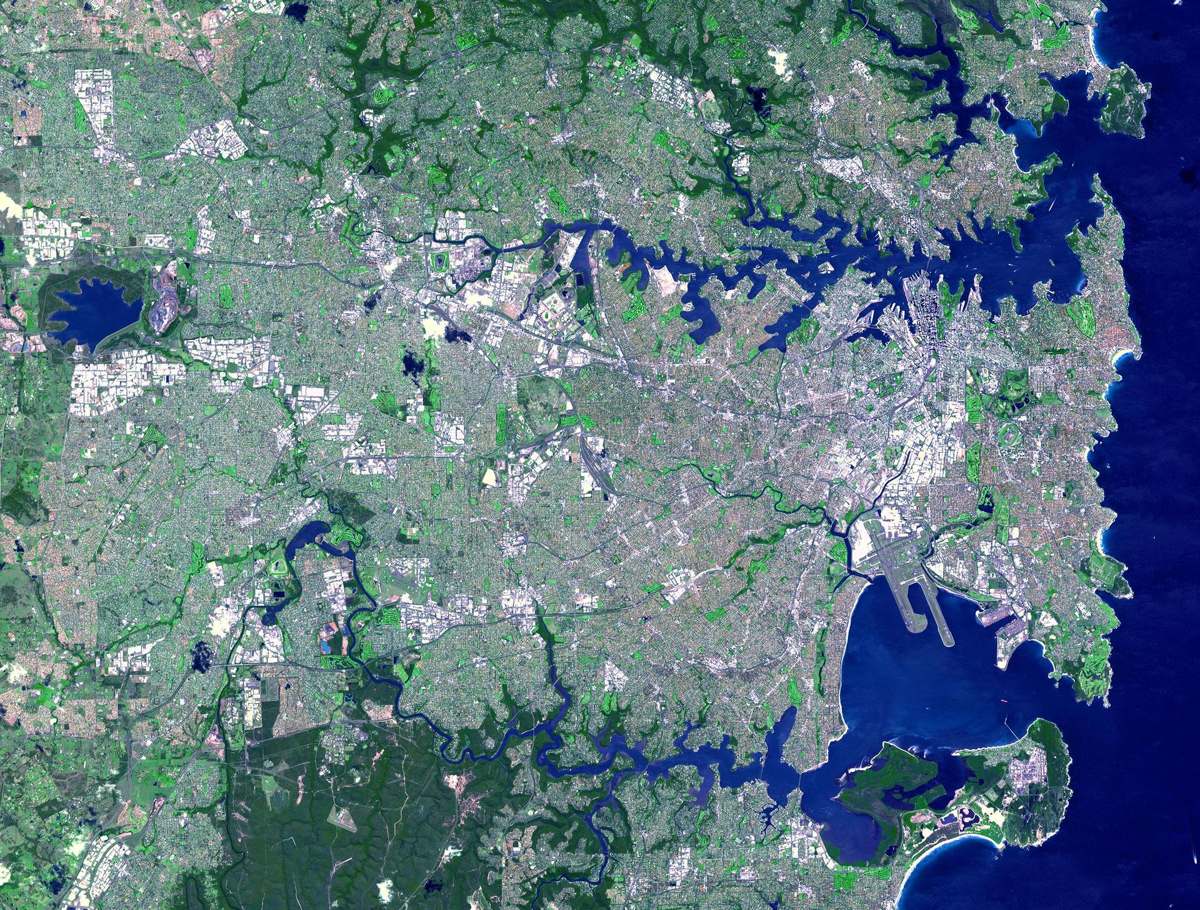
Seabin's floating bins have captured 33.2 million items in Sydney Harbour since 2020, including 19.0 million microplastics (company figures).
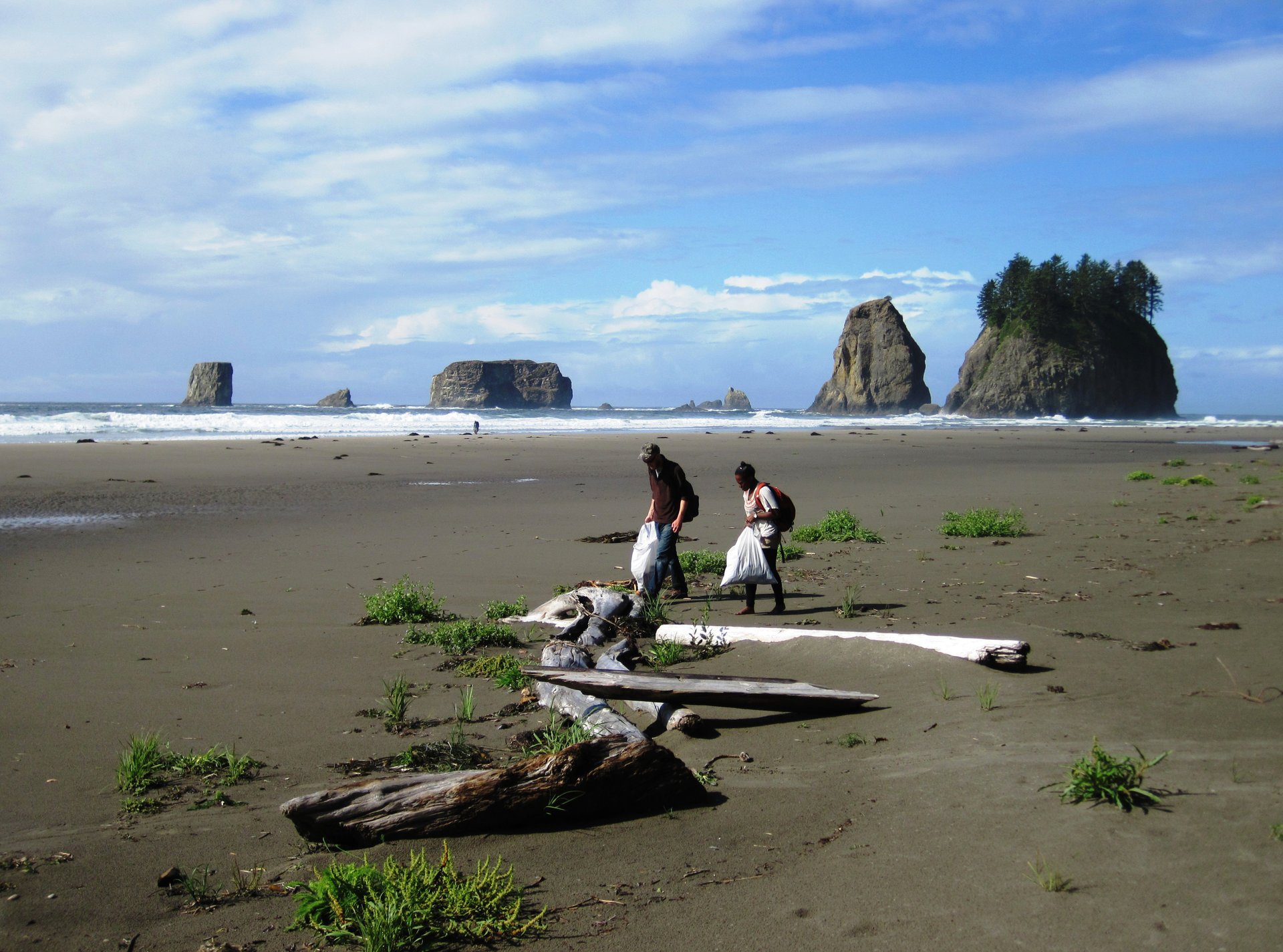
Image: Karlyn Langjahr/NOAA
Active Ocean
Since 1986, more than 19 million volunteers have collected more than 400 million pounds of trash from beaches and waterways (Ocean Conservancy).
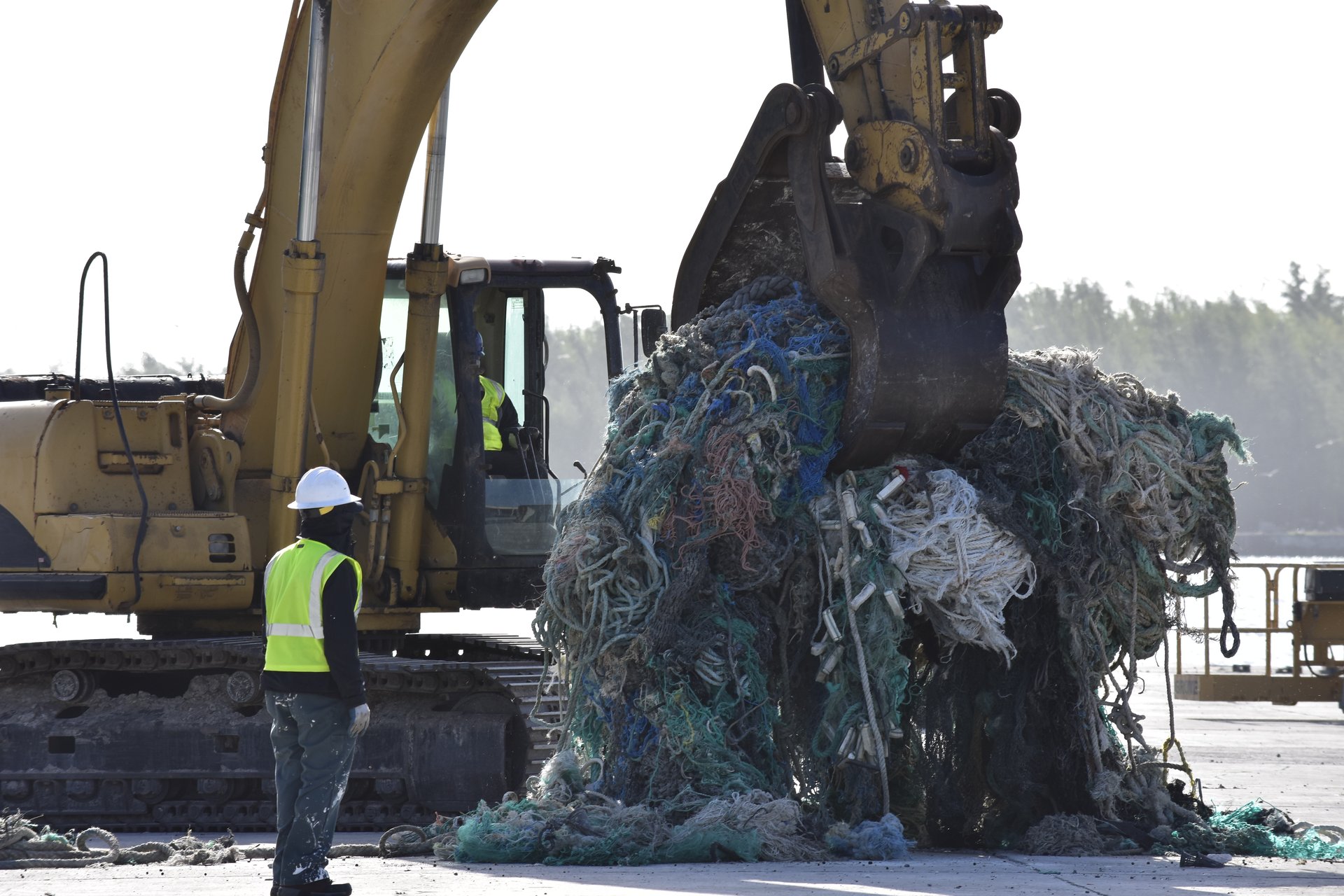
Image: Holly Richards/USFWS
Active Ocean
Mobula cleanup boats catch plastic close to where it starts, and in Malaysia one boat turned 135,000 pieces of debris into community walkways (The SeaCleaners).
Active Ocean
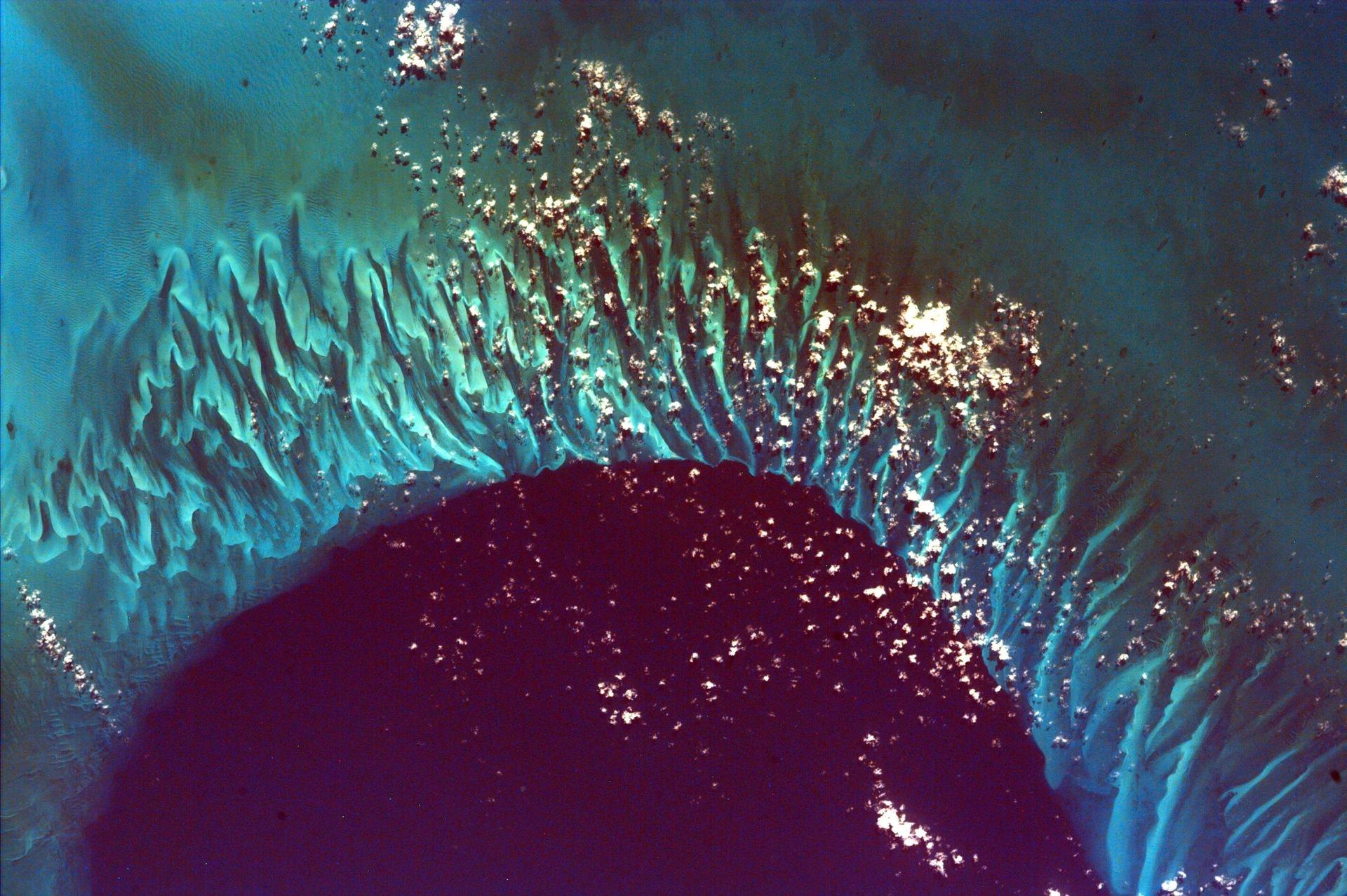
Coral Vita grows reef-building corals on land up to 50 times faster than in nature, and says it has grown over 100,000 corals (company figures).
Active Ocean
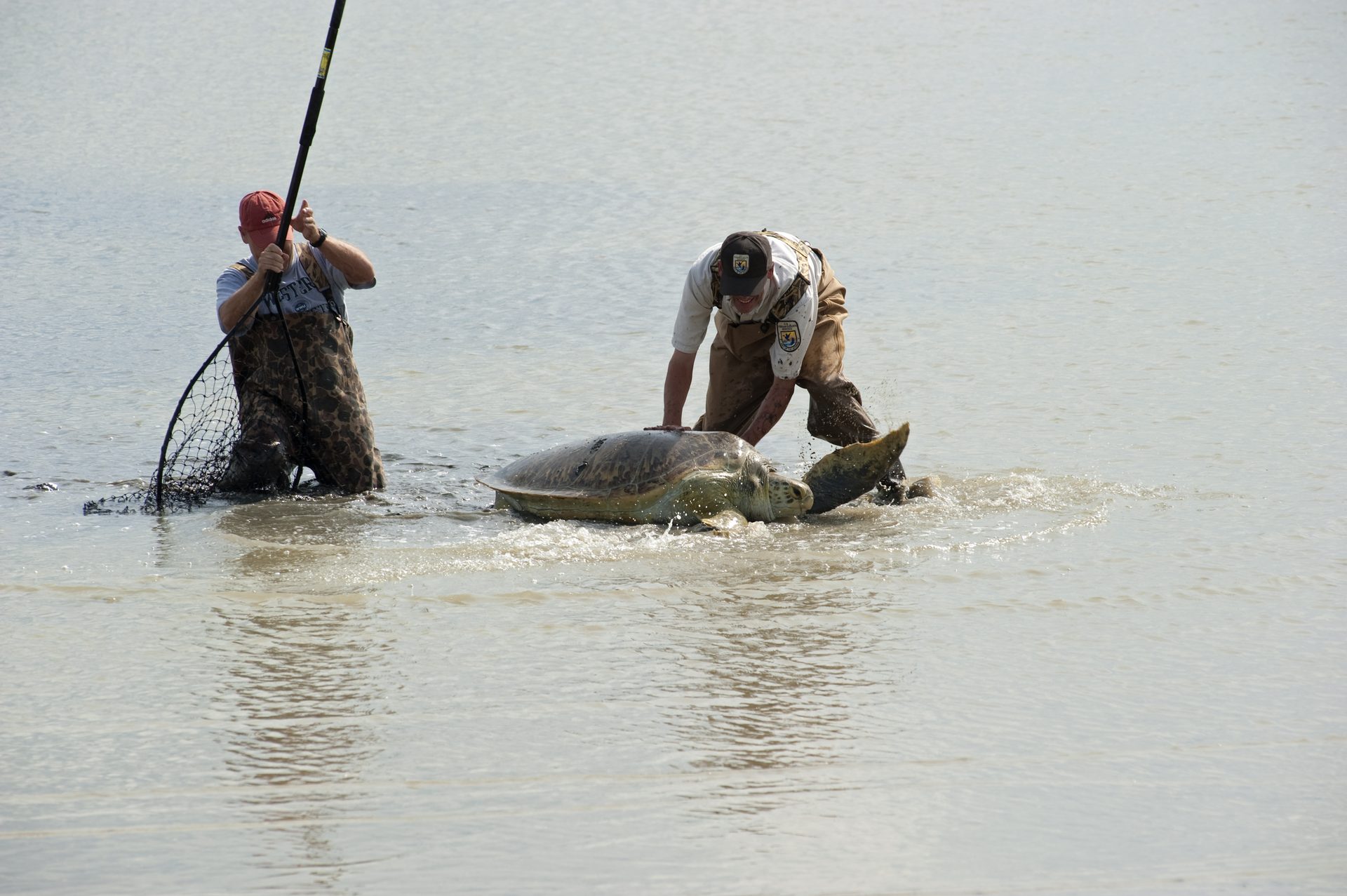
Sea Turtle Conservancy works in 8 countries, has tagged and monitored more than 550 turtles and trained over 1,200 researchers (nonprofit figures).
Active Ocean
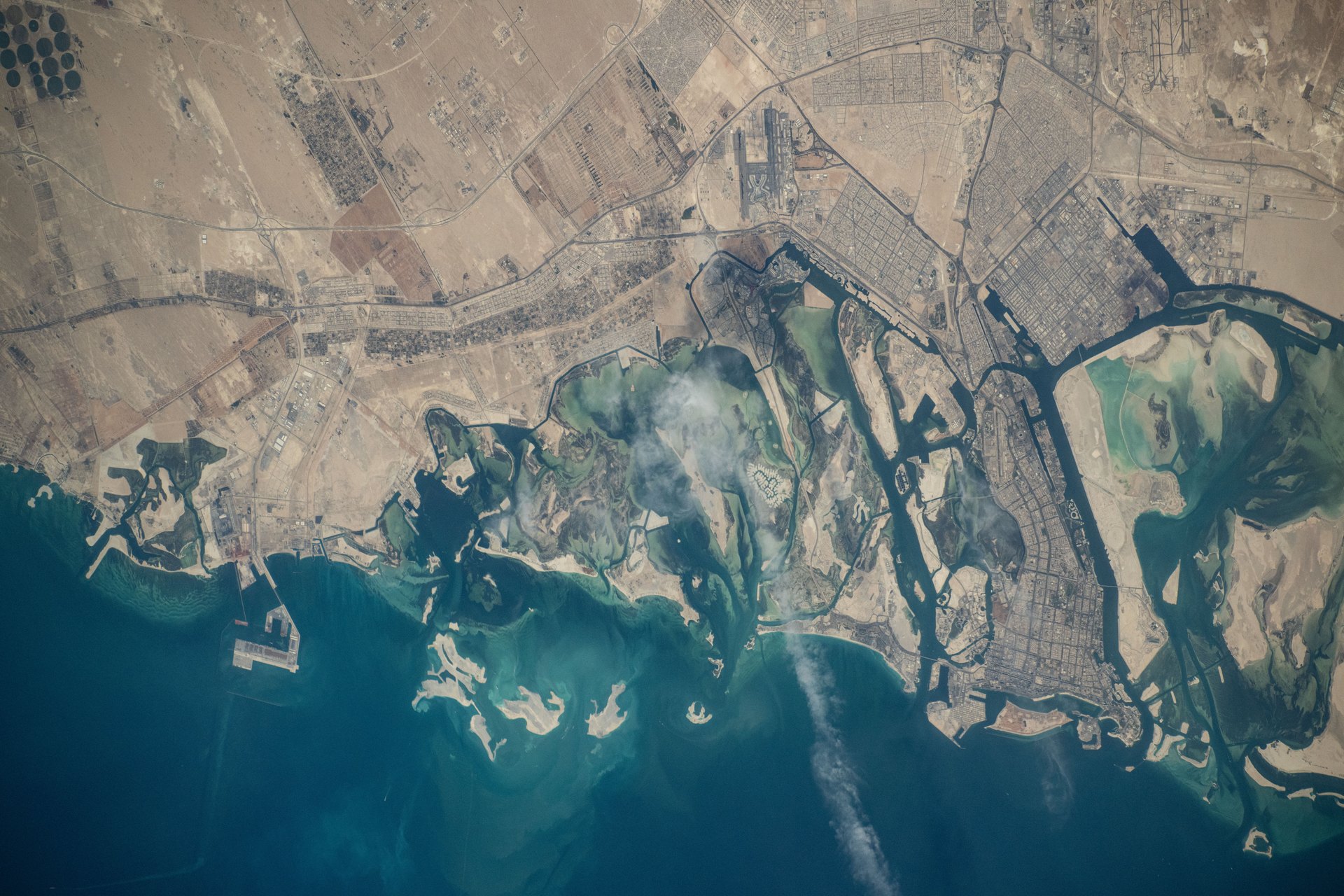
The Environment Agency – Abu Dhabi tracks more than 18.5 million mangroves planted across over 1,775 hectares with its new Mangrove Observatory (government figures).
Active Ocean
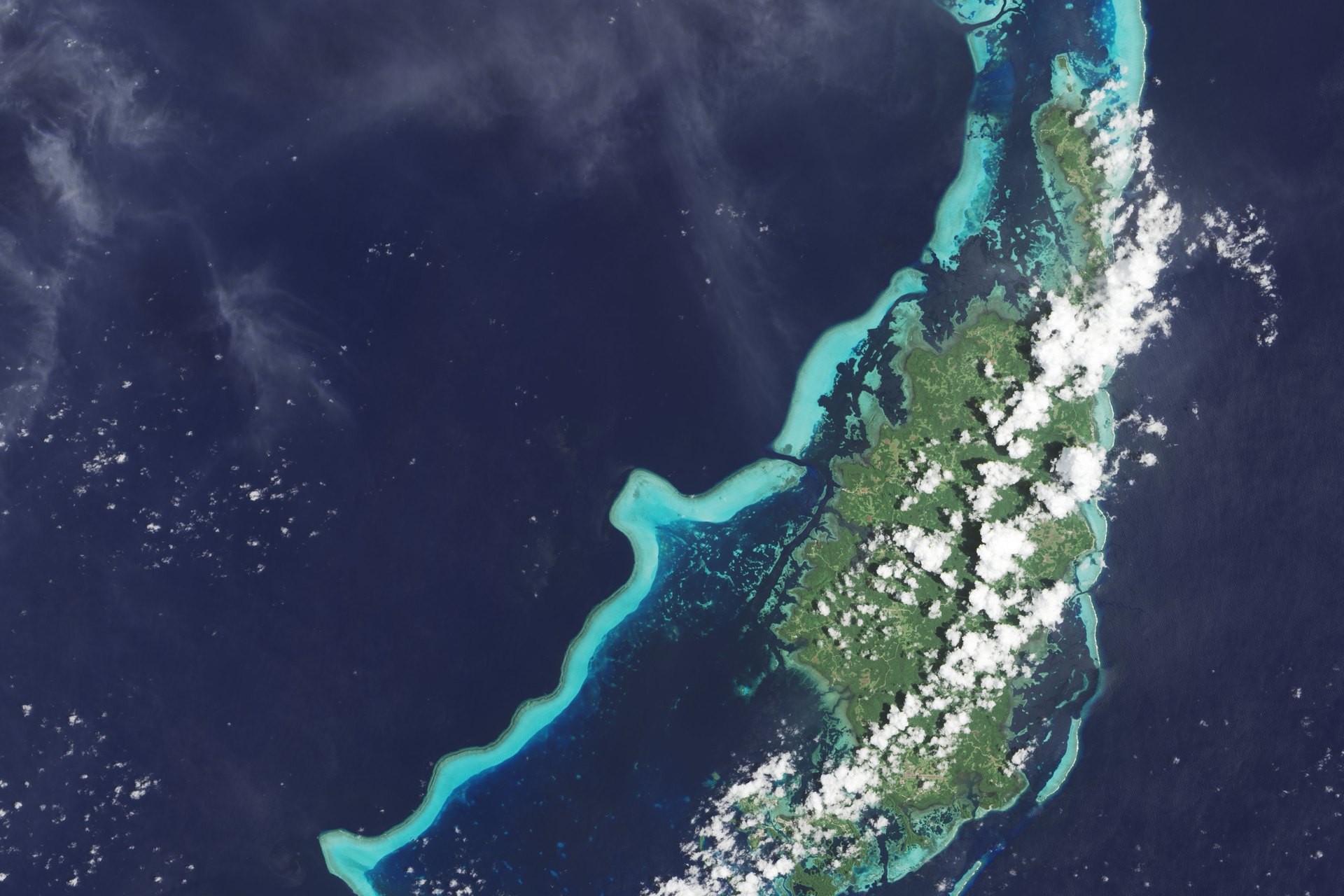
The Palau National Marine Sanctuary makes about 80% of Palau's exclusive economic zone a no-take area, with the other 20% kept as a Domestic Fishing Zone (Government of Palau law).
Active Ocean
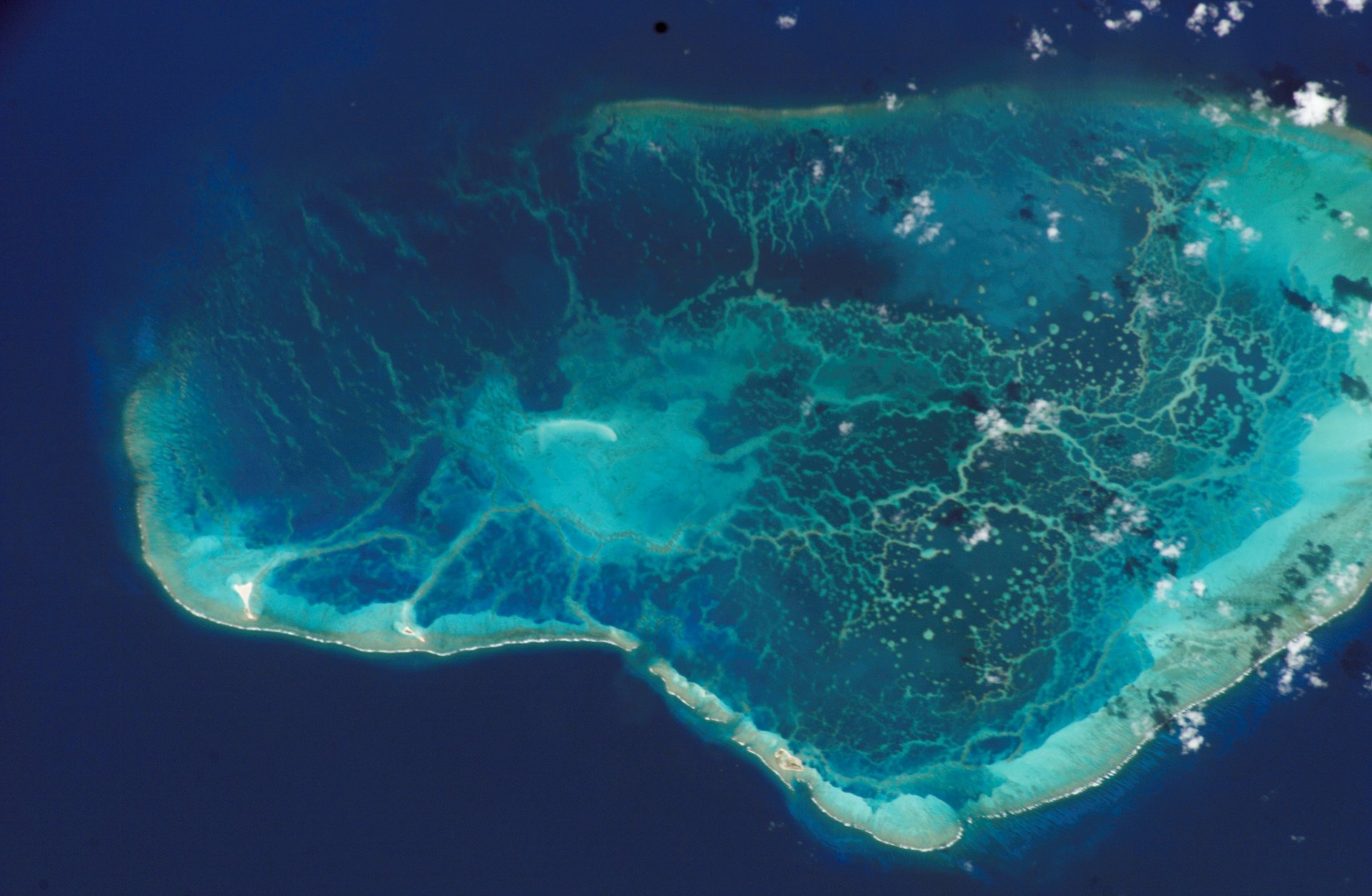
Designated in 2025 as America's 18th national marine sanctuary, Papahānaumokuākea covers 582,570 square miles of Pacific Ocean around Hawaiʻi (NOAA).
Active Ocean
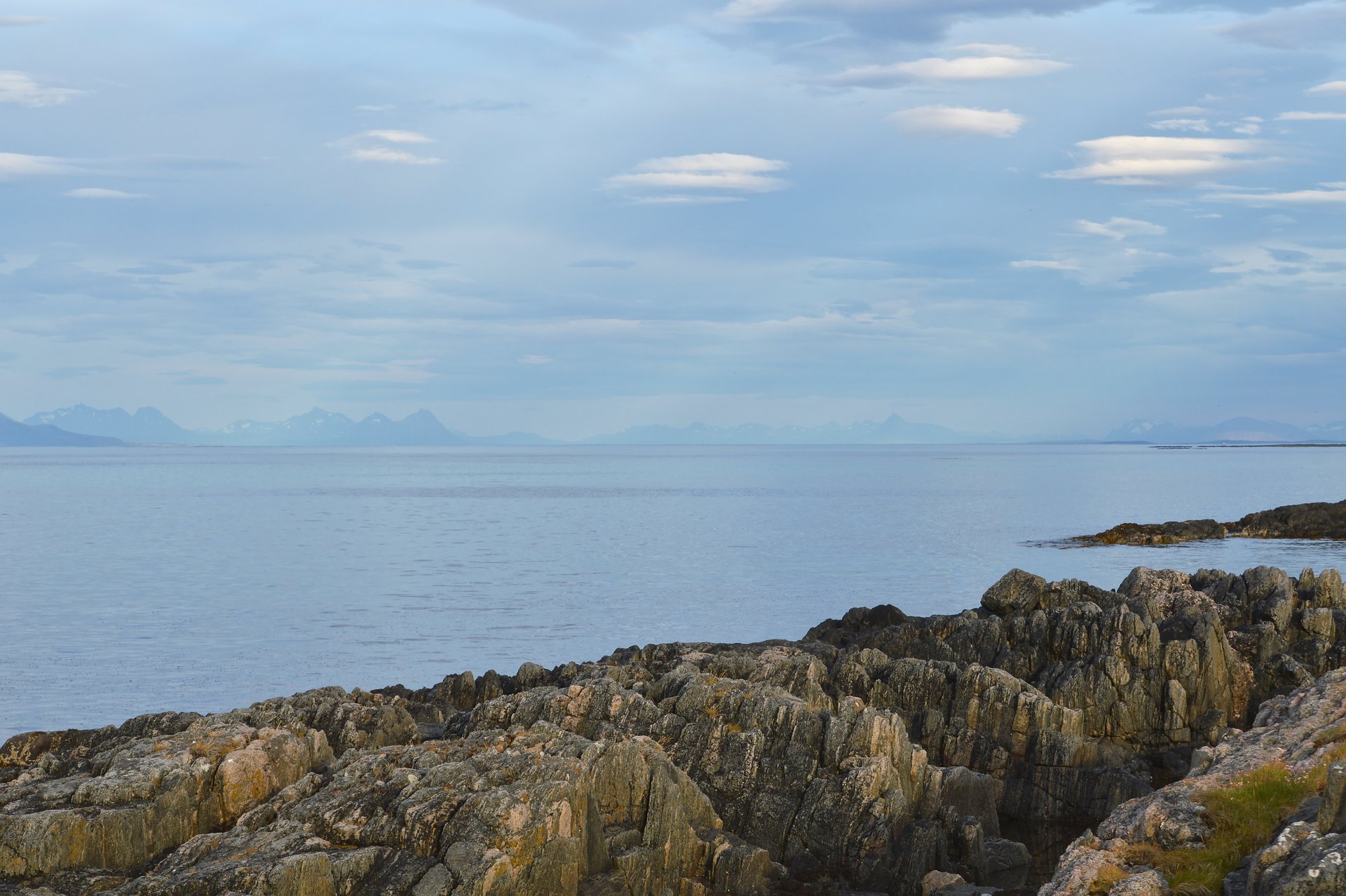
On 18 September 2026, Norway's government created the Andfjorden Marine Protected Area across Andøy, Harstad and Senja (Norwegian government).
Active Ocean
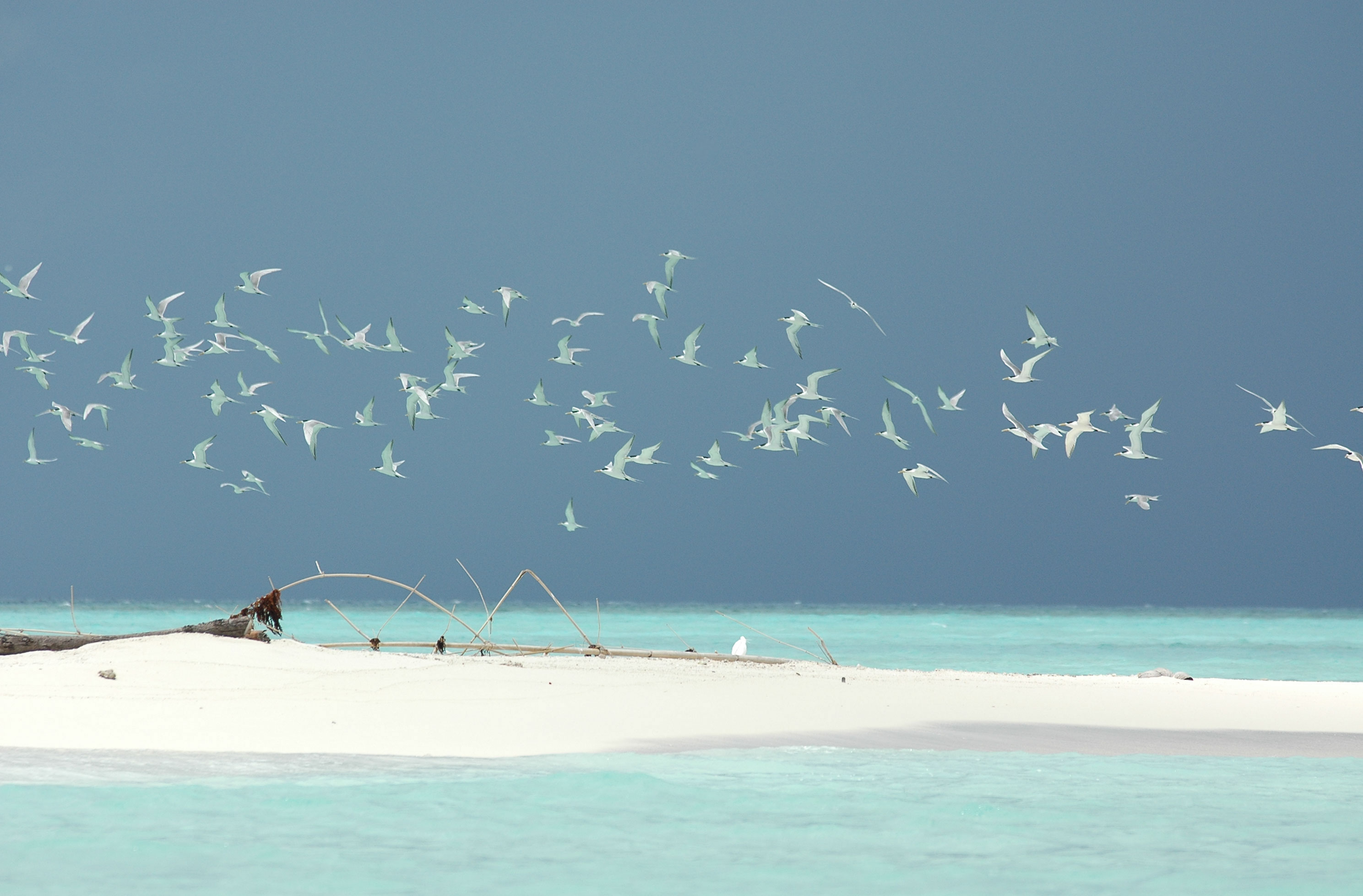
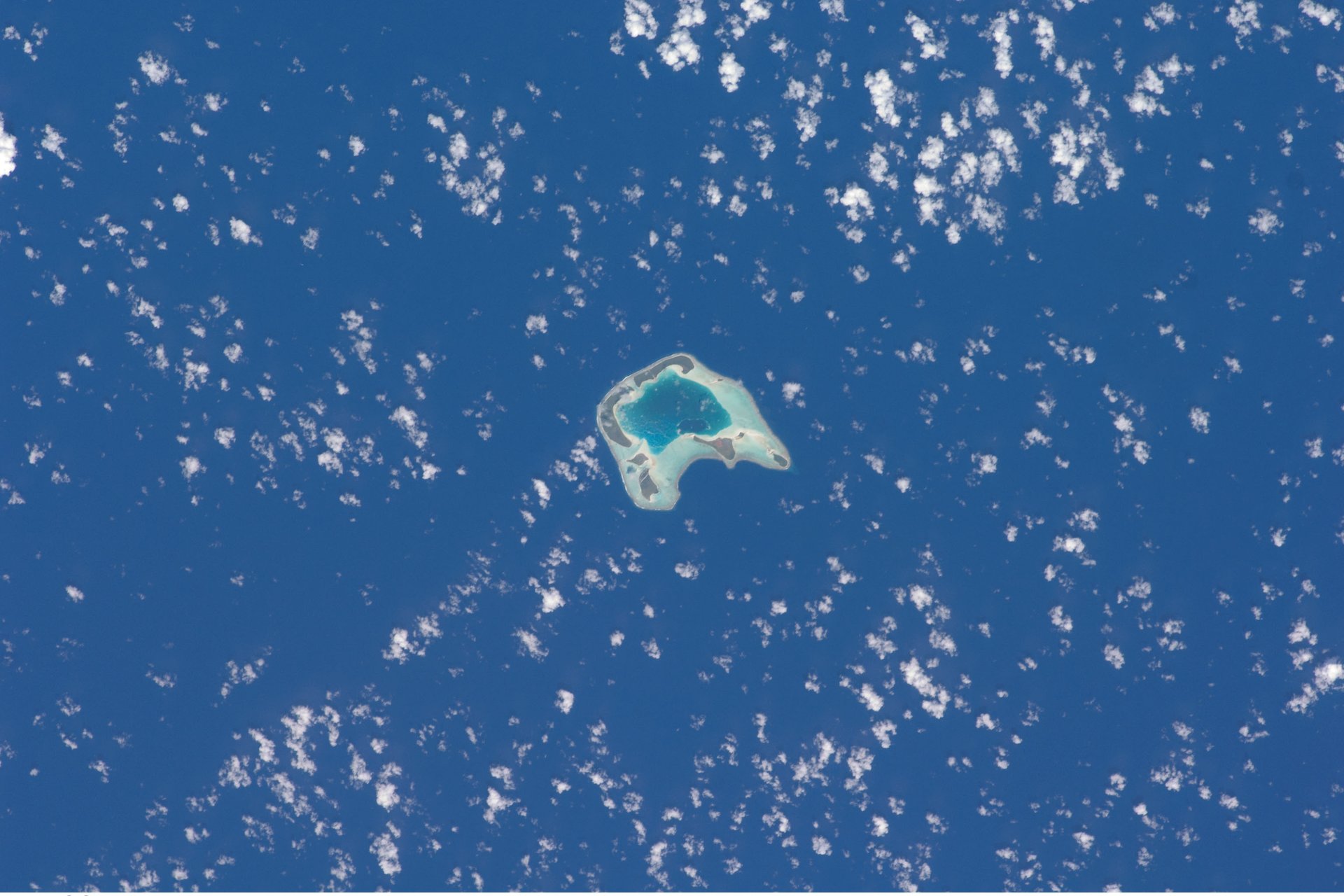
A 2026 study of 28 atoll islands found that removing rats and restoring native plants boosts the seabirds, reefs and sand that help atolls keep up with rising seas (Lancaster University).
Active Ocean
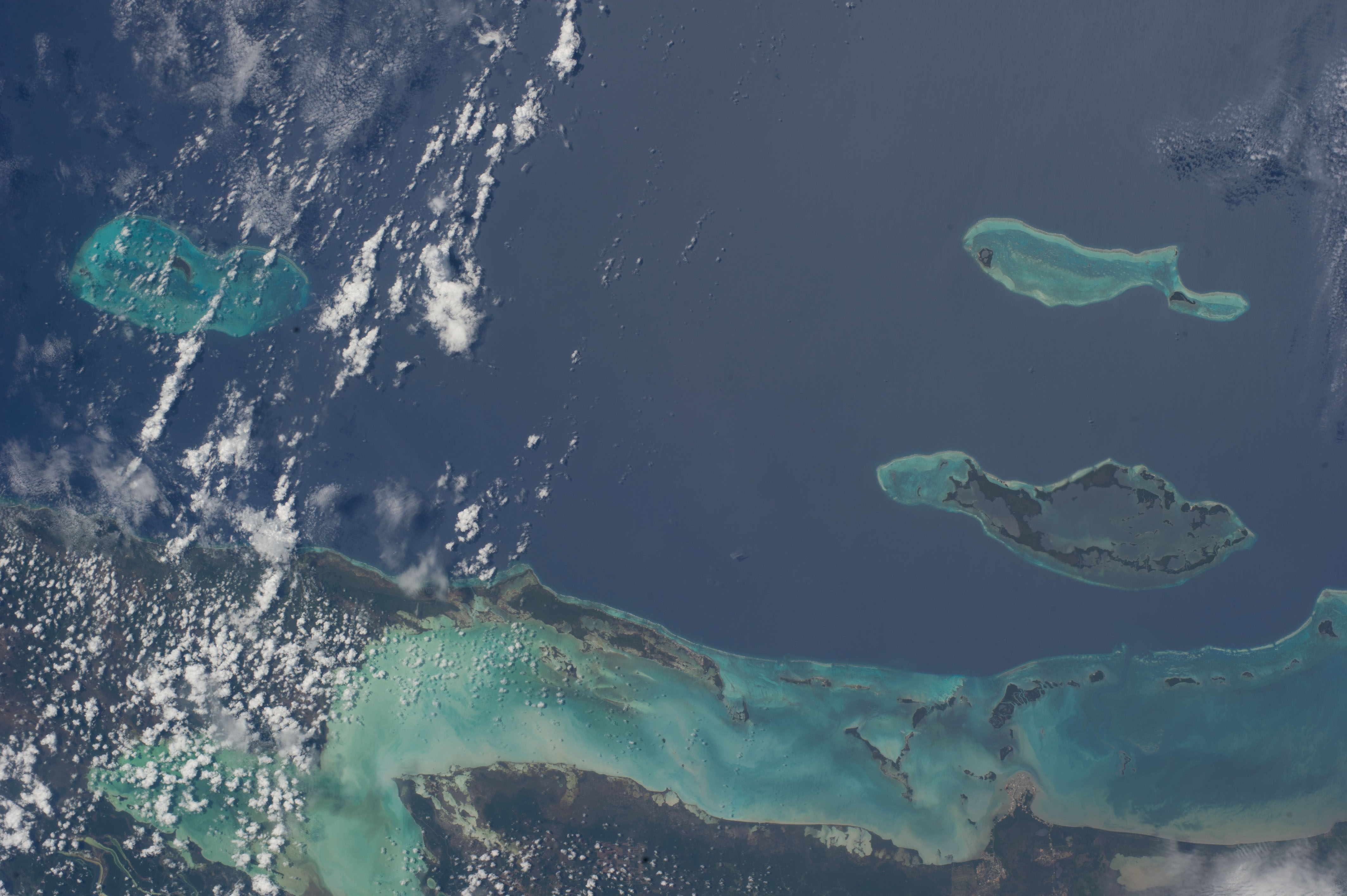
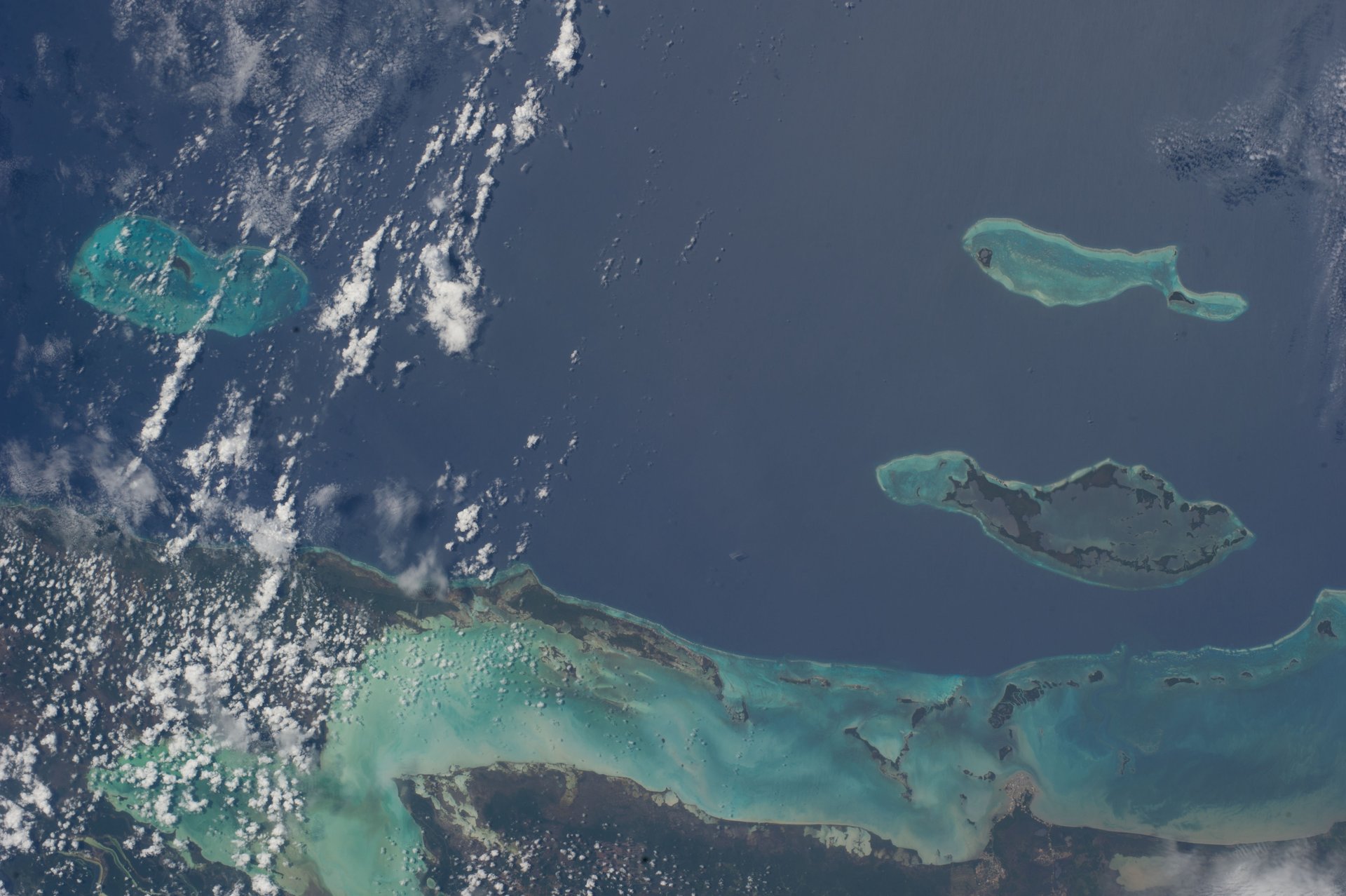
The MAR Insurance Programme, run by the nonprofit MAR Fund, uses parametric insurance to pay for fast reef repair after hurricanes along the 1,000 km Mesoamerican Reef (MAR Fund).
Active Ocean
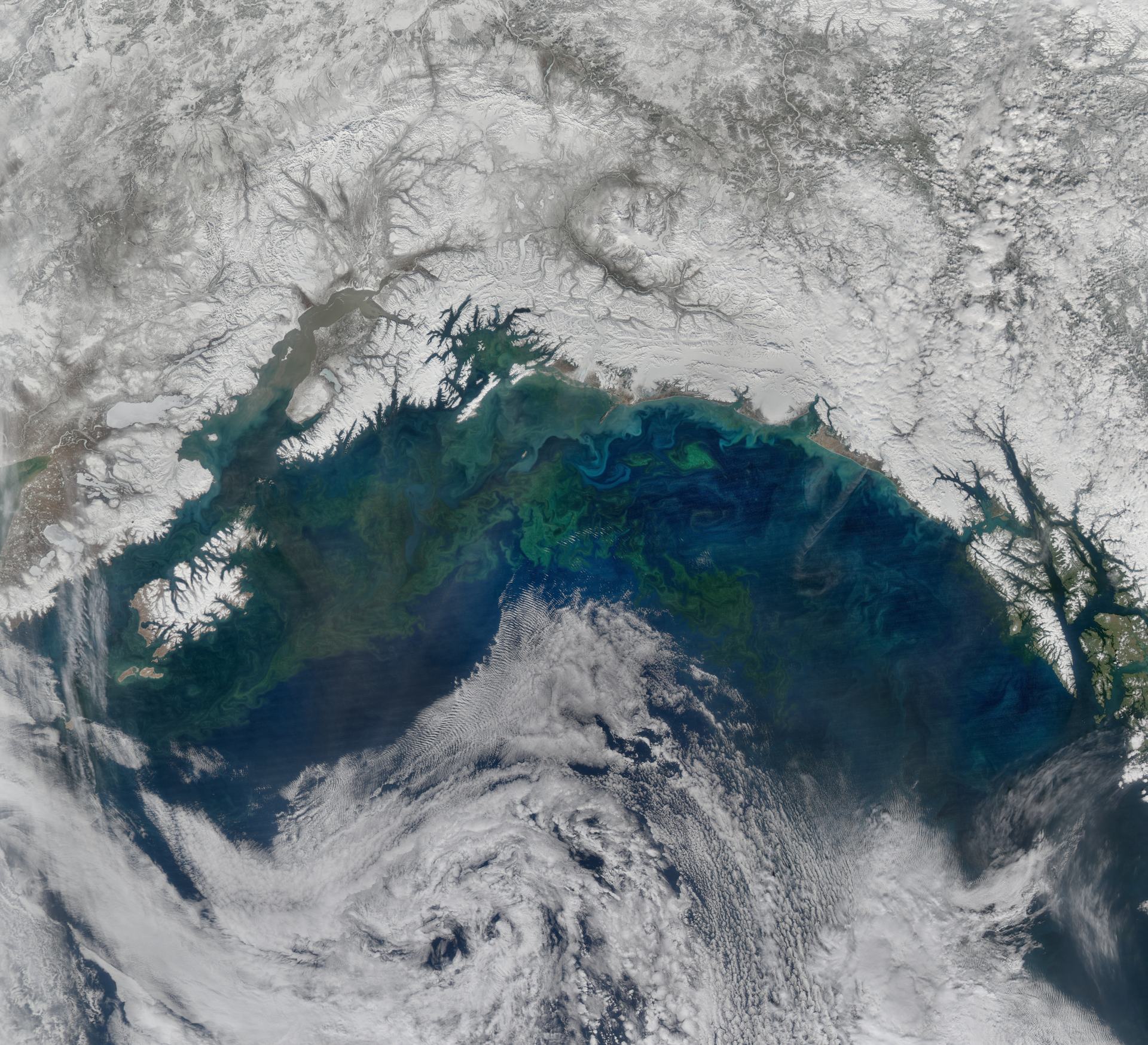
Gulf of Alaska Keeper (GoAK) is a nonprofit that removes marine debris from the remote shores of Prince William Sound and the northern Gulf of Alaska (GoAK).
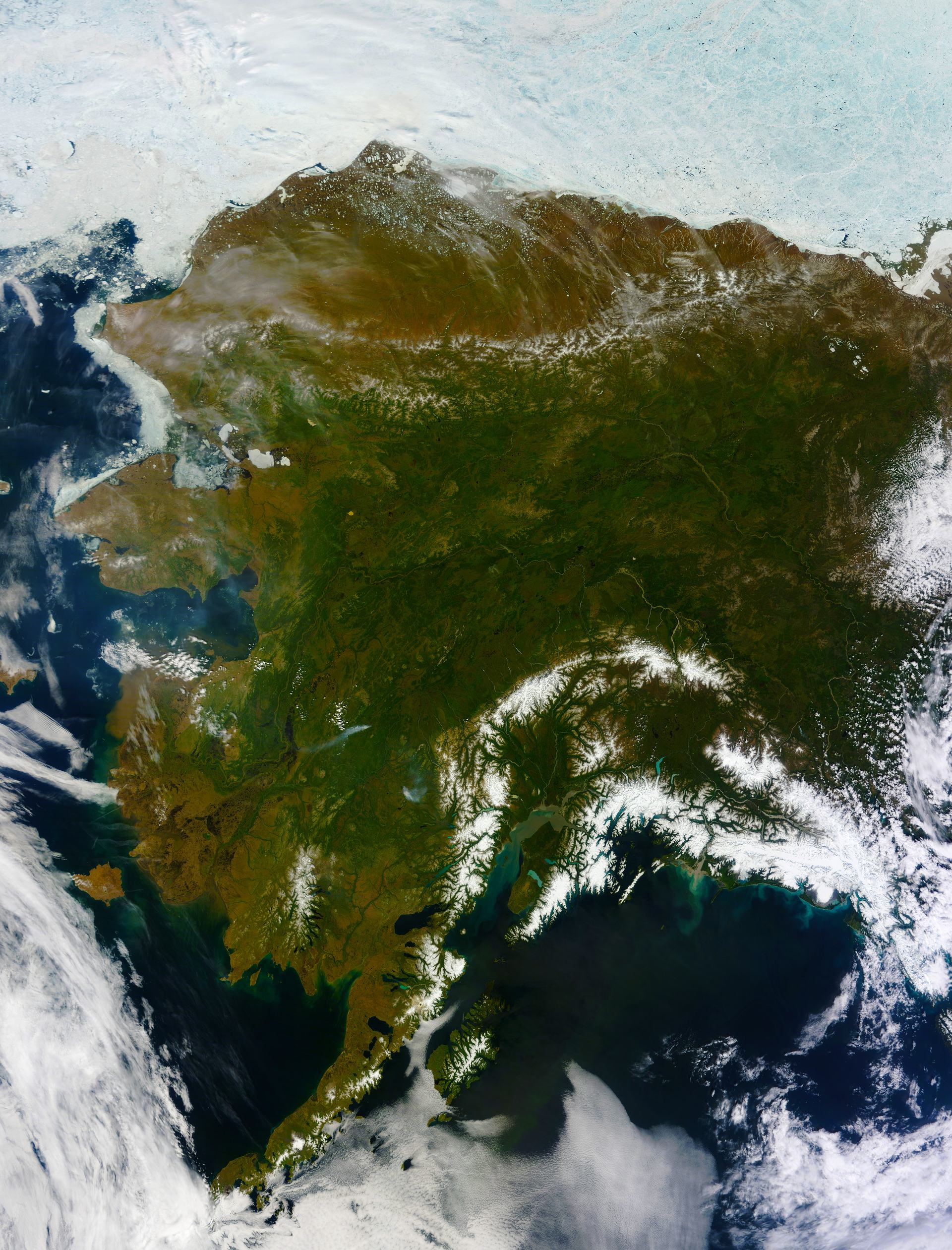
Active Ocean
More than 20 kelp farms grow ribbon, giant, bull and sugar kelp in Alaska's cold, nutrient-rich waters (Alaska Mariculture Alliance).
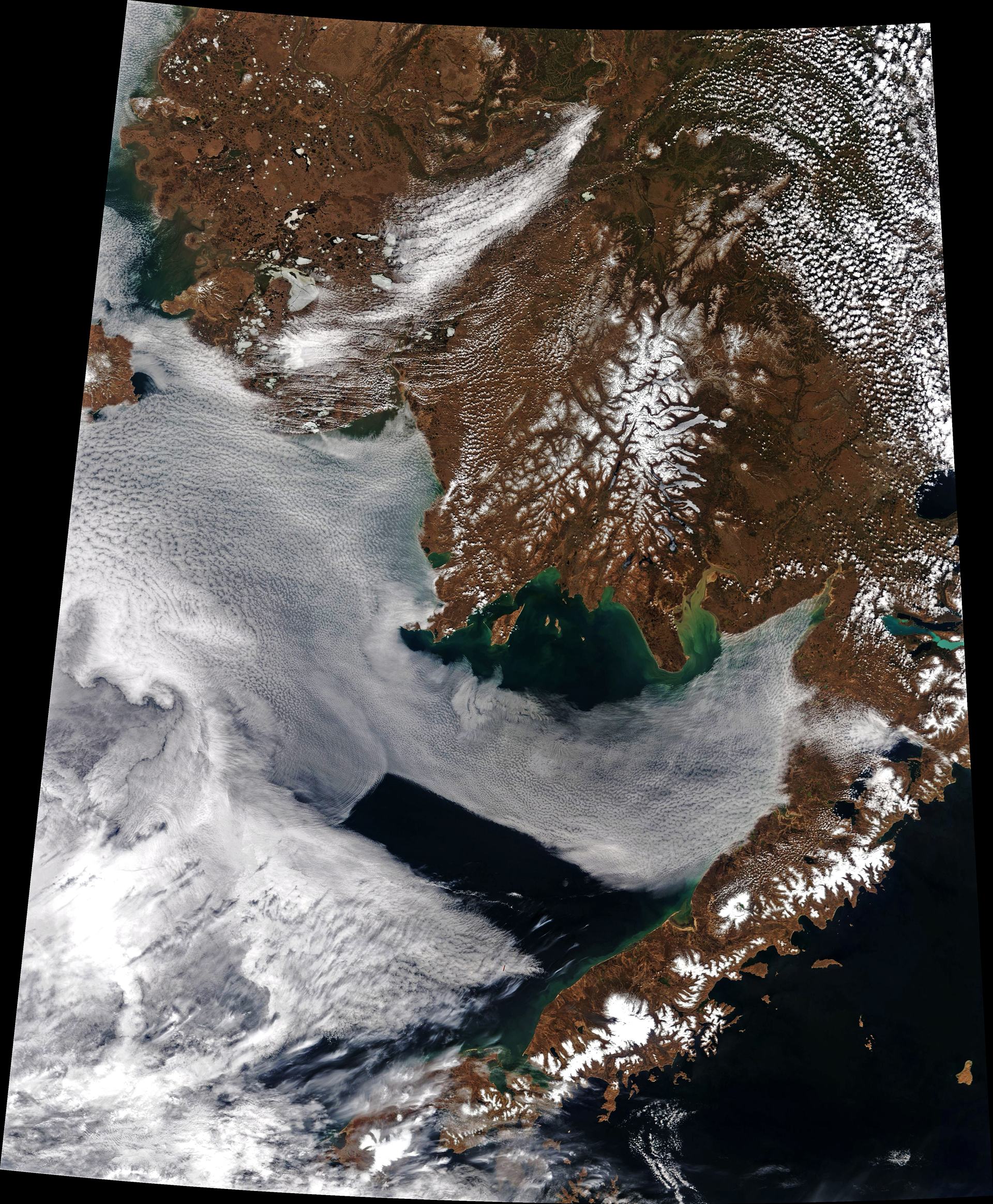
Active Ocean
In January 2023, the U.S. EPA used Clean Water Act section 404(c) to limit mine waste disposal in Bristol Bay headwaters near the Pebble deposit. The decision is being challenged in federal court (EPA).
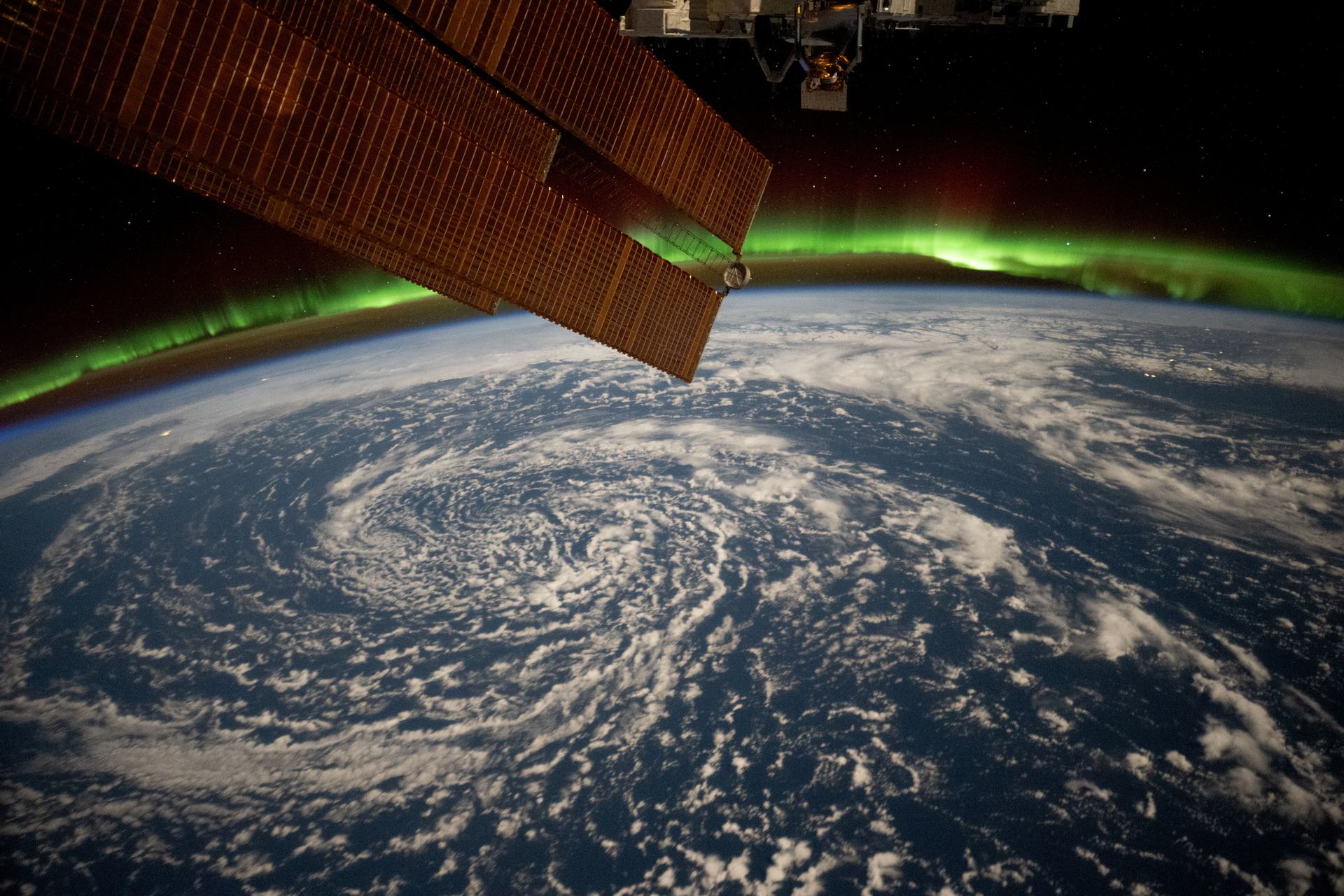
Active Ocean
The Alaska SeaLife Center in Seward is a nonprofit aquarium and research center that rescues stranded marine animals, studies Alaska's marine ecosystems and teaches ocean science (Alaska SeaLife Center).
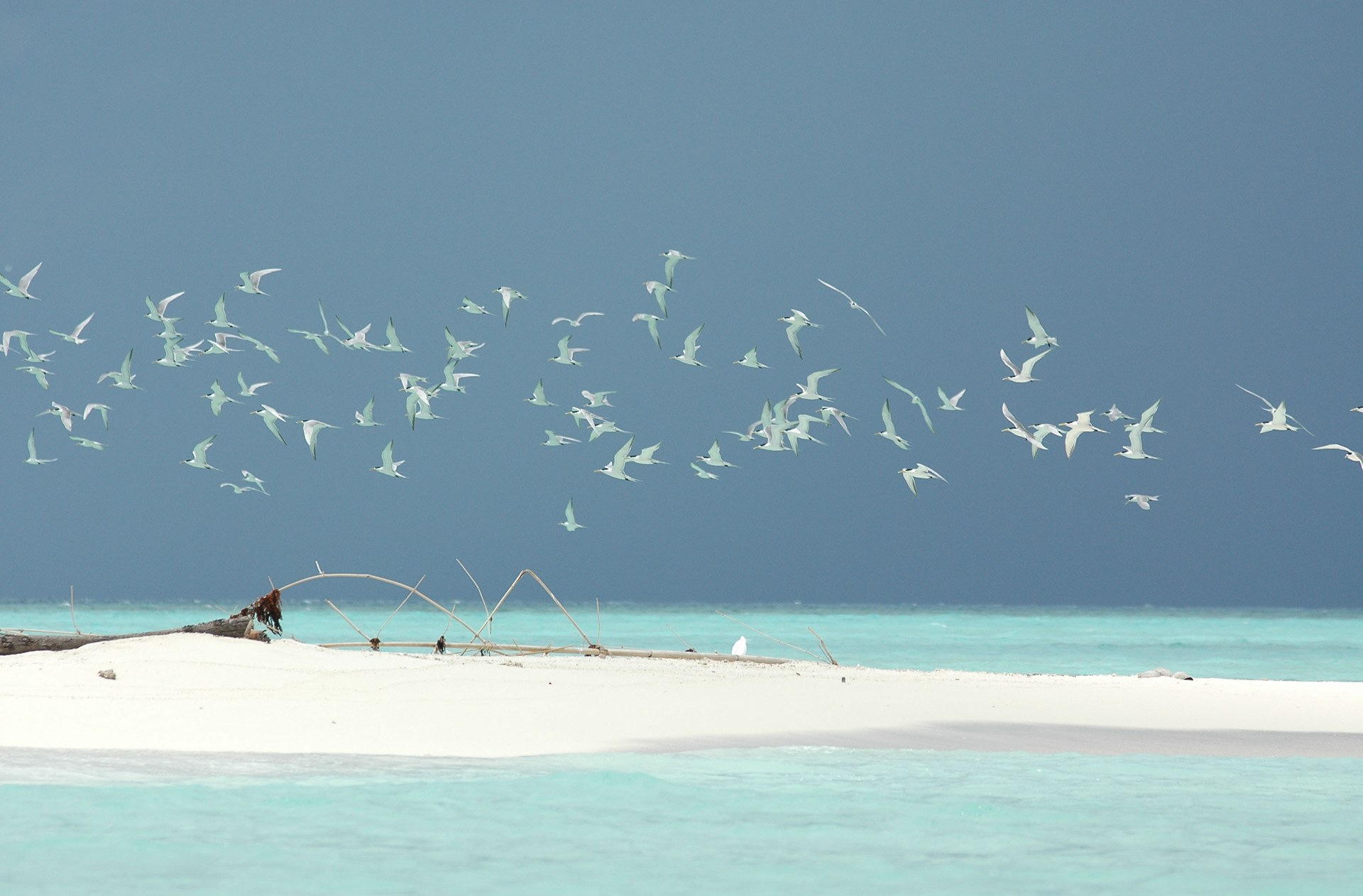
Active Ocean
Tubbataha, a no-take marine park of 96,828 hectares in the Philippines, protects pristine coral atolls and the sea life that seeds the Sulu Sea (UNESCO).
Active Ocean
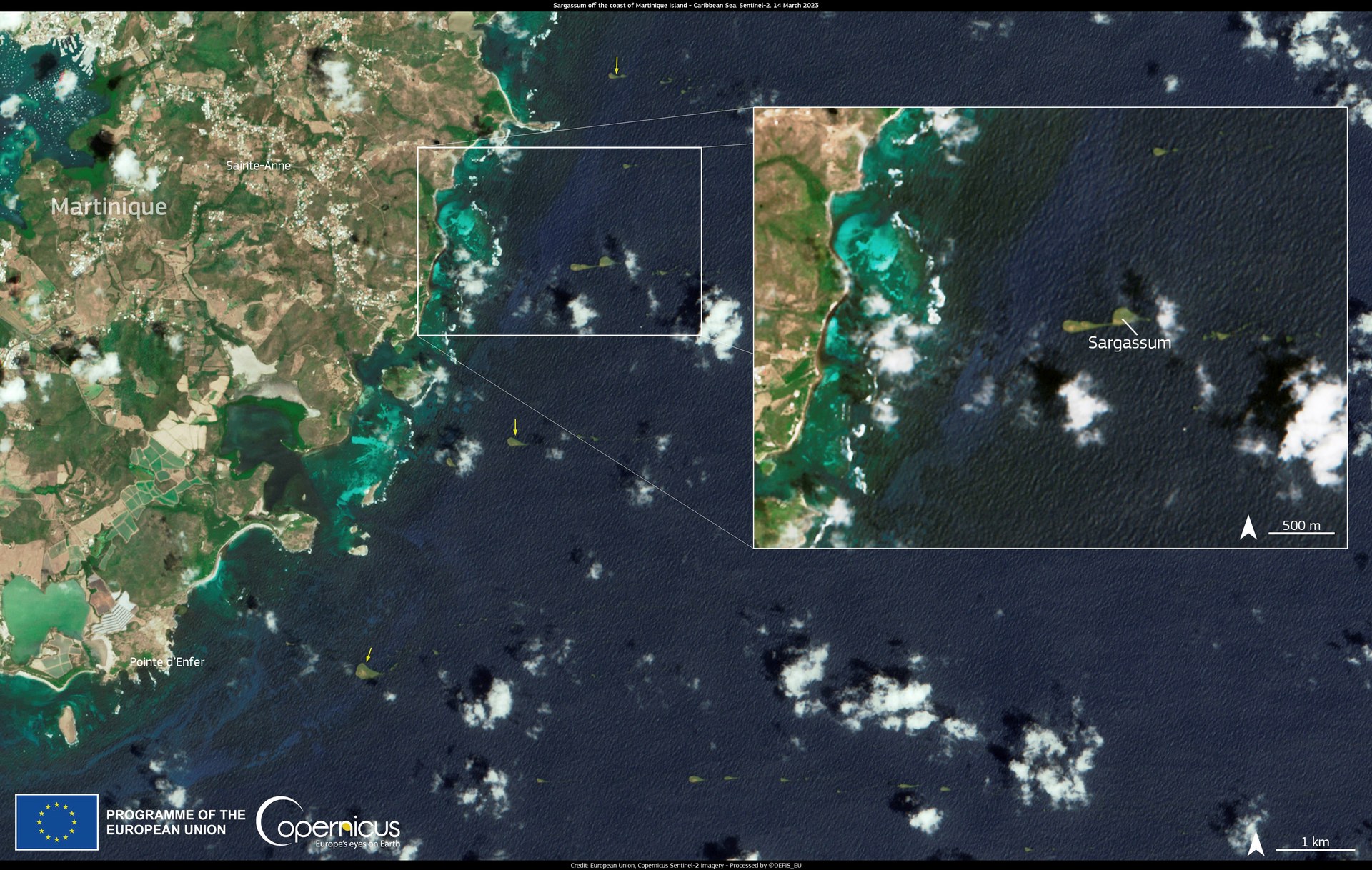
The University of South Florida uses NASA satellite data to track the Great Atlantic Sargassum Belt and warn coasts about seaweed blooms (USF).
Active Ocean
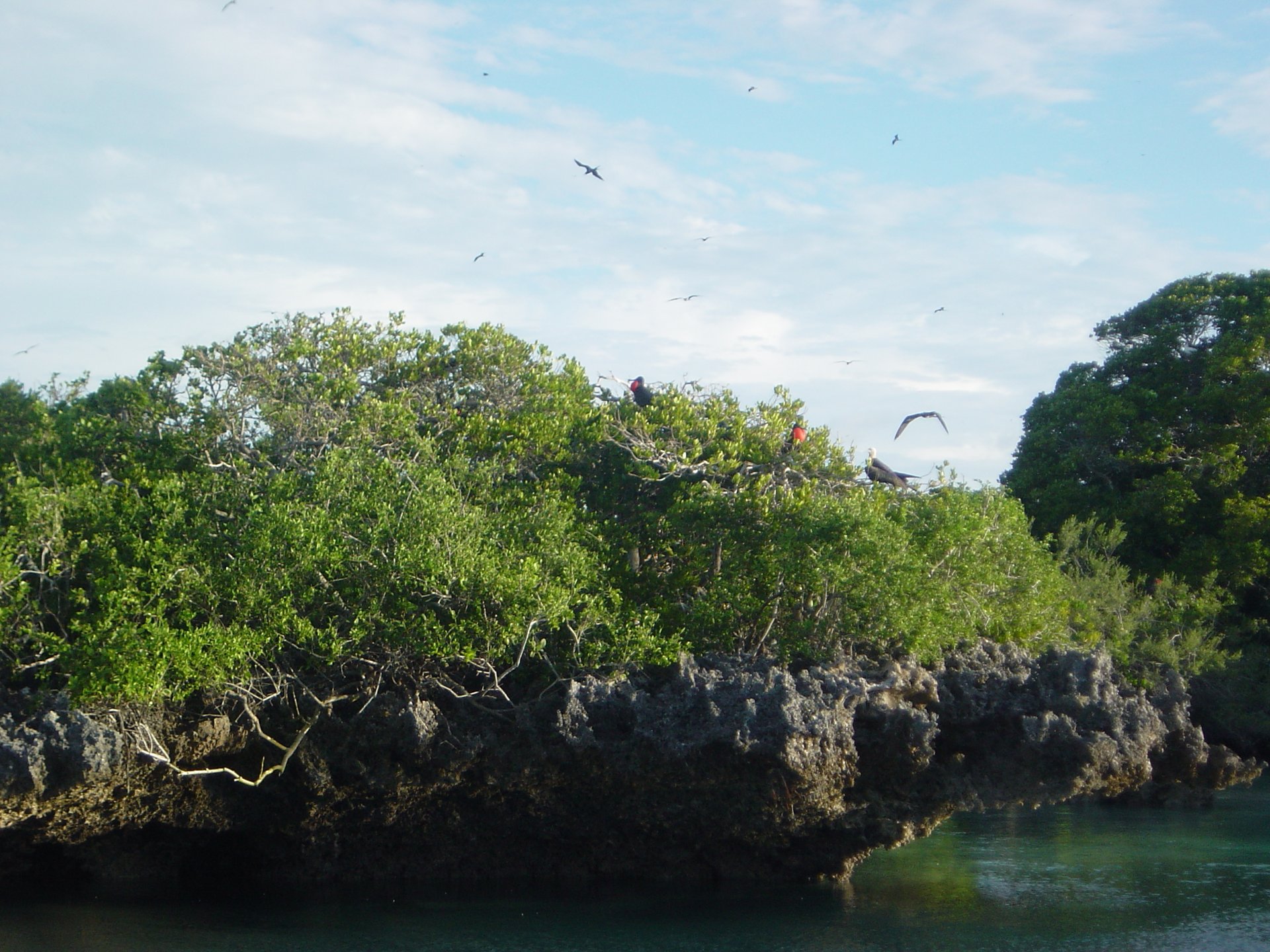
Seychelles turned a debt-for-nature swap with The Nature Conservancy into a plan that protects 30% of its waters (State House Seychelles).
Active Ocean
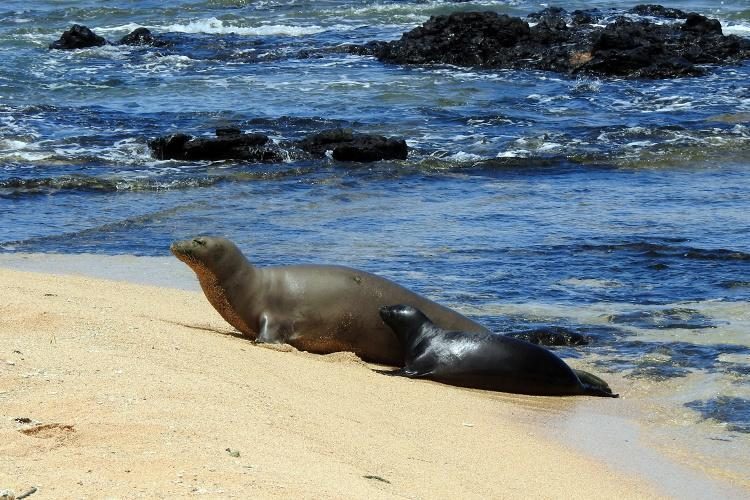
NOAA Fisheries estimates about 1,600 Hawaiian monk seals, and up to 30 percent of those alive today are alive because of direct recovery work.
Active Ocean
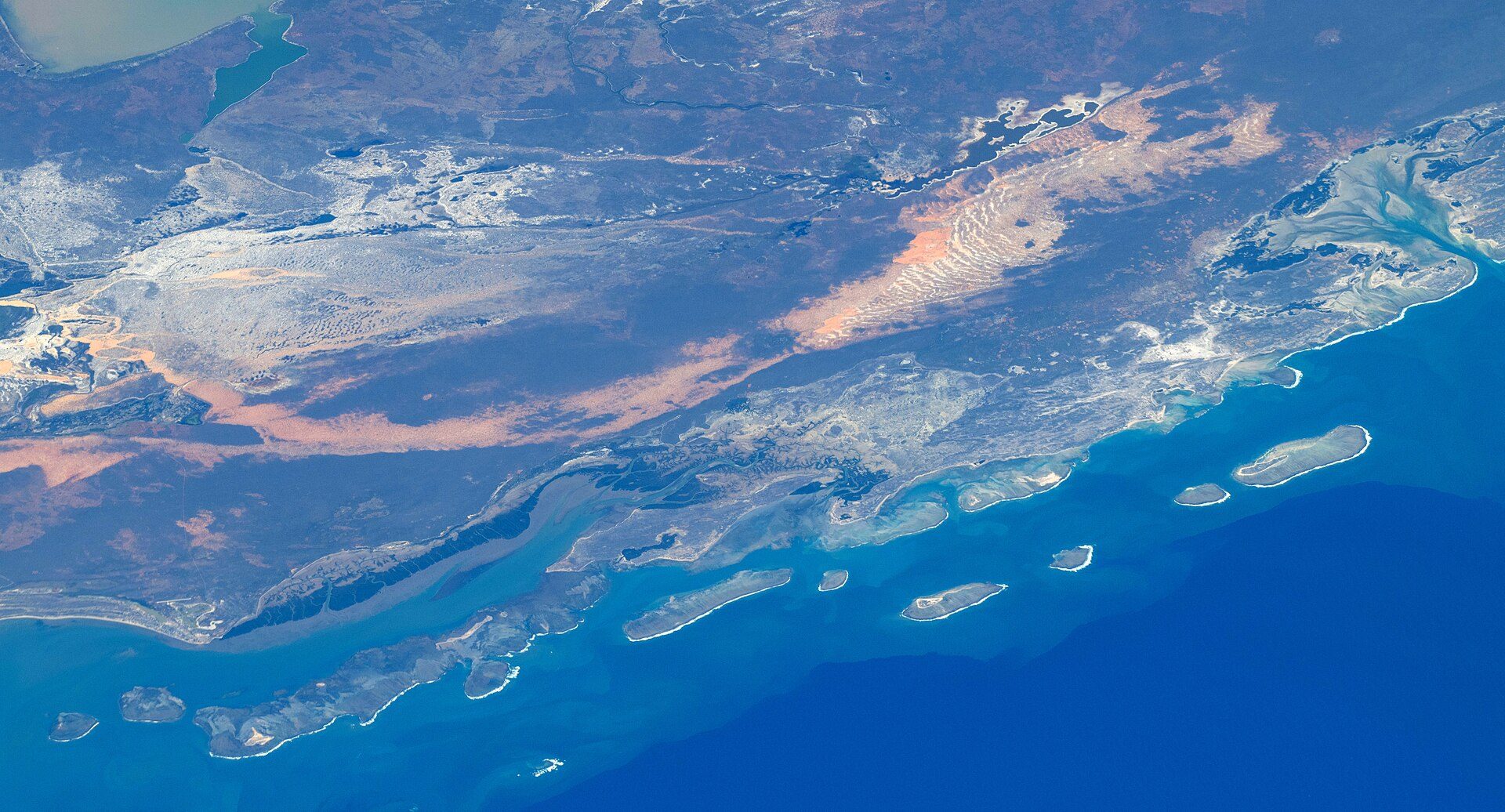
Since 2004, temporary octopus closures at Andavadoaka, Madagascar, have been copied more than 300 times.
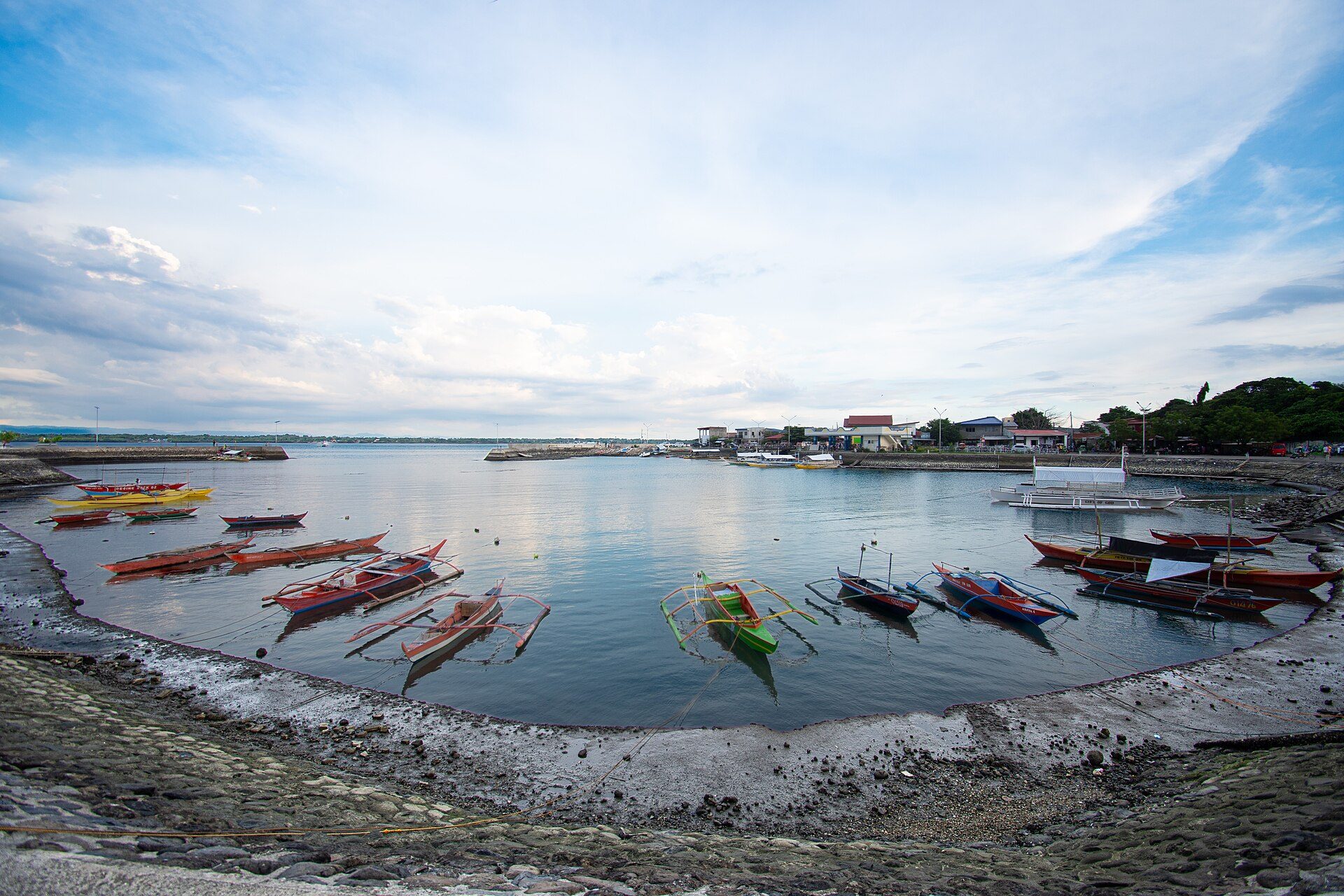
Active✨ New solution Ocean
Community-run fishing areas with no-take reserves: target fish stable or rising at 97% of sites after three years.
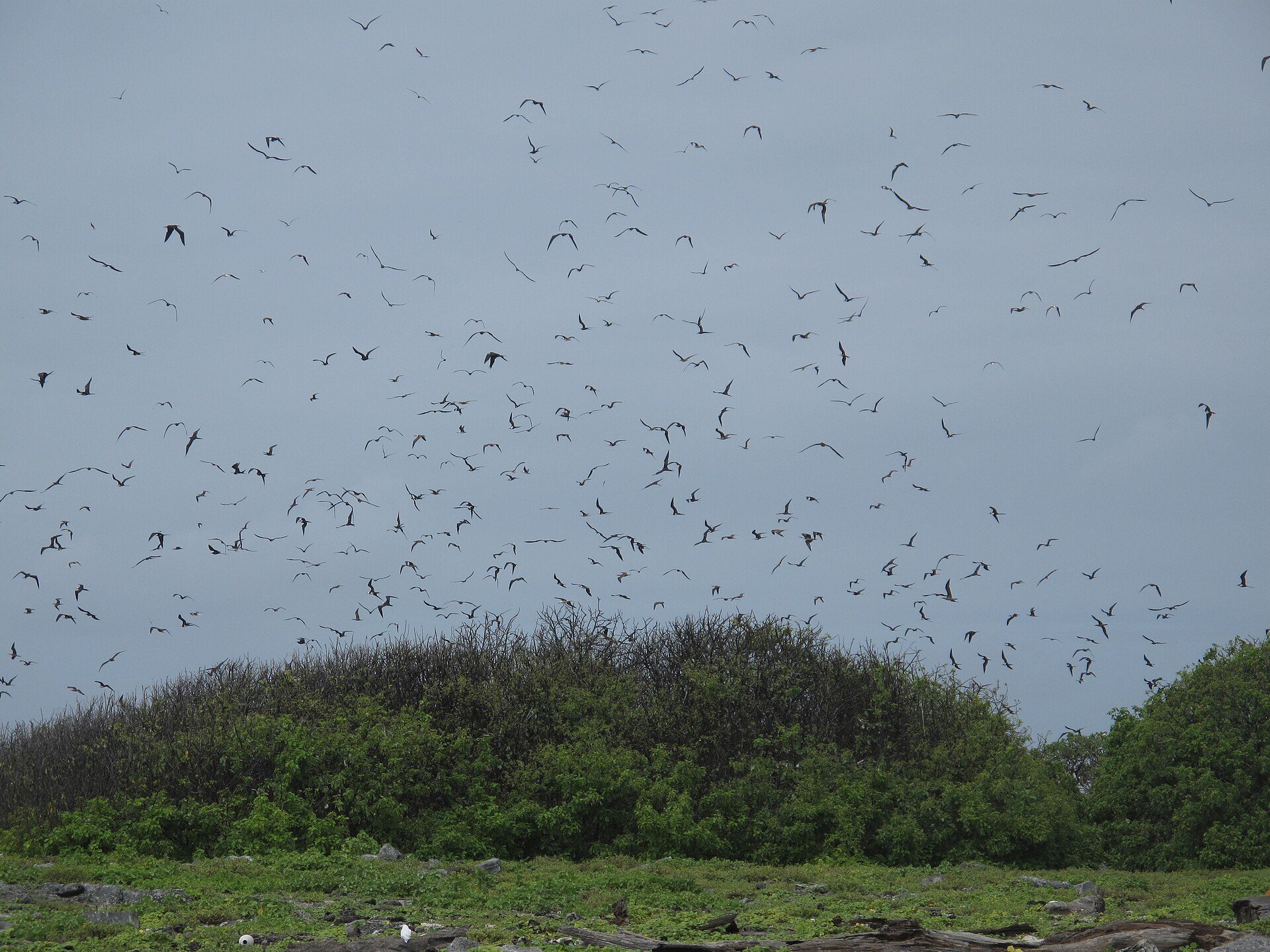
Active✨ New solution Ocean
408,250 km² of protected ocean in Kiribati, home to about 800 known animal species, including about 200 coral species and 500 fish species.
Five questions from this hub. Pick an answer to see if you got it, with a link to the source page. Nothing is tracked.
Copied to your clipboard.
I scored {n} out of 5 on the Oceans quiz at Saving Planets.
You scored {n} out of 5.
Showcase, not partnership: How we feature solutions from around the world
Want to go deeper? Visit NOAA Marine Debris Program.
 For further information
Ocean solutions that are working now: The Ocean Cleanup's systems and river Interceptors, 4ocean's cleanup crews, and Plastic Bank's recycling economy.
Source: Oceans · On this site
4ocean removes plastic from oceans, rivers, and coastlines with full-time cleanup crews, funded by products made from recovered plastic.
The Environment Agency – Abu Dhabi tracks more than 18.5 million mangroves planted across over 1,775 hectares with its new Mangrove Observatory.
Source: Abu Dhabi Media Office, EAD launches Mangrove Observatory (July 2026) · On this site
More than 20 kelp farms grow ribbon, giant, bull and sugar kelp in Alaska's cold, nutrient-rich waters (Alaska Mariculture Alliance).
Source: McKinley Research Group for the Alaska Mariculture Cluster, Alaska Mariculture Industry Update, Spring 2026 · On this site
The Alaska SeaLife Center in Seward is a nonprofit aquarium and research center that rescues stranded marine animals and studies Alaska's marine ecosystems.
Source: Alaska SeaLife Center, 2024 Annual Report · On this site
On 18 September 2026, Norway's government created the Andfjorden Marine Protected Area across Andøy, Harstad and Senja (Norwegian government).
Source: Norwegian Ministry of Climate and Environment, Andfjorden becomes Norway's largest marine protected area (18 Sept. 2026) · On this site
