IAU Minor Planet Center
The Minor Planet Center is the world’s clearinghouse for asteroid and comet sightings. It lists 43,286 near-Earth objects found so far, 273 this month (Nov 16, 2026).
✨ New solutionAdded
Image: NASA/Goddard/University of Arizona (public domain). Near-Earth asteroid Bennu, imaged by NASA’s OSIRIS-REx spacecraft.
Last reviewed: 2 sources cited
Explain Like I'm 10
- A rocky object that orbits the Sun, much smaller than a planet. Most are in a belt between Mars and Jupiter. Glossary and comets are space rocks that travel around the Sun.
- Telescopes all over the world send their sightings to one place: the Minor Planet Center.
- The center works out each rock’s path, so scientists know which ones come near Earth.
The Five W's of Minor Planet Center: Tracking Near-Earth Objects
Who
The IAU Minor Planet Center operates at the Smithsonian Astrophysical Observatory, under Division F of the International Astronomical Union.
Source: IAU Minor Planet Center, About
What
It is the single worldwide center that receives and shares position measurements of minor planets, comets and irregular moons. It identifies them, names them and computes their orbits.
Source: IAU Minor Planet Center, About
When
It works every day. On November 16, 2026 its running tally showed 273 An asteroid or comet whose orbit brings it close to Earth's path around the Sun. Scientists track them to make sure none is on course to hit us. Glossary discovered this month and 2,510 this year.
Source: IAU Minor Planet Center, About
Where
Observers around the world report to the center. Its tally shows 1,580,903 minor planets discovered all time and 562.9 million observations on file.
Source: IAU Minor Planet Center, About
Why
NASA’s Near-Earth Object Observations Program, part of NASA planetary defense, funds the center to collect position measurements and to predict and calculate the orbits of near-Earth objects.
Source: NASA, NEO Observations Program
Impact Statement
Agency solution · active · New solution
All time, 43,286 near-Earth objects have been discovered, according to the Minor Planet Center’s running tally on November 16, 2026.
Source: IAU Minor Planet Center, About
All of the Minor Planet Center’s operating funds come from a NASA Near-Earth Object Observations program grant.
How This Improves Our Planet’s Health
Early warning for the whole planet
The NEO Observations Program funds efforts to find undiscovered near-Earth objects, calculate and refine their orbits, and study how they could be deflected. The Minor Planet Center is the program’s entity for collecting NEO positions and calculating their orbits. Knowing where these objects are going is the first step in protecting Earth and everything living on it from an impact.
Source: NASA, NEO Observations Program
A shared record anyone can check
The center keeps the master files of observations and orbits and announces discoveries to the world through electronic circulars and its website.
Source: IAU Minor Planet Center, About
For people
Observers around the world report their measurements, and the center keeps track of the discoverer of each object.
Source: IAU Minor Planet Center, About
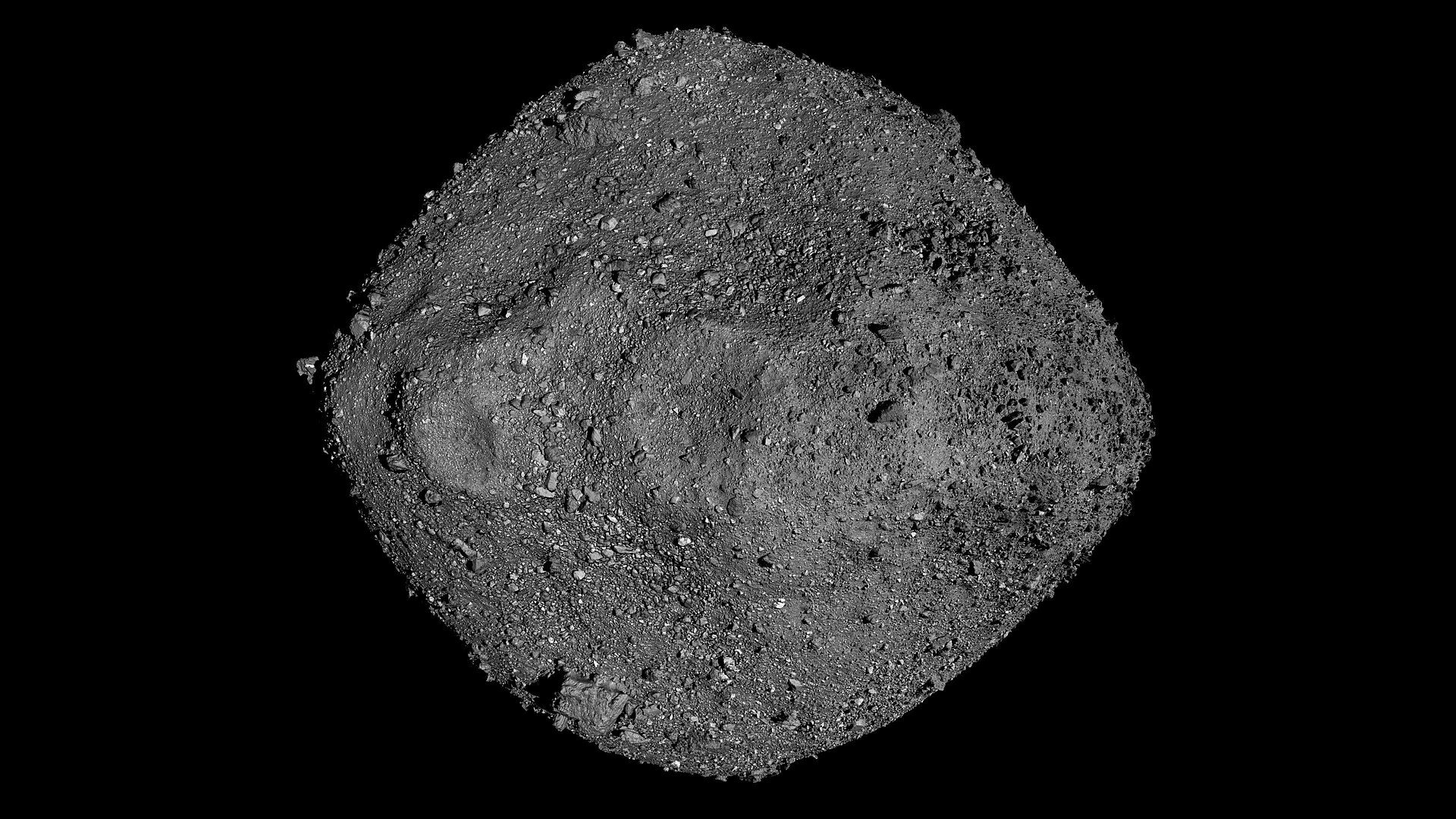
Image: NASA/Goddard/University of Arizona (public domain). Near-Earth asteroid Bennu, imaged by NASA’s OSIRIS-REx spacecraft.
Learn About Minor Planet Center: Tracking Near-Earth Objects
Want to go deeper? The official page has the full details behind the numbers here.
For Further InformationRelated Solutions
More solutions like this one, matched by meaning.

Help This Work
The Minor Planet Center is funded by a NASA grant, so there is no Donate button. Saving Planets is showcasing its work, not partnering with it.