EOS-06 / Oceansat-3 (ISRO)
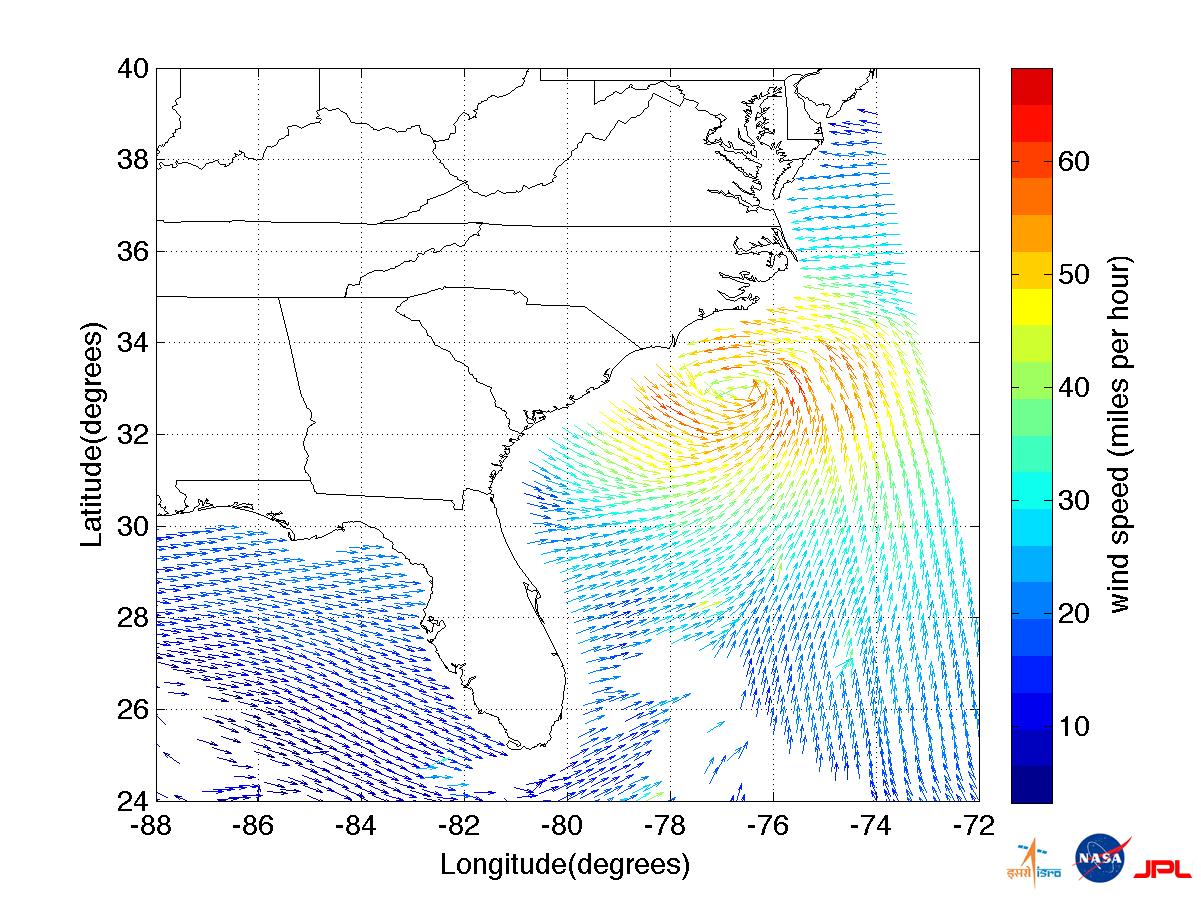
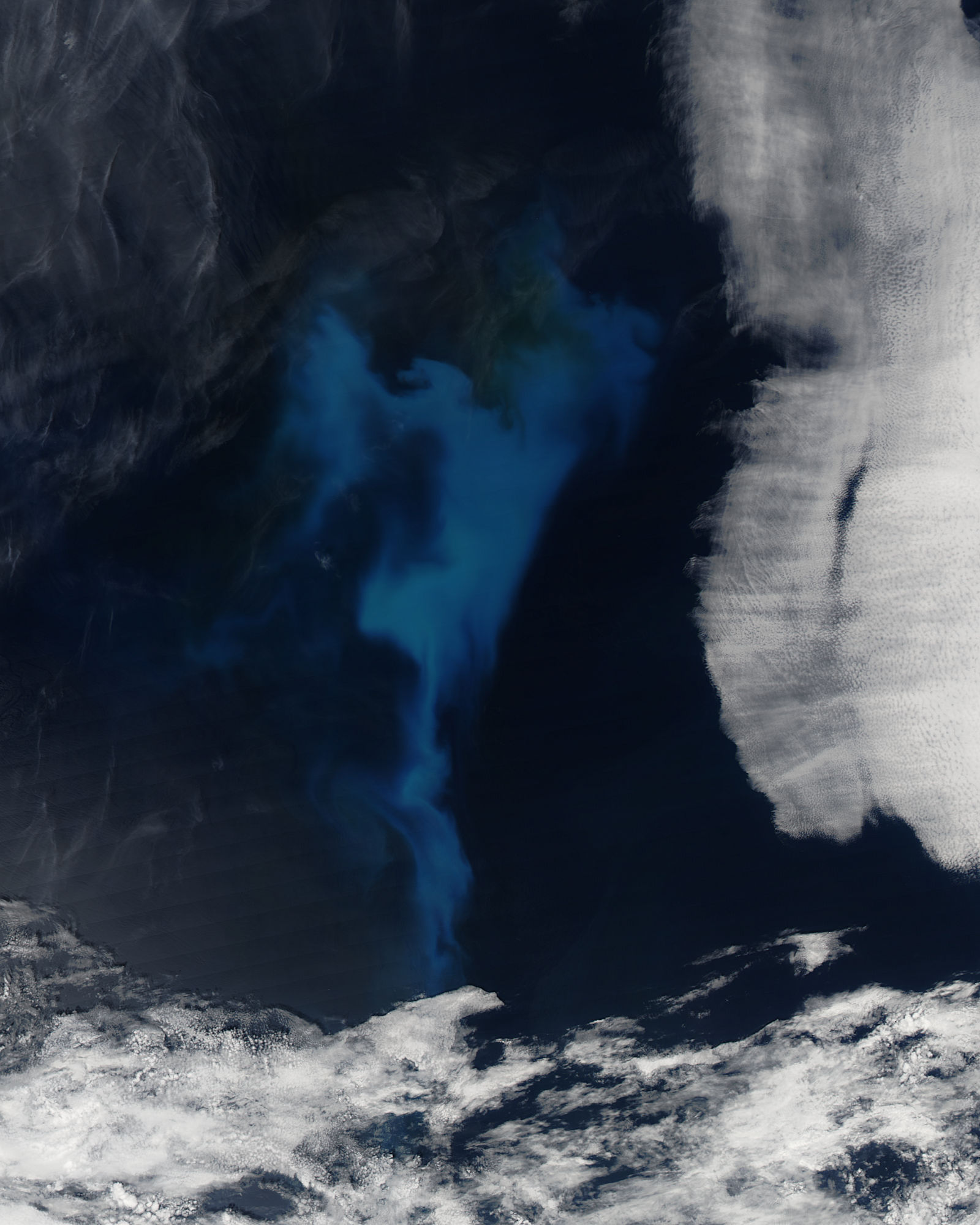
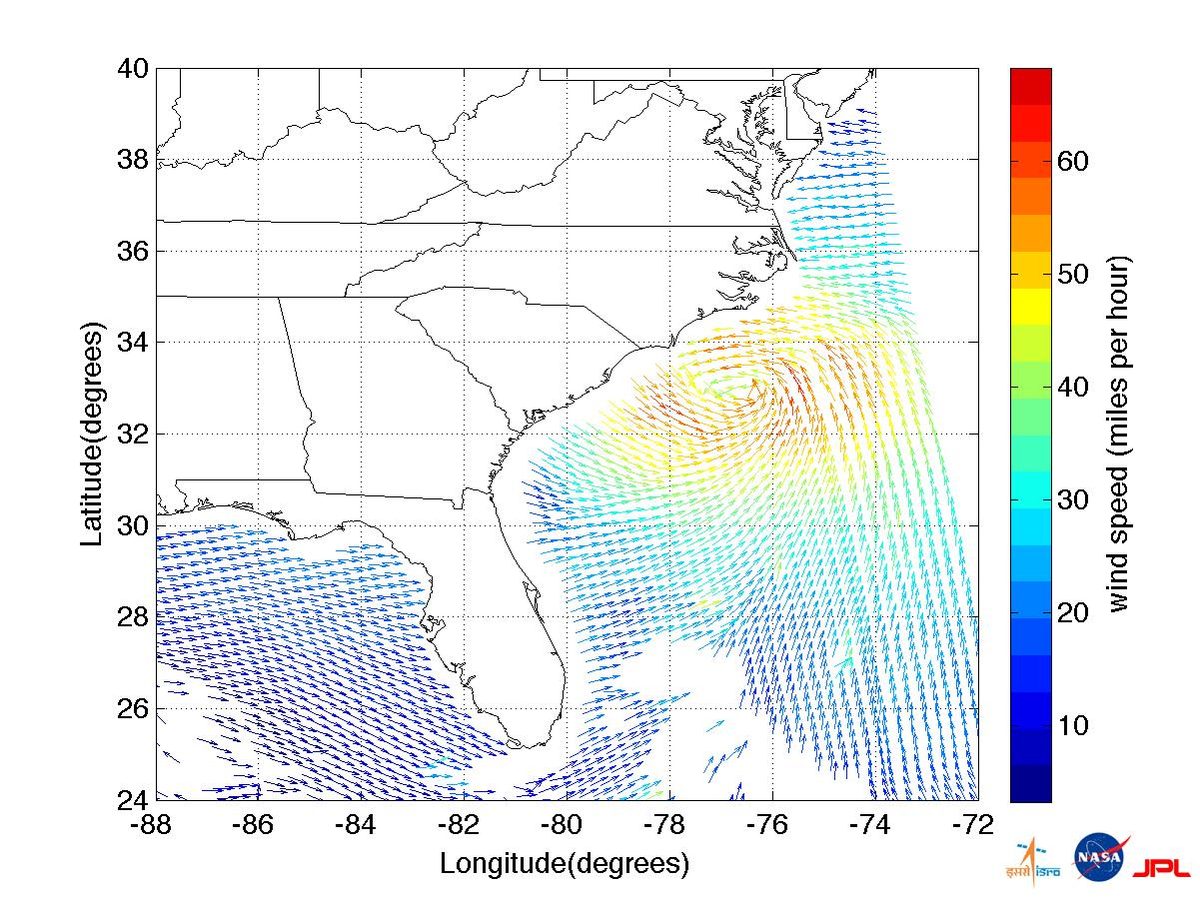
India's EOS-06, the third Oceansat, tracks ocean color, sea-surface temperature and winds; it imaged Cyclone Mandous and an algal bloom on day one.
Image: NASA/JPL-Caltech/ISRO.
Last reviewed: 1 source cited
Explain Like I'm 10
- What is it? An ocean satellite with color, temperature and wind sensors.
- Why does it matter? Continuity of ocean color and wind data for fisheries, cyclones and coasts.
The Five W's of EOS-06
Where
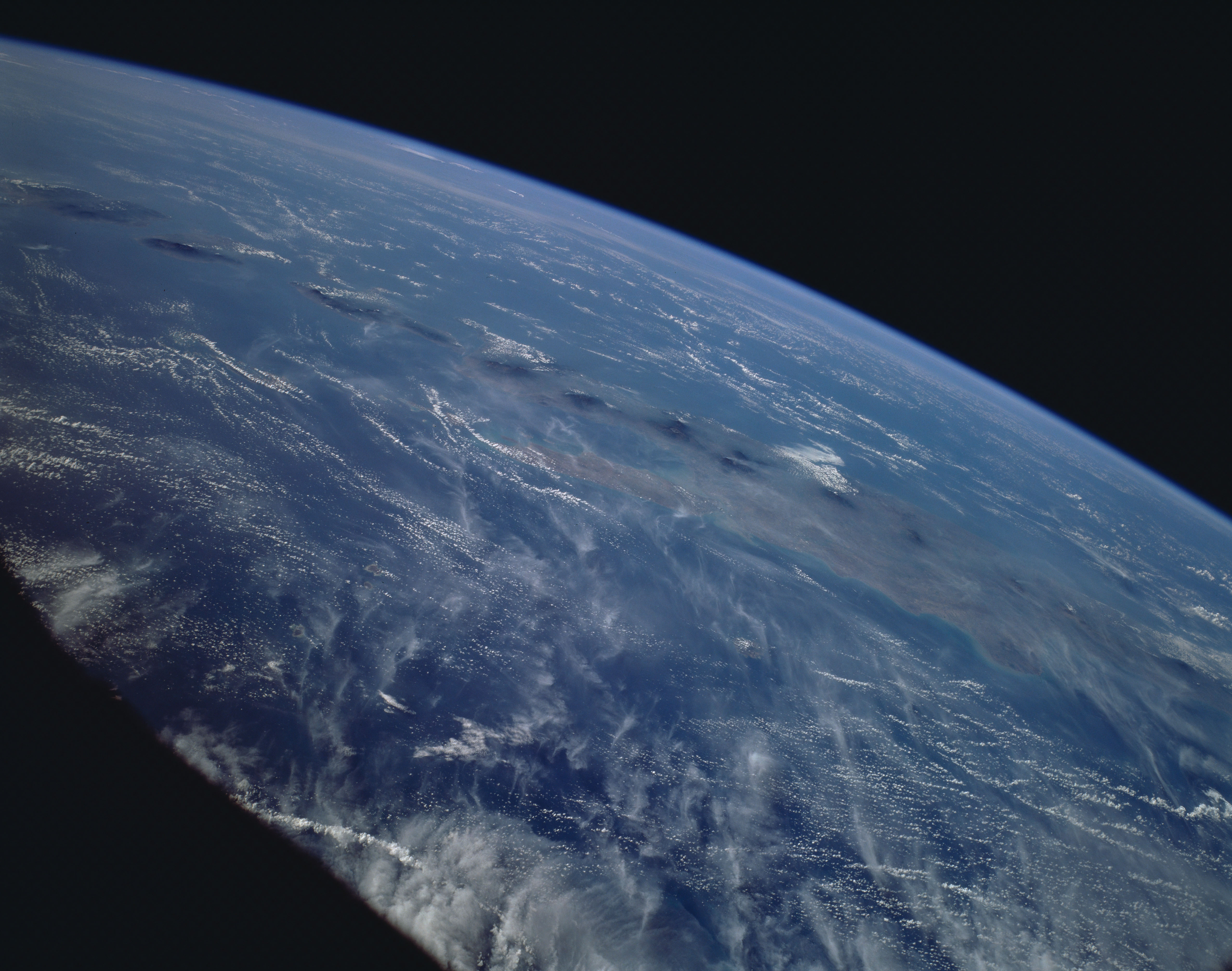
Earth The curved path an object takes as it travels around a planet, moon or star, like a satellite circling Earth. Glossary, watching the world's oceans.
Source: ISRO, EOS-06
Impact Statement
Agency solution · active
ISRO's EOS-06 is the third-generation satellite in the Oceansat series, launched on PSLV-C54 in November 2022. Its Ocean Color Monitor, Sea Surface Temperature Monitor and Ku-band scatterometer keep ocean color and wind data flowing for operational use; early images captured Cyclone Mandous and an algal When tiny water plants called algae grow out of control. Some make toxins that can harm people, pets and fish. Glossary.
Source: ISRO, EOS-06
Want to go deeper? ISRO, EOS-06 has the full story and the latest updates.
 For Further Information
Related Solutions
More solutions like this one, matched by meaning.

For Teachers
Discussion questions
- What is EOS-06 / Oceansat-3 (ISRO), and what problem does it help solve?
- Who is behind EOS-06 / Oceansat-3 (ISRO), and where does the work happen?
- How does EOS-06 / Oceansat-3 (ISRO) help both people and nature? Use one fact from this page.
Sources are listed with each fact in the Five W's above.
Standards Alignment
U.S. Next Generation Science Standards (NGSS) and Common Core. Official text, in English.
- 5-ESS3-1 (Grade 3-5) Obtain and combine information about ways individual communities use science ideas to protect the Earth's resources and environment.
- MS-ESS3-2 (Grade 6-8) Analyze and interpret data on natural hazards to forecast future catastrophic events and inform the development of technologies to mitigate their effects.
- MS-ESS3-3 (Grade 6-8) Apply scientific principles to design a method for monitoring and minimizing a human impact on the environment.
- CCSS RST.6-8.1 (Grade 6-8) Cite specific textual evidence to support analysis of science and technical texts.
Cite This Page
APA
Saving Planets. (n.d.). EOS-06 / Oceansat-3 (ISRO). https://www.savingplanets.com/EOS-06.html
MLA
"EOS-06 / Oceansat-3 (ISRO)." Saving Planets, https://www.savingplanets.com/EOS-06.html.