ClearSpace
Europe's first active debris removal — capturing dead satellites and rocket parts from orbit.
Last reviewed: 4 sources cited
Impact Statement
ClearSpace is proving that debris removal can move from demonstration to routine service, backed by ESA and national space agencies. Every captured object is one fewer collision risk for satellites, crewed missions, and the telescopes watching the sky.
Explain Like I'm 10
- What is it? Robotic servicers that find, capture, and To bring a satellite or piece of space junk down out of orbit on purpose, usually so it burns up in the atmosphere. Glossary Old satellites, rocket parts and broken pieces left in orbit that no longer do anything useful. Glossary, plus inspection and life-extension missions. ClearSpace-1 uses four robotic arms to grapple a non-responsive object and drag it into a controlled When a spacecraft or piece of space junk falls back into Earth's air. The friction makes it very hot, so most small objects burn up. Glossary.
- Why does it matter? Large debris objects are the seeds of future collisions. Removing them before they fragment prevents the Kessler syndrome — a runaway cascade that could make key orbits unusable for generations.
The Five W's of ClearSpace
Who
ClearSpace, founded in 2018 as a spin-off from EPFL in Switzerland, headquartered in Luxembourg with offices across Switzerland, the U.K., and Germany. It is a privately held in-orbit servicing company.
What
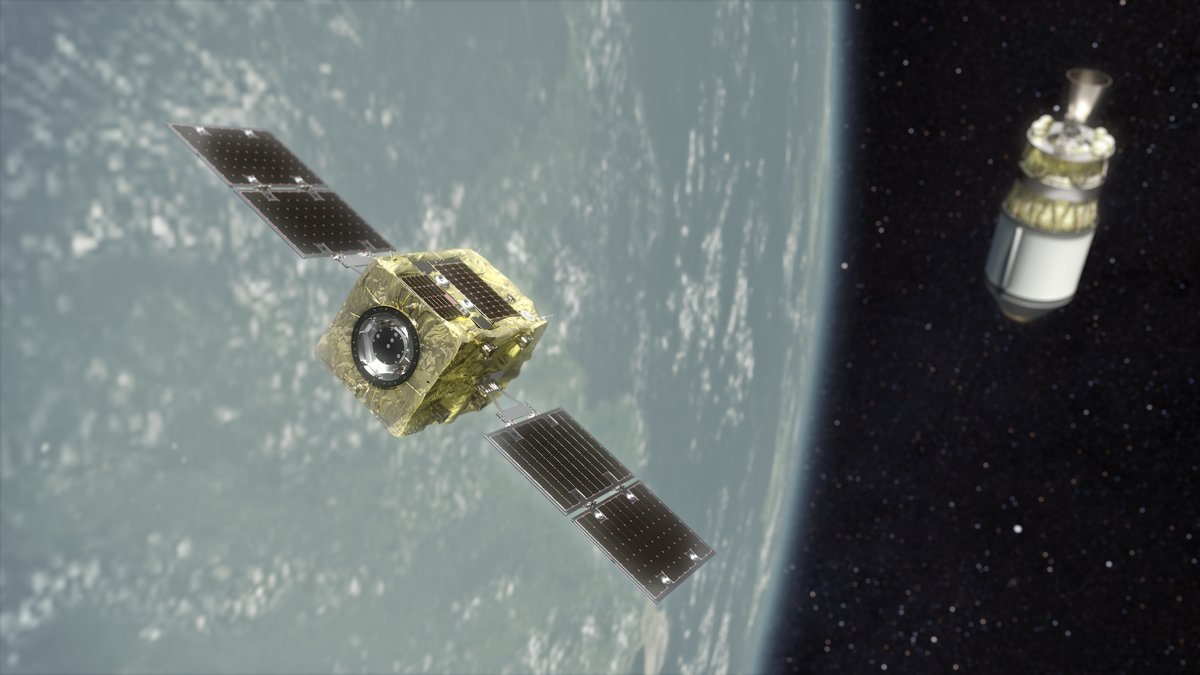
Robotic servicers that find, capture, and deorbit space debris, plus inspection and life-extension missions. ClearSpace-1 uses four robotic arms to grapple a non-responsive object and drag it into a controlled reentry.
When
ClearSpace-1 was commissioned by ESA as the world's first active debris removal mission. Its original target, a Vega rocket adapter left in The curved path an object takes as it travels around a planet, moon or star, like a satellite circling Earth. Glossary in 2013, was replaced by ESA's retired PROBA-1 satellite. ClearSpace-1 is targeted for 2028 (ESA lists 2029). The PRELUDE mission, planned for launch in June 2027, will validate close-proximity rendezvous technology first.
Where
Low Earth orbit for debris removal, with geostationary-orbit life-extension missions planned. ClearSpace is also developing CLEAR with the U.K. Space Agency, a mission to remove two UK-registered objects; it is not yet confirmed (see On the horizon).
Why
Large debris objects are the seeds of future collisions. Removing them before they fragment prevents the Kessler syndrome — a runaway cascade that could make key orbits unusable for generations.
On the Horizon
PRELUDE (with ESA). This is a potential solution ClearSpace is advancing. We expect to know more within the next nine months and will keep you updated here.
Source: SpaceNews, ESA and ClearSpace announce PRELUDE (Jan 2026)
Company source: ClearSpace, PRELUDE (company page)
CLEAR (with the UK Space Agency). This is a potential solution ClearSpace is advancing. We expect to know more within the coming months and will keep you updated here.
ClearSpace says CLEAR, with the UK Space Agency, aims to remove two UK-registered derelict satellites. A £61.3 million Phase 3 award has been reported by third-party tender trackers but not yet confirmed by the UK Space Agency, so we are not counting it as active.
Company source: ClearSpace, CLEAR (company page)
Want to go deeper? Visit ClearSpace (company).
 For further information
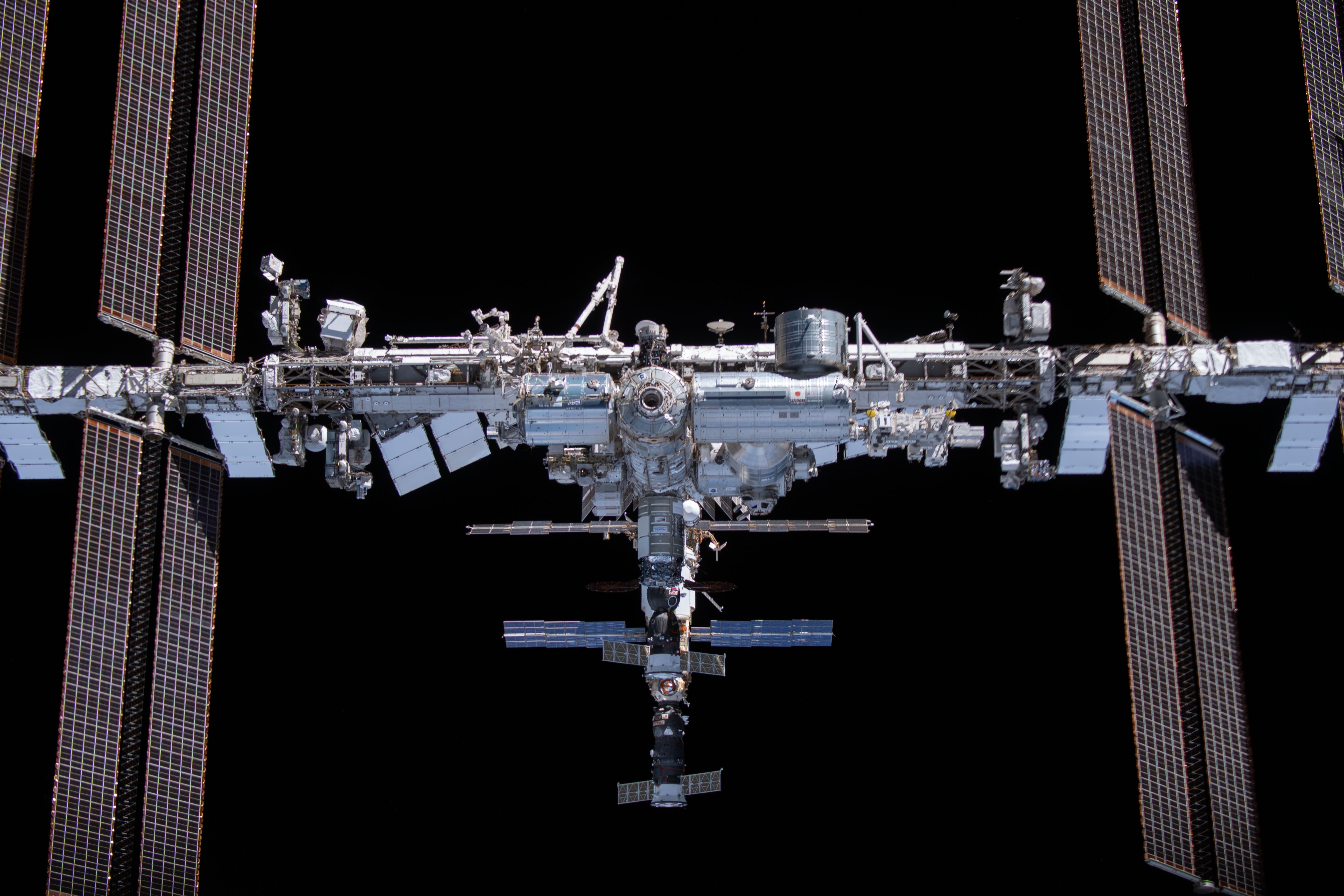
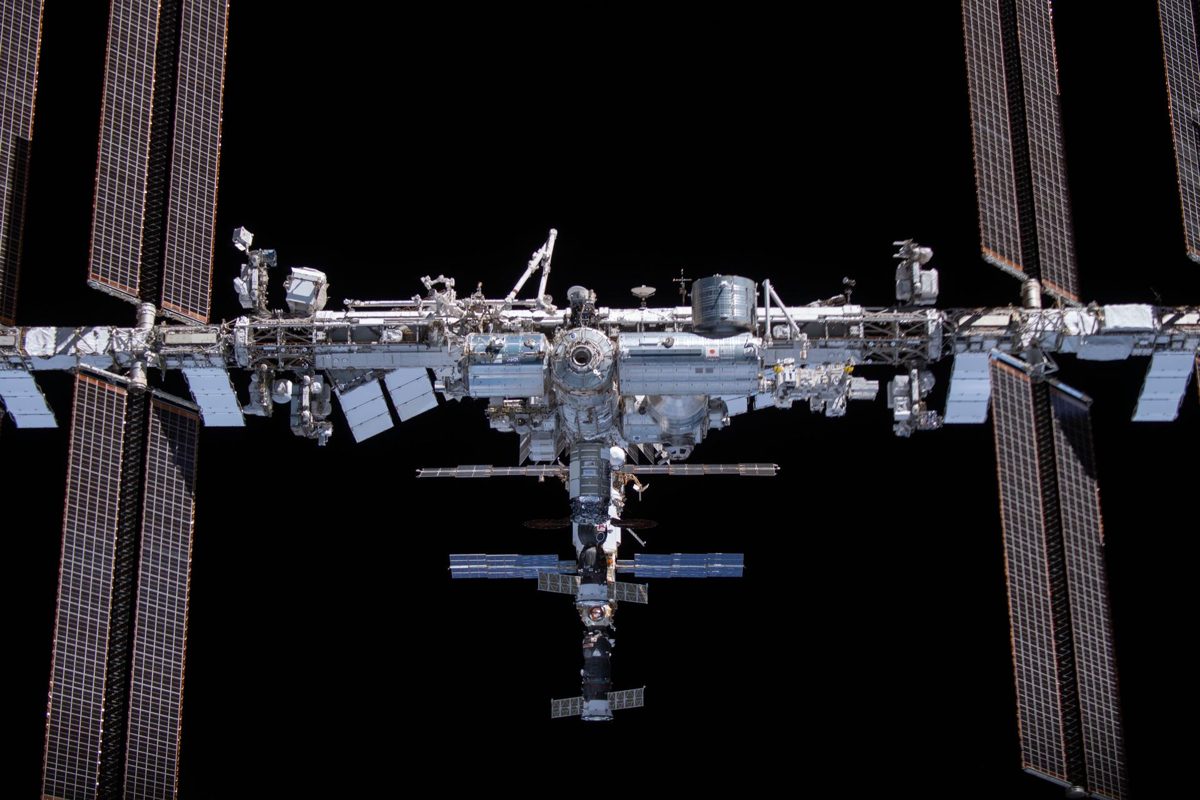
Image: NASA, ISS Expedition 23 crew (iss023e057948).
Related Solutions
More solutions like this one, matched by meaning.
Help This Work
This is a company, not a charity, so there's no donation page. You can still join the team.
For Teachers
Discussion questions
- What is ClearSpace, and what problem does it help solve?
- Who is behind ClearSpace, and where does the work happen?
- How does ClearSpace help both people and nature? Use one fact from this page.
Sources are listed with each fact in the Five W's above.
Standards Alignment
U.S. Next Generation Science Standards (NGSS) and Common Core. Official text, in English.
- HS-ESS1-4 (Grade 9-12) Use mathematical or computational representations to predict the motion of orbiting objects in the solar system.
- CCSS RST.6-8.1 (Grade 6-8) Cite specific textual evidence to support analysis of science and technical texts.
Cite This Page
APA
Saving Planets. (n.d.). ClearSpace. https://www.savingplanets.com/ClearSpace.html
MLA
"ClearSpace." Saving Planets, https://www.savingplanets.com/ClearSpace.html.