Foreste di kelp
Il kelp può crescere fino a 45 cm al giorno, formando foreste sottomarine che nutrono e ospitano migliaia di specie.
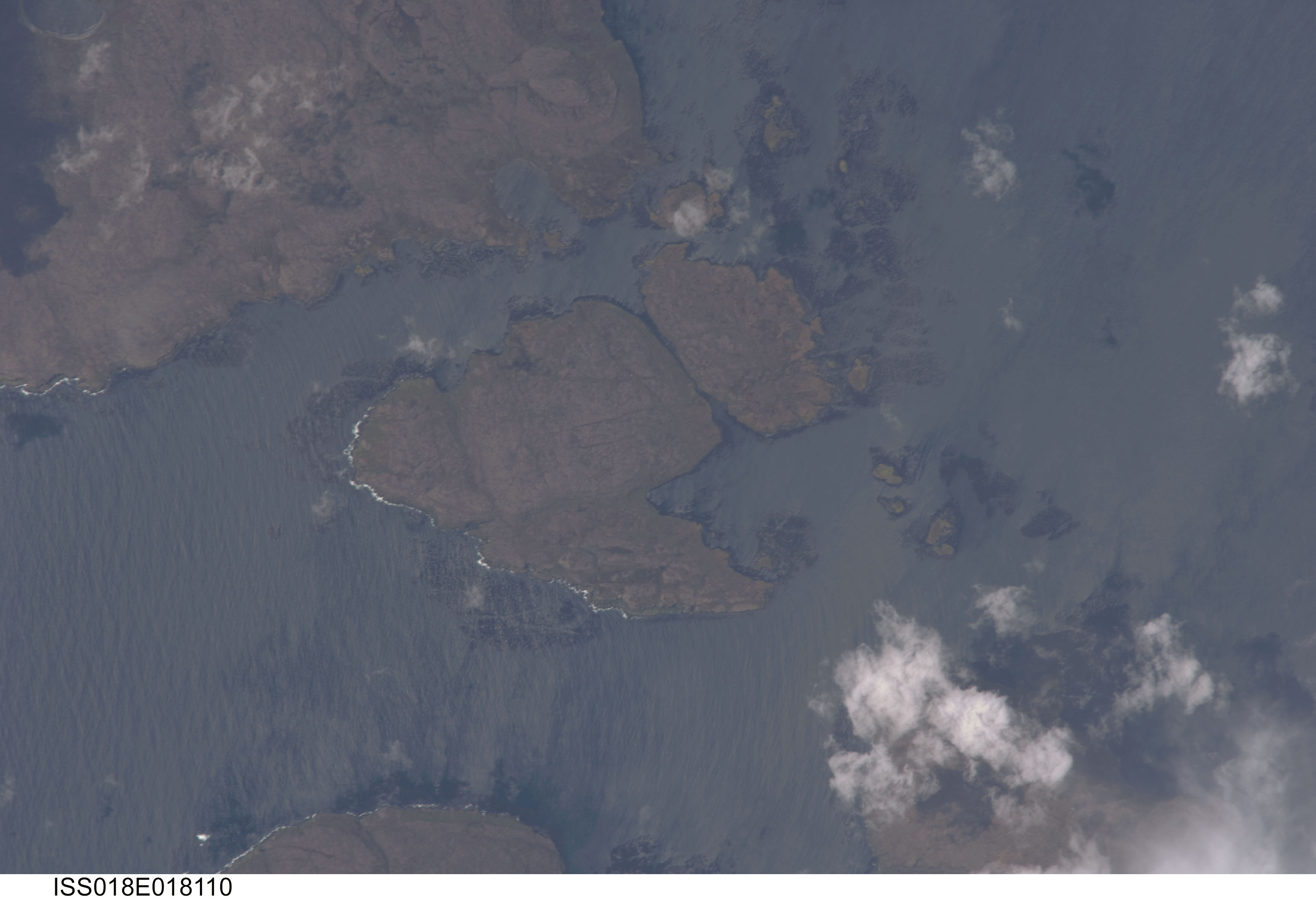
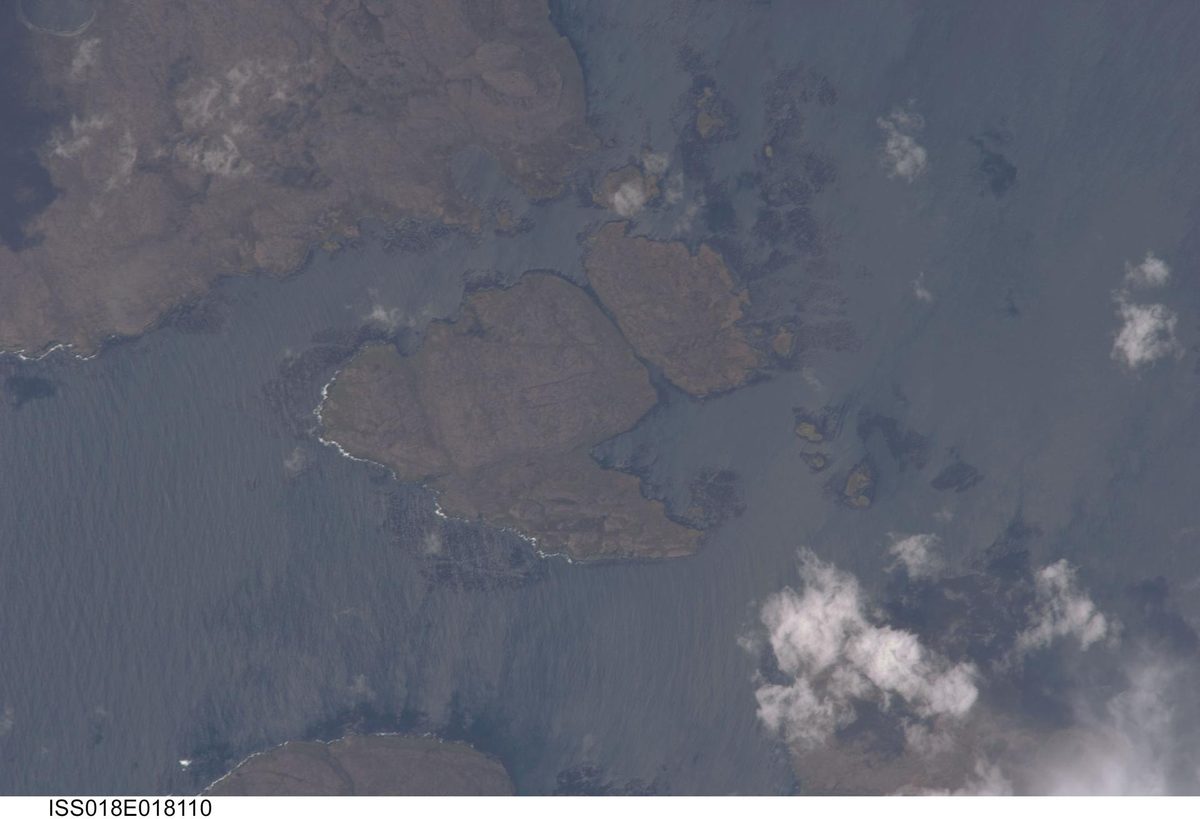
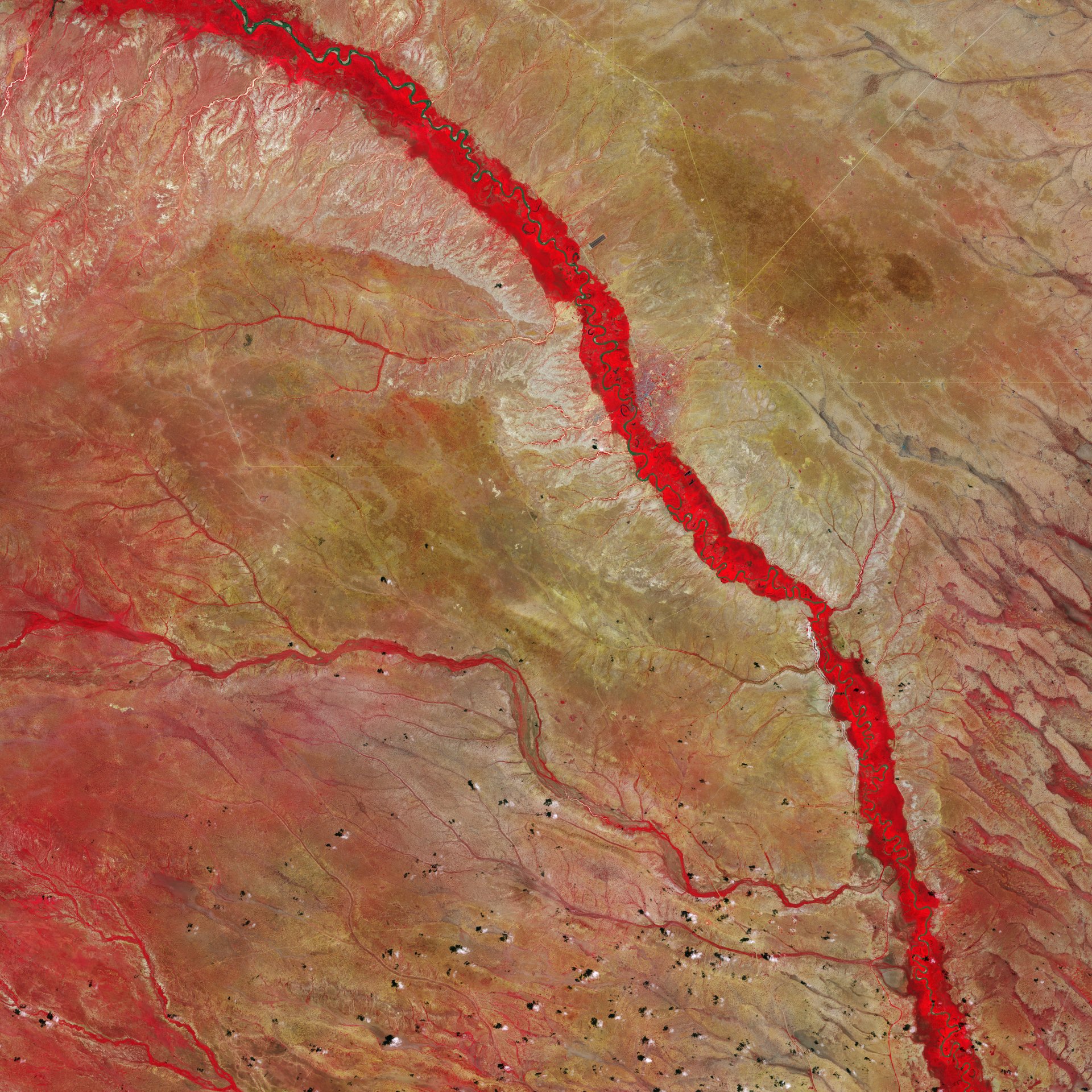
Immagine: NASA (ISS018-E-018110).
Ultima revisione: 1 fonte citata
Spiegamelo come se avessi 10 anni
- Che cos'è? Foreste subacquee di alghe giganti.
- Perché è importante? Si nutrono e riparano migliaia di specie.
I cinque W di Kelp Forests
Quando
Tutto l'anno, crescendo fino a 18 pollici al giorno in condizioni ideali.
Fonte: NOAA, Kelp forests
Dichiarazione d'impatto
Soluzione naturale · attiva
In condizioni ideali, Grande alghe brune che cresce in acqua fredda dell'oceano e forma le foreste subacquee piene di vita marina. Glossario può crescere fino a 18 pollici al giorno. Come gli alberi in una foresta, le gigantesche tettoie di kelp forniscono cibo e riparo per migliaia di specie, dai pesci e invertebrati a foche, leoni marini, balene, lontre e uccelli marini, dice NOAA.
Fonte: NOAA, What is a kelp forest?
In condizioni ideali, kelp può crescere fino a 18 pollici in un solo giorno.
Soluzioni collegate
- Coltivazione di kelp e alghe in Alaska La coltura marina in rapida crescita dell'Alaska.
Vuoi approfondire? NOAA, What is a kelp forest? racconta tutta la storia e gli ultimi aggiornamenti.
 Per saperne di più
Soluzioni correlate
Altre soluzioni come questa, abbinate per significato.
Per gli insegnanti
Domande per la discussione
- Che cosa è Foreste di kelp, e quale problema aiuta a risolvere?
- Chi c'è dietro Foreste di kelp, e dove succede il lavoro?
- Come fa Foreste di kelp ad aiutare sia le persone che la natura? Utilizzare un fatto da questa pagina.
Le fonti sono elencate con ogni fatto nel Cinque W sopra.
Tutte le schede per insegnanti
Allineamento agli standard
Standard statunitensi: Next Generation Science Standards (NGSS) e Common Core. Testo ufficiale, in inglese.
- K-ESS3-3 (Classe K-2) Communicate solutions that will reduce the impact of humans on the land, water, air, and/or other living things in the local environment.
- 5-ESS3-1 (Classe 3-5) Obtain and combine information about ways individual communities use science ideas to protect the Earth's resources and environment.
- MS-ESS3-3 (Classe 6-8) Apply scientific principles to design a method for monitoring and minimizing a human impact on the environment.
- MS-LS2-5 (Classe 6-8) Evaluate competing design solutions for maintaining biodiversity and ecosystem services.
- HS-ESS3-4 (Classe 9-12) Evaluate or refine a technological solution that reduces impacts of human activities on natural systems.
- CCSS RI.5.9 (Classe 3-5) Integrate information from several texts on the same topic in order to write or speak about the subject knowledgeably.
- CCSS RST.6-8.1 (Classe 6-8) Cite specific textual evidence to support analysis of science and technical texts.
Cita questa pagina
APA
Saving Planets. (n.d.). Kelp Forests. https://www.savingplanets.com/Kelp_Forests.html
MLA
"Kelp Forests." Saving Planets, https://www.savingplanets.com/Kelp_Forests.html.