Bosques de kelp
El kelp puede crecer hasta 18 pulgadas al día y forma bosques submarinos que alimentan y refugian a miles de especies.
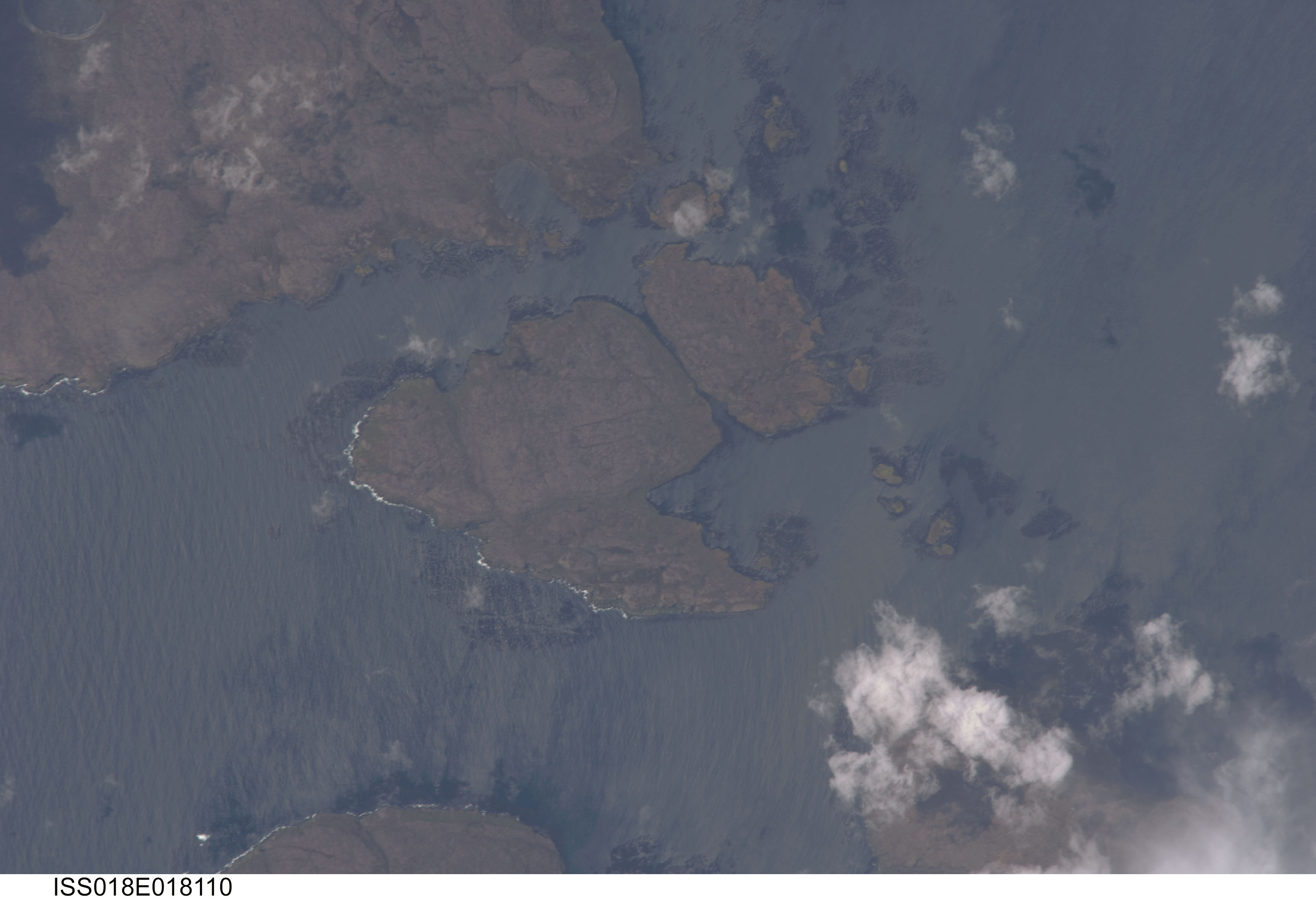
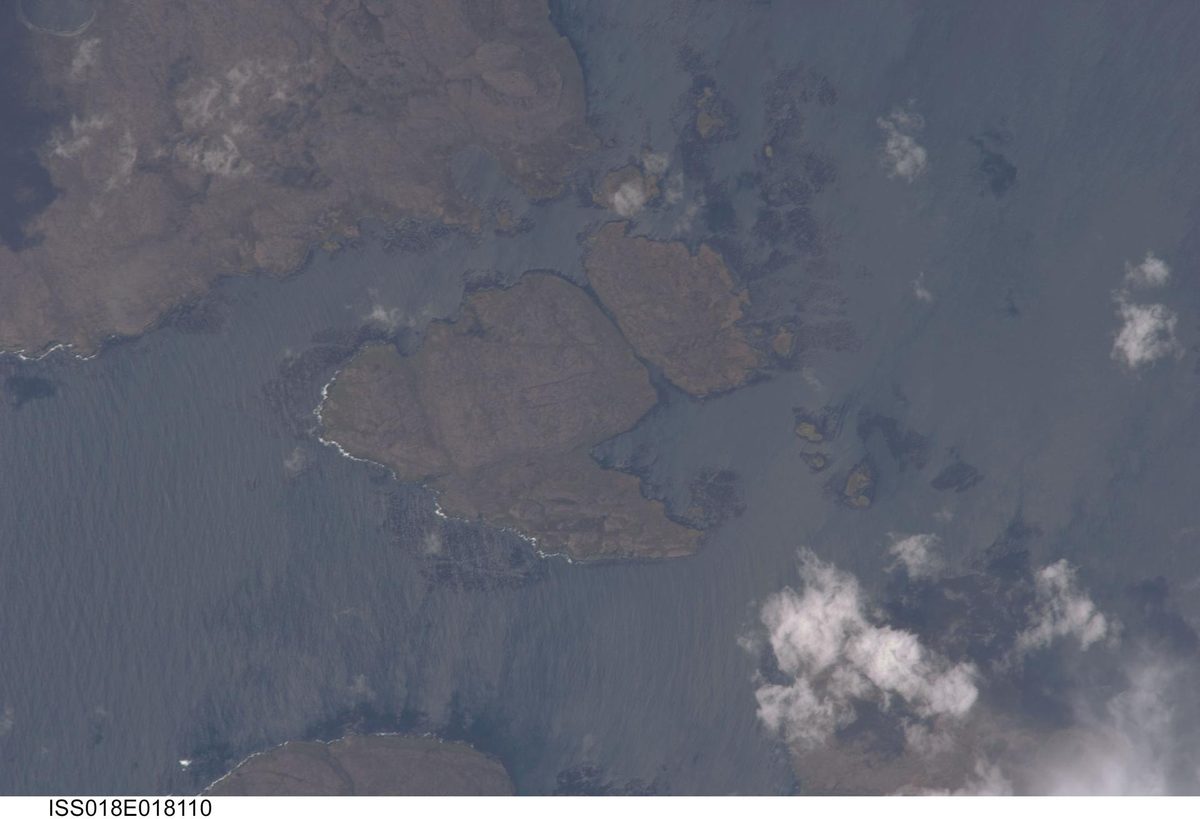
Imagen: NASA (ISS018-E-018110).
Última revisión: 1 fuente citada
Explícamelo como si tuviera 10 años
- ¿Qué es? Bosques submarinos de algas gigantes.
- ¿Por qué importa? Alimentan y refugian a miles de especies.
Las cinco W de los bosques de kelp
Cuándo
Todo el año, creciendo hasta 18 pulgadas al día en condiciones ideales.
Fuente: NOAA, Kelp forests
Declaración de impacto
Solución natural · activa
En condiciones ideales, el Grandes algas pardas que crecen en aguas frías y forman bosques submarinos llenos de vida marina. Glosario puede crecer hasta 18 pulgadas al día. Como los árboles de un bosque, los doseles de kelp gigante dan alimento y refugio a miles de especies, desde peces e invertebrados hasta focas, leones marinos, ballenas, nutrias marinas y aves marinas, según la NOAA.
Fuente: NOAA, What is a kelp forest?
En condiciones ideales, el kelp puede crecer hasta 18 pulgadas en un solo día.
Soluciones relacionadas
- Cultivo de kelp y algas en Alaska El cultivo marino de rápido crecimiento de Alaska.
¿Quieres saber más? NOAA, What is a kelp forest? tiene la historia completa y las últimas novedades.
 Más información
Soluciones relacionadas
Más soluciones como esta, relacionadas por significado.
Para docentes
Preguntas para debatir
- ¿Qué es Bosques de kelp y qué problema ayuda a resolver?
- ¿Quién está detrás de Bosques de kelp y dónde se realiza el trabajo?
- ¿Cómo ayuda Bosques de kelp a las personas y a la naturaleza? Usa un dato de esta página.
Las fuentes aparecen con cada dato en las 5 W de arriba.
Alineación con estándares
Estándares de EE. UU.: Next Generation Science Standards (NGSS) y Common Core. Texto oficial, en inglés.
- K-ESS3-3 (Grado K-2) Communicate solutions that will reduce the impact of humans on the land, water, air, and/or other living things in the local environment.
- 5-ESS3-1 (Grado 3-5) Obtain and combine information about ways individual communities use science ideas to protect the Earth's resources and environment.
- MS-ESS3-3 (Grado 6-8) Apply scientific principles to design a method for monitoring and minimizing a human impact on the environment.
- MS-LS2-5 (Grado 6-8) Evaluate competing design solutions for maintaining biodiversity and ecosystem services.
- HS-ESS3-4 (Grado 9-12) Evaluate or refine a technological solution that reduces impacts of human activities on natural systems.
- CCSS RI.5.9 (Grado 3-5) Integrate information from several texts on the same topic in order to write or speak about the subject knowledgeably.
- CCSS RST.6-8.1 (Grado 6-8) Cite specific textual evidence to support analysis of science and technical texts.
Citar esta página
APA
Saving Planets. (n.d.). Kelp Forests. https://www.savingplanets.com/Kelp_Forests.html
MLA
"Kelp Forests." Saving Planets, https://www.savingplanets.com/Kelp_Forests.html.