

Billion Oyster Project
Un’organizzazione non profit di New York che ripristina il porto con barriere di ostriche, puntando a un miliardo di ostriche entro il 2030 (dati dell’organizzazione).
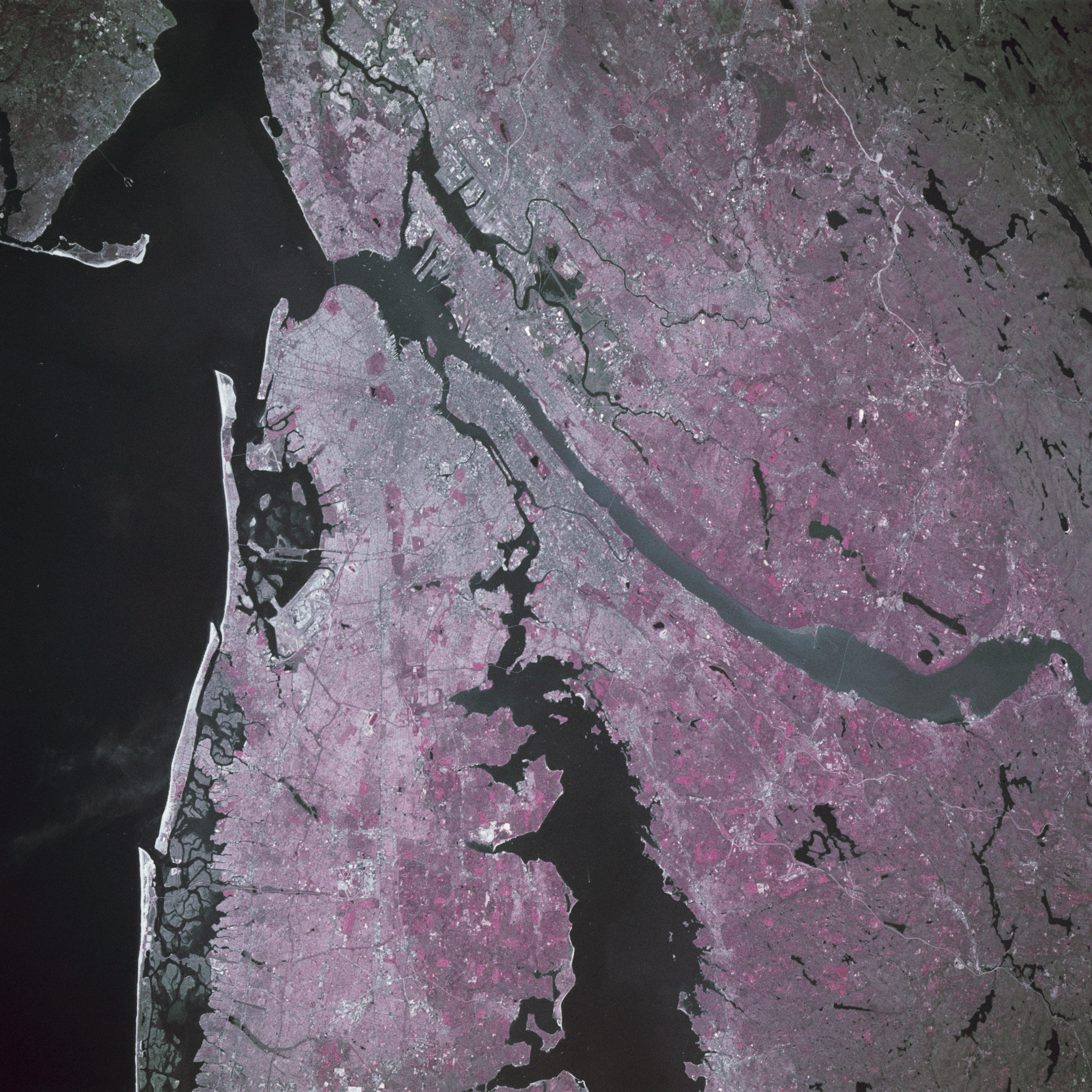
Immagine: NASA (STS039-88-054).
Ultima revisione: 1 fonte citata
Spiegamelo come se avessi 10 anni
- Che cos'è? Ripristino delle barriere di ostriche, riciclo dei gusci ed educazione ambientale nel porto.
- Perché è importante? I reefs sono habitat, e ripristinarli coinvolge un'intera città nel suo porto.
Il progetto Five W's of Billion Oyster
Cosa
Ripristino delle barriere di ostriche, riciclo dei gusci ed educazione ambientale nel porto.
Fonte: Billion Oyster Project
Quando
In corso; obiettivo di un miliardo di ostriche entro il 2030 (obiettivo senza scopo di lucro).
Fonte: Billion Oyster Project
Perché
I reefs sono habitat, e ripristinarli coinvolge un'intera città nel suo porto.
Fonte: Billion Oyster Project
Dichiarazione d'impatto
Soluzione non profit · attiva
Billion Oyster Project progetta, permette, costruisce e monitora le barriere coralline di New York Harbor, con un obiettivo di un miliardo di ostriche entro il 2030. Ha raccolto 3.2 milioni di libbre di conchiglie di ristorante che una volta sono andati a discarica per costruire nuove barriere, e più di 40.000 studenti utilizzano il suo curriculum (dati dell’organizzazione).
Vuoi approfondire? Billion Oyster Project racconta tutta la storia e gli ultimi aggiornamenti.
 Per saperne di più
Soluzioni correlate
Altre soluzioni come questa, abbinate per significato.

Sostieni questo lavoro
I collegamenti vanno direttamente all'organizzazione. Saving Planets non riceve nessuno dei soldi.
Per gli insegnanti
Domande per la discussione
- Che cosa è Billion Oyster Project, e quale problema aiuta a risolvere?
- Chi c'è dietro Billion Oyster Project, e dove succede il lavoro?
- Come fa Billion Oyster Project ad aiutare sia le persone che la natura? Utilizzare un fatto da questa pagina.
Le fonti sono elencate con ogni fatto nel Cinque W sopra.
Tutte le schede per insegnanti
Allineamento agli standard
Standard statunitensi: Next Generation Science Standards (NGSS) e Common Core. Testo ufficiale, in inglese.
- K-ESS3-3 (Classe K-2) Communicate solutions that will reduce the impact of humans on the land, water, air, and/or other living things in the local environment.
- 5-ESS3-1 (Classe 3-5) Obtain and combine information about ways individual communities use science ideas to protect the Earth's resources and environment.
- MS-ESS3-3 (Classe 6-8) Apply scientific principles to design a method for monitoring and minimizing a human impact on the environment.
- MS-LS2-5 (Classe 6-8) Evaluate competing design solutions for maintaining biodiversity and ecosystem services.
- HS-ESS3-4 (Classe 9-12) Evaluate or refine a technological solution that reduces impacts of human activities on natural systems.
- CCSS RI.5.9 (Classe 3-5) Integrate information from several texts on the same topic in order to write or speak about the subject knowledgeably.
- CCSS RST.6-8.1 (Classe 6-8) Cite specific textual evidence to support analysis of science and technical texts.
Cita questa pagina
APA
Saving Planets. (n.d.). Billion Oyster Project. https://www.savingplanets.com/Billion_Oyster_Project.html
MLA
"Billion Oyster Project." Saving Planets, https://www.savingplanets.com/Billion_Oyster_Project.html.