
La familia Mr. Trash Wheel
Las Trash Wheels de Baltimore interceptan unas 500 toneladas de basura al año antes de que llegue al puerto y a la bahía de Chesapeake (cifra de la organización).
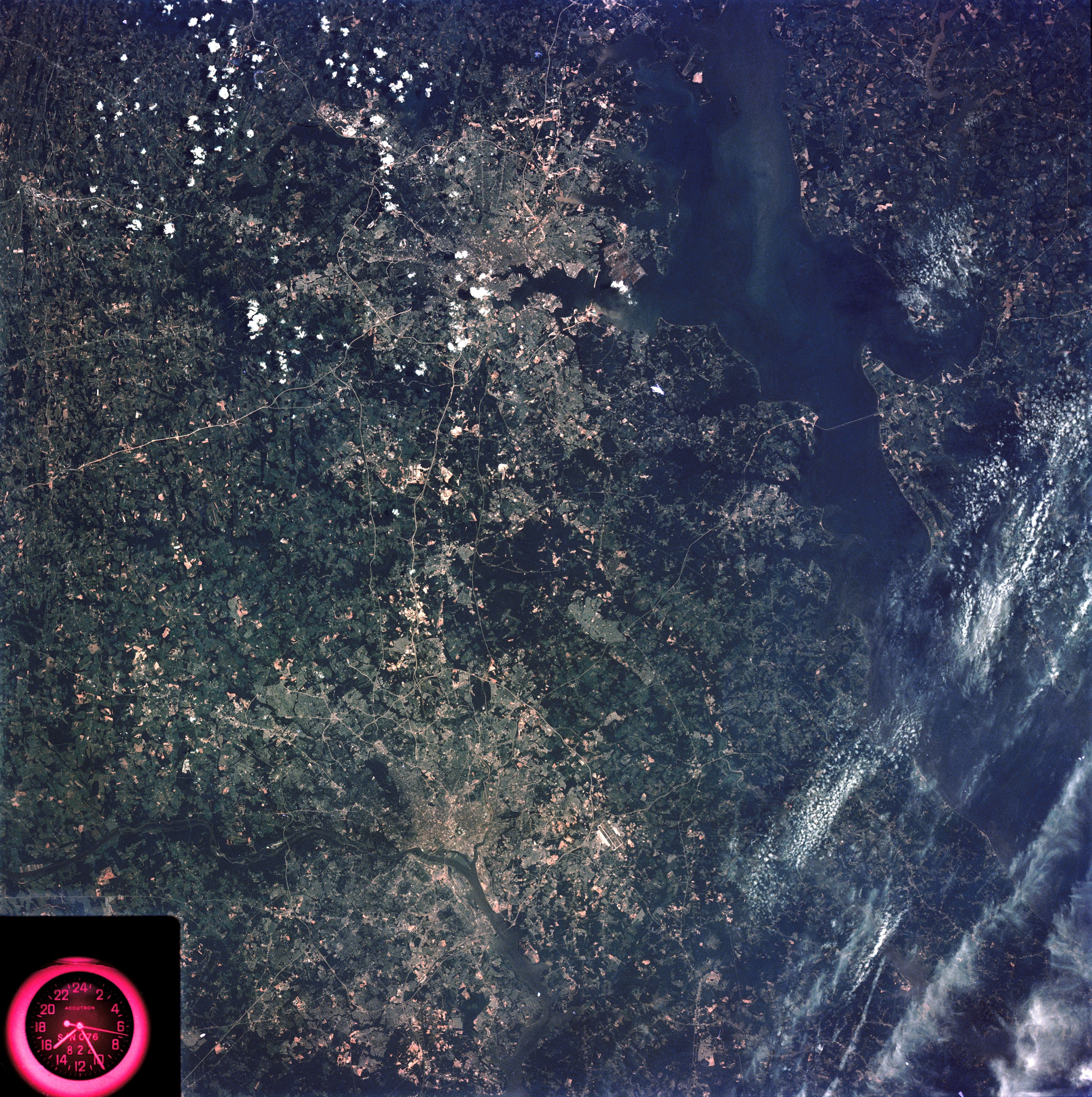
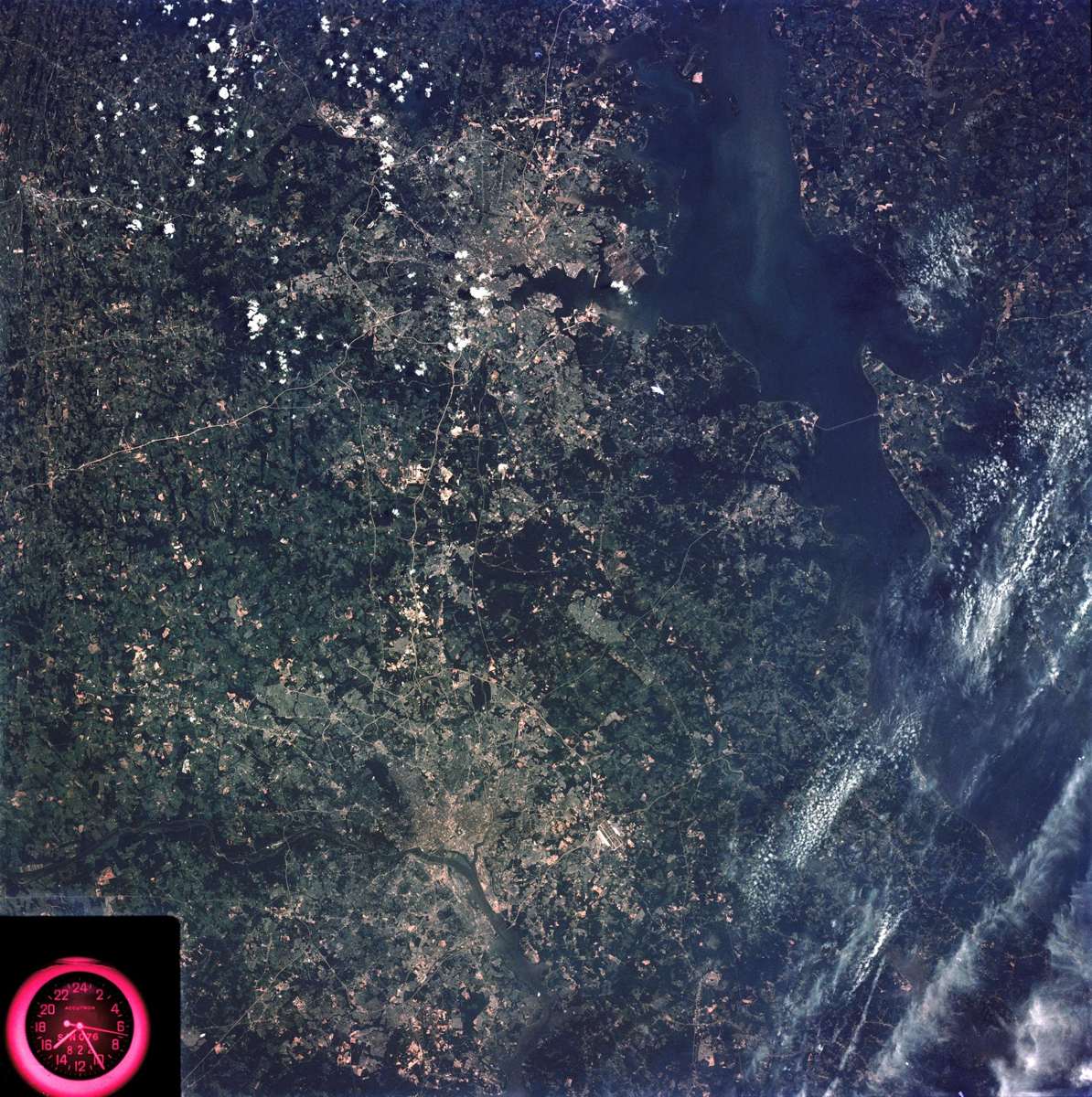
Imagen: NASA.
Última revisión: 2 fuentes citadas
Explícamelo como si tuviera 10 años
- ¿Qué es? Cuatro interceptores de basura que usan la corriente y la energía solar para sacar residuos del agua.
- ¿Por qué importa? Detener la basura en la desembocadura la mantiene fuera del puerto, la bahía de Chesapeake y el océano.
Las cinco W de la familia Mr. Trash Wheel
Qué
Cuatro interceptores de basura que usan la corriente y la energía solar para sacar residuos del agua.
Fuente: Mr. Trash Wheel
Cuándo
En curso; unas 500 toneladas recogidas cada año (cifra de la organización).
Fuente: Mr. Trash Wheel
Dónde
Desembocaduras de arroyos y ríos alrededor del Inner Harbor de Baltimore, Maryland.
Fuente: Mr. Trash Wheel, trash interception (organization figure)
Por qué
Detener la basura en la desembocadura la mantiene fuera del puerto, la bahía de Chesapeake y el océano.
Fuente: Mr. Trash Wheel, trash interception (organization figure)
Declaración de impacto
Solución sin fines de lucro · activa
La lluvia arrastra la basura de las calles a los arroyos y al mar. Las Trash Wheels de Baltimore la atrapan antes.
Las cuatro ruedas del Waterfront Partnership of Baltimore recogen unas 500 toneladas de basura y residuos del puerto cada año (cifra de la organización).
Fuente: Mr. Trash Wheel, trash interception (organization figure)
Para más información: Mr. Trash Wheel
Las cuatro Trash Wheels de Baltimore recogen unas 500 toneladas de basura y residuos del puerto cada año (cifra de la organización).
¿Quieres saber más? Mr. Trash Wheel tiene la historia completa y las últimas novedades.
 Más información
Soluciones relacionadas
Más soluciones como esta, relacionadas por significado.




Apoya este trabajo
Los enlaces van directamente a la organización. Saving Planets no recibe nada de ese dinero.
Para docentes
Preguntas para debatir
- ¿Qué es La familia Mr. Trash Wheel y qué problema ayuda a resolver?
- ¿Quién está detrás de La familia Mr. Trash Wheel y dónde se realiza el trabajo?
- ¿Cómo ayuda La familia Mr. Trash Wheel a las personas y a la naturaleza? Usa un dato de esta página.
Las fuentes aparecen con cada dato en las 5 W de arriba.
Alineación con estándares
Estándares de EE. UU.: Next Generation Science Standards (NGSS) y Common Core. Texto oficial, en inglés.
- K-ESS3-3 (Grado K-2) Communicate solutions that will reduce the impact of humans on the land, water, air, and/or other living things in the local environment.
- 5-ESS3-1 (Grado 3-5) Obtain and combine information about ways individual communities use science ideas to protect the Earth's resources and environment.
- MS-ESS3-3 (Grado 6-8) Apply scientific principles to design a method for monitoring and minimizing a human impact on the environment.
- MS-LS2-5 (Grado 6-8) Evaluate competing design solutions for maintaining biodiversity and ecosystem services.
- HS-ESS3-4 (Grado 9-12) Evaluate or refine a technological solution that reduces impacts of human activities on natural systems.
- CCSS RI.5.9 (Grado 3-5) Integrate information from several texts on the same topic in order to write or speak about the subject knowledgeably.
- CCSS RST.6-8.1 (Grado 6-8) Cite specific textual evidence to support analysis of science and technical texts.
Citar esta página
APA
Saving Planets. (n.d.). Mr. Trash Wheel Family. https://www.savingplanets.com/Mr_Trash_Wheel.html
MLA
"Mr. Trash Wheel Family." Saving Planets, https://www.savingplanets.com/Mr_Trash_Wheel.html.