Great Lakes Plastic Cleanup
Capturando plástico en el mayor sistema de agua dulce del mundo, del lago Superior al San Lorenzo.
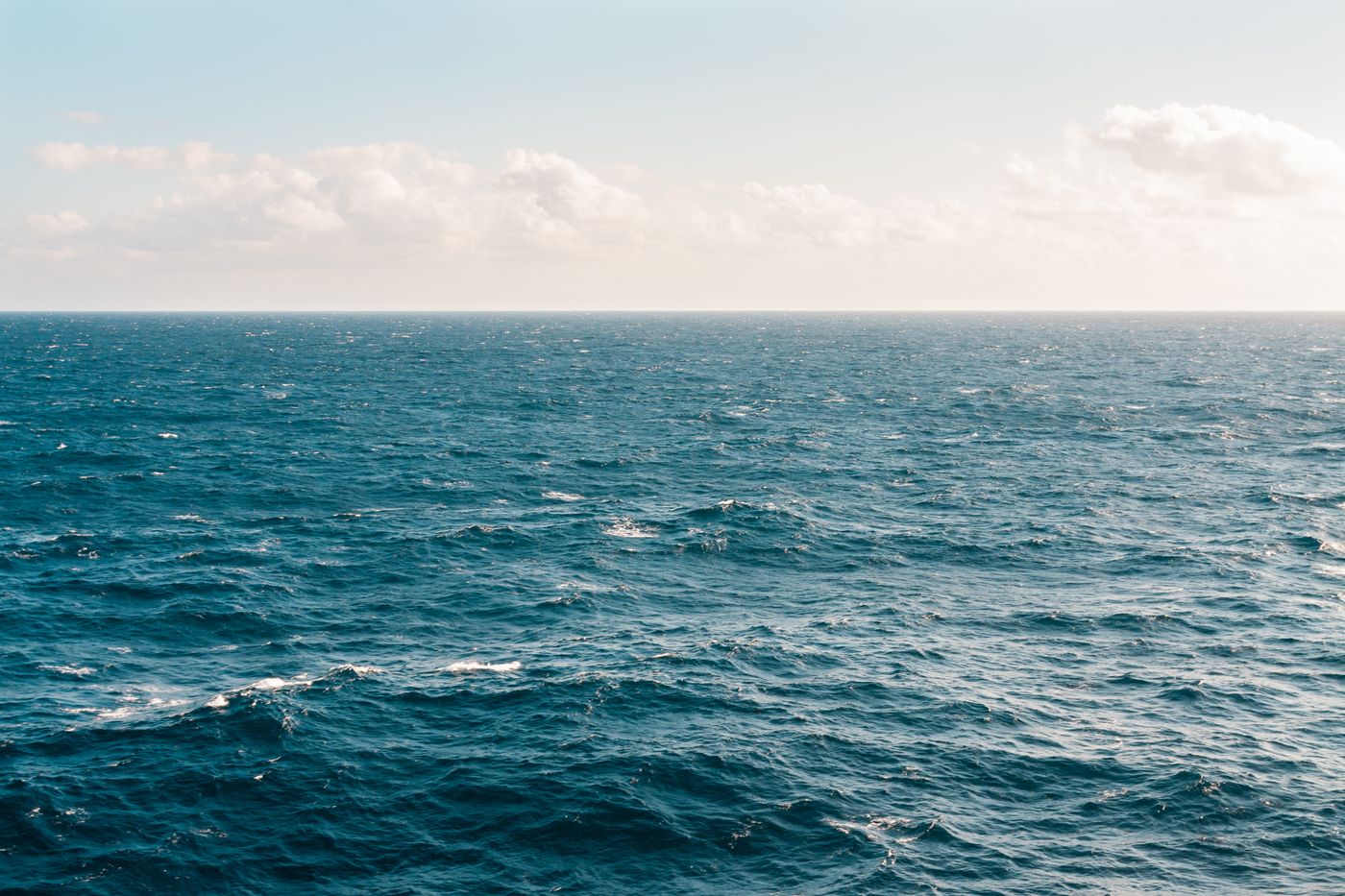
Imagen: NASA GSFC MODIS Land Rapid Response Team (July 4, 2020), via Wikimedia Commons, public domain.
Última revisión: 2 fuentes citadas
Declaración de impacto
Sus datos ya han influido en políticas, como la ley Keeping Polystyrene Out of Lakes and Rivers Act de Ontario. El programa combina captura práctica con investigación que lleva la prevención aguas arriba.
Explícamelo como si tuviera 10 años
- ¿Qué es? Desplegar tecnología de captura probada (Seabins, PixieDrones, BeBots y LittaTraps en desagües pluviales) para retirar plástico de puertos deportivos, orillas y desagües antes de que llegue a mar abierto, más ciencia ciudadana para caracterizar lo encontrado.
- ¿Por qué importa? Se estima que 10 millones de kilogramos de basura plástica entran cada año en los Grandes Lagos. Capturarla en origen protege el agua potable, la fauna y a los 107 millones de personas que viven en la región.
Las cinco W de the Great Lakes Plastic Cleanup
Quién
Una iniciativa binacional dirigida conjuntamente por Pollution Probe, organización ambiental canadiense, y el Council of the Great Lakes Region; las donaciones de EE. UU. se tramitan a través de la CGLR Foundation.
Qué
Desplegar tecnología de captura probada (Seabins, PixieDrones, BeBots y LittaTraps en desagües pluviales) para retirar plástico de puertos deportivos, orillas y desagües antes de que llegue a mar abierto, más ciencia ciudadana para caracterizar lo encontrado.
Cuándo
Lanzado en 2020. Hasta la temporada 2025 habían retirado y registrado más de 277.000 piezas de plástico y residuos.
Fuente: Great Lakes Plastic Cleanup, 2025 season data (May 26, 2026)
Dónde
Sitios en toda la Toda la tierra desde la que la lluvia y la nieve escurren hacia el mismo río o lago. Glosario de los Grandes Lagos, del lago Superior al río San Lorenzo, en orillas canadienses y estadounidenses, con 162 dispositivos desplegados hasta la fecha.
Por qué
Se estima que 10 millones de kilogramos de basura plástica entran cada año en los Grandes Lagos. Capturarla en origen protege el agua potable, la fauna y a los 107 millones de personas que viven en la región.
¿Quieres ayudar? Great Lakes Plastic Cleanup da la bienvenida a quien quiera colaborar.
 Únete al trabajo
Soluciones relacionadas
Más soluciones como esta, relacionadas por significado.

Apoya este trabajo
Los enlaces van directamente a la organización. Saving Planets no recibe nada de ese dinero.
Para docentes
Preguntas para debatir
- ¿Qué es Great Lakes Plastic Cleanup y qué problema ayuda a resolver?
- ¿Quién está detrás de Great Lakes Plastic Cleanup y dónde se realiza el trabajo?
- ¿Cómo ayuda Great Lakes Plastic Cleanup a las personas y a la naturaleza? Usa un dato de esta página.
Las fuentes aparecen con cada dato en las 5 W de arriba.
Alineación con estándares
Estándares de EE. UU.: Next Generation Science Standards (NGSS) y Common Core. Texto oficial, en inglés.
- K-ESS3-3 (Grado K-2) Communicate solutions that will reduce the impact of humans on the land, water, air, and/or other living things in the local environment.
- 5-ESS3-1 (Grado 3-5) Obtain and combine information about ways individual communities use science ideas to protect the Earth's resources and environment.
- MS-ESS3-3 (Grado 6-8) Apply scientific principles to design a method for monitoring and minimizing a human impact on the environment.
- MS-LS2-5 (Grado 6-8) Evaluate competing design solutions for maintaining biodiversity and ecosystem services.
- HS-ESS3-4 (Grado 9-12) Evaluate or refine a technological solution that reduces impacts of human activities on natural systems.
- CCSS RI.5.9 (Grado 3-5) Integrate information from several texts on the same topic in order to write or speak about the subject knowledgeably.
- CCSS RST.6-8.1 (Grado 6-8) Cite specific textual evidence to support analysis of science and technical texts.
Citar esta página
APA
Saving Planets. (n.d.). Great Lakes Plastic Cleanup. https://www.savingplanets.com/Great_Lakes_Plastic_Cleanup.html
MLA
"Great Lakes Plastic Cleanup." Saving Planets, https://www.savingplanets.com/Great_Lakes_Plastic_Cleanup.html.