EarthCARE (ESA–JAXA)
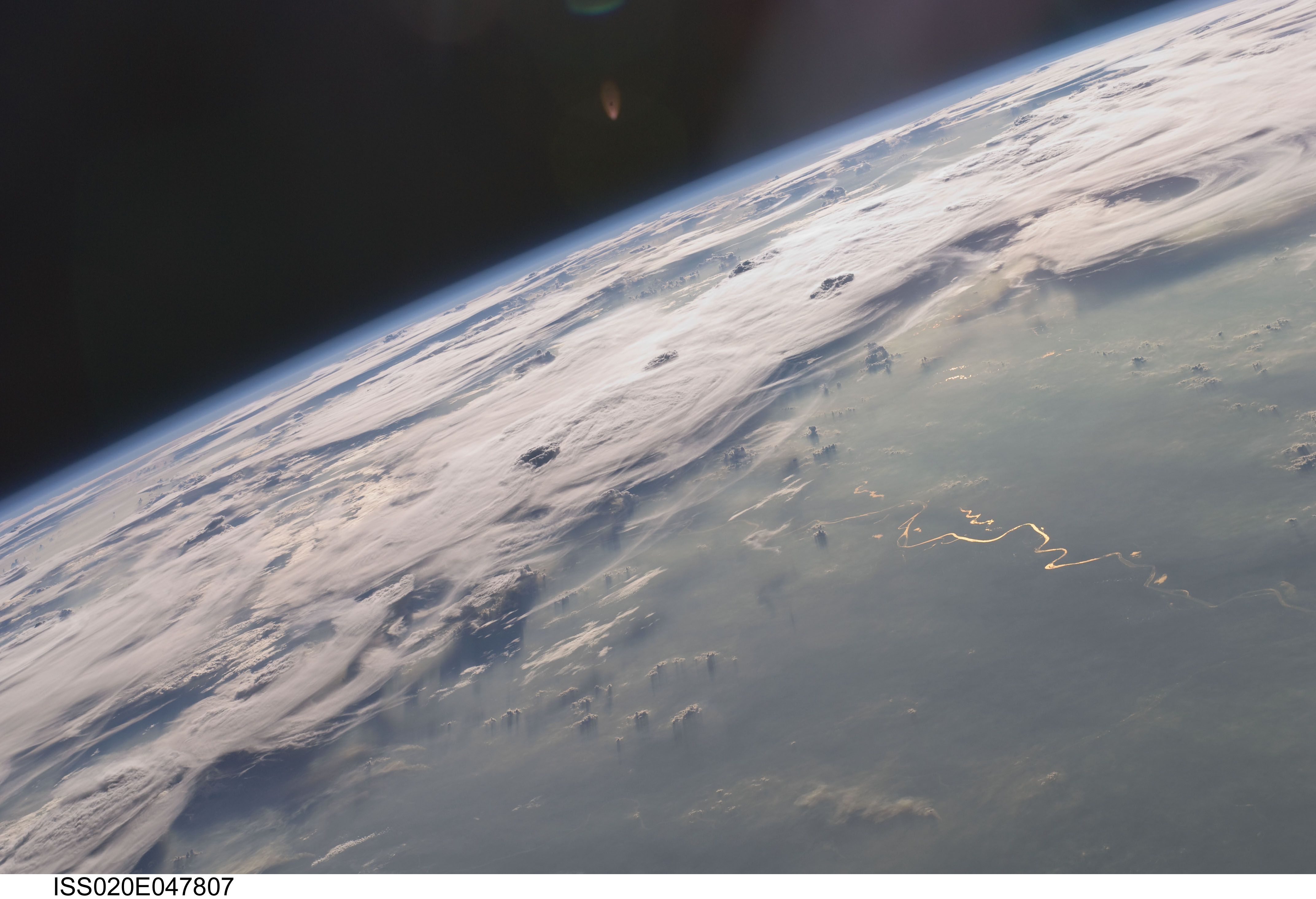
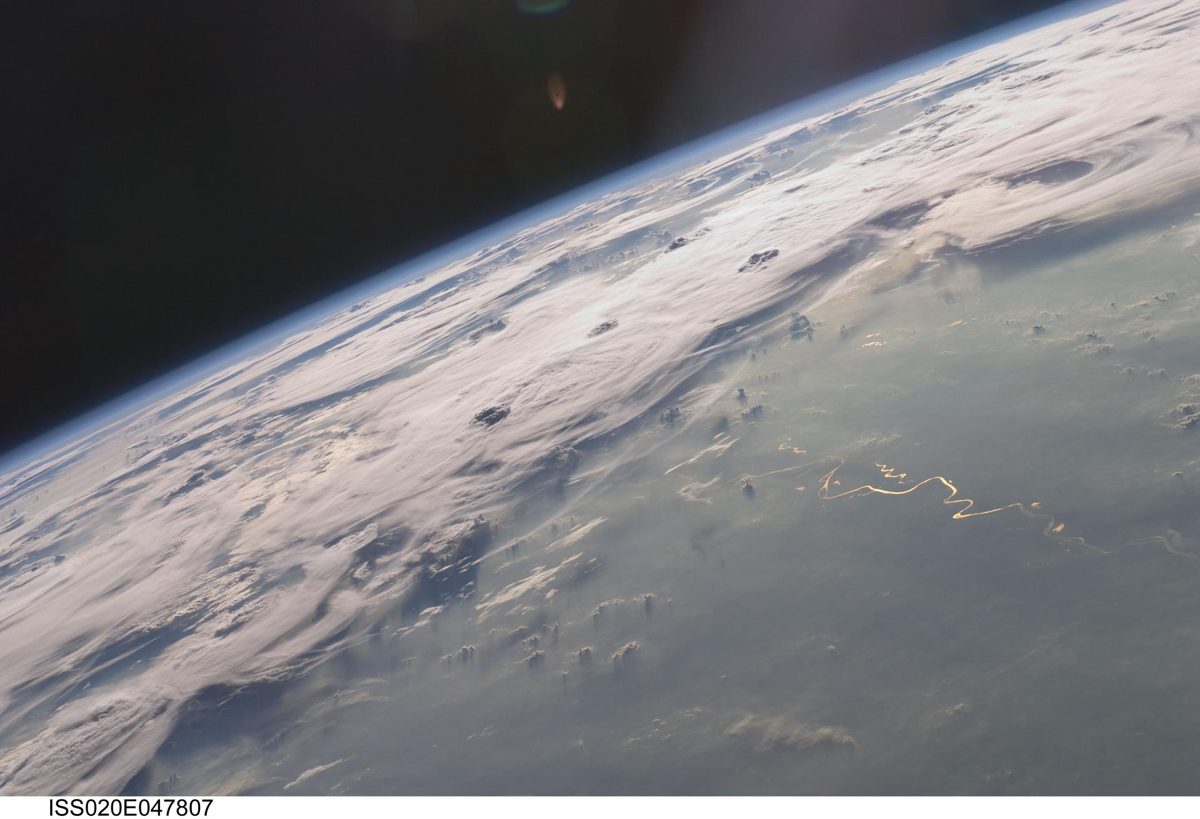
EarthCARE (ESA–JAXA) lleva el primer radar espacial de nubes capaz de medir cómo suben y bajan las partículas de las nubes.
Imagen: NASA.
Última revisión: 2 fuentes citadas
Explícamelo como si tuviera 10 años
- ¿Qué es? Un satélite con cuatro instrumentos, incluido el Una herramienta que envía ondas de radio y escucha sus ecos. Desde el espacio puede ver el suelo a través de las nubes, de día o de noche. Glosario Doppler de perfil de nubes de JAXA.
- ¿Por qué importa? Saber si las nubes calientan o enfrían el planeta afina los pronósticos climáticos.
Las cinco W de EarthCARE
Qué
Un satélite con cuatro instrumentos, incluido el radar Doppler de perfil de nubes de JAXA.
Fuente: ESA, EarthCARE
Cuándo
Lanzado el 29 de mayo de 2024 desde Vandenberg, California, en un Falcon 9.
Fuente: ESA, EarthCARE
Dónde
El camino curvo que sigue un objeto al girar alrededor de un planeta, una luna o una estrella, como un satélite alrededor de la Tierra. Glosario terrestre baja, trazando el perfil de la atmósfera bajo ella.
Fuente: ESA, EarthCARE
Por qué
Saber si las nubes calientan o enfrían el planeta afina los pronósticos climáticos.
Fuente: ESA, EarthCARE
Declaración de impacto
Solución de agencia · activa
Clouds and aerosols are among the hardest parts of the climate to measure. EarthCARE launched on May 29, 2024 with four instruments that measure them together.
Its JAXA Cloud Profiling Radar is the first spaceborne cloud radar with Doppler capability, measuring the vertical motion of cloud particles from orbit.
Fuente: ESA, EarthCARE
Fuente: JAXA, EarthCARE Cloud Profiling Radar
Para más información: ESA, EarthCARE
EarthCARE lleva el primer radar de nubes en el espacio capaz de medir a qué velocidad suben y bajan las partículas de las nubes.
¿Quieres saber más? ESA, EarthCARE tiene la historia completa y las últimas novedades.
 Más información
Soluciones relacionadas
Más soluciones como esta, relacionadas por significado.
Para docentes
Preguntas para debatir
- ¿Qué es EarthCARE (ESA–JAXA) y qué problema ayuda a resolver?
- ¿Quién está detrás de EarthCARE (ESA–JAXA) y dónde se realiza el trabajo?
- ¿Cómo ayuda EarthCARE (ESA–JAXA) a las personas y a la naturaleza? Usa un dato de esta página.
Las fuentes aparecen con cada dato en las 5 W de arriba.
Alineación con estándares
Estándares de EE. UU.: Next Generation Science Standards (NGSS) y Common Core. Texto oficial, en inglés.
- 5-ESS3-1 (Grado 3-5) Obtain and combine information about ways individual communities use science ideas to protect the Earth's resources and environment.
- MS-ESS3-2 (Grado 6-8) Analyze and interpret data on natural hazards to forecast future catastrophic events and inform the development of technologies to mitigate their effects.
- MS-ESS3-3 (Grado 6-8) Apply scientific principles to design a method for monitoring and minimizing a human impact on the environment.
- CCSS RST.6-8.1 (Grado 6-8) Cite specific textual evidence to support analysis of science and technical texts.
Citar esta página
APA
Saving Planets. (n.d.). EarthCARE (ESA–JAXA). https://www.savingplanets.com/EarthCARE.html
MLA
"EarthCARE (ESA–JAXA)." Saving Planets, https://www.savingplanets.com/EarthCARE.html.