Rare: Fish Forever
Rare’s Fish Forever program helps coastal communities manage their own fishing. After three years, target fish were stable or rising at 97% of sites.
✨ New solutionAdded
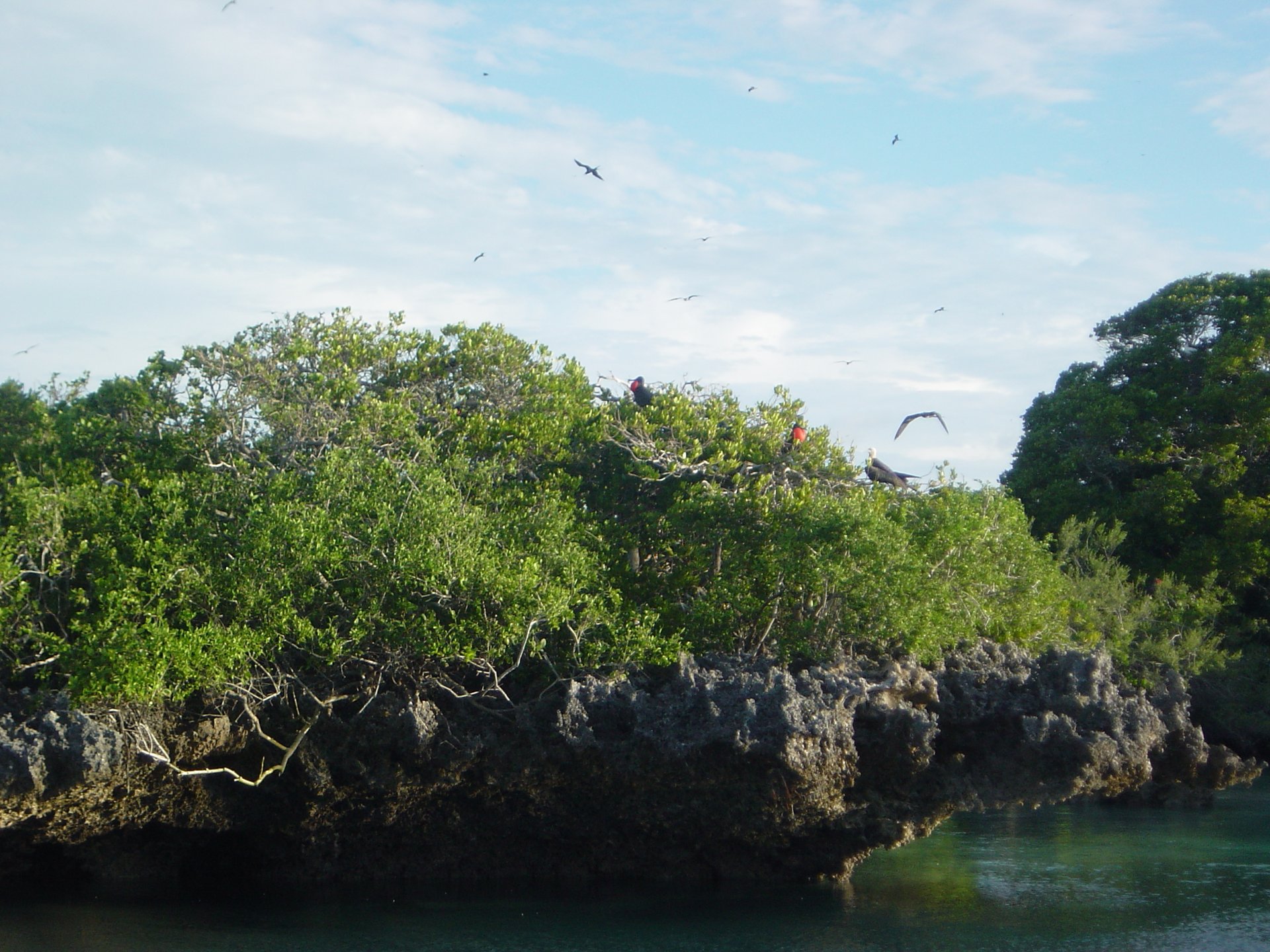
Image: Balairos Helton, via Wikimedia Commons (CC BY-SA 4.0). Fishing boats on Tañon Strait, Philippines. Photos on this page show Philippine coastal waters, not specific Rare sites.
Last reviewed: 2 sources cited
Explain Like I'm 10
- Too much fishing can empty the reefs near the coast.
- Rare helps fishing towns decide who can fish where, and sets aside reserves where no one fishes.
- Three years later, the fish were holding steady or coming back at almost every site.
The Five W's of Rare: Fish Forever
Who
Rare is a U.S. nonprofit. Its Fish Forever program works with coastal fishing communities in the Philippines, Indonesia and Brazil.
What
Communities set up managed-access areas, where local fishers have the right to fish, around fully protected reserves. Rare reports 60 such areas built or strengthened.
When
Rare’s review of 41 project sites looked at results after three years in the Philippines and Indonesia.
Where
The 60 managed-access areas cover 600,000 hectares of coastal waters, including 27,000 hectares of fully protected reserves.
Why
Catching fish faster than they can reproduce. Glossary near the coast threatens food and income. The program review covered about 260 communities, 35,000 fishers and 570,000 people.
Impact Statement
Nonprofit solution · active · New solution
After three years in the Philippines and Indonesia, targeted fish populations were stable or increasing at 97% of the sites.
Source: Rare, Fish Forever program results
Inside the reserves, coral cover remained stable or increased at 80% of the sites.
How This Improves Our Planet’s Health
Healthier reefs
Rare reports that coral cover remained stable or increased inside reserves at 80% of the sites, and targeted fish populations stayed stable or increased at 97%.
Source: Rare, Fish Forever program results
Room for the ocean to recover
27,000 hectares of fully protected reserves, about 80 New York Central Parks by Rare’s comparison, give fish a place to breed and grow.
Source: Rare, Fish Forever program results
For people
51 management bodies representing 259 communities were strengthened or set up to oversee their waters, and people reported more confidence in food and economic security.
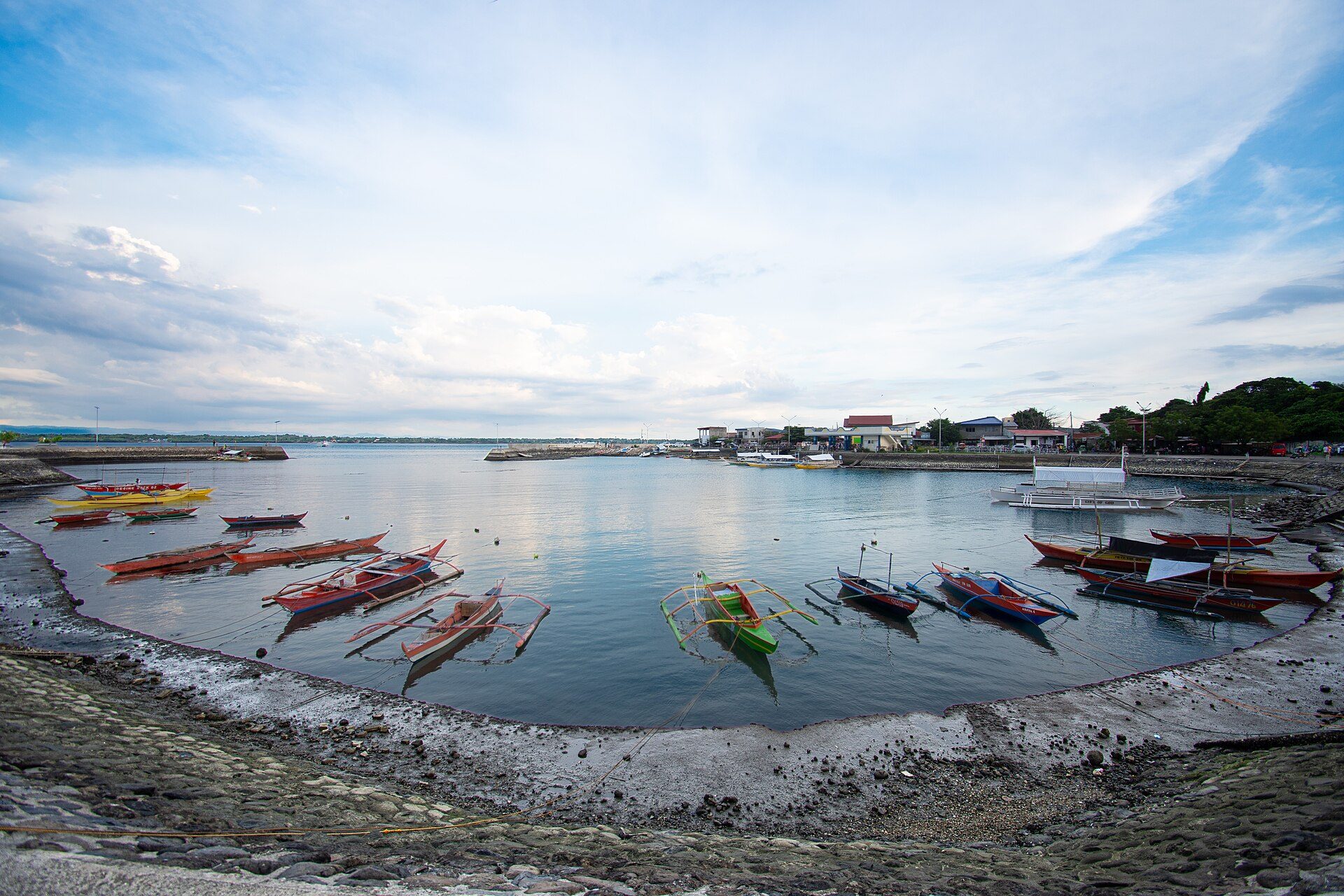
Image: Balairos Helton, via Wikimedia Commons (CC BY-SA 4.0). Fishing boats on Tañon Strait, Philippines. Photos on this page show Philippine coastal waters, not specific Rare sites.
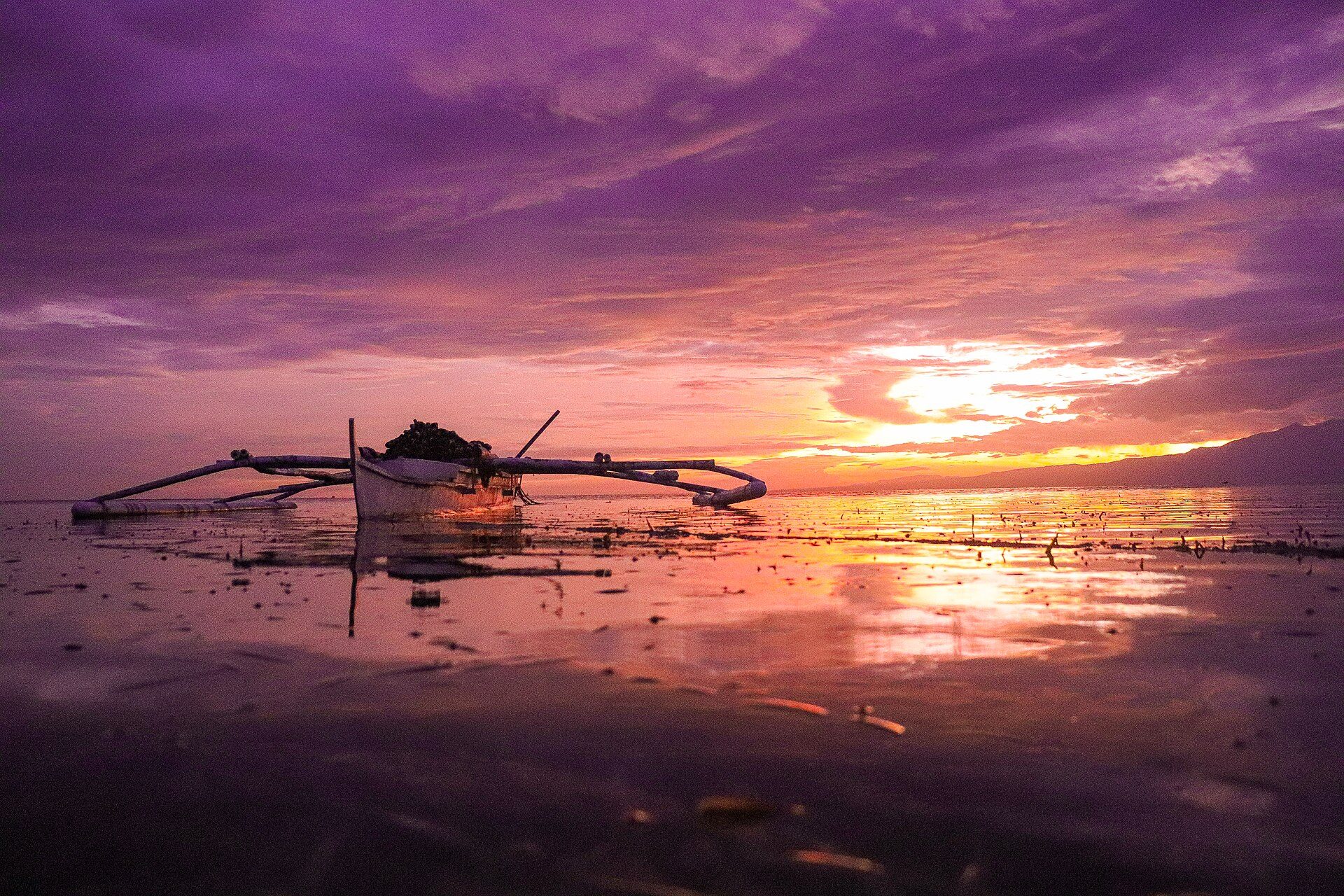
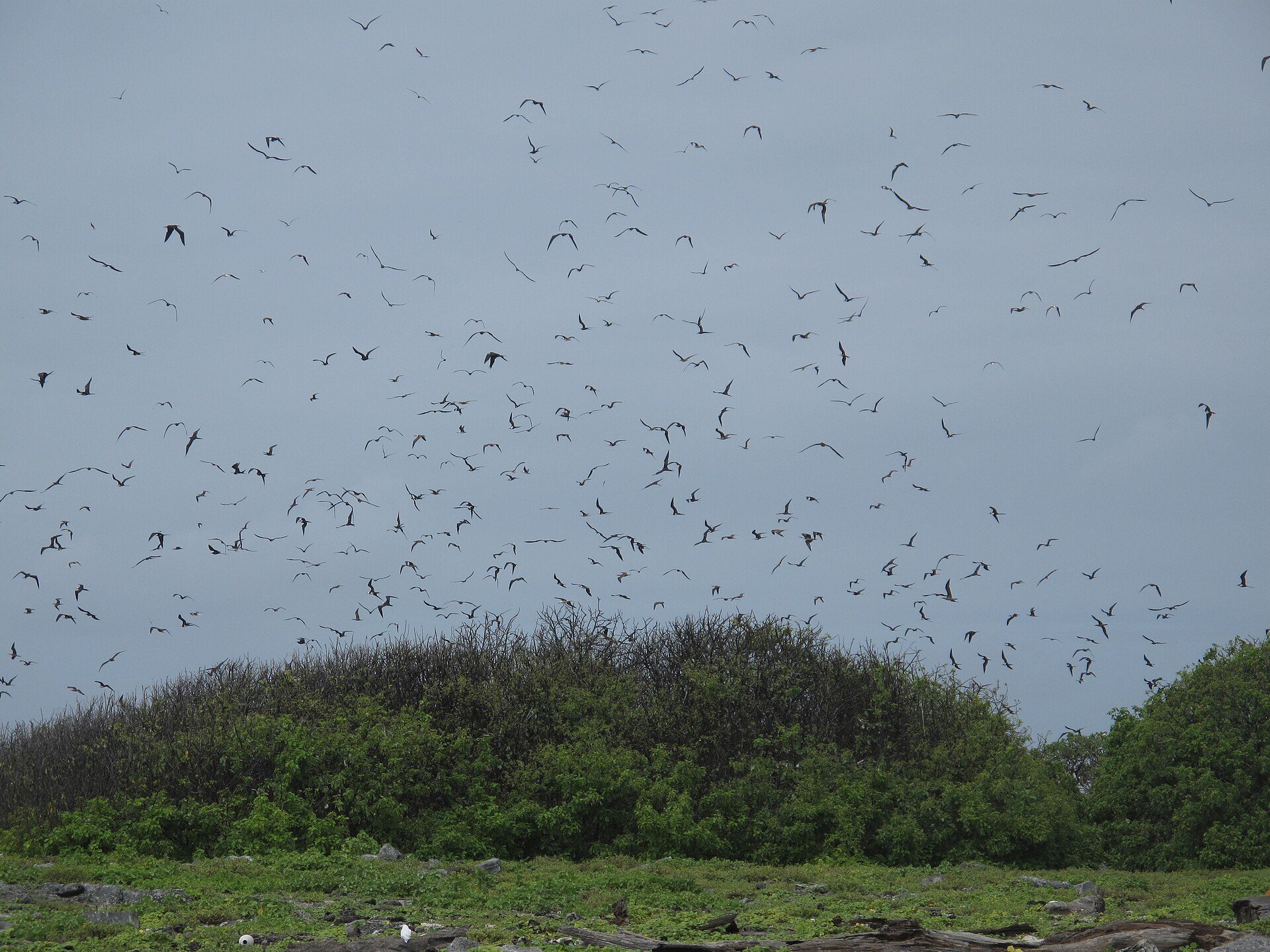
Image: Jerche Amada, via Wikimedia Commons (CC BY-SA 4.0).
Support Rare
Last reviewed: 2 sources cited How we check a Donate link
Donations go to Rare, not to Saving Planets.
DonateRelated Solutions
More solutions like this one, matched by meaning.
Help This Work
Charity Navigator lists Rare (EIN 23-7380563) as a Four-Star charity. The Donate button goes to Rare’s own page. Saving Planets does not receive any of the money. Source: Charity Navigator, Rare.