PUNCH (NASA)
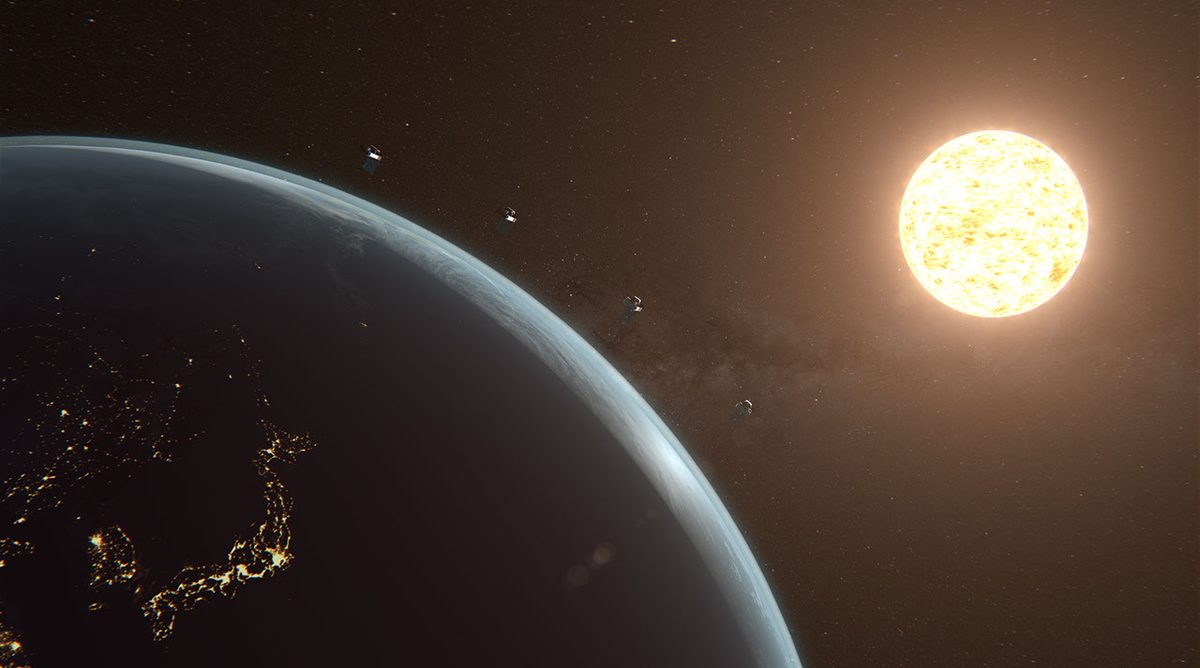
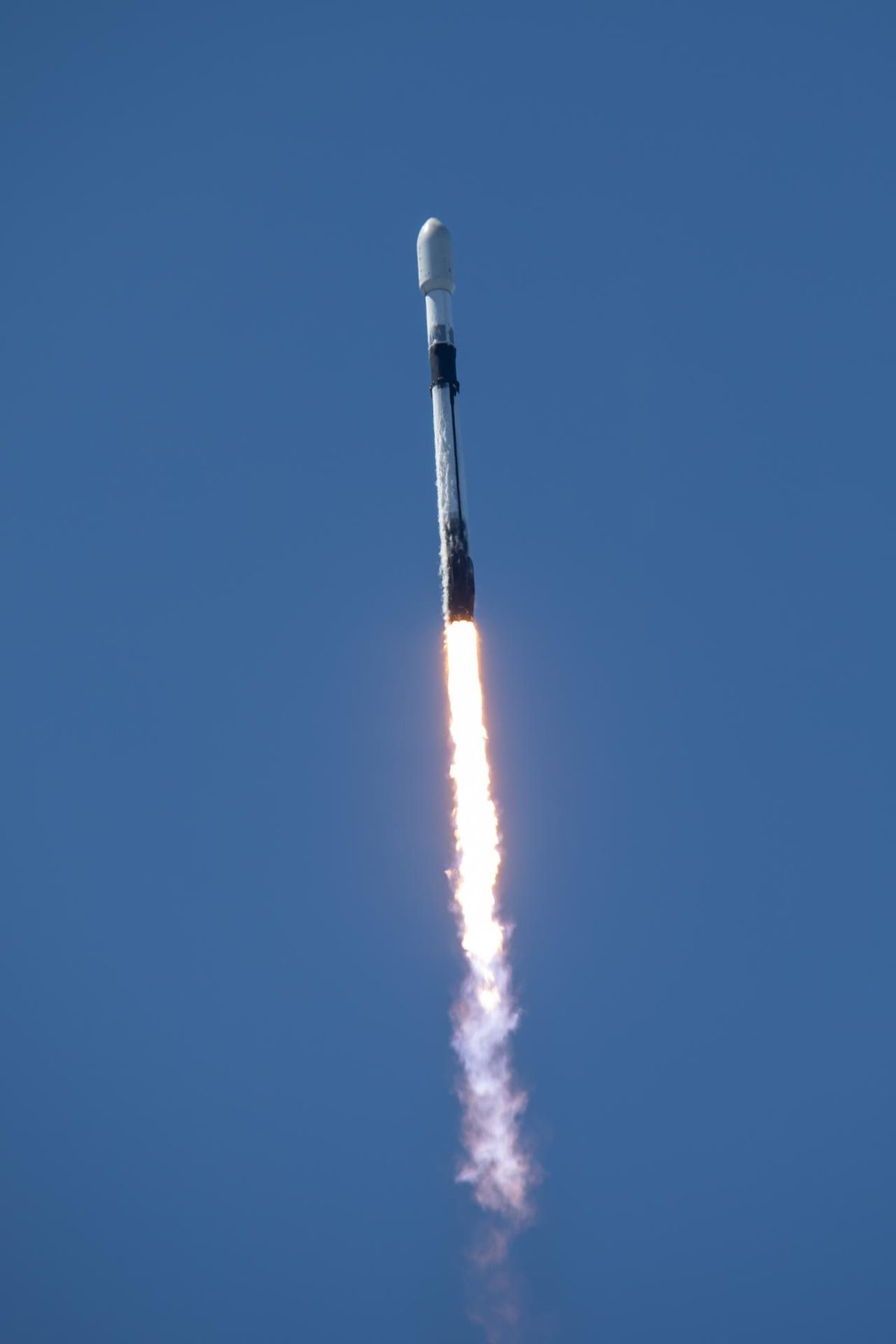
Four suitcase-sized NASA satellites image the Sun's corona and solar wind together, in 3D, since March 2025.
Image: NASA.
Last reviewed: 1 source cited
Explain Like I'm 10
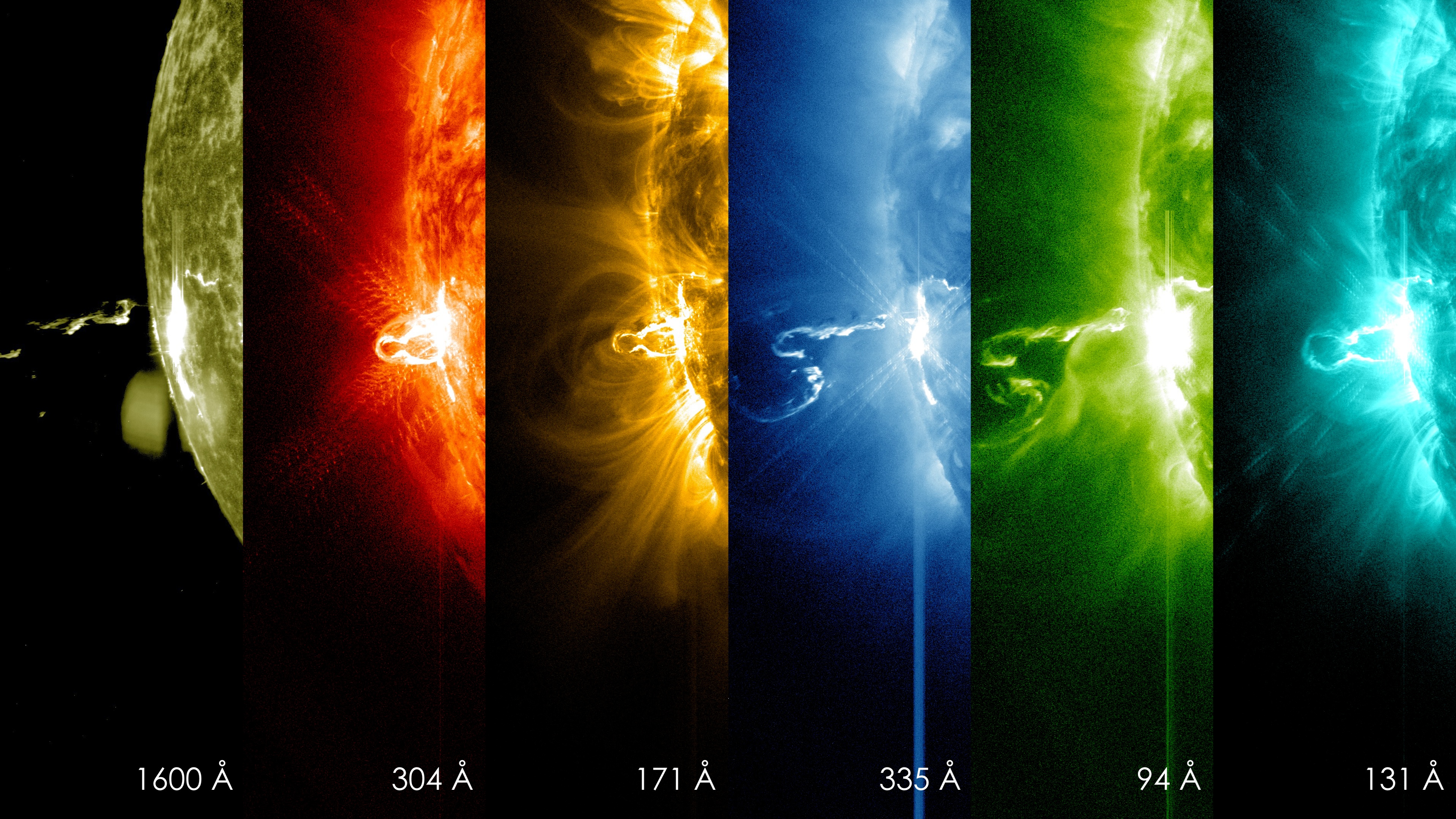
- What is it? Four suitcase-sized satellites making 3D images of the corona and A steady stream of charged particles flowing out from the Sun in every direction. Glossary.
- Why does it matter? To learn how the Sun's corona becomes the solar wind that reaches Earth.
The Five W's of PUNCH
What
Four suitcase-sized satellites making 3D images of the corona and solar wind.
Source: NASA, PUNCH
Where
Low Earth The curved path an object takes as it travels around a planet, moon or star, like a satellite circling Earth. Glossary, watching the inner heliosphere.
Source: NASA, PUNCH
Impact Statement
Agency solution · active
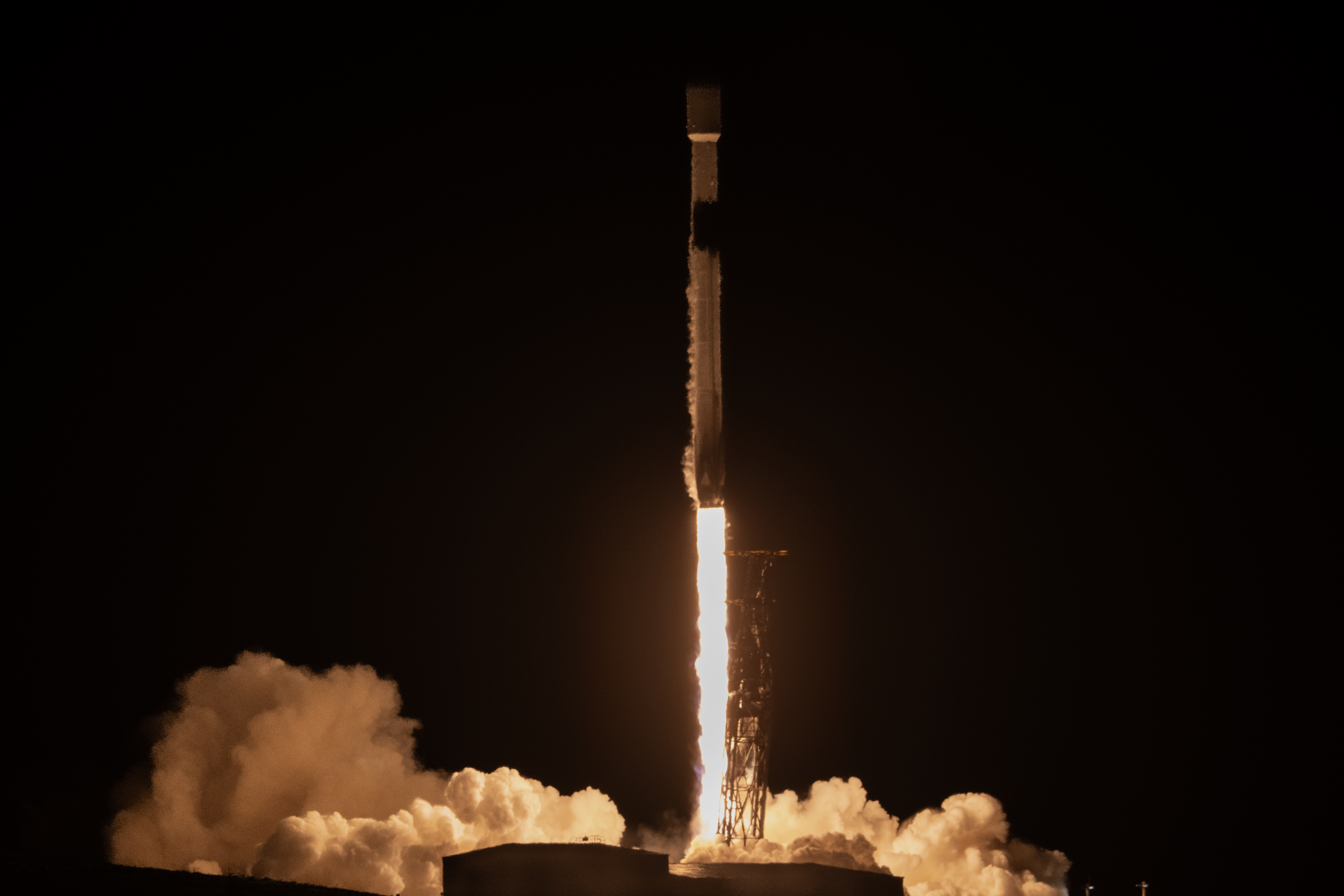
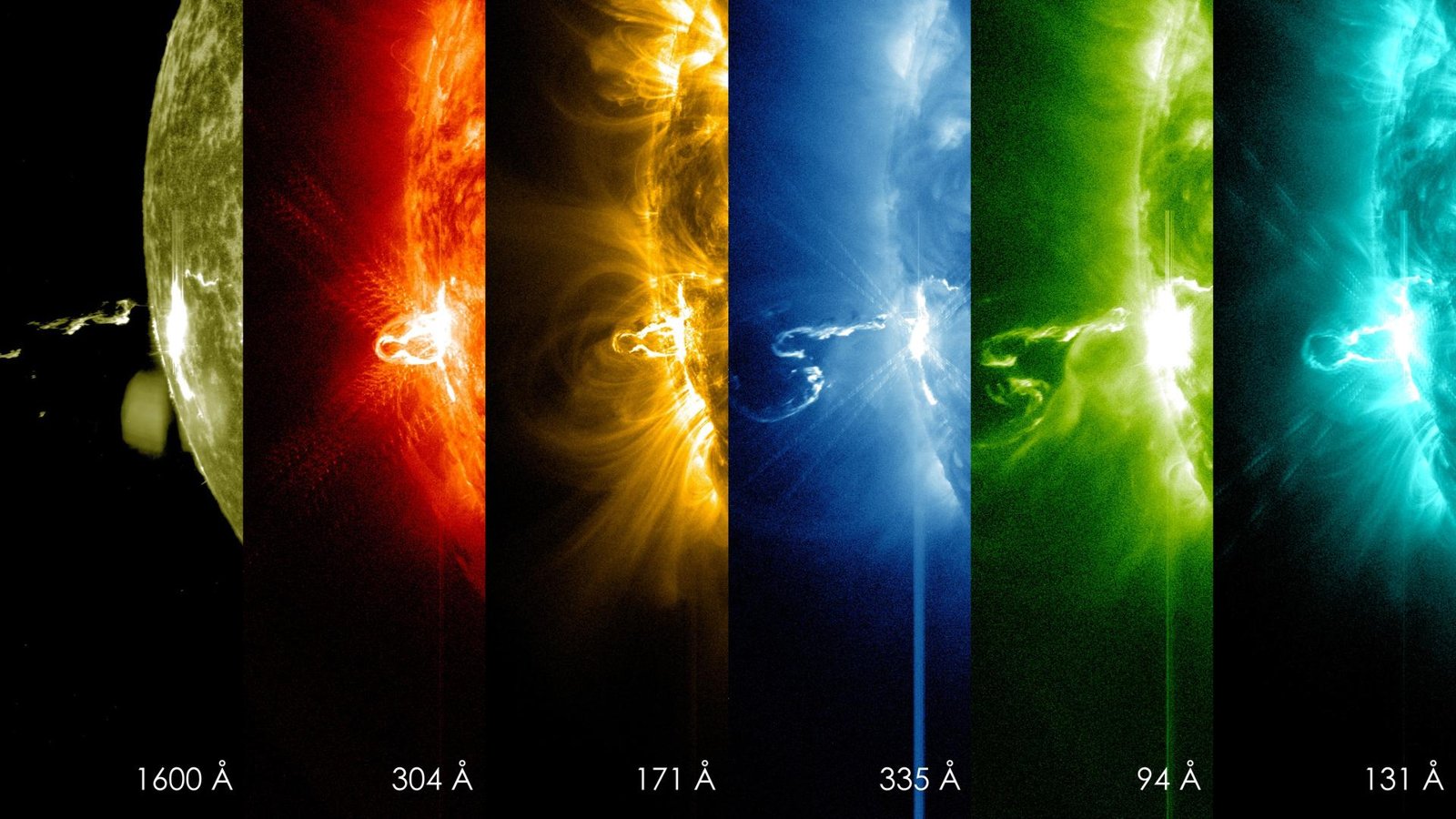
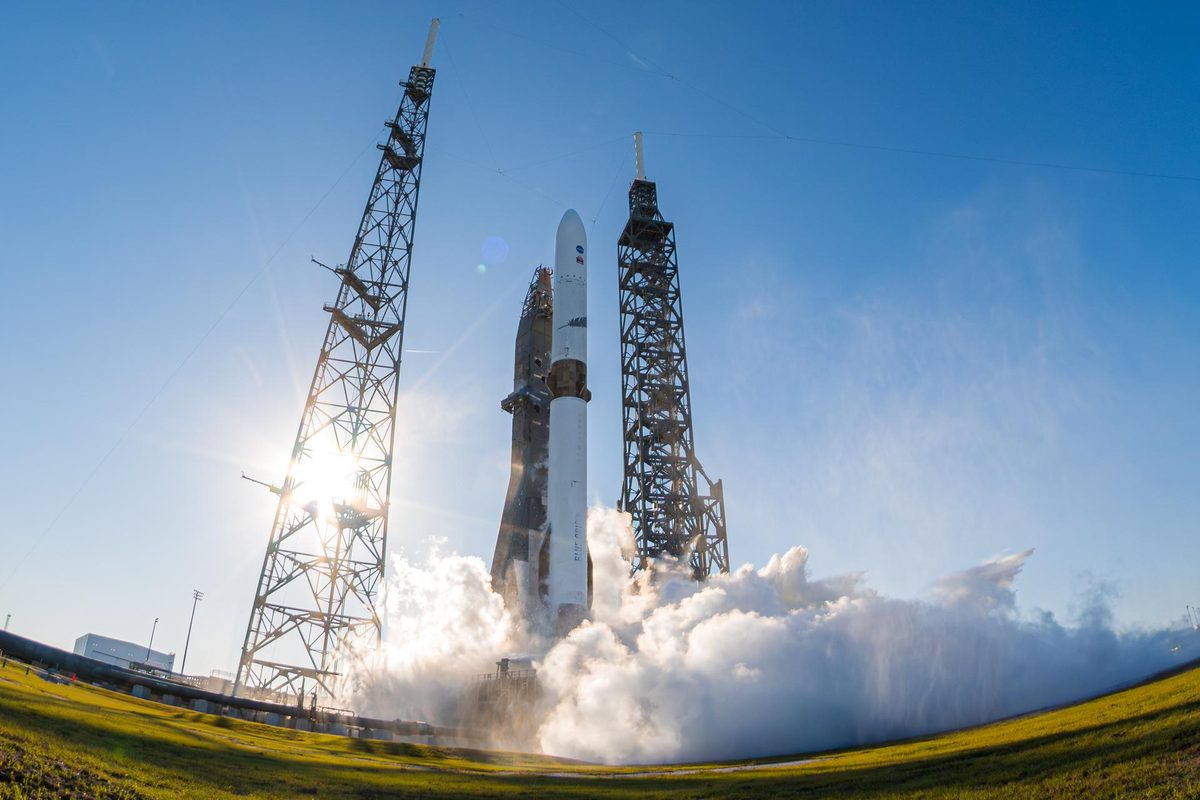
NASA's PUNCH (Polarimeter to Unify the Corona and Heliosphere) is a constellation of four small satellites in low Earth orbit, launched March 11, 2025. Together they make global, 3D observations of the Sun's corona to learn how its mass and energy become the solar wind that fills the solar system, treating the Sun, solar wind and Earth as one connected system.
Source: NASA, PUNCH
Better understanding of the solar wind improves the space weather forecasts that protect satellites and power grids.
Want to go deeper? NASA, PUNCH has the full story and the latest updates.
 For Further Information
Related Solutions
More solutions like this one, matched by meaning.
Help This Work
NASA doesn't take donations, but anyone can join one of its citizen science projects.
For Teachers
Discussion questions
- What is PUNCH (NASA), and what problem does it help solve?
- Who is behind PUNCH (NASA), and where does the work happen?
- How does PUNCH (NASA) help both people and nature? Use one fact from this page.
Sources are listed with each fact in the Five W's above.
Standards Alignment
U.S. Next Generation Science Standards (NGSS) and Common Core. Official text, in English.
- MS-ESS3-2 (Grade 6-8) Analyze and interpret data on natural hazards to forecast future catastrophic events and inform the development of technologies to mitigate their effects.
- CCSS RST.6-8.1 (Grade 6-8) Cite specific textual evidence to support analysis of science and technical texts.
Cite This Page
APA
Saving Planets. (n.d.). PUNCH (NASA). https://www.savingplanets.com/PUNCH.html
MLA
"PUNCH (NASA)." Saving Planets, https://www.savingplanets.com/PUNCH.html.