The GLOBE Program
The Global Learning and Observations to Benefit the Environment (GLOBE) Program is an international science program that provides the public worldwide with the opportunity to participate in data collection and the scientific process, and contribute meaningfully to our understanding of the Earth system and global environment.
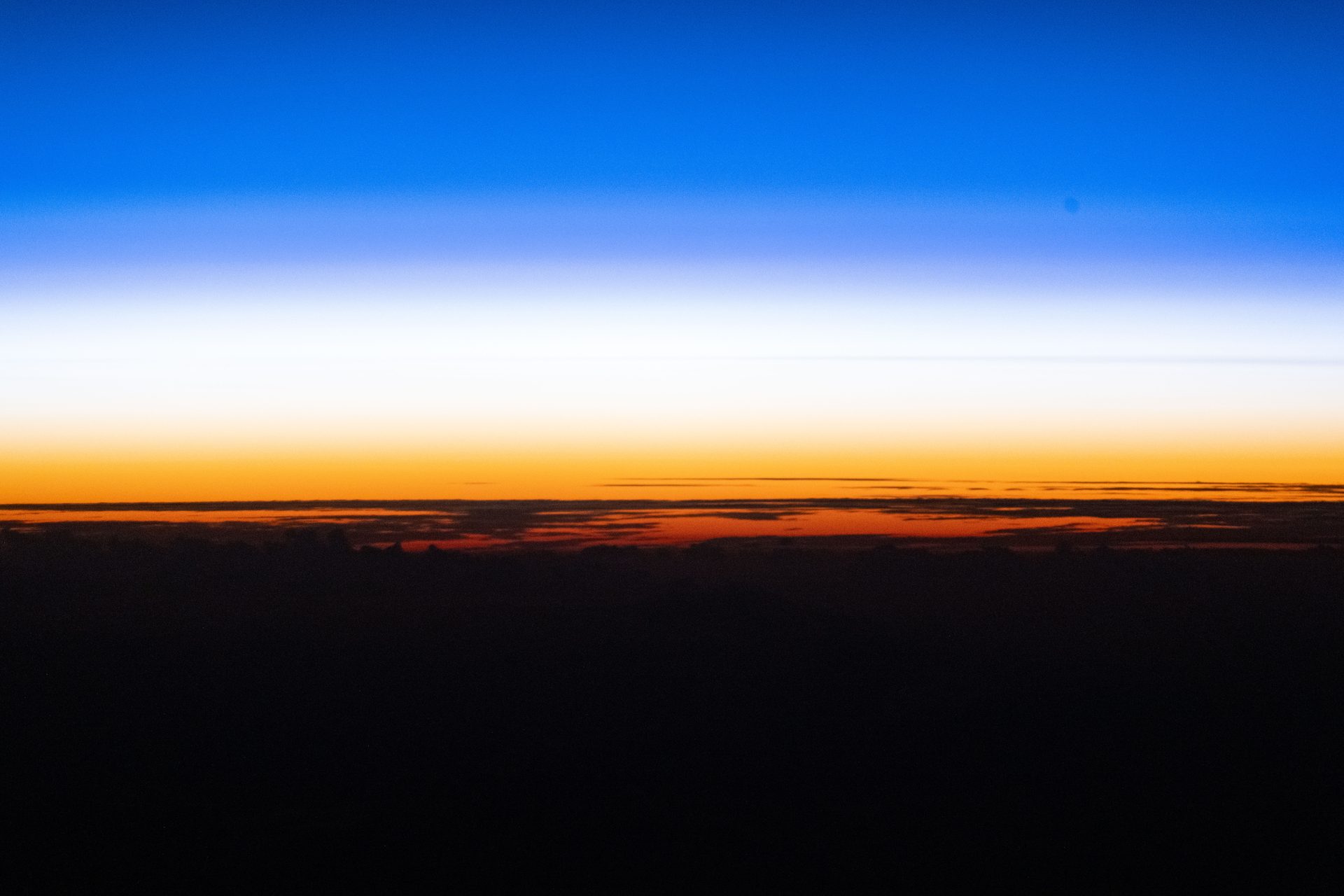
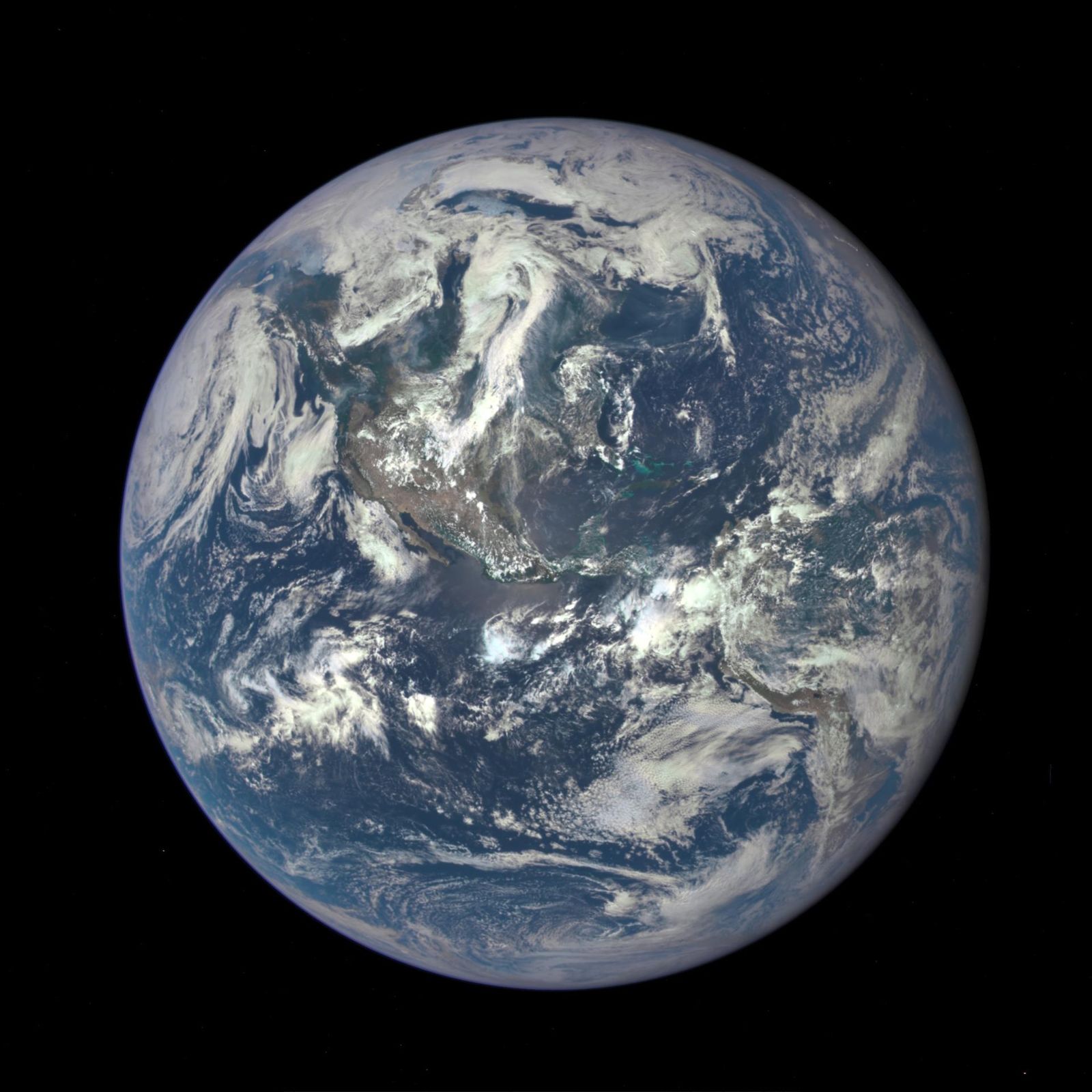
Image: NASA (ISS074-E-0046371, Jan. 3, 2026).
Last reviewed: 19 sources cited
Explain Like I'm 10
- GLOBE lets kids and grown-ups do real science outside.
- You look at clouds, trees or soil and send what you see with an app.
- Scientists use your measurements to understand our planet.
How This Saves People & the Planet
For People
Students learn science by doing it, measuring their own environment and contributing to real research (GLOBE).
Source: The GLOBE Program
For Nature
GLOBE Observer volunteers report clouds, trees, land cover and mosquito habitats, and scientists can request and use these observations (GLOBE Observer).
Source: GLOBE Observer
From the ground to satellites
GLOBE Satellite Match connects volunteers' ground observations with satellite data collected at the same time and place. Satellites look down on the whole planet. Ground observations help with what that view can miss, including thin cirrus, white clouds over snow, and fine surface detail.
GLOBE currently matches two kinds of observations.
- Clouds observations are matched to GOES, Meteosat, and Himawari, and to low-Earth-orbit missions such as PACE, NOAA-20 (JPSS), and the broader Earth Observing System constellation.
- Land Cover photographs and classifications are matched to Landsat 8 and 9 (30-meter images) and to Sentinel-2 (10-meter images).
A volunteer who times an observation to a satellite pass can receive a personalized NASA Satellite Comparison email that places their view beside the satellite view.
GLOBE says volunteers can support PACE science by observing clouds when PACE is overhead. The same page says volunteers can contribute to NISAR studies of agriculture and snow through the Land Cover protocol, take part in SWOT science by observing land cover and lake levels, and support EMIT science by documenting snow color with the Land Cover protocol. That page also lists Artemis III, ECOSTRESS, and TEMPO.
Saving Planets pages for the missions and satellite families GLOBE names above:
Sources: Connecting GLOBE to Satellite Data · NASA Mission Connections
GLOBE protocols by Earth sphere
GLOBE groups its data-collection protocols by Earth sphere. Each page below is GLOBE's own list of measurements and learning activities.
- Atmosphere — aerosols, air temperature, clouds, precipitation, and related measurements
- Biosphere — biometry, land cover, green-up and green-down, and phenology
- Hydrosphere — water temperature, transparency, pH, dissolved oxygen, and related measurements
- Pedosphere (soil) — soil characterization, moisture, temperature, pH, and related measurements
- Earth as a System — bundles such as weather, the water cycle, mosquitoes, oceans, rivers and lakes, and soils
Since December 2025, a GLOBE member completes one training for each protocol before entering data for that protocol. The training can be a review of the field guide, a Data Collection eTraining where GLOBE offers one, a full Protocol eTraining and assessment, or a GLOBE workshop. Introduction to GLOBE is optional.
Sources: GLOBE Protocols · GLOBE eTraining
Official GLOBE resources
These links are GLOBE's own teaching pages. The discussion questions and the standards list later on this page were prepared for Saving Planets.
- A Guide Between the GLOBE Program and the Next Generation Science Standards (NGSS) (PDF)
- Elementary GLOBE, storybook modules for grades K-4
- GLOBE Learning Activities
- GLOBE Educator Resources
Sources: GLOBE Educator Resources · Elementary GLOBE · GLOBE Learning Activities
A note for Hawaiʻi classrooms
On November 10, 2026, the GLOBE Hawaiʻi territory page showed 93 schools and informal education organizations, 1,055 students, 77 educators, 104 GLOBE Observers, and 10,477 data entries.
A Pacific classroom can start with Clouds. GLOBE matches Clouds observations to Himawari, and also to GOES and Meteosat. GLOBE says children under the age of 13 should be supervised by an adult.
Sources: GLOBE Hawaii · Connecting GLOBE to Satellite Data · Get the App
Get Involved With GLOBE
Want to go deeper? The GLOBE Program has the full GLOBE story.
 For Further Information
Related Solutions
More solutions like this one, matched by meaning.
Help This Work
This is a public mission, so there is nothing to donate. You can explore its free data or join a citizen science project.