Artemis Program
From the first uncrewed test flight in 2022 to Artemis II, the farthest humans have traveled, and the Moon missions still to come.
Watch: The Farthest Humans Have Gone
Transcript
What you see: Visuals created by the Founder and SI: the words 252,756 miles over stars, Earth through a spacecraft window, a spacecraft passing Earth, then the savingplanets.com end card.
What you hear:
This is the farthest any human has ever been from home.
On April 6, 2026, NASA's Artemis II crew reached 252,756 [unclear] Moon.
It was us.
Every voyage outward teaches us how precious home is.
Last reviewed: 26 sources cited
Spotlight: Artemis III
NASA target: 2027 · Crewed demonstration in low Earth orbit
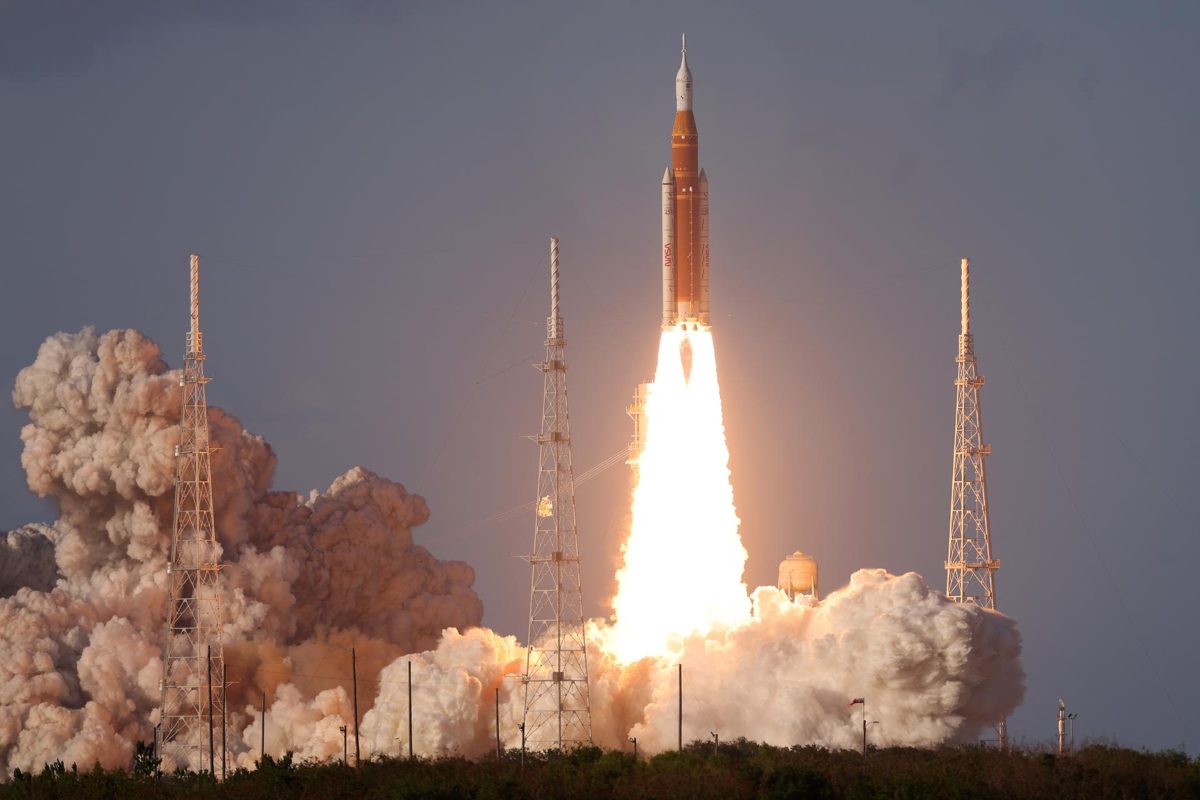
Artemis III will carry out a series of objectives in low Earth The curved path an object takes as it travels around a planet, moon or star, like a satellite circling Earth. Glossary designed to demonstrate critical systems needed for future lunar landings, beginning with Artemis IV. NASA's SLS rocket will launch four crew members aboard Orion from Kennedy Space Center in Florida.
- Mission type: crewed demonstration; launch 2027 (NASA target, as of October 2026); crew of 4.
- Objective: demonstrate critical systems for lunar landing.
- Highlight: During a planned 14-day mission in Earth orbit, Orion will dock first with a test version of Blue Origin's Blue Moon lander, then with a test version of SpaceX's Starship.
- Also planned: integrated checks of life support, communications and propulsion, and tests of the new xEVA spacesuits.
- Crew: Randy Bresnik (NASA, commander), Luca Parmitano (ESA, pilot), Andre Douglas and Frank Rubio (NASA, mission specialists).
Source: NASA, Artemis III mission
Source: NASA, Artemis architecture update
Source: NASA, Artemis III crew
Artemis Program Tracker
Last updated October 26, 2026. Dates are NASA targets and shift. Data (JSON)
Artemis I · Flown
Goal: Test the rocket, spacecraft and ground systems without a crew.
Crew: None (uncrewed).
Hardware: SLS rocket and Orion spacecraft (uncrewed).
Source: NASA, Artemis I
Artemis II · Flown
Goal: Prove Orion and SLS with a crew aboard.
Crew: Reid Wiseman (NASA, Commander), Victor Glover (NASA, Pilot), Christina Koch (NASA, Mission Specialist), Jeremy Hansen (CSA, Mission Specialist)
Hardware: SLS rocket and Orion spacecraft.
Source: NASA, Artemis II crew back on Earth
Source: NASA, Artemis II distance record
Artemis III · NASA Target: 2027
Goal: Demonstrate Critical Systems for Lunar Landing
Crew: Randy Bresnik (NASA, Commander), Luca Parmitano (ESA, Pilot), Andre Douglas (NASA, Mission Specialist), Frank Rubio (NASA, Mission Specialist)
Hardware: SLS, Orion, and test versions of both human landing systems: Blue Origin Blue Moon Mark 2 and SpaceX Starship (company-built, NASA contracts).
Source: NASA, Artemis III mission
Source: NASA, Artemis III mission plan (Oct 2026)
Source: NASA, Artemis III crew
Artemis IV · NASA Target: Early 2028
Goal: Land two astronauts near the lunar South Pole for about a week of science.
Crew: Not yet announced.
Hardware: SLS (standardized configuration from Artemis IV), Orion docking with a commercial human landing system in lunar orbit. Gateway is not listed in NASA's February 2026 plan update.
Source: NASA, Artemis IV
Artemis V · NASA Target: Late 2028
Goal: An additional astronaut landing on the Moon.
Crew: Not yet announced.
Hardware: SLS, Orion and a commercial human landing system (per NASA's plan).
Moments in History
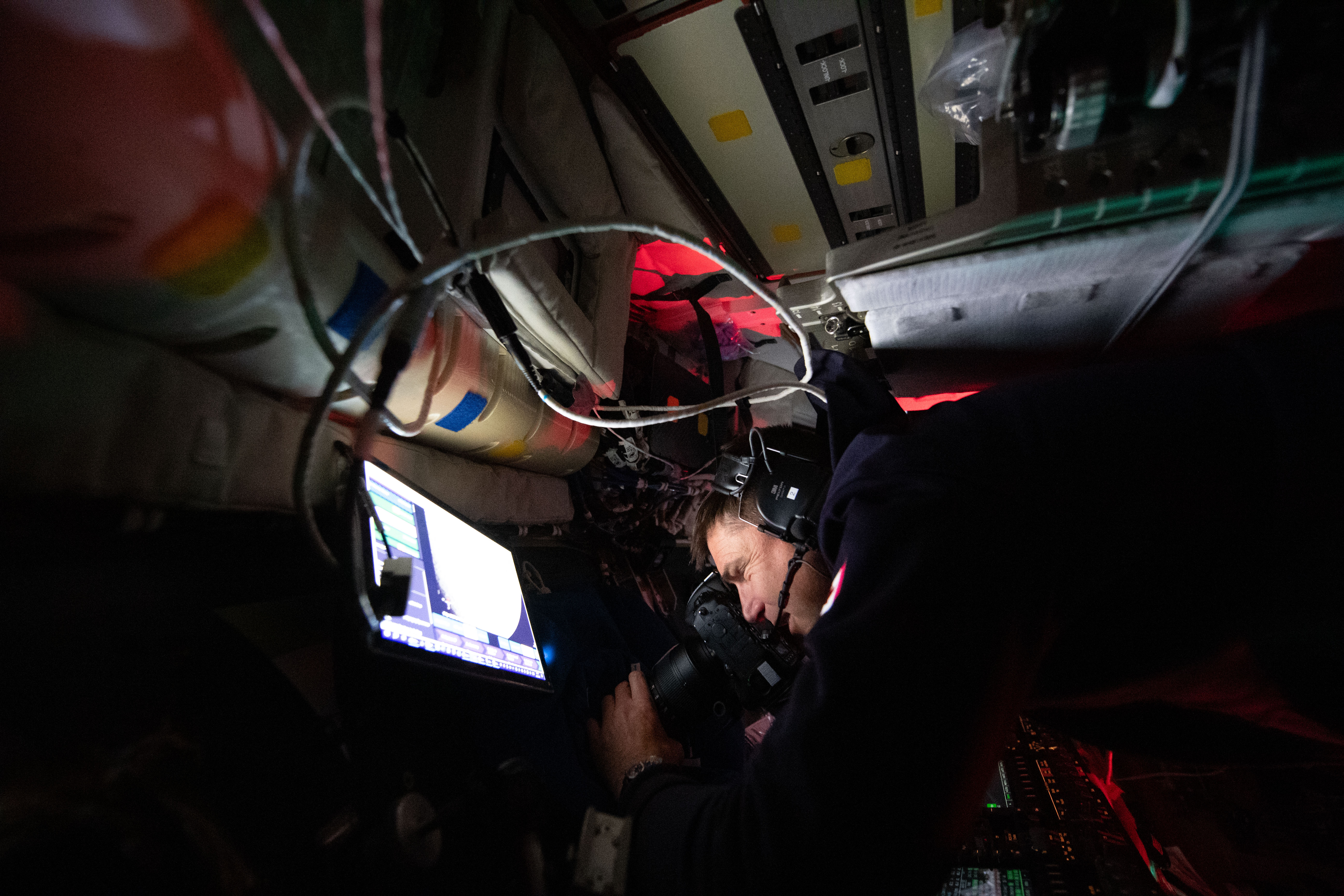
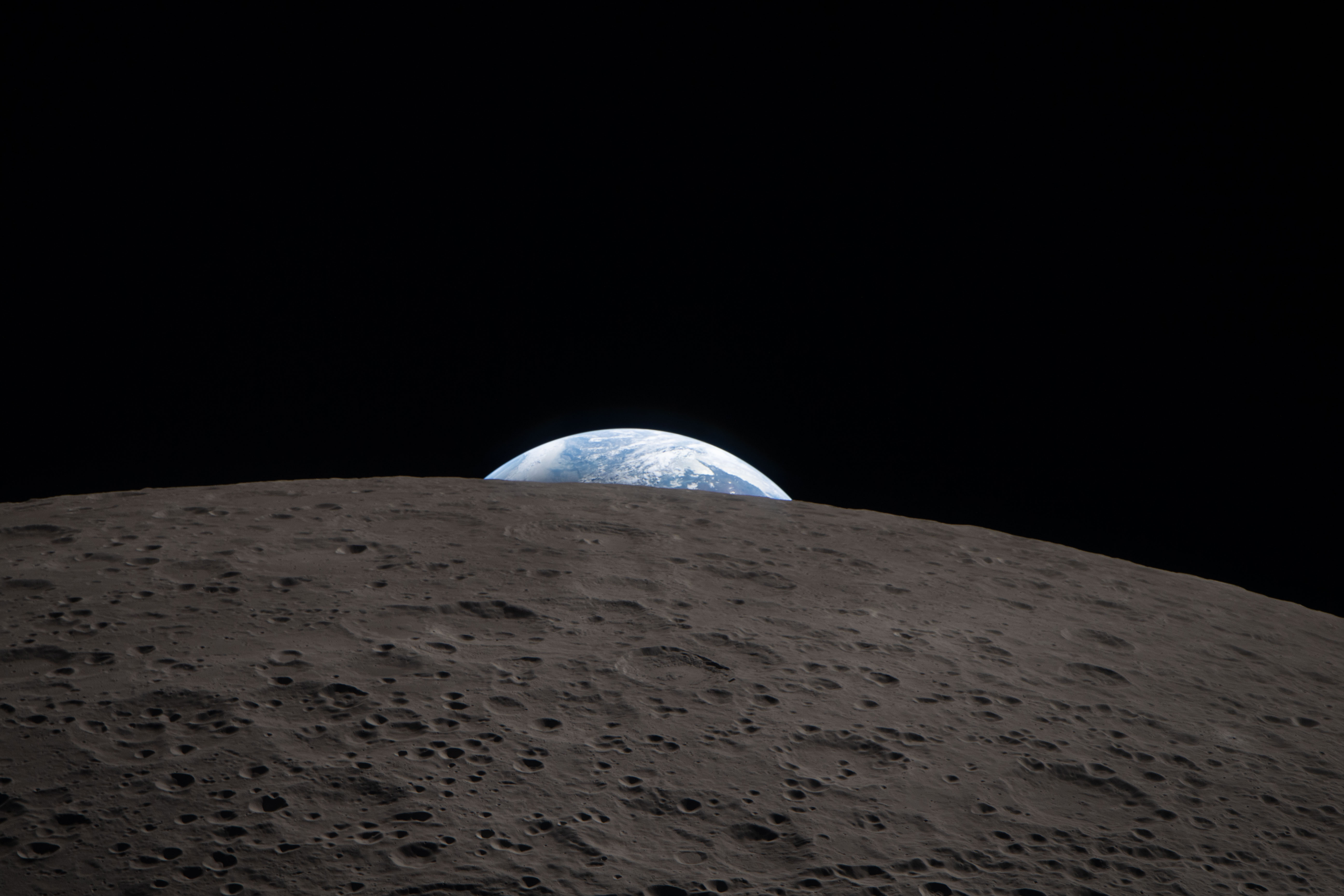
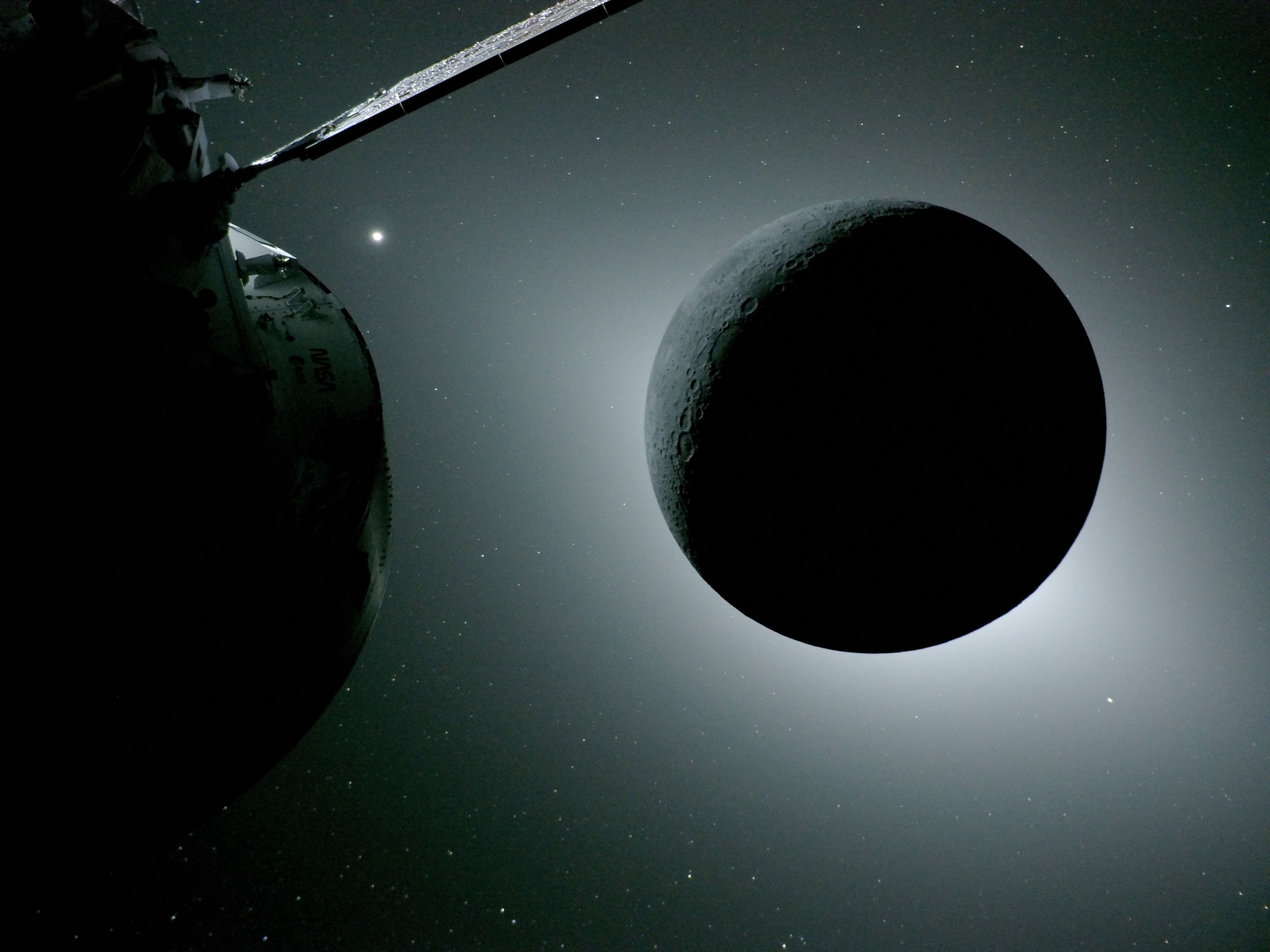
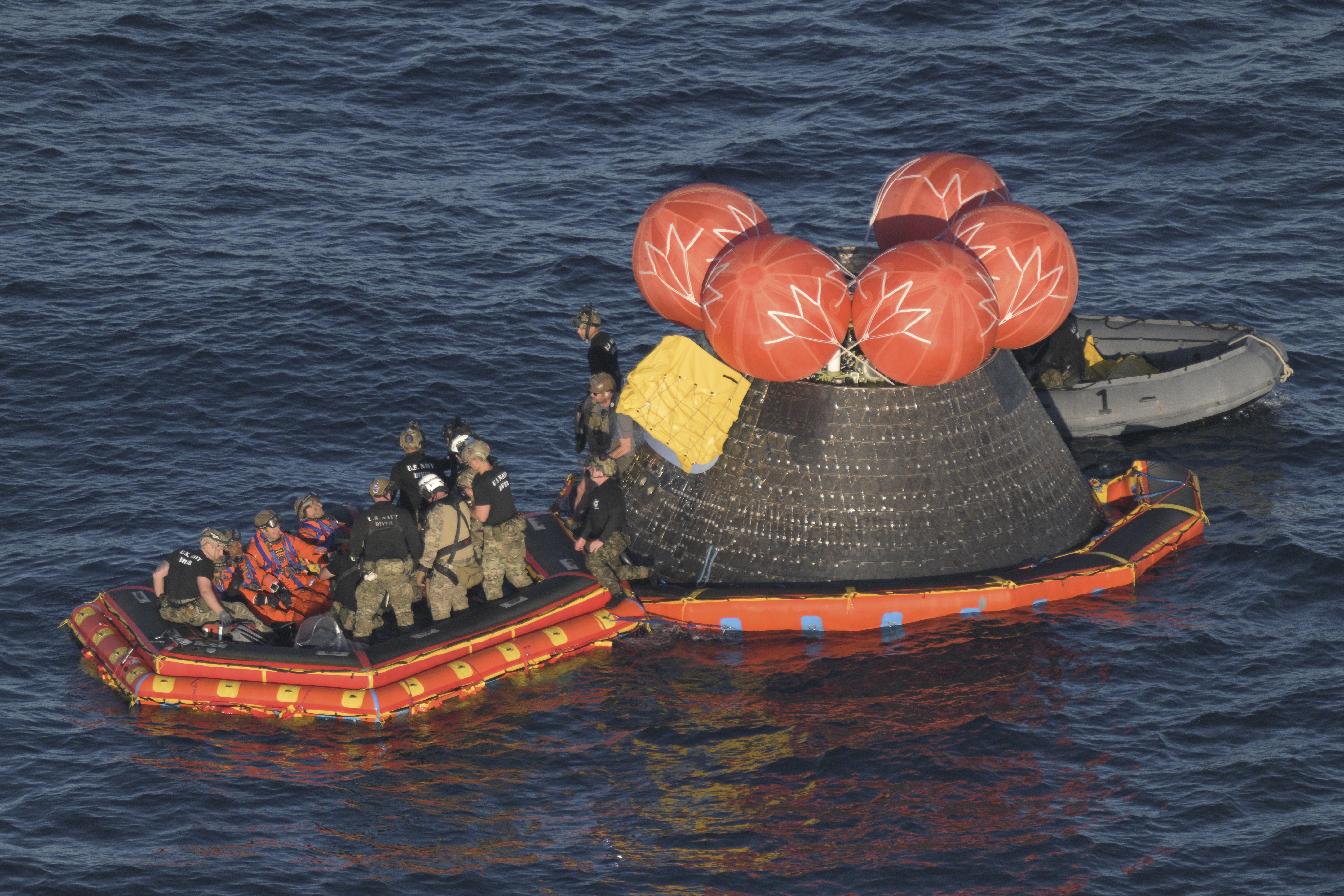
NASA photos from the two flown missions. Tap a photo to open the full-resolution original.
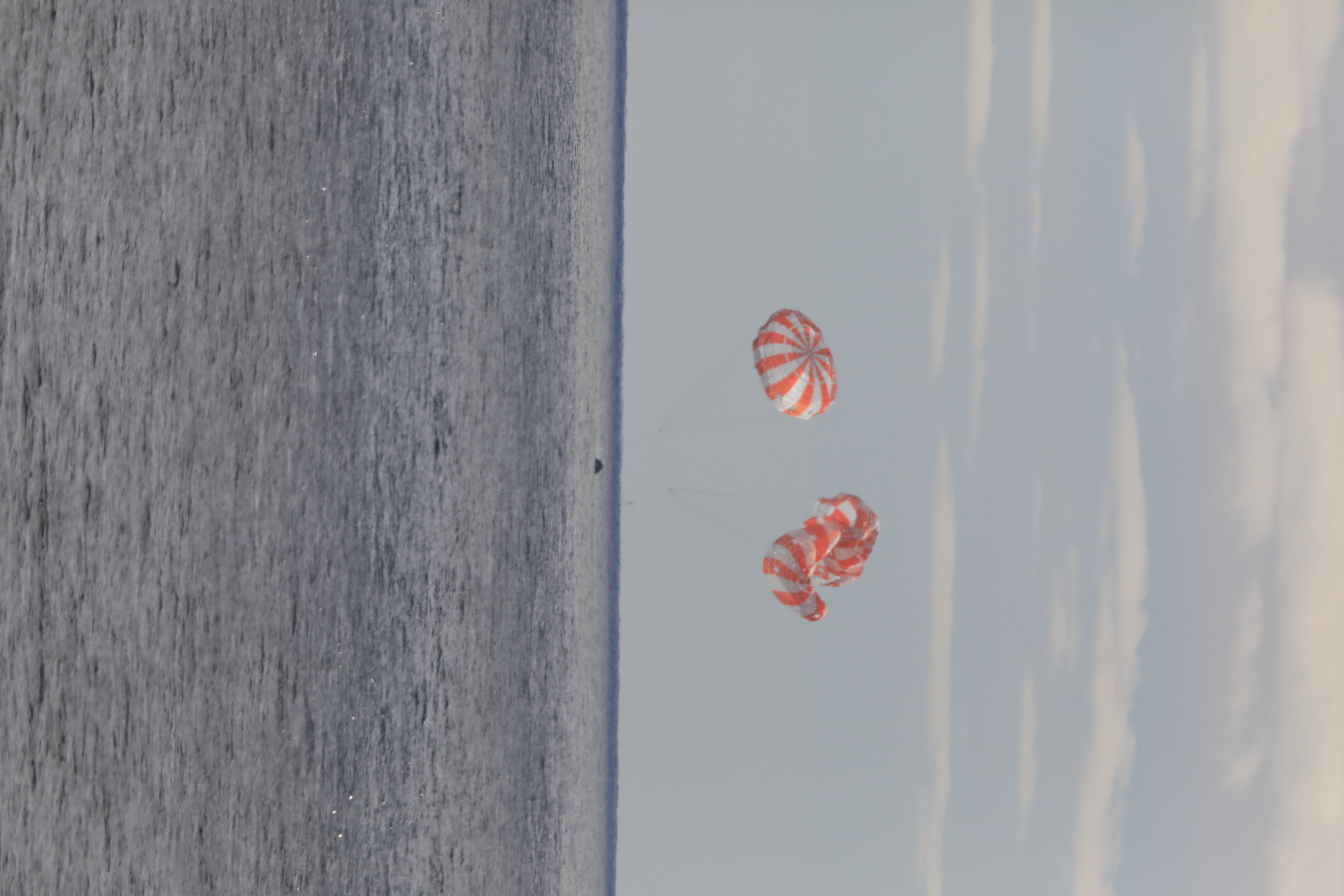
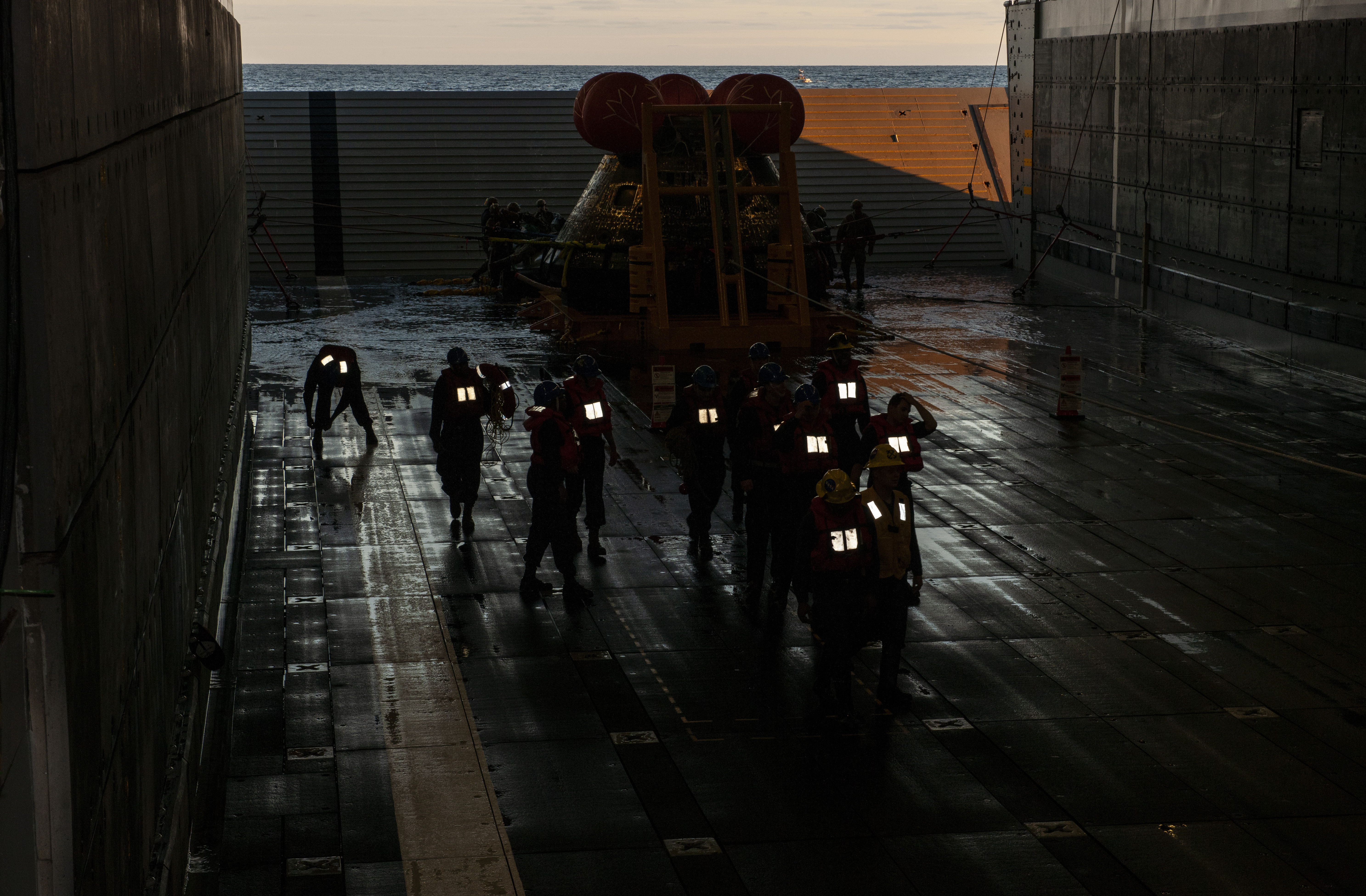
Artemis I · Uncrewed test flight · Nov. 16 to Dec. 11, 2022
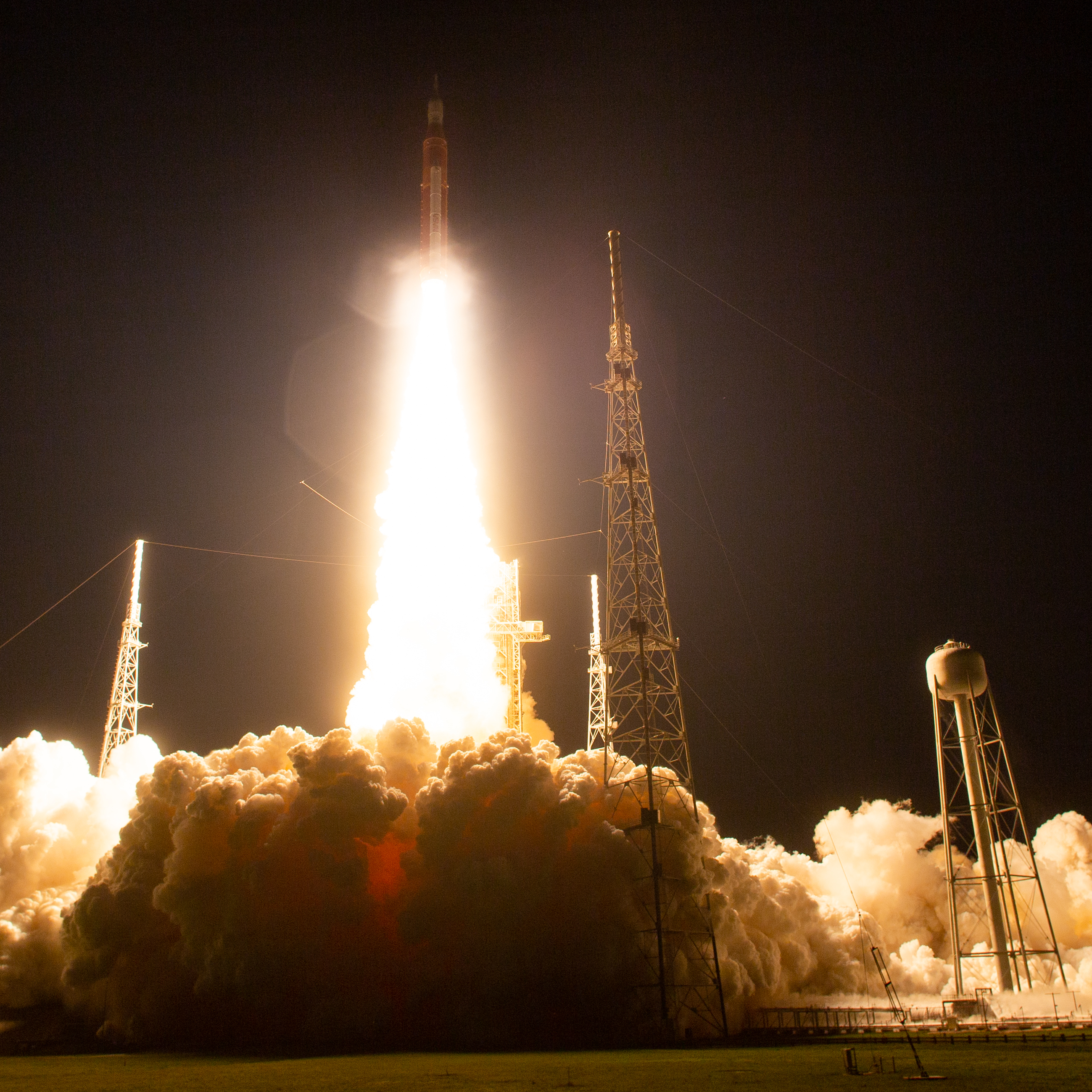
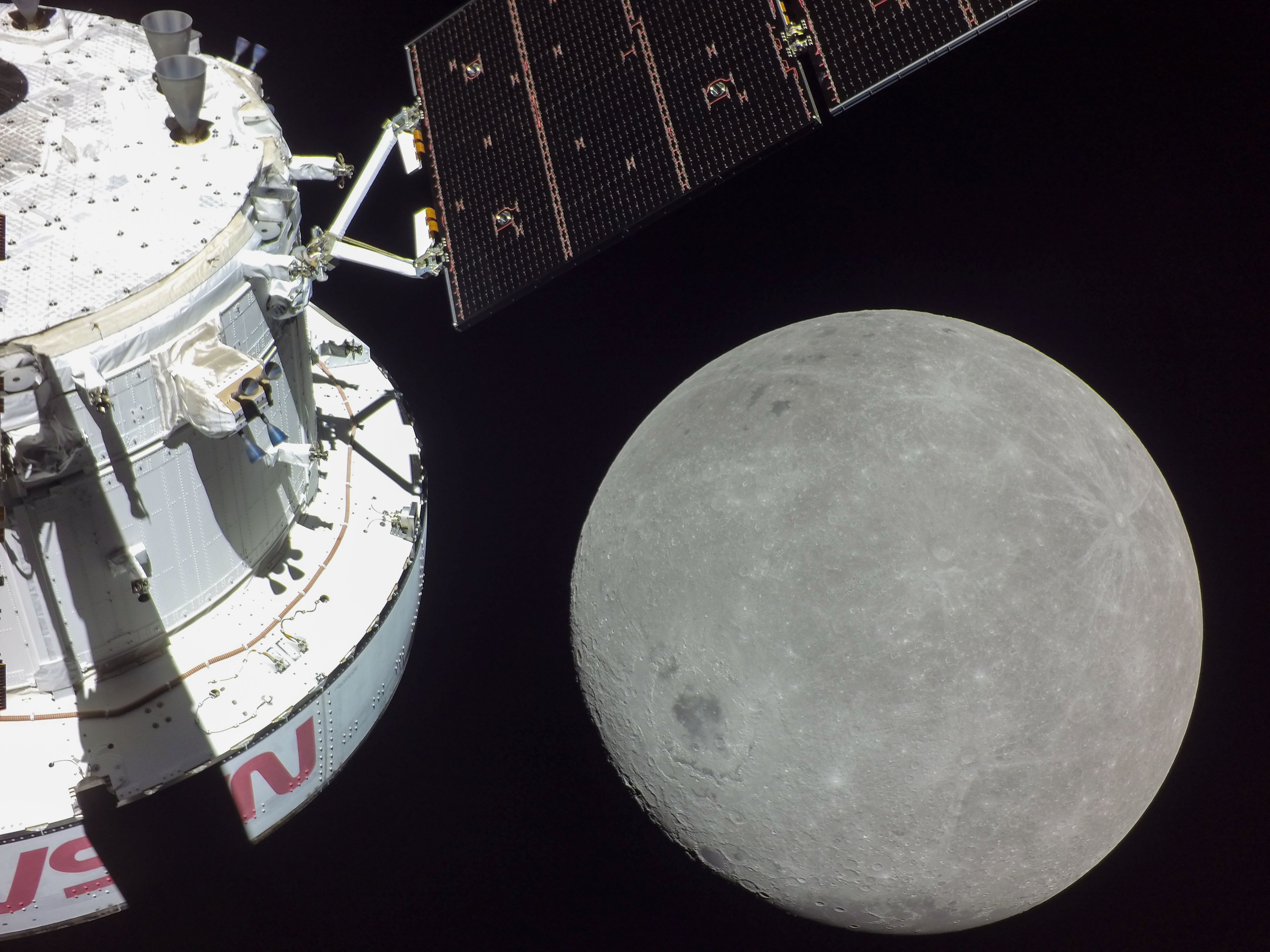
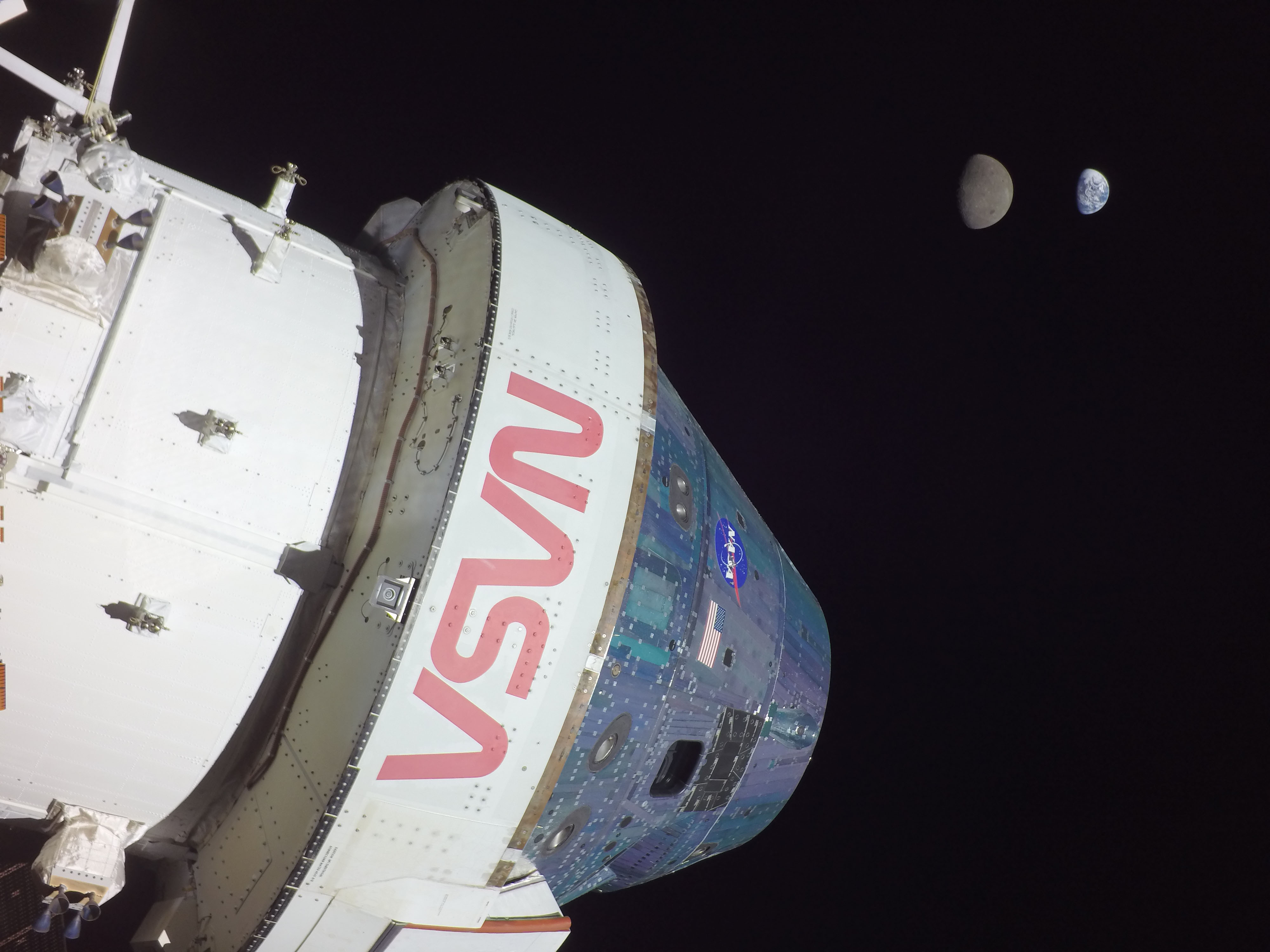
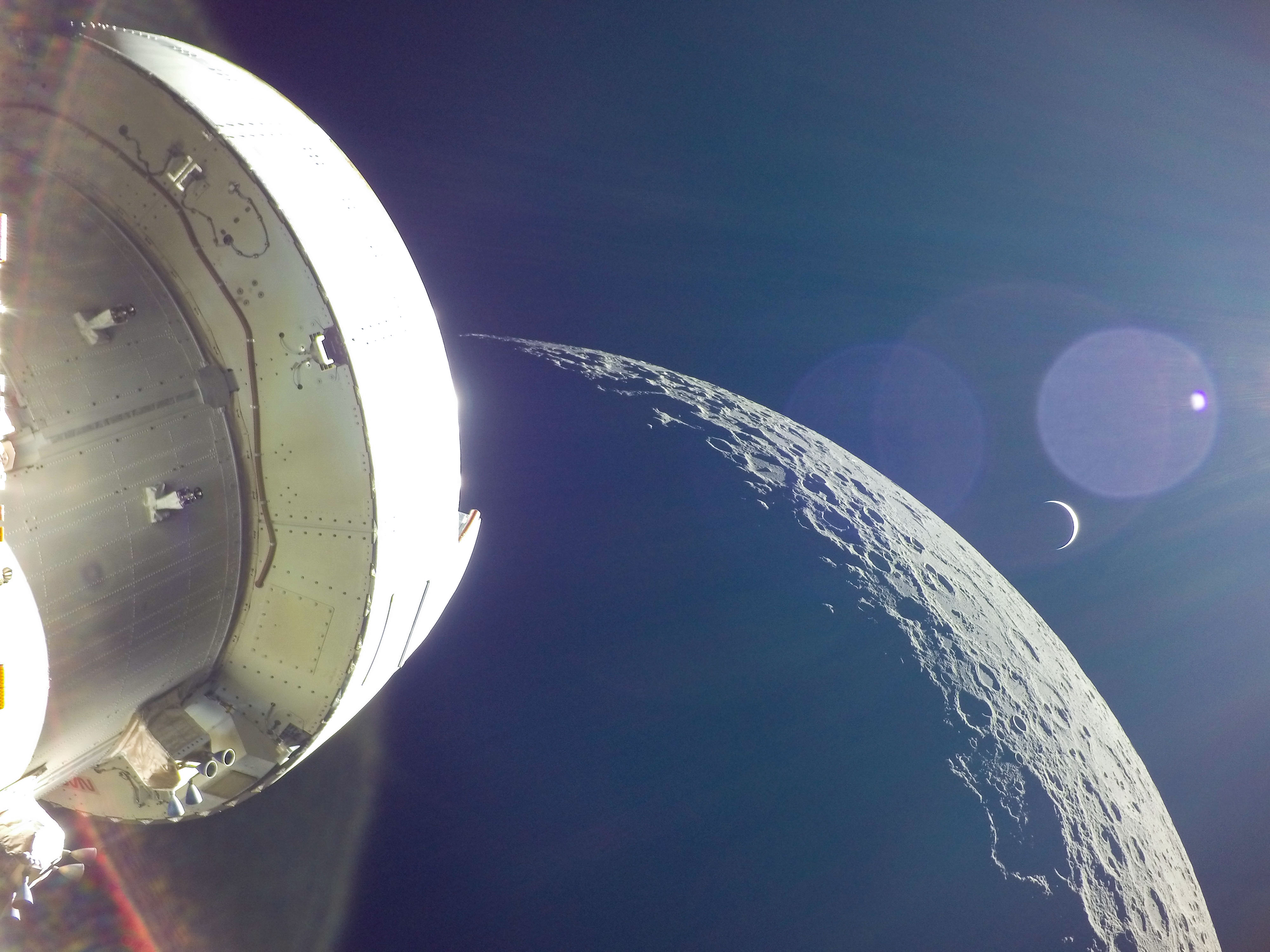
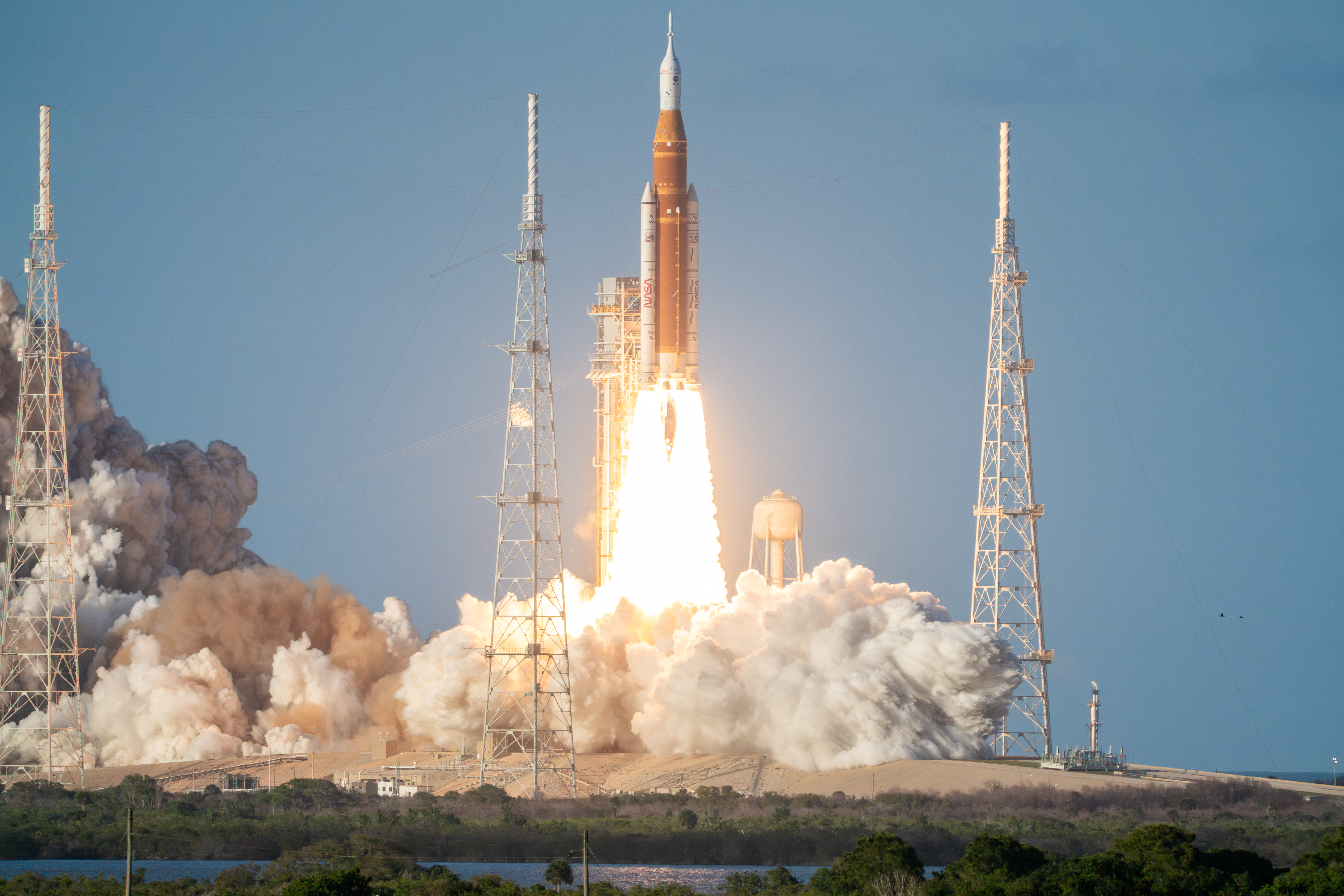
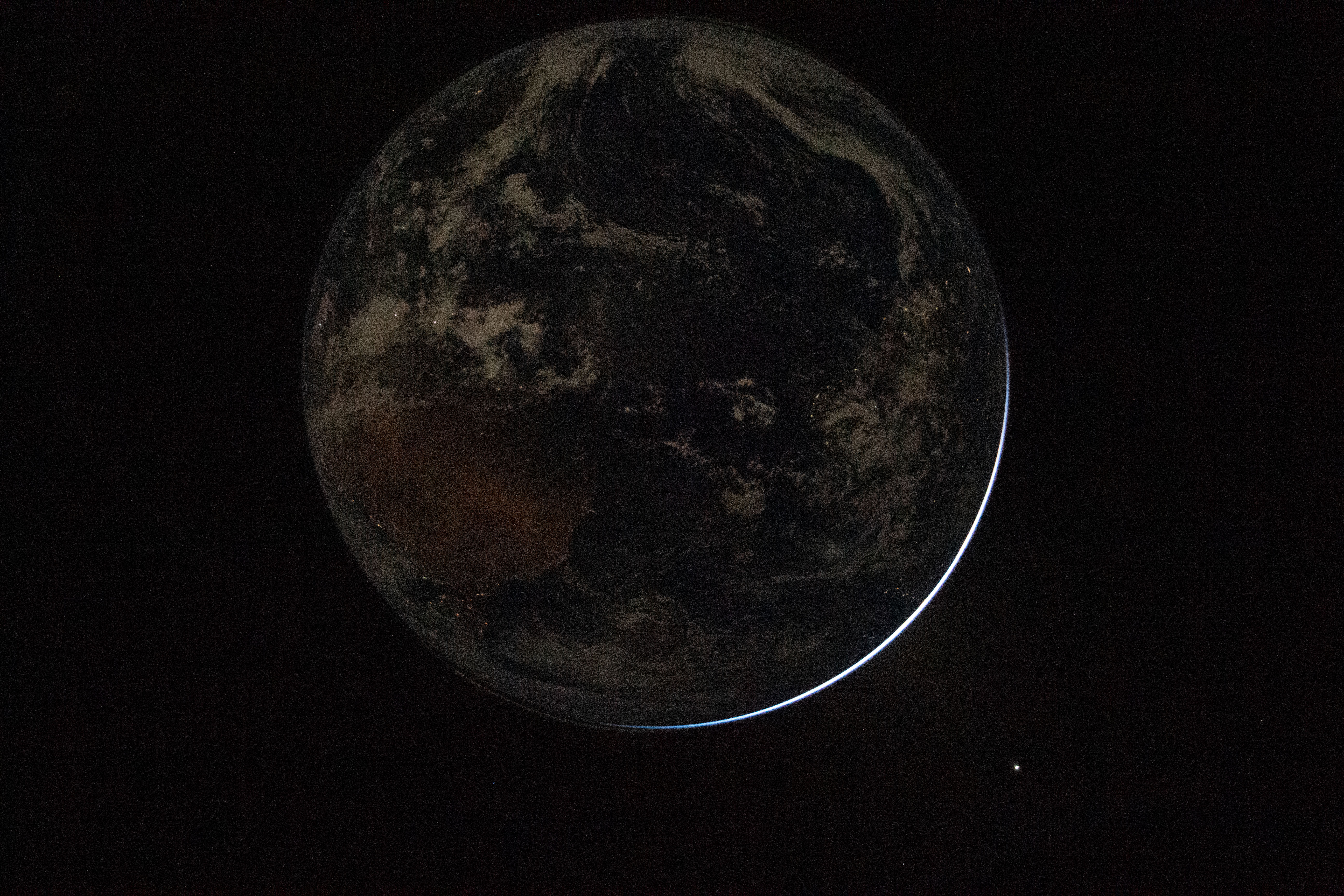
Artemis II · Four astronauts around the Moon · Apr. 1 to 10, 2026
Explain Like I'm 10
- What is it? A series of crewed missions on SLS and Orion: a lunar flyby (Artemis II, flown), an Earth-orbit lander test (Artemis III) and a return to the lunar surface (Artemis IV).
- Why does it matter? To explore more of the Moon for scientific discovery and economic benefit, and to build a foundation for the first crewed missions to Mars.
The Five W's of the Artemis Program
Who
NASA leads, with partners ESA, CSA and JAXA. CSA's Jeremy Hansen flew on Artemis II and ESA's Luca Parmitano is Artemis III pilot. Landers are built by SpaceX (Starship) and Blue Origin (Blue Moon), companies under NASA contracts.
Source: NASA, Artemis program
Source: NASA, Artemis III crew
What
A series of crewed missions on SLS and Orion: a lunar flyby (Artemis II, flown), an Earth-orbit lander test (Artemis III) and a return to the lunar surface (Artemis IV).
Source: NASA, Artemis program
When
Artemis II flew April 1–10, 2026. NASA targets: Artemis III in 2027 and Artemis IV in early 2028, as of October 11, 2026.
Source: NASA, Artemis III mission
Source: NASA, Artemis IV
Where
Launches from Kennedy Space Center in Florida; Artemis III stays in low Earth orbit, Artemis IV lands near the Moon's South Pole.
Source: NASA, Artemis III mission
Source: NASA, Artemis IV
Why
To explore more of the Moon for scientific discovery and economic benefit, and to build a foundation for the first crewed missions to Mars.
Source: NASA, Artemis program
Impact Statement
Living tracker · Artemis II flown; Artemis III and IV ahead
This page gives anyone, anywhere in the world, one living place to follow the Artemis program: NASA's current target dates, who is flying, what each mission must prove, and the hardware carrying them. Every figure links back to NASA, and the schedule refreshes from a single data file as NASA updates its plans.
It also keeps the bigger story in view. Artemis II carried four people 252,756 miles from Earth, farther than humans had ever gone, and brought them home. Following each step outward is a way to see how small and precious home is, and why the work on Earth matters.
Source: NASA, Artemis program
Source: NASA, Artemis II distance record
The Artemis II crew reached 252,756 miles from Earth on April 6, 2026, the farthest humans have ever traveled.
Why Voyages Outward Matter on Earth
Every Artemis flight is a round trip. Orion is the only spacecraft able to bring crews home at lunar When a spacecraft or piece of space junk falls back into Earth's air. The friction makes it very hot, so most small objects burn up. Glossary speeds, and the whole program is built to return people safely to the planet they left. The farther the Artemis II crew traveled, the smaller Earth looked, and the clearer it became that there is one home worth protecting.
Source: NASA, Artemis IV
That is the thread of Project Rawane: the same skills that let us fly to the Moon (precise rendezvous, life support, guiding spacecraft safely home) are the skills that clean up orbit, defend Earth from A rocky object that orbits the Sun, much smaller than a planet. Most are in a belt between Mars and Jupiter. Glossary and watch over our oceans and forests.
Want to go deeper? NASA's Artemis II pages have the mission story, crew and images.
 For Further Information
Related Solutions
More solutions like this one, matched by meaning.

Help This Work
NASA doesn't take donations, but anyone can join one of its citizen science projects.
For Teachers
Discussion questions
- What is Artemis Program, and what problem does it help solve?
- Who is behind Artemis Program, and where does the work happen?
- How does Artemis Program help both people and nature? Use one fact from this page.
Sources are listed with each fact in the Five W's above.
Standards Alignment
U.S. Next Generation Science Standards (NGSS) and Common Core. Official text, in English.
- MS-ESS1-3 (Grade 6-8) Analyze and interpret data to determine scale properties of objects in the solar system.
- CCSS RST.6-8.1 (Grade 6-8) Cite specific textual evidence to support analysis of science and technical texts.
Cite This Page
APA
Saving Planets. (n.d.). Artemis Program. https://www.savingplanets.com/Artemis_II.html
MLA
"Artemis Program." Saving Planets, https://www.savingplanets.com/Artemis_II.html.
People also ask
Where can I follow upcoming launches and how they relate to Saving Planets solutions?
From the first uncrewed test flight in 2022 to Artemis II, the farthest humans have traveled, and the Moon missions still to come.
Source: Artemis Program · On this site