Trees for the Future
Al fianco degli agricoltori dell’Africa orientale per un’agricoltura rigenerativa: oltre 450 milioni di alberi cresciuti e 40.000 ettari ripristinati (dati dell’organizzazione).
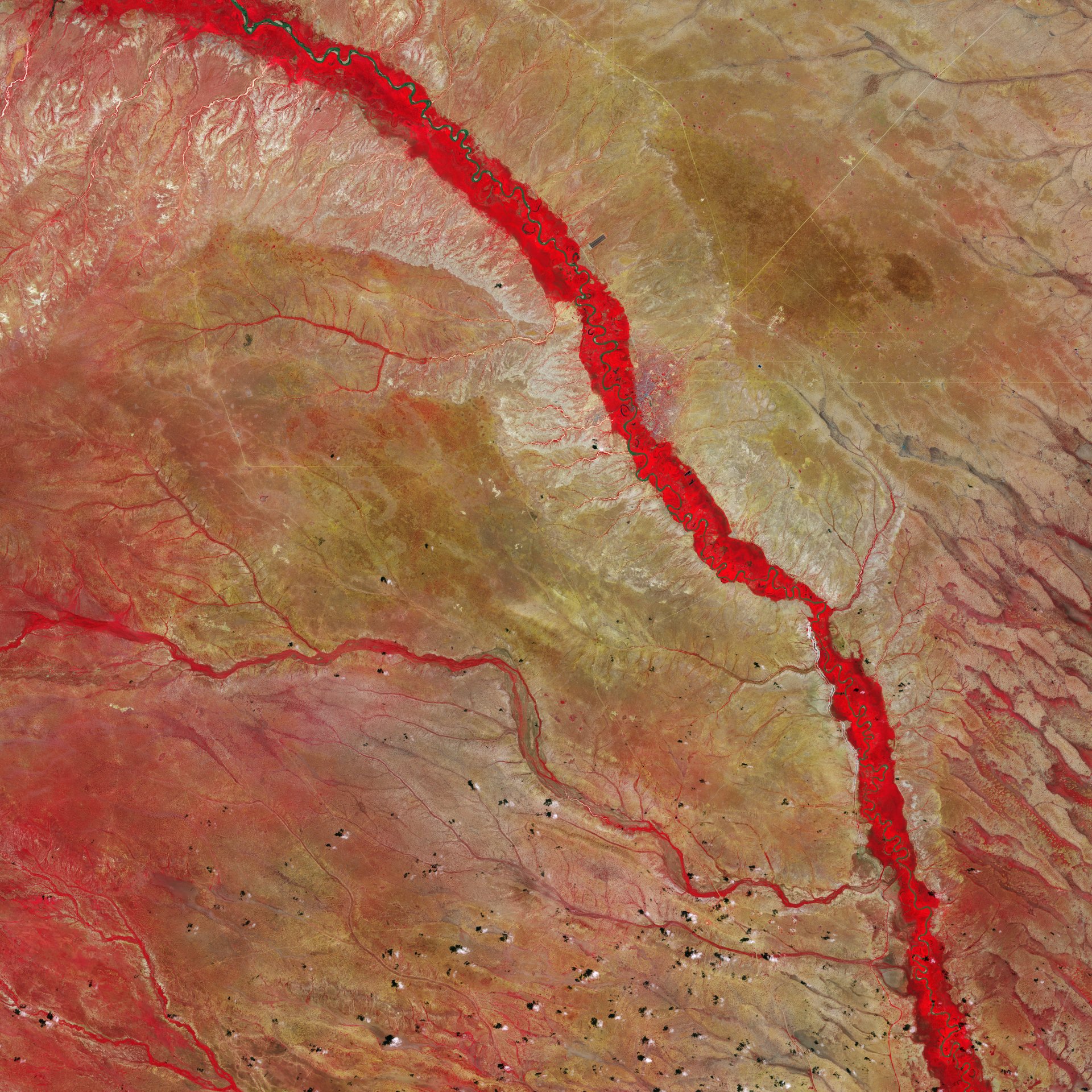
Immagine: NASA (STS072-722-004).
Ultima revisione: 1 fonte citata
Spiegamelo come se avessi 10 anni
- Che cos'è? Agricoltura rigenerativa con alberi e piante diversi per ripristinare suolo, La varietà di tutte le cose viventi in un posto: piante, animali, funghi e piccoli microbi. Glossario e raccolti.
- Perché è importante? La terra degradata fa male alle famiglie; il terreno restaurato significa più cibo e reddito.
- Come aiuta le persone? Gli agricoltori e le loro famiglie sono i primi a beneficiare: il terreno restaurato è più cibo, e più cibo crea un surplus da vendere (discrizione senza scopo di lucro).
Le cinque W di Trees for the Future
Chi
Alberi per il Futuro (TREES), un no profit che è guidato dagli agricoltori e sostenuto dalla scienza.
Cosa
Agricoltura rigenerativa con alberi e piante diversi per ripristinare suolo, biodiversità e raccolti.
Dove
Africa orientale, con 63.700 agricoltori di programma (figura senza scopo di lucro).
Perché
La terra degradata fa male alle famiglie; il terreno restaurato significa più cibo e reddito.
Dichiarazione d'impatto
Soluzione non profit · attiva
TREES riferisce più di 450 milioni di alberi coltivati, 99.000 acri restaurati e 63.700 coltivatori di programmi, con circa 9,8 tonnellate di carbonio rimossa per azienda agricola ogni anno (dati non profit).
Come aiuta le persone e il pianeta
Per le persone
Gli agricoltori e le loro famiglie sono i primi a beneficiare: il terreno restaurato è più cibo, e più cibo crea un surplus da vendere (discrizione senza scopo di lucro).
Fonte: Trees for the Future (nonprofit site)
Per la natura
Le fattorie rigenerative ripristinano la salute del suolo, rafforzano la biodiversità e catturano il carbonio (descrizione senza scopo di lucro).
Vuoi andare più a fondo? Trees for the Future spiega il suo modello guidato dagli agricoltori.
 Per saperne di più
Soluzioni correlate
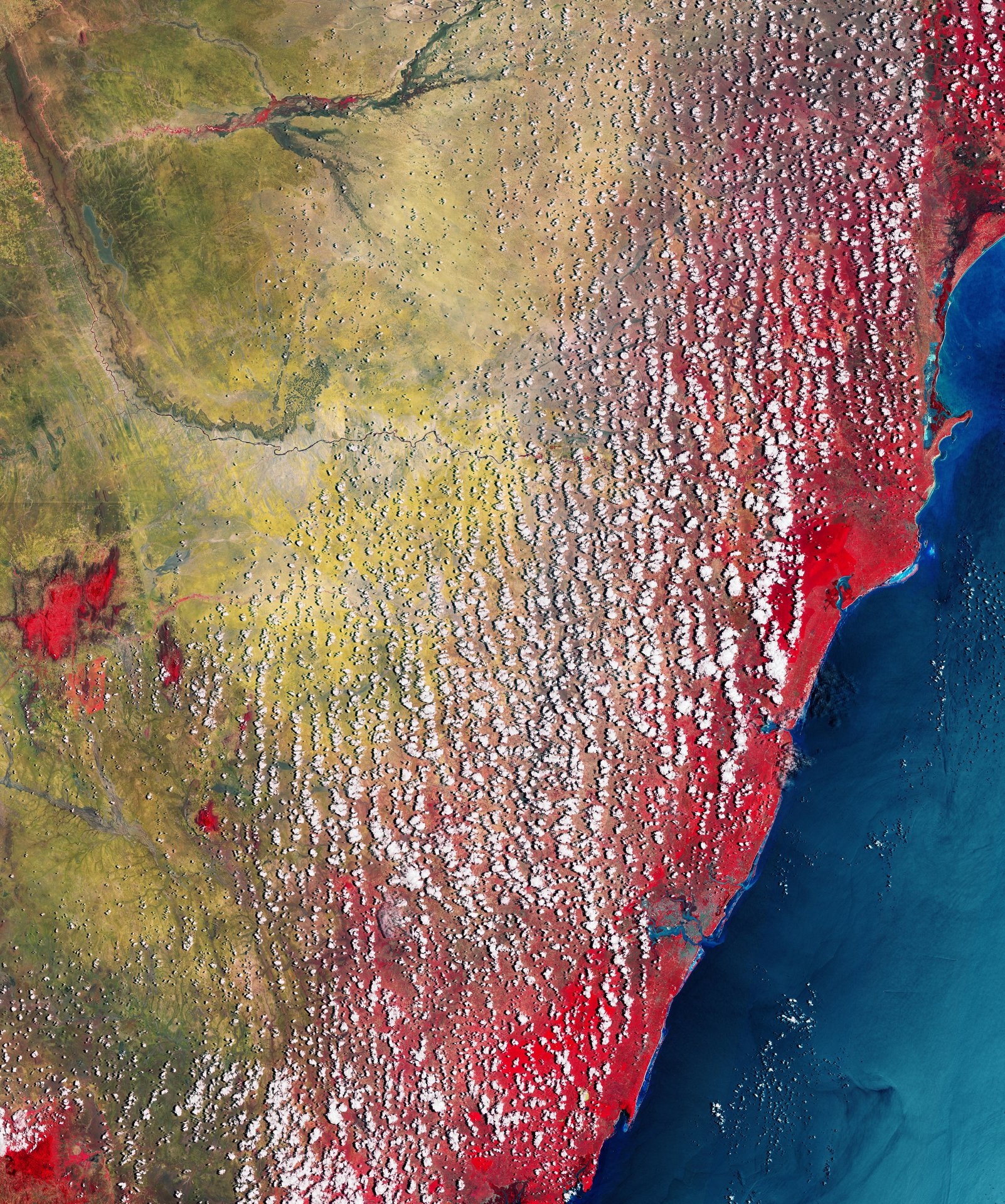
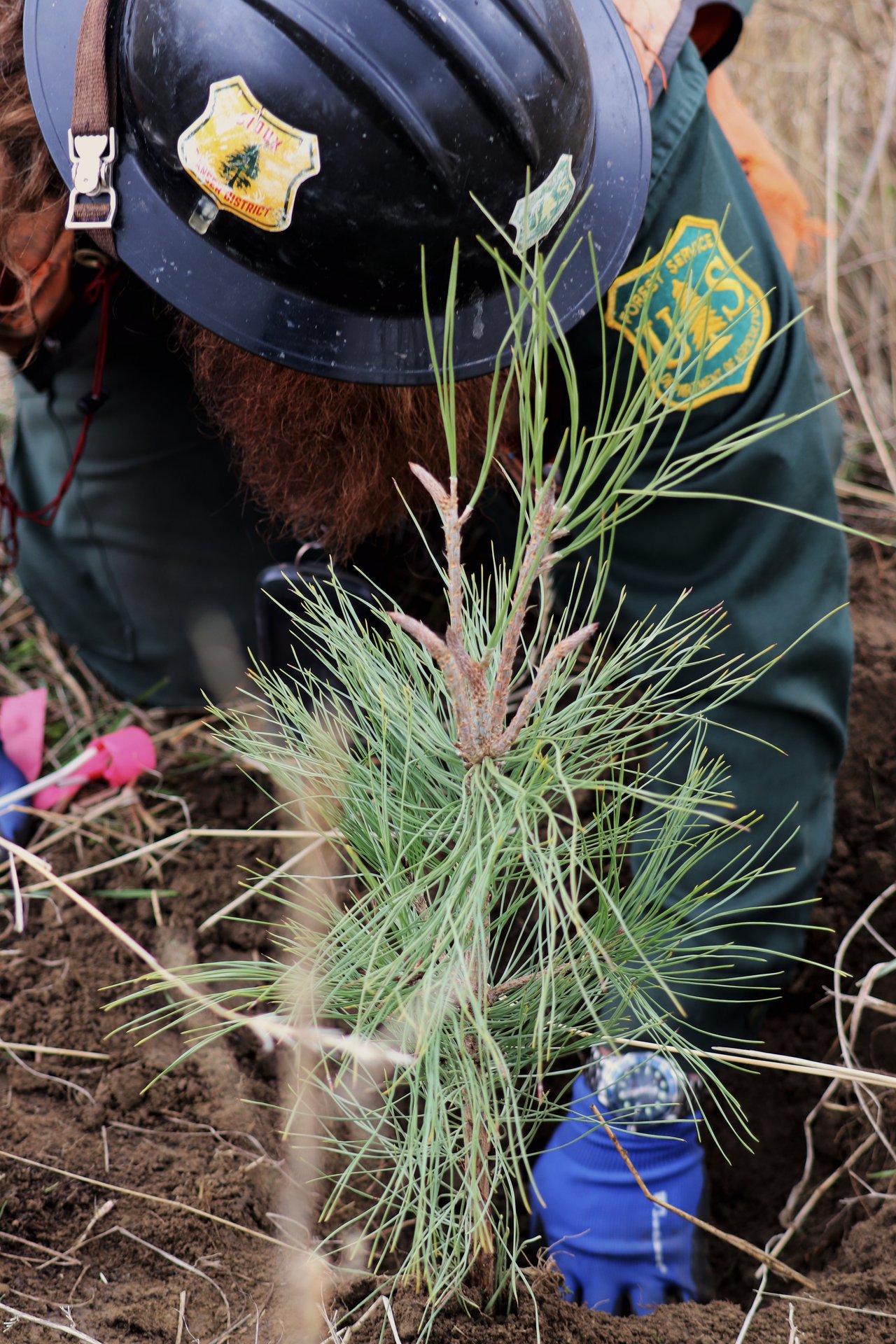
Altre soluzioni come questa, abbinate per significato.
Sostieni questo lavoro
I collegamenti vanno direttamente all'organizzazione. Saving Planets non riceve nessuno dei soldi.
Per gli insegnanti
Domande per la discussione
- Che cosa è Trees for the Future, e quale problema aiuta a risolvere?
- Chi c'è dietro Trees for the Future, e dove succede il lavoro?
- Come fa Trees for the Future ad aiutare sia le persone che la natura? Utilizzare un fatto da questa pagina.
Le fonti sono elencate con ogni fatto nel Cinque W sopra.
Tutte le schede per insegnanti
Allineamento agli standard
Standard statunitensi: Next Generation Science Standards (NGSS) e Common Core. Testo ufficiale, in inglese.
- K-ESS3-3 (Classe K-2) Communicate solutions that will reduce the impact of humans on the land, water, air, and/or other living things in the local environment.
- 5-ESS3-1 (Classe 3-5) Obtain and combine information about ways individual communities use science ideas to protect the Earth's resources and environment.
- MS-ESS3-3 (Classe 6-8) Apply scientific principles to design a method for monitoring and minimizing a human impact on the environment.
- MS-LS2-5 (Classe 6-8) Evaluate competing design solutions for maintaining biodiversity and ecosystem services.
- HS-ESS3-4 (Classe 9-12) Evaluate or refine a technological solution that reduces impacts of human activities on natural systems.
- CCSS RI.5.9 (Classe 3-5) Integrate information from several texts on the same topic in order to write or speak about the subject knowledgeably.
- CCSS RST.6-8.1 (Classe 6-8) Cite specific textual evidence to support analysis of science and technical texts.
Cita questa pagina
APA
Saving Planets. (n.d.). Trees for the Future. https://www.savingplanets.com/Trees_for_the_Future.html
MLA
"Trees for the Future." Saving Planets, https://www.savingplanets.com/Trees_for_the_Future.html.