SARSAT Search and Rescue Satellites (NOAA)
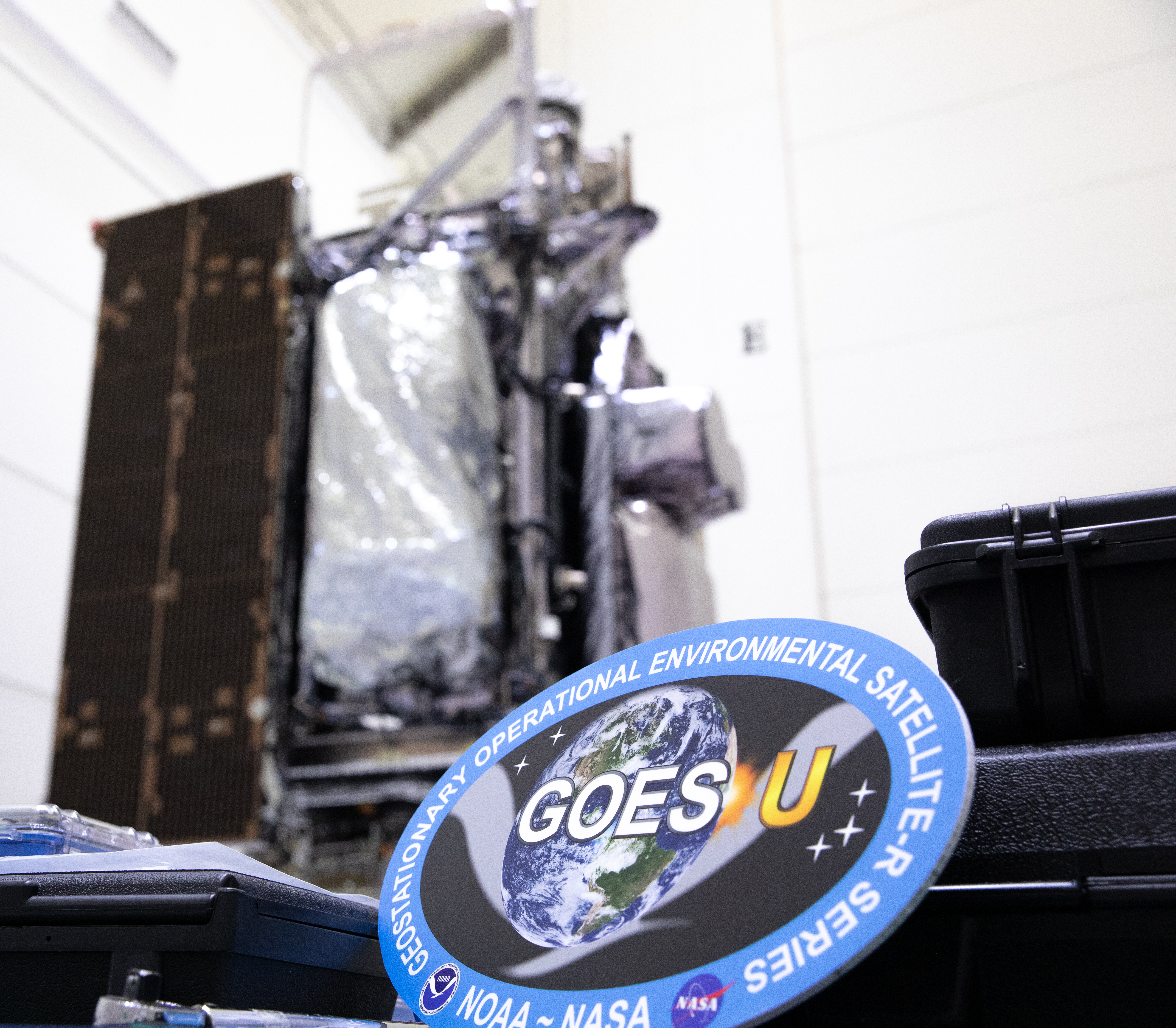
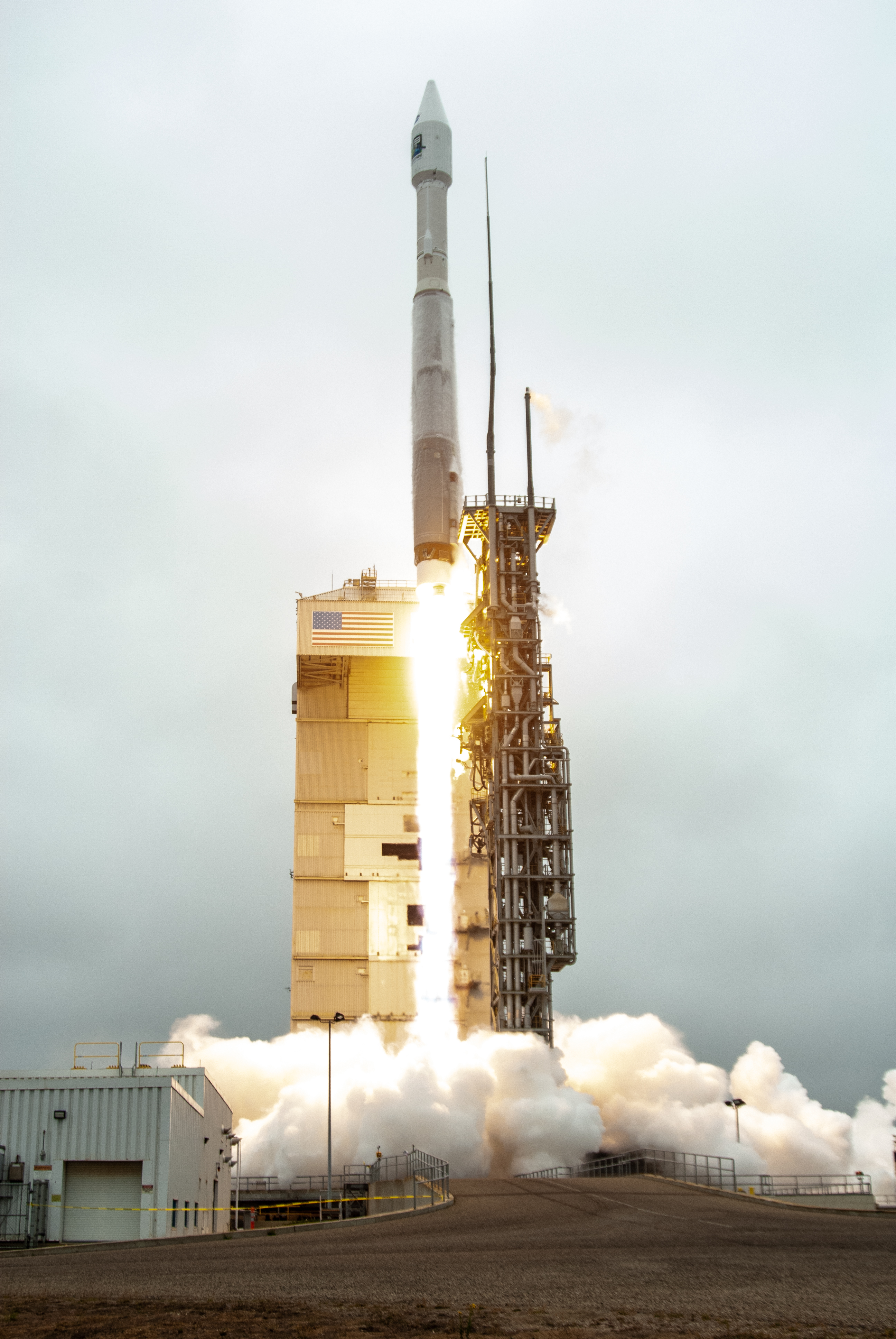
NOAA's SARSAT satellites relay distress beacon signals to rescuers; the international system has supported more than 50,000 rescues worldwide since 1982 (NOAA).
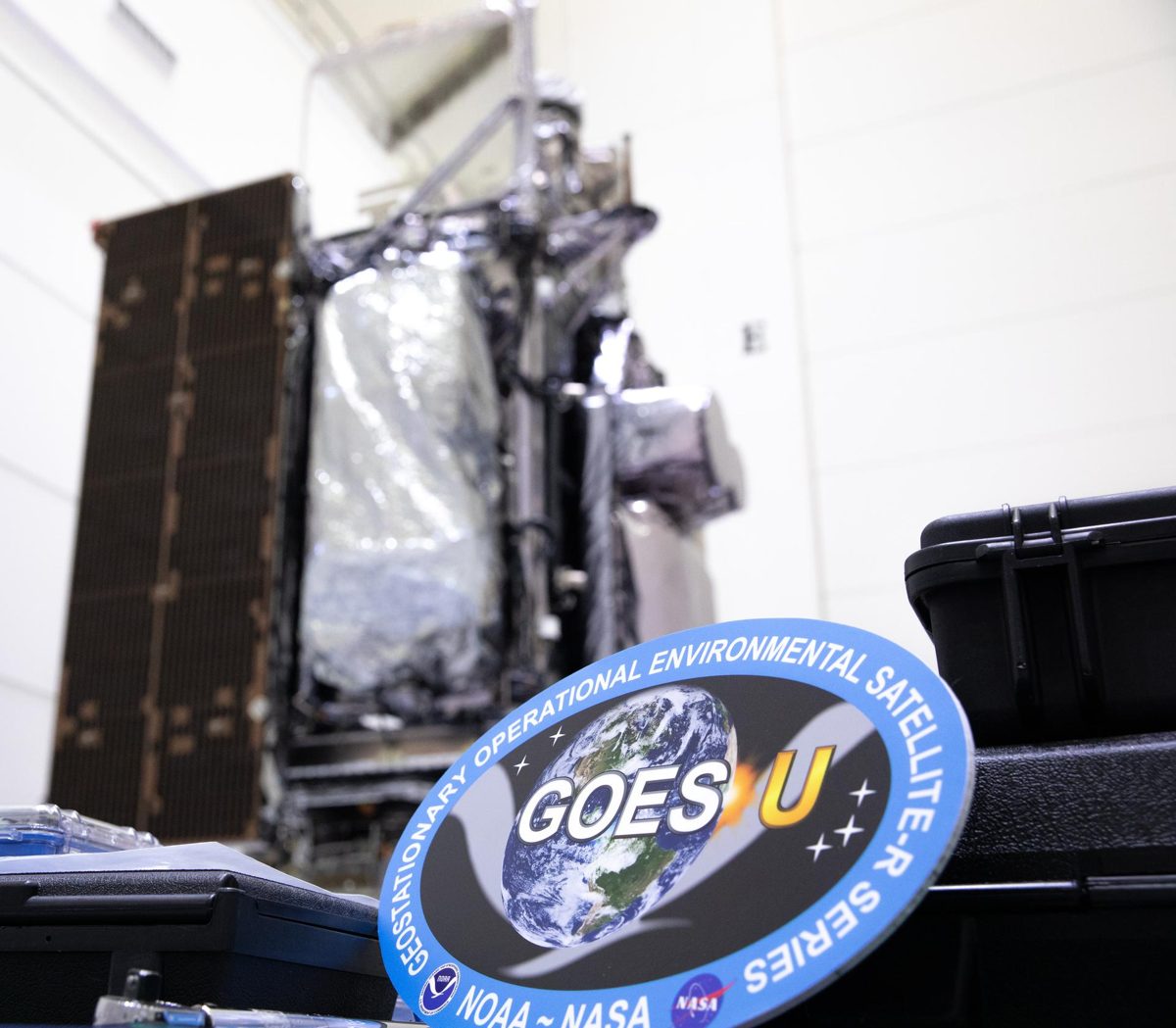
Image: NASA/KSC.
Last reviewed: 3 sources cited
Explain Like I'm 10
- Boats, planes and hikers can carry a small emergency beacon.
- If they are in trouble, the beacon sends a signal that satellites hear.
- The satellites tell rescuers where to go, and that has saved thousands of people.
The Five W's of SARSAT Search and Rescue Satellites (NOAA)
Who
NOAA operates the U.S. part with NASA, the U.S. Coast Guard and the Department of the Air Force.
Source: NOAA SARSAT
What
Satellites that detect signals from emergency beacons on boats, planes and hikers and relay their location.
Source: NOAA SARSAT
When
Since 1982; in 2025 it helped rescue 300 people in and around the United States.
Source: NOAA, NOAA satellites helped rescue 300 people in 2025
Where
Worldwide; U.S. rescues happen at sea, in the air and on land.
Source: NOAA, NOAA satellites helped rescue 300 people in 2025
Impact Statement
Agency solution · active
Of the 300 U.S. rescues in 2025, 183 were at sea, 47 in aviation incidents and 70 on land. SARSAT is part of the international Cospas-Sarsat system, which was co-founded in 1979 by Canada, France, the United States and Russia (then the Soviet Union).
Source: International Cospas-Sarsat Programme, About the Programme
Satellites listening for emergency beacons helped rescue 300 people in and around the U.S. in 2025.
How This Saves People & the Planet
For People
The system has supported more than 50,000 rescues worldwide since 1982, including more than 11,000 in the U.S.
Source: NOAA, NOAA satellites helped rescue 300 people in 2025
For Nature
Some of the same satellites watch weather and the environment, so one fleet both protects people and observes the planet.
Source: NOAA SARSAT
Connected Solutions
- Galileo Satellite Navigation (EU / ESA) Europe's navigation satellites also carry search-and-rescue antennas.
- INSAT-3DS Weather Satellite (ISRO) India's weather satellite carries a search-and-rescue transponder.
Want to go deeper? NOAA has the full SARSAT story.
 For Further Information
Related Solutions
More solutions like this one, matched by meaning.
For Teachers
Discussion questions
- What is SARSAT Search and Rescue Satellites (NOAA), and what problem does it help solve?
- Who is behind SARSAT Search and Rescue Satellites (NOAA), and where does the work happen?
- How does SARSAT Search and Rescue Satellites (NOAA) help both people and nature? Use one fact from this page.
Sources are listed with each fact in the Five W's above.
Standards Alignment
U.S. Next Generation Science Standards (NGSS) and Common Core. Official text, in English.
- 5-ESS3-1 (Grade 3-5) Obtain and combine information about ways individual communities use science ideas to protect the Earth's resources and environment.
- MS-ESS3-2 (Grade 6-8) Analyze and interpret data on natural hazards to forecast future catastrophic events and inform the development of technologies to mitigate their effects.
- MS-ESS3-3 (Grade 6-8) Apply scientific principles to design a method for monitoring and minimizing a human impact on the environment.
- CCSS RST.6-8.1 (Grade 6-8) Cite specific textual evidence to support analysis of science and technical texts.
Cite This Page
APA
Saving Planets. (n.d.). SARSAT Search and Rescue Satellites (NOAA). https://www.savingplanets.com/SARSAT.html
MLA
"SARSAT Search and Rescue Satellites (NOAA)." Saving Planets, https://www.savingplanets.com/SARSAT.html.