
Plastic Bank
Making plastic worth collecting before it reaches the ocean.
Last reviewed: 2 sources cited
Impact Statement
Every exchange is logged the moment it happens, so each contribution maps to a verified collection. Brands like SC Johnson, Coca-Cola Philippines, and Acer fund collection to match the plastic they use, building a circular economy around recovered material.
Explain Like I'm 10
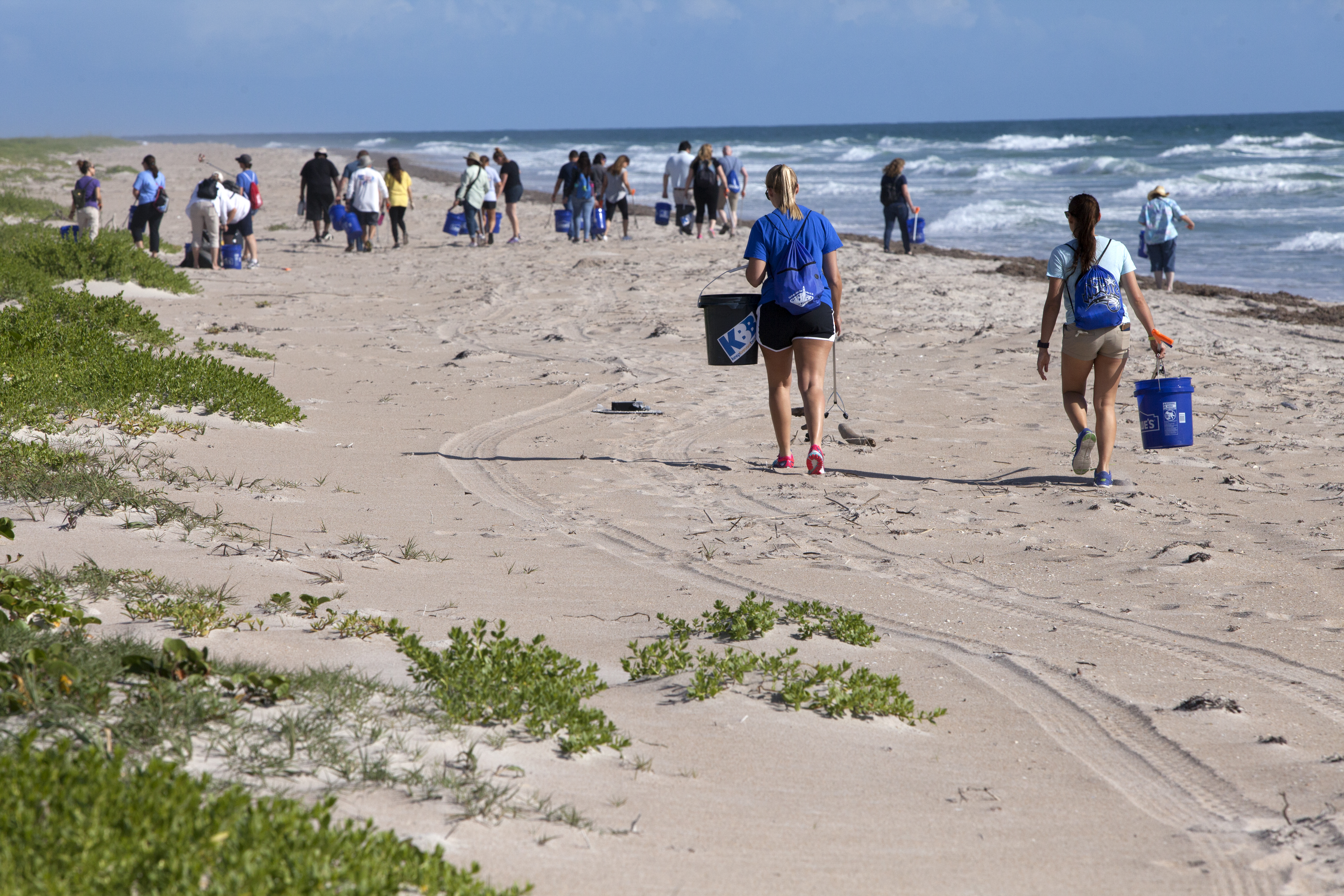
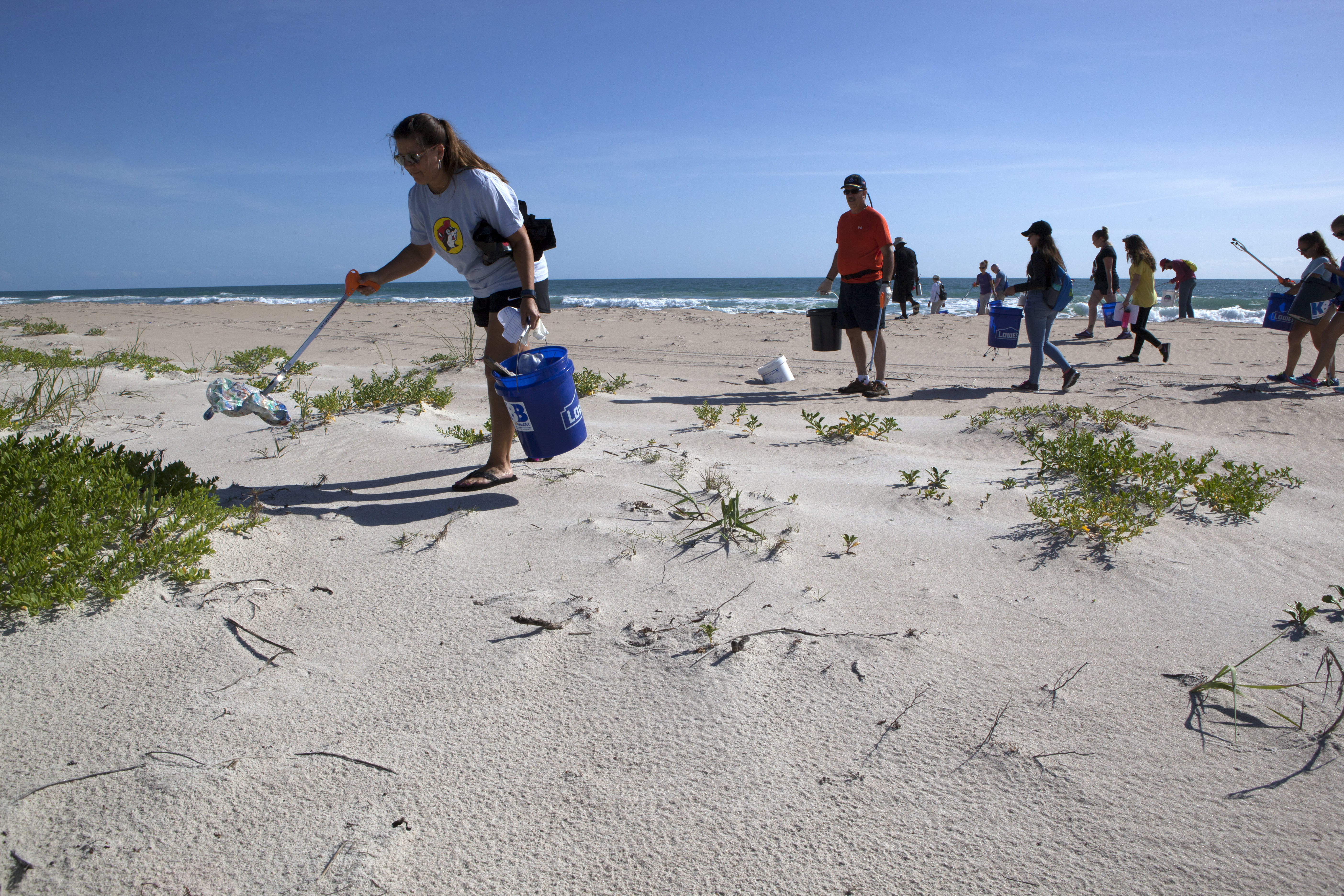
- What is it? A global bottle-deposit program: collectors in vulnerable communities gather ocean-bound plastic and exchange it at local branches for income, food vouchers, health insurance, and school supplies, all tracked on a blockchain platform.
- Why does it matter? Most ocean plastic starts as land-based waste in places with weak waste infrastructure. Making plastic valuable at the source stops it before it enters rivers and the sea, while paying collectors directly.
The Five W's of Plastic Bank
Who
Plastic Bank, a social enterprise founded in 2013 in Vancouver, Canada, with operations across Indonesia, the Philippines, Brazil, Egypt, Thailand, and Cameroon.
What
A global bottle-deposit program: collectors in vulnerable communities gather ocean-bound plastic and exchange it at local branches for income, food vouchers, health insurance, and school supplies, all tracked on a blockchain platform.
When
Active since 2013. As of June 10, 2026, about 9.8 billion bottles had been exchanged for income by 64,920 collectors, totaling more than 196 million kilograms of plastic recovered.
Source: Plastic Bank newsletter, June 2026 (all-time data as of June 10, 2026)
Where
Collection branches operate in coastal and urban communities across Indonesia, the Philippines, Brazil, Egypt, Thailand, and Cameroon, where plastic pollution and poverty are highest.
Why
Most ocean plastic starts as land-based waste in places with weak waste infrastructure. Making plastic valuable at the source stops it before it enters rivers and the sea, while paying collectors directly.
Want to go deeper? Visit Plastic Bank (company).
 For further information
Created by the Founder and SI.
Related Solutions
More solutions like this one, matched by meaning.

Help This Work
This is a company, not a charity, so there's no donation page. You can still join the team.
For Teachers
Discussion questions
- What is Plastic Bank, and what problem does it help solve?
- Who is behind Plastic Bank, and where does the work happen?
- How does Plastic Bank help both people and nature? Use one fact from this page.
Sources are listed with each fact in the Five W's above.
Standards Alignment
U.S. Next Generation Science Standards (NGSS) and Common Core. Official text, in English.
- K-ESS3-3 (Grade K-2) Communicate solutions that will reduce the impact of humans on the land, water, air, and/or other living things in the local environment.
- 5-ESS3-1 (Grade 3-5) Obtain and combine information about ways individual communities use science ideas to protect the Earth's resources and environment.
- MS-ESS3-3 (Grade 6-8) Apply scientific principles to design a method for monitoring and minimizing a human impact on the environment.
- MS-LS2-5 (Grade 6-8) Evaluate competing design solutions for maintaining biodiversity and ecosystem services.
- HS-ESS3-4 (Grade 9-12) Evaluate or refine a technological solution that reduces impacts of human activities on natural systems.
- CCSS RI.5.9 (Grade 3-5) Integrate information from several texts on the same topic in order to write or speak about the subject knowledgeably.
- CCSS RST.6-8.1 (Grade 6-8) Cite specific textual evidence to support analysis of science and technical texts.
Cite This Page
APA
Saving Planets. (n.d.). Plastic Bank. https://www.savingplanets.com/Plastic_Bank.html
MLA
"Plastic Bank." Saving Planets, https://www.savingplanets.com/Plastic_Bank.html.