


Lake Plastic Recovery
Pulling plastic out of lakes before it moves downstream.
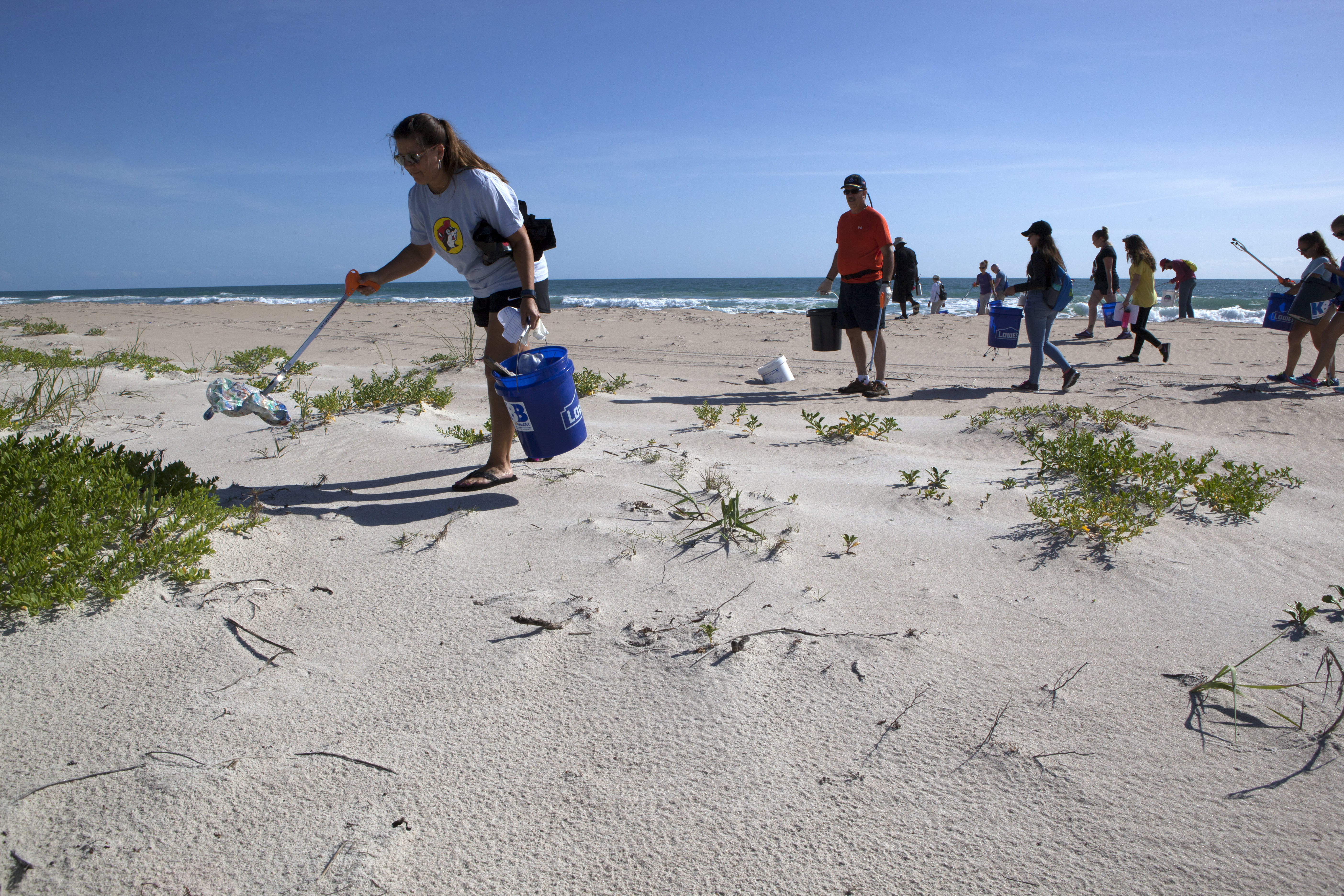
Image: NPS photo, Lake Roosevelt National Recreation Area (NPGallery), via Wikimedia Commons, public domain.
Last reviewed: 0 sources cited
Impact Statement
Every piece recovered from a lake is one less piece heading downstream to rivers and oceans. Lake cleanups also produce data that guides prevention — from shoreline signage to policy.
Explain Like I'm 10
- What is it? Pulling plastic and litter out of lakes — surface skimming, shoreline collection, and diver-assisted recovery — so it never reaches rivers and oceans.
- Why does it matter? Lake plastic sinks out of sight, where it leaches fuel, oil, and heavy metals for decades. Recovering it protects water quality, wildlife, and the recreation millions depend on.
The Five W's of Lake Plastic Recovery

Who
This is Saving Planets' own lake solution — a simple, verifiable rule for any lake cleanup project: recover plastic from freshwater lakes before it travels downstream.
What
Pulling plastic and litter out of lakes — surface skimming, shoreline collection, and diver-assisted recovery — so it never reaches rivers and oceans.
When
Ongoing — any lake cleanup project can adopt this approach today.
Where
Freshwater lakes worldwide: mountain lakes, urban lakes, and large systems like the Great Lakes.
Why
Lake plastic sinks out of sight, where it leaches fuel, oil, and heavy metals for decades. Recovering it protects water quality, wildlife, and the recreation millions depend on.
Want to help? Saving Planets welcomes people who want to pitch in.
Join the workRelated Solutions
More solutions like this one, matched by meaning.




For Teachers
Discussion questions
- What is Lake Plastic Recovery, and what problem does it help solve?
- Who is behind Lake Plastic Recovery, and where does the work happen?
- How does Lake Plastic Recovery help both people and nature? Use one fact from this page.
Sources are listed with each fact in the Five W's above.
Standards Alignment
U.S. Next Generation Science Standards (NGSS) and Common Core. Official text, in English.
- K-ESS3-3 (Grade K-2) Communicate solutions that will reduce the impact of humans on the land, water, air, and/or other living things in the local environment.
- 5-ESS3-1 (Grade 3-5) Obtain and combine information about ways individual communities use science ideas to protect the Earth's resources and environment.
- MS-ESS3-3 (Grade 6-8) Apply scientific principles to design a method for monitoring and minimizing a human impact on the environment.
- MS-LS2-5 (Grade 6-8) Evaluate competing design solutions for maintaining biodiversity and ecosystem services.
- HS-ESS3-4 (Grade 9-12) Evaluate or refine a technological solution that reduces impacts of human activities on natural systems.
- CCSS RI.5.9 (Grade 3-5) Integrate information from several texts on the same topic in order to write or speak about the subject knowledgeably.
- CCSS RST.6-8.1 (Grade 6-8) Cite specific textual evidence to support analysis of science and technical texts.
Cite This Page
APA
Saving Planets. (n.d.). Lake Plastic Recovery. https://www.savingplanets.com/Lake_Plastic_Recovery.html
MLA
"Lake Plastic Recovery." Saving Planets, https://www.savingplanets.com/Lake_Plastic_Recovery.html.