
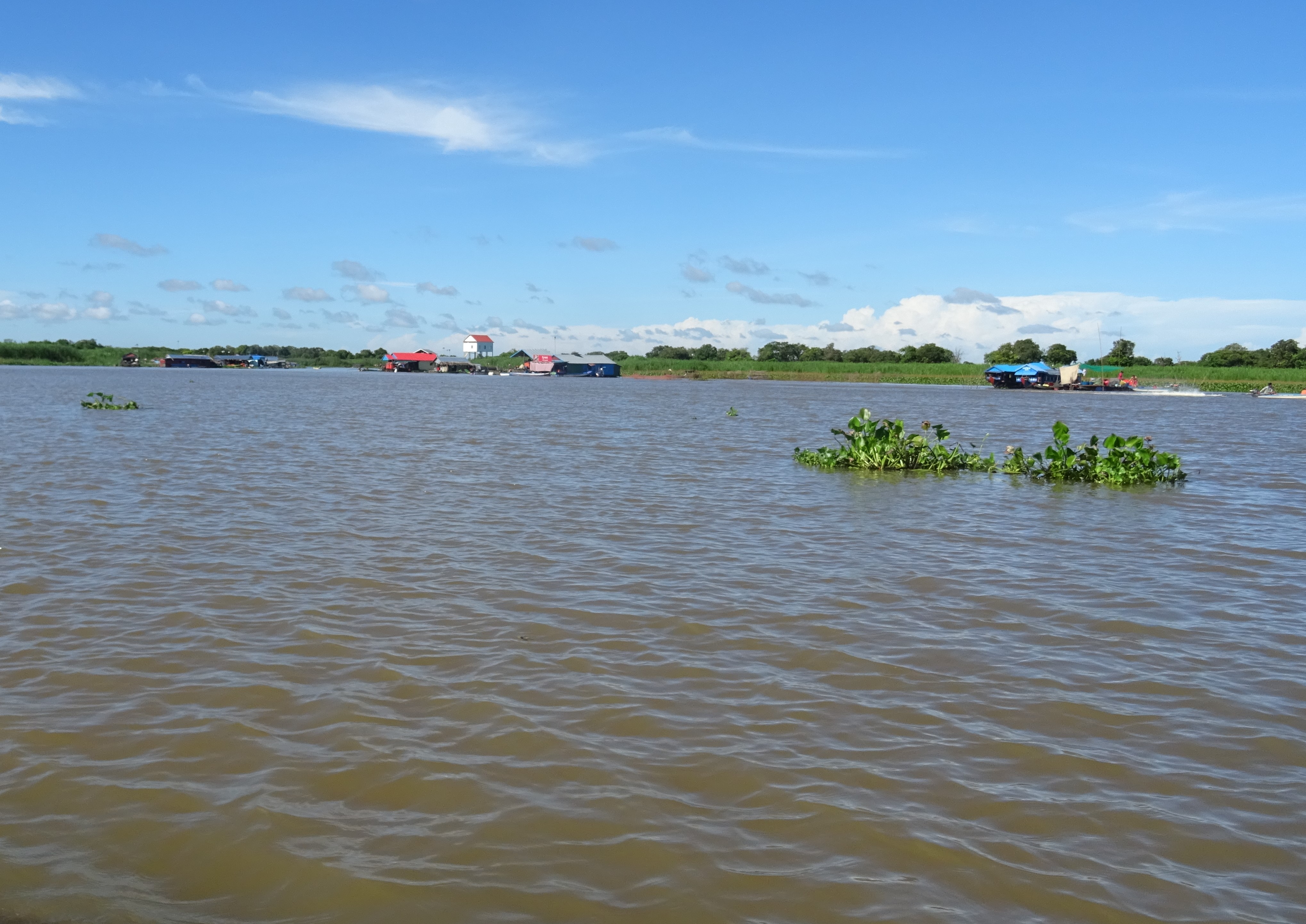


Clean Up the Lake
Scuba divers pulling submerged litter from freshwater lakes, one piece at a time.
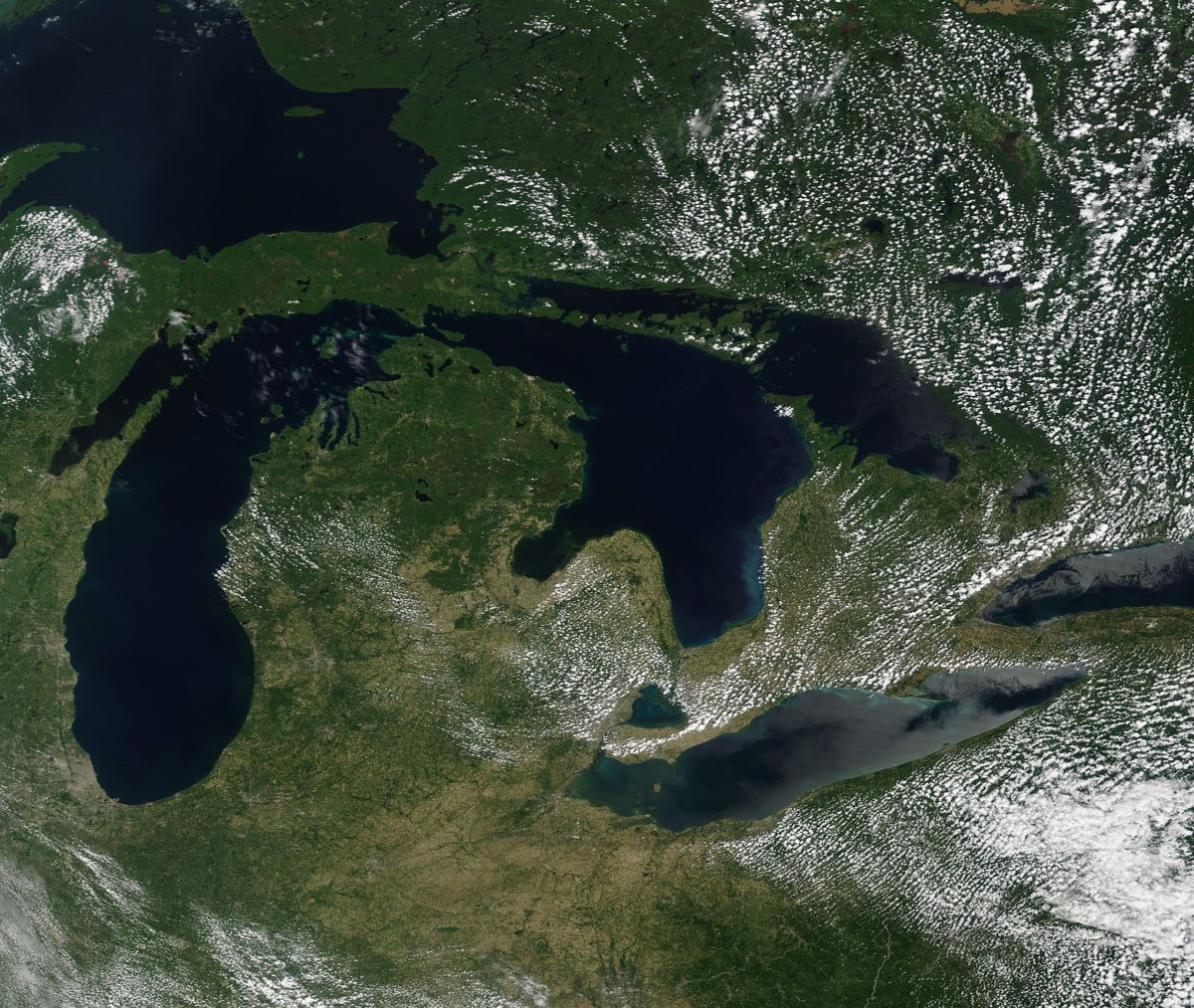
Image: NASA (ISS071-E-14284), via Wikimedia Commons, public domain.
Last reviewed: 1 source cited
Impact Statement
Every dive produces data that guides prevention, from pier signage to policy. Their Environmental Dive Center in Tahoe trains the next generation of conservation divers while the cleanups continue.
Explain Like I'm 10
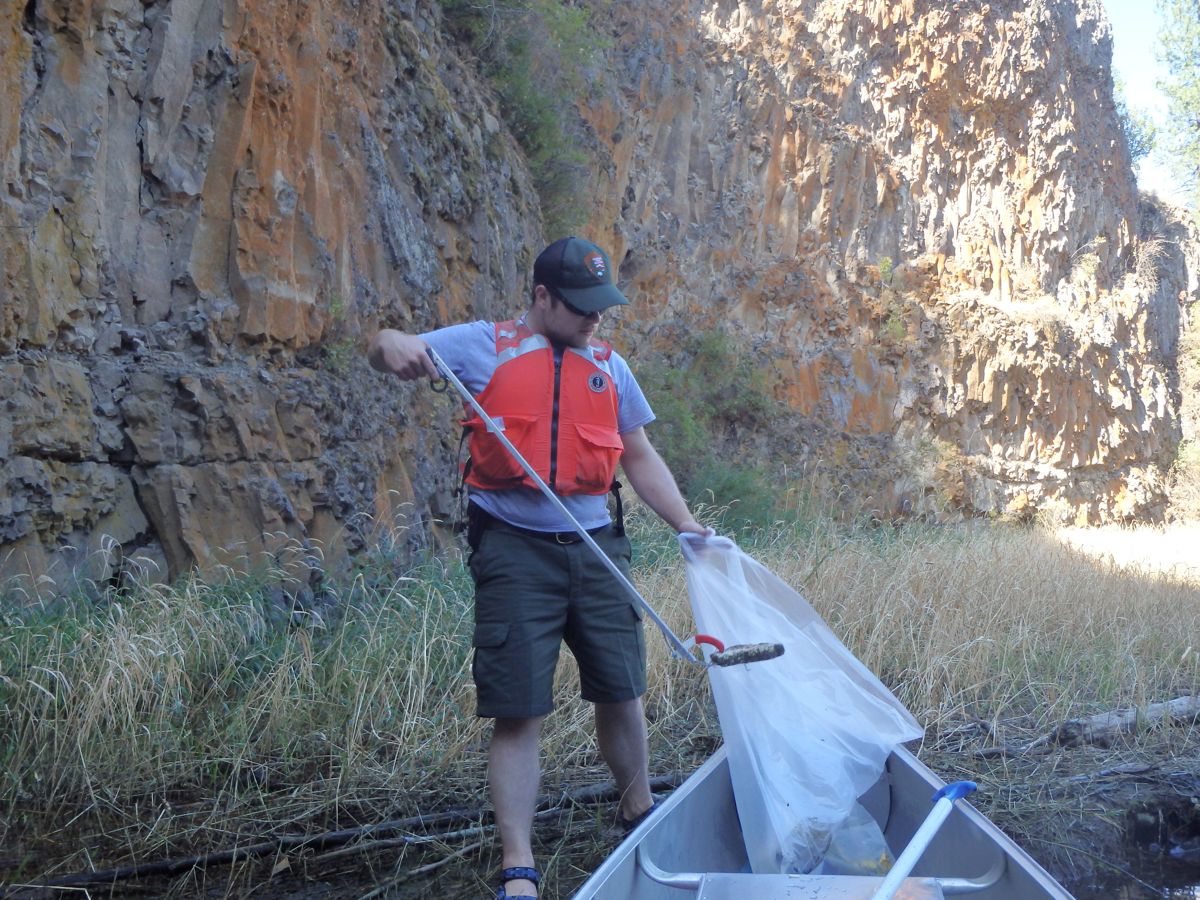
- What is it? Underwater and shoreline cleanups of freshwater lakes, with every piece of litter GPS-pinned, categorized, and weighed. They also run aquatic invasive species monitoring and youth education programs.
- Why does it matter? Most lake litter sinks out of sight, where it leaches fuel, oil, and heavy metals for decades. Removing it protects water quality, wildlife, and the recreation millions depend on.
The Five W's of Clean Up the Lake
Who
Clean Up the Lake, a 501(c)(3) nonprofit founded in 2018 and based in Incline Village, Nevada. Founder and CEO Colin West leads a team of scuba divers, free divers, kayakers, and surface volunteers.
What
Underwater and shoreline cleanups of freshwater lakes, with every piece of litter GPS-pinned, categorized, and weighed. They also run aquatic invasive species monitoring and youth education programs.
When
Active since 2018. Their flagship 72 Mile Cleanup of Lake Tahoe removed 25,281 pounds in 24 dive days. Their official stats page lists 36,177 pounds of litter collected in total since 2018 (checked October 2026).
Source: Clean Up The Lake, Litter Stats
Where
Lake Tahoe and the Sierra Nevada, including Donner Lake, Convict Lake, Twin Lakes, and the Mammoth Lakes Basin, plus pilot projects in Minnesota and beyond.
Why
Most lake litter sinks out of sight, where it leaches fuel, oil, and heavy metals for decades. Removing it protects water quality, wildlife, and the recreation millions depend on.
Support Clean Up The Lake directly.
 Donate
Related Solutions
More solutions like this one, matched by meaning.


Help This Work
Links go straight to the organization. Saving Planets doesn't receive any of the money.
Last reviewed: 1 source cited How we check a Donate link
For Teachers
Discussion questions
- What is Clean Up the Lake, and what problem does it help solve?
- Who is behind Clean Up the Lake, and where does the work happen?
- How does Clean Up the Lake help both people and nature? Use one fact from this page.
Sources are listed with each fact in the Five W's above.
Standards Alignment
U.S. Next Generation Science Standards (NGSS) and Common Core. Official text, in English.
- K-ESS3-3 (Grade K-2) Communicate solutions that will reduce the impact of humans on the land, water, air, and/or other living things in the local environment.
- 5-ESS3-1 (Grade 3-5) Obtain and combine information about ways individual communities use science ideas to protect the Earth's resources and environment.
- MS-ESS3-3 (Grade 6-8) Apply scientific principles to design a method for monitoring and minimizing a human impact on the environment.
- MS-LS2-5 (Grade 6-8) Evaluate competing design solutions for maintaining biodiversity and ecosystem services.
- HS-ESS3-4 (Grade 9-12) Evaluate or refine a technological solution that reduces impacts of human activities on natural systems.
- CCSS RI.5.9 (Grade 3-5) Integrate information from several texts on the same topic in order to write or speak about the subject knowledgeably.
- CCSS RST.6-8.1 (Grade 6-8) Cite specific textual evidence to support analysis of science and technical texts.
Cite This Page
APA
Saving Planets. (n.d.). Clean Up the Lake. https://www.savingplanets.com/Clean_Up_the_Lake.html
MLA
"Clean Up the Lake." Saving Planets, https://www.savingplanets.com/Clean_Up_the_Lake.html.