Blue Ventures
Since 2004, temporary octopus closures at Andavadoaka, Madagascar, have been copied more than 300 times, and a study of 36 closures found landings up 718% in the month after reopening.
Image: NASA (ISS075-E-85199). The frame includes the coast at Andavadoaka. Source.
Last reviewed: 4 sources cited
Explain Like I'm 10
- Fishers in a Madagascar village were catching fewer octopus.
- They closed a small patch of reef for a while, then opened it again.
- Catches jumped, and more than 300 other places have tried the same idea.
The Five W's of Blue Ventures
Who
Blue Ventures, a UK charity (number 1098893), supports coastal communities that manage their own fisheries. The Charity Commission register lists its accounts and annual returns.
What
Communities close a small octopus fishing ground for a few months, then reopen it. The first closure was at Andavadoaka in 2004, after fishers reported a decline in catches. The model has since been replicated more than 300 times.
Source: Blue Ventures, Sharing the success of temporary octopus fishery closures
When
The Andavadoaka closure began in 2004. A peer-reviewed study of 36 closures found that, in the 30 days after reopening, octopus landings rose 718% and village octopus income rose 132% compared with the 30 days before.
Source: PLOS ONE, 36 octopus closures
Where
Andavadoaka is in southwest Madagascar. Those closures helped start Velondriake, the country’s first locally managed marine area. Locally managed areas now cover more than 150 sites, over 14% of Madagascar’s inshore seabed, and reach more than 250,000 people.
Source: Blue Ventures, Sharing the success of temporary octopus fishery closures
Why
The short closures can raise catches right after reopening. A later peer-reviewed study also found an honest limit: in the Atsimo Andrefana region, octopus landings still declined over 17 years.
Impact Statement
Nonprofit solution · active
Across 36 temporary closures, octopus landings rose 718% and village octopus income rose 132% in the 30 days after reopening, compared with the 30 days before.
Source: PLOS ONE, 36 octopus closures
The temporary octopus closure that began at Andavadoaka in 2004 has been replicated more than 300 times.
How This Saves People & the Planet
For People
In villages that ran a closure, octopus fishery income rose 132% in the 30 days after reopening. The same study found no matching rise in control villages that were not closing a fishery.
Source: PLOS ONE, 36 octopus closures
For Nature
The closures are not a complete fix. In Atsimo Andrefana, Madagascar, octopus landings declined over a 17-year period even where short closures brought temporary gains.
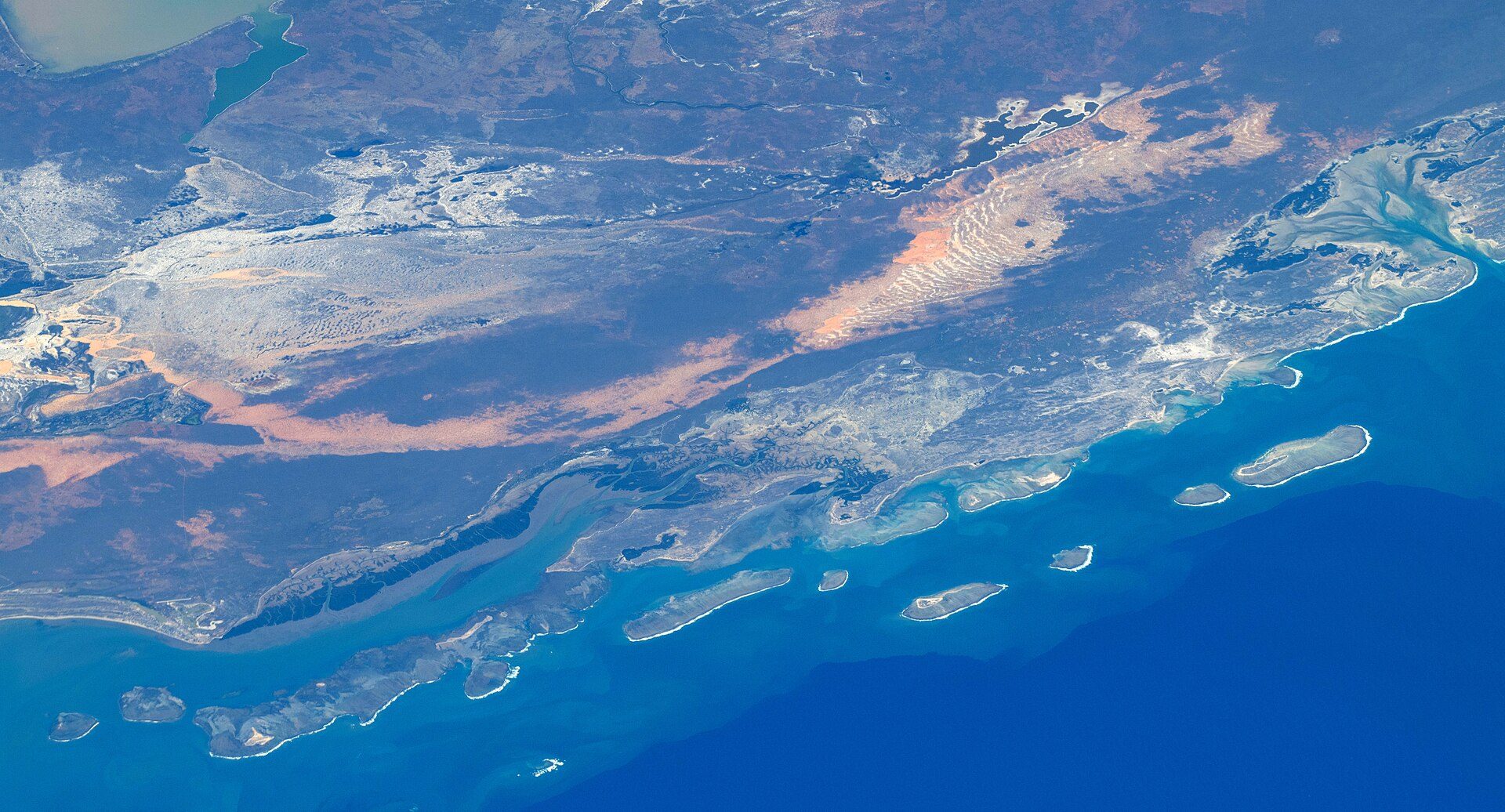
Image: NASA (ISS075-E-85199). The frame includes the coast at Andavadoaka. Source.
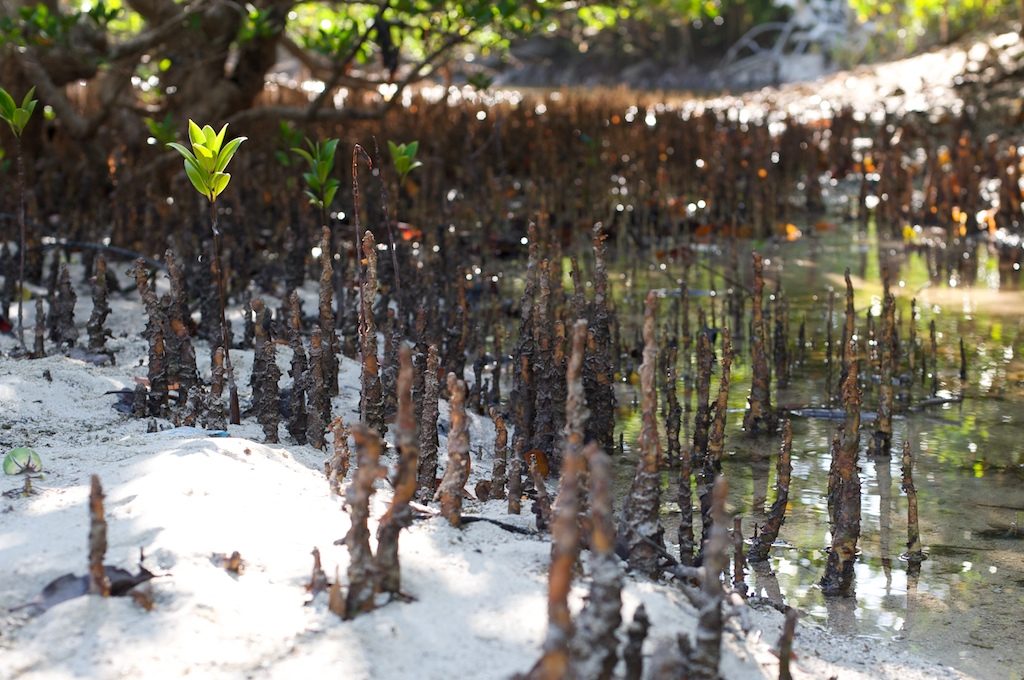
Image: Dennis Tang (CC BY-SA 2.0). Mangroves at Andavadoaka.
Support Blue Ventures
Last reviewed: 4 sources cited How we check a Donate link
Blue Ventures is a registered UK charity. Donations go to Blue Ventures, not to Saving Planets.
DonateHelp This Work
The Donate button goes to Blue Ventures’ own page. Saving Planets does not receive any of the money. Blue Ventures is UK charity 1098893, and the Charity Commission register shows its accounts.